Best Shore Fishing Spots in Hawaii
Hawaii's stunning coastlines are a dream, but figuring out where to cast a line from shore can feel like cracking a secret code. Between the lava rocks, the powerful currents, and the sheer number of gorgeous but not always productive spots, it's easy to get overwhelmed. This guide is your local friend, here to break down the very best shore fishing spots across the islands, offering practical tips to help you hook into some incredible Hawaiian catches.
Understanding Hawaii's Shoreline Fishing Landscape
Shore fishing in Hawaii isn't just a hobby; it's a way of life deeply ingrained in the local culture. It’s also an incredible adventure, offering diverse environments and a chance to connect with the 'aina (land) and kai (sea) in a truly unique way. But let's be real, it comes with its own set of quirks.
The Unique Challenges and Rewards of Shore Fishing
When you picture shore fishing, you might imagine a calm sandy beach. In Hawaii, while we have those, you're just as likely to be navigating jagged lava flows, slippery reef flats, or battling strong currents. One of the biggest challenges for newcomers is understanding the diverse topography. Lava rock points, while prime real estate for larger pelagics moving inshore, can be incredibly dangerous if you’re not careful about foot placement and rogue waves. Accessibility can also be an issue; some of the most productive spots require a hike or a keen eye to find public access points through private land or complex neighborhoods.
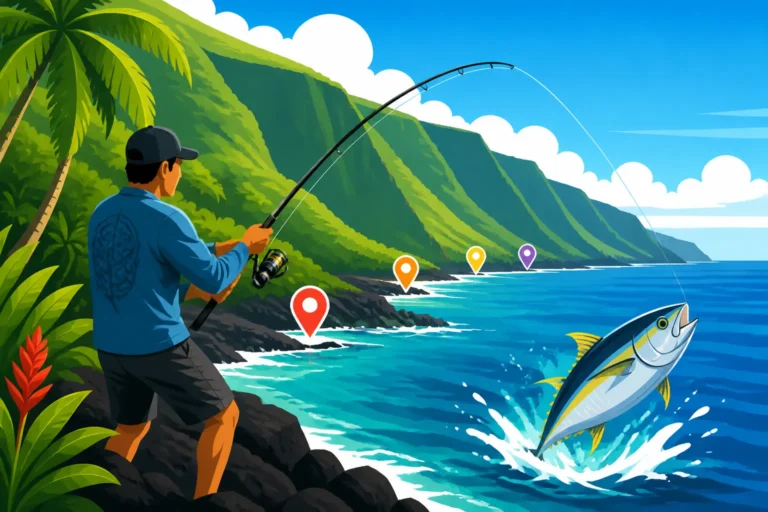
Then there's the local knowledge factor. Anglers here have spent lifetimes learning the tides, the swells, the specific spots where certain fish gather during different seasons. It's a steep learning curve, and without a local guide or extensive personal exploration, it can be frustrating. However, the rewards are immense. Shore fishing is incredibly accessible – no boat needed, just your gear and your two feet. You can target a phenomenal variety of species, from the hard-fighting Papio (juvenile Trevally) to the legendary Ulua (Giant Trevally), various reef fish like uhu (parrotfish), and even migratory pelagics that come close to shore. Plus, the sheer beauty of fishing against a backdrop of volcanic mountains and turquoise waters is unparalleled. It’s an authentic Hawaiian experience that many visitors miss out on.
Different Types of Shorelines to Explore
Hawaii's geological diversity means a smorgasbord of shoreline types, each offering different opportunities and requiring specific approaches.
- Rocky Points and Lava Flows: These are the big game hunter's paradise. The dramatic drop-offs and turbulent water created by lava formations attract larger predatory fish like ulua, omilu (Bluefin Trevally), and even small sharks. You'll often find deeper water closer to shore here, allowing for casting into prime feeding lanes. However, footing can be treacherous, and powerful waves crashing against the rocks are a constant threat. Heavy tackle is usually a must, and sliding bait techniques are common for targeting bigger fish.
- Sandy Beaches: While some sandy beaches are too shallow or too exposed to consistent waves for prime fishing, others offer fantastic opportunities. Beaches with a good sand-to-reef transition, or those near river mouths, can hold papio, moi (Pacific Threadfin), and even bonefish. Surf fishing techniques, using weighted rigs to cast beyond the breaking waves, are effective here. Lighter tackle can often be employed for species like papio.
- Reef Flats: These shallow, expansive areas of coral and rock are teeming with life, making them perfect for light tackle and often family-friendly fishing. You'll find an abundance of colorful reef fish, small papio, and sometimes even moi or the elusive bonefish (oio). Wading is often necessary, and techniques like whipping with small lures or bait fishing with shrimp or limu (seaweed) are popular. Always be mindful of the tide when wading, as getting stranded on a rising tide can be dangerous. These areas are also where you'll find species like Uhu (Parrotfish) in Hawaii, which are often targeted with small baits or spearfishing (where allowed).
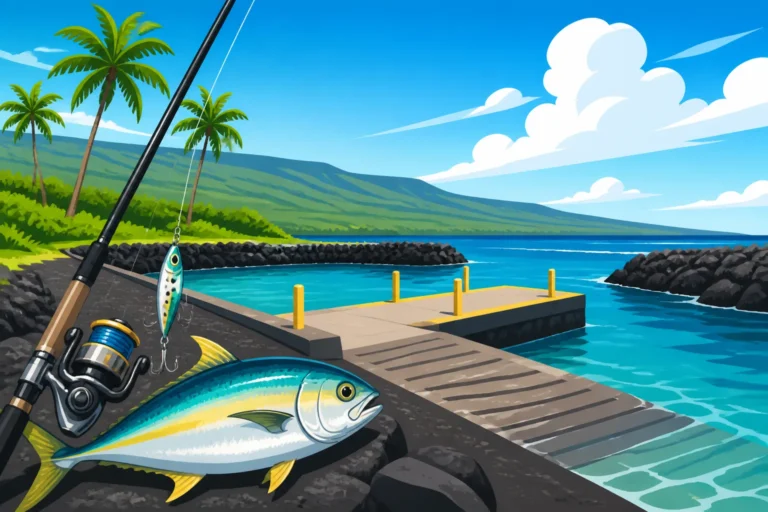
- Harbors and Jetties: For convenience and calm waters, harbors and jetties are often excellent choices. They provide sheltered environments, attracting baitfish and, consequently, predatory species. You can often find papio, small jacks, and even barracuda lurking around boat docks and break walls. These spots are usually accessible and great for beginners or those looking for a relaxed fishing experience. Light to medium tackle with bait or small lures works well here. Just be respectful of boaters and private property.
Oahu's Premier Shore Fishing Destinations
Oahu, with its bustling city life and world-renowned surf breaks, also boasts some incredible and varied shore fishing opportunities. From the pounding surf of the North Shore to the calmer flats, there's a spot for every angler.
Legendary North Shore Beaches
The North Shore of Oahu is famous for its massive winter waves, but even during the calmer summer months, or when the swell is manageable, these beaches offer excellent fishing.
- Waimea Bay Fishing Access: While best known for big wave surfing, during periods of smaller swells, Waimea Bay offers intriguing shore fishing potential. The deeper channel and rocky outcroppings near the mouth of the river, especially towards the ends of the bay, can hold some surprises. Anglers often target papio and ulua here, especially during low light conditions or when the tide is moving bait around. Casting poppers or stickbaits for papio can be thrilling, while heavier slide bait setups might tempt a larger ulua. Be incredibly cautious of any incoming swells, as the conditions can change rapidly, making for dangerous footing on the rocks. Always prioritize safety over a potential catch.
- Kahuku Beach Shore Fishing: Further north, the Kahuku coastline offers a more rugged and wild experience. This area is renowned for its trevally species, including the elusive ulua. The strong currents and varied bottom structure — a mix of sand, reef, and scattered rocks — create excellent feeding grounds. Many local anglers here prefer bait fishing with fresh opelu or akule, cast out with heavy surf rods to reach deeper channels. The solitude and raw beauty of Kahuku make for a truly immersive fishing adventure, but it also means being extra prepared with all your gear, water, and emergency supplies. Knowing the local conditions and tides is paramount to success and safety.
South and East Shore Hotspots
Oahu's south and east shores offer a mix of urban accessibility and stunning natural beauty, along with diverse fishing grounds.
- Sandy Beach Fishing Access: Located on Oahu's southeastern tip, Sandy Beach is famous for its powerful shore break and body surfing. However, for the experienced and cautious angler, it can also be a hotspot for ulua. The strong wave action constantly churns up the bottom, dislodging bait and attracting large predators. Anglers here often use heavy surf rods and specialized rigs to cast beyond the crashing waves. Night fishing is particularly popular for ulua, but the inherent dangers of the powerful surf mean extreme caution is necessary. This spot is not for beginners, and understanding the ocean conditions is critical. It's a place where you might hook into a fish of a lifetime, but you must respect the ocean's power.
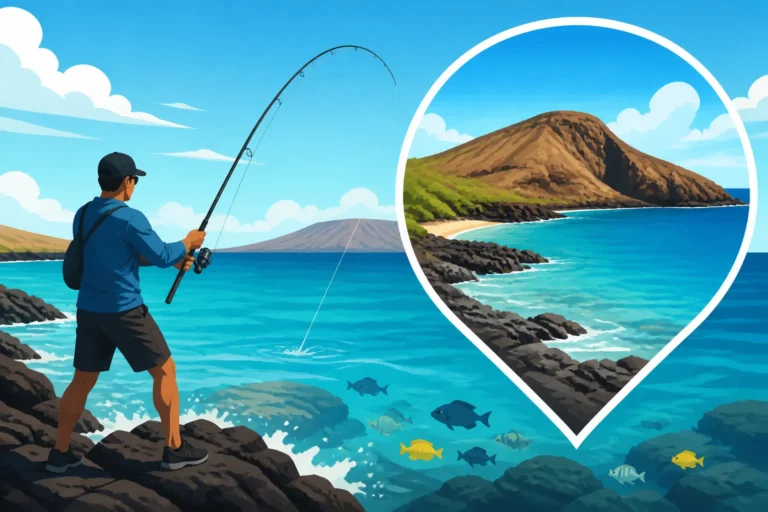
- Makapuu Point Fishing Access: This iconic landmark offers breathtaking views and some fantastic, deep-water shore fishing. The steep drop-offs close to shore mean you can reach pelagic species that typically require a boat. Anglers here might target species like omilu, papio, or even small tuna and mahimahi if they venture close enough. The dramatic lava rock cliffs provide excellent vantage points, but also present challenging casting conditions and treacherous access to the water's edge. This is a place where strong casting ability and robust tackle are beneficial. The beauty of the landscape here, with the lighthouse overlooking the ocean, makes for a memorable fishing trip, even if the fish aren't biting.
- Diamond Head Shore Fishing: For those seeking a more accessible yet productive spot near Honolulu, the shoreline around Diamond Head offers several options. While perhaps not known for trophy-sized ulua, these areas are fantastic for papio, various reef fish, and sometimes moi. There are numerous rocky outcroppings and small sandy coves where you can cast light tackle with lures or bait. It’s a great spot for a casual morning or evening session, and often family-friendly. The backdrop of Diamond Head crater and the Waikiki skyline adds to the unique charm of fishing here. Just be mindful of swimmers, surfers, and other beachgoers, as this is a popular area for recreation.
Urban and Accessible Options
Even in Oahu's more developed areas, hidden gems for shore fishing abound, often providing unique opportunities.
- Keehi Lagoon Bonefishing: Located near Honolulu International Airport, Keehi Lagoon might not look like a prime fishing spot at first glance, but it's one of Oahu's best-kept secrets for bonefishing. The expansive shallow flats within the lagoon are a perfect habitat for oio (bonefish), offering incredible sight-fishing opportunities for fly anglers and spin fishermen alike. Wading the flats with a keen eye for subtle movements is the name of the game. Light tackle, small jigs, or fly patterns that imitate shrimp and crabs are highly effective. The challenge here is the stealth required, as bonefish are notoriously skittish. It's a unique experience that feels a world away from the urban hustle just beyond the lagoon. For more on this elusive species, check out our guide on Bonefish Oio in Hawaii.
- Sand Island Bonefishing: Adjacent to Keehi Lagoon, Sand Island offers similar bonefishing opportunities, particularly on its shallower flats. The accessibility here is a huge plus, often with ample parking. It's another excellent location for wading and sight-casting for oio. Like Keehi, the key is patience, quiet movement, and precise casting. Beyond bonefish, the deeper channels and harbor entrances around Sand Island can also hold papio, small jacks, and various reef fish, making it a versatile spot for different fishing styles. It's a testament to Hawaii's diverse ecosystems that such productive fishing can be found so close to a major city.
- Best Pier Fishing Spots in Hawaii: For sheer convenience and often decent catches, Hawaii's piers are invaluable. On Oahu, places like the Ala Wai Canal and Kewalo Basin offer easy access. While these might not be the most glamorous spots, they provide sheltered water and a chance to catch a variety of smaller reef fish, papio, and even barracuda or small Jacks. They are also fantastic for families or beginners looking to simply get a line in the water without too much fuss. Just be sure to check local regulations, as some areas may have specific rules about fishing from piers or harbors. You can find more details in our guide on the Best Pier Fishing Spots in Hawaii.
Big Island's Diverse Shore Fishing Opportunities
The Big Island of Hawaii lives up to its name, offering vast and varied shorelines, from the rugged lava fields of Kona to the lush, wet side of Hilo. Each coast presents its own distinct fishing experience.
Kona Coastline Gems
The Kona Coast is legendary for its deep-sea fishing, but its shorelines also hold significant appeal for anglers willing to explore. The dramatic volcanic landscape creates unique fishing structures.
- Honokohau Harbor Fishing Access: While primarily a launching point for charters, the areas surrounding Honokohau Harbor offer fantastic shore fishing opportunities. The outer walls of the harbor, the rocky points nearby, and even some of the deeper channels can be productive. Baitfish often congregate here, attracting larger predators like papio, omilu, and ulua. Anglers can try whipping with lures around the harbor entrance or using slide bait setups from the rocky points to target bigger fish. It's a bustling hub of fishing activity, offering a chance to see charter boats heading out while you try your luck from shore. Always be respectful of commercial operations and private boaters.
- Kealakekua Bay Fishing Rules and Access: This historically significant bay is beautiful, but it's also a Marine Life Conservation District (MLCD), meaning fishing regulations are strict. However, certain areas within or adjacent to the bay allow for regulated fishing, primarily pole-and-line. It's crucial to understand the specific boundaries and rules of MLCDs like Kealakekua Bay Fishing Rules and Access to avoid violations. When fishing is permitted, the calm, clear waters can yield papio, various reef fish, and sometimes small jacks. It’s an ideal spot for light tackle and sight fishing where allowed, offering a tranquil experience amidst incredible natural beauty and history.
- South Point Ka Lae Fishing Spots: The southernmost tip of the United States is not for the faint of heart. South Point (Ka Lae) is famous for its dramatic cliffs, incredibly strong currents, and the potential for truly massive fish. This is where you go if you're serious about targeting trophy ulua. Anglers often fish from high cliffs, using specialized long rods and heavy tackle to cast out live bait or large lures into the turbulent waters. The currents are so powerful here that specific rigging techniques are often required to hold your bait in place. It's an extreme fishing environment, dangerous but incredibly rewarding for those who know how to navigate it safely. Always be aware of your surroundings, never turn your back on the ocean, and consider going with experienced locals if it's your first time.
Hilo Side and Eastern Shores
The Hilo side and the Big Island's eastern coast offer a contrast to Kona, with lush landscapes and often calmer, more protected waters.
- Hilo Bay Best Fishing Access Points: Hilo Bay provides a more sheltered environment compared to the open ocean, making it a popular spot for local anglers. The calm waters attract a variety of reef fish, small papio, and even occasional larger predators. Accessible areas around the bay, including break walls and small jetties, are excellent for bait fishing with shrimp, squid, or pieces of fish. It's a great location for families or those looking for a relaxed day of fishing, with the backdrop of the lush Hilo landscape. You might catch weke (goatfish), kumu (goatfish), or various types of snapper. The ease of access makes it a frequent choice for quick fishing trips.
- Best Reef Fishing Spots on the Big Island: The Big Island's extensive reef systems, particularly on the Kona side where the lava flows create intricate structures, offer exceptional reef fishing. These spots are typically accessed by wading or from rocky points that extend out into the shallows. Targeting species like uhu, kumu, weke, and various small snapper and grouper is common. Light to medium tackle with fresh bait (shrimp, squid, limu) or small jigs and plastics are effective. Exploring these reefs requires caution, as the sharp lava rock can be unforgiving on bare feet and the coral is fragile. Always be mindful of the tide and wear appropriate footwear. Understanding local rules regarding protected reef areas is also essential.
Maui's Beautiful and Productive Shorelines
Maui, the "Valley Isle," is renowned for its stunning beaches and vibrant tourism, but it also hides some fantastic shore fishing opportunities. From the calm waters of the west to the rugged coastline of the south, Maui offers diverse angling experiences.
West Maui Fishing Havens
West Maui, with its picturesque towns and accessible coastline, has several spots that are favored by shore anglers.
- Lahaina Harbor Fishing Access: While Lahaina Harbor serves as a major hub for boat tours and charters, its break wall and surrounding areas offer convenient shore fishing. The calm, protected waters inside the harbor can hold papio, small jacks, barracuda, and various reef fish. Outside the break wall, anglers might target larger species. Bait fishing with shrimp, squid, or cut bait is productive, as is whipping with small lures. It's an easily accessible spot, great for a quick fishing session or for introducing beginners to the sport. As always, be courteous to other harbor users and mindful of fishing regulations.
- Best Pier Fishing Spots on Maui: Maui offers several piers that are ideal for shore anglers, providing easy access to deeper water without the need for a boat. Piers like the one in Ma'alaea or near Lahaina can be great for catching small papio, various reef fish, and even some bottom fish. They are excellent for families, offering a safe and convenient environment for kids to learn. A simple bait setup with a weighted bottom rig or a bobber rig works well. Make sure to check if there are any specific pier regulations or closures before you head out. These spots are excellent for a relaxed fishing experience.
South Maui and Beyond
South Maui offers a mix of popular tourist beaches and more rugged, remote fishing grounds, providing a diverse range of options.
- Maalaea Harbor Best Nearby Fishing Grounds: Similar to Lahaina, Ma'alaea Harbor is a bustling harbor on Maui's south-central coast. The harbor entrance, break wall, and nearby rocky points can be productive for shore fishing. It's known to hold papio, small jacks, and various reef species. Anglers here often use live bait or lures, casting into the deeper channels or along the break wall. The accessibility makes it a convenient spot for local anglers, and it can be a good alternative if other, more exposed areas are too rough. You might even see some of the local commercial fishing boats heading out from here.
- La Perouse Bay Shore Fishing: Located at the very southern end of Maui's road system, La Perouse Bay offers a wilder, more remote fishing experience. The area is characterized by dramatic lava fields and clear, deep water close to shore. It's a prime spot for targeting ulua and other large trevally species. Anglers often hike into various points along the bay, using heavy tackle and slide bait techniques to present baits to passing predators. The clear water also makes it a good spot for spearfishing (where permitted and within regulations). The rugged beauty and isolation of La Perouse make for a memorable, albeit challenging, fishing adventure. Be sure to bring plenty of water and sun protection, as services are non-existent.
- Best Rocky Point Fishing Spots on Maui: Maui's coastline is dotted with numerous rocky points, particularly along the south and west shores, that jut out into deeper water, providing excellent shore fishing opportunities. These points act as natural ambush points for predatory fish like ulua, omilu, and various snapper. Examples include points beyond the developed areas of Kihei or Wailea, or remote spots along the Hana Highway (though accessing them can be challenging). Fishing these spots typically involves heavier tackle, strong casting, and often the use of live bait or large artificial lures. Be extremely cautious of rogue waves and slippery surfaces. These are often the most productive spots for larger game fish from shore, but they demand respect for the ocean and careful preparation.
Kauai's Untouched Shoreline Paradises
Kauai, the "Garden Isle," lives up to its name with lush, verdant landscapes and some of the most pristine and untouched shorelines in the archipelago. Fishing here often feels like stepping back in time, away from the crowds.
North Shore Charms
Kauai's North Shore is famous for its dramatic cliffs, verdant valleys, and stunning beaches, many of which offer fantastic shore fishing.
- Hanalei Bay Fishing Access: Hanalei Bay is one of Kauai's most iconic and beautiful locations, and it also offers diverse fishing opportunities. The calm, protected waters of the bay are excellent for light tackle fishing, targeting papio, various reef fish, and even moi. The pier in Hanalei can also be a popular spot for locals and visitors alike. You can try casting small lures or using bait from the shore or the pier. The backdrop of the lush mountains and serene waters makes for a truly idyllic fishing experience. During winter, larger swells can make fishing more challenging, but generally, Hanalei offers a relatively safe and productive environment.
- Best Sandy Beach Fishing Spots on Kauai: Kauai boasts numerous beautiful sandy beaches, many of which are fantastic for surf fishing. Beaches on the South Shore, like Poipu, or more remote ones on the East and North Shores (when conditions allow) can be very productive. These beaches often have good sand-to-reef transitions, creating feeding grounds for papio, moi, and sometimes ulua. Surf fishing with weighted rigs and bait (shrimp, squid, cut bait) is a common technique. These spots are generally more accessible and safer than rocky points, making them great for beginners or those seeking a more relaxed experience.
South and West Side Opportunities
Kauai's South and West sides offer a different flavor of fishing, from popular tourist areas to wild, rugged coastlines.
- Poipu Shore Fishing: The sunny South Shore of Kauai, particularly around Poipu, offers accessible and often family-friendly shore fishing. The various coves and rocky outcrops in this area can yield papio, triggerfish (humuhumunukunukuapua'a!), and other reef species. Light tackle, small lures, or bait (shrimp, bread ball) work well here. It's a great spot to enjoy the beautiful scenery while catching some smaller, fun-fighting fish. Be mindful of swimmers and snorkelers, as these are popular recreational areas.
- Best Reef Fishing Spots on Kauai: Kauai's reefs are incredibly vibrant and offer excellent opportunities for light tackle fishing. From the shallow flats on the North Shore (when calm) to the more protected areas on the South Shore, exploring these reefs can be very rewarding. Targeting species like uhu, kumu, weke, and various wrasses and snappers is common. Wading is often involved, so sturdy reef shoes are a must. Small jigs, soft plastics, or natural baits (shrimp, limu) are effective. Always practice responsible reef etiquette: never stand on live coral, and be aware of bag and size limits for different species to help protect these precious ecosystems.
Techniques and Gear for Successful Shore Fishing in Hawaii
Successfully fishing from Hawaii's shores is a blend of knowing where to go, what to use, and how to use it. It’s an art form honed over generations.
Essential Shore Fishing Techniques
Mastering a few key techniques will dramatically increase your chances of success.
- Whipping for Papio: This is a super popular and exciting technique, especially for targeting Papio, the feisty juvenile trevally. It involves using light to medium spinning tackle, casting small artificial lures (like Kastmasters, MegaBaits, or various soft plastics and small poppers) and retrieving them rapidly. The idea is to imitate a fleeing baitfish. You'll often cast repeatedly, covering a lot of water along reef edges, sandy pockets, and rocky points. It’s an active style of fishing that keeps you moving and constantly engaged. The thrill of a papio smashing your lure in shallow water is addicting! For a deeper dive, check out How to Catch Papio on Hawaii's Shoreline.
- Sliding Bait Techniques for Ulua: When you’re hunting for a trophy Ulua, the heavy tackle, often overnight, sliding bait technique is king. This involves casting a heavy lead weight out as far as possible, then clipping a live bait (like an opelu or akule) onto your main line with a special clip that slides down to a leader and hook near the weight. The live bait is then allowed to swim freely, presenting a natural meal to any patrolling ulua. This requires specialized heavy-duty rods and reels capable of handling powerful fish and long casts. Patience is key, as you might wait hours for that one massive bite. This technique is often used from high cliffs or rocky points, and it's a serious commitment. For detailed instructions, our guide on How to Catch Ulua from Shore is an excellent resource.
- Wading Techniques for Hawaii Shore Fishing: Many of Hawaii's best shore fishing spots, particularly reef flats and shallow bays, require wading. This allows you to access areas unreachable from the dry shore and to stealthily approach fish like bonefish or reef species. Always wear sturdy reef shoes or boots with good traction, as the bottom can be sharp, uneven, and slippery. Move slowly and deliberately, disturbing the water as little as possible. Use polarized sunglasses to spot fish and underwater structure. Always be aware of the tide, never wade out farther than you can safely return, and watch for strong currents or sudden drop-offs. Having a wading staff can provide extra stability.
Must-Have Gear and Tackle
Having the right equipment is crucial for both success and safety when shore fishing in Hawaii.
- Rods and Reels: For versatile shore fishing, you'll likely need a couple of setups. A medium-light spinning rod (7-9 feet) paired with a 2500-4000 series spinning reel is perfect for whipping for papio, casting small lures, and light bait fishing. For targeting ulua or fishing heavy surf, a heavy-duty surf rod (10-14 feet) with a powerful 6000-10000 series spinning or conventional reel is essential. Look for rods with good backbone and reels with strong drag systems.
- Line and Leaders: On your lighter setup, 15-20 lb braided main line is a good choice for its casting distance and sensitivity, tied to a 20-30 lb fluorocarbon leader. For heavy ulua setups, you might use 50-80 lb braided main line, often with a monofilament shock leader, and then an 80-150 lb fluorocarbon leader near your hook. Fluorocarbon is less visible in clear Hawaiian waters and more abrasion-resistant around rocks.
- Baits and Lures: The best baits are usually fresh and local: opelu, akule, shrimp, squid, or cut pieces of any legal baitfish. Live bait is almost always preferred for larger predators. For lures, a variety is good to have:
- Whipping Lures: Small metal spoons (Kastmasters, MegaBaits), plastic swimbaits, poppers, and jerkbaits in natural colors or chrome.
- Ulua Lures: Large poppers, stickbaits, and sometimes heavy jigs, though bait is usually preferred.
- Reef Fishing: Small pieces of shrimp, squid, or even bread balls can attract a variety of reef fish.
- Safety Gear: This is non-negotiable. Sturdy reef boots or spiked wading shoes are a must for rocky shorelines. Bring plenty of water, sunscreen, a wide-brimmed hat, and polarized sunglasses. A first-aid kit, especially with bandages for cuts from sharp lava, is essential. If fishing at night, a reliable headlamp is crucial. Always let someone know where you're going and when you expect to return, especially if exploring remote areas.
Respecting the 'Aina: Regulations and Etiquette
Fishing in Hawaii isn't just about catching fish; it's about respecting the islands, the ocean, and the local culture. Understanding and adhering to regulations and local customs is paramount.
Navigating Hawaii Fishing Regulations Explained
The state of Hawaii, through its Department of Land and Natural Resources (DLNR) Division of Aquatic Resources (DAR), has specific regulations to protect its precious marine and freshwater resources. While ocean recreational fishing often doesn't require a license for residents (non-residents do need a license for marine fishing, and everyone needs a license for freshwater fishing), there are strict rules you must know.
- Bag and Size Limits: Crucially, there are minimum and sometimes maximum size limits for many species, as well as daily bag limits per person. For example, Hawaii Papio and Ulua Size Rules dictate minimum sizes, and there are often regulations for species like moi during their spawning season (Hawaii Moi Closed Season, Explained). Harvesting 'Opihi (limpets) also has specific rules, detailed in Hawaii Opihi Harvest Limits and Size Rules. Always consult the most current Hawaii DLNR Fishing Regulations PDF, easily found on the DAR website, before you head out.
- Protected Areas: Hawaii has numerous Marine Life Conservation Districts (MLCDs) like those found around parts of Kealakekua Bay or Hawaii Marine Life Conservation Districts, Explained. These areas are established to preserve marine resources and typically have strict "no-take" rules for fishing or harvesting, though some may allow specific types of fishing. There are also Fish Replenishment Areas, like Hawaii Fish Replenishment Areas in West Hawaii, which have specific rules about take and gear. Always know if you're fishing near or in a protected area and understand what is permitted.
- Gear Restrictions: Certain types of gear, such as lay nets, gill nets, and specific types of traps, have restrictions or are outright banned in certain areas or for certain species. Spearfishing also has its own set of rules, including restrictions on Hawaii SCUBA Spearfishing Ban and general Hawaii Spearfishing Regulations.
It can feel like a lot to take in, but taking the time to understand these rules is essential for sustainable fishing and to avoid hefty fines. If you're wondering Do You Need a Fishing License in Hawaii, the answer depends on your residency and whether you're fishing in freshwater or saltwater.
Cultural Protocols and Responsible Angling
Beyond the written laws, there are unwritten rules—cultural protocols and common courtesies that show respect for the 'aina and local communities.
- Malama Aina (Care for the Land): This principle extends to the ocean. Always pack out everything you pack in, and if possible, leave the area cleaner than you found it. This means no litter, no discarded fishing line, and no food scraps left behind.
- Respect Public Access: Many of Hawaii's shorelines are accessible through private land or residential areas. Always be respectful of property owners, keep noise down, and avoid blocking driveways or access points. Familiarize yourself with Hawaii shoreline fishing rights and public access rules.
- Share the Catch: In traditional Hawaiian culture, a good catch was often shared with family, friends, and community elders. While not a strict rule today, the spirit of sharing (or at least being mindful of others who might depend on the ocean for sustenance) is deeply appreciated. Don't be a "resource hog" by taking more than your limit or more than you can realistically use.
- Be Mindful of Others: Hawaii's beaches and shorelines are enjoyed by everyone—swimmers, surfers, snorkelers, sunbathers. Always be aware of other people around you, especially when casting. Give them space and avoid fishing in crowded recreational areas where lines could pose a hazard.
- Leave No Trace: This goes beyond just trash. Avoid disturbing the natural environment more than necessary. Don't move large rocks, trample fragile coral, or intentionally damage the habitat.
By embracing these principles, you not only ensure the longevity of Hawaii's incredible fishing resources but also enrich your own experience by connecting more deeply with the spirit of the islands.
Top Shore Fishing Spots in Hawaii: At a Glance
Here's a quick reference for some of the best shore fishing spots we've discussed, along with what you can expect:
| Island | Spot Name | Primary Target Species | Recommended Technique | Unique Feature |
|---|---|---|---|---|
| Oahu | Waimea Bay | Papio, Ulua | Whipping, Slide Bait | Legendary surf spot, deep channels near shore |
| Oahu | Sandy Beach | Ulua, Papio | Heavy Surf Casting, Bait | Strong shore break, challenging but rewarding |
| Oahu | Keehi Lagoon Flats | Bonefish (Oio) | Wading, Fly Fishing, Light Jig | Accessible urban flats, stealth required |
| Big Island | South Point (Ka Lae) | Trophy Ulua, Omilu | Heavy Slide Bait, Extreme Casting | Southernmost point, powerful currents, dramatic cliffs |
| Big Island | Honokohau Harbor | Papio, Omilu, Ulua | Whipping, Live Bait | Bustling harbor, varied fishing access |
| Maui | La Perouse Bay | Ulua, Omilu | Heavy Slide Bait, Lures | Remote lava fields, clear deep water |
| Maui | Lahaina Harbor | Papio, Reef Fish, Barracuda | Light Bait, Lures | Convenient, calm waters, good for beginners |
| Kauai | Hanalei Bay | Papio, Moi, Reef Fish | Light Bait, Lures | Idyllic scenery, calm bay fishing |
| Kauai | Poipu Shore (various points) | Papio, Reef Fish | Light Bait, Lures | Family-friendly, accessible, South Shore sun |
Disclaimer
The information provided in this guide is for general informational purposes only and does not constitute legal advice. Fishing regulations, seasons, and access points in Hawaii are subject to change by the Department of Land and Natural Resources (DLNR) at any time. It is the responsibility of the angler to always check the most current regulations and rules before fishing. We encourage responsible and ethical fishing practices.