Where to shore fish at La Perouse Bay
Oh, La Perouse Bay on Maui. Just the name conjures images of rugged, untouched coastline and the promise of incredible fishing. But let's be real, for many anglers, the thought of tackling a remote, lava-strewn shoreline in an unfamiliar place can be daunting. You're probably wondering if the long drive and rough terrain are truly worth it, and more importantly, how exactly you're supposed to catch anything out there. This comprehensive guide is here to strip away the mystery, validating your concerns while empowering you with the local knowledge you need to successfully shore fish the unique waters of La Perouse Bay, turning potential frustrations into rewarding catches.
Understanding La Perouse Bay's Unique Environment for Shore Fishing
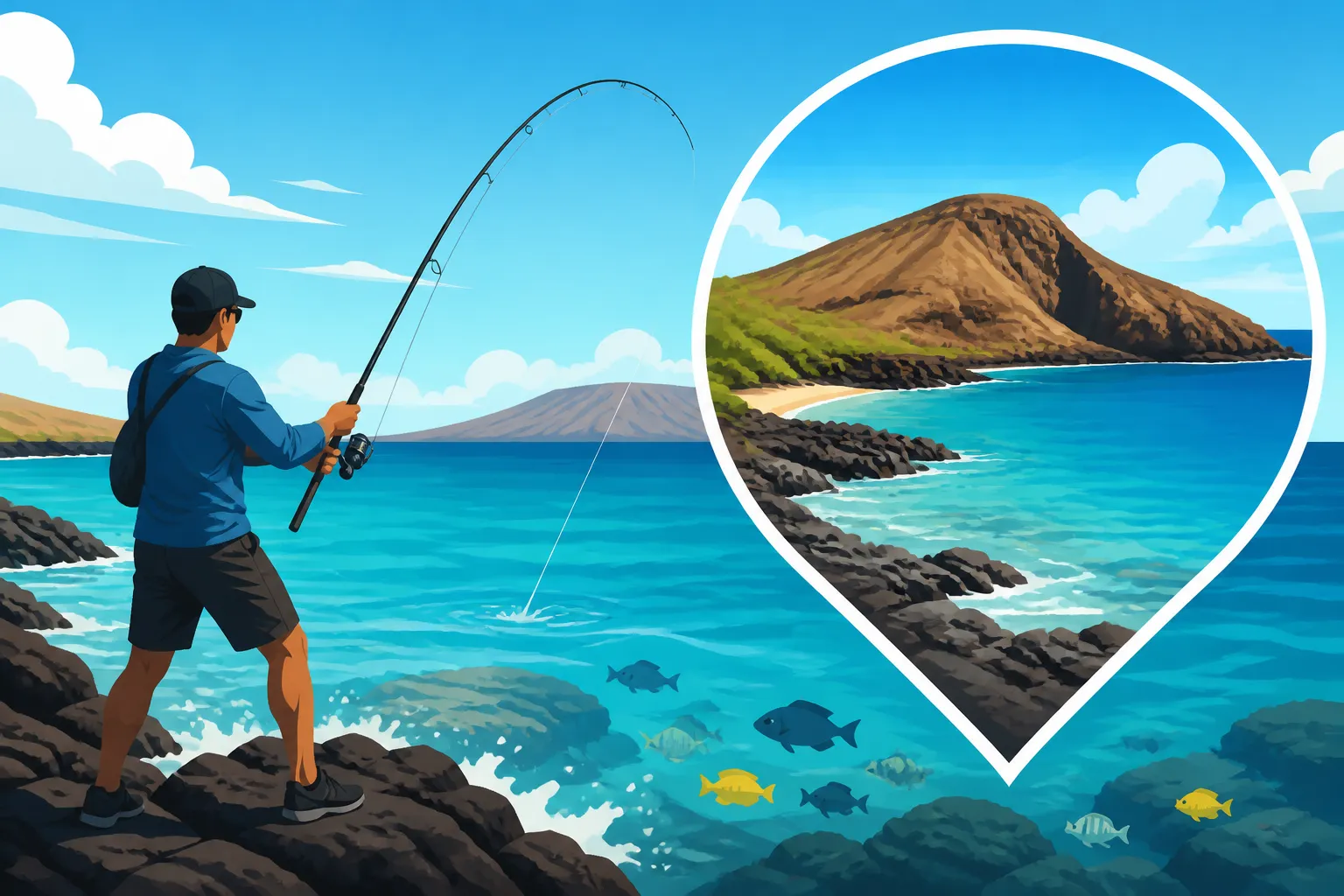
La Perouse Bay, located at the very end of the paved road in South Maui, near Makena, is a place of raw beauty and powerful contrasts. It's where the verdant slopes meet ancient lava flows, creating a dramatic, wild landscape that feels miles away from the bustling resorts. This isn't your typical sandy beach fishing, and that's precisely what makes it so special.
Geological Features and Their Impact on Fish Habitats
The most striking feature of La Perouse Bay is its volcanic origin. Imagine countless years of lava flowing from Haleakala, cooling rapidly as it met the ocean, forming jagged, porous, and incredibly complex underwater structures. This isn't just scenic; it's a marine apartment complex for fish. The lava rock provides endless nooks, crannies, ledges, and caves, creating ideal ambush points and hiding spots for prey species, which in turn attract larger predatory fish. The deep crevices offer protection from strong currents and predators, while the relatively clear waters allow sunlight to penetrate, fostering diverse algae and coral growth on these rocky substrates, further enriching the food web. When you're casting into these waters, you're not just aiming at open ocean; you're casting into a vibrant, living ecosystem built by fire and water, where every crack and overhang could be harboring a trophy catch. Understanding that the sharp, uneven bottom means snags are a real possibility also informs your tackle choices and retrieval techniques, forcing you to think strategically about where your bait or lure lands and how it moves through the water.
Marine Life and Common Species Encountered
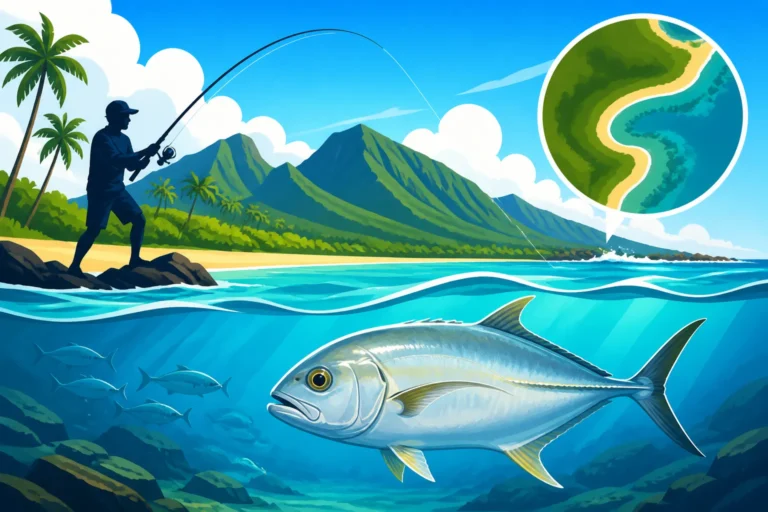
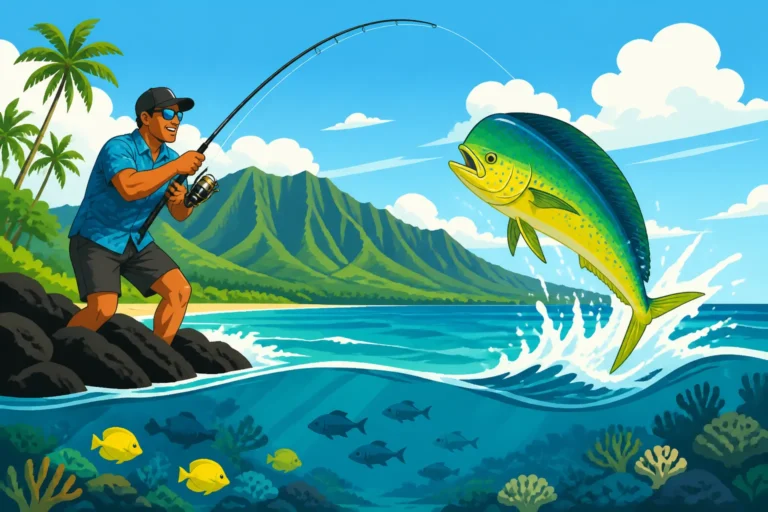
La Perouse Bay is a hotspot for a variety of inshore and nearshore species, making it an exciting challenge for shore anglers. You'll find a healthy population of papio, which are juvenile ulua (Giant Trevally), actively hunting the reef edges and current lines. These feisty fighters are often the primary target for many shore anglers here. You might also encounter moi (Pacific Threadfin), a highly prized eating fish, especially during their season. Smaller reef fish like kumu (Goatfish) and weke also frequent the area, often found rooting around the sand patches between the lava. For those truly dedicated, the potential for a full-grown ulua is always present, especially during the darker hours or early mornings when they venture closer to the shore to feed. Occasionally, pelagic species like small ono (wahoo) or even mahimahi can cruise close enough to shore, especially if there's bait activity, making every cast an exciting unknown. Learning to identify these different reef fish species of Hawaii will not only help you understand their habits but also ensure you're adhering to any specific regulations.
Accessibility and Terrain Challenges for Anglers
Getting to La Perouse Bay is an adventure in itself, and that's part of its allure, but also a significant hurdle. The road leading to the bay, beyond Makena State Park, eventually turns into a gravel and lava rock path that can be very rough on vehicles. A 4×4 or a vehicle with good ground clearance is highly recommended, especially if you plan to venture further down the coastline towards the ancient Hawaiian village site. Once you arrive, the "shore" fishing here largely means negotiating sharp, uneven lava flows and rocky outcrops. There are very few sandy spots from which to cast. This terrain demands sturdy footwear with excellent grip, proper planning for carrying your gear over difficult ground, and constant awareness of your footing. It's not a place for flip-flops or light sandals. The reward, of course, is solitude and access to waters that see less pressure than more easily accessible spots, but don't underestimate the physical demands of navigating this rugged landscape.
Essential Gear and Techniques for La Perouse Bay Shore Fishing
Shore fishing at La Perouse Bay isn't just about showing up with a rod and reel; it requires a thoughtful selection of gear and an understanding of techniques that can withstand and capitalize on its rugged environment. Forget your ultralight freshwater setup – this place demands robust equipment and a strategic approach.
Recommended Rods, Reels, and Line Setups
Given the powerful fish that frequent these lava-strewn waters and the need to cast considerable distances, your gear needs to be up to the task. For rods, think long and strong. A surf rod between 10 to 12 feet is ideal, offering the leverage needed for long casts and the backbone to fight a strong fish away from the sharp coral and lava. A medium-heavy to heavy action is preferred. Pair this with a robust spinning reel in the 6000 to 10000 series range, known for its strong drag system and high line capacity. The drag is crucial for stopping a hard-running fish before it can bury itself in the rocks.
For line, braided line is almost a necessity. Its thin diameter allows for longer casts, and its zero-stretch quality provides superior sensitivity, letting you feel every subtle bite or bump on the bottom. I'd recommend 50 to 80 lb test braid as your main line. However, braid's downside is its vulnerability to abrasion against sharp lava. This is where your leader comes in. A long fluorocarbon leader, typically 6 to 10 feet in length and ranging from 80 to 150 lb test, is essential. Fluorocarbon is highly abrasion-resistant and less visible underwater, making it ideal for the clear waters of La Perouse. Connect your braid to your leader with a strong knot like an FG knot or an Albright Special. Having a stout setup allows you to truly battle a fish away from structure, which is key to landing larger papio and ulua.
Baits and Lures That Prove Effective
When it comes to bait, fresh is always best. Live bait, if you can catch or acquire it, is often irresistible to predatory fish. Small opelu (mackerel scad), akule (bigeye scad), or even small papio can be exceptionally effective for targeting larger ulua. If live bait isn't an option, fresh dead bait like squid, whole akule, or chunks of skipjack tuna also work well. You'll want to ensure your bait is securely rigged to withstand powerful casts and strong currents.
For artificial lures, heavy spoons, casting plugs, and poppers are excellent choices for shore fishing techniques for Hawaii. Heavy metal spoons, often weighing 2-4 ounces, can be cast a mile and mimic fleeing baitfish. These are great for searching large areas. Casting plugs, especially those designed to imitate local baitfish, can also be highly effective, retrieved with a retrieve-pause action to entice strikes. Poppers, worked aggressively on the surface, can trigger explosive strikes from aggressive papio and ulua, especially during low light conditions like dawn or dusk. The key is to match the hatch, using lures that approximate the size and profile of the baitfish currently in the bay.
Techniques Tailored for La Perouse's Conditions
Shore fishing at La Perouse Bay often involves a blend of different techniques, adapting to the specific conditions and target species.
-
Whipping/Spinning: This is a dynamic casting technique perfect for covering a lot of water with artificial lures. You'll want to cast your spoon or plug as far as possible, letting it sink for a few seconds (depending on the depth and current), and then retrieve it with varying speeds and jerks. The goal is to imitate a wounded baitfish. This is particularly effective for active papio and occasional pelagics cruising by. When whipping for papio, focus on areas where current eddies form around lava points.
-
Dunking/Bottom Fishing: For species like kumu, weke, and even smaller ulua that hug the bottom, a simple bottom fishing rig can be highly effective. This involves a weight at the bottom, with one or two baited hooks on dropper loops above it. Use fresh squid, shrimp, or cut bait. Cast your rig out, let it sink to the bottom, and wait for a bite. Be prepared for snags, as the lava bottom is notorious for grabbing tackle. Using a pyramid sinker or a breakaway lead can sometimes help mitigate this.
-
Slide-Baiting/Live Baiting: For serious ulua hunters, especially those targeting trophy fish, slide-baiting is a prime technique. This involves casting a heavy lead with a large, strong hook (like a 10/0 circle hook) out past the break, letting it settle. Then, you "slide" a live baitfish down your main line, which is attached to a clip that releases the bait when it hits the water. The live bait then swims freely, enticing large predators. This method requires specialized gear, patience, and often an overnight commitment to maximize your chances of catching a large ulua from shore. You can learn more about how to catch ulua from shore, including advanced slide-baiting setups, for a deeper dive into this exciting method.
Regardless of the technique, always be mindful of your surroundings. The sharp lava can cut lines easily, and large waves can sneak up on you. Always have extra leader material, hooks, and weights on hand, because you're almost guaranteed to lose some tackle here.
Navigating the Challenges and Risks of Fishing La Perouse Bay
Fishing at La Perouse Bay, while immensely rewarding, comes with its own set of challenges and risks that every angler must respect. This isn't a manicured park pond; it's a wild, untamed environment where preparedness is key to a safe and successful trip.
Safety Precautions and Environmental Awareness
The rugged coastline of La Perouse Bay is breathtaking but can also be treacherous. The sharp, jagged lava rock formations are unforgiving, capable of causing serious cuts and scrapes, or worse, a nasty fall if you're not careful. Always wear sturdy, closed-toe shoes with excellent grip – leave the slippers at home. Consider investing in a pair of tabi boots, popular with local fishermen, which offer exceptional traction on wet, slippery rocks.
Ocean conditions can change rapidly. Even on calm days, rogue waves can sweep over the rocks, so never turn your back on the ocean. Be aware of tidal changes; what looks like a safe spot at low tide might be completely submerged or battered by waves at high tide. It's wise to scout your chosen fishing spot before setting up, identifying safe escape routes in case a large set of waves rolls in. Dehydration is another serious concern, especially during sunny Maui days. There's no shade out there, so bring plenty of water, wear sun protection (hat, sunglasses, long-sleeved UPF clothing), and reapply sunscreen frequently. Inform someone of your plans and estimated return time, especially if you're venturing alone into more remote sections of the bay.
Understanding Local Regulations and Conservation Efforts
Hawaii's waters are beautiful, but they are also carefully managed to protect marine resources. It's absolutely crucial to familiarize yourself with the current Hawaii fishing regulations explained by the Division of Aquatic Resources (DAR). La Perouse Bay is not a Marine Life Conservation District (MLCD), but it's close to areas with stricter rules, and understanding the general regulations is paramount.
You'll need to know the Hawaii bag and size limits by species for any fish you plan to keep. For instance, there are specific regulations for moi and ulua that differ based on size and number. There might also be seasonal closures for certain species, like moi, to protect spawning populations. It's your responsibility as an angler to know these rules. Fishing without respecting these guidelines not only risks hefty fines but also harms the delicate marine ecosystem. The spirit of malama 'aina (care for the land) and malama kai (care for the ocean) is deeply ingrained in Hawaiian culture, and responsible angling embodies this ethos.
Best Times to Fish
Timing is everything when it comes to shore fishing at La Perouse Bay. The general rule of thumb for predatory fish is that they are most active during periods of low light and moving water.
- Tides: The incoming and outgoing tides often create currents that stir up baitfish and bring predators closer to shore. Look for the peak of the tide change, as this is frequently when feeding activity increases. Consult a local tide chart for Makena, Maui, before heading out.
- Time of Day: Dawn and dusk are prime times. As the sun rises or sets, the lower light conditions give an advantage to predatory fish, making them bolder in their search for food. Night fishing can also be incredibly productive for larger ulua, especially if you're slide-baiting with live bait. The cover of darkness often encourages bigger fish to move into shallower waters.
- Weather: While calm days are more comfortable for anglers, a slight chop on the water can actually be beneficial, as it breaks up the surface and makes it harder for fish to spot you, while also disorienting baitfish. However, avoid fishing during periods of very heavy surf or strong winds, as these conditions are not only dangerous but also make it difficult to effectively present your bait or lure. Clear water is generally preferred, but after a light rain, runoff can sometimes attract fish closer to shore as it brings nutrients and insects into the ocean.
By paying attention to these factors, you significantly increase your chances of a successful and safe fishing trip to La Perouse Bay.
Enhancing Your La Perouse Bay Fishing Experience
Fishing at La Perouse Bay is more than just catching fish; it's about the entire experience, from careful preparation to respecting the environment and learning from others. Making the most of your trip means embracing these elements fully.
Preparing for a Successful Trip
Preparation is paramount when venturing to a remote spot like La Perouse. It’s not a place you want to show up unprepared. Beyond your fishing gear, think about the logistics of your day.
- Vehicle: As mentioned, a high-clearance vehicle, preferably 4WD, is strongly recommended for navigating the rough road leading to the bay. Flats are not uncommon on this stretch, so check your spare tire and have a jack.
- Water and Food: There are no facilities at La Perouse. Bring more water than you think you'll need – hydration is critical in the sun and heat. Pack non-perishable snacks or a hearty lunch, especially if you plan on spending the entire day.
- Sun Protection: High UV index is the norm. Load up on reef-safe sunscreen, a wide-brimmed hat, and polarized sunglasses. Long-sleeved rash guards or fishing shirts offer excellent sun protection.
- First Aid Kit: A basic first aid kit is non-negotiable. Cuts from lava rock or hooks are common, so antiseptic wipes, bandages, and pain relievers are essential.
- Trash Bag: Practice leave no trace. Pack out everything you pack in, including fishing line, bait wrappers, and food scraps. The bay is pristine, and we want to keep it that way.
- Navigation: While it's generally straightforward, having an offline map on your phone or a GPS device can be helpful if you decide to explore some of the less-traveled paths along the coastline.
A well-prepared angler is a safer and more successful angler, and nowhere is this more true than at La Perouse Bay.
Respecting the Aina and Fellow Anglers
The concept of aina (land) and kai (ocean) being sacred is deeply embedded in Hawaiian culture. When you fish La Perouse Bay, you are not just a visitor; you are a temporary steward of this special place.
- Leave No Trace: This cannot be stressed enough. Pack out all your trash. Even small pieces of fishing line or plastic can harm marine life.
- Fish Responsibly: Adhere strictly to size and bag limits. Only take what you need and what is legal. Consider practicing catch and release for species you don't intend to eat, especially larger breeding fish like ulua, which are vital for future generations.
- Respect Wildlife: La Perouse is home to a diverse array of wildlife, including Hawaiian monk seals and green sea turtles (honu), both protected species. Observe them from a respectful distance and never disturb them.
- Courtesy: You might encounter other anglers, hikers, or locals enjoying the bay. Be mindful of casting lines near others, avoid loud music, and share the space respectfully. A simple "Aloha" goes a long way. This respect extends to the marine environment as well; avoid damaging coral or disturbing sensitive areas.
Considering a Guided Trip for First-Timers
While this guide offers a lot of information, nothing beats local knowledge. If you're a first-timer to La Perouse Bay, or even to Hawaii fishing in general, considering a guided shore fishing trip can be an invaluable investment. A local guide knows the currents, the specific hot spots, the most effective baits and lures for the day, and critically, the safest places to access and fish. They can teach you the nuances of local techniques like whipping for papio or sliding bait for ulua.
While dedicated shore fishing guides might be less common than offshore charter operations, there are local experts who specialize in these challenging shore environments. Platforms like FishingBooker can sometimes help connect you with guides, even if they're not explicitly listed for "shore fishing La Perouse Bay." You might find guides who offer general "Maui shore fishing" tours and can tailor a trip to this specific location, or at least provide insights on safe and productive areas nearby. They'll also ensure you're completely up to date on all the Hawaii fishing regulations explained, including specific rules for areas close to La Perouse, so you don't accidentally break any laws. A guide can significantly reduce the learning curve and greatly enhance your safety and success, making your first experience at La Perouse Bay a truly memorable one. They can teach you how to read the water, identify good structure, and handle the unique challenges of the lava coastline.
La Perouse Bay Shore Fishing Overview
To help you visualize your target species and the general approach, here's a quick reference table:
| Target Species | Common Size Range | Recommended Bait/Lure | Primary Technique | Special Notes |
|---|---|---|---|---|
| Papio (small GT) | 1-10 lbs | Metal spoons, casting plugs, poppers, cut bait | Whipping/Spinning | Aggressive fighters, often found in current lines and around lava points. Excellent on topwater lures at dawn/dusk. Known for their spirited runs, a great precursor to an Ulua (Giant Trevally) Fishing in Hawaii encounter. |
| Ulua (Giant Trevally) | 10-100+ lbs | Live bait (opelu, akule), large dead bait, large poppers | Slide-baiting, heavy whipping (night) | Highly prized trophy fish. Best targeted at night or very early morning with robust gear. Demands extreme patience and powerful tackle to keep them from the rocks. Understanding Papio Growth Stages Into Trophy Ulua can help you appreciate their journey. |
| Moi (Pacific Threadfin) | 1-5 lbs | Live shrimp, small pieces of squid, crab | Dunking/Bottom Fishing | Prefers sandy pockets between rocks. Delicious eating fish. Check for Hawaii Moi Closed Season, Explained and strict size/bag limits. |
| Kumu (Goatfish) | 1-3 lbs | Shrimp, small pieces of squid, crab | Dunking/Bottom Fishing | Bottom dwellers, often found rooting in sand. Great table fare. |
| Ono (Wahoo) | Can vary, but 10-40 lbs possible | Fast retrieved spoons/plugs, live bait (rare from shore) | Fast whipping/trolling (very rare from shore) | Speedy predators that occasionally cruise close to shore, especially if there's a bait ball. A rare, but exciting, shore catch. |
Remember to always consult the Hawaii Bag and Size Limits by Species before heading out, as these regulations are dynamic and crucial for sustainable fishing practices. For general insights into different fishing locations on Maui, check out our comprehensive Maui Fishing Guide. You might also find our guide on the Best Shore Fishing Spots in Hawaii, which highlights other potential areas, useful for comparison or future trips.
Disclaimer
Always check the latest Hawaii fishing regulations and local advisories before engaging in any fishing activities. This guide is for informational purposes only and does not supersede official government rules. Fishing can be dangerous; always prioritize your safety and be aware of changing ocean conditions and environmental hazards.