Lahaina Harbor best nearby fishing grounds
It's incredibly frustrating when you're visiting a new place, especially a fishing paradise like Maui, and you're left guessing where the best fishing spots are. You want to make the most of your time on the water, whether you're dreaming of a trophy catch or just looking to put some fresh fish on the grill. This guide is dedicated to breaking down the prime fishing grounds in and around Lahaina Harbor, giving you the insider knowledge to plan a truly unforgettable angling adventure.
Lahaina Harbor's Unique Fishing Appeal
Lahaina Harbor isn't just a picturesque hub for whale watching tours and sunset cruises; it's a vibrant gateway to some of Maui's most productive fishing grounds. Nestled on the western side of the island, its strategic location offers quick access to deep offshore waters, rich in pelagic species, as well as an intricate network of inshore reefs teeming with diverse marine life. This unique blend makes it an ideal starting point for nearly any type of fishing excursion.
The Historical Significance and Modern Access
For centuries, Lahaina has been a crucial maritime center. Long before it became a popular tourist destination, it served as a bustling whaling port in the 19th century, drawing ships from across the globe. This deep-rooted connection to the ocean is still palpable today, though the focus has shifted from whales to the majestic game fish that roam these waters. The harbor itself is well-developed, offering multiple boat ramps, ample parking (though it can fill up quickly during peak season), and several well-established fishing charter operations. Whether you're launching your own small craft or hopping aboard a professional charter, the facilities here are geared towards getting you out on the water efficiently. You'll find a range of services right on the docks, from tackle shops stocking local favorites to provisioning stores for your day at sea. It's truly a one-stop shop for setting up your fishing adventure.
Why Lahaina is a Prime Fishing Base
What really sets Lahaina apart as a fishing base is its proximity to significant marine structures and rapid depth changes. Just a short run offshore, the seafloor drops dramatically, creating ideal habitats for a wide array of species. This allows charter boats to reach prime fishing grounds quickly, maximizing your actual fishing time rather than spending hours transiting. The calm waters of the ʻAuʻau Channel, sheltered by the islands of Lānaʻi and Kahoʻolawe, often provide smoother rides, a welcome relief compared to the rougher conditions sometimes found elsewhere around the islands. This sheltered environment also creates unique currents and upwellings that concentrate baitfish, which in turn attract larger predatory species. It's not uncommon to see schools of flying fish scattering across the surface or diving birds indicating a feeding frenzy just a few miles from the harbor entrance. This makes Lahaina an excellent launching point for targeting everything from the smallest papio to the largest marlin. Many anglers looking for a comprehensive overview of Maui fishing guides will often find Lahaina prominently featured.
Offshore Adventures: Targeting Pelagics from Lahaina
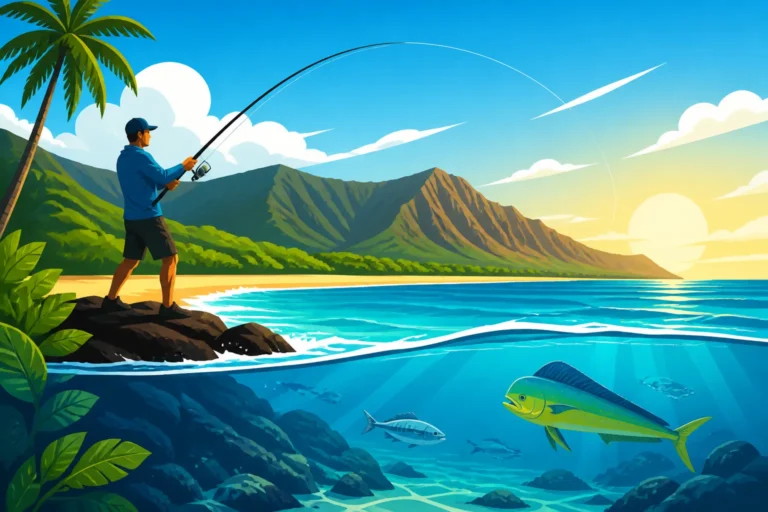
When people dream of Hawaii fishing, often they picture battling a massive tuna or a leaping marlin offshore. From Lahaina, those dreams are very much within reach, thanks to the deep waters and abundant baitfish just beyond the channel.
The FADs and Pelagic Highways
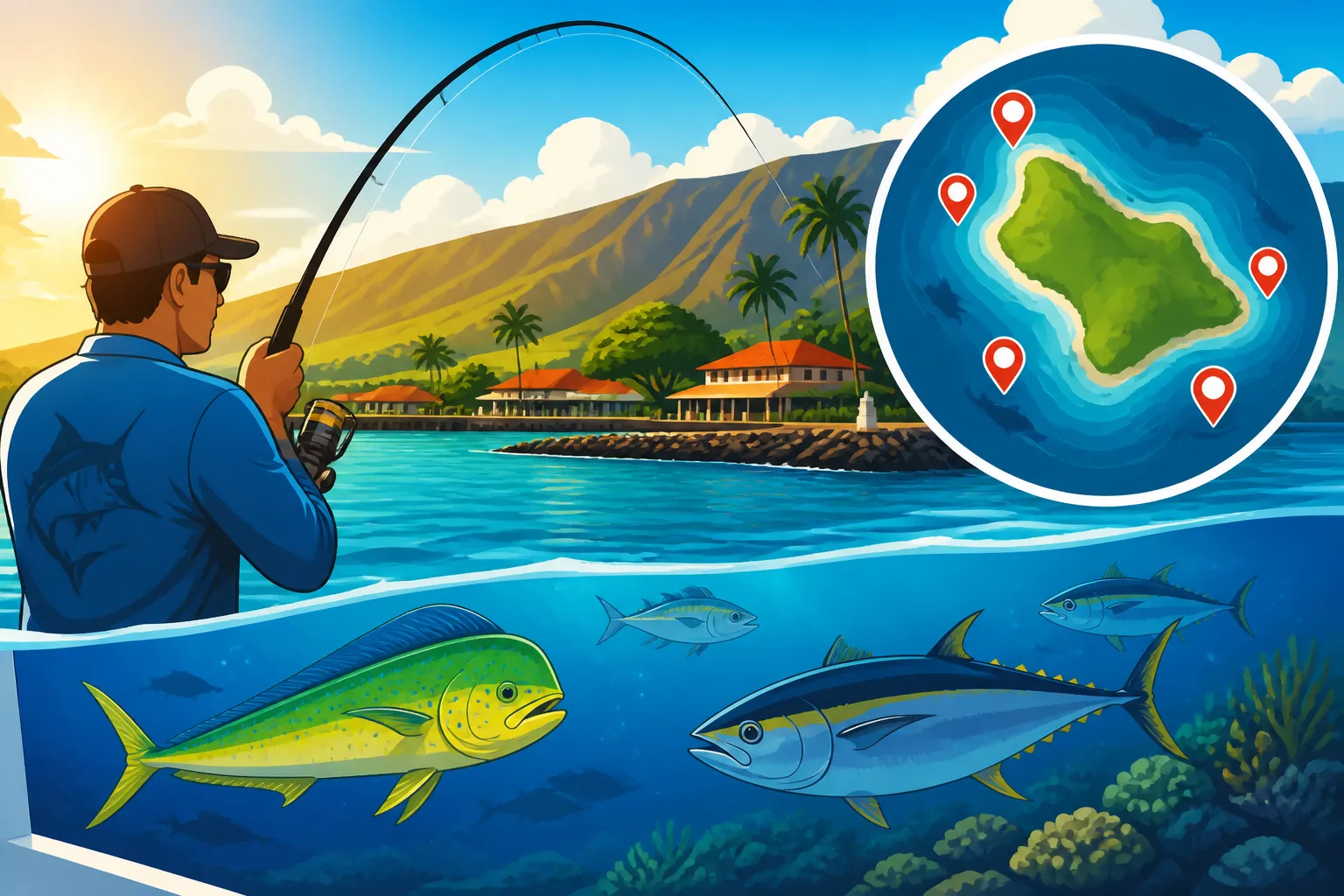
One of the most reliable places to start your offshore quest from Lahaina are the Fish Aggregating Devices, or FADs. These buoys are strategically anchored in deep water by the state's Division of Aquatic Resources (DAR) and act as magnets for baitfish, which then attract larger pelagic predators like tuna, mahimahi, ono, and marlin. The FADs off West Maui are particularly productive, often holding schools of skipjack tuna (aku) and yellowfin tuna (ahi) that draw in the bigger game fish. Experienced captains from Lahaina know the exact coordinates of these FADs and will often make them a primary target during a charter trip. Trolling around these FADs with various lures and baits is a common and effective technique, but sometimes, if the fish are finicky, chumming with live bait can really turn them on.
Beyond the FADs, the open ocean off Lahaina acts as a "pelagic highway," with migrating fish species constantly moving through. Current lines, temperature breaks, and changes in water color can all indicate productive areas where baitfish are congregating, and where predators will be hunting. Spotting diving birds, especially a flurry of them, is one of the most exciting signs that a school of tuna is actively feeding beneath the surface. These are the moments every offshore angler lives for, and Lahaina's offshore waters offer them regularly. Many of the best fishing charters in Hawaii operate directly out of Lahaina, specializing in these deep-sea excursions.
Top Offshore Species and How to Find Them
The bounty of pelagic species accessible from Lahaina is truly impressive.
- Mahi-mahi (Dolphin Fish): These vibrant, acrobatic fish are a favorite for both their fight and their delicious meat. They are often found around FADs, floating debris, or along weed lines where they ambush smaller baitfish. Mahi-mahi are highly migratory, and while they can be caught year-round, certain seasons see higher concentrations. Trolling brightly colored lures or rigged baits is very effective. If you're wondering how to catch mahimahi in Hawaii, starting near Lahaina is an excellent choice.
- Ono (Wahoo): Known for their incredible speed and sharp teeth, ono are a thrill to catch. They prefer warmer waters and are often found near current lines, sharp drop-offs, or around offshore structures. High-speed trolling with bullet-head lures or carefully rigged natural baits is the go-to method for these elusive speedsters. Understanding ono (wahoo) fishing in Hawaii is key to success.
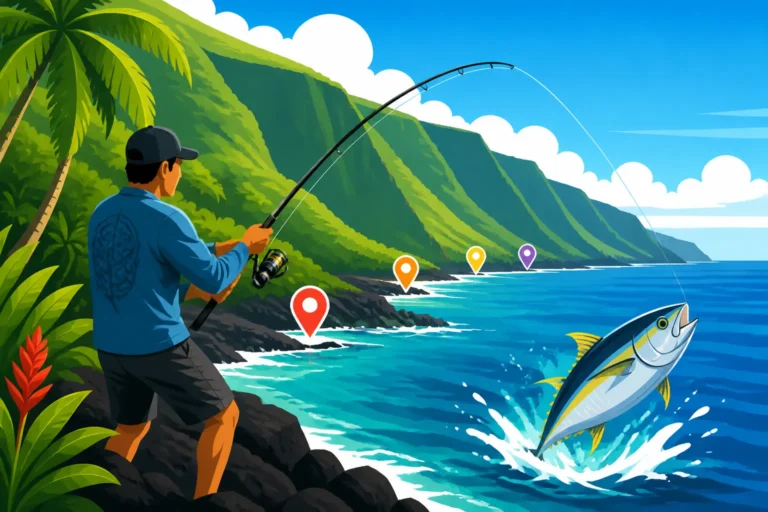
- Ahi (Yellowfin Tuna): The iconic ahi is a powerful fighter and prized for its culinary value. Schools are frequently found around FADs, but they can also be encountered in open water, often indicated by bird activity. Chunking with bait, live baiting, or fast trolling with large lures are popular techniques. If you're chasing that elusive trophy, learning about ahi (yellowfin tuna) fishing in Hawaii should be at the top of your list.
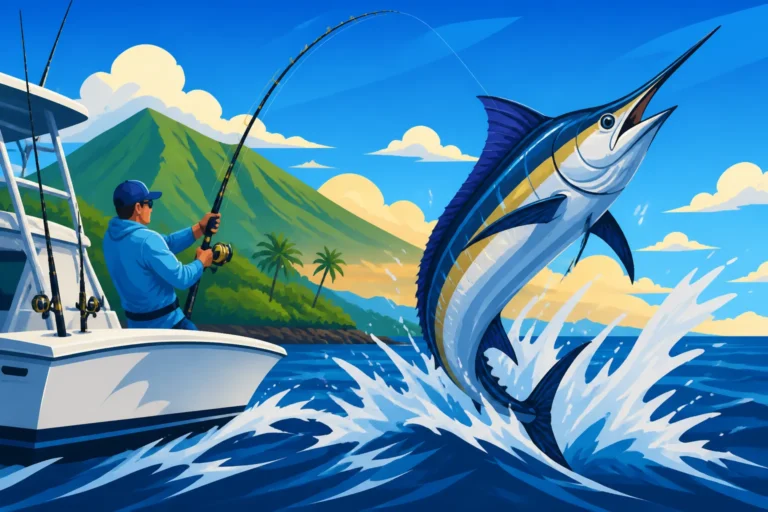
- Marlin (Blue, Striped, Spearfish): Lahaina's waters are world-renowned for marlin, particularly blue marlin. The deep trenches and rich food sources make it a prime hunting ground for these apex predators. Trolling large lures or live baits at various depths is the most common method. Many charters offer dedicated marlin trips, focusing on the techniques needed to hook and land these magnificent fish.
- Bottomfish: While offshore often means pelagics, the deep bottom structure off Lahaina also holds incredible opportunities for bottomfishing. Species like opakapaka (pink snapper), onaga (ruby snapper), ehu (red snapper), and hapu'upu'u (sea bass) inhabit the deep-water reefs and ledges. This usually requires specialized electric reels and heavy weights to get baits down to depths of several hundred feet.
Booking a charter through platforms like FishingBooker can connect you with experienced Lahaina captains who specialize in these offshore techniques. They'll have all the gear and knowledge needed to put you on the fish.
Inshore Opportunities: Reefs, Bays, and Shorelines
While the allure of offshore giants is strong, Lahaina also boasts a fantastic array of inshore fishing options, perfect for those who prefer to stay closer to shore or target a different kind of challenge. The diverse coastline, from shallow reef flats to rocky points, provides a habitat for numerous species.
Nearshore Reefs and Their Inhabitants
Just outside Lahaina Harbor, and extending north and south along the coastline, are extensive coral and lava rock reefs. These vibrant ecosystems are home to a dizzying array of reef fish, providing excellent opportunities for light tackle fishing, bait fishing, and even spearfishing (with proper licensing and adherence to regulations, of course, noting that Hawaii spearfishing regulations are strict).
Common species you might encounter on these reefs include:
- Papio (Juvenile Trevally): These smaller versions of the ulua are incredibly fun to catch on light tackle. They are aggressive feeders and will readily strike small spoons, jigs, or live bait near reef edges and sandy channels. Learning how to catch papio on Hawaii's shoreline is a rewarding skill.
- Kumu (Goatfish): Recognized by their distinctive barbels (whiskers) used for rooting in the sand, kumu are excellent table fare and a popular target. They tend to hang around sandy patches adjacent to reefs. Small pieces of cut bait or shrimp fished on the bottom are highly effective.
- Weke (Goatfish): Similar to kumu, weke are another common goatfish species found in the same habitats. They respond well to similar bait and tackle.
- Uhu (Parrotfish): These colorful reef dwellers are herbivores, grazing on algae. While they can be tricky to catch, small pieces of limu (seaweed) or bread can sometimes tempt them. They are generally targeted more by spearfishers than rod-and-reel anglers, but it's not impossible to catch them with bait. Always be aware of Hawaii uhu (parrotfish) size and bag limits before targeting them.
- Menpachi (Squirrelfish): These reddish fish with large eyes are often caught at night, retreating into reef crevices during the day. They readily take small pieces of bait.
When fishing these nearshore reefs, pay close attention to the tides. Incoming and outgoing tides often bring increased current flow, which can stimulate feeding activity. Calm mornings are often the best time to fish the shallow reefs, as the water is clearer, and the fish are less wary. Using light spinning gear with 10-20 lb test line and fluorocarbon leaders is ideal for these skittish reef inhabitants.
Accessible Shore Fishing Spots from Lahaina
For those who prefer to keep their feet on solid ground, Lahaina and its surrounding areas offer several accessible shore fishing locations. While you might not be landing a grander marlin, the thrill of hooking a strong papio or a tasty reef fish from shore is incredibly satisfying. Always remember to check Hawaii fishing regulations explained before casting a line from shore.
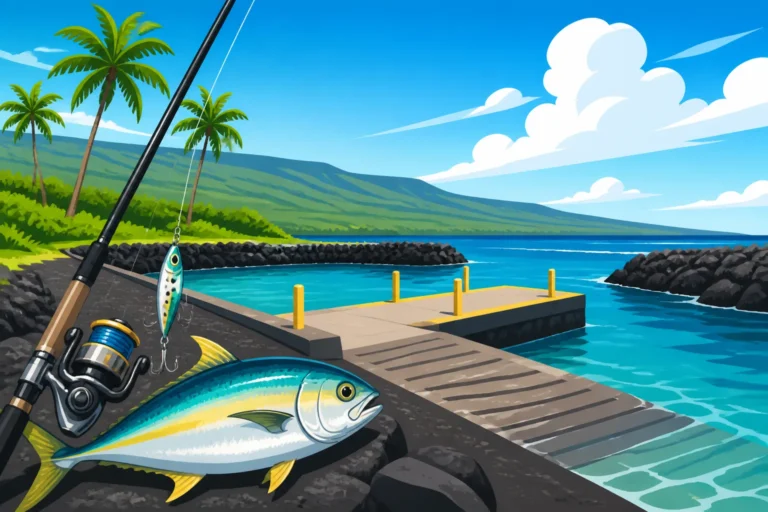
- Lahaina Breakwall/Harbor Area: The breakwall protecting Lahaina Harbor, as well as areas inside the harbor itself, can offer surprisingly good fishing, especially for papio, goatfish, and various small reef species. Early mornings and late evenings are often the most productive. Use small baits like shrimp, squid, or even pieces of hot dog on light tackle. Be mindful of boat traffic and other harbor users.
- Ka'anapali Beach: Just a short drive north of Lahaina, Ka'anapali offers long stretches of sandy beach interspersed with rocky outcrops. These areas are excellent for whip fishing (light tackle casting with lures or bait) for papio, or sliding bait rigs for larger ulua (giant trevally) if you're willing to put in the time. The rocky points between the resorts can be particularly productive. Be respectful of swimmers and sunbathers, especially during the day.
- Ukumehame Beach Park (Thousand Steps): South of Lahaina, this area features a mix of sand and rock, offering diverse fishing opportunities. It's a popular spot for baitcasting for papio and occasionally ulua, especially closer to the rocky points. The currents here can be strong, so bring appropriate tackle.
- Olowalu: Further south from Lahaina, the Olowalu area has extensive shallow reefs, perfect for wading and targeting smaller reef fish or bonefish (oio) on the flats. This area is also popular for throwing small artificial lures for papio. It’s a beautiful, less crowded option, but always be aware of tide changes to avoid getting stranded on exposed reefs.
- Launiupoko Beach Park: This family-friendly park south of Lahaina offers easy access to a rocky shoreline and a shallow reef. It's a great spot for kids to try their hand at catching small reef fish with bait, and for adults to cast for papio or small trevally.
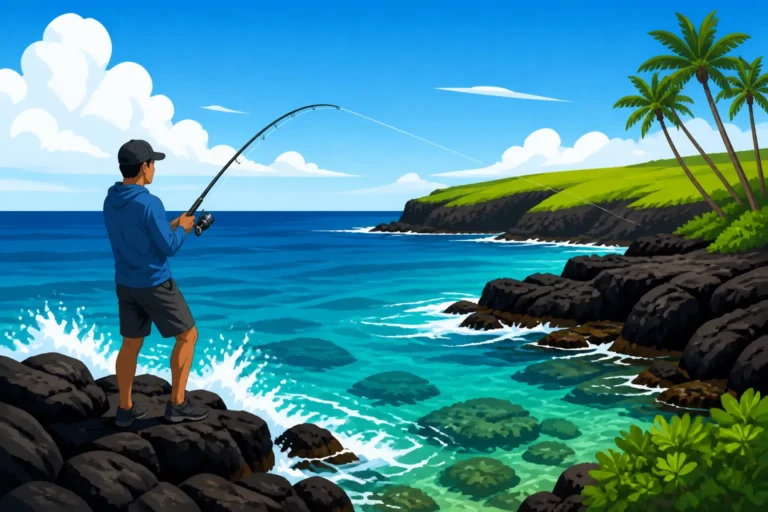
When shore fishing, always be aware of your surroundings, especially rogue waves and slippery rocks. A good pair of tabi boots (reef shoes) and a sturdy rod holder are invaluable. Understanding shoreline fishing techniques for Hawaii will greatly improve your success.
Planning Your Lahaina Fishing Trip
A successful fishing trip from Lahaina doesn't just happen; it requires a bit of planning, whether you're going out on a charter or venturing out on your own. Knowing what to expect and what to prepare for can make all the difference.
Choosing a Charter or Going Solo
Deciding between a guided charter and a self-guided trip depends on your experience, budget, and desired outcome.
Fishing Charters:
For most visitors and even many local anglers, booking a charter is the easiest and most effective way to experience the best fishing Lahaina has to offer.
- Pros: Experienced captains and crews know the local waters, current conditions, and fish movements. They provide all necessary gear, tackle, bait, and often have the latest electronics to find fish. They handle licenses (for the vessel) and typically clean your catch. It's also a great way to learn new techniques and gain local insight. Many people use platforms like FishingBooker to compare options and read reviews, ensuring they find a reputable and suitable charter for their needs.
- Cons: Charters can be expensive, especially private full-day trips. Shared charters offer a more budget-friendly option but mean you'll be fishing with strangers. You also have less control over the exact fishing spots or target species.
- What to Expect: On a Lahaina charter, you can expect state-of-the-art boats, high-quality gear, and a crew dedicated to finding fish. Most will focus on trolling for pelagics, but some specialize in bottomfishing. A good captain will communicate expectations and work hard to get you hooked up. Knowing what to expect on a Hawaii fishing charter can help manage anticipation.
Self-Guided Fishing (Shore or Private Boat):
If you have your own gear, a boat, or simply prefer the solitude of shore fishing, going solo offers immense freedom.
- Pros: Cost-effective (after initial equipment investment), complete control over your fishing experience, and the satisfaction of finding and catching fish on your own terms.
- Cons: Requires significant local knowledge, understanding of regulations, and proper gear. Safety can be a concern, especially on unfamiliar rocky shorelines or in open water. You'll need to handle your own bait, tackle, and fish cleaning.
- Tips: If going solo, always let someone know where you're going and when you expect to return. Carry plenty of water, sunscreen, and a first-aid kit. Research tides, weather, and specific fishing spots extensively. If boating, make sure you understand Hawaii boating laws for anglers.
When choosing a Hawaii fishing charter, consider the type of fishing you want to do, the size of your group, and your budget. Don't be afraid to ask questions before booking.
Essential Gear and Local Regulations
Having the right gear is crucial for a successful trip, whether you're bringing your own or relying on a charter.
For Offshore Charters:
Charters will provide most gear, but consider bringing:
- Sun Protection: Wide-brimmed hat, polarized sunglasses, long-sleeved sun shirt, plenty of reef-safe sunscreen. The Hawaiian sun is intense.
- Motion Sickness Medication: Take it before you board, not after you start feeling queasy.
- Camera: To capture those epic moments!
- Food & Drinks: While some charters offer light refreshments, bring your own if you have specific preferences or dietary needs.
- Cooler (optional): For taking your share of the catch home. Most charters will bag your fish for you.
For Shore Fishing:
- Rod & Reel: A medium-heavy spinning rod (8-10 ft) paired with a 4000-6000 size reel spooled with 20-30 lb braided line is a versatile setup for whipping and baitcasting.
- Leader: 20-50 lb fluorocarbon leader for abrasion resistance against rocks and sharp teeth.
- Terminal Tackle: Assorted hooks (octopus, circle hooks size 1/0 to 5/0), weights (pyramid or bank sinkers 1-4 oz), swivels.
- Lures: Spoons (Kastmaster, Hawaiian-style spoons), small jigs, soft plastics, and topwater poppers for papio.
- Bait: Fresh shrimp, squid, or pieces of fish are universally effective.
- Tools: Pliers, knife, stringer or cooler, rag.
- Safety Gear: Reef shoes (tabi boots), first-aid kit, water bottle.
Local Regulations:
Hawaii has specific regulations to protect its precious marine resources.
- Licenses: For recreational ocean fishing, Hawaii residents do not currently need a license. Non-residents, however, do need a Hawaii Nonresident Marine Fishing License, Explained for certain activities, especially freshwater fishing or if operating commercial vessels. Always verify current regulations with the Hawaii Division of Aquatic Resources (DAR).
- Bag and Size Limits: There are strict bag and size limits for many species, including moi, ulua, and uhu. Ignorance of the law is not an excuse, so familiarize yourself with Hawaii bag and size limits by species before you go.
- Protected Areas: Certain areas, such as Marine Life Conservation Districts (MLCDs), have severe restrictions or outright bans on fishing. Always be aware of your location and consult maps from the Hawaii DLNR fishing regulations PDF. For example, Hawaii Marine Life Conservation Districts, Explained clearly outlines restricted zones.
A little preparation goes a long way in ensuring a safe, legal, and fruitful fishing adventure from Lahaina.
| Fishing Type | Target Species | Best Techniques | Typical Location | Best Time |
|---|---|---|---|---|
| Offshore Charter | Marlin, Ahi, Mahimahi, Ono | Trolling with lures/bait, Live baiting, Chunking | FADs, Current lines, Offshore humps, Deep Drop-offs | Year-round (species vary), Early morning |
| Deep Bottom Fishing | Opakapaka, Onaga, Ehu | Deep drop jigging, Baited rigs on electric reels | Submerged ledges, Seamounts, Deep structure | Year-round, Often in low light/night |
| Inshore Reef Fishing | Papio, Kumu, Weke, Uhu | Light tackle jigging, Bait fishing (shrimp/squid) | Nearshore coral reefs, Rocky points | Early morning, Incoming/outgoing tide |
| Shore Fishing | Papio, Ulua (juvenile), Goatfish | Whipping (lures), Baitcasting (live/cut bait), Sliding bait | Lahaina breakwall, Ka'anapali, Olowalu, Launiupoko | Dawn/Dusk, High tide |
Disclaimer
The information provided in this guide is for general informational purposes only and is subject to change. Fishing regulations, seasons, and local conditions can vary. Always consult the most current regulations from the Hawaii Department of Land and Natural Resources (DLNR) Division of Aquatic Resources (DAR) before engaging in any fishing activity. Safety should always be your top priority.