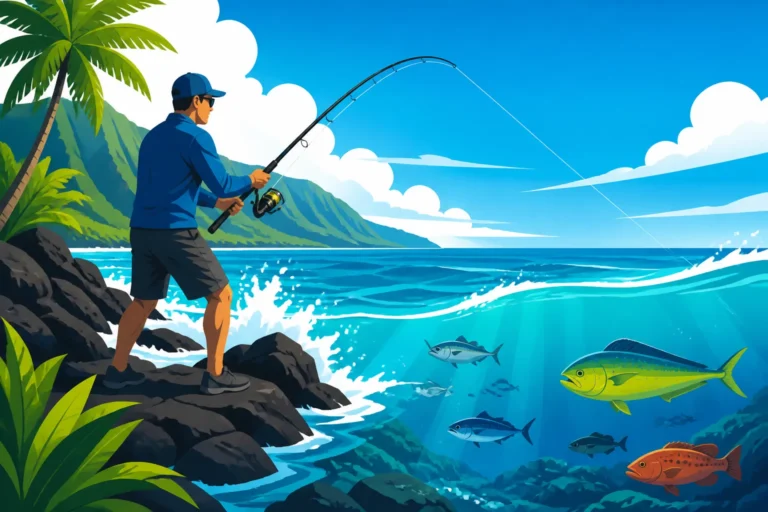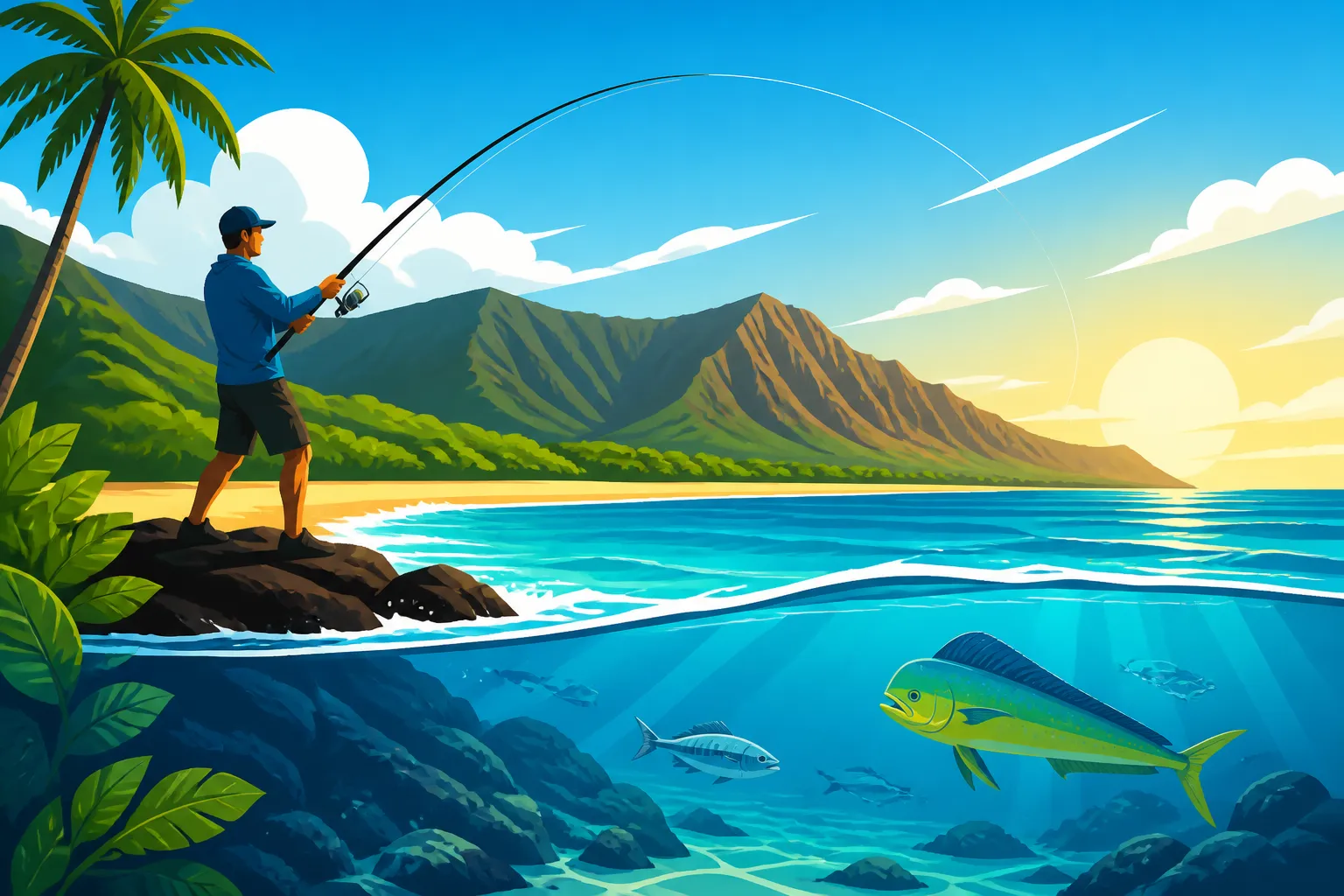
Best fishing spots in Nanakuli
Finding that perfect fishing spot on Oahu's leeward coast, especially somewhere as distinct as Nanakuli, can feel like chasing a ghost if you don't know where to look. It's frustrating to drive all the way out there, only to find crowded beaches or spots that just don't produce. This guide is here to cut through the guesswork, offering insights into Nanakuli's best fishing locales and how to make the most of your time on the water.
Why Nanakuli Offers Unique Shore Fishing Opportunities
Nanakuli, nestled on Oahu's sun-drenched leeward (western) coast, often gets overlooked by anglers rushing to more famous spots, but that's precisely part of its charm. What makes Nanakuli special for fishing is its blend of accessible sandy beaches, rocky points, and fringing reefs, all within a relatively short stretch of coastline. Unlike the often-turbulent north shore or the heavily trafficked Honolulu areas, Nanakuli provides a more relaxed, local vibe, with waters that can be surprisingly productive. The calmer waters on this side of the island mean less unpredictable surf to contend with on most days, making it ideal for various shore fishing techniques.
The Appeal of Nanakuli's Coastal Landscape
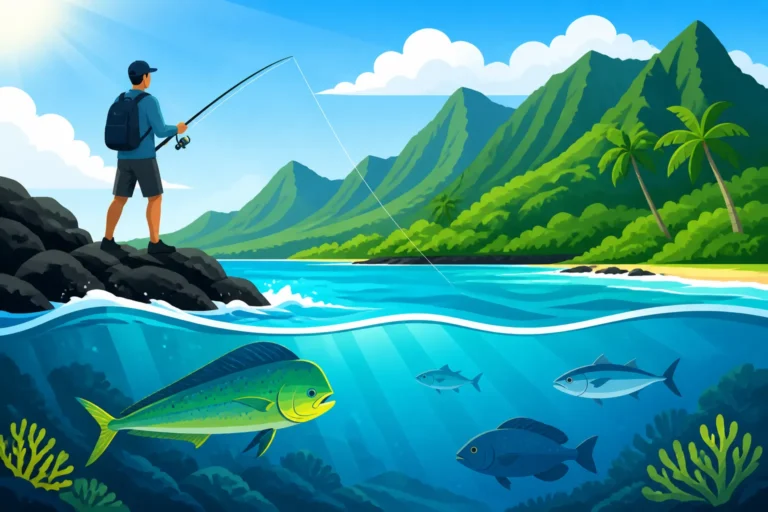
The coastline here is a mosaic of different habitats, which means a wider variety of fish species call it home. You'll find long stretches of sandy beach perfect for casting into the surf, but also rocky outcrops and small coves where the reef comes close to shore. This diversity is a huge advantage for the shore angler. For instance, a sandy bottom adjacent to a rocky patch creates an ideal ambush point for predators. You're not limited to just one type of fishing experience; you can easily switch from casting for papio in the shallows to soaking a bait for ulua near a deeper cut without moving too far. This makes Nanakuli a fantastic place for exploring and trying different approaches, and you might even discover your own hidden gem of a spot.
What Makes the Leeward Coast Different for Anglers
The leeward side of Oahu, including Nanakuli, generally experiences less rain and stronger sun, contributing to clear, warm waters. This clarity can be a double-edged sword: beautiful for sight-fishing but potentially making fish a bit warier during bright daylight hours. However, the consistent warmth means fish are active year-round. You don't get the drastic seasonal shifts that might affect fishing in other climates. Furthermore, the absence of major rivers or large freshwater runoff in Nanakuli means the ocean water stays predominantly saline and clear, which is crucial for many of the reef and pelagic species that venture close to shore. The deeper drop-offs are also not far from the coast here, allowing bigger fish to cruise closer to shore than you might expect.
Key Fishing Spots Along the Nanakuli Shoreline
Nanakuli's coastline is dotted with several key areas that consistently produce for shore anglers. Knowing these spots and what they offer can significantly increase your chances of a successful outing. From popular beach parks to more secluded rocky points, each area has its own character and target species.
Nanakuli Beach Park
This is arguably the most well-known and accessible fishing spot in the Nanakuli area. Nanakuli Beach Park, sometimes called "Ulaʻula Beach," features a beautiful sandy beach fringed by a protective reef system, making it relatively calm and family-friendly. For anglers, the draw here is the combination of easy access and diverse fishing opportunities. You can cast from the sandy shore directly into channels or deeper pockets within the reef, targeting species like papio (juvenile trevally), bonefish (oʻio), and various reef fish.
Beyond the immediate beach, pay attention to the rocky outcroppings and reef sections on either end of the main sandy stretch. These areas provide excellent structure where fish hide and feed. Early mornings or late afternoons tend to be the most productive times here, especially when the tide is moving. Locals often use light tackle with bait such as limu (seaweed), pieces of shrimp, or small cut bait. If you're into whipping or throwing artificial lures, small spoons or soft plastics can also entice papio and other opportunistic feeders. Remember, this is a popular swimming and picnic spot, so be mindful of others, especially during peak hours. You might also want to consult a resource like FishingBooker to see if any local guides offer insights specific to this area, which can be invaluable for newcomers.
Depot Beach (Pokaʻi Bay Beach Park)
Just south of Nanakuli proper, Pokaʻi Bay Beach Park, often referred to as Depot Beach by locals, is another excellent option. This bay is naturally protected, creating very calm, clear waters that are perfect for a different kind of shore fishing. While it's great for swimming and stand-up paddleboarding, the calmer conditions also make it a prime location for targeting species that prefer less turbulent environments.
Inside the bay, anglers often find success with bait fishing for smaller reef fish, but the real potential lies along the edges of the bay and near the deeper channel leading out. Bonefish are known to frequent the sandy flats within the bay, especially during incoming tides, offering a fantastic opportunity for those who enjoy sight-fishing with light tackle or fly fishing. For more adventurous anglers, the rocky points at the mouth of Pokaʻi Bay can be productive for ulua and larger papio, particularly during low light conditions or at night. These spots require a bit more careful navigation due to the rocks, but the reward can be substantial. When you're planning your trip, consider checking out local fishing reports on platforms like FishingBooker to get a sense of what's biting. Don't forget to review the Hawaii Fishing Regulations Explained to ensure you're compliant with all local rules.
Kahe Point Beach Park (Electric Beach)
While technically just north of Nanakuli in Kahe Point, "Electric Beach" is too significant a fishing spot on the leeward coast to ignore, especially for those looking to expand their Nanakuli-area fishing repertoire. This spot is famous for the warm water discharge from the nearby power plant, which attracts an abundance of marine life. This unique thermal plume creates an artificial ecosystem that draws in baitfish, which in turn attracts larger predators.
Fishing at Electric Beach often involves deeper water access relatively close to shore, making it suitable for both casting and even some light spearfishing (be sure to check Hawaii Spearfishing Regulations first). You can expect to find a wide variety of reef fish, but also larger pelagics like ulua, papio, and sometimes even smaller tuna species that venture close to the warm water. Because of the popularity and the unique conditions, this spot can get crowded, especially on weekends. Anglers here use everything from live bait to heavy lures, and night fishing can be particularly productive due to the artificial light attracting bait. Just be aware of the strong currents created by the discharge and always prioritize safety.
| Fishing Spot | Primary Fish Species Targeted | Best Techniques | Ideal Time of Day | Notes |
|---|---|---|---|---|
| Nanakuli Beach Park | Papio, Oʻio (Bonefish), Reef Fish, occasional Ulua | Bait fishing, Whipping, Lure casting | Early Morning, Late Afternoon | Accessible sandy beach with reef structure. Good for beginners and families. Be mindful of swimmers. |
| Depot Beach (Pokaʻi Bay) | Oʻio (Bonefish), Papio, Reef Fish, small Ulua | Bait fishing, Fly fishing, Light tackle | Incoming Tide, Early Morning | Calm, protected bay. Excellent for bonefishing on flats. Rocky points at the mouth offer potential for larger fish. Popular for recreational activities, so plan your fishing times accordingly. |
| Kahe Point Beach Park | Ulua, Papio, various Reef Fish, occasional Pelagics | Bait fishing, Heavy lure casting, Spearfishing | All day, Night (with lights) | Warm water discharge attracts a wide variety of fish. Can have strong currents. Very popular and often crowded. Excellent opportunity for bigger fish due to the unique conditions. Check Hawaii Fishing License Guide for 2026 for license requirements, as you’ll need one if you’re not a resident fishing in specific ways. |
Target Species and Effective Techniques in Nanakuli
The beauty of fishing in Nanakuli is the diverse range of species you can encounter right from the shoreline. Understanding what you're likely to catch and the best ways to target them will make your trip far more productive and enjoyable.
Chasing Papio and Ulua from Shore
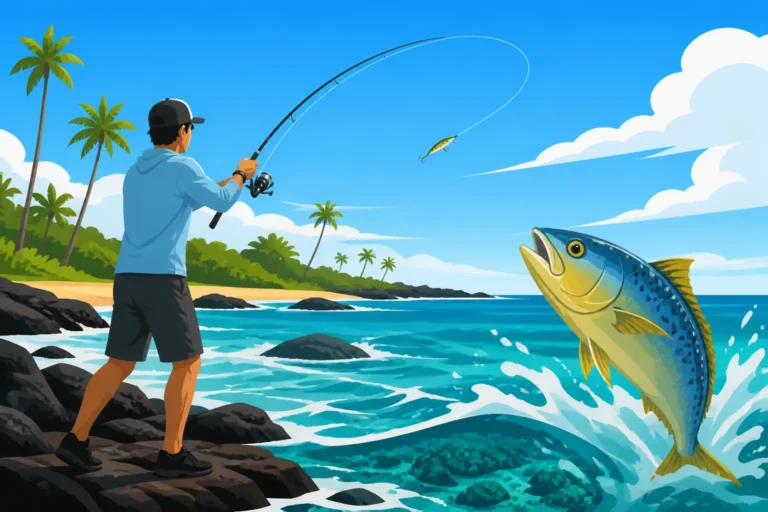
Papio, the juvenile stage of the formidable ulua (Giant Trevally), are abundant in Nanakuli's waters. These strong, aggressive fighters provide fantastic sport on light tackle. You'll find them cruising the surf lines, lurking around rocky points, and patrolling the edges of reef flats. The best technique for targeting papio is often "whipping," which involves casting small artificial lures like Kastmaster spoons, Gitzit jigs, or small poppers and retrieving them quickly. Early mornings and late afternoons, especially during a moving tide, are prime times. Look for signs of baitfish scattering, which often indicates papio or other predators are actively feeding. You can learn more about specific tactics in our guide on How to Catch Papio on Hawaii's Shoreline.
For their larger counterparts, the ulua, a different approach is often required due to their size and power. While a lucky papio lure can sometimes hook a smaller ulua, dedicated ulua fishing usually involves heavier gear and "sliding bait" rigs. This technique entails casting out a heavy weight, then sending a live or large cut bait (like an opelu or akule) down the line to settle on the bottom, often near deeper channels or rocky drop-offs. Night fishing is particularly effective for ulua, as these nocturnal predators become more active under the cover of darkness. Nanakuli Beach Park and the rocky points around Pokaʻi Bay offer suitable access for these larger casts. Remember, hooking into an ulua is an experience you won't soon forget, so be prepared for a serious battle! Check out our in-depth article on How to Catch Ulua from Shore for more specialized tips.
Bottom Fishing for Reef Dwellers
Beyond the exhilarating chase of trevally, Nanakuli's reefs are teeming with a variety of delicious and interesting bottom-dwelling fish. Species like various goatfish (kumu, weke), snappers (toʻau, taʻape), and even parrotfish (uhu) can be caught with simpler methods. This is often a great option for more relaxed fishing or for introducing kids to the sport.
Standard bottom fishing rigs, usually a weight at the end of the line with one or two baited hooks above it, work well. Common baits include shrimp, squid, or small pieces of cut fish. Focus on areas where the sandy bottom meets the reef, or around submerged rocks and coral heads. The key is to keep your bait close to the structure without getting snagged too often. While taʻape (bluestripe snapper) and roi (peacock grouper) are invasive species and you're encouraged to remove them, many other reef fish are prized for their table fare. Always be mindful of local regulations regarding specific reef species, as bag and size limits apply to many. Our guide on Hawaii Bag and Size Limits by Species is a crucial resource for this.
Scouting for Bonefish on the Flats
Nanakuli, especially areas within Pokaʻi Bay, has accessible sandy flats that are perfect for bonefishing. Known as oʻio in Hawaii, bonefish are incredibly wary, fast, and strong, making them a premier target for sight-fishing enthusiasts. This often means wading quietly in shallow, clear water, spotting the fish, and making a precise cast with a small jig, soft plastic, or fly.
The clear waters of Nanakuli's protected bays provide excellent visibility for spotting these silvery ghosts. Look for their "tails" breaking the surface as they feed on the bottom, or subtle movements in the water. Bonefishing requires patience and a delicate touch, but the reward of hooking into one of these speedsters is immense. A good pair of polarized sunglasses is essential for spotting them. If you're planning a trip to Hawaii and want to target bonefish, consider booking a specialized guide through services like FishingBooker, as their local knowledge of tides and feeding patterns can be invaluable. They can also ensure you're aware of specific regulations, as Do Hawaii Residents Need an Ocean Fishing License? is a common question, and non-residents typically do for certain marine activities.
Practical Tips and Local Regulations for Nanakuli Anglers
To ensure a safe, enjoyable, and successful fishing experience in Nanakuli, it's essential to be prepared and respectful of the local environment and regulations. Hawaii has unique rules designed to protect its precious marine resources.
Essential Gear for Nanakuli Shore Fishing
While Nanakuli offers diverse fishing, you don't need a boatload of gear to get started. Here's a rundown of essentials:
- Rods & Reels: For general shore fishing, a medium-heavy spinning rod (9-12 feet) paired with a 4000-6000 size spinning reel spooled with 20-40 lb braided line is a versatile choice. This setup can handle papio, smaller ulua, and most reef fish. If you're specifically targeting big ulua, you'll need a much heavier setup, potentially a 12-15 foot surf rod with a large conventional reel (6/0 or 9/0 size) and 60-100 lb mono or braid. For bonefish, a light-action spinning rod or a 7-9 weight fly rod is ideal.
- Tackle Bag Essentials: Always carry extra line, leader material (fluorocarbon in 20-50 lb test is good for abrasion resistance and stealth), a variety of hooks (circle hooks are often preferred for conservation and better hookups), sinkers (pyramid or Sputnik weights for surf, egg sinkers for bottom fishing), swivels, and pliers.
- Lures & Baits:
- Lures: Small metal spoons (Kastmaster, Hawaiian Jets), soft plastic grubs, and small poppers are excellent for papio. Larger poppers and stickbaits can attract bigger trevally.
- Baits: Fresh shrimp (store-bought or netted), squid, and cut pieces of local baitfish (like opelu or akule) are highly effective for most species. Limu (seaweed) can also work for certain reef fish.
- Safety Gear: A sturdy pair of reef shoes or tabi boots for navigating rocky areas, a first-aid kit, a headlamp for night fishing, a hat, and plenty of sunscreen and water are non-negotiables. Fishing in Hawaii often means hot sun and sharp lava rock.
Understanding Hawaii's Fishing Regulations
Hawaii's fishing regulations are designed to sustain its unique marine ecosystem. It's not just about getting a license; it's about knowing the specific rules for the species you might encounter. For instance, while most recreational ocean fishing for residents doesn't require a license, non-residents often need one for certain activities. You can find detailed information on this in guides like Do You Need a Fishing License in Hawaii.
Always check the current regulations published by the Hawaii Department of Land and Natural Resources (DLNR) before you head out. These regulations cover:
- Bag and Size Limits: Many species have minimum or maximum size limits, and daily bag limits to prevent overfishing. For example, Hawaii Papio and Ulua Size Rules are critical to know.
- Closed Seasons: Some species have specific times of the year when they cannot be harvested to allow for spawning. The Hawaii Moi Closed Season, Explained is a good example.
- Prohibited Methods: Certain fishing methods, like net fishing in specific areas or the use of certain types of gear, may be restricted or prohibited.
- Protected Areas: Fishing may be entirely prohibited or heavily restricted in Marine Life Conservation Districts (MLCDs) or Fish Replenishment Areas (FRAs). It's crucial to know the boundaries of these zones.
Respecting the 'Aina and Fellow Anglers
Fishing in Nanakuli, like anywhere in Hawaii, comes with a responsibility to respect the land ('aina), the ocean (kai), and local customs.
- Leave No Trace: Always pack out everything you pack in, and if possible, leave the area cleaner than you found it. This includes fishing line, bait containers, and any other trash.
- Respect Private Property and Access: Be mindful of private property lines and always use designated public access points. Hawaiian tradition emphasizes public access to the shoreline, but this doesn't extend to private land.
- Be Mindful of Others: Nanakuli's beaches are used by families, swimmers, and other recreational users. Always cast safely, be aware of people in the water, and share the space respectfully. If you're fishing near a swimming area, consider moving to a less populated spot.
- Responsible Catch and Release: If you're not keeping your catch, handle fish with wet hands, minimize their time out of water, and release them gently. This ensures they have the best chance of survival. For invasive species like taʻape and roi, it's generally encouraged to keep them if legal and dispose of them properly if not consumed, to help reduce their impact on native ecosystems.
- Cultural Sensitivity: Fishing in Hawaii is deeply rooted in local culture. Be respectful of local anglers and their practices. A friendly "Aloha" and a willingness to learn can go a long way.
By being informed, prepared, and respectful, your fishing trips to Nanakuli will not only be more successful but also contribute positively to the local community and environment.
Disclaimer
Fishing in Hawaii can be an incredible experience, but it also comes with inherent risks. Ocean conditions can change rapidly, and sharp rocks, strong currents, and marine life can pose hazards. Always prioritize safety, check weather and surf forecasts, and never fish alone if possible. This guide is for informational purposes only and should not be considered a substitute for personal research into current regulations, safety practices, or local conditions. Always fish responsibly and adhere to all Hawaii Department of Land and Natural Resources (DLNR) rules and guidelines.