Best Deep Sea Fishing Spots in Hawaii
Heading out for a deep sea fishing adventure in Hawaii is a dream for many, but with so much stunning ocean surrounding our islands, knowing where to drop your lines for that trophy catch can feel like finding a needle in a haystack. You've heard the legends of grander marlin and schools of ahi, but how do you navigate the vast Pacific to actually experience it? This guide is here to cut through the confusion, offering a detailed look at Hawaii's premier deep sea fishing spots, so you can plan your next epic offshore excursion with confidence.
Understanding Hawaii's Deep Sea Fishing Landscape
Hawaii isn't just a paradise for beachgoers; it's a world-class destination for anglers seeking the thrill of big game fishing. The very geology of our islands creates an incredible advantage, and understanding this unique environment is the first step to a successful deep sea trip.
The Unique Appeal of Hawaiian Waters
What makes Hawaii such a magnet for pelagic species and, by extension, avid fishermen? It all comes down to the deep blue. Our volcanic islands rise dramatically from the ocean floor, creating incredibly steep drop-offs that put deep, productive water remarkably close to shore. This means less travel time to reach the feeding grounds of large migratory fish, allowing for more actual fishing time. The convergence of various ocean currents also plays a crucial role, bringing nutrient-rich waters and baitfish closer to the surface and to our island chains. This creates a vibrant ecosystem that supports a rich diversity of marine life, from small schooling fish to the apex predators we all dream of catching. These deep, clear waters are also home to a unique mix of bottomfish, though deep sea fishing typically focuses on the migratory species found in the open ocean.
Pelagic Species You'll Encounter
When you venture out into Hawaii's deep blue, you're primarily targeting pelagic species – those magnificent fish that spend their lives in the open ocean. Each has its own allure and fighting style:
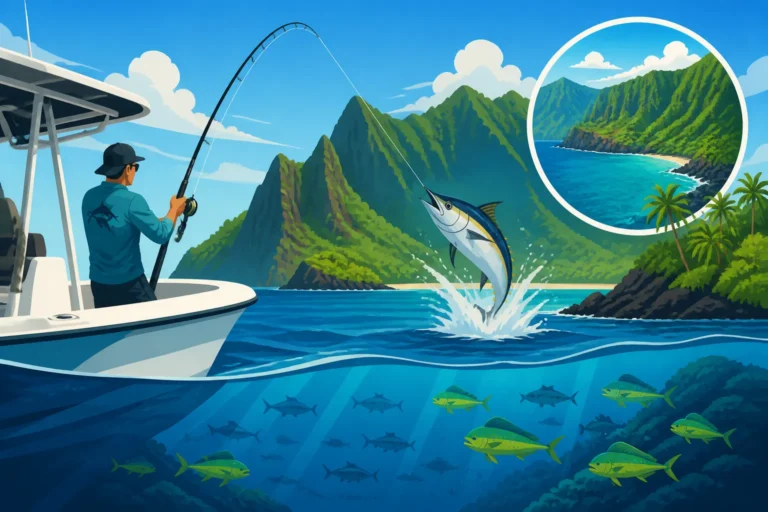
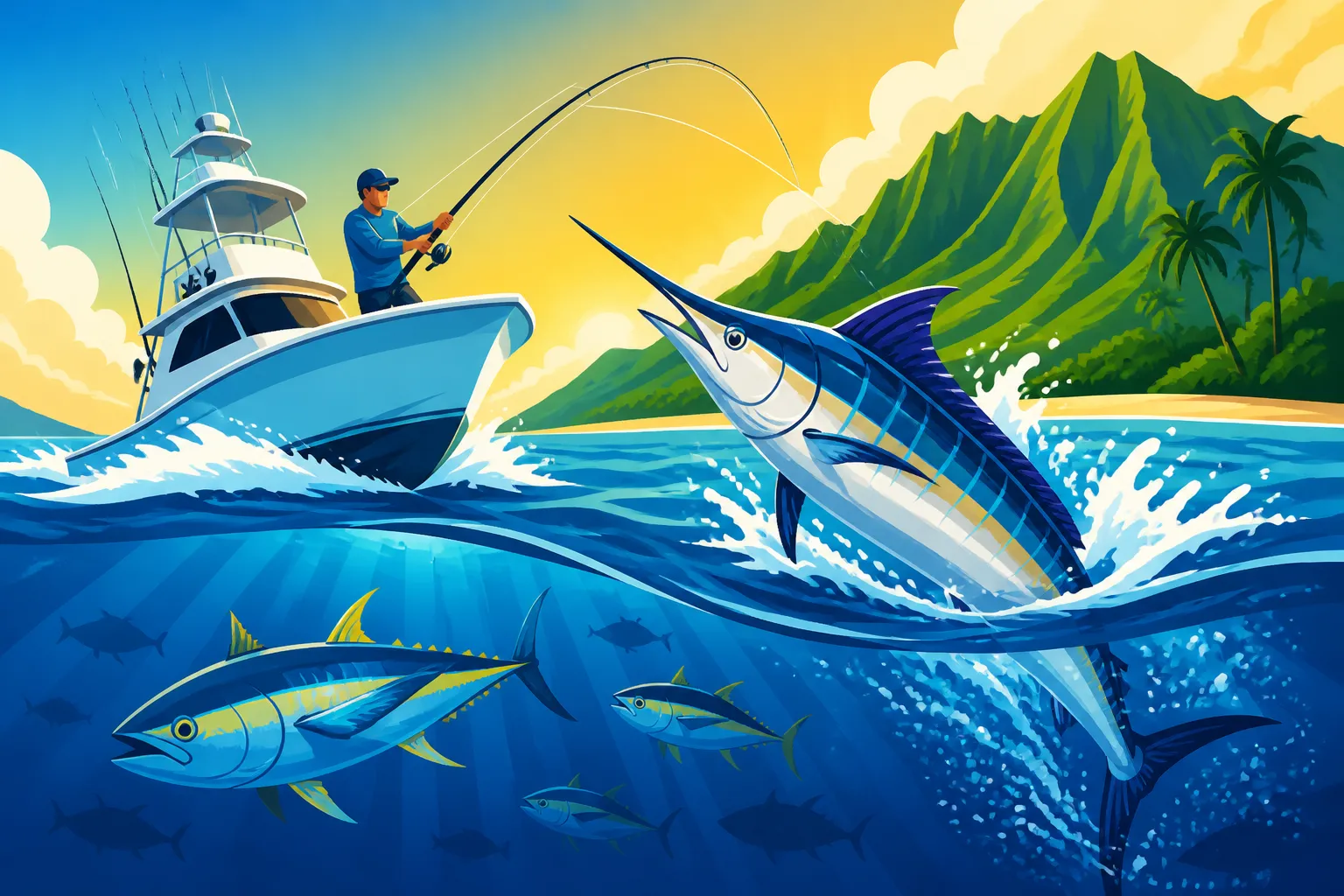
- Marlin: The undisputed king of Hawaiian deep sea fishing. We're talking about the formidable Blue Marlin, often reaching "grander" status (over 1,000 pounds), known for its incredible speed, acrobatic leaps, and sheer power. You might also encounter Striped Marlin, smaller but equally feisty, and the elusive Shortbill Spearfish. Hooking a marlin is often a once-in-a-lifetime experience for many anglers.
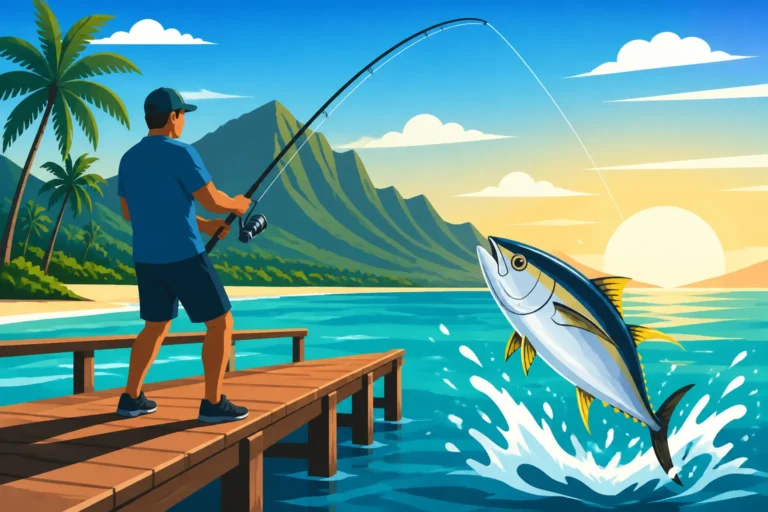
- Ahi (Yellowfin Tuna): These torpedo-shaped powerhouses are a favorite for their hard fights and delicious meat. Ahi are often found in schools, sometimes associated with porpoises or diving birds, and can reach impressive sizes, making them a formidable opponent on conventional tackle.
- Ono (Wahoo): Translated as "delicious" in Hawaiian, the ono lives up to its name. These sleek, fast fish are known for their blistering runs and razor-sharp teeth. They're often caught trolling at high speeds and offer a fantastic fight, usually in smaller sizes than marlin or ahi but with incredible tenacity.
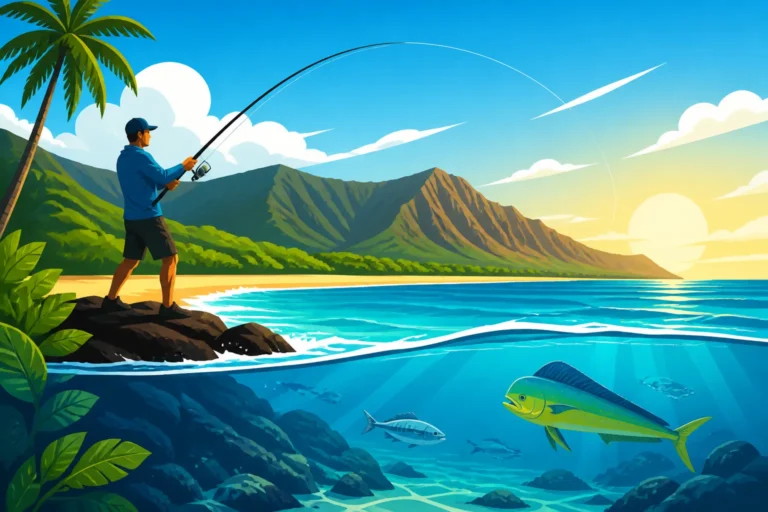
- Mahimahi (Dolphin Fish): With their vibrant colors and acrobatic jumps, mahimahi are an exhilarating catch. They're often found around floating debris or Fish Aggregating Devices (FADs), and when one is hooked, it's not uncommon to find a whole school following it to the boat, leading to frenzied action.
- Aku (Skipjack Tuna): While smaller than ahi, aku are abundant, put up a respectable fight, and are excellent table fare, often used for poke or sashimi. They school in large numbers and can provide fast-paced action, especially on lighter tackle.
These are the main players, but you might also hook into other species like barracuda, various types of jacks (ulua and papio offshore), or even a shark, making every hook-up a potential surprise. Understanding the habits and preferred habitats of these species is key to a successful deep sea trip.
Seasonality and What to Expect
While you can fish year-round in Hawaii, certain seasons definitely favor specific species. It's not a hard and fast rule, as the ocean has its own schedule, but there are general trends to keep in mind.
- Summer (May-September): This is prime time for Blue Marlin, with the biggest fish often showing up during these warmer months. Ahi are also typically abundant, especially during the peak summer period, when schools can be found feeding aggressively. Mahimahi are also very active, often congregating around FADs and weed lines. The weather is generally calmer, making for more comfortable offshore trips.
- Fall (October-November): As the water starts to cool slightly, this can still be excellent for marlin and ahi, with ono often making a stronger showing as they migrate through. This shoulder season can offer some truly spectacular fishing without the peak summer crowds.
- Winter (December-February): While big Blue Marlin catches can still happen, this is generally considered the season for Striped Marlin and Shortbill Spearfish. You'll still find ahi and ono, but perhaps in smaller numbers or sizes. Weather can be a bit more unpredictable with stronger trade winds and occasional fronts, which might limit offshore excursions.
- Spring (March-April): This is another transition period, often excellent for Striped Marlin and the start of the Blue Marlin season. Mahimahi begin to show up in larger numbers as the water warms, and ahi can be consistent.
It's important to note that the fishing success on any given day depends on many factors, including moon phase, current, bait availability, and, of course, a bit of luck. A good charter captain will always be monitoring these conditions to put you on the best bite, regardless of the season. To get a better sense of when specific fish are biting, check out resources like the Hawaii Fishing Season Dates and Closures guide.
The Legendary Kona Coast: Big Island's Deep Sea Powerhouse
When most people think of deep sea fishing in Hawaii, their minds immediately go to the Kona Coast of the Big Island. And for good reason – it's practically synonymous with grander marlin and world-class sportfishing.
Why Kona is World-Renowned
The Kona Coast boasts a truly unique geographical advantage that makes it a deep sea angler's paradise. Unlike many other fishing destinations where you have to travel miles offshore to hit deep water, the Big Island's volcanic slopes plunge almost immediately into the deep Pacific. Within just a few miles of the coastline, you're already in thousands of feet of water, right where the big pelagics roam. This means less transit time and more time with lines in the water.
Adding to this allure are the famously calm, leeward waters. Protected by the massive Mauna Loa and Hualalai volcanoes, Kona experiences significantly calmer seas than other parts of Hawaii, making for more comfortable and consistent fishing trips, even for those prone to seasickness. The consistent currents and nutrient upwellings create a rich food chain, attracting baitfish which in turn draw in the large predators. Kona is also home to a series of well-maintained FADs (Fish Aggregating Devices) positioned by the state, which act as magnets for ahi, mahimahi, and even marlin. The history here is undeniable; more grander marlin have been caught off the Kona Coast than almost anywhere else in the world, cementing its legendary status.
Prime Fishing Grounds Off Kona
While the entire Kona Coast is productive, certain areas have earned a reputation for consistent action and trophy potential.
- "Grander Alley": This isn't a single spot, but rather a zone that runs roughly from the northern end of Kailua-Kona down towards Captain Cook. It's where the 100-fathom (600-foot) line runs closest to shore, creating an ideal highway for large marlin and other pelagics. Many of Kona's record-breaking marlin have been caught within this corridor. Charters often troll these contours, looking for temperature breaks, bait schools, or current lines where predators ambush their prey.
- The 1000-Fathom Curve: Further offshore, the 1000-fathom (6,000-foot) curve represents truly deep water, often targeted for larger ahi and deep-dwelling bottomfish (though less common for typical deep sea trolling charters). It's where the open ocean truly begins, offering opportunities for very large, solitary fish.
- Honokohau Harbor Access: This bustling harbor, just north of Kailua-Kona, is the launching point for most Kona fishing charters. Its strategic location puts boats quickly into prime fishing grounds. The areas immediately outside the harbor can be productive, particularly early in the morning, as baitfish move in and out.
- FADs (Fish Aggregating Devices): The Big Island has numerous FADs strategically placed offshore by the state's Division of Aquatic Resources. These buoys act as artificial reefs in the open ocean, attracting small baitfish, which in turn attract larger game fish like ahi and mahimahi. Your captain will likely visit several FADs during a trip, checking for activity. The trick is knowing which FADs are currently holding fish.
Anglers targeting the big billfish often focus on the areas where the deep water structure meets the current, using large lures or live bait. For specific insights into targeting these monsters, you might want to read up on Marlin Fishing off the Kona Coast.
Choosing a Kona Charter Experience
With so many boats operating out of Honokohau Harbor, selecting the right Kona fishing charter can feel overwhelming. It’s not just about finding any boat; it’s about finding the right boat for your specific fishing dreams.
- Understanding Your Options: Most charters offer full-day (8-9 hours) or half-day (4-5 hours) trips. Full-day trips provide more time to reach distant FADs, explore various fishing grounds, and increase your chances of hooking up with multiple species or trophy fish. Half-day trips are great for beginners, families, or those with limited time or budget. You can choose between a private charter (you book the entire boat) or a shared charter (you pay per person and join other anglers). Private charters offer more flexibility, personalized attention, and choice of target species, while shared charters are more budget-friendly. For a comprehensive overview, check out the Best Marlin Charters off the Kona Coast.
- What to Look For in a Charter: A good charter should have an experienced captain and crew who know the local waters, fish with well-maintained equipment, and prioritize safety. They should also be knowledgeable about local regulations, like Hawaii Pelagic Species Bag Limits. Ask about their catch policy – some are strict catch-and-release for marlin, others allow you to keep certain fish for dinner, while still others participate in a "boat fish" program where larger fish caught are sold by the boat. Reputable services like FishingBooker can help you compare options, read reviews, and book with confidence, simplifying the process of finding a boat that matches your expectations.
- Booking and Preparation: It’s always best to book your charter in advance, especially during peak seasons. Communicate clearly about your goals: are you hoping for a grander, or just a fun day catching some mahimahi for dinner? Ask what's included (bait, tackle, drinks) and what you should bring (food, sunscreen, hat, polarized sunglasses, non-marking shoes). Don't forget to ask about their seasickness policy and what they recommend for prevention. A guide on How to Choose a Hawaii Fishing Charter can offer even more in-depth advice.
Maui's Thrilling Offshore Adventures
Maui, known for its stunning beaches and lush landscapes, also offers fantastic deep sea fishing opportunities, particularly from its west and south-facing harbors. While perhaps not as globally renowned for marlin as Kona, Maui consistently produces excellent catches of ahi, ono, and mahimahi, with plenty of billfish action as well.
Maalaea Harbor and West Maui Waters
Maalaea Harbor, located on Maui's central south shore, is a key departure point for deep sea charters. Its strategic position provides relatively quick access to deep water and a variety of fishing grounds.
- Deep Water Accessibility: Similar to Kona, the waters off West Maui drop off quickly into significant depths. This means less travel time to reach the pelagic hunting grounds, maximizing your time with lines in the water. The channels between Maui, Lanai, and Kahoolawe also create current funnels that concentrate baitfish and, consequently, their predators.
- Target Species: Maalaea charters primarily target ahi (yellowfin tuna), ono (wahoo), and mahimahi (dolphin fish). These species are abundant in the waters around Maui, especially during their peak seasons. Marlin, both blue and striped, are also common catches, particularly when trolling the drop-offs and around FADs. The waters here can also be productive for various types of jacks and other reef fish if you venture closer to shore or focus on specific bottomfishing techniques.
- Conditions: The waters off Maalaea can be a bit choppier than Kona, especially when the trade winds pick up, creating a "Maalaea surge." However, experienced captains navigate these conditions effectively, often finding calmer pockets of water or adjusting their routes. The fishing can be particularly good on days with moderate chop, which can stimulate feeding activity among pelagic fish. Charters often run out towards the deep water FADs located in the channels or along the banks.
Lahaina's Productive Fishing Grounds
Further west along Maui's coastline lies Lahaina Harbor, another popular hub for deep sea fishing charters. The fishing grounds accessible from Lahaina offer a slightly different dynamic than Maalaea.
- Proximity to Channels: Lahaina is ideally situated to access the rich channels between Maui, Lanai, and Molokai. These channels, with their deep trenches and varying current patterns, are prime hunting grounds for migratory species. The turbulent waters can often churn up nutrients, attracting baitfish and creating excellent feeding opportunities for ahi, ono, and mahimahi.
- Consistent Catches: Anglers departing from Lahaina can expect consistent opportunities for the main pelagic species. While grander marlin are possible, many charters here focus on a mixed bag of tuna, wahoo, and mahimahi, providing plenty of action and delicious table fare. There's also good potential for smaller billfish like striped marlin.
- Scenic Fishing: Fishing out of Lahaina also offers stunning views of the West Maui mountains and the neighboring islands of Lanai and Molokai. It's not uncommon to spot whales (in season), dolphins, or sea turtles while on your fishing excursion, adding another layer to the adventure. Charters from Lahaina will often troll the deep ledges and seamounts that dot the channels, looking for signs of life.
Beyond the Harbors: Exploring Maui's Lesser-Known Deep Drops
While Maalaea and Lahaina are the primary departure points, Maui's offshore potential extends far beyond the immediate vicinity of these harbors.
- Offshore FADs: Like the Big Island, Maui benefits from a network of state-deployed FADs scattered further offshore in the channels and open ocean. These buoys are critical for locating schooling fish. Charters will often run significant distances to reach these FADs, knowing that they can be hotspots for ahi and mahimahi. The success often depends on which FADs are currently "holding" fish, a decision an experienced captain makes based on recent reports and conditions.
- Seamounts and Submerged Banks: Hidden beneath the waves are numerous seamounts and submerged banks that rise significantly from the ocean floor. These underwater structures disrupt currents, create upwellings, and provide habitat for baitfish and bottom-dwelling species, which in turn attract pelagic predators. Knowledgeable captains will have these spots marked and will often investigate them for signs of schooling tuna or other game fish.
- The Alenuihaha Channel: While further afield and often rougher, the Alenuihaha Channel between Maui and the Big Island is a superhighway for migratory fish. During calm conditions, adventurous charters might venture into this deeper, more remote water in search of truly giant pelagics. This channel is known for its strong currents and deep waters, making it a challenging but potentially very rewarding fishing ground.
Whether you're departing from Maalaea or Lahaina, Maui offers a rich tapestry of deep sea fishing experiences, from targeting dinner-plate mahimahi to battling a trophy marlin. Be sure to check out guides like Best Fishing Charters in Hawaii to help you pick the right boat for your Maui adventure.
Oahu: The Capital of Deep Sea Excitement
Oahu, home to Honolulu and Waikiki, might be the most populous Hawaiian island, but it also boasts a thriving deep sea fishing scene that's easily accessible to visitors and residents alike. Don't let the urban sprawl fool you; world-class pelagic action is just a short boat ride away.
Kewalo Basin and Honolulu's Proximity to Pelagics
Kewalo Basin, nestled between Ala Moana Beach Park and Kaka'ako, is the heart of Oahu's deep sea fishing fleet. Its convenient location makes it incredibly popular.
- Ease of Access: For anyone staying in Waikiki or Honolulu, Kewalo Basin is just a short taxi or ride-share away. This accessibility is a huge plus, allowing anglers to quickly transition from city life to deep sea adventure. The harbor is bustling with charter boats, and the atmosphere is always charged with excitement as boats depart and return with their catches.
- Active Fishing Fleet: Kewalo Basin is home to a large and competitive charter fleet. This means a wide range of boats and price points, offering everything from shared half-day trips to luxurious private full-day excursions. The captains and crews here are seasoned veterans, constantly sharing information (within limits!) and honing their techniques to stay on the fish.
- Target Species: The waters off Oahu are incredibly productive for ahi (yellowfin tuna), mahimahi (dolphin fish), ono (wahoo), and various species of marlin (blue, striped, and shortbill spearfish). Schooling aku (skipjack tuna) are also abundant and provide excellent light-tackle action. Charters often head directly offshore, targeting the deep drop-offs that characterize Oahu's coastline, or make a run to the FADs. The presence of military installations nearby means some areas are restricted, but there's still plenty of open water to explore.
Offshore FADs and Blue Water Hunting
Just like the other main islands, Oahu's deep sea fishing relies heavily on FADs, or Fish Aggregating Devices. These strategic placements are magnets in the vast blue.
- Magnets for Life: The Hawaii Department of Land and Natural Resources (DLNR) maintains a network of FADs around Oahu and the other islands. These buoys, often marked with lights or flags, create a single point of structure in the otherwise featureless open ocean. Small baitfish gather around them for shelter and food, which in turn attracts larger predators.
- FAD Fishing Strategy: Charter boats will typically head to a series of FADs, trolling lures around and between them. It’s common to see multiple boats working the same FADs, indicating where the fish are currently biting. When a school of ahi or mahimahi is holding on a FAD, the action can be fast and furious, with multiple hook-ups at once. This "blue water hunting" strategy often involves watching for bird activity, which can signal schooling fish feeding on bait near the surface, or even tracking dolphin pods, as ahi often associate with them.
- Deep Water Exploration: Beyond the FADs, Oahu's charters also explore the deep ocean for marlin, often focusing on areas where currents converge or where temperature breaks create feeding zones. The deep canyons and seamounts off Oahu's coast provide excellent habitat for large pelagic species, particularly the powerful Blue Marlin.
North Shore's Unique Deep Sea Opportunities
While Oahu's North Shore is globally synonymous with epic surf, it also offers some unique deep sea fishing opportunities, albeit with different conditions than the leeward side.
- Seasonal Fishing: The North Shore can be very productive for deep sea species, particularly during the calmer summer months when the big winter swells subside. When the ocean lays down, charters can access areas that are otherwise unreachable.
- Targeting Ono and Marlin: The strong currents and deeper waters off the North Shore can be excellent for ono (wahoo), which love to patrol the edges of current lines. Marlin are also caught here, though perhaps less consistently than off Kona. The remoteness and raw beauty of fishing the North Shore can be a draw for experienced anglers looking for a different Hawaiian deep sea experience.
- Windward Side Potential: Moving around to the Windward (east) side of Oahu, areas like Kaneohe Bay, while primarily inshore, transition into productive deep waters further offshore. This side of the island can offer good action for mahimahi and smaller tuna, though it can often be rougher due to the direct impact of the trade winds. However, for those willing to brave the chop, rewards can be found.
Oahu offers a fantastic balance of accessibility and world-class fishing. If you're staying in Honolulu, a deep sea trip from Kewalo Basin is an absolute must-do. You can learn more about general expectations for such a trip by reading What to Expect on a Hawaii Fishing Charter.
Kauai's Untamed Offshore Frontier
Kauai, the "Garden Isle," is known for its dramatic cliffs, lush valleys, and pristine natural beauty. Its deep sea fishing scene mirrors this untamed feel – it's often less crowded than the other islands, offering a more tranquil yet equally productive offshore experience for those seeking big game fish.
Nawiliwili Harbor: Gateway to Kauai's Deep Waters
Nawiliwili Harbor, located near Lihue on Kauai's southeast coast, is the primary launching point for the island's deep sea fishing charters.
- Pristine Waters: Kauai's waters are generally less pressured than those off the more populated islands. This can translate to healthy fish populations and a feeling of being truly out in the wild. The ocean here is often crystal clear, offering spectacular views both above and below the surface.
- Less Crowded Experience: If you prefer a deep sea trip where you're not constantly surrounded by other boats, Kauai might be your ideal destination. The smaller charter fleet and fewer anglers mean a more intimate and serene fishing experience.
- Consistent Tuna and Marlin: Charters from Nawiliwili consistently find good action with ahi (yellowfin tuna) and various species of marlin. The deep drop-offs and productive current lines off Kauai's coast create excellent feeding grounds. Mahimahi and ono are also commonly caught, adding to a diverse potential haul. Many captains here are long-time locals who possess an incredible knowledge of the local currents and fish movements.
West Side's Productive Pelagic Zones
While Nawiliwili is the main harbor, the waters off Kauai's west side, particularly near the Na Pali Coast, offer some truly exceptional deep sea opportunities, often accessed by boats willing to make a longer run.
- Na Pali Coast's Allure: The majestic Na Pali Coast isn't just for sightseeing; its steep underwater topography and deep canyons create a rich environment for pelagic fish. The remoteness and dramatic scenery add to the appeal of fishing these waters.
- Strong Currents and Upwellings: The waters off the west side of Kauai are influenced by strong ocean currents, which can create upwellings that bring nutrient-rich water to the surface. This attracts dense schools of baitfish, making it a prime hunting ground for ahi, ono, and marlin. Charters might troll the length of the Na Pali coast, or head further offshore to specific seamounts and FADs known to hold fish.
- Potential for Large Catches: Due to the relatively undisturbed nature of these waters, the potential for encountering very large, trophy-sized fish is significant. Anglers looking for a true "wilderness" deep sea experience, away from the crowds, will find the west side of Kauai particularly appealing.
Exploring the Channels Between Islands
Kauai's position as the northwesternmost inhabited island means its channels to the smaller, uninhabited islands like Niihau also serve as productive fishing highways.
- Niihau Channel: The deep channel between Kauai and Niihau is a known hotspot for large pelagic fish. These channels act as natural corridors for migratory species, and the strong currents within them can concentrate baitfish and predators. Charters might make the run across to the Niihau side, sometimes circling the "Forbidden Isle," to target areas known for consistent action.
- Current Lines and Temperature Breaks: Experienced captains pay close attention to current lines and temperature breaks within these channels. These invisible boundaries in the ocean are often where baitfish gather, and where larger game fish will patrol, waiting for an easy meal. Trolling along these lines can be incredibly productive for marlin, ahi, and ono.
- Multi-Day Potential: For the truly adventurous, some charters on Kauai might offer multi-day trips, venturing further into these channels and beyond, allowing for extensive exploration of these rich, untamed fishing grounds. This allows for targeting a wider variety of fish, including deep-water bottomfish, in addition to the pelagics.
Kauai offers a deep sea fishing experience that combines incredible natural beauty with the thrill of the chase. It's a fantastic option for those who value tranquility and a sense of discovery alongside their fishing adventure.
Understanding Deep Sea Fishing Charters in Hawaii
Choosing the right deep sea fishing charter in Hawaii is arguably as important as choosing the right spot. The charter is your vessel, your guide, and often the difference between a memorable trip and a disappointing one. It's about more than just booking a boat; it's about finding the right partner for your adventure.
What a Reputable Charter Provides
A good charter operator understands that their reputation hinges on providing a safe, enjoyable, and productive experience.
- Experienced Crew and Captain: This is paramount. A reputable charter will have a US Coast Guard licensed captain with extensive knowledge of local waters, currents, and fish behavior. The crew should be experienced, professional, and attentive to your needs, whether it's baiting hooks, gaffing fish, or helping with seasickness. Their local knowledge is invaluable for finding the hot spots and understanding daily conditions, including knowing what a Hawaii Fishing License Guide for 2026 entails for recreational anglers, even if they often cover the license for you.
- Quality Gear and Tackle: You won't be bringing your own heavy-duty offshore gear. A good charter provides top-of-the-line rods, reels, lines, lures, and bait appropriate for the target species. This includes a range of setups from heavy trolling gear for marlin to lighter tackle for ahi or mahimahi. The equipment should be well-maintained and in good working order.
- Safety Equipment: Safety is non-negotiable. Charters are required to carry all necessary safety equipment, including life jackets for everyone on board, emergency signaling devices, first aid kits, and communication systems. A responsible crew will brief you on safety procedures at the start of the trip.
- Bait and Lures: The cost of the charter typically includes all bait (live or dead) and an array of high-quality trolling lures designed to attract the pelagic species of Hawaii. Many captains have their own custom lures that have proven effective in specific local conditions.
- Fish Cleaning: While not all charters offer it, many will clean and fillet a portion of your catch for you to take home for dinner, especially smaller species like mahimahi or ono. For larger fish like marlin or ahi, it's often a "boat fish" policy, meaning the fish belongs to the boat to cover operational costs, but you might get a cut or two for your efforts. Clarify this policy upfront.
Booking Your Trip: Tips and Considerations
Booking your deep sea adventure requires a bit of homework to ensure you get the experience you're hoping for.
- Book in Advance: Especially if you're traveling during peak tourist seasons or want a specific boat, booking several weeks, or even months, in advance is highly recommended. The best charters fill up quickly.
- Private vs. Shared Charters: Decide if you want a private boat (which gives you exclusivity, more flexibility, and personalized attention, but at a higher cost) or a shared charter (more budget-friendly, but you share the boat and fishing opportunities with other anglers). Shared charters are a great way to meet fellow enthusiasts!
- Half-Day vs. Full-Day: Consider the duration. Half-day trips are generally 4-5 hours and are good for families, beginners, or those prone to seasickness. Full-day trips (8-9 hours) offer more time to reach distant fishing grounds, increase your chances of a trophy catch, and provide a more comprehensive deep sea experience.
- Read Reviews and Ask Questions: Online reviews (on sites like FishingBooker, Yelp, Google) are invaluable. Look for consistent praise regarding crew professionalism, boat maintenance, and customer service. Don't hesitate to call the charter company and ask specific questions about their target species, catch policy, what's included, and what you should bring. Asking about their success rates or recent catches can also provide insight.
- Understand the Cost: Deep sea charters can be a significant investment. Make sure you understand what's included in the price and if there are any additional costs (e.g., fuel surcharges, fish boxing, gratuities). A detailed guide like Hawaii Fishing Charter Cost Guide can help you budget.
Preparing for Your Deep Sea Adventure
Once your trip is booked, a little preparation goes a long way to ensure you have a comfortable and enjoyable day on the water.
- What to Wear and Bring:
- Clothing: Light, breathable, sun-protective clothing (long sleeves, pants recommended).
- Footwear: Non-marking, closed-toe shoes with good grip are essential for safety on a wet deck.
- Sun Protection: A wide-brimmed hat, polarized sunglasses, and reef-safe sunscreen (reapply frequently!) are crucial under the Hawaiian sun.
- Food and Drinks: While some charters provide water or sodas, bringing your own snacks, lunch, and preferred beverages is a good idea, especially for full-day trips. Avoid glass bottles.
- Camera: A waterproof camera or phone case is excellent for capturing those unforgettable moments.
- Cooler (Optional): If you plan to keep fish, bring a cooler to transport your fillets home. The charter often has ice.
- Seasickness Prevention: The ocean can be unpredictable, and even calm days can have a swell. If you're prone to seasickness, take preventative measures:
- Over-the-counter medications (Dramamine, Bonine) taken before you board.
- Seasickness patches (scopolamine) prescribed by a doctor.
- Acupressure wristbands.
- Avoid greasy food, alcohol, and excessive screen time the night before and morning of the trip.
- Once on the boat, stay on deck and look at the horizon.
- Tipping Etiquette: Tipping the crew (captain and deckhand) is customary and greatly appreciated, as they work incredibly hard. A general guideline is 15-20% of the charter cost for excellent service. This is something often misunderstood, so it's good to reference Tipping Etiquette for Hawaii Fishing Charters for more details. They rely on these tips as part of their income.
Species-Specific Hotspots and Tactics
While a general deep sea trip will target a mixed bag, experienced anglers often have specific species in mind. Understanding where and how to best target these fish can significantly increase your chances of success.
Marlin: Grander Alley and Beyond
Marlin fishing in Hawaii, especially for the formidable Blue Marlin, is the pinnacle of sportfishing. The dream of a grander (a marlin over 1,000 pounds) keeps many anglers coming back.
- Kona's Grander Alley: As mentioned, the Kona Coast of the Big Island is internationally recognized as the premier spot for grander marlin. The calm, deep waters close to shore provide an ideal habitat for these behemoths. "Grander Alley" generally refers to the stretch of water where the 100-fathom curve runs closest to the coastline, creating a natural migratory path for large marlin. This zone is most productive during the summer months (May through September), when the biggest fish are typically found.
- Trolling Lures: The most common method for marlin is trolling large, skirted lures designed to imitate baitfish like skipjack tuna or mahimahi. A typical spread involves 4-6 lures run at varying distances behind the boat, creating a pattern that mimics a school of fleeing prey. The color and size of the lures are often chosen based on water conditions and the captain's preference.
- Live Baiting: For truly massive marlin, some captains prefer live baiting, especially with large aku (skipjack tuna) or even small mahimahi. This involves slow-trolling or drift-fishing a live bait in areas known to hold big fish. The scent and natural action of live bait can be irresistible to a wary marlin.
- Beyond Kona: While Kona is king, other islands like Maui and Oahu also produce excellent marlin catches, particularly in their respective deep offshore waters and channels. The Alenuihaha Channel between Maui and the Big Island, and the deep drop-offs off Oahu's FADs, are known spots for encountering blue marlin. If you're serious about your marlin quest, learning How to Catch Marlin off the Kona Coast is essential reading.
Ahi and Ono: Fast-Paced Action
Ahi (Yellowfin Tuna) and Ono (Wahoo) offer thrilling, fast-paced action and are highly prized for their delicious meat.
- Ahi: Buoys and Bird Piles: Ahi are often found in schools, frequently associating with FADs or "bird piles" – large concentrations of diving seabirds feeding on baitfish pushed to the surface by the tuna. They are most abundant during the warmer summer and fall months.
- Trolling: Similar to marlin, ahi are caught trolling, but often with smaller lures or natural baits like pilchards or small skipjack. Trolling around FADs and searching for bird piles are key strategies.
- Chunking/Drifting: When a school is located, especially around a FAD, captains might employ "chunking," where pieces of baitfish are thrown into the water to create a scent trail and draw the tuna closer to the boat. This can lead to incredible multiple hook-ups as the school goes into a feeding frenzy. For more specific tactics, explore How to Catch Ahi in Hawaii.
- Ono: Speedsters of the Deep: Ono (Wahoo) are incredibly fast and aggressive, known for their blistering first runs. They're found year-round but can be particularly prevalent during the fall and spring months.
- High-Speed Trolling: Ono are often targeted by high-speed trolling, using specialized lures designed to run fast without blowing out of the water. Their keen eyesight and speed mean they can quickly track down and ambush baits.
- Structure and Current: They often patrol ledges, drop-offs, and current lines, particularly where these areas are close to shore. They are ambush predators, so finding areas with good bait concentration and structure is key. Learning about Ono (Wahoo) Fishing in Hawaii can help you prepare for these toothy critters.
Mahimahi: The Colorful Fighters
Mahimahi, also known as dolphin fish, are perhaps the most colorful and acrobatic of Hawaii's pelagic game fish. They're excellent fighters and fantastic eating.
- Floating Debris and FADs: Mahimahi love structure, even temporary ones. They frequently congregate around floating debris like logs, pallets, or even large clumps of sargassum weed (weed lines). These floating objects provide shelter and attract baitfish, making them prime hunting grounds for mahimahi. FADs are also major mahimahi magnets.
- Trolling and Casting: Mahimahi are usually caught by trolling small to medium-sized lures or natural baits near floating debris or FADs. When a school is encountered, it's common for the crew to leave a hooked fish in the water to keep the rest of the school near the boat, allowing anglers to cast baits or lures to multiple fish. This can lead to non-stop action and a full cooler.
- Seasonal Abundance: While present year-round, mahimahi tend to be most abundant during the warmer months, peaking in spring and summer when conditions are prime for their spawning and feeding cycles. Their vibrant colors and aerial acrobatics make them a favorite among anglers. To maximize your chances, review How to Catch Mahimahi in Hawaii.
The diverse species and varied tactics make deep sea fishing in Hawaii an endlessly fascinating and rewarding pursuit.
Comparing Hawaii's Deep Sea Fishing Hotspots
To help you decide which island might be the best fit for your deep sea fishing adventure, here's a quick comparison of the primary deep sea fishing locations.
| Feature / Island | Kona (Big Island) | Maui | Oahu | Kauai |
|---|---|---|---|---|
| Primary Target | Blue Marlin (especially granders), Ahi | Ahi, Ono, Mahimahi, Striped Marlin | Ahi, Mahimahi, Ono, Blue Marlin | Ahi, Ono, Mahimahi, Marlin |
| Water Conditions | Exceptionally calm, sheltered waters | Can be choppier, especially from Maalaea (Maalaea Surge) | Generally good, can be windy on windward side | Generally calm on leeward side, can be rough on west/north side |
| Proximity to Deep Water | Very close to shore | Close to shore, good channel access | Relatively close to shore | Close to shore, deep channels to Niihau |
| Crowd Factor | Can be busy, especially Honokohau Harbor | Moderate, less crowded than Oahu or Kona | High, especially Kewalo Basin | Low, most tranquil experience |
| Iconic Draw | World-renowned for record Blue Marlin, "Grander Alley" | Diverse fishing across channels, scenic views | Accessible city fishing, large tuna schools | Untamed beauty, less pressured waters, Na Pali Coast backdrop |
| Best Harbors | Honokohau Harbor (Kailua-Kona) | Maalaea Harbor, Lahaina Harbor | Kewalo Basin (Honolulu) | Nawiliwili Harbor (Lihue) |
| Recommended for | Serious marlin hunters, comfortable ride, consistent big game | Mixed bag enthusiasts, beautiful scenery, good for families | Convenient access from Waikiki, diverse pelagic opportunities | Anglers seeking tranquility, pristine waters, remote adventure |
This table provides a snapshot, but each island offers its own unique charm and fishing potential. Your choice will depend on your specific fishing goals, preferred atmosphere, and travel plans within Hawaii.
Disclaimer
The information provided in this guide is for general informational purposes only and is subject to change. Fishing regulations, seasons, and licensing requirements are dynamic and enforced by the Hawaii Department of Land and Natural Resources (DLNR) Division of Aquatic Resources (DAR). Always consult the official Hawaii DLNR website or contact a local charter operator for the most current and accurate information before planning your fishing trip. Adherence to all local laws and conservation practices is essential for sustainable fishing.