Poipu Shore Fishing
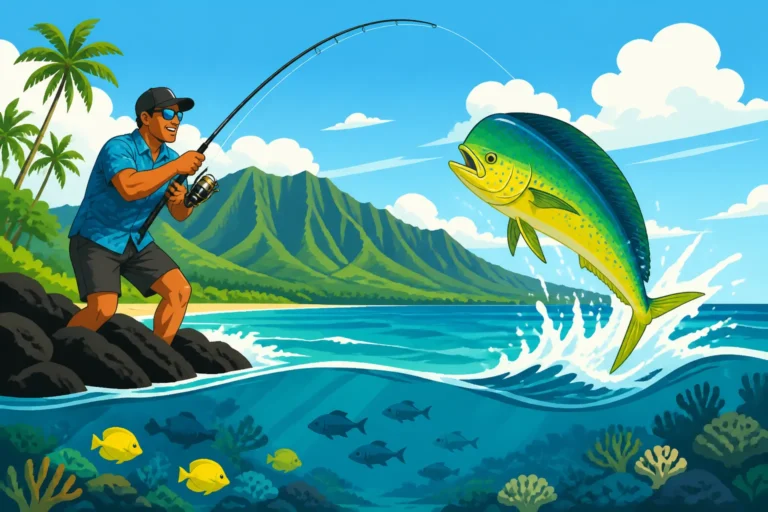
There’s nothing quite like the dream of casting a line into Hawaii’s stunning blue waters, but for many, the reality of finding the perfect, accessible shore fishing spot can be daunting. Poipu, on Kauai’s sunny South Shore, offers some truly fantastic opportunities, yet understanding its unique environment and knowing where to go can make all the difference between a frustrating day and a memorable catch. This guide will walk you through everything you need to know to successfully enjoy shore fishing in Poipu, helping you navigate its beautiful coastline like a local.
Understanding Poipu's Unique Shoreline for Anglers
Poipu isn't just a postcard-perfect tourist destination; it's also a surprisingly dynamic fishing ground, especially for those who prefer to keep their feet on solid ground. Its shoreline is a mix of protected sandy beaches, exposed lava rock points, and shallow reef flats, all teeming with marine life. Understanding these features is the first step to a successful day out.
Geographical Features and Accessibility
The coastline around Poipu offers a diverse range of fishing environments. You'll find popular, easily accessible spots like Poipu Beach Park itself, which provides a relatively calm and sandy entry. However, just a short walk or drive away, you'll encounter more rugged lava rock formations and deeper channels that attract different species. Areas like Shipwreck Beach or the less-frequented stretches along the Maha'ulepu Heritage Trail offer more challenging but potentially more rewarding angling experiences. The key here is variety; don't assume one spot defines the whole area. Each unique stretch of coast, from the calm, sandy bottoms to the craggy, wave-battered points, presents its own set of opportunities and challenges for the shore angler.
Unlike some of the more remote, wilder parts of Kauai, many of Poipu's fishing spots are relatively close to amenities, parking, and public access points. This is a huge bonus for families or those who prefer not to trek miles through dense foliage just to wet a line. However, "accessible" doesn't always mean "easy." Even in developed areas, the terrain can be uneven, and sharp lava rocks are always a consideration, so sturdy footwear is an absolute must. Always take a moment to observe the area before you cast, identifying potential hazards or optimal casting zones.
Tides, Currents, and Water Clarity
Just like anywhere else, the ocean conditions profoundly impact fishing success in Poipu. Tides play a significant role, particularly on the shallower reef flats. A rising or falling tide can often trigger feeding activity as baitfish are pushed around or new foraging grounds become available. Local knowledge or a quick check of a reliable tide chart can give you a crucial edge. Strong currents, while less prevalent in the most protected bays, can be found around points and channels, and these can either concentrate fish or make presenting your bait difficult. Understanding these dynamics is part of mastering Shore Fishing Techniques for Hawaii.
Water clarity is another huge factor. Crystal-clear water, while beautiful for snorkeling, can make fish more wary, especially for sight-fishing species like bonefish. Conversely, slightly turbid water, often after a rain or a moderate swell, can provide cover for predatory fish like papio and ulua to ambush their prey. Keep an eye on recent weather patterns and ocean forecasts. For example, a big swell hitting the South Shore can churn up the bottom and affect clarity, often making fishing tougher immediately afterward but potentially better once the water settles slightly, bringing new food sources closer to shore. Always be prepared to adapt your approach based on what the ocean is showing you on any given day.
Best Shore Fishing Spots in Poipu
Poipu is blessed with a diverse coastline, meaning you have a few excellent choices depending on your target species and comfort level. While some spots are well-known, others require a bit more effort to reach but can offer solitude and fantastic action.
Poipu Beach Park Area
Poipu Beach Park is arguably the most famous and family-friendly spot in the area, known for its crescent-shaped sandy beaches and a shallow, protected reef. This isn't where you'll be targeting massive ulua, but it's fantastic for smaller, schooling fish and makes for a relaxed day with the family. The main beach area, particularly near the sand spit that often connects to Tombolo Island (formally Nukumoi Point), is a good place to start. Kids can have a blast here catching small papio (juvenile trevally), goatfish (weke and kumu), and various reef fish. Light tackle and small pieces of shrimp, bread, or even artificial baits like small grubs work wonders.
Moving slightly east or west from the main swimming area, you'll find more rocky outcroppings and deeper channels, especially on either side of the public access points. These areas can hold larger papio and omilu (bluefin trevally). Pay attention to the subtle changes in depth and current. Early mornings or late afternoons are often best here, as the crowds thin out and fish become more active. While you might not land a record-breaker, the sheer beauty of the location and the steady action make it incredibly enjoyable. Remember to be mindful of swimmers and snorkelers, especially during peak hours.
Shipwreck Beach Keoniloa Bay and Gillin's Beach
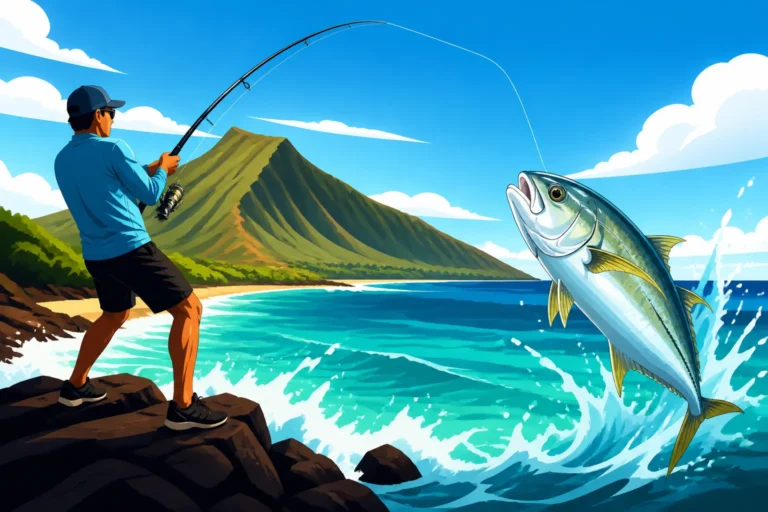
For those seeking a bit more adventure and the chance at larger catches, Shipwreck Beach (also known as Keoniloa Bay) is a popular choice, though it's much more exposed to the open ocean. Located fronting the Grand Hyatt Kauai, this beach is famous for its powerful shore break and the skeleton of an old wooden boat that occasionally emerges from the sand. The surf can be strong here, so safety is paramount, especially on a day with a big south swell. However, this powerful environment also attracts larger predatory fish. Anglers here often target ulua and larger papio using heavy tackle and sliding bait rigs or heavy casting lures.
Adjacent to Shipwreck Beach, further east and requiring a bit more of a walk or a specific access point (often through hotel property or via a public right-of-way), you'll find Gillin's Beach. This stretch is often less crowded than Shipwreck, offering similar fishing opportunities but with potentially more solitude. The rocky points and deeper channels around this area can be productive. Be prepared for strong currents and sharp lava rocks. You'll want to use robust tackle, at least a 10-12 foot heavy-action surf rod, and lines in the 20-30lb test range, sometimes even heavier for those really big ulua. Early mornings, especially before sunrise, are prime time for these exposed beaches. Check out our guide on How to Catch Ulua from Shore for more specific techniques if you're planning to tackle these spots.
Spouting Horn Park Overlook
While not a direct fishing spot itself, the area around Spouting Horn Park offers a different perspective on the Poipu coastline and can inform your fishing strategy. This famous blowhole attraction provides dramatic views of the rugged, exposed lava rock cliffs and crashing waves. From these elevated viewpoints, you can often observe the ocean conditions firsthand – how the swells are hitting the shore, where the currents are strongest, and even spot schools of baitfish or larger predators moving along the coast. It’s a great spot for understanding the overall dynamics of the South Shore.
More importantly, the rocky coastline stretching away from Spouting Horn, especially heading west towards Lawai Beach, offers numerous small coves and rocky points that can be fantastic for whipping or bait fishing. These spots are usually accessed by careful climbing over lava rock, so extreme caution is advised, and proper footwear is non-negotiable. Look for channels, deeper pockets of water, and areas where the wave action creates foamy white water – these are prime ambush points for omilu, papio, and sometimes even moi. Being able to survey the conditions from above at Spouting Horn can help you pick the most promising spots along this rugged coastline before you commit to the scramble.
Maha'ulepu Heritage Trail
For those truly looking to get away from the crowds and immerse themselves in Kauai’s untouched beauty, the Maha'ulepu Heritage Trail offers access to some of Poipu's most remote and pristine shorelines. This trail, which stretches for several miles east of Shipwreck Beach, winds along dramatic cliffs, secluded sandy coves, and ancient dunes. Access points can be tricky, often involving driving through private lands (always respect "No Trespassing" signs and use designated public access) or a long hike. The reward? Solitude and some truly fantastic fishing.
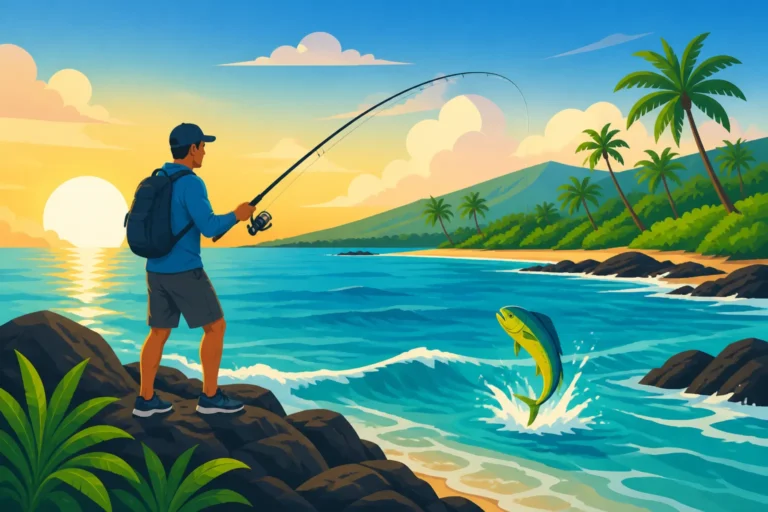
The beaches and rocky points along the Maha'ulepu coast, such as Kawailoa Bay or Makawehi Point, can be incredibly productive for a wide range of species, including larger papio, ulua, omilu, and even moi (Pacific Threadfin) when they are in season. Because these areas see less pressure, the fish can be less wary. This is an ideal spot for anglers who enjoy combining hiking with fishing, bringing a backpack with essential gear, plenty of water, and sun protection. Be mindful that this area is wilder, so emergency services might take longer to reach you. Always let someone know where you're going and when you expect to return. The pristine nature of this area also means exercising maximum care in leaving no trace behind, preserving its beauty for future generations.
Target Species and Seasonal Considerations in Poipu
Poipu's diverse inshore environment means you can expect to encounter a variety of exciting fish species from its shores. Knowing what's biting when, and where, is a huge part of being a successful Hawaii angler.
Common Catches: Papio, Ulua, Moi, Omilu, Weke
When you’re shore fishing in Poipu, you're most likely to encounter a few local favorites. Papio, the juvenile form of Giant Trevally (ulua), are abundant in the calmer bays and around reef edges. They're aggressive little fighters, perfect for light tackle. They love small lures like grubs, Kastmasters, or even cut bait. As they grow, they become Ulua, the true giants of the Hawaiian shore, lurking in deeper channels and powerful surf breaks. Landing one of these from shore is a monumental achievement, requiring heavy gear and skill, as detailed in our guide on How to Catch Ulua from Shore.
Omilu, or bluefin trevally, are another common and beautiful catch. They're also aggressive and can be found hunting along rocky coastlines and reef flats, often in schools. They hit lures and bait with equal ferocity. Moi, or Pacific threadfin, are highly prized for their delicate flesh and offer a thrilling fight on light tackle. They prefer sandy bottoms near reefs and can be a bit more finicky, often requiring live bait like small shrimp or limu (seaweed). Be aware of the Hawaii Moi Closed Season, Explained, as they are protected during certain times of the year. Finally, various species of Weke (goatfish) are also frequently caught, often foraging in sandy patches and on shallow reefs. These bottom-dwellers respond well to small pieces of bait fished on the bottom.
Seasonal Patterns and Best Times to Fish
While Hawaii enjoys a relatively consistent tropical climate, fishing in Poipu still has its seasonal nuances. Generally, fishing for trevally species (papio, ulua, omilu) is good year-round, but specific conditions can make certain times better. The warmer summer months often bring larger schools of baitfish closer to shore, which in turn draws in bigger predators. This is also a fantastic time for whipping artificial lures for papio and omilu as they actively feed on these baitfish. Conversely, winter months can see larger swells hitting the South Shore, making fishing exposed areas like Shipwreck Beach more challenging but potentially rewarding for trophy ulua that thrive in the turbulent water.
For Moi, their season typically opens in the spring and continues through the fall, outside of their closed spawning season. This is when you'll have the best chance of encountering these sought-after fish. Early mornings and late afternoons are almost universally the best times to fish any spot in Poipu, regardless of the season. Fish are generally more active during these cooler, lower-light periods, and the crowds are usually thinner. Always check the tides as well; a rising or falling tide often signals increased feeding activity. To get a broader perspective on what to expect throughout the year, refer to our comprehensive article on the Best Time of Year to Fish in Hawaii.
Here's a quick reference table for Poipu's common shore catches:
| Species | Typical Size (Shore) | Preferred Habitat | Best Bait/Lure | Ideal Time to Fish | Notes |
|---|---|---|---|---|---|
| Papio (GT Jr.) | 1-5 lbs | Reef edges, sandy flats | Small grubs, Kastmasters, cut bait | Year-round, dawn/dusk | Aggressive, fun on light tackle |
| Ulua (GT) | 10-100+ lbs | Deep channels, heavy surf | Sliding live/dead bait, heavy poppers | Year-round, night/big surf | Trophy fish, requires heavy gear |
| Moi | 1-3 lbs | Sandy bottoms near reefs | Live shrimp, limu (seaweed) | Spring-Fall (open season), dawn/dusk | Prized eating fish, delicate fighters |
| Omilu | 2-8 lbs | Rocky points, reef edges | Lures, cut bait, small live bait | Year-round, dawn/dusk | Beautiful blue coloration, strong fighters |
| Weke (Goatfish) | 0.5-2 lbs | Sandy patches, shallow reefs | Small pieces of shrimp, squid | Year-round, day/night | Excellent eating, common bottom fish |
Essential Gear and Techniques for Poipu Shore Fishing
Having the right tackle and knowing how to use it effectively is crucial for success when fishing Poipu's diverse shoreline. From light whipping setups to heavy surfcasting gear, your arsenal should match your ambitions.
Recommended Rods, Reels, and Line
For general shore fishing in Poipu, a versatile setup is key. For lighter action and smaller papio, omilu, and weke, a 7-9 foot medium-light to medium-heavy spinning rod paired with a 3000-4000 size reel spooled with 15-20 lb braided line is a great all-around choice. This setup is perfect for throwing small lures and baits from the calmer beach areas or easily accessible rocky points. You’ll want a fluorocarbon leader of 20-30 lb test, about 2-3 feet long, for abrasion resistance against reefs and fish teeth.
If you're seriously targeting larger ulua or fishing in heavy surf at spots like Shipwreck Beach, you'll need to step up your game significantly. A heavy-duty 10-12 foot surf rod capable of casting heavy weights (4-8 oz) is essential. Pair this with a robust 8000-14000 size spinning reel or a conventional reel, spooled with 50-80 lb braided line. A heavy monofilament or fluorocarbon leader, sometimes up to 100-150 lb test, is necessary for these powerful fish and rugged environments. Having a fighting belt can also save your back when battling a big ulua.
Effective Baits and Lures
Poipu's fish respond to a variety of presentations. For bait fishing, fresh cut bait is almost always king. Small pieces of akule, opelu, or even leftover cooked shrimp can be incredibly effective for papio, omilu, and weke. For moi, live shrimp or a small piece of limu (seaweed) can be irresistible. If you're targeting ulua, live bait like small papio, akule, or mackerel scad are highly effective when fished on a sliding rig. Large chunks of fresh dead bait (like octopus or squid) can also attract these apex predators.
When it comes to lures, whipping is a popular and productive technique in Hawaii. Small metal jigs (Kastmasters, Raider Jigs) in the 1/2 to 1 oz range are excellent for casting long distances and imitating baitfish, attracting papio and omilu. Soft plastic grubs on jig heads are also fantastic for smaller reef fish. For larger ulua and omilu, poppers and large stickbaits can create explosive topwater strikes, especially during dawn and dusk. Always have a variety of lures and baits on hand, as fish preferences can change throughout the day. For finding specific types of local bait or gear, consider checking with local tackle shops or even reaching out to a local guide through resources like FishingBooker.
Primary Shore Fishing Techniques for Poipu
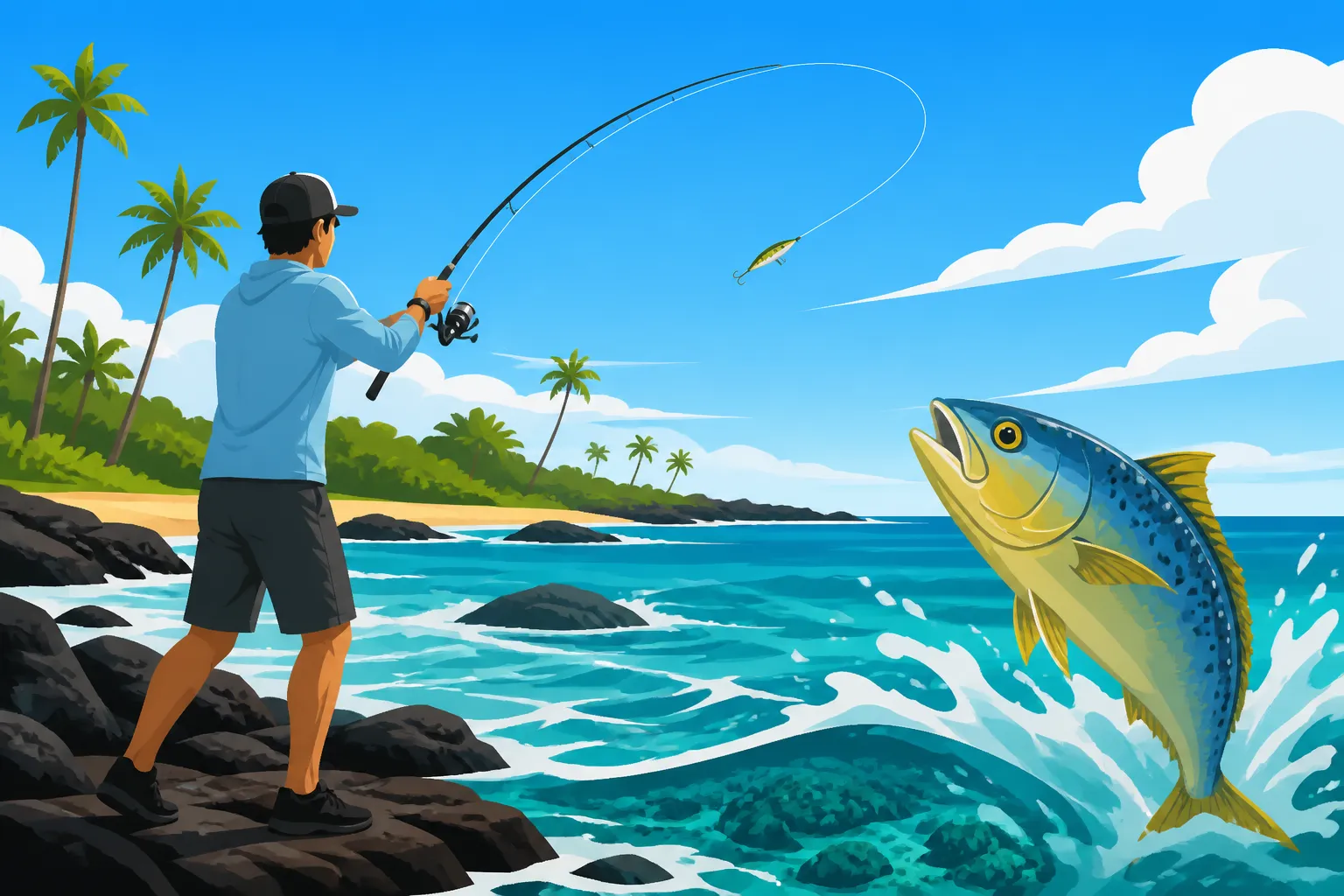
Shore fishing in Poipu primarily revolves around a few key techniques. Whipping, which involves casting and retrieving artificial lures, is highly effective for active predators like papio and omilu, especially along rocky points and reef edges where they ambush baitfish. Vary your retrieve speed and depth until you find what triggers a strike. For more details on this technique, look up Best Techniques for Whipping for Papio.
Bait fishing is a classic and consistently productive method. This can range from simple bottom rigs with a weight and hook to more sophisticated sliding bait rigs used for larger ulua. When using bait, try to present it naturally. If fishing a sandy bottom for moi or weke, a Carolina rig or a high-low rig with a pyramid sinker can keep your bait where the fish are feeding. When targeting ulua with large baits, you might use a balloon rig to suspend your bait further out or a sliding sinker rig that allows the bait to move more naturally.
Finally, wading on shallow reef flats can be incredibly effective, particularly for bonefish (oio) or stalking omilu. This requires careful movement, polarized sunglasses to spot fish, and often involves fly fishing or light spinning gear with small jigs or soft plastics. Be extremely careful when wading, as reefs can be sharp and unstable, and sudden surges can be dangerous. Our article on Wading Techniques for Hawaii Shore Fishing offers vital safety and strategy tips.
Navigating Regulations and Responsible Fishing in Poipu
Fishing in Hawaii comes with important responsibilities. Understanding and adhering to local regulations is not just about avoiding penalties; it's about preserving the precious marine resources that make Poipu such a fantastic fishing destination.
Understanding Local Bag and Size Limits
Hawaii has specific bag and size limits for many popular fish species, and these are enforced by the Department of Land and Natural Resources (DLNR) Division of Aquatic Resources (DAR). For instance, there are minimum size limits for ulua and moi to ensure they reach maturity and have a chance to reproduce. Papio, being juvenile ulua, typically have a lower size limit, but once they reach a certain size, they are then considered ulua. These regulations are designed to prevent overfishing and maintain healthy fish populations.
It's crucial to consult the most current Hawaii Bag and Size Limits by Species before you head out. These can change, so always double-check. For example, the moi has not only a size limit but also a strict closed season to protect its spawning period. Failure to adhere to these rules can result in significant fines and even confiscation of your gear and catch. Always carry a measuring tape and be prepared to release any fish that don't meet the legal requirements. Responsible anglers know that a healthy fishery benefits everyone in the long run.
Protected Areas and Conservation Efforts
Beyond individual species regulations, Poipu and the wider Hawaiian islands have designated protected areas where fishing is either restricted or entirely prohibited. These include Marine Life Conservation Districts (MLCDs) and certain Fish Replenishment Areas. While there isn't a major MLCD directly in Poipu, understanding where these exist, like the nearby Lawai Beach/Beach House Restaurant area which has some restrictions, is important. These areas are vital for protecting critical habitats and allowing fish populations to rebound. Our guide on Hawaii Marine Life Conservation Districts, Explained provides a comprehensive overview of these zones.
Additionally, certain species are entirely protected, such as Hawaiian green sea turtles (Honu) and Hawaiian monk seals. If you encounter these animals while fishing, observe them from a distance and avoid disturbing them in any way. It's illegal to harass or feed them. Practicing "pack it in, pack it out" is also crucial; never leave any trash, fishing line, or hooks behind. Consider using barbless hooks, especially if you plan on catch-and-release, to minimize harm to fish and accidentally hooked protected species. Poipu's beauty is a shared resource, and fishing here comes with a kuleana (responsibility) to mālama (care for) the land and sea.
Tips for a Successful Shore Fishing Trip in Poipu
Now that you're armed with knowledge about the spots, species, gear, and regulations, let's round things off with some practical tips to ensure your Poipu shore fishing adventure is both successful and safe.
Safety First: Understanding Swells and Rocks
Hawaii's ocean can be unpredictable, and safety should always be your top priority, especially when fishing from shore. Pay close attention to ocean conditions before and during your trip. Large swells can create dangerous surf and rogue waves that can sweep you off your feet or off a rocky ledge. Always keep an eye on the ocean, never turn your back to the waves, and identify escape routes if a large set rolls in. Wearing appropriate footwear with good grip is absolutely essential when traversing lava rock. These rocks are often sharp and can be incredibly slippery when wet with seaweed or ocean spray.
Consider bringing a buddy, especially if you're exploring less-trafficked areas like the Maha'ulepu Heritage Trail. Always let someone know where you're going and when you expect to return. Sun protection is also paramount: a wide-brimmed hat, sunglasses, long-sleeved shirt, and plenty of reef-safe sunscreen are non-negotiable under the intense Hawaiian sun. Dehydration can happen quickly, so carry more water than you think you'll need. A small first-aid kit for cuts and scrapes from rocks or hooks is also a wise addition to your gear.
Respecting the Land and Other Users
The beauty of Poipu is shared by many, from sunbathers and snorkelers to surfers and fellow anglers. Always be mindful and respectful of others enjoying the shoreline. Avoid casting near swimmers or snorkelers, and if you're fishing in a busy area, try to use techniques that minimize your footprint and casting range. This ensures everyone has a pleasant experience. On popular beaches, it's often best to fish during off-peak hours, like early mornings or late evenings, when there are fewer people around.
Beyond human users, remember you are in a delicate ecosystem. Leave no trace of your visit behind. This means taking all your trash, including discarded fishing line and bait containers, with you. Even better, bring an extra bag and pick up any litter you find. Respect private property signs and public access points. Taking a moment to appreciate the natural beauty and show aloha (love and respect) for the 'aina (land) and kai (sea) will not only make your fishing trip more enjoyable but also help preserve Poipu’s precious environment for future generations of anglers and visitors. For more general advice on fishing responsibly in Hawaii, check out our comprehensive guide on Hawaii Fishing Regulations Explained.
Disclaimer
The information provided in this guide is for general informational purposes only and does not constitute legal advice regarding fishing regulations. Regulations can change frequently. Always consult the official Hawaii Department of Land and Natural Resources (DLNR) Division of Aquatic Resources (DAR) website or local authorities for the most current and accurate fishing regulations, bag limits, and licensing requirements before engaging in any fishing activities. Fishing responsibly and safely is solely your responsibility.