Molokai Fishing Spots
Molokai, often called the "Friendly Isle," remains one of Hawaii's lesser-explored gems, especially when it comes to fishing. Many anglers flock to the more commercialized islands, missing out on the unique, uncrowded opportunities that Molokai's pristine waters offer. This comprehensive guide will take you through the best fishing spots on Molokai, from its secluded shorelines to its abundant offshore waters, helping you plan an unforgettable angling adventure.
Why Molokai is a Unique Fishing Destination
When you think of fishing in Hawaii, images of bustling harbors and crowded charter boats might come to mind. But Molokai offers a refreshing departure from that scene. It's an island where the pace is slower, the landscapes are more rugged, and the fishing experience feels deeply authentic and connected to the 'aina (land) and kai (sea).
The 'Friendly Isle' Charm and Untouched Waters
Molokai holds a special place in the hearts of those who visit, largely due to its commitment to preserving its natural beauty and local way of life. This isn't an island driven by mass tourism, and that's precisely what makes its fishing so appealing. You won't find countless commercial operations vying for your attention; instead, you'll discover a more intimate connection with the ocean. The waters here are notably cleaner and less pressured than many other Hawaiian islands, leading to healthier fish populations and a more rewarding experience for those willing to seek it out.
Imagine casting your line from a secluded beach with only the sound of the waves and the seabirds for company, or venturing offshore without another boat in sight for miles. This sense of peace and solitude is a hallmark of fishing on Molokai. It's an opportunity to truly unplug and immerse yourself in the natural rhythms of the island, often leading to a deeper appreciation for the fish you pursue and the environment they inhabit. It's a stark contrast to the often frenetic energy of other popular fishing destinations in the archipelago.
Diverse Habitats: Reefs, Flats, and Deepwater Access
Molokai's geographical makeup is a boon for anglers, providing an incredible array of fishing habitats within a relatively small area. The island boasts the longest fringing reef in the United States, stretching for over 28 miles along its southern coast. This massive coral ecosystem is a nursery and a feeding ground for an incredible variety of reef fish, from colorful triggerfish to elusive moi and aggressive papio. The shallow flats within and around this reef system are prime territory for sight-fishing, particularly for bonefish (oio), offering a challenging yet incredibly rewarding experience for light tackle and fly anglers.
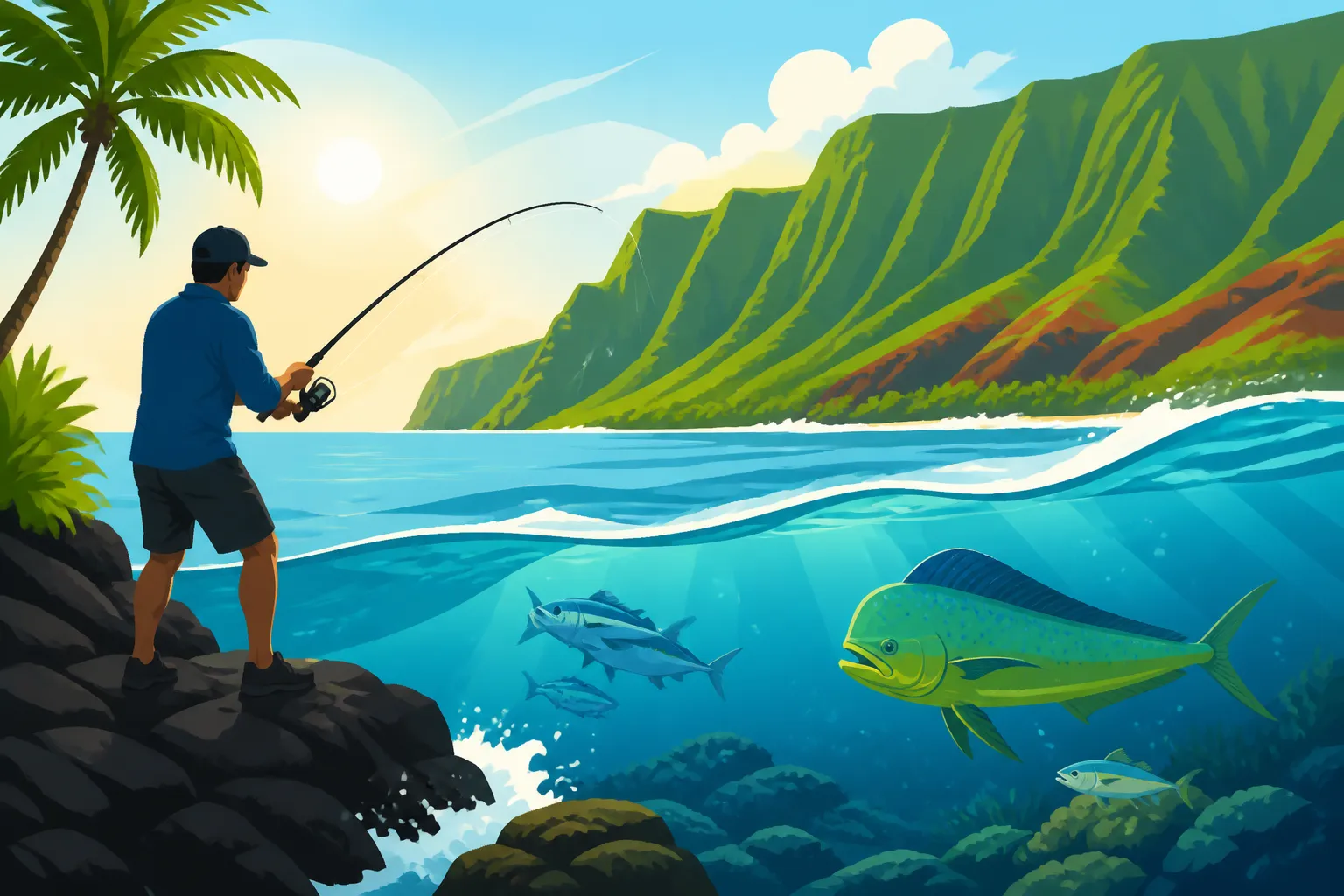
Beyond the protective reefs, the waters surrounding Molokai drop off steeply into deep ocean canyons and ledges. The famous Molokai Channel, separating Molokai from Oahu, is a highway for pelagic giants like marlin, ahi, ono, and mahimahi. These deepwater access points are surprisingly close to shore, meaning less travel time and more fishing time for offshore enthusiasts. The rugged north shore, with its dramatic cliffs and deep, exposed waters, also offers unique opportunities for both shore and offshore anglers, though conditions can be more challenging. This natural diversity means that no matter your preferred fishing style—whether it's casting from the sand, wading the flats, or trolling for big game—Molokai has a spot waiting for you.
Prime Shore Fishing Spots on Molokai
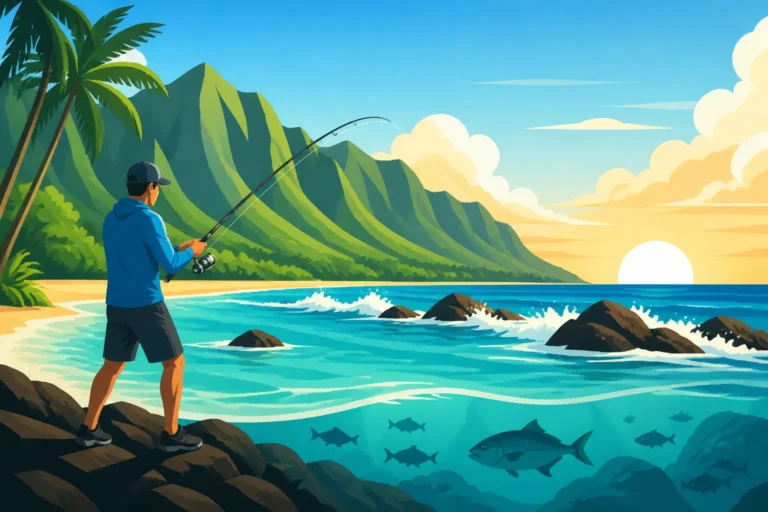
Shore fishing, or kukui fishing as it's traditionally known, is a deeply ingrained part of Molokai's culture. With miles of accessible coastline, both rocky and sandy, the island offers exceptional opportunities for land-based anglers to connect with a variety of species.
East End Exploration: Reefs and Rocky Coasts
The east end of Molokai is characterized by its dramatic, often rugged coastline, featuring a mix of rocky points, small bays, and fringing reefs. These areas are fantastic for anglers looking to target bigger game from shore, like ulua (giant trevally) and papio (juvenile trevally), as well as a variety of reef dwellers such as kumu (goatfish), uhu (parrotfish), and various snapper species.
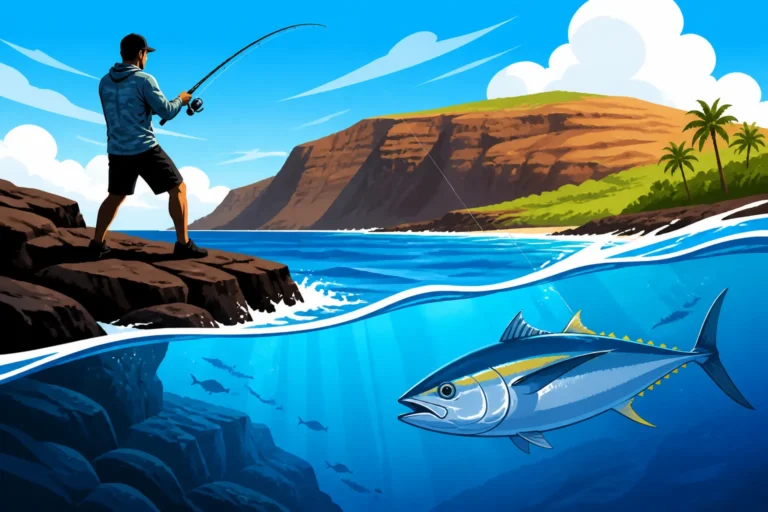
One of the most notable spots is near Halawa Valley. While access can be challenging and requires respecting private property and local customs, the fishing in this remote, pristine area can be extraordinary. Anglers often use slide baiting techniques here, sending out large baits like whole akule or opelu to target monster ulua that cruise the deeper water adjacent to the valley's mouth. The rocks and submerged ledges also hold excellent numbers of smaller reef fish for those whipping or baitcasting with smaller baits. Remember that fishing at Halawa means you're stepping into a culturally significant area, so always be mindful and leave no trace behind. For more on responsible practices, you might want to read about "Hawaii traditional and customary fishing rights explained".
Further west along the east end, areas around Kumimi Beach (also known as Murphy's Beach) offer more accessible shore fishing. Here, the reef is closer to shore, providing ample opportunities for throwing artificial lures like poppers and stickbaits for papio and smaller trevally. Bait fishing with chunks of squid or shrimp around the reef edges can yield goatfish, moana kali (bluespine unicornfish), and occasionally moi, especially during the calm morning hours. The presence of numerous tide pools and shallow reef flats makes it a great spot for exploring with light tackle, but always be aware of the tide and surf conditions to ensure safety. This coastline is truly a gem for anglers who enjoy the challenge and reward of working a diverse reef environment.
West End Wonders: Sandy Beaches and Flats
Shifting to Molokai's west end, the landscape transforms into expansive, golden sandy beaches backed by sand dunes, creating a completely different fishing experience. This side of the island is particularly renowned for its excellent bonefishing flats and opportunities to target other species that prefer sandy bottoms.
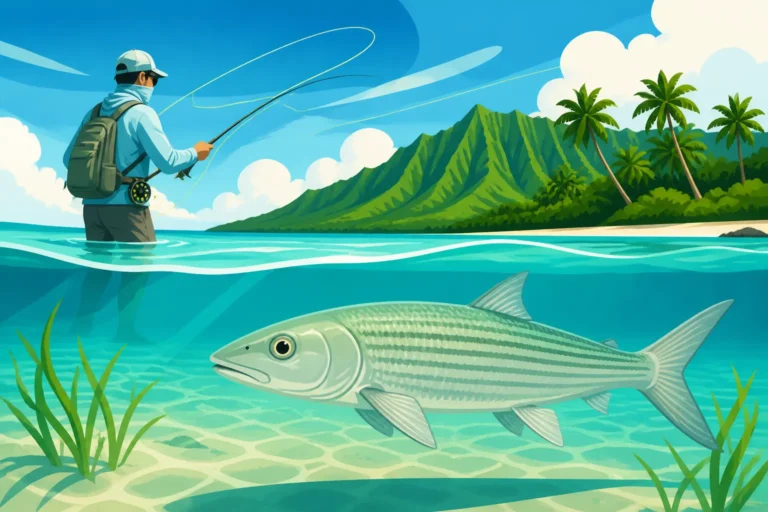
Papohaku Beach, one of Hawaii's longest white sand beaches, is a prime example. While it might look like just a beautiful swimming beach, the shallow nearshore waters and extensive sand flats are ideal for stalking bonefish (oio). Fly anglers and spin fishermen alike can wade these flats, looking for the tell-tale "tailing" fish or subtle movements that give away their presence. Bonefish on Molokai can grow to impressive sizes, offering thrilling fights on light tackle. Shrimp imitations, small jigs, and even live shrimp are effective baits. The sheer length of Papohaku Beach means you can often find a stretch of sand all to yourself, allowing for a peaceful and focused fishing session. This area is truly one of the "Best Bonefishing Spots in Hawaii".
Another fantastic spot on the west end is Dixie Maru Beach (also known as Kawakiu Beach). This area, slightly more secluded, also offers excellent sandy beach access for targeting bonefish and various papio species. The waters here are often calmer than Papohaku, especially during certain swell directions, making wading and sight-fishing more manageable. Additionally, these sandy stretches can be productive for "whipping" (casting and retrieving) small metal lures or soft plastics for small trevally and even occasional pompano. The key to success on the west end beaches is often patience and a keen eye, as the fish can be camouflaged against the sandy bottom. Early mornings or late afternoons are often the most productive times, as the lower light conditions encourage fish to move into shallower water.
Central Coastline: Harbors and Intertidal Zones
The central south shore of Molokai offers more protected waters, with the town of Kaunakakai serving as a hub. Here, fishing is often more accessible and family-friendly, providing great opportunities for a relaxed day of angling.
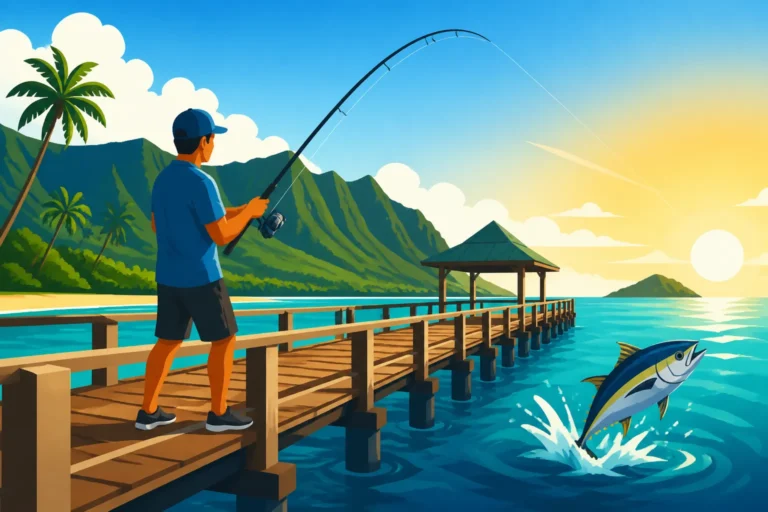
The Kaunakakai Wharf is probably Molokai's most famous and accessible fishing spot. This historic pier stretches for over a quarter-mile into the Pailolo Channel, providing access to deeper water without needing a boat. It's a fantastic place for all ages and skill levels, offering the chance to catch a wide variety of fish. Locals and visitors alike gather here to cast for papio, goatfish, triggerfish, and various snapper species. You might even hook into a small barracuda or an occasional moi. Live bait, fresh squid, or chunk bait (like cut up opelu) are popular choices. It's also a wonderful spot for kids to experience the thrill of catching their first fish, as the action can be consistent. Just be sure to bring your own shade and water, as the pier is exposed.
Beyond the immediate vicinity of the wharf, the extensive fringing reef along the central south shore offers numerous intertidal zones and calm, protected areas. These shallow waters are great for exploring with light tackle, targeting smaller reef fish that hide among the corals and rocks. Small schools of akule (bigeye scad) and opelu (mackerel scad) sometimes move into these areas, providing excellent opportunities for bait gathering with a sabiki rig. Anglers using throw nets, where permitted, also frequent these calm, nearshore waters for baitfish. Remember, the reef is a delicate ecosystem; always practice responsible angling, avoid damaging corals, and adhere to all Hawaii Fishing Regulations Explained. The calm nature of these central waters makes them ideal for learning the ropes of Hawaiian shore fishing without the added challenge of big surf.
Offshore Fishing Opportunities Around Molokai
While Molokai is celebrated for its shore fishing, the offshore waters surrounding the island are equally, if not more, prolific. The deep channels and proximity to pelagic migration routes make it a prime destination for serious offshore anglers.
Deep Sea Adventures: Pelagic Hotspots
Molokai's deep waters are a highway for some of the ocean's most sought-after game fish. The island's position relative to the Molokai Channel and the deep drop-offs along its north and south shores creates ideal conditions for targeting pelagic species throughout the year.
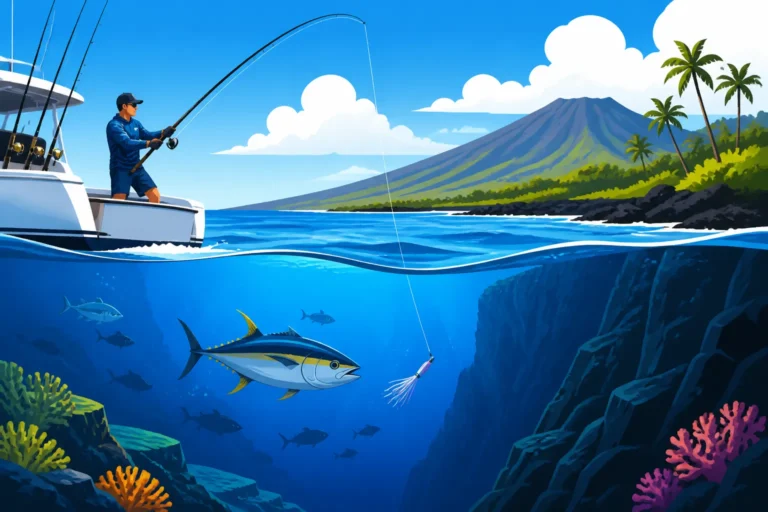
The Molokai Channel, a deep and often turbulent stretch of water between Molokai and Oahu, is a legendary fishing ground. This channel serves as a natural funnel for migrating marlin (blue, striped, and spearfish), ahi (yellowfin tuna), ono (wahoo), and mahimahi (dorado). Charter boats departing from Molokai (or even Oahu, specifically from Kewalo Basin or Honolulu) frequently target these waters, employing a variety of trolling techniques with lures and baits. The action can be fast and furious, especially during peak seasons when baitfish schools are abundant. For anglers specifically interested in the thrill of landing a grander, knowing "How to Catch Marlin off the Kona Coast" can provide valuable insights, many of which apply to Molokai's marlin fishery due to similar behaviors and habitats.
Further offshore, particularly around the north and west coasts where the shelf drops rapidly into abyssal depths, you'll find numerous FADs (Fish Aggregating Devices). These buoys are anchored in deep water and act as magnets for baitfish, which in turn attract large schools of ahi and mahimahi. "Ahi (Yellowfin Tuna) Fishing in Hawaii" is a popular pursuit here, often involving chunking (chumming with cut bait) or jigging near the FADs once a school is located. Mahimahi are also commonly found congregating around these FADs, providing exhilarating surface strikes. The key to success in these offshore pelagic hotspots is often speed and stealth, coupled with the right lure spread or bait presentation. Experienced captains rely heavily on their knowledge of currents, water temperature breaks, and baitfish patterns to put you on the fish.
Bottomfishing the Ledges and Seamounts
Beyond the thrill of pelagics, Molokai offers exceptional opportunities for bottomfishing, targeting the delicious and often deep-dwelling species that inhabit the island's underwater ledges, reefs, and seamounts. These fish are highly prized for their table fare and often require specialized techniques.
The deep ledges that contour Molokai's coastline, particularly along the south shore where the extensive reef system gives way to much deeper water, are prime habitat for "deep-7" bottomfish species. These include opakapaka (pink snapper), onaga (ruby snapper), ehu (red snapper), uku (gray snapper), and gindai (longtail snapper). These fish typically reside in depths ranging from 200 to over 1000 feet, requiring heavy tackle, electric reels, and specific "deep drop" rigs. Bait like squid, cut fish, or even whole opelu are often used. The beauty of bottomfishing here is the potential for a mixed bag, as different depths often hold different species. Understanding "Bottomfishing in Hawaii" techniques, such as using specialized jigs or weighted bait rigs, is crucial for success.
Molokai also has several offshore seamounts and pinnacles that rise from the deep ocean floor, acting as oases for marine life. These isolated structures create upwellings and provide habitat for a variety of fish, including aggregations of uku and large amberjack, as well as the prized deep-7 snappers. Reaching these spots often requires a longer run offshore, but the reward can be immense. Identifying these subtle changes in bathymetry with a good sonar is key, as is presenting baits accurately in strong currents. The challenge of exploring these underwater landscapes, coupled with the potential for truly magnificent catches, makes bottomfishing one of Molokai's most rewarding offshore pursuits.
Nearshore Reefs and Channels
For those who prefer not to venture too far offshore but still want a boat-based experience, Molokai's nearshore reefs and channels offer fantastic fishing, often accessible by smaller boats or even kayaks.
Along the extensive southern fringing reef, numerous channels and passages cut through the coral, providing deeper access points for boats. These areas are excellent for light tackle trolling or casting for smaller pelagics like skipjack tuna (aku), small ono, and mahimahi that might be cruising closer to shore. The edges of the reef also hold robust populations of reef species, making them ideal for dropping baits or jigs for kumu, weke, and various types of papio. Kayak fishing is particularly popular in these calmer, protected waters, allowing anglers to quietly explore reef edges and shallow channels that larger boats cannot access. It's a fantastic way to experience the reef up close and target a diverse array of fish.
The north shore, while more exposed, also features a few protected bays and deeper nearshore channels that can be incredibly productive when conditions allow. Here, you might encounter larger reef sharks, ulua, and even some of the deeper-water snappers closer to shore due to the immediate drop-offs. Trolling along the steep cliffs and points can yield ono and small tuna. However, fishing the north shore requires careful attention to weather and swell, as conditions can change rapidly and become dangerous. The rewards, however, can be substantial for those who respect the ocean's power and plan accordingly.
Essential Gear and Techniques for Molokai Fishing
Having the right gear and knowing the appropriate techniques can make all the difference in your Molokai fishing adventure. The island's diverse environments demand a versatile approach.
Shore Fishing Tackle and Bait Essentials
For shore fishing on Molokai, versatility is your best friend. You'll want to be prepared for a range of scenarios, from light tackle whipping for papio to heavy-duty slide baiting for ulua.
A good all-around shore setup would include a medium-heavy spinning rod, around 9-11 feet in length, paired with a reliable reel spooled with 30-50 lb braided line. This setup is perfect for casting a variety of lures, from metal jigs and poppers to soft plastics, for species like papio, barracuda, and even smaller ulua. For heavier applications, especially if you're hoping to target true trophy ulua from rocky points, a stout 12-15 foot surf rod with a large, strong spinning or conventional reel capable of handling 80-100 lb braid is essential. This allows for long casts with heavy weights and substantial baits, which is key for "How to Catch Ulua from Shore" using sliding bait rigs.
When it comes to bait, fresh is always best on Molokai. Local favorites include small live fish like opelu or akule (if you can catch them), squid, shrimp, and chunks of various fish. Limu (seaweed) and opihi (limpets) can also be effective for certain reef species, especially when fished near rocky shorelines where these creatures naturally cling. Always check local regulations on bait collection and use. For lures, a selection of metal jigs (1-3 oz), surface poppers, and stickbaits in various sizes and colors will cover most whipping scenarios. Don't forget a good selection of terminal tackle: strong hooks (circle hooks are often preferred for catch and release and better hooksets), swivels, and leader material (fluorocarbon in 30-80 lb test, or heavier mono for ulua rigs). A pair of reliable wading boots or reef shoes with good grip is also non-negotiable for navigating slippery rocks and reef flats safely.
Offshore Gear Considerations
Offshore fishing on Molokai requires a different class of gear, built for power, endurance, and the unique challenges of deepwater angling and big game pursuits.
For targeting pelagic species like marlin, ahi, ono, and mahimahi, a spread of 50-80 lb class conventional trolling outfits is standard. These typically consist of robust rods paired with high-capacity reels spooled with heavy monofilament or braided line. The lures used range from large skirted trolling lures in various colors (often mimicking local baitfish) to rigged natural baits like ballyhoo or strip baits. Outriggers are often employed to spread the lures and create a wider presentation, increasing strike chances. For specific techniques like jigging for ahi at FADs, specialized heavy jigging rods and reels, capable of handling 200-500 gram jigs, become necessary.
Bottomfishing, particularly for the deep-7 snappers, requires another dedicated setup. Heavy conventional rods (often bent butt rods) paired with electric reels spooled with 80-130 lb braided line are common. These allow anglers to efficiently drop heavy lead weights (often 1-3 lbs) to extreme depths and retrieve fish without immense physical strain. Specialized rigs with multiple hooks and glowing attractants are typically used, baited with squid or cut fish. Beyond the rods and reels, essential offshore gear includes gaffs, flying gaffs, a strong cooler for your catch, and navigational electronics like GPS and a good fish finder (sonar) to locate structure and bait schools. Safety equipment such as life jackets, flares, and a VHF radio are paramount. And of course, don't forget sun protection, plenty of water, and seasickness remedies if you're prone to motion sickness. If you're looking for a charter, reputable services found on platforms like FishingBooker will provide all the necessary, high-quality gear, so you can focus on the fishing.
Navigating Regulations and Responsible Angling on Molokai
Fishing on Molokai, like anywhere else in Hawaii, comes with a responsibility to understand and adhere to local regulations and to practice ethical angling. This ensures the health of the marine environment and the continuation of fishing traditions for future generations.
Understanding Hawaii's Fishing Regulations
It can feel like a maze sometimes, trying to keep up with all the rules and regulations, but it's absolutely vital. First and foremost, you need to know if you require a license. While many visitors are surprised to learn that a license isn't always needed for recreational marine fishing in Hawaii, it is required for freshwater fishing and for certain commercial activities. It's always best to check the official Hawaii Fishing License Guide for 2026, as rules can change. If you're a visitor wondering, "Do You Need a Fishing License in Hawaii", make sure to consult the latest information from the Hawaii Department of Land and Natural Resources (DLNR).
Beyond licensing, Hawaii has specific bag and size limits for various species, as well as closed seasons to protect spawning fish. For example, there are strict rules for moi (Pacific threadfin), so understanding the Hawaii Moi Closed Season, Explained and size limits is crucial. The same goes for uhu (parrotfish), which have their own specific Hawaii Uhu (Parrotfish) Size and Bag Limits. Certain areas, like Marine Life Conservation Districts (MLCDs), have very strict regulations, often prohibiting fishing altogether. Ignorance of the law is no excuse, and penalties for violations can be significant. Always double-check the current Hawaii Bag and Size Limits by Species before you head out, and if you're unsure, it's best to err on the side of caution. Carrying a copy of the regulations (either physical or digital) is always a good idea.
Respecting the Land, Sea, and Local Culture
Molokai is not just a place to fish; it's a living, breathing community with deep roots in its natural environment. Practicing responsible angling here extends beyond just following the written laws—it means showing respect for the land, the ocean, and the local people. This island cherishes its traditional practices and its quiet way of life.
Always strive to "hiki no kai" – leave no trace. This means packing out everything you pack in, including all trash, fishing line, and discarded bait. Never leave litter on the beaches or in the water. Dispose of fish waste responsibly, away from swimming areas and populated shorelines. When fishing from shore, especially on private or traditional lands, always seek permission if you are unsure of access. Many areas are culturally significant, and approaching with humility and respect goes a long way. Catch and release practices, particularly for large ulua or any fish you don't intend to eat, help ensure sustainable fish populations. For species like moi or uhu, consider keeping only what you need for a meal. Remember that for local residents, fishing is often a subsistence activity, so be mindful and avoid over-harvesting. Understanding and honoring "Hawaii traditional and customary fishing rights explained" fosters a better relationship with the local community and the environment.
Local Knowledge and Guides
Molokai's fishing is best navigated with the wisdom of those who know its waters intimately. Hiring a local guide or charter captain can dramatically enhance your experience, ensuring both safety and success.
Local guides possess an invaluable wealth of knowledge about Molokai's specific fishing grounds, seasonal patterns, and fish behavior. They know where the fish are biting, what baits and lures are most effective on a given day, and how to safely navigate the sometimes-challenging conditions. For instance, an experienced guide will know the nuances of tides and currents on the Molokai Channel for pelagic species, or which reef flats on the west end are most productive for bonefish on a particular day. They can also educate you on local customs and help you avoid inadvertently trespassing or disturbing sensitive areas. This insider knowledge isn't something you can easily glean from a map or online forum; it's built over years of experience on the water.
If you're looking to book an offshore trip, exploring options through platforms like FishingBooker can help you find reputable captains operating out of Molokai or nearby islands that service its waters. They can connect you with experienced professionals who prioritize safety and responsible fishing practices. Even for shore fishing, a local guide can show you the ropes, teaching you effective techniques and sharing insights into the nuances of the island's unique fisheries. Whether it's a private charter for deep sea marlin fishing or a guided wade trip for bonefish, investing in local expertise is often the best way to ensure a memorable, productive, and respectful fishing adventure on Molokai.
Molokai Fishing Spot Quick Guide
Here's a quick overview of some popular Molokai fishing spots and what you might expect:
| Fishing Spot | Location | Type of Fishing | Target Species | Recommended Techniques | Key Considerations |
|---|---|---|---|---|---|
| Kaunakakai Wharf | Central South | Shore (Pier) | Papio, Goatfish, Snappers, Triggerfish | Baitcasting, whipping, sabiki rigs | Family-friendly, accessible, can be crowded. |
| Halawa Valley | East End | Shore (Rocky) | Ulua, Papio, Reef Fish | Slide baiting, heavy baitcasting | Remote, requires respectful access, challenging terrain, often rough surf. |
| Kumimi Beach | East End | Shore (Reef/Rocky) | Papio, Moi, Goatfish, smaller Trevally | Whipping, baitcasting | Good for light tackle, tide-dependent, watch for sharp coral. |
| Papohaku Beach | West End | Shore (Sandy Flats) | Bonefish (Oio), smaller Papio | Fly fishing, light tackle jigging | Expansive flats, can be windy, excellent bonefishing. |
| Dixie Maru Beach | West End | Shore (Sandy) | Bonefish (Oio), Papio, Pompano | Fly fishing, light tackle whipping | Secluded, calm waters often, similar to Papohaku for flats fishing. |
| Molokai Channel | Offshore (North/South) | Deep Sea | Marlin, Ahi, Ono, Mahimahi, Spearfish | Trolling, live baiting, chunking | Pelagic hotspot, best with charter, can be rough. |
| Deep Ledges | Offshore (South) | Bottomfishing | Opakapaka, Onaga, Uku, Ehu | Deep dropping, jigging (electric reels) | Requires specialized gear, productive for delicious table fish. |
| Nearshore Reefs | South Shore | Nearshore (Boat/Kayak) | Papio, Aku, Mahimahi, Reef Fish | Light trolling, casting, jigging | Accessible by kayak/small boat, diverse species, good for light tackle. |
Disclaimer
The information provided in this guide is for general informational purposes only. Fishing regulations, conditions, and fish populations can change frequently. Always consult the most current regulations from the Hawaii Department of Land and Natural Resources (DLNR) Division of Aquatic Resources (DAR) before any fishing activity. Always prioritize your safety, respect local customs and private property, and practice responsible angling to preserve Hawaii's unique marine environment for future generations.