Best fishing spots in Pupukea Beach Park
Ah, Pupukea Beach Park! It's one of those quintessential North Shore spots that just screams "Hawaii." But for those of us who love to cast a line, knowing where to fish in such a diverse and popular area can feel like trying to find a needle in a haystack, especially with all the beautiful but protected areas. This guide is going to walk you through the best spots and offer some real-world advice to help you maximize your chances of a memorable catch, all while respecting the incredible marine life that calls Pupukea home.
Understanding Pupukea Beach Park's Unique Waters
Pupukea isn't just one stretch of sand; it's a tapestry of diverse marine environments, each with its own characteristics and, importantly, its own rules. Located on Oahu's famous North Shore, its waters are profoundly influenced by the seasons, transforming from a serene, glass-flat playground in summer to a powerful, wave-battered spectacle in winter. Understanding these nuances is key to a successful and responsible fishing trip.
The Diverse Habitats of Pupukea
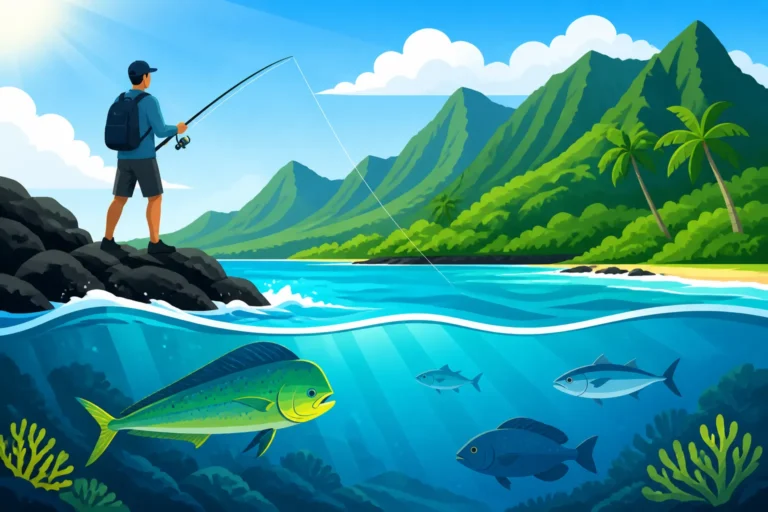
When you first arrive at Pupukea, you'll notice a mix of features: there are sandy beaches perfect for sunbathing, but also jagged lava rock formations that plunge into the ocean, and the iconic tide pools of Shark's Cove. Each of these habitats attracts different types of fish and offers unique challenges and opportunities for anglers. The shallower reef flats are home to smaller, resident reef fish, while the deeper pockets and channels around the rocky points can hold larger predatory species. It's this variety that makes Pupukea so intriguing, but also demands a careful approach to ensure you're fishing in the right place, at the right time, and most importantly, legally.
Seasonal Considerations for Anglers
The North Shore's seasonal shift is perhaps the most significant factor affecting fishing at Pupukea. During the winter months (roughly October to April), massive swells roll in, creating world-famous surf breaks like Pipeline and Sunset Beach nearby. While this is a breathtaking sight, it makes shore fishing incredibly challenging, if not downright dangerous. The strong currents, powerful waves, and turbulent water conditions can make casting difficult and often churn up the bottom, scattering baitfish and larger predators.
However, when summer arrives (May to September), Pupukea transforms. The ocean often turns calm and clear, almost like a lake. This is when the tide pools are most accessible, and the reef flats become inviting for wading. Shoreline fishing becomes far more feasible, allowing anglers to target a wider range of species with lighter tackle. Always pay attention to surf forecasts and local conditions. Even in summer, rogue swells can occur, so prioritize safety above all else. Understanding the ocean's moods here is as vital as knowing your knots.
Understanding the Pupukea Marine Life Conservation District (MLCD) Boundaries
Before we dive into specific spots, it's absolutely crucial to talk about the Pupukea Marine Life Conservation District, or MLCD. This isn't just a suggestion; it's a legal designation that severely restricts activities, including fishing, within its boundaries. Many visitors, understandably, see the beautiful waters of Shark's Cove and Three Tables and assume they can fish there, only to be met with fines or disappointed by the lack of fish.
What an MLCD Means for Fishing
A Marine Life Conservation District is a special area established by the State of Hawaii to conserve and replenish marine resources. The rules are strict: within an MLCD, all fishing, spearfishing, and gathering of marine life are generally prohibited. This includes collecting shells, corals, or any other marine organism. The Pupukea MLCD encompasses a significant portion of Pupukea Beach Park, specifically from roughly the area just past Waimea Bay to the tip of Velzyland, including Shark's Cove, Three Tables, and parts of the adjacent reefs.
It's heartbreaking to hear stories of people getting hefty fines because they weren't aware of these rules. The Hawaii Division of Aquatic Resources (DAR) has clear signage in these areas, but it's easy to miss if you're not actively looking for it. Always check official signage when you arrive and consult the Hawaii DLNR fishing regulations PDF for the most up-to-date information on MLCD boundaries and rules. If you're ever in doubt, err on the side of caution and assume fishing is not allowed. This helps protect our precious marine ecosystems for generations to come.
Fishing Opportunities Outside MLCD Boundaries
So, if much of Pupukea is an MLCD, where can you fish? The good news is that there are still fishable stretches adjacent to or just outside the strict MLCD lines. These areas often blend seamlessly into the protected zones, so pay close attention to the demarcation points. Generally, the fishing opportunities lie on the far western and eastern edges of what people commonly refer to as "Pupukea Beach Park" or further down the coastline away from the main MLCD areas of Shark's Cove and Three Tables.
Your best bet for shore fishing around Pupukea will be in areas that are not designated as MLCDs. This often means exploring the stretches of sandy beach or rocky coastline that are further away from the main snorkeling and diving spots. For example, some anglers find success on the sandy stretches closer to Waimea Bay (outside its specific MLCD if applicable) or further east towards Sunset Beach, where the regulations might differ. It's a game of knowing the local rules, which can feel complex, but it's essential for ethical and legal fishing. The official Hawaii Fishing Regulations Explained guide is your best friend here, as are clear visual cues like buoys or signs marking MLCD boundaries.
Prime Fishing Locations Adjacent to Pupukea Beach Park
Since the central, most well-known areas of Pupukea (like Shark's Cove and Three Tables) are protected MLCDs where fishing is prohibited, our focus shifts to the adjacent or nearby spots that still offer great opportunities while remaining compliant with local regulations. These spots leverage the same rich North Shore environment without infringing on protected zones.
Rocky Points and Lava Formations
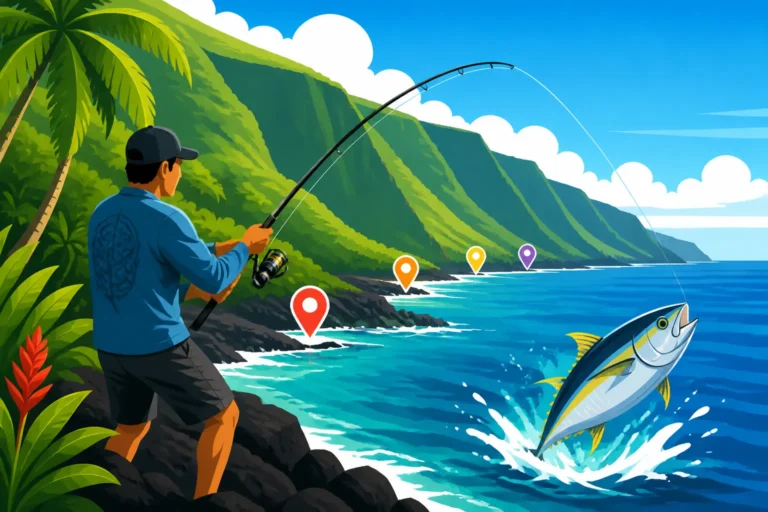
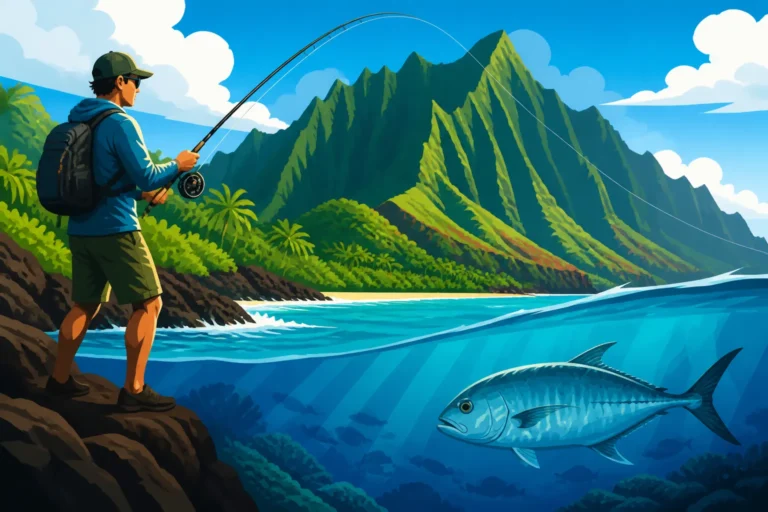
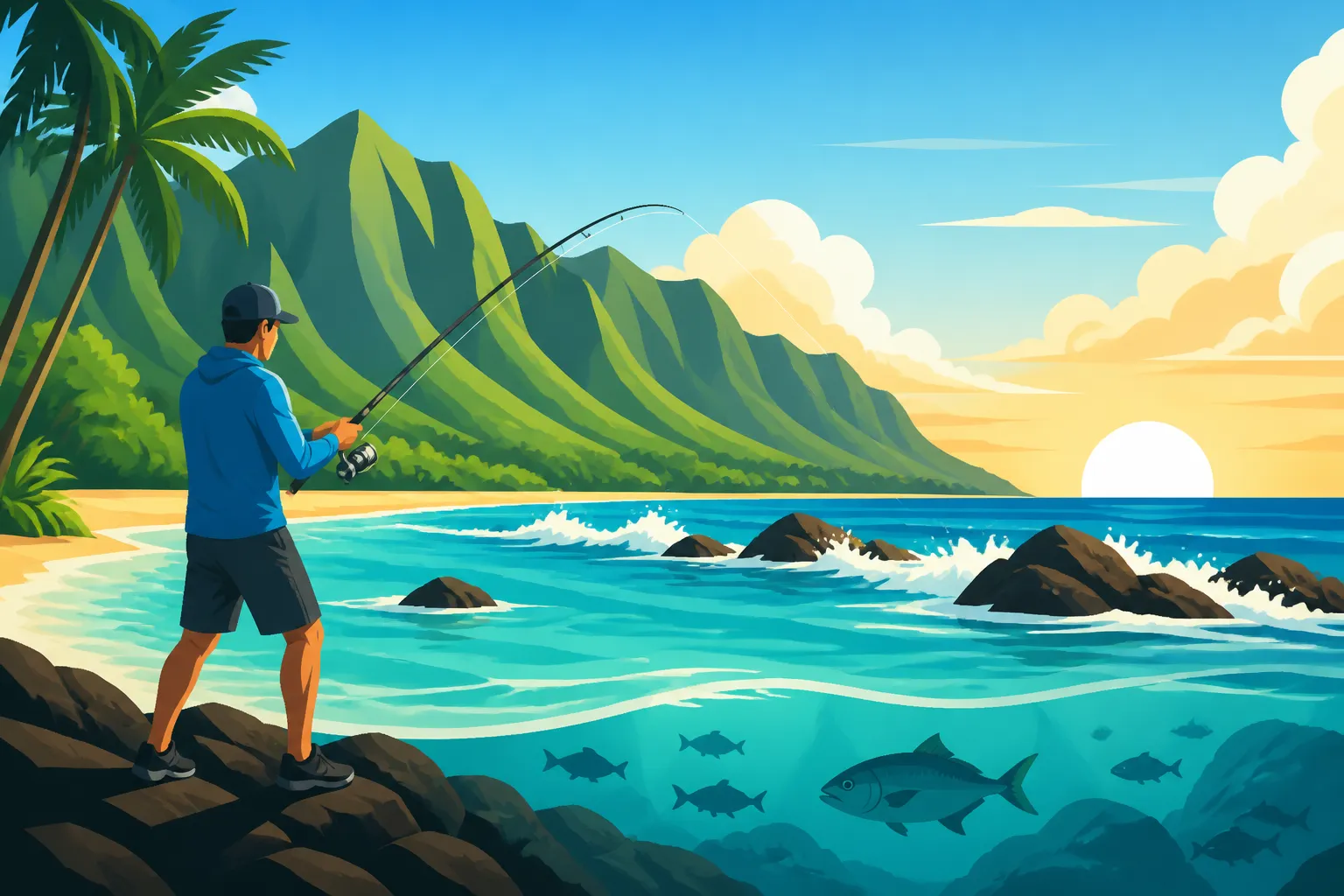
Beyond the MLCD boundaries, the North Shore coastline is characterized by numerous rocky points and lava formations. These areas are magnets for fish because the rocks create complex underwater structures, offering shelter, feeding grounds, and ambush points for a variety of species. These spots are often accessible from shore, though they demand caution due to slippery surfaces and unpredictable waves.
- Target Species: Here, you're looking for reef fish like various types of Papio (juvenile trevally), larger Ulua (Giant Trevally) if you're lucky and dedicated, Weke (goatfish), and even some smaller snapper species. The currents around these points can also bring in pelagic visitors closer to shore.
- Techniques:
- Bait Casting: This is a popular method. Using medium-heavy to heavy surf rods, anglers cast baits like fresh chunks of fish (ʻōpelu, ʻakule), squid, or even crab out into deeper channels or pockets between the reefs. Let the bait sink and wait for a bite.
- Whipping (Spinning): For more active fishing, whipping with artificial lures can be incredibly effective for papio. Small metal jigs, poppers, and soft plastics retrieved quickly can entice a strike from these aggressive feeders. Early morning or late afternoon often yields the best results.
- Safety Tip: Always wear sturdy shoes with good grip. Never turn your back on the ocean, especially on rocky points where rogue waves can surprise you. It's easy to get swept off your feet, and it's simply not worth the risk.
Sandy Beach Fronts
While Pupukea is famous for its rocky tide pools, there are also stretches of sandy beach both within the wider park area and further along the coast. These sandy bottoms, often interspersed with patches of reef, offer a different fishing experience, particularly during the calmer summer months. The beach directly in front of the Foodland Pupukea store is one such example of a more accessible sandy area.
- Target Species: Sandy beaches are often prime habitat for Moi (Pacific Threadfin), especially during their season. You might also find smaller flatfish, certain types of goatfish (kumu, weke), and various papio cruising the surf zone.
- Techniques:
- Light Tackle: For Moi, lighter spinning gear with small hooks and baits like limu (seaweed), shrimp, or small pieces of squid is highly effective. They are known to be finicky eaters. Check the Hawaii Moi Closed Season, Explained to ensure you're fishing legally.
- Surf Casting: For general surf fishing, a medium-action surf rod can cast artificial lures or bait further out. Small jigs, grubs, or even live baitfish (if you can catch them and it's legal) can work.
- Net Fishing: In designated areas and with appropriate licenses (if required), some local anglers use throw nets for baitfish like ʻōʻio or ʻakule near the shore break. However, be extremely mindful of regulations, as net fishing is banned in many areas and for certain species.
- Local Insight: Sandy beaches are often preferred for their ease of access and safety compared to the treacherous rocky points. They can be excellent spots for beginners or those looking for a more relaxed fishing experience.
| Fishing Spot Type | Primary Target Species | Recommended Techniques | Best Time of Year (General) | Proximity to MLCD (Pupukea) |
|---|---|---|---|---|
| Rocky Points | Papio, Ulua, Kumu, Weke | Bait casting, Whipping | Summer (calmer conditions) | Adjacent / Outside |
| Sandy Beach Fronts | Moi, Papio, smaller reef fish, baitfish | Light Tackle, Surf Casting, Throw Net (check regs) | Summer (calmer conditions) | Adjacent / Outside |
| Nearshore Channels (Boat) | Papio, Ulua, smaller pelagics | Trolling, Live baiting | Year-round (weather dependent) | Outside |
Essential Gear and Techniques for Pupukea
Having the right gear and knowing how to use it is paramount when fishing anywhere in Hawaii, and Pupukea's diverse conditions demand a versatile approach. You don't need to break the bank, but investing in quality, saltwater-specific equipment will make a huge difference in your success and enjoyment.
Shoreline Fishing Setup
For shore-based fishing around Pupukea, your setup will largely depend on whether you're targeting smaller reef fish or trying for a trophy Ulua.
- Rods:
- Whipping Rods: A medium-light to medium-action spinning rod, typically 7-9 feet long, is perfect for casting smaller lures and baits for papio or moi. Look for something sensitive enough to feel subtle bites but with enough backbone to handle a spirited fight.
- Surf Rods: For casting larger baits from rocky points, a medium-heavy to heavy-action surf rod, 10-14 feet long, is ideal. This extra length helps you cast beyond the immediate shore break and lift fish over rough terrain.
- Reels: Pair your rods with quality saltwater spinning reels. Look for models with good line capacity, a smooth drag system, and corrosion resistance. Brands like Shimano, Penn, and Daiwa offer reliable options across various price points. A 4000-6000 size reel is good for whipping, while 8000-14000 is more suitable for heavier surf casting.
- Line:
- Main Line: Braided line is highly recommended for its strength, thin diameter, and sensitivity. A 20-30 lb braid for whipping and 50-80 lb for surf casting is a good starting point.
- Leader: Always use a fluorocarbon leader. Its invisibility underwater and abrasion resistance are crucial in Hawaii's clear waters and around sharp reefs. Leaders can range from 20-lb test for papio to 100-lb test or more for serious ulua fishing. The article How thick a leader you need for ulua fishing has great insights on this.
- Terminal Tackle: A selection of strong hooks (circle hooks are great for conservation and often required for certain baits), swivels, and various weights (pyramid, egg, or torpedo sinkers depending on current and bottom) will complete your basic setup.
Best Baits and Lures
What you put on your hook can be just as important as where you cast it. Locals often have their secret baits, but here are some reliable choices:
- Live Bait: If you can legally catch or acquire live baitfish like ʻōpelu (mackerel scad) or ʻakule (bigeye scad) in areas where bait gathering is permitted, they are irresistible to larger predatory fish like ulua and papio. Rigging them live on a sliding bait rig or simply casting them out can be incredibly effective.
- Cut Bait: Freshly cut pieces of fish (like ʻōpelu or even invasive species like taape or roi, if you catch them legally), squid, or octopus (tako) are excellent all-around baits. Squid is durable and readily available. Opihi (limpets) are also highly prized bait, but gathering them is highly regulated, so ensure you understand the Hawaii Opihi Harvest Limits and Size Rules.
- Artificial Lures:
- Poppers and Stickbaits: These topwater lures are fantastic for enticing explosive strikes from schooling papio, especially at dawn or dusk. Work them aggressively to mimic a fleeing baitfish.
- Jigs: Metal jigs in various sizes and colors can be jigged vertically or cast and retrieved for a range of species. Small, flashy jigs are great for papio.
- Soft Plastics: Grubs, swimbaits, and worm-style plastics rigged on jig heads can be fished slowly along the bottom or retrieved through the water column for reef dwellers.
Safety and Respecting the ʻAina
Fishing in Hawaii is an incredible privilege, and it comes with the responsibility to protect yourself, others, and the environment.
- Ocean Safety: The North Shore can be beautiful but deceptive. Always check surf reports and be aware of strong currents. Never turn your back on the ocean. If you're on rocky points, watch for rogue waves. Let someone know where you're going and when you expect to return.
- Leave No Trace: "Malama ʻaina" means to care for the land. Pack out everything you pack in, including fishing line, hooks, and bait packaging. Leaving trash behind not only pollutes the environment but also detracts from the experience for others.
- Respect Private Property and Cultural Sites: Many prime fishing spots are near private property or culturally significant areas. Always be mindful of "No Trespassing" signs and respect local customs.
- Protected Marine Life: Be aware of protected species like Hawaiian green sea turtles (honu) and Hawaiian monk seals. If you accidentally hook one, carefully try to release it without harming yourself or the animal. Do not harass or approach them.
- Adhering to Regulations: This cannot be stressed enough. Ignorance of the law is no excuse. Always consult the Hawaii Division of Aquatic Resources (DAR) website for the latest regulations, bag limits, and size restrictions. This includes specific rules for species like Hawaii Papio and Ulua Size Rules or Hawaii Uhu (Parrotfish) Size and Bag Limits.
Beyond Pupukea: Nearby Fishing Opportunities and Resources
While Pupukea offers unique shore fishing (outside the MLCDs, of course!), Hawaii's diverse waters present a multitude of other fishing adventures. Sometimes, the best way to experience the fishing around Pupukea is to expand your horizons slightly.
Charter Options for Offshore Fishing
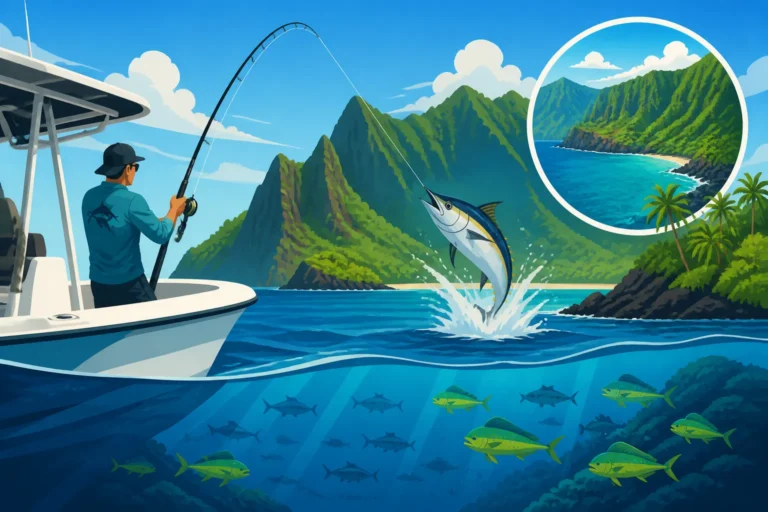
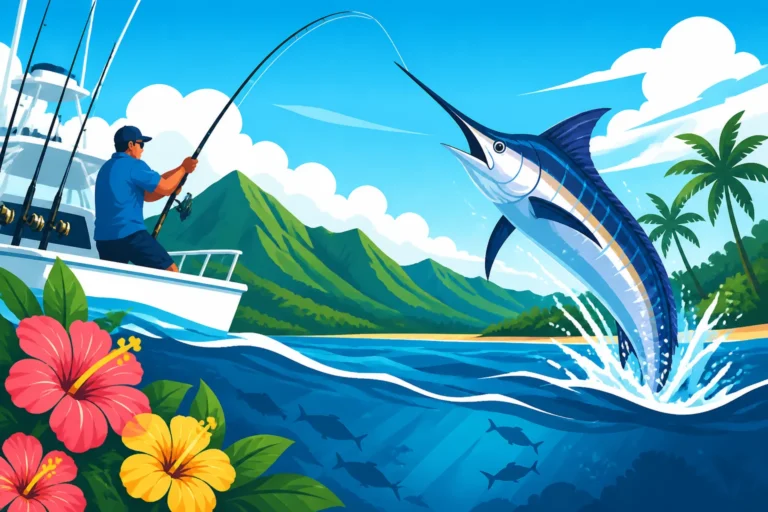
If your dream is to battle a massive marlin or fill a cooler with Ahi (Yellowfin Tuna), then heading offshore with a reputable charter is your best bet. While Pupukea is known for its shore fishing, the deep blue waters just a short boat ride away teem with pelagic giants. Haleiwa Harbor, just a few miles down the road from Pupukea, is a bustling hub for sportfishing charters on the North Shore.
Booking a charter takes away the guesswork of finding fish, having the right gear, and understanding complex offshore conditions. Companies often provide all the tackle, bait, and expert guidance you'll need. Services like FishingBooker can be an invaluable resource for comparing different charters, reading reviews, and finding the perfect boat for your offshore adventure from Haleiwa. Whether you're targeting mahimahi, ono, or a trophy billfish, a charter significantly increases your chances. Remember to read up on How to Choose a Hawaii Fishing Charter before you book, so you know exactly what to look for.
Freshwater Alternatives on Oahu
It might surprise some, but Hawaii isn't just about saltwater fishing! Oahu actually boasts some fantastic freshwater fishing opportunities, particularly for introduced species. If the ocean conditions are rough, or you just fancy a change of pace, these spots offer a unique experience.
- Wahiawa Public Fishing Area: Located in the center of Oahu, the Wahiawa Reservoir is famous for its largemouth bass, channel catfish, and especially peacock bass. These colorful and aggressive fish provide a thrilling fight on light tackle. Be sure to understand the specific Hawaii Wahiawa Reservoir Fishing Rules and that you'll need a freshwater fishing license for residents or nonresidents to fish here.
- Nuuanu Reservoir: Another option, though with more restrictive access, Nuuanu Reservoir also holds a variety of freshwater species. Always check the latest access rules and regulations from the DLNR before planning a trip.
Understanding Local Rules and Licenses
One of the biggest frustrations for anglers visiting Hawaii is figuring out the licensing situation. It's unique compared to many other states, and the rules have recently changed for marine recreational fishing.
- Marine Recreational Fishing License: Historically, Hawaii residents generally didn't need a license for recreational marine fishing. However, as of January 1, 2024, a new recreational marine fishing license is required for all non-residents, and for residents who do not qualify for a specific exemption (such as those fishing from shore with a single rod, or from a boat not targeting certain species). This is a significant change, so always check the latest from the Division of Aquatic Resources. The article, Do You Need a Fishing License in Hawaii, clarifies this in detail. For non-residents, specific options like a Hawaii nonresident 7-day marine fishing license cost are available, which are great for vacationers. You can usually purchase these licenses online through the DLNR website or through authorized vendors.
- Freshwater Fishing License: For any freshwater fishing, such as at Wahiawa Reservoir or for trout in Kokee on Kauai, a separate freshwater fishing license is always required for both residents and non-residents.
- Bag and Size Limits: Beyond licenses, it's critical to know the specific bag and size limits for the species you're targeting. These rules are in place to ensure sustainable fishing and protect fish populations. For instance, knowing the Hawaii Moi Closed Season, Explained or the Hawaii Uhu (Parrotfish) Size and Bag Limits is essential. Always refer to the official DLNR regulations, as these can change.
Being informed and compliant ensures you have a stress-free and rewarding fishing experience in Hawaii, allowing you to focus on the joy of the catch rather than worrying about potential penalties.
Disclaimer
Please be aware that fishing regulations, protected areas, and species seasons can change. Always consult the most current Hawaii Department of Land and Natural Resources (DLNR) Division of Aquatic Resources (DAR) rules and regulations before fishing. This guide is for informational purposes only and does not supersede official government regulations. Always prioritize safety and respect for the marine environment.