Best spring fishing spots for marlin in Hawaii
Trying to figure out where to find those elusive marlin in Hawaii during the spring can feel like chasing a ghost. You hear tales of granders and incredible bites, but pinpointing the exact spots when the seasons are transitioning can be a real head-scratcher. This guide is here to cut through the confusion, detailing the best spring fishing spots for marlin across the Hawaiian Islands, and giving you the lowdown on why these locations are your best bet for a successful spring haul.
Why Spring is Prime Marlin Time in Hawaii
Spring in Hawaii, generally from March through May, is a dynamic period for our ocean ecosystems, and that's fantastic news for marlin anglers. It’s a transition phase where ocean temperatures begin to stabilize after the cooler winter months, leading to a surge in baitfish activity that in turn draws in the apex predators.
Understanding the Spring Migration Pattern
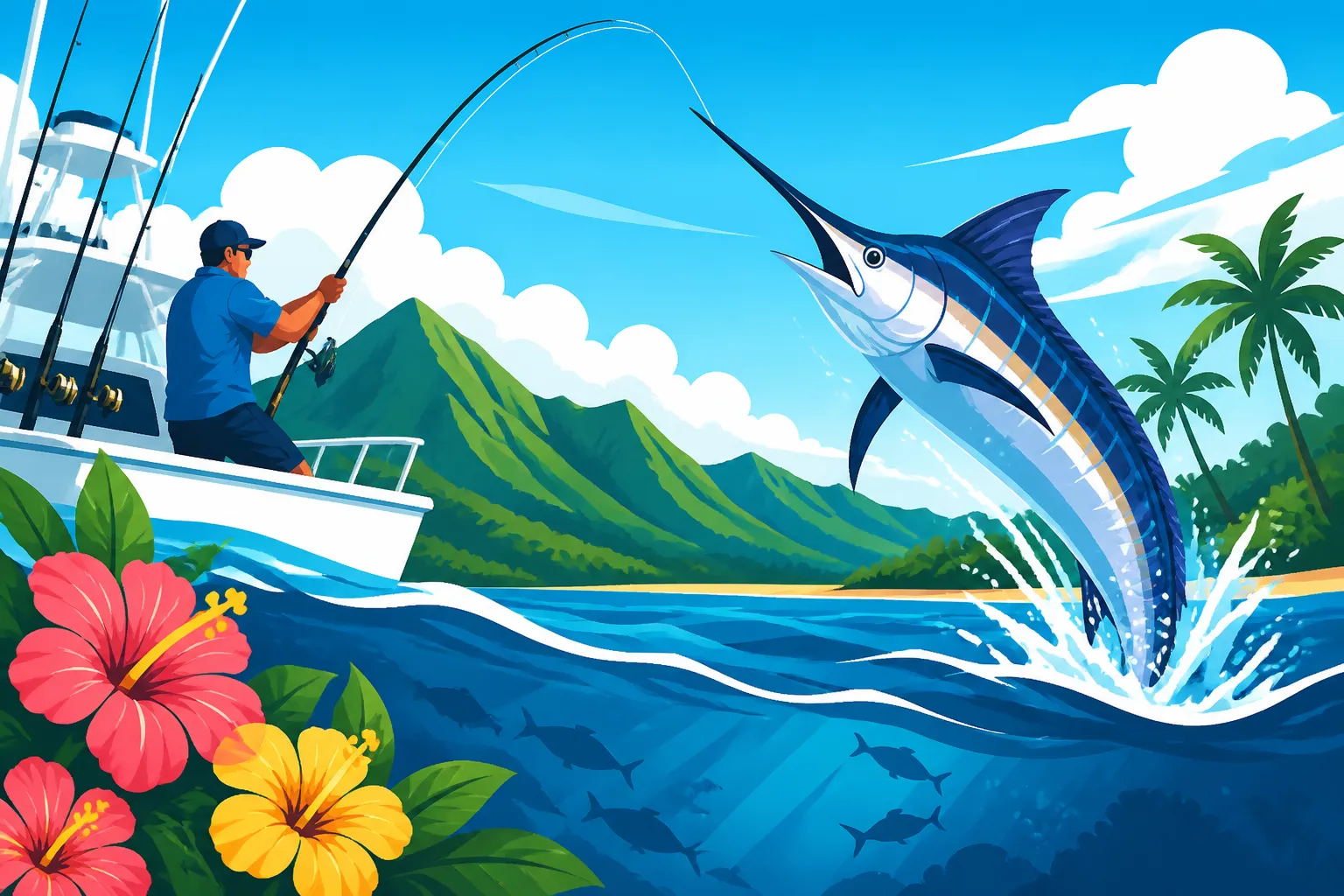
As the Pacific Ocean warms up, certain species of marlin, particularly the majestic Blue Marlin and the acrobatic Striped Marlin, become increasingly active and more concentrated around the islands. While Blue Marlin are a year-round presence in Hawaii, spring often sees a notable increase in their feeding intensity as they follow bait schools into more accessible waters. Striped Marlin, known for their incredible speed and aerial displays, often show up in good numbers during the late winter and spring months, presenting an exciting challenge for anglers. These fish aren't just swimming randomly; they're moving with a purpose, often following warmer water currents and their food source, making them more predictable if you know where to look.
The Role of Baitfish and Ocean Currents
The abundance of baitfish is the undisputed secret to successful marlin fishing, and spring delivers on this front. Schools of skipjack tuna (aku), mackerel scad (opelu), bigeye scad (akule), and even juvenile mahimahi and ono, become more prevalent around the islands. These smaller pelagics are like ringing the dinner bell for marlin, drawing them closer to the drop-offs and ledges where they can ambush their prey. Ocean currents also play a critical role, acting like conveyor belts that concentrate nutrients, which in turn attract baitfish, and then the marlin. For instance, the currents that flow past the Big Island's Kona coast create ideal conditions, bringing nutrient-rich deep water closer to shore and stacking up the food chain. Understanding these intricate relationships between currents, bait, and predators is key to finding the hot spots.
Top Spring Marlin Fishing Grounds Across the Islands
Hawaii is a chain of islands, each with its unique underwater topography and current systems that can make certain areas stand out during the spring months. While marlin can be found in various spots, some locations consistently produce better results due to their inherent characteristics.
The Legendary Kona Coast, Big Island
Without a doubt, the Kona Coast on the Big Island stands out as one of the world's premier marlin fishing destinations, and spring is no exception. What makes Kona so special is its unique geography: the island creates a massive natural "lee" on its western side, protecting the waters from the relentless trade winds. This results in incredibly calm seas for offshore fishing, often allowing for comfortable trips even when other parts of the islands are experiencing rough conditions. The deep ocean trenches, some plunging thousands of feet, lie just a few miles offshore, bringing big game species like marlin incredibly close to the coast.
During spring, these deep waters and the pronounced temperature breaks along the 100-fathom line (where the depth drops rapidly) become hunting grounds. Blue Marlin are very active here, often chasing schools of skipjack and yellowfin tuna that are themselves following the spring bait migrations. You’ll often find seasoned captains targeting specific spots known as FADs (Fish Aggregating Devices), which are floating buoys deployed by the state that act as magnets for baitfish and, consequently, marlin. When planning your spring trip, checking out a platform like FishingBooker can give you a great overview of available charters that specialize in Kona marlin fishing, helping you secure a boat with a captain who intimately knows these productive spring patterns. If you're really serious about these waters, you might want to read up on Marlin Fishing off the Kona Coast to get an even deeper understanding.
Maui's Productive Waters
Maui's fishing grounds, particularly the 'Au'au Channel situated between Maui, Lanai, and Molokai, offer fantastic spring marlin opportunities. This channel acts as a natural funnel, concentrating baitfish and drawing in pelagic predators. The waters here are often a bit more exposed to the trade winds than Kona, but the action can be furious on calmer days. Spring sees good numbers of Striped Marlin moving through, along with healthy populations of Blue Marlin, especially later in the season.
Captains often focus on the deeper edges of the channel or around the numerous FADs located offshore from Lahaina and Maalaea Harbors. The interplay of currents around the islands creates upwellings that bring nutrient-rich water to the surface, fueling the entire food chain. Drifting with live bait or trolling a spread of lures are popular and effective methods here. Many local Maui fishing guides on platforms like FishingBooker can help you find charters that are perfectly equipped for spring marlin and knowledgeable about the specific nuances of fishing Maui's channels during this time. For a broader look at fishing this island, check out our Maui Fishing Guide.
Oahu's Offshore Opportunities
While Kona might hog the limelight for marlin, Oahu certainly holds its own, especially for spring pelagic action. The offshore waters around Oahu, particularly along the leeward (south and west) sides, can be incredibly productive. Areas off the Kaena Point, the "Kahuku grounds" on the North Shore (when accessible by weather), and the deeper waters south of Diamond Head are all known hotspots.
Similar to Maui, current lines and temperature breaks are crucial indicators. Marlin, particularly Blue Marlin, will often patrol these boundaries, ambushing baitfish that get pushed together by the converging currents. Early spring might see more Striped Marlin, transitioning to more Blue Marlin as the water warms into late spring. Charters often depart from Kewalo Basin or Ko Olina, heading out to the FADs or searching for active bait schools. For more detailed information on fishing around Oahu, our Oahu Fishing Guide offers a wealth of insights.
Navigating Spring Conditions and Maximizing Your Catch
Spring fishing in Hawaii isn't just about knowing where the fish are; it's also about understanding the conditions and employing the right tactics to make the most of your time on the water.
Weather and Ocean Considerations
Spring in Hawaii typically ushers in more settled weather compared to the winter months, but it's still a period of transition. While the trade winds generally prevail, you might encounter stronger gusts or occasional Kona low systems that can bring rain and choppier seas. Always check the marine forecast before heading out, especially if you're venturing offshore. Water temperatures gradually rise, usually sitting in the low to mid-70s Fahrenheit, which is ideal for a wide range of pelagic species. Pay attention to water color – clear, blue water is usually a good sign for marlin, indicating offshore currents. Conversely, murky water closer to shore might indicate recent rainfall runoff or stronger inshore currents, which isn't typically where marlin prefer to hunt. Choosing a calmer day for your offshore adventure will significantly increase your comfort and enjoyment, and allow captains to cover more ground efficiently. To get a better sense of seasonal changes, our Hawaii Fishing Seasons by Month article provides a useful overview.
Essential Techniques and Gear for Spring Marlin
When it comes to spring marlin, trolling is arguably the most popular and effective technique. Charters typically pull a spread of large lures, often brightly colored, designed to imitate baitfish like aku or mahimahi. Lure color can sometimes be critical, with certain hues performing better on sunny days or in specific water conditions. Pink, blue, green, and black-and-purple are perennial favorites. Live baiting, particularly with skipjack tuna or larger opelu, is also highly effective, especially when marlin are finicky or when targeting larger, more solitary fish.
Heavy tackle is non-negotiable for marlin fishing. You'll need stout rods, high-capacity reels spooled with heavy monofilament or braid, and strong leaders to withstand the power of these incredible fish. Most reputable charters, which you can easily find and book through services like FishingBooker, will provide all the necessary, top-of-the-line gear. However, understanding the basics of How to Catch Marlin off the Kona Coast will give you a significant edge and appreciation for the intricacies involved.
Choosing the Right Charter for Spring Marlin
Making the decision to head out for marlin in Hawaii often means booking a charter. The right charter can make or break your experience, especially when targeting such a prestigious game fish.
Private vs. Shared Charters
When considering a marlin trip, one of the first decisions you'll face is whether to opt for a private charter or a shared (split) charter. A private charter means you and your group have the entire boat to yourselves. This offers maximum flexibility in terms of departure times, fishing locations, target species, and even how long you stay at a particular spot. It’s ideal for families, groups of friends, or serious anglers who want a tailored experience. However, it comes with a higher price tag.
A shared charter, on the other hand, allows individual anglers or small groups to join other passengers, splitting the cost. This is a more budget-friendly option and a great way to meet other fishing enthusiasts. The trade-off is less flexibility, as the captain will need to cater to the group's general consensus, and you might have to take turns on the rod. Both options have their merits in spring, depending on your budget and desired experience. For a more detailed breakdown, consider reading How to Choose a Hawaii Fishing Charter.
What to Look for in a Spring Marlin Charter
Once you've decided on private or shared, it's crucial to select a charter that truly excels in spring marlin fishing. First and foremost, look for experienced captains who have spent years (often decades) fishing the local waters. They possess invaluable knowledge about current patterns, bait movements, and where marlin are likely to be found during the spring transition. Many of these seasoned captains are listed on platforms like FishingBooker, where you can read reviews and see their track records.
Second, ensure the boat is well-maintained and equipped with modern electronics (sonar, GPS, radar) and high-quality, heavy-duty fishing gear. A reliable crew who can quickly set lines, gaff a fish, or provide assistance when a big marlin strikes is also paramount. Pay attention to the charter's reputation and read recent reviews, especially those from spring anglers. A good charter will also prioritize safety, providing all necessary safety equipment and a thorough briefing before departure. For insights into top-rated options, our guide on Best Marlin Charters off the Kona Coast can be a fantastic resource.
| Island/Region | Primary Marlin Species in Spring | Typical Conditions | Recommended Tactics | Key Features for Spring Marlin |
|---|---|---|---|---|
| Kona, Big Island | Blue Marlin, Striped Marlin | Calm, sheltered waters | Trolling lures, Live baiting | Deep water close to shore, FADs, 100-fathom line |
| Maui (Channels) | Striped Marlin, Blue Marlin | Variable, can be windy | Trolling lures, Live baiting | 'Au'au Channel, Offshore banks, FADs |
| Oahu (Offshore) | Blue Marlin, Striped Marlin | Variable, current lines | Trolling lures | Kaena Point, Kahuku grounds, Temperature breaks |
Disclaimer
The information provided in this guide is for general informational purposes only and should not be considered legal advice. Fishing regulations and conditions in Hawaii can change frequently. Always consult the latest rules and advisories from the Hawaii Department of Land and Natural Resources (DLNR) Division of Aquatic Resources (DAR) before engaging in any fishing activities. Ensure you have the proper licenses and adhere to all bag and size limits for specific species. Safety should always be your top priority when on the water.