Best fall fishing spots in Hawaii
Trying to figure out the best places to cast your line in Hawaii can feel a bit overwhelming, especially when the seasons change and different fish move through the waters. It's not like back home where the fishing patterns are predictable year after year; the currents, baitfish, and even the weather can shift things dramatically here in the islands. This guide is designed to cut through that confusion, helping you discover the absolute best fall fishing spots across Hawaii, ensuring your autumn angling adventures are nothing short of spectacular.
The Unique Appeal of Fall Fishing in Hawaii
Many anglers flock to Hawaii in the summer, but those in the know understand that fall brings its own incredible opportunities. As the busy summer crowds thin out, the fishing can actually heat up, offering a more serene and often more productive experience.
Why Fall is a Prime Season for Anglers
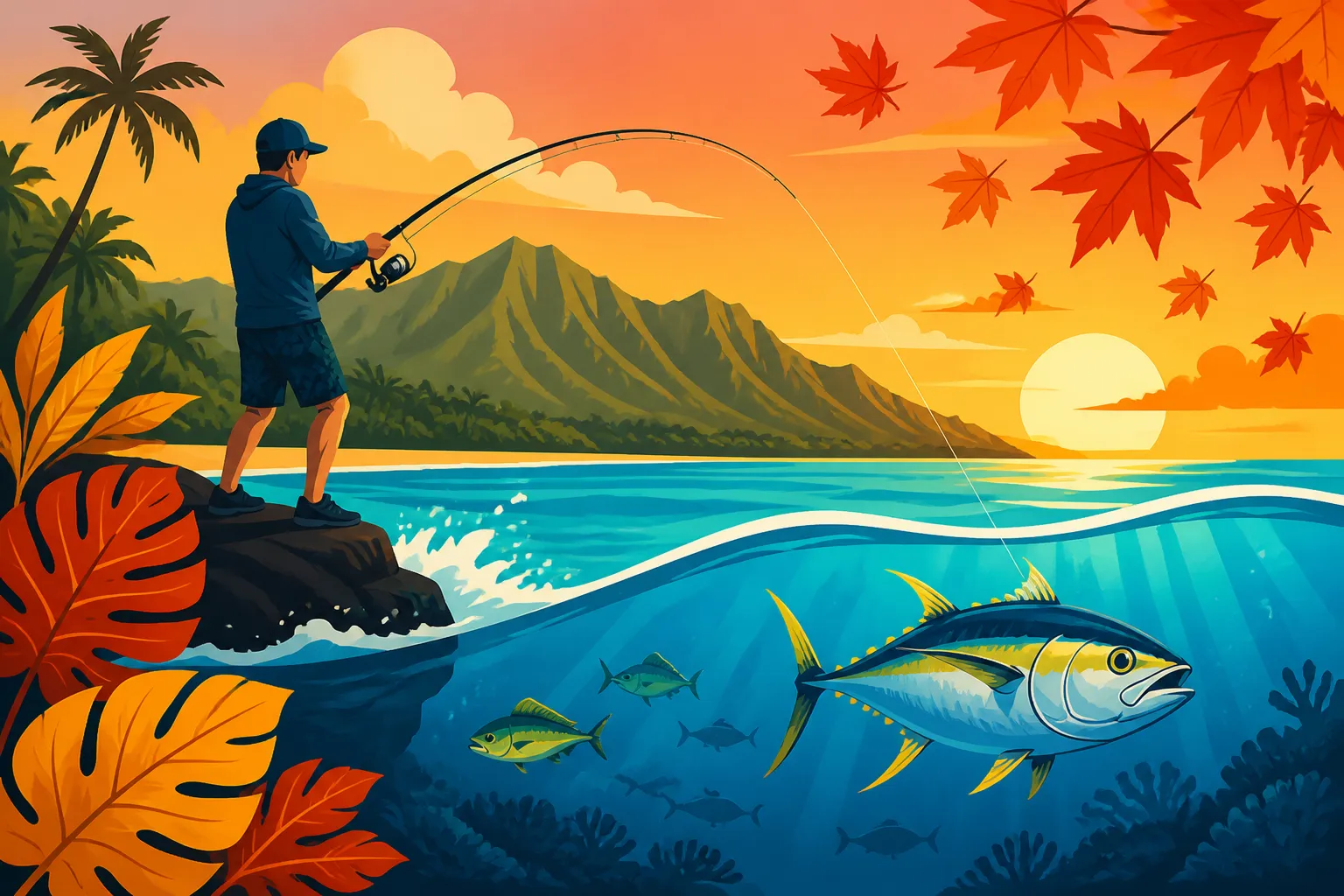
Fall in Hawaii, generally from September through November, marks a transition period. The scorching heat of summer begins to temper, and while the air remains warm and inviting, ocean temperatures often experience subtle shifts that can trigger significant changes in fish behavior. This period often sees an increase in baitfish activity, which, in turn, draws in larger predatory species closer to shore and to more accessible offshore grounds. It’s a time when the ocean feels alive with movement.
Moreover, the tail end of hurricane season (which officially runs until November) can sometimes bring dynamic weather patterns. While this requires careful monitoring of forecasts and local conditions, the periods between these weather systems can offer exceptional fishing as fish feed aggressively before or after a disturbance. This isn't to say you should chase storms, but rather to highlight the energetic nature of the ocean during this time. Fewer tourists often mean less competition at popular fishing spots, whether you're casting from a pristine beach or heading out on a charter boat, leading to a more relaxed and personal fishing experience.
Key Species Thriving in Autumn Waters
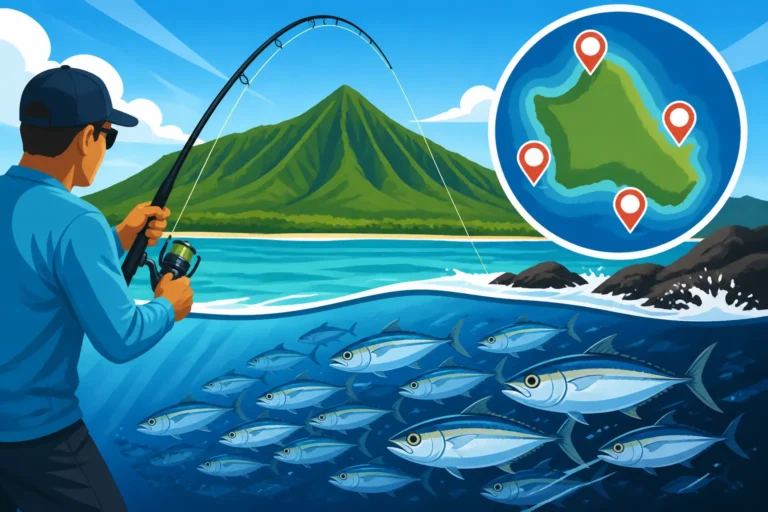
Fall is an excellent time to target a wide variety of Hawaii's prized game fish. Offshore, the pelagic species are often still abundant, with some even showing increased activity as they chase migrating bait. You'll frequently encounter the powerful Ahi (Yellowfin Tuna), especially around the FADs (Fish Aggregating Devices) and deep-water ledges. Marlin, particularly the majestic Blue Marlin and feisty Striped Marlin, are still very much in play, making the Kona Coast a world-renowned destination. Ono (Wahoo) and Mahimahi also continue to be prolific, often found closer to shore or around floating debris.
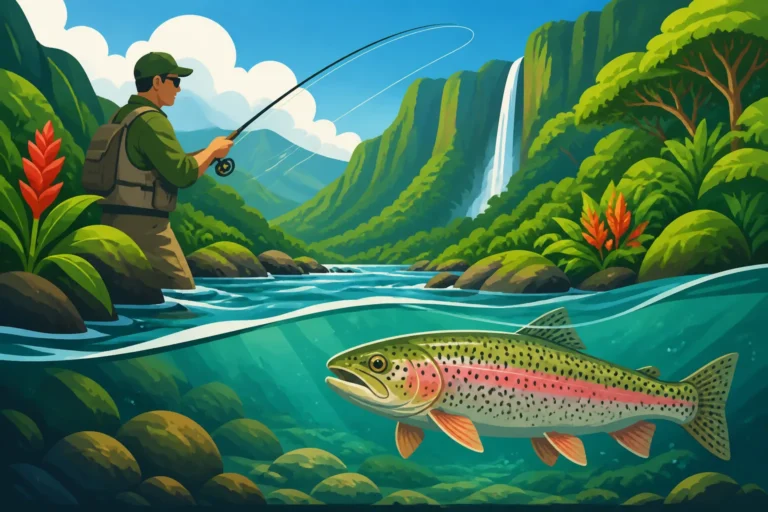
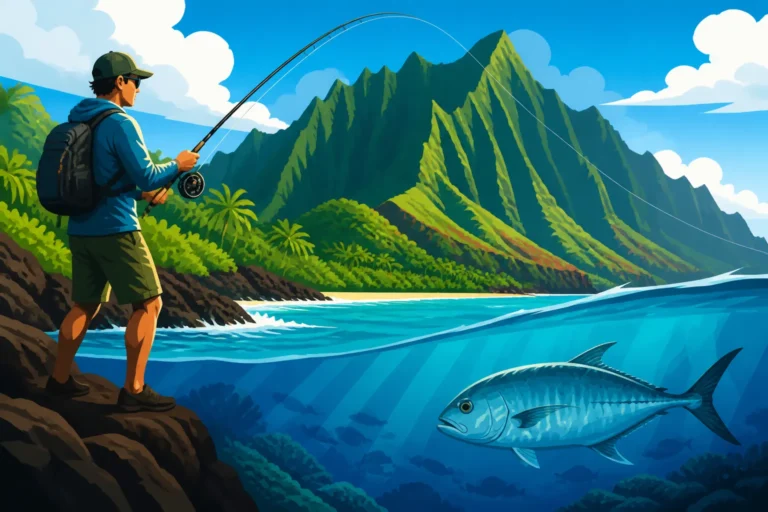
Closer to the reefs and shorelines, the fall months can be incredibly rewarding for species like Ulua (Giant Trevally) and Papio (juvenile Trevally), which aggressively hunt baitfish in the surf and on the flats. Many of the revered bottomfish species, such as Onaga (Ruby Snapper) and Opakapaka (Pink Snapper), are consistently available in their deep-water haunts, offering a different kind of challenge for anglers. Freshwater fishing, while less common, also has its moments, especially for Rainbow Trout in the cooler, higher elevation streams of Kauai during their season.
Top Fall Fishing Spots by Island
Each Hawaiian island offers distinct fishing opportunities, and fall is no exception. Knowing where to go can make all the difference in your success.
Big Island Hotspots for Pelagics
The Big Island, particularly the famous Kona Coast, truly shines in the fall for pelagic species. The deep waters drop off incredibly close to shore here, creating a natural highway for migratory fish. This unique geography means that world-class deep-sea fishing is often just a short boat ride from the harbor.
Honokohau Harbor is the bustling hub for most fishing charters on the Big Island. From here, boats venture out to target grander Marlin and school-sized Ahi. The fall months often see consistent catches of both Blue and Striped Marlin, as they follow baitfish schools along the coastline. You'll find captains using a variety of trolling techniques, often with artificial lures or rigged natural baits like skipjack tuna or mackerel. For those seeking Ahi, paying close attention to the FADs a few miles offshore can be crucial, as these buoys act as magnets for schooling tuna. If you're planning a trip, looking into Best Fishing Charters in Hawaii can help you find a reputable captain who knows the local patterns.
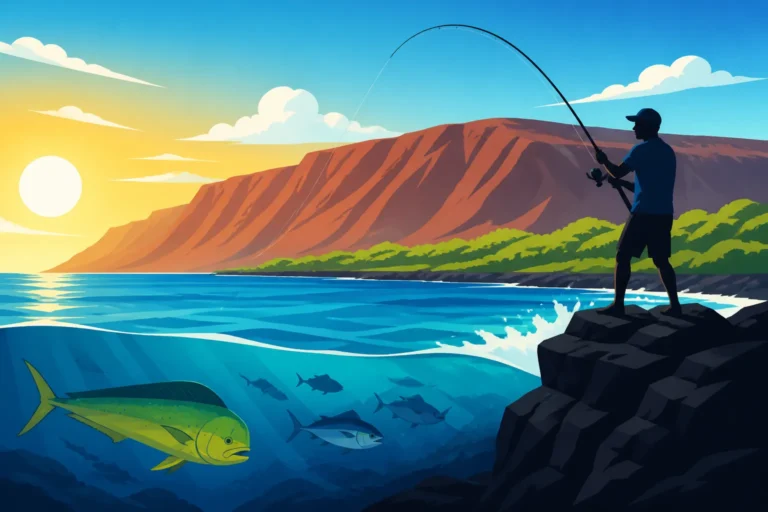
Shoreline anglers on the Big Island also have options. While Kona is famous for its offshore, areas around South Point (Ka Lae) can offer incredible shore fishing for Ulua and Papio, especially during strong tidal movements. The rocky ledges and deep drop-offs allow land-based anglers to access waters typically reserved for boats. It's rugged terrain, but the rewards can be immense. Additionally, while less common in fall, bottomfishing trips can yield deep-dwelling snappers and groupers off the Kona coast, often requiring specialized electric reels due to the extreme depths.
Oahu's Diverse Shoreline and Offshore Opportunities
Oahu, with its combination of vibrant urban areas and rugged natural beauty, offers a diverse array of fall fishing spots. From bustling harbors to serene, remote shorelines, there’s something for every type of angler.
For shoreline enthusiasts, the fall brings excellent conditions for whipping and casting for Papio and Ulua. Spots like Sandy Beach on the east side are famous for their powerful shore break, which can bring baitfish closer to shore and attract hungry trevally. Similarly, Makapuu Point Fishing Access, with its strong currents and deep water access, is another prime location. Anglers often use baitfish, jigs, or even topwater poppers in the early mornings or late evenings. Understanding Shore Fishing Techniques for Hawaii can greatly enhance your chances. On the calmer, leeward side, areas like Kaena Point can be fantastic for casting into deeper channels for various reef species and even larger pelagics that hug the coast. Just be prepared for a hike!
Offshore fishing out of Honolulu's Kewalo Basin or Ala Wai Harbor remains strong through the fall. Charters here often target Mahimahi, Ono, and Ahi. The waters off the south and west shores of Oahu feature significant drop-offs and current lines that concentrate bait and game fish. Mahi-mahi are often found under floating debris or weed lines, while Ono frequently lurk along current edges. When planning an offshore trip, sites like FishingBooker can be incredibly useful for comparing different charters and their specialties, from half-day trips for smaller groups to full-day excursions. Freshwater options on Oahu include Wahiawa Reservoir, which is home to introduced species like Largemouth Bass and Peacock Bass. Fall can be a productive time here, especially after any significant rainfall that stirs up the shallows. Just remember, a Hawaii Freshwater Fishing License and Rules is required for these waters.
Maui's Reefs and Deep-Sea Adventures
Maui provides a fantastic mix of sheltered inshore fishing and thrilling offshore pursuits during the fall. The island's unique geography, with its two massive volcanoes, creates diverse fishing grounds.
Maalaea Harbor and Lahaina Harbor on the west side are the main departure points for deep-sea charters. Fall is still prime time for Mahimahi, Ono, and occasional Ahi. The channels between Maui and the neighboring islands of Lanai and Molokai create natural corridors for pelagic fish. Trolling with lures or live bait in these areas can be highly effective. Some charters will also focus on bottomfishing in deeper spots for opakapaka and other snappers, which remain consistent throughout the year. If you're interested in a guided trip, researching options on platforms like FishingBooker can help you find the perfect charter for your Maui adventure.
Shoreline fishing on Maui can be very rewarding in the fall. La Perouse Bay on the remote south side is renowned for its rocky coastline and access to deeper waters, making it a hotspot for Ulua and other trevally species. Early mornings and late evenings, especially around the new or full moon, are often the most productive. Always check the tides and swell before heading to these more exposed locations. The calmer waters of West Maui, near popular areas like Kaanapali or Kihei, can offer excellent opportunities for reef fish and Papio using light tackle.
Kauai's Untouched Charms
Kauai, the Garden Isle, offers a more tranquil and often less crowded fishing experience, perfect for those looking to escape the bustle. Its rugged coastline and lush interior hold unique fall fishing prospects.
For offshore adventures, charters typically depart from Nawiliwili Harbor. While not as famous for grander marlin as Kona, Kauai's offshore waters are excellent for Ahi, Mahimahi, and Ono in the fall. The deep drop-offs and FADs around the island consistently hold good numbers of these species. The cooler water temperatures of fall can sometimes bring game fish closer to the surface, making for exciting topwater action. Before you head out, be sure to brush up on Hawaii Pelagic Species Bag Limits to ensure you're fishing responsibly.
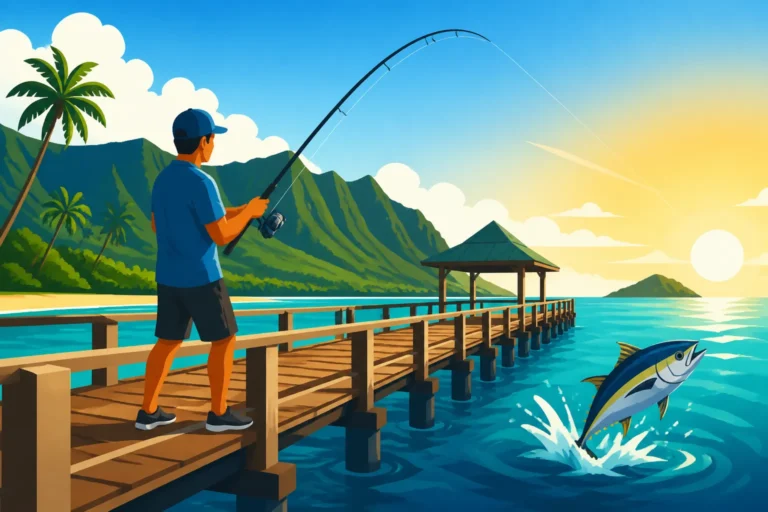
Shoreline fishing on Kauai is fantastic for Papio, Ulua, and various reef species. Hanalei Bay on the North Shore, while known for its surfing, offers great fishing from its pier and surrounding beaches during calm spells. Poipu on the South Shore is another excellent area, with rocky points and sandy beaches providing varied habitats for fish. Anglers often use live bait or artificial lures, focusing on areas with good structure or turbulent water. For a truly unique fall experience, the Kokee Public Fishing Area Guide in the mountainous interior of Kauai offers stream fishing for Rainbow Trout. The season typically opens in early fall, making it a rare freshwater opportunity in Hawaii. Always consult the Hawaii Kokee Trout Fishing Season Dates for exact dates and regulations.
Practical Tips for Fall Fishing Success
Even with the best spots in mind, a successful fall fishing trip in Hawaii relies on a few key practical considerations.
Understanding Weather Patterns and Tides
Fall in Hawaii can be characterized by more dynamic weather than the steady trade winds of summer. While generally pleasant, it's wise to keep a close eye on local weather forecasts, paying particular attention to wind direction and swell size. A strong north swell can make shore fishing on exposed northern coasts dangerous and unproductive, while a south swell could improve conditions on the north side. High tides often bring fish closer to shore, especially for species like Papio and Ulua hunting in the shallows. Conversely, falling tides can concentrate baitfish in channels or around reef edges, making them easier targets for predatory fish.
Local knowledge here is invaluable. Chat with local bait shops, experienced anglers, or charter captains who live and breathe these waters. They can offer real-time insights into which areas are fishing best given the current conditions. It’s not just about the general forecast, but how specific spots react to wind, current, and swell. For instance, a light southerly breeze can make certain rocky points accessible that would be unfishable with a strong northerly. Always prioritize safety, especially when exploring new or rugged shoreline areas.
Gear and Techniques for Autumn Catches
Your fishing gear should be adaptable to the diverse opportunities fall presents. For offshore trolling for marlin and tuna, heavy-duty conventional reels paired with stout rods are a must. High-quality braided line with appropriate fluorocarbon leaders is essential for handling powerful runs. If you’re targeting Mahimahi or Ono, medium-heavy spinning or conventional setups might suffice, allowing for more versatile casting or lighter trolling. For shore fishing, a long surf rod (10-12 feet) with a durable spinning reel spooled with 20-30 lb braided line is ideal for casting large baits or lures for Ulua and Papio. For whipping, a sensitive, medium-light spinning rod allows for accurate casting of smaller lures.
Technique-wise, fall often calls for a mix. Trolling remains the go-to for pelagics, but don't shy away from live baiting if the opportunity arises, especially around FADs for Ahi. For shore anglers, techniques like 'slide baiting' for Ulua or 'whipping' with jigs and small poppers for Papio are highly effective. Bottomfishing requires patience and specialized rigs, often using cut bait or squid on multiple hooks. Remember to check local regulations on bait types and hook configurations; for instance, some areas may restrict the use of certain types of nets for baitfish. For more in-depth advice on specific methods, consider exploring resources like How to Catch Ahi in Hawaii or How to Catch Ulua from Shore.
Booking Your Fall Fishing Adventure
Booking ahead, especially for popular charters, is always a good idea, even in the slightly slower fall season. While the crowds thin out, the best captains and boats still get booked up quickly. Online platforms like FishingBooker are excellent resources for finding and comparing charters across all Hawaiian islands. You can filter by species, boat size, price, and even specific amenities. Reading reviews from other anglers can give you a clear picture of what to expect and help you choose a captain whose style aligns with your preferences.
When you book, don't hesitate to ask specific questions about what’s included (bait, tackle, licenses), what you should bring (food, drinks, sunscreen, rain gear), and the target species for that time of year. Some charters specialize in particular types of fishing, like light tackle for Mahi-mahi or heavy tackle for Marlin. If you're a first-timer, inquire about beginner-friendly options. Often, shared charters can be a more budget-friendly way to experience offshore fishing, while private charters offer more flexibility and personalized attention. Remember, while a Hawaii Fishing License Guide for 2026 is vital, most reputable charters will cover the necessary boat-specific permits, but it's always good to confirm.
Responsible Fall Fishing Practices
Hawaii's marine environment is precious and unique. Practicing responsible fishing is not just a suggestion; it’s a commitment to preserving these incredible resources for future generations.
Respecting Bag Limits and Regulations
The Hawaii Division of Aquatic Resources (DAR) establishes strict regulations to manage fish populations and ensure sustainability. These rules cover everything from minimum size limits to daily bag limits for various species, and even closed seasons for vulnerable fish like Moi or Uhu during their spawning periods. For example, specific restrictions apply to species like Uhu (Parrotfish) and Moi (Pacific Threadfin). You must be aware of the Hawaii Uhu (Parrotfish) Size and Bag Limits and the Hawaii Moi Closed Season, Explained if you plan to target these reef fish.
It’s your responsibility as an angler to be familiar with these rules before you cast a line. Ignorance is not an excuse, and penalties for violations can be significant, ranging from hefty fines to confiscation of gear. The best place to get the most current and comprehensive information is the official Hawaii DLNR (Department of Land and Natural Resources) website or by picking up a physical regulation book from a local fishing tackle store. Remember, these regulations can change, so always check the latest guidelines before each trip.
Protecting Hawaii's Delicate Ecosystems
Beyond just fish, Hawaii's ecosystems are home to a myriad of protected marine life, including sea turtles, monk seals, and various corals. Anglers play a critical role in minimizing their impact. Always be mindful of your surroundings; if you encounter protected species, maintain a respectful distance and never harass them. If you accidentally hook a protected animal, know how to safely release it without causing further harm, and be prepared to cut your line if necessary.
Proper disposal of fishing line, hooks, and trash is paramount. Monofilament fishing line is particularly harmful to marine life, as it can entangle animals and persist in the environment for hundreds of years. Carry out everything you carry in, and consider picking up any discarded line you find. When fishing near reefs, be cautious not to break corals with your anchor or by wading carelessly. If you're releasing fish, do so quickly and gently, minimizing their time out of the water to maximize their survival chances. Learning about Hawaii Fishing Regulations Explained isn't just about avoiding penalties, it's about being a good steward of these irreplaceable waters.
| Island | Primary Fall Fishing Spots | Target Species (Fall) | Fishing Type | Notes |
|---|---|---|---|---|
| Big Island | Kona Coast (Honokohau Harbor) | Marlin, Ahi, Ono, Mahimahi | Deep-Sea Charter, Trolling | World-class offshore fishing, FADs important for Ahi. |
| South Point (Ka Lae) | Ulua, Papio, various reef fish | Shore Fishing, Casting | Rugged access, deep water from shore. | |
| Oahu | Kewalo Basin / Ala Wai Harbor | Ahi, Mahimahi, Ono | Deep-Sea Charter, Trolling | Accessible from Honolulu, diverse pelagic action. |
| Sandy Beach / Makapuu Point | Papio, Ulua | Shore Fishing, Whipping, Casting | Strong surf, attracts baitfish and trevally. | |
| Wahiawa Reservoir | Largemouth Bass, Peacock Bass | Freshwater, Bank Fishing, Lures | Requires freshwater license. | |
| Maui | Maalaea Harbor / Lahaina Harbor | Mahimahi, Ono, Ahi | Deep-Sea Charter, Trolling | Channels between islands are productive. |
| La Perouse Bay | Ulua, Papio, reef fish | Shore Fishing, Casting | Remote, rocky shoreline, good structure. | |
| Kauai | Nawiliwili Harbor | Ahi, Mahimahi, Ono | Deep-Sea Charter, Trolling | Less crowded, consistent pelagic action. |
| Poipu / Hanalei Bay | Papio, Ulua, reef fish | Shore Fishing, Pier Fishing | Varied coastal access, picturesque spots. | |
| Kokee Public Fishing Area | Rainbow Trout | Freshwater, Stream Fishing, Lures | Seasonal, unique cool-water fishery. |
Disclaimer
The information provided in this guide is for general informational purposes only. Fishing regulations, seasons, and conditions in Hawaii can change frequently. Always consult the most current regulations from the Hawaii Department of Land and Natural Resources (DLNR) Division of Aquatic Resources (DAR) before planning any fishing trip. Fishing involves inherent risks, and safety should always be your top priority.