Best trophy marlin waters off Kona
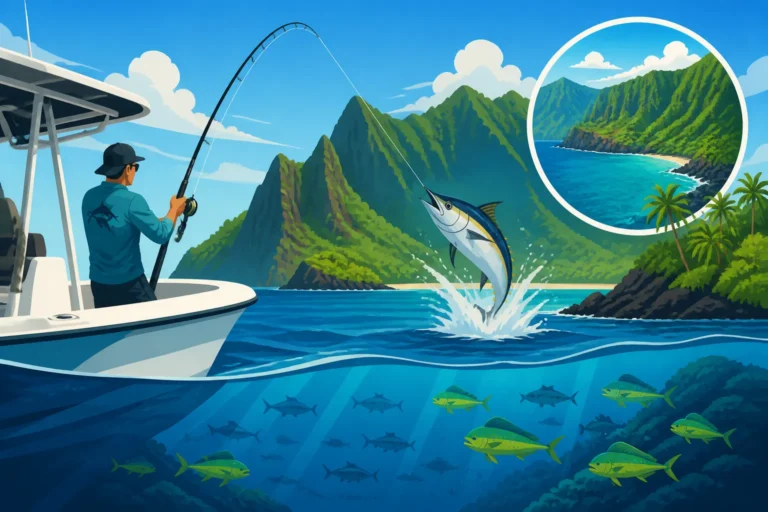
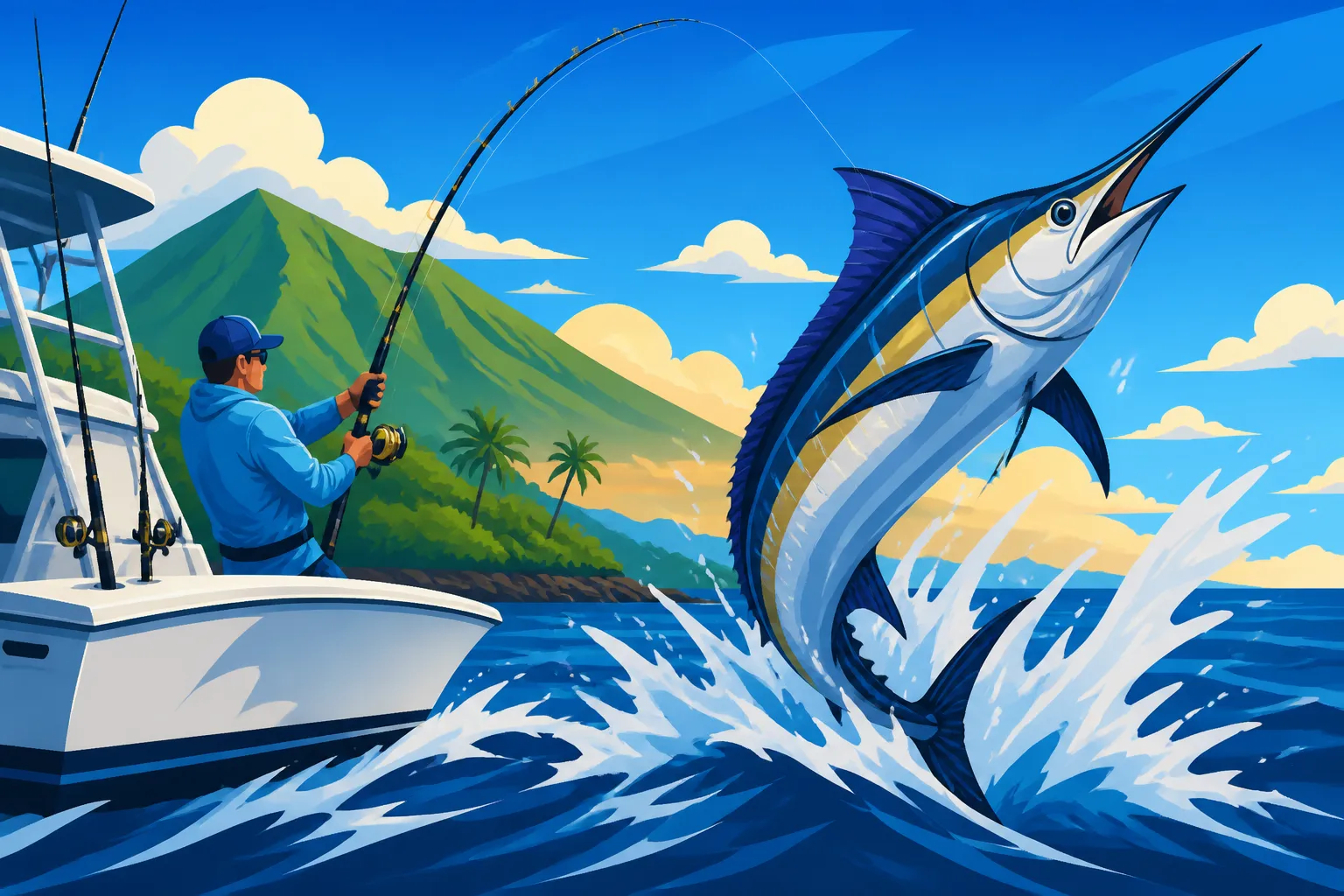
For many anglers, the dream of hooking into a truly massive marlin is the ultimate quest. And when it comes to trophy marlin, the waters off Kona, Hawaii, are legendary, but knowing exactly where to focus your efforts in this vast blue expanse can feel overwhelming. This guide will take you deep into the specific zones and strategies that give you the best shot at encountering a grander – a marlin weighing 1,000 pounds or more – right here in the unparalleled fishing grounds of the Kona Coast.
Understanding Kona's Marlin Landscape for Trophy Fish
The Kona Coast of the Big Island isn't just picturesque; it's a geological marvel that creates a perfect storm for big game fishing. Unlike many other major sportfishing destinations, Kona boasts incredibly deep water just a stone's throw from shore, making it uniquely accessible for targeting pelagic giants like marlin without long, arduous runs.
The Kona Coast's Unique Geography and Deep Waters
What makes Kona so special? It's primarily the underwater topography. The slopes of Mauna Loa and Hualalai plunge rapidly into the Pacific, creating an immediate deep-water environment. This means you can be fishing in thousands of feet of water within minutes of leaving Honokohau Harbor or Kailua-Kona. This deep-water proximity is crucial because marlin, especially the really big ones, spend most of their lives in the open ocean, following baitfish through these deep pelagic zones. The ʻAlenuihāhā Channel between Maui and the Big Island also funnels rich currents and baitfish directly into Kona's waters, creating a natural highway for these apex predators. The relatively calm conditions often found on the leeward side of the Big Island, protected from strong trade winds, also contribute to ideal fishing weather almost year-round, allowing for consistent access to these prime grounds.
Seasonal Patterns and Marlin Behavior
While marlin can be caught year-round off Kona, their activity and the presence of trophy marlin waters off Kona do fluctuate with seasons. Generally, the summer months, from May through September, are considered prime time for blue marlin, with many of the largest fish being caught during this period. This coincides with warmer waters and abundant baitfish like skipjack tuna (aku), mackerel scad (opelu), and yellowfin tuna (ahi), which are the primary food sources for these massive predators.
During these peak months, blue marlin are often found higher in the water column and closer to shore, actively feeding. In the cooler months, while still present, they might be scattered more broadly or prefer slightly deeper waters. Understanding these patterns, combined with knowledge of current oceanic conditions like temperature breaks and current lines, is key to positioning your boat in the right place at the right time. For a deeper dive into when different species bite best, check out our guide on Hawaii Fishing Seasons by Month.
Key Zones and Hotspots for Grander Marlin
While the entire Kona Coast offers fantastic marlin fishing, certain areas consistently produce the largest fish due to specific underwater features that attract bait and, subsequently, the predators.
The Kona Ledge and Its Significance
The Kona Ledge is arguably the most famous and productive area for trophy marlin. This isn't a single, defined spot but rather a complex series of underwater shelves, canyons, and ledges that run parallel to the coast. It's where the shallow, nearshore waters quickly drop off into the deep abyss. This dramatic change in depth creates upwellings and current breaks that concentrate baitfish, making it a natural feeding ground for marlin.
Fishing the ledge typically involves trolling along these depth contours, ranging from 100 fathoms (600 feet) to 1,000 fathoms or more. The "100-fathom line" is a legendary boundary, often referred to as the starting point for serious offshore trolling. However, big marlin can appear anywhere from just outside the harbors to far offshore. Local captains are masters at reading their sonar and the water to identify bait schools or subtle temperature changes along this ledge, knowing precisely where the fish might be staging.
Offshore FADs (Fish Aggregating Devices) and Buoys
Beyond the natural contours of the Kona Ledge, the Hawaiian Islands are also home to numerous FADs (Fish Aggregating Devices), or buoys, deployed by the state's Division of Aquatic Resources (DAR). These buoys are essentially floating structures anchored in deep water, designed to attract and hold pelagic fish. These FADs act like magnets in the vast open ocean, gathering baitfish, which in turn attract larger predators like ahi, ono, mahimahi, and, of course, marlin.
For trophy marlin, these FADs are critical. The really big blue marlin often patrol the areas around these buoys, ambushing tuna and other baitfish that congregate there. Some of the most productive FADs off Kona include the "VV" buoys (named for their V-shape configuration on charts), the "OTEC" buoy (near the Natural Energy Laboratory of Hawaii Authority's deep-water pipeline), and others further offshore. When fishing these FADs, boats often circle them, trolling a spread of lures or live bait, paying close attention to sonar readings for bait schools below. It's not uncommon for multiple boats to be working a single buoy, a testament to their effectiveness.
| Location Feature | Characteristics | Primary Draw for Marlin | Typical Depth Range (Fathoms) |
|---|---|---|---|
| Kona Ledge | Steep underwater drop-offs, canyons, and shelves near shore. | Upwellings, current breaks, concentrates baitfish. | 100 – 1000+ |
| Offshore FADs (Buoys) | Anchored floating structures in open ocean. | Aggregates baitfish (ahi, aku, opelu), creating feeding stations. | 500 – 1500+ |
| Current Lines/Edges | Visible lines where two different currents meet. | Accumulates debris and bait, providing ambush points. | Varies |
| Temperature Breaks | Subtle shifts in water temperature. | Marlin often follow preferred temperature zones for feeding. | Varies |
Specific "Secret" Spots and Local Knowledge
While the Kona Ledge and FADs are widely known, local captains possess an intimate knowledge of countless nuances along the coast – subtle humps, smaller ledges, or specific current patterns that consistently hold fish. These aren't always marked on a chart but are learned over decades of experience. Areas like the "OTEC pipe" (mentioned earlier, for its deep-water intake/outflow pipe that attracts marine life) or specific "corners" along the ledge are often referred to by local boat names or cryptic descriptors.
For instance, certain deep-water pinnacles that aren't quite FADs but act similarly in aggregating bait, or specific sections of the 1000-fathom curve that seem to funnel fish during certain tides, are invaluable pieces of local lore. Accessing this level of detailed, hyper-local information is one of the primary reasons why chartering with a seasoned Kona captain is almost essential for truly targeting trophy marlin. When you're looking for these hidden gems, having a guide who knows the Best Fishing Spots in Hawaii can make all the difference.
Trolling Strategies for Success in Trophy Waters
Catching a grander is never a guarantee, but employing proven trolling strategies significantly increases your odds. It's a combination of the right gear, the right bait, and the ability to read the ocean like a book.
Lure Selection and Spreads for Big Marlin
When targeting trophy marlin, lure selection is paramount. These aren't just any lures; they're often larger, more robust, and designed to imitate the significant prey items that a grander marlin would pursue. Popular choices include:
- Large Plunger Heads: These lures create a massive disturbance on the surface, mimicking a struggling baitfish, drawing attention from afar. Brands like Black Bart, Joe Yee, and Marlin Magic are legendary in Kona. Colors often include blue and white, green and yellow, purple and black, or pink and white, mimicking common local baitfish.
- Chugger-style Lures: These have a concave face that "chugs" or "pops" through the water, creating a smoke trail and enticing action.
- Bullet Heads: While smaller, heavier bullet heads can be run deeper in the spread and are effective when marlin are keying on faster-moving prey.
The "spread" refers to the arrangement of lures behind the boat. A typical Kona spread for marlin might involve 5-7 lines, carefully positioned at varying distances and angles to prevent tangles and cover a wide swath of water. This usually includes flat lines off the transom, long rigger lines, and sometimes shotgun lines far back. The goal is to create a "school" of baitfish that looks irresistible to a cruising marlin. The subtle art of lure tuning, ensuring each lure swims perfectly, is a hallmark of an experienced crew. For more details, you might want to look into Best Lures for Marlin Trolling off Kona.
Live Baiting Techniques for Granders
While lures are highly effective, many serious grander hunters swear by live baiting. There's nothing quite like a frantic, natural baitfish to trigger a strike from a cautious, massive marlin. The challenge lies in catching and presenting the right live bait.
- Skipjack Tuna (Aku): Aku are the preferred live bait for big marlin. They are powerful swimmers and represent a substantial meal. Catching them involves trolling small feather lures or jigs, often around FADs or schools of smaller tuna. Once caught, they are bridle-rigged (a technique that attaches the hook to the bait's head, allowing it to swim freely without being impeded) and sent out on a large circle hook.
- Yellowfin Tuna (Ahi): Smaller ahi, often called "shoolie" ahi, also make excellent live bait. Like aku, they are substantial and attract large marlin.
- Mackerel Scad (Opelu): While smaller than aku or ahi, opelu can be very effective, especially if you suspect marlin are feeding on smaller bait.
Live baiting often involves slower trolling speeds or even drifting, allowing the bait to swim naturally. The tackle used for live baiting for granders is heavy-duty, often 130-pound class outfits, to handle the immense power of a thousand-pound fish. This technique requires patience and a keen eye on the bait's behavior, as a sudden change in its swimming pattern can indicate a predator nearby. For more on targeting specific bait, consider researching Best Bait for Ahi Fishing or Best Techniques for Opelu.
Reading the Water and Conditions
The ocean is constantly changing, and successful trophy marlin fishing relies heavily on reading these subtle clues.
- Current Lines and Temperature Breaks: Look for visible current lines (often marked by debris, foam, or a distinct color change in the water). These convergence zones often concentrate baitfish. Similarly, subtle changes in water temperature, sometimes visible as a slight ripple or color shift, can indicate productive feeding grounds. Marlin, like many pelagics, often patrol these temperature breaks.
- Bird Activity: Frantic seabirds (like boobies and terns) diving into the water are a dead giveaway for schooling baitfish being pushed to the surface, often by tuna or, occasionally, marlin. Get to where the birds are, and you'll likely find the food chain active.
- Water Color and Clarity: Clear, deep blue water is generally preferred. While marlin can be found in greener water, the deeper blue often indicates the cleaner, nutrient-rich currents they favor.
- Sonar and Fish Finder: Modern sonar technology is indispensable. Experienced captains constantly monitor their fish finders for bait balls, individual large marks, or even thermoclines – layers of water with different temperatures – which can indicate where fish are holding.
Combining these visual cues with a deep understanding of Kona's unique oceanography allows captains to put their anglers in the best position possible.
Chartering and Local Expertise for Trophy Hunts
Trying to tackle Kona's immense waters on your own for a grander can be like finding a needle in a haystack. This is where local expertise becomes not just helpful, but almost indispensable.
Why a Local Captain is Crucial
A Kona charter captain isn't just someone who drives a boat; they are true ocean experts with years, often decades, of accumulated knowledge specific to these waters. They know the subtle nuances of the currents, the seasonal movements of bait, and the precise coordinates of those "secret" humps and ledges along the Kona Ledge. They understand how different swells affect fishing, where the FADs are currently holding fish, and how to adapt strategies on the fly based on what the ocean is telling them.
They've spent countless hours studying marlin behavior, perfecting trolling spreads, and handling the intense pressure of fighting a grander. This isn't just about finding fish; it's about putting you on the right fish and then expertly guiding you through what can be a grueling, hours-long battle. They also handle all the complex Hawaii Boating Laws for Anglers and ensure safety, allowing you to focus purely on the fishing experience.
Booking the Right Charter for Grander Marlin
Not all charters are created equal, especially when your goal is a grander. Here's what to look for:
- Experience and Reputation: Seek out captains and crews with a proven track record of catching large marlin. Online reviews, local tournament results, and word-of-mouth are excellent indicators. Look for boats that consistently fish for and catch billfish, not just bottomfish or smaller pelagics.
- Boat and Gear: Ensure the charter boat is well-maintained, equipped with top-of-the-line heavy tackle (130-pound class rods and reels are standard for granders), and advanced electronics (sonar, radar, GPS). The boat should be comfortable for a long day at sea.
- Communication: A good captain will be upfront about expectations. Grander fishing is challenging, and there are no guarantees. They should be transparent about their strategies and responsive to your questions.
- Targeted vs. Mixed Bag: While many charters offer a "mixed bag" approach, if a grander is your sole focus, make sure the captain is willing to dedicate the day to that specific pursuit, which might involve longer runs or more specialized techniques like live baiting.
Platforms like FishingBooker can be an excellent resource for finding reputable charters in Kona, allowing you to compare boats, read reviews, and communicate directly with captains about your specific goals before you book. When planning your trip, consider reading How to Choose a Hawaii Fishing Charter to ensure you pick the best fit for your trophy hunt. You can often filter results on FishingBooker for boats specializing in marlin or big game.
Patience and Persistence: The Grander Mindset
Perhaps the most critical "tool" for grander hunting is patience. These fish are elusive. You might spend many hours, or even multiple days, trolling across vast stretches of the Pacific without a single strike. Then, in an instant, chaos erupts. The wait can be long, but the reward of hooking into a thousand-pound fish is unparalleled. It's a test of endurance, both for the angler and the crew.
Being mentally prepared for the long haul, understanding that success isn't guaranteed, and trusting your captain and crew are all part of the grander mindset. Every moment on the water is an opportunity, and often, it's the persistence that pays off when that massive blue marlin finally decides to crash your spread.
Disclaimer
Please remember that fishing regulations, seasons, and licensing requirements in Hawaii can change. Always consult the official Hawaii Department of Land and Natural Resources (DLNR) Division of Aquatic Resources (DAR) website or local authorities before planning your fishing trip to ensure you are compliant with all current rules. Fish responsibly and practice conservation to help preserve Hawaii's incredible marine resources for future generations.