Best Fishing Spots in Hawaii
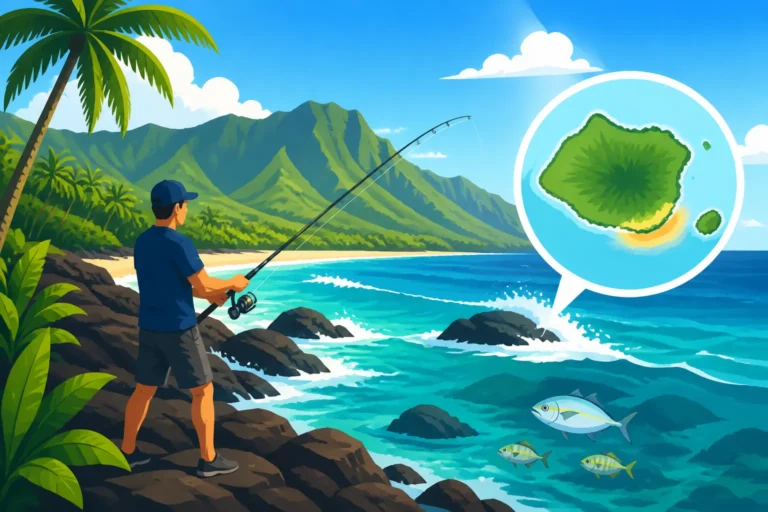
It's easy to feel overwhelmed when you first consider fishing in Hawaii. The sheer beauty of the islands often overshadows the incredible diversity of its aquatic environments, leaving many anglers wondering where to even begin their search for that dream catch. Whether you're dreaming of battling a monstrous marlin offshore, casting for ulua from a rugged coastline, or even seeking rainbow trout in a mountain stream, this comprehensive guide is here to cut through the confusion and point you directly to the best fishing spots across the Hawaiian archipelago.
Understanding Hawaii's Diverse Fishing Environments
Hawaii isn't just about sandy beaches and palm trees; it's a dynamic ecological wonderland with fishing opportunities that truly span the spectrum. From the vibrant, shallow reef flats teeming with colorful fish to the deep blue abyssal trenches where pelagic giants roam, and even unexpected freshwater oases, understanding these varied environments is key to a successful and unforgettable fishing adventure. Many visitors, and even some residents, don't realize just how much diversity is packed into these islands.
From Pristine Reefs to Abyssal Depths
Imagine crystal-clear waters where vibrant coral reefs provide shelter for an incredible array of marine life. These shallow-water ecosystems, often found just a stone's throw from shore, are perfect for light tackle fishing. You might find yourself casting for papio (juvenile trevally), kumu (goatfish), or even the elusive bonefish (oio) on the flats. The visibility in these areas is often astounding, allowing you to sometimes sight-fish for your target, adding an extra layer of excitement to the experience. It's a truly immersive way to fish, feeling connected to the underwater world.
As you venture further from shore, the ocean floor begins to drop dramatically, often within a few miles. This is where Hawaii's unique bathymetry really shines. The islands are essentially the tops of massive volcanoes rising from the ocean floor, creating steep drop-offs and deep-water canyons. These incredible underwater structures are highways and feeding grounds for a variety of bottomfish, such as opakapaka (pink snapper) and onaga (ruby snapper), which dwell in depths ranging from a few hundred to over a thousand feet. This deep-sea environment requires specialized gear and techniques, but the reward of pulling up a pristine bottomfish from the dark depths is unparalleled.
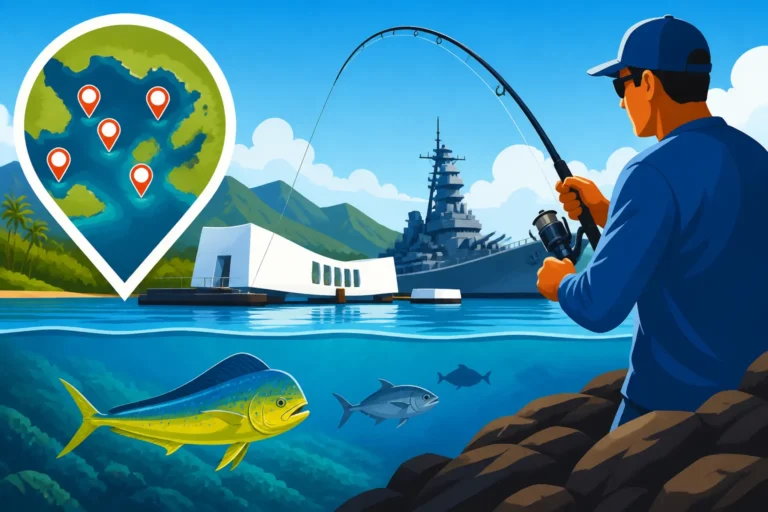
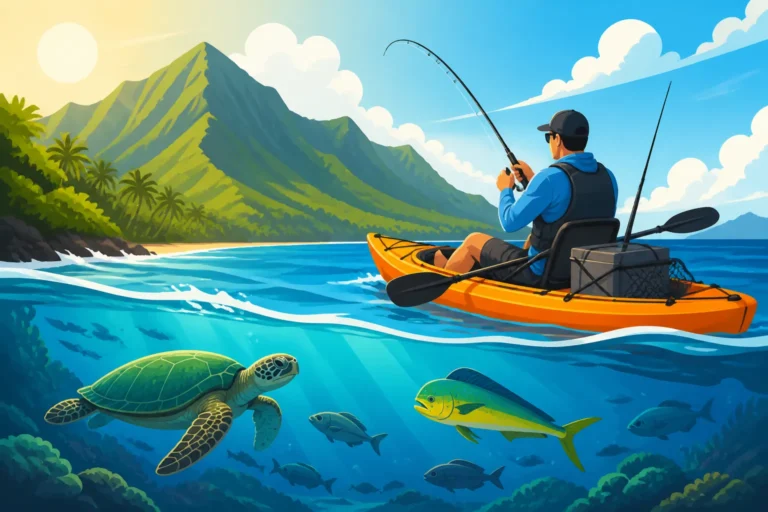
Then there's the truly open ocean, the "blue water" that surrounds the islands. This is the realm of the pelagic species, the powerful, migratory fish that every serious angler dreams of. We're talking about the magnificent marlin, the lightning-fast ono (wahoo), the acrobatic mahimahi (dorado), and the prized ahi (yellowfin tuna). These fish travel vast distances, often congregating around natural features like underwater seamounts, current lines, and the FADs (Fish Aggregating Devices) deployed by the state. The constant movement of these species means that every offshore trip is an adventure, a hunt for the ultimate prize in an immense, beautiful wilderness.
Freshwater Wonders and Brackish Nurseries
While Hawaii is world-renowned for its saltwater fishing, many are surprised to learn that the islands also offer intriguing freshwater opportunities. Thanks to past introductions, certain reservoirs and streams are now home to a variety of game fish that provide a completely different kind of angling experience. It's a stark contrast to the vast ocean, offering a more serene and often family-friendly environment.
On islands like Oahu, large reservoirs such as Wahiawa Reservoir have become popular destinations for anglers seeking species like largemouth bass, channel catfish, and the beautiful peacock bass. These waters offer a calm, inland fishing experience, far removed from the ocean swells. Imagine casting a lure into quiet coves, surrounded by lush tropical vegetation, waiting for that tell-tale tug from a feisty bass. It's a tranquil yet exciting pursuit that often gets overlooked by visitors focused solely on the ocean.
Beyond the reservoirs, Hawaii also has brackish water environments, particularly in estuaries and the mouths of larger streams where freshwater mixes with saltwater. These unique zones act as nurseries for many juvenile marine species, including papio, kumu, and even some mullet. While often less formally fished, these areas can be incredibly productive for observant anglers. Furthermore, the island of Kauai boasts the Kokee Public Fishing Area, a truly unique spot where you can actually find and fish for rainbow trout in cooler mountain streams. It's an experience that defies typical Hawaiian expectations and offers a surprising, refreshing change of pace for anglers. You can learn more about specific regulations in the Hawaii Freshwater Fishing License and Rules guide.
The Best Offshore Fishing Grounds for Pelagic Giants
When you think of "big game fishing" in Hawaii, your mind likely conjures images of powerful sportfishing boats chasing down enormous fish far out at sea. And you wouldn't be wrong! Hawaii’s deep, nutrient-rich waters and consistent offshore currents create some of the world's most legendary fishing grounds for pelagic species. These areas are not just famous; they are consistently productive, drawing anglers from around the globe in pursuit of trophy-sized marlin, ahi, ono, and mahimahi.
Kona Coast: Marlin Alley
The Kona Coast on the Big Island isn't just one of the best fishing spots in Hawaii; it's arguably one of the best in the entire world for marlin. What makes it so special? The deep ocean drops incredibly close to shore, often within a mile or two. This unique geography means that prime fishing grounds are easily accessible, minimizing travel time and maximizing fishing time. The waters off Kona are consistently calm, protected by the massive shield of Mauna Loa and Hualalai, which block the prevailing tradewinds. This creates ideal conditions for trolling, allowing captains to maintain optimal lure speeds and presentations.
Kona is famous for its "grander" marlin, those magnificent blue marlin weighing over 1,000 pounds. While landing a grander is a once-in-a-lifetime achievement, the waters here are consistently home to smaller but still impressive blue marlin, as well as striped marlin and spearfish. Anglers typically troll large lures or live bait along the deep contours, around FADs, and near current lines. It's a waiting game, but when a marlin strikes, the explosion of power and adrenaline is something you'll never forget. Many experienced captains operate out of Honokohau Harbor, offering a range of trips from half-day excursions to multi-day adventures. For an in-depth look, check out our Marlin Fishing off the Kona Coast guide.
Beyond marlin, Kona's deep waters also hold excellent populations of ahi (yellowfin tuna). Often found schooling around the same FADs or baitfish concentrations as the marlin, ahi are powerful fighters and a top-tier table fish. Anglers often switch tactics to chunking or jigging once a school of ahi is located. Ono (wahoo) and mahimahi are also frequently encountered, especially closer to current lines and weed patches. The sheer density and variety of large game fish in Kona make it a must-visit for any serious offshore angler.
Maui's Productive Waters and FADs
Maui offers fantastic offshore fishing, especially from its leeward coasts where the waters are often calmer and deeper. Like Kona, Maui benefits from deep water close to shore, particularly off the west and south sides of the island. Harbors like Maalaea Harbor and Lahaina Harbor are bustling hubs for fishing charters, ready to take you out to productive grounds. Maui's waters are well-known for their thriving populations of mahimahi and ono, particularly during their peak seasons.
The FADs (Fish Aggregating Devices) around Maui are particularly productive. These buoys, anchored in deep water, attract baitfish, which in turn draw in pelagic predators. Trolling around these FADs is a common and effective strategy for targeting ahi, mahimahi, and ono. During certain times of the year, particularly spring and summer, the mahimahi fishing can be absolutely incredible, with multiple hookups common. Ono, with their razor-sharp teeth and blistering runs, are another highly sought-after species here. Many local captains on FishingBooker can guide you to these productive spots and offer the best chances for a successful trip.
While perhaps not as globally famous for grander marlin as Kona, Maui still produces its share of impressive blue and striped marlin. Anglers often find success targeting marlin around the FADs or by trolling along the 100-fathom curve. The channels between Maui, Molokai, and Lanai also create unique current dynamics that concentrate bait and predatory fish, making them prime hunting grounds. Whether you're after a delicious mahimahi for dinner or a powerful marlin, Maui's offshore waters provide thrilling opportunities.
Oahu and Kauai: Ahi and Ono Hotspots
Oahu and Kauai might be more famous for their surf breaks and lush landscapes, but their offshore fishing is equally impressive, especially for ahi (yellowfin tuna) and ono (wahoo). Oahu, with its bustling capital Honolulu, has a significant fishing fleet operating out of Kewalo Basin and other harbors. The deep waters off the South and West Shores of Oahu offer consistent action for pelagic species throughout much of the year.
For ahi, Oahu is a prime destination. Anglers often target these powerful tuna around FADs, offshore banks, and areas where porpoise schools are active. Chumming and live baiting are popular techniques, particularly when a school of ahi is located. The fight of a big ahi is legendary, a grueling test of strength and endurance that every offshore angler savors. Oahu is also excellent for ono, especially along current lines and temperature breaks. Their high-speed ambush attacks make them an exciting target, and their firm, white flesh is a culinary delight.
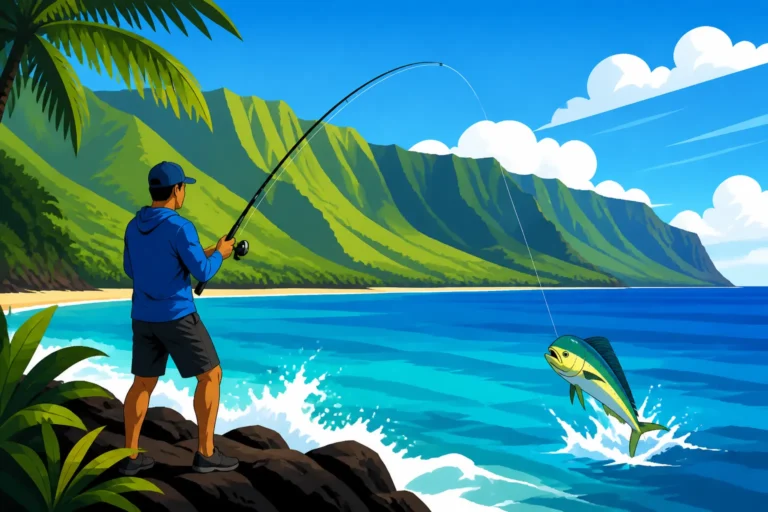
Kauai, the Garden Isle, also offers fantastic offshore opportunities, though with a slightly more laid-back vibe. Charters often depart from Port Allen or Nawiliwili Harbor. The deep waters off Kauai’s south and west coasts, particularly around the Na Pali Coast, are rich in marine life. Ahi and ono are frequently caught, and the island also sees good numbers of mahimahi and marlin. The stunning scenery of Kauai’s coastline provides an incredible backdrop for a day of deep-sea fishing, making the experience truly unforgettable. Whether you're on Oahu or Kauai, connecting with a local charter is often the best way to tap into the local knowledge and find the current hotspots.
Top Shore Fishing Locations for Every Angler
Hawaii's shore fishing, or "ulua fishing" as it's often called locally (referring to the highly prized giant trevally), is a revered tradition. It’s a pursuit that combines patience, skill, and an intimate understanding of the ocean's moods. Unlike offshore fishing, which often requires a boat, shore fishing is accessible to everyone. From sandy beaches perfect for whipping up papio to rugged lava points where you might hook a monster ulua, the islands offer countless opportunities for anglers to cast a line directly from land.
Iconic Beaches and Sandy Flats for Papio and Bonefish
Many of Hawaii's beautiful sandy beaches aren't just for swimming and sunbathing; they're also fantastic fishing spots, especially for papio (juvenile trevally) and the elusive bonefish (oio). Places like Sandy Beach on Oahu's southeast shore, or certain stretches of beaches in Kihei, Maui, offer expansive sandy bottoms where small baitfish gather, attracting predators. Anglers often use light spinning tackle, casting small jigs, spoons, or bait (like shrimp or cut bait) into the surf. The key is often to "read the water," looking for channels, troughs, and areas where waves are breaking differently, indicating deeper water or structure that might hold fish.
For bonefish, known as "oio" in Hawaiian, the shallow, clear sandy flats are the prime hunting grounds. These spooky, powerful fighters are often targeted by fly fishermen, but spin anglers can also have success with small jigs or bait. Keehi Lagoon and Sand Island on Oahu are renowned spots for bonefishing, offering extensive flats where these silvery ghosts patrol for crabs and small invertebrates. The challenge of spotting and successfully hooking a bonefish in these pristine conditions is incredibly rewarding. It requires stealth, accurate casting, and a keen eye. You can dive deeper into this specialized fishing in our Best Bonefishing Spots in Hawaii guide.
Beyond the specific species, these beach and flat environments are often the most family-friendly. The accessibility, relatively calm conditions, and the sheer joy of watching a child catch their first papio right from the shore make these locations invaluable. Remember, while a fishing license isn't always required for ocean shoreline fishing for residents, it's crucial for visitors and for any freshwater fishing. Always check the current Do You Need a Fishing License in Hawaii regulations.
Rugged Rocky Points and Lava Flows for Ulua
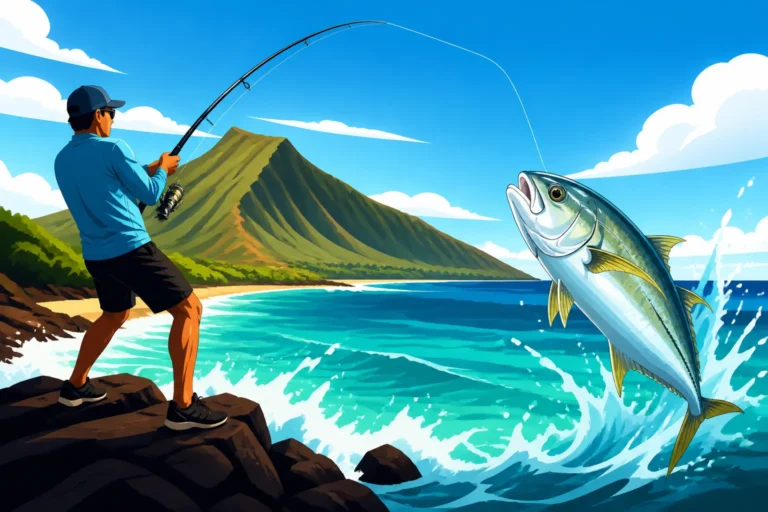
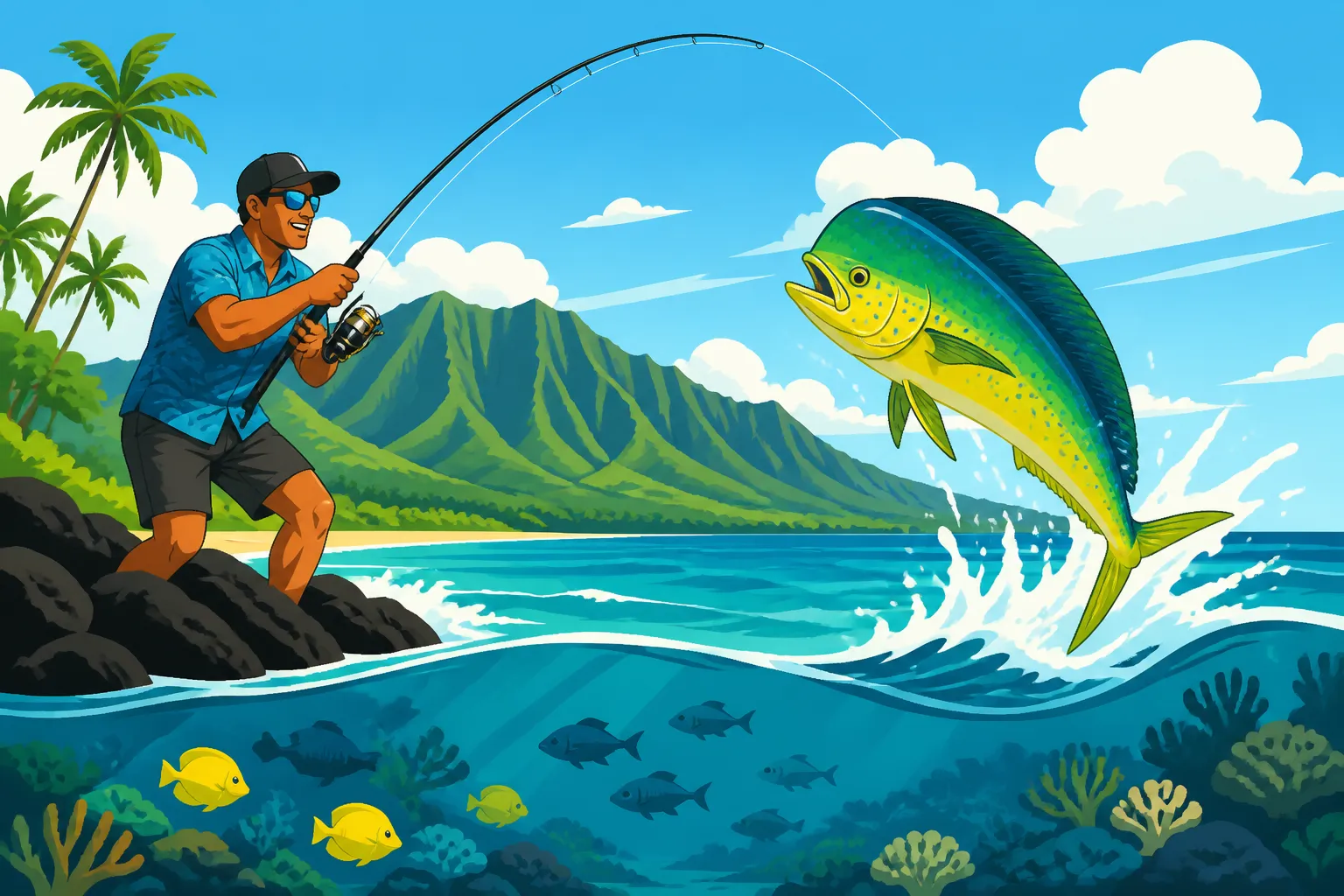
For the more adventurous and dedicated shore angler, Hawaii's rugged rocky points and ancient lava flows offer the ultimate challenge: targeting ulua (giant trevally). These powerful predators, which can grow to immense sizes, lurk in the turbulent waters around these structures, ambushing baitfish. Iconic spots like Kaena Point on Oahu, South Point (Ka Lae) on the Big Island, and Makapuu Point, also on Oahu, are legendary among ulua fishermen. These locations are often exposed to heavy surf and strong currents, requiring specialized heavy tackle, robust casting techniques, and a healthy respect for the ocean's power.
Ulua fishing from these rocky points typically involves "slide baiting" or casting heavy weights with large baits, such as whole akule (bigeye scad) or opelu (mackerel scad), far out into the deep water channels or ledges. The gear is heavy-duty – long, stout rods, large conventional reels spooled with heavy braid, and thick monofilament leaders are standard. It's not uncommon for anglers to spend entire nights waiting for a single bite, but the reward of hooking into an ulua that can weigh well over 100 pounds makes every moment worthwhile. These fish are notorious for their brutal, drag-screaming runs that test both angler and tackle to their limits. Read more about the techniques in How to Catch Ulua from Shore.
Beyond ulua, these rocky areas are also excellent for other reef and nearshore species. Moi (Pacific threadfin), kumu (goatfish), and various types of papio can be caught using lighter tackle and different baits or lures. The key to fishing these spots safely is to be constantly aware of the ocean conditions, never turn your back on the waves, and always fish with a buddy, especially in remote or high-surf areas. Public access points are generally well-known, but always respect private property and cultural sites.
Piers and Harbors: Accessible Fishing for the Family
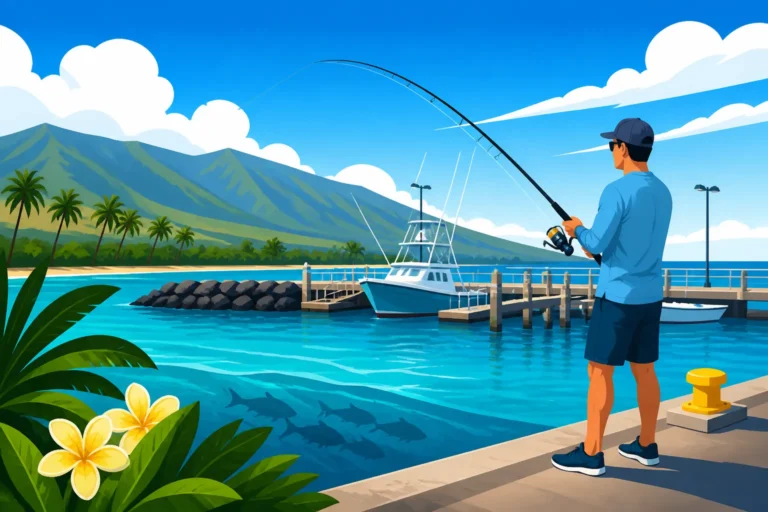
Piers and harbors across Hawaii offer some of the most accessible and family-friendly fishing opportunities. These man-made structures provide easy access to deeper water without the need for a boat or navigating rugged terrain. They're often well-lit, have amenities nearby, and offer a safe environment for anglers of all ages and skill levels. Think of spots like Kewalo Basin or Ala Wai Harbor on Oahu, or even smaller local piers on the neighbor islands.
Fishing from a pier or harbor wall is often about variety. You might catch smaller reef fish, various types of papio, goatfish (kumu, weke), or even juvenile jacks. Depending on the location and time of year, schooling baitfish like akule or opelu might move through, attracting larger predators. Anglers typically use light to medium spinning tackle, casting small jigs, soft plastics, or fishing with bait on the bottom or under a float. Shrimp, squid, and cut fish are common and effective baits. The sheltered nature of many harbors also means less wind and swell, making for a comfortable fishing experience.
These spots are ideal for introducing kids to fishing. The constant action, even from smaller fish, keeps spirits high, and the relative safety allows parents to relax. It's also a great place to observe local fishing culture and pick up tips from seasoned anglers. Just remember to be mindful of boat traffic, give other anglers space, and always pack out everything you pack in. While perhaps not home to trophy-sized fish every day, the consistent action and relaxed atmosphere make piers and harbors some of the Best Pier Fishing Spots in Hawaii for a casual and enjoyable outing.
Hidden Gems: Hawaii's Freshwater Fishing Havens
When most people picture fishing in Hawaii, freshwater isn't usually the first thing that comes to mind. But nestled within the lush interiors of some islands are surprising freshwater ecosystems that offer a completely different, yet equally rewarding, angling experience. These hidden gems are a testament to Hawaii's incredible biodiversity and offer a peaceful escape from the bustling coastline.
Wahiawa Reservoir: A Bass Angler's Paradise
For freshwater enthusiasts, Wahiawa Reservoir on Oahu is undoubtedly the crown jewel. This large, man-made impoundment is renowned for its excellent bass fishing, making it a true paradise for anglers who prefer casting for largemouth bass and the highly sought-after peacock bass. The reservoir covers approximately 300 surface acres and is surrounded by dense jungle-like vegetation, creating a serene and picturesque setting for a day on the water.
Wahiawa Reservoir is regularly stocked, and its warm, nutrient-rich waters allow bass to grow to impressive sizes. Largemouth bass here can reach over five pounds, providing a powerful fight, but it's the peacock bass that truly draws attention. Introduced decades ago, these strikingly colored cichlids are incredibly aggressive, hitting lures with explosive force and putting on an acrobatic show. They are also known for their delicious white meat, making them a favorite target for many. Anglers typically target these fish with topwater lures, spinnerbaits, crankbaits, or soft plastics fished around submerged structure, lily pads, and shaded areas along the banks. Kayaks, canoes, and small jon boats are popular choices for navigating the reservoir, though shoreline access is also available in designated areas. You can also review the Peacock Bass in Wahiawa Reservoir guide for more specific tips.
The reservoir is managed by the Department of Land and Natural Resources (DLNR), and specific regulations apply, including bag and size limits, and restricted access areas. It's vital to obtain a freshwater fishing license before you go, which is a separate requirement from any ocean fishing. Details on how to secure one can be found in our Hawaii Freshwater License Cost for Residents or Hawaii Freshwater License Cost for Nonresidents articles, depending on your residency status. A day at Wahiawa offers a tranquil yet exhilarating alternative to the ocean, showcasing another facet of Hawaii's angling prowess.
Kokee Public Fishing Area: Trout in the Tropics
On the cooler, higher elevations of Kauai lies one of Hawaii's most unexpected fishing experiences: the Kokee Public Fishing Area. Here, in the streams and tributaries that wind through Kokee State Park, you can actually catch rainbow trout. It’s a remarkable anomaly, given Hawaii's tropical climate, and provides a unique opportunity for fly fishermen and light tackle enthusiasts. The air is crisp, the scenery is breathtaking, and the fishing experience is completely distinct from anything else you'll find in the islands.
The rainbow trout in Kokee are sustained through an annual stocking program by the DLNR. These feisty fish thrive in the cooler, well-oxygenated mountain streams like the Mohihi, Waiakoali, and Kawaikoi. The fishing season is specific, usually opening in August and running through September, though exact dates can vary year to year. Anglers often use light spinning gear with small spinners, worms, or powerbait, while fly fishermen find success with various nymph and dry fly patterns that mimic local insect life. It’s important to practice stealth, as the clear, shallow waters can make the trout easily spooked.
Fishing in Kokee isn't just about the catch; it's about the entire experience. The drive up into the park is beautiful, offering stunning canyon views. The streams themselves are surrounded by native forest, providing a sense of solitude and connection to nature. Because it's a stocked fishery, there are specific limits and regulations on the number and size of trout you can keep, designed to ensure sustainable recreational opportunities. Always consult the official DLNR regulations for the current season before planning your trip to Kokee to learn more about Hawaii Kokee Trout Fishing Season Dates. It's truly a special place for those seeking an off-the-beaten-path fishing adventure.
Other Notable Freshwater Ponds and Streams
While Wahiawa Reservoir and Kokee are the most prominent freshwater fishing destinations, other smaller ponds and streams across the islands also hold diverse fish populations. These spots might not be as widely publicized, but they offer local anglers and adventurous visitors further options for freshwater pursuits. Often, these smaller bodies of water can be very productive for specific species, especially if you know where to look.
Many urban and suburban ponds on Oahu, for instance, are home to tilapia, a species introduced for aquaculture that has now naturalized in many areas. While not typically considered a "game fish" by everyone, tilapia can provide consistent action, especially for children or anglers looking for an easy catch. They respond well to simple baits like bread, corn, or worms. Similarly, some smaller streams and irrigation ditches might hold populations of guppies, mosquitofish, or even small populations of largemouth bass or channel catfish in less-pressured environments.
It's crucial to remember that access to many of these smaller ponds and streams can be restricted, either due to private property or local regulations. Always check with local authorities like the DLNR Division of Aquatic Resources for legal access points and any specific rules that might apply. While they may not be destination fisheries, these lesser-known freshwater spots contribute to the overall diversity of Hawaii's angling landscape, offering casual and accessible opportunities for those willing to explore beyond the main attractions.
Navigating Marine Life Conservation Districts and Restricted Areas
Fishing in Hawaii isn't just about finding the fish; it's also about understanding and respecting the islands' unique conservation efforts. The state has implemented various protected areas, such as Marine Life Conservation Districts (MLCDs) and Fish Replenishment Areas (FRAs), to safeguard its marine ecosystems. Navigating these rules can be confusing for visitors and even for long-time residents, but it's crucial for preserving the very resources that make Hawaii such an incredible fishing destination. Ignoring these regulations can lead to hefty fines and damage to fragile habitats.
Understanding MLCDs and FRAs
Marine Life Conservation Districts (MLCDs) are areas designated for the conservation of marine life and habitats. Within an MLCD, fishing activities are severely restricted or completely prohibited to allow marine populations to thrive and recover. These areas serve as living laboratories for scientists and as sanctuaries for fish and coral. Some MLCDs allow limited shoreline fishing with specific gear (like pole-and-line only), while others, such as the famous Hanauma Bay MLCD on Oahu, are completely no-take zones. Knowing the boundaries and specific rules of each MLCD is paramount. For example, Is Fishing Allowed at Hanauma Bay? clearly outlines its strict no-fishing policy. These districts are vital for maintaining healthy fish stocks that eventually spill over into surrounding areas, benefiting all anglers.
Fish Replenishment Areas (FRAs), particularly in West Hawaii, are another type of protected area. These zones were established to help replenish populations of reef fish, especially herbivorous species that play a critical role in controlling algae growth on coral reefs. While some FRAs might allow certain types of recreational fishing, they often have specific restrictions on gear (e.g., no spearfishing, no net fishing) or on the take of certain species. The goal is to provide safe havens for fish to breed and grow, ensuring future abundance. Always consult the most current Hawaii DLNR regulations to understand what fishing activities are permitted in each specific FRA. It's a system designed for long-term sustainability, benefiting both the environment and the fishing community.
Respecting Cultural Practices and Private Lands
Beyond official government regulations, anglers in Hawaii must also be mindful of traditional Hawaiian cultural practices and respect private land ownership. Throughout Hawaii's history, fishing has been deeply intertwined with cultural identity, sustenance, and spiritual beliefs. Certain areas may be considered sacred, or may have traditional gathering rights associated with them that non-Native Hawaiians should respect. While modern laws protect public access to shorelines below the high-water mark, navigating access through private property to reach these public fishing grounds requires permission.
Many coastal areas are bordered by private residences, resorts, or agricultural lands. Attempting to access the shoreline through these properties without permission is trespassing and can lead to legal issues. Always look for clearly marked public access points, shoreline access trails, or designated parking areas. If in doubt, ask a local, consult a map from the DLNR, or choose a spot known for public access. Building good relationships with local communities and respecting their land and traditions goes a long way in ensuring pleasant and responsible fishing.
Furthermore, certain species or locations may have cultural significance that makes them sensitive to fishing pressure, even if not legally protected. Being aware of the local context and fishing responsibly helps foster a positive relationship between anglers and the broader Hawaiian community. It's not just about what you catch; it's about how you engage with the land, the ocean, and the people who call Hawaii home. This holistic approach ensures that Hawaii remains a pristine and welcoming destination for all.
Essential Gear and Tips for Fishing in Paradise
Embarking on a fishing adventure in Hawaii requires more than just knowing where to go; it also demands understanding what gear to bring and how to best approach the unique conditions of these islands. From the specific types of tackle that perform best in Hawaiian waters to adapting to the seasons, a little preparation goes a long way in maximizing your chances of success and ensuring a comfortable experience.
Must-Have Tackle for Hawaiian Waters
The tackle you'll need depends heavily on whether you're targeting offshore giants or casting from the shore. For offshore pelagic fishing, heavy-duty gear is essential. This typically means 80-pound to 130-pound class rods paired with large conventional reels (like those from Shimano or Penn) spooled with heavy monofilament or braid, often 100-pound test or more. Lures range from large skirted trolling lures designed to mimic flying fish or squid for marlin and ahi, to heavy jigs for bottomfish. For live baiting, circle hooks are preferred for better hookups and fish survival. Don't forget heavy-duty leaders, typically 200-400 pound test fluorocarbon or monofilament, and strong swivels and snaps.
For shore fishing, the range of tackle is wider.
- Whipping/Light Tackle: For papio, small trevally, and reef fish, a 7-9 foot medium-light to medium action spinning rod paired with a 2500-4000 size spinning reel spooled with 10-20 pound braided line is ideal. Bring a variety of small spoons (like Kastmaster or Kroc), soft plastics, and small jigs.
- Ulua Fishing (Heavy Shore Casting): This requires specialized gear. You'll need a long, stout surf rod, typically 10-15 feet, with a heavy action, paired with a large spinning reel (8000-14000 size) or a large conventional reel, spooled with 50-80 pound braid. Heavy pyramid sinkers (4-8 oz) and large, strong circle hooks are essential for sliding baits.
- Bait: Always bring a variety of bait if possible. Live or fresh dead bait like opelu, akule, or small squid are gold for ulua and offshore species. Shrimp, limpet, or cut fish work well for smaller reef fish.
- Accessories: Don't forget essentials like pliers, a sharp knife, a tackle bag, sunscreen, polarized sunglasses (crucial for spotting fish and structure), a wide-brimmed hat, and a first-aid kit. A sturdy cooler is also a must for keeping your catch fresh.
Seasonal Considerations and Best Times to Fish
Hawaii's tropical climate means fishing is generally good year-round, but certain species are more active or abundant during specific seasons. Understanding these patterns can significantly boost your success. For detailed monthly breakdowns, see our Hawaii Fishing Seasons by Month guide.
- Marlin: While present year-round, blue marlin often peak from May through September off the Kona Coast. Striped marlin are more prevalent in the cooler months, generally from November to April.
- Ahi (Yellowfin Tuna): Ahi can be caught year-round, but larger schools and bigger fish tend to show up in the summer months, from May to September. Early mornings and late afternoons are often the best times for ahi.
- Ono (Wahoo): Ono are generally good from May through October, often found near current lines and FADs.
- Mahimahi (Dorado): Mahimahi are most abundant from March through July, often schooling under floating debris or around FADs.
- Ulua (Giant Trevally): Shore-based ulua fishing is often best during periods of high surf and strong currents, especially at night or around dawn/dusk, and around new and full moons. Winter swells often bring good ulua conditions to certain shorelines.
- Papio and Reef Fish: These are generally reliable targets year-round, especially in calm waters or during incoming/outgoing tides.
- Freshwater: The Kokee trout season is limited to specific months in late summer/early fall. Wahiawa Reservoir bass fishing is generally good year-round, with mornings and evenings often being most productive.
Beyond specific seasons, tidal movements play a critical role, especially for shore fishing. Incoming and outgoing tides often concentrate baitfish and provide feeding opportunities for predators. Weather patterns, like trade winds or passing fronts, can also influence fish behavior and ocean conditions. Always check the local marine forecast before heading out.
Hiring a Local Guide or Charter
For visitors, and even for locals looking to explore new techniques or areas, hiring a local guide or charter boat is often the best investment you can make. Local guides possess invaluable knowledge of the specific fishing spots, current fish patterns, and effective techniques that only years of experience can provide. They can quickly put you on fish, teach you the ropes, and ensure you're fishing legally and safely.
- Offshore Charters: If your dream is to catch a marlin, ahi, or mahimahi, a reputable offshore charter is the way to go. Companies like those listed on FishingBooker offer a range of options, from shared charters for a more budget-friendly experience to private charters for a personalized trip. A good captain and crew will provide all the necessary gear, bait, and expertise, maximizing your chances of a trophy catch. They know the current locations of the FADs, the best trolling lanes, and how to spot signs of feeding fish. For guidance, see our How to Choose a Hawaii Fishing Charter article.
- Shore Fishing Guides: For those interested in targeting bonefish on the flats or learning the nuances of ulua fishing from shore, a local shore fishing guide can be incredibly beneficial. They know the access points, the productive tides, and the specific lures or baits that are working. This can save you hours of trial and error, especially if you're unfamiliar with the unique challenges of Hawaiian shorelines. They often provide gear tailored to the specific target species and conditions.
- Freshwater Guides: While less common, guides for freshwater fishing on Oahu's reservoirs or Kauai's Kokee streams can also be found. They'll have intimate knowledge of the reservoir's structure or the stream's pools, ensuring you spend your time fishing productive water.
When booking, don't hesitate to ask questions about the type of fishing, target species, what's included, and the captain's experience. It’s an investment in your fishing success and an opportunity to learn from the best.
Conservation and Sustainable Fishing Practices
Hawaii's vibrant marine ecosystems are incredibly precious, and as anglers, we bear a responsibility to protect them for future generations. Engaging in sustainable fishing practices isn't just a suggestion; it's a necessity. By understanding and adhering to ethical angling principles, we can all contribute to the health and abundance of Hawaii's unique aquatic life, ensuring that these incredible fishing opportunities remain available for years to come.
Catch and Release Ethos
For many species, particularly larger game fish like marlin and ulua, practicing catch and release is a cornerstone of sustainable fishing. While catching a trophy fish is an unforgettable experience, releasing it healthy ensures it can continue to breed and contribute to the population. This is especially true for species like blue marlin, where the larger females are the most important breeders. Many charter boats in Kona, for instance, are strong proponents of catch and release for billfish.
To maximize the survival rate of released fish, follow these guidelines:
- Minimize Fight Time: Use appropriate tackle to land the fish quickly without exhausting it excessively.
- Handle Gently: If you must handle the fish, do so with wet hands or gloves to protect its slime coat, and support its body horizontally. Avoid dragging it on rough surfaces.
- Use Circle Hooks: These hooks are designed to catch in the corner of the fish's mouth, minimizing gut hooking and making release easier. Many areas now mandate their use.
- Cut the Line if Necessary: If a hook is deeply embedded or difficult to remove, it's often better to cut the line as close to the hook as possible rather than prolonging the struggle.
- Revive Properly: For larger, exhausted fish, hold them gently in the water, facing into the current, allowing water to flow over their gills until they regain strength and can swim away on their own.
Practicing responsible catch and release demonstrates respect for the fish and the resource, embodying the true spirit of conservation.
Knowing Your Bag and Size Limits
Adhering to bag and size limits is a non-negotiable aspect of responsible fishing in Hawaii. These regulations are scientifically determined to ensure that enough fish remain in the population to reproduce and maintain healthy stock levels. Ignorance of the law is not an excuse, and violating these rules can result in significant fines and penalties. The Hawaii Department of Land and Natural Resources (DLNR) provides comprehensive guidelines that cover a vast array of species.
- Marine Species: Limits vary widely. For example, popular reef fish like uhu (parrotfish) have specific size restrictions and daily bag limits, which you can learn about in Hawaii Uhu (Parrotfish) Size and Bag Limits. Moi (Pacific threadfin) also have a closed season and strict size limits, detailed in Hawaii Moi Closed Season, Explained. Pelagic species like ahi, mahimahi, and ono typically have daily bag limits per person or per vessel. Always check the specific regulations for the species you are targeting and the area you are fishing, as rules can differ.
- Freshwater Species: Freshwater species also have their own set of rules. For instance, Wahiawa Reservoir has specific bag and size limits for largemouth bass, peacock bass, and channel catfish. The Kokee trout fishery has strict daily bag limits during its short season.
- Prohibited Species: Some species are entirely protected and cannot be harvested, such as certain sharks, rays, or all species within MLCDs. It's important to be able to identify your catch.
Always carry a copy of the current Hawaii Fishing Regulations (often available as a PDF from the DLNR website) or have them accessible on your phone. When in doubt, err on the side of caution.
Protecting Hawaii's Fragile Ecosystems
Beyond fish populations, responsible anglers also protect the broader marine and freshwater ecosystems. Hawaii's coral reefs, in particular, are incredibly fragile and vital to the health of the ocean. They provide habitat for countless species and protect the islands' coastlines.
- Avoid Damaging Reefs: When fishing from shore or a boat, be careful not to stand on or anchor directly onto coral. Use sand anchors where available, or anchor in sandy patches away from live coral. Lost fishing gear can also entangle and damage reefs.
- Proper Waste Disposal: Never leave trash, fishing line, hooks, or bait remnants in or near the water. Marine debris is a serious threat to marine life, leading to entanglement and ingestion. Pack it in, pack it out – and then some. Consider picking up any litter you find.
- Chemical Runoff: Be mindful of what goes into the water. Sunscreens containing oxybenzone and octinoxate are harmful to corals; opt for reef-safe alternatives. Avoid spilling fuel or other pollutants from boats.
- Respect Wildlife: Maintain a respectful distance from marine mammals like dolphins and monk seals, and sea turtles. Harassing protected species is illegal. If you accidentally hook a protected animal, know how to safely release it without causing further harm, and report the incident to the DLNR. For more on marine life interactions, see Hawaii turtle and monk seal proximity rules for anglers.
By being conscious of our impact and actively participating in conservation, we help ensure that Hawaii's beautiful and productive fishing grounds remain healthy and vibrant for future generations to enjoy.
Planning Your Hawaiian Fishing Adventure
Planning a fishing trip to Hawaii can be as exciting as the actual fishing itself. With so many incredible locations and diverse opportunities, a little forethought can make all the difference in crafting a truly memorable and successful adventure. From understanding the legal requirements to tapping into local wisdom, proper planning is your first step towards hooking into paradise.
Licenses and Regulations You Need to Know
One of the most crucial steps in planning your Hawaiian fishing trip is understanding the licensing requirements. While ocean fishing from shore for marine species doesn't currently require a license for Hawaii residents, this is not true for everyone, and regulations are always subject to change. For non-residents, and for anyone fishing in freshwater, a license is definitely required. It's a common misconception that all fishing in Hawaii is license-free, and this can lead to uncomfortable encounters with enforcement officers.
- Freshwater Fishing License: If you plan to target bass, catfish, or peacock bass in reservoirs like Wahiawa, or rainbow trout in Kokee, you will need a freshwater fishing license. These licenses are available for residents and non-residents, with various durations (e.g., annual, 30-day, 7-day tourist licenses). You can often purchase these online through the Hawaii DLNR website or from authorized vendors. Our guide on the Hawaii Fishing License Guide for 2026 is an excellent resource for up-to-date information.
- Marine Fishing License: For non-residents, a marine recreational fishing license is now required for offshore fishing or any ocean fishing (except for those fishing from a permitted charter boat where the vessel covers the license). Again, annual, 7-day, and 1-day options are available. Even for residents, while a license isn't currently required for basic shoreline ocean fishing, it's always wise to stay informed, as laws can change.
- Commercial vs. Recreational: Make sure you understand the difference between commercial and recreational licenses and activities. If you're fishing for personal enjoyment and consumption, you're a recreational angler. If you're selling your catch, that's a different category with much stricter requirements.
- Other Regulations: Beyond licenses, familiarize yourself with specific regulations like bag limits, size limits, closed seasons for certain species (e.g., moi), and restrictions in Marine Life Conservation Districts (MLCDs) or Fish Replenishment Areas (FRAs). All of these are detailed in the official Hawaii Fishing Regulations Explained document from the DLNR.
Always ensure your license is valid and readily accessible while fishing, whether digitally on your phone or as a physical copy.
Local Knowledge and Community Resources
Tapping into local knowledge and community resources is invaluable for any angler in Hawaii. While guidebooks and online articles (like this one!) can provide a great foundation, nothing beats the insights of someone who lives and breathes Hawaiian fishing. Locals have an understanding of subtle nuances – specific tides, recent bait movements, or the unwritten rules of a particular spot – that can dramatically improve your chances of success.
- Talk to Locals: Don't be shy! Strike up conversations with local anglers you encounter on piers, beaches, or at tackle shops. Most are friendly and proud of their fishing heritage and happy to share tips, as long as you approach them with respect and don't try to pry into their "secret spots." Asking about general conditions or current trends is a great starting point.
- Tackle Shops: Local bait and tackle shops are treasure troves of information. The staff often have their finger on the pulse of the local fishing scene. They can advise you on what bait or lures are currently working, where fish are biting, and even recommend a reputable guide or charter. Stores like West Marine or local Hawaiian shops often have knowledgeable staff.
- Online Forums and Social Media: Hawaii has active online fishing communities and social media groups. These can be great places to ask questions, see recent catches, and get a feel for current conditions. However, always exercise caution and respect privacy when engaging in these public forums.
- DLNR Division of Aquatic Resources (DAR): The official government resource, the DAR website, is indispensable. It provides the most up-to-date regulations, information on stocking programs, conservation efforts, and public access points. They are there to help both protect the resource and assist the public.
By combining your research with local wisdom, you'll be well-equipped to experience the best of Hawaii's fishing scene. Whether you're planning a trip to the Kona Coast for marlin, searching for bonefish on Oahu's flats, or exploring Kauai's freshwater trout streams, having a solid plan will lead to a more enjoyable and successful adventure in these beautiful islands.
| Island | Primary Fishing Type | Top Species Targeted | Noted Locations / Harbors | Key Considerations |
|---|---|---|---|---|
| Big Island | Offshore, Shoreline | Blue Marlin, Ahi, Ulua, Moi | Kona Coast, Honokohau Harbor, South Point | World-class marlin, deep drop-offs close to shore. |
| Maui | Offshore, Shoreline | Mahimahi, Ono, Ahi, Ulua | Maalaea Harbor, Lahaina Harbor, La Perouse Bay | Excellent pelagic action, good variety of shore spots. |
| Oahu | Offshore, Shoreline, Freshwater | Ahi, Ulua, Papio, Bonefish, Largemouth Bass, Peacock Bass | Kewalo Basin, Sandy Beach, Kaena Point, Wahiawa Reservoir | Most diverse fishing, both ocean and freshwater. |
| Kauai | Offshore, Shoreline, Freshwater | Ahi, Ono, Ulua, Papio, Rainbow Trout | Nawiliwili Harbor, Port Allen, Kokee Public Fishing Area | Stunning scenery for offshore, unique trout fishery. |
| Molokai/Lanai | Offshore, Shoreline | Ulua, Papio, Ono, Mahimahi | Remote coastal areas, local harbors | Less crowded, strong local knowledge needed, raw beauty. |
Disclaimer
The information provided in this guide is for general informational purposes only and is not intended as legal or professional advice. Fishing regulations, license requirements, and access points in Hawaii are subject to change by the State of Hawaii Department of Land and Natural Resources (DLNR) at any time. It is the responsibility of the angler to always consult the most current official regulations and obtain any necessary licenses before engaging in fishing activities. Always prioritize safety, respect local customs and private property, and practice sustainable fishing to protect Hawaii's precious aquatic resources.