Best fishing spots in Pearl Harbor’s public waters
Fishing in Pearl Harbor can sound like an exciting prospect, given the vast waterways and historical significance, but the reality is often met with confusion and frustration for many anglers. It's a place steeped in history and under stringent security, making public access and fishing opportunities incredibly limited and tightly regulated. This guide aims to clear up that confusion, helping you understand where, if anywhere, you can legally cast a line in Pearl Harbor's public waters, what species you might encounter, and most importantly, how to stay safe and respectful within this unique and sensitive environment.
Understanding the Strict Realities of Fishing in Pearl Harbor's Public Waters
Let's be blunt: Pearl Harbor is not your typical fishing destination where you can just pull up a chair anywhere and drop a line. It's a highly sensitive area, encompassing both a massive military base and a revered national memorial. This means that navigating fishing opportunities here requires a deep understanding and strict adherence to a complex web of regulations that go far beyond your typical state fishing laws. Many areas are completely off-limits, and venturing into them, even unknowingly, can lead to serious consequences. The frustration of trying to find clear answers is real, and it's essential to approach fishing here with a healthy dose of caution and respect.
Navigating the Complex Layer of Federal and State Regulations
When you're dealing with a location like Pearl Harbor, you're not just under the jurisdiction of the Hawaii Department of Land and Natural Resources (DLNR). You're also under the watchful eye of the U.S. Navy and other federal authorities. This creates a multi-layered regulatory environment that can be incredibly confusing. For instance, while you might have a standard Hawaii Fishing License Guide for 2026 issued by the state, that license alone doesn't grant you carte blanche to fish within the harbor's restricted zones. Federal security dictates where you can and cannot go, often overriding typical state public access rules.
It’s crucial to understand that federal regulations primarily focus on security, navigation, and environmental protection within military installations and national parks. This means access to shorelines, piers, and even waterways can be severely restricted or outright prohibited for civilians without specific authorization. Always look for signage, respect buoys marking restricted areas, and if in doubt, err on the side of caution. Ignorance of these rules is simply not an excuse, and military police or Coast Guard personnel will not hesitate to enforce them.
Clearly Defined Restricted Areas and What They Mean for Anglers
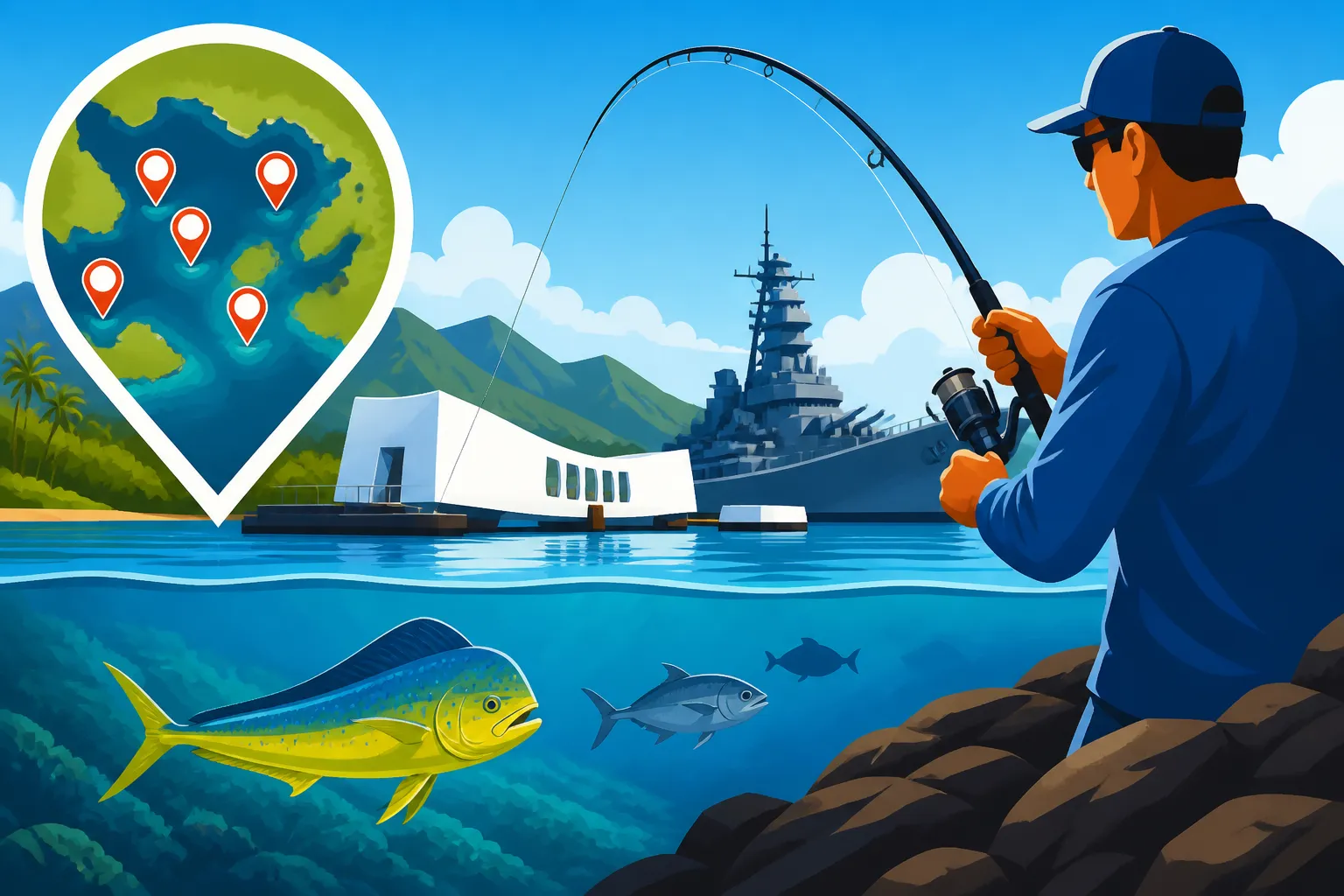
The vast majority of Pearl Harbor itself, especially the naval base areas, the submarine base, and the immediate vicinity around the USS Arizona Memorial and other historical sites, are absolutely off-limits to recreational fishing. These areas are clearly marked with buoys, fences, and patrol boats. Attempting to fish here, whether from shore or a vessel, is considered trespassing and a serious security breach. This isn't just about fishing; it's about national security and honoring a sacred historical site.
Beyond the immediate naval facilities, certain channels and shipping lanes within the broader Pearl Harbor estuary are also restricted due to heavy marine traffic. Imagine a large container ship or even a submarine trying to navigate while you're trying to land a fish – it’s a non-starter for safety reasons. It's not always easy to tell where one zone ends and another begins, especially for those unfamiliar with the area. This is why local knowledge or consulting up-to-date maps provided by the Department of Defense or the Coast Guard (if available to the public) is paramount. If a particular area isn't explicitly marked as open, assume it's closed. You can find more general information about Hawaii Fishing Regulations Explained for other parts of the island, but for Pearl Harbor specifically, federal rules take precedence in restricted areas.
The Importance of Respecting History and Security
Pearl Harbor is not just a body of water; it's a profound historical landmark, a place of immense sacrifice, and an active military installation. Anglers must approach fishing here with the utmost respect for both the hallowed ground and the ongoing security needs of the U.S. Navy. This means no littering, no disruptive behavior, and certainly no attempts to access unauthorized areas, even for a "quick cast."
Remember, security personnel are on high alert. Any suspicious activity, even innocent-looking fishing near a fence or buoyed area, can trigger a response. This can lead to your day being cut short by an interrogation, confiscation of gear, or even more severe legal repercussions, including fines and arrest. It's a powerful lesson in understanding that fishing is a privilege, not a right, especially in such a sensitive location. Always keep your identification handy and be prepared to explain your presence if approached by authorities.
Legitimate Public Access Points for Shoreline Anglers
Given the extensive restrictions, you might be wondering if it's even possible to fish in Pearl Harbor's public waters at all. The good news is, yes, there are a very few legitimate public access points where shoreline fishing is permitted. However, it’s crucial to manage expectations. These aren't vast, pristine fishing grounds, but rather specific, designated spots on the fringes of the main harbor area. They offer a unique opportunity to fish with a backdrop of history, but the fishing itself might be more about the experience than a massive haul.
The Limited Shoreline Areas Where Fishing is Permitted
The primary area that often comes up when discussing "public fishing" in the broader Pearl Harbor vicinity is the stretch of shoreline outside the immediate naval base, particularly along the perimeter of the estuary, in neighborhoods like Aiea or Waipahu, where canals and small streams feed into the harbor. For example, parts of the Kamehameha Highway that run alongside the outer edges of the harbor, or areas near the Pearl Harbor Bike Path, might offer small, informal pull-offs where locals occasionally drop a line.
It's important to note that these aren't officially managed fishing piers or parks specifically designated for fishing within what most people consider the active "Pearl Harbor" itself. Instead, they are public lands adjacent to the larger body of water. These spots are often characterized by rocky shorelines, small sandy patches, or canal banks. Access can be tricky, sometimes requiring careful navigation through overgrown areas or parking a distance away. Always be mindful of private property signs and respect residential boundaries. Check local community guidelines and forums for the most current information on these very specific, often unmarked, spots.
What to Expect When Fishing These Unique Spots
When you do find a legitimate spot, don't expect a bustling fishing scene with dozens of anglers. These locations are usually quiet, attracting mostly local residents who know the ropes. You might encounter others using traditional Hawaiian fishing methods, and it's a great opportunity to learn. The environment is often urban or semi-urban, so you'll see a mix of natural beauty and industrial elements in the background.
The fishing experience itself can vary greatly. Tides, weather, and the time of day all play a significant role. These areas are generally shallower than offshore waters, and the fish tend to be smaller, though larger predators can certainly move into these areas on occasion. Bring a variety of tackle, from light spinning gear for smaller reef fish to something heavier if you're hoping for a trevally. Always bring your own bait, as there are no bait shops right at these informal access points.
Identifying Potential Fish-Holding Structures from Shore
Even in these limited public access areas, fish will congregate around structure. From the shoreline, look for obvious signs like rocky outcrops, submerged logs or debris, and areas where freshwater streams or canals empty into the main body of water. These "transition zones" often attract baitfish, which in turn draw in larger predatory species.
Also, pay attention to current. Tidal currents can sweep bait and nutrients through channels and around points, making these prime ambush locations for fish. Even small changes in depth, such as a drop-off near the shore, can hold fish. A good pair of polarized sunglasses can help you spot submerged structure and even cruising fish in clearer water. While a charter booked through services like FishingBooker might get you to more productive offshore grounds, understanding the subtleties of shore fishing within these specific public areas of Pearl Harbor is key to success.
Targeting Fish Species You Might Encounter
Once you've navigated the regulations and found a legal public access point, the next question is, what can you actually expect to catch? The fishing in Pearl Harbor's public waters, particularly from shore, is predominantly for inshore species. While you won't be hooking into giant marlin or ahi here, there's still a diverse array of fish that call these waters home, offering plenty of action for the patient angler.
Common Catches from Permitted Shorelines
From the allowed shoreline access points, you're most likely to encounter smaller to medium-sized inshore species. Papio (juvenile Giant Trevally and Bluefin Trevally) are a popular target, known for their aggressive strikes and strong fight, even at smaller sizes. You might also find various reef fish, often collectively referred to as "panfish," which are excellent for eating. These can include small wrasses, goatfish like kumu or weke, or even small snappers.
Small barracuda (kaku) are also frequently caught, recognizable by their long, slender bodies and sharp teeth. They're often ambush predators, lurking around structure. And, of course, wherever there are baitfish, you might find tilapia and other introduced species, especially near freshwater outflows. These can provide consistent action and are often targeted for food. Remember to consult Hawaii Bag and Size Limits by Species to ensure you're compliant with state regulations for any fish you intend to keep.
Understanding Bag and Size Limits for Harvestable Species
Even within Pearl Harbor's public waters, state fishing regulations regarding bag and size limits apply to most harvestable species. This is crucial for sustainable fishing practices and avoiding penalties. For instance, there are specific Hawaii Papio and Ulua Size Rules that dictate the minimum size you can keep. Catching an undersized papio means it must be immediately released unharmed.
Other species, like the highly prized moi (Pacific Threadfin), might have specific closed seasons or tighter regulations. While less common in the inner harbor, it's good to be aware. Knowing these rules beforehand is not just about avoiding a fine; it's about being a responsible steward of Hawaii's precious marine resources. Always carry a measuring device and, if necessary, a copy of the current regulations.
Dealing with Invasive Species Like Taape and Roi
Hawaii faces a significant challenge with invasive fish species, and Pearl Harbor's waters are no exception. Two common invaders you might encounter are taape (bluestripe snapper) and roi (bluestripe grouper). These fish, originally introduced from other regions, compete with native species for food and habitat, disrupting the delicate ecosystem.
Unlike native species, there are often no bag or size limits for taape and roi, and anglers are generally encouraged to harvest them. In fact, many local anglers target these species precisely because they are abundant and can be good eating. It's a way to contribute to conservation efforts while still enjoying your time on the water. Understanding that Are Taape and Roi Bad for Hawaii's Reefs? can help you make informed decisions about your catch. If you're unsure about identification, it's best to err on the side of caution or release the fish if it might be a native species.
Table: Common Fish Species in Pearl Harbor Public Waters (Shoreline)
| Species | Common Size Range (inches) | Typical Habitat in Harbor | Recommended Bait/Lure | Hawaii Regulations (General) |
|---|---|---|---|---|
| Papio (Juvenile GT/BT) | 8-16 | Near structure, current, tide pools | Small jigs, plastics, live bait | Minimum size limits apply |
| Small Reef Fish | 4-10 | Rocky areas, shallow reefs | Small pieces of shrimp, limu | Vary by species, often small bag limits |
| Kaku (Barracuda) | 12-30 | Open water, near structure | Small spoons, plugs, live bait | No specific limits, but generally released |
| Tilapia | 6-12 | Brackish areas, canal mouths | Bread, corn, worms | No limits, often encouraged to harvest |
| Taape (Invasive) | 8-15 | Reefs, rocky areas, deeper holes | Cut bait, jigs | No limits, harvest encouraged |
| Roi (Invasive) | 10-20 | Rocky bottom, crevices | Live bait, cut bait | No limits, harvest encouraged |
Note: Regulations can change. Always check the latest Hawaii DLNR regulations before fishing.
Responsible Angling and Safety Within a Historic Landmark
Fishing in Pearl Harbor's public waters is a unique privilege that comes with significant responsibilities. Beyond just understanding the rules, it's about adopting a mindset of respect, safety, and environmental stewardship. The area's historical importance and active military presence mean that every angler plays a role in preserving its integrity and ensuring a safe experience for everyone.
Adhering to Environmental Stewardship and Clean Practices
Just like anywhere else in Hawaii, the "malama Aina" (care for the land) principle is paramount, especially in a sensitive environment like Pearl Harbor. This means practicing strict "pack it in, pack it out" ethics. Whatever you bring to your fishing spot, take it back with you – and then some. This includes all fishing line, bait containers, food wrappers, and any other trash. Fishing hooks and line are particularly dangerous to marine life and birds.
Consider using lead-free weights to minimize environmental impact. Be mindful of your footsteps, especially in areas with delicate marine ecosystems or culturally significant sites. Even if an area is designated as "public," it doesn't mean it's a free-for-all. A pristine environment ensures that the fishing can continue for future generations and respects the natural beauty of the islands. You can learn more about general conservation efforts by understanding What a Marine Life Conservation District means for anglers, even if Pearl Harbor isn't one, the principles apply.
Personal Safety and Avoiding Marine Traffic
While you'll be sticking to the designated public access areas, the broader Pearl Harbor waterway still sees significant marine traffic. This includes small recreational boats, commercial vessels, and naval ships. Always be aware of your surroundings, especially if you're fishing near a channel or open water. Never cast where it could interfere with boat navigation or pose a hazard.
Personal safety should also extend to your gear and footing. Shorelines can be rocky, slippery, or unstable. Wear appropriate footwear with good grip. Be mindful of rising tides, which can cut off access to certain spots. If fishing at dawn or dusk, consider bringing a headlamp or flashlight. Lastly, never fish alone in remote areas, and always let someone know where you are going and when you expect to return. Booking a guided trip through a platform like FishingBooker for other locations might offer more comprehensive safety briefings, but in Pearl Harbor's public spots, you are largely on your own for safety.
Penalties for Violating Pearl Harbor Fishing Regulations
It's worth reiterating the seriousness of violating fishing regulations or trespassing in Pearl Harbor. The penalties can be severe and far-reaching, much more so than a typical state fishing violation. Depending on the nature of the offense, consequences can range from hefty fines and confiscation of your fishing gear to arrest, criminal charges, and even federal prosecution. This isn't just a slap on the wrist.
For instance, Hawaii fishing without a license penalty applies to state waters, but trespassing on a federal military installation carries its own, often more stringent, federal penalties. This is why vigilance and adherence to rules are non-negotiable. Always prioritize caution, respect, and compliance. If you are ever approached by military police or Coast Guard, remain calm, be polite, and fully cooperate. Knowing your legal fishing rights and responsibilities in these very specific public access points is crucial for an enjoyable and trouble-free experience.
Disclaimer
The information provided in this guide is for general informational purposes only and is subject to change. Regulations for fishing in Hawaii, especially within or near federal and military installations like Pearl Harbor, can be complex and are updated regularly. It is the sole responsibility of the angler to consult the most current regulations from the Hawaii Department of Land and Natural Resources (DLNR) and any applicable federal agencies (such as the U.S. Navy or Coast Guard) before engaging in any fishing activities. Adherence to all laws and regulations is mandatory.