Best Sandy Beach Fishing Spots in Hawaii
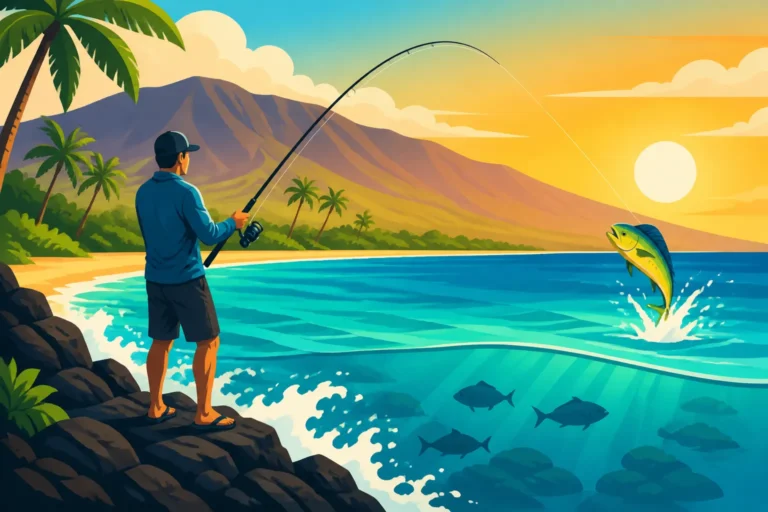
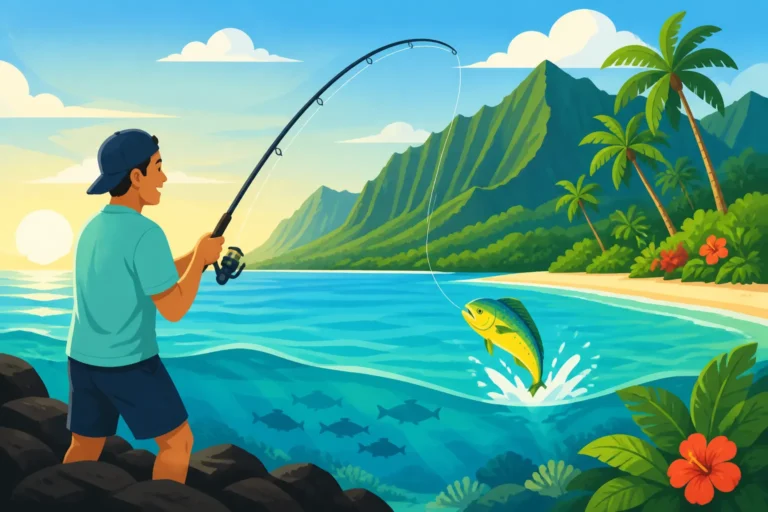
There’s nothing quite like the dream of casting a line into Hawaii’s stunning turquoise waters, but sometimes, figuring out where to go, especially if you prefer the accessibility and comfort of sandy beaches, can feel a bit overwhelming. You want those postcard-perfect backdrops, but also a good chance of reeling something in. This comprehensive guide is here to walk you through some of the best sandy beach fishing spots across the islands, helping you understand what to expect and how to make the most of your time on Hawaii's beautiful shores.
Understanding Sandy Beach Fishing in Hawaii
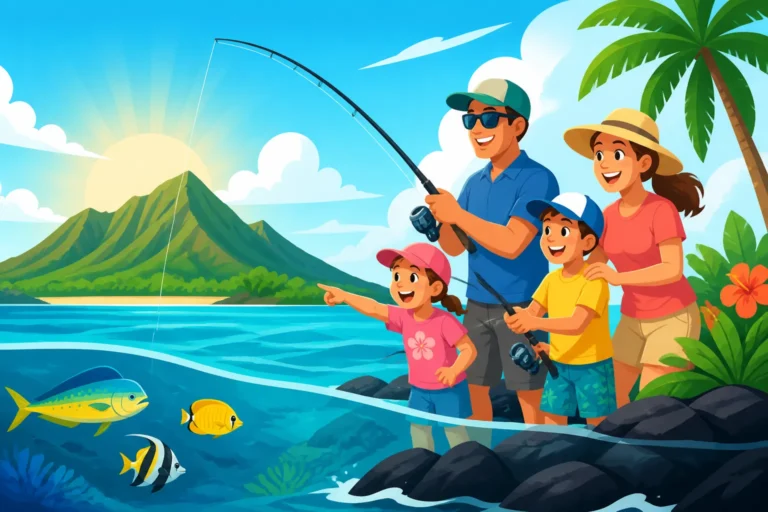
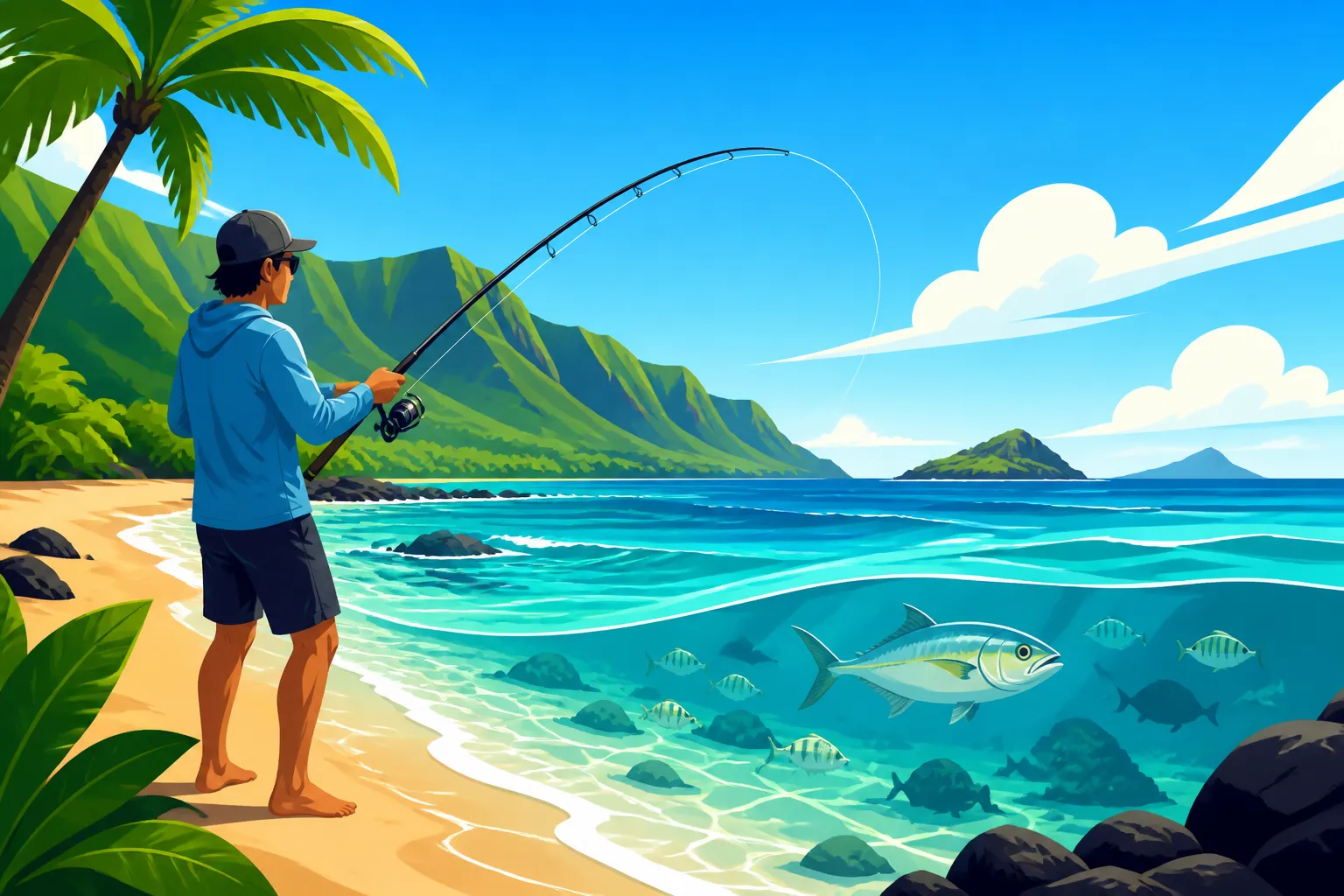
Fishing from sandy beaches in Hawaii offers a truly unique experience. Unlike the rocky, reef-filled coastlines that dominate much of the islands, sandy stretches provide easier access, often gentler waves, and distinct fishing opportunities. You're typically targeting species that frequent these sandy bottoms and the adjacent reef edges, which can include popular game fish as well as delicious table fare. The beauty of it is that you can often combine a relaxing beach day with some serious angling, making it perfect for families or those who prefer to keep their feet firmly on solid ground.
When you're looking for a sandy beach fishing spot, consider a few factors. Look for areas where the sand meets a reef, or where there are channels and drop-offs nearby. These transition zones are often feeding grounds. Also, pay attention to the tides and currents; incoming tides often bring baitfish closer to shore, and currents can create natural travel lanes for predators. The gear you use will also differ slightly from rocky shore fishing; while some overlap exists, lighter tackle can often be very effective in sandy areas, especially for smaller species. Before you even head out, it's always smart to check the local regulations. Understanding the nuances of the Hawaii Fishing Regulations Explained and knowing Do You Need a Fishing License in Hawaii are crucial steps for any angler.
Oahu’s Prime Sandy Beach Fishing Locations
Oahu, with its bustling city life and serene natural beauty, offers a surprising number of excellent sandy beaches for anglers. From easily accessible urban parks to more secluded northern shores, there’s a spot for every preference. The convenience of these locations makes them incredibly popular, but with a little local knowledge, you can often find your own slice of paradise.
Sandy Beach Park
When you think of "Sandy Beach" on Oahu, you're picturing the iconic stretch on the island's southeast shore, famous for its powerful shore break and bodyboarding. But don't let the waves deter you; this beach also offers fantastic fishing opportunities. The strong currents and deeper water close to shore attract a variety of pelagic and nearshore species. Anglers often target Ulua (Giant Trevally) here, especially during the early morning or late evening hours. The deeper pockets and rocky outcroppings on either end of the sandy expanse create perfect ambush points for larger fish.
Fishing here usually involves heavy-duty surf casting gear, capable of handling strong currents and the potential for a powerful hook-up. Live bait, such as opelu or akule, is often the go-to for serious ulua hunters. You'll want to cast beyond the shore break into the deeper channels. While it's a popular spot, anglers show a lot of respect for each other's space, so finding a good position is usually manageable. Keep an eye on the ocean conditions, as the waves can be quite powerful, and safety should always be your top priority. Remember to check Hawaii Bag and Size Limits by Species for any catch you might be lucky enough to land.
Kailua Beach Park
On the windward side of Oahu, Kailua Beach Park is renowned for its powdery white sand and calm, clear waters, making it a favorite for families and watersports enthusiasts. While it might seem too tranquil for serious fishing, Kailua Bay offers excellent opportunities, particularly for papio (juvenile trevally), moi (Pacific threadfin), and various reef fish closer to the small offshore islands or reef patches. The shallower, protected waters mean you can often use lighter tackle and enjoy a more relaxed fishing experience.
Whipping with small artificial lures or casting with light bait (like shrimp or squid pieces) are effective techniques here. The sand flats leading out to the deeper channels and the reef structure near Popoia Island (Flat Island) are prime areas. Many anglers find success by wading out carefully, casting into depressions or along the edges of the reefs. It's a great spot to introduce kids to fishing, as the calm conditions and frequent catches of smaller fish keep spirits high. For a truly immersive experience, you might even consider hiring a local guide through platforms like FishingBooker to show you the subtle nuances of the bay.
Ala Moana Beach Park
Just a stone's throw from Waikiki, Ala Moana Beach Park offers an incredibly accessible urban fishing spot. Protected by an outer reef, the waters here are consistently calm and shallow, making it perfect for novice anglers or those looking for a quick fishing fix without venturing far. While you might not land a trophy marlin here, it’s an excellent place to target papio, various small reef fish, and occasionally moi or even small kumu (goatfish) along the sandy bottom.
The main draw of Ala Moana is its ease of access and the family-friendly atmosphere. You can often see local families setting up for an evening picnic and fishing session. Light spinning tackle with small pieces of bait (squid, bread, or shrimp) cast into the channels or along the edges of the dredged areas works well. It's also a popular spot for throw net fishing, though specific regulations apply to that method. While the fish might not be massive, the consistent action and beautiful views of Diamond Head and the city skyline make it a worthwhile stop.
Maui’s Inviting Sandy Shores for Anglers
Maui, often called the "Valley Isle," boasts some of the world's most beautiful beaches, and many of them offer fantastic fishing opportunities from their sandy edges. From the bustling shores of South Maui to the more serene west, anglers can find productive spots whether they're looking for a peaceful morning cast or a lively afternoon session.
Kamaole Beaches (Kihei)
The Kamaole Beaches (I, II, and III) in Kihei are quintessential South Maui. These three beautiful crescent-shaped sandy beaches are incredibly popular for swimming and sunbathing, but they're also prime spots for shore fishing. The sandy bottom gradually gives way to rocky outcroppings and small reefs, creating excellent habitat for a variety of species. Papio are abundant here, as are small kumu and weke (goatfish), and occasionally moi, especially during their season.
Anglers often find success by casting from the sandy beach into the areas where the sand transitions to reef. Using light to medium spinning tackle with bait like shrimp, squid, or even small pieces of dead fish works wonders. During dawn and dusk, schools of baitfish can congregate, attracting larger predators. If you’re into throwing lures, small spoons or soft plastics mimicking baitfish can also be very effective for papio. The calm, clear waters make it easy to spot activity, and the convenience of being close to shops and restaurants means you can easily refuel after a successful session. This area is also popular for wade fishing, where anglers can carefully walk the shallow flats, casting into deeper pockets or along the reef edges.
Wailea Beach
A bit more upscale than Kihei, the beaches of Wailea, like the famous Wailea Beach, offer pristine sands and luxurious backdrops. While resort guests often fill the shoreline, these beaches can still be productive for respectful anglers, especially during the quieter hours of early morning or late afternoon. The clear, calm waters here are excellent for sight fishing and targeting papio, moi, and various reef fish.
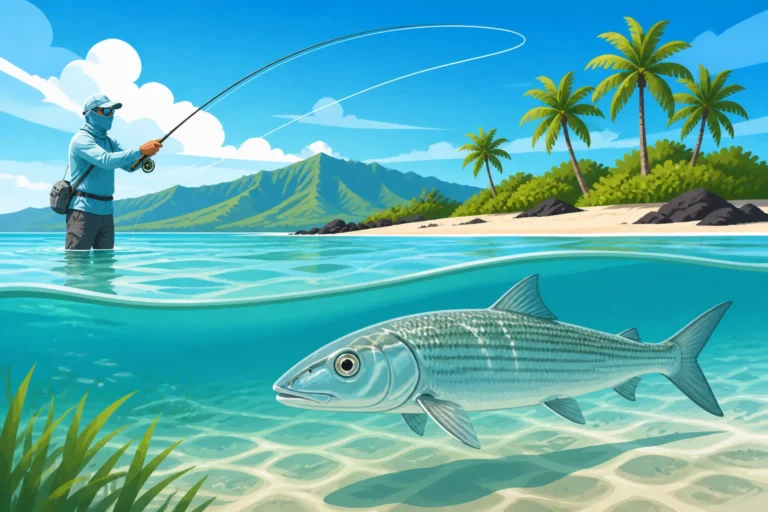
Fishing here requires a lighter touch, both in tackle and approach, to respect the general beach-goers. Light spinning gear with small, natural baits like shrimp or small cut bait is usually best. Focus your efforts around any rocky outcroppings or areas where the sand meets the scattered coral heads. Fly fishing for bonefish is also a possibility on some of the shallower flats, though it takes patience and keen eyes. If you’re new to Hawaiian fishing or prefer the guidance of an expert, consider booking a localized shore fishing guide on FishingBooker to help you navigate these areas and understand the etiquette.
Baldwin Beach Park
Located on Maui’s North Shore near Paia, Baldwin Beach Park offers a long, wide expanse of sandy beach, typically experiencing more wave action than the South Maui spots. This beach is popular with locals for exercise and relaxation, and it also holds great potential for shore anglers, particularly for Ulua and Papio, especially where the sand gives way to rocky points or channels.
The more active surf here means you'll likely want slightly heavier tackle than the calmer South Maui beaches. Long rods for surf casting are ideal to get your bait out past the breaking waves. Similar to Sandy Beach on Oahu, live bait is highly effective, but fresh cut bait can also yield good results. Pay attention to the currents and any rips, as these can be productive pathways for fish. While the focus here might be on larger game fish, don't overlook the potential for smaller catches near the edges of the beach where the sand blends into rocky areas. For specific gear recommendations, you might find tips in a guide on Shore Fishing Techniques for Hawaii.
The Big Island’s Diverse Sandy Fishing Havens
The Big Island of Hawaii is a land of extremes, from volcanic landscapes to lush rainforests, and its beaches are just as varied. While black sand beaches are famous, the island also boasts some truly spectacular white and gold sand beaches that offer excellent fishing opportunities for those willing to explore.
Hapuna Beach State Recreation Area
Regularly ranked among the best beaches in the world, Hapuna Beach on the Kona-Kohala Coast is known for its expansive white sand and clear, blue waters. While popular for swimming and bodyboarding, particularly in the summer, it can also be a productive fishing spot, especially during quieter times or at the ends of the main beach where rocky lava points emerge. Here, you'll be targeting papio, smaller ulua, and various reef fish.
Shore casting from the sandy areas, especially near the rocky lava flows that define the northern and southern boundaries of the beach, can be very fruitful. Light to medium spinning tackle with bait like fresh shrimp, squid, or small artificial lures are effective. During the winter months, when the surf picks up, larger ulua might move closer to shore. Always be mindful of swimmers and other beachgoers, and try to cast away from crowded areas. The crystal-clear water here allows for some incredible sight fishing opportunities, especially for schools of smaller baitfish that attract predators.
Kua Bay (Maniniʻowali Beach)
A hidden gem just north of Kona International Airport, Kua Bay offers breathtaking turquoise waters and soft white sand. It’s a popular spot for locals and visitors alike, especially on weekends. Despite its popularity, the fishing can be excellent, particularly along the rocky edges that flank the sandy cove. This is a great place for papio, and potentially a surprise ulua or kumu.
Similar to other sandy-to-rocky transition zones, the best fishing is often found where these two habitats meet. Light tackle and small live baits or cut bait are ideal. Casting jigs or small topwater lures for papio during sunrise or sunset can be exhilarating. The clarity of the water at Kua Bay means fish can be easily spooked, so a stealthy approach is often rewarded. It’s a relatively small beach, so finding an uncrowded spot might require an early start.
Anaehoʻomalu Beach (A-Bay)
A-Bay, located near Waikoloa Village, is a picturesque palm-fringed sandy beach known for its ancient Hawaiian fishponds and calm, shallow waters. The beach itself is a mix of sand and scattered coral, making it an interesting spot for both reef and sandy bottom dwellers. It’s a fantastic place for family fishing, targeting papio, various small reef fish, and sometimes small moi.
The calm conditions and shallow depths make A-Bay ideal for light tackle fishing. Pieces of shrimp, squid, or bread fished on small hooks can yield consistent action. Focusing your efforts near the edges of the fishponds or where the sand gives way to rocky patches can be productive. While not known for massive game fish, the consistent smaller catches and the beautiful, relaxed atmosphere make it a perfect spot for a leisurely fishing session. For those interested in a guided experience, especially if you’re exploring different areas on the Big Island, searching on FishingBooker can connect you with local experts who know A-Bay’s nuances.
Kauai’s Serene Sandy Fishing Shores
Kauai, the "Garden Isle," is known for its lush landscapes and dramatic cliffs, but it also features stunning sandy beaches that offer some truly serene and productive fishing. The quieter atmosphere on many of Kauai's beaches makes for a very relaxing angling experience.
Poipu Beach Park
Poipu Beach on Kauai's South Shore is a popular, crescent-shaped sandy beach consistently rated among the best in the nation. It's naturally divided by a sandbar that often creates a protected wading area on one side and a more open bay on the other. This diverse environment, with its mix of sand and coral reef, makes it an excellent spot for a variety of fish. You can expect to catch papio, kumu, weke, and even small moi in the calmer areas.
Fishing here is generally done with light tackle, casting small pieces of bait (shrimp, squid) or small artificial lures into the deeper channels or along the edges of the visible reef patches. The calmer side of the beach is ideal for beginners and kids, offering a good chance at consistent bites. The more open side might yield larger papio or even an occasional ulua, especially during higher tides. As with any popular swimming beach, always be considerate of other beach users and choose less crowded spots or times to cast your line.
Hanalei Bay
Hanalei Bay, on Kauai's North Shore, is truly a sight to behold—a vast, crescent-shaped sandy bay backed by majestic mountains. While famous for surfing in the winter, the calmer summer months offer incredible opportunities for shore anglers. The expansive sandy bottom gradually deepens, and the edges of the bay feature rocky points and the mouth of the Hanalei River, all of which attract fish. Papio and moi are common targets, along with various other nearshore species.
For fishing in Hanalei, a medium-light to medium setup is usually appropriate. Casting from the sandy beach with bait such as shrimp, squid, or fresh cut fish is a standard approach. The areas near the Hanalei Pier and the river mouth are often hotspots, as these structures and currents concentrate baitfish. If you're using lures, small spoons or soft plastics can be effective for covering more water and enticing papio. The sheer beauty of the location makes any fishing trip here a memorable one, regardless of the size of your catch.
Salt Pond Beach Park
Located on Kauai's Southwest side, Salt Pond Beach Park is a local favorite, particularly known for its traditional Hawaiian salt production. This protected, crescent-shaped sandy beach is calm and clear, making it a fantastic spot for family outings and casual fishing. The sandy bottom interspersed with rocky patches provides habitat for a variety of reef fish, papio, and small moi.
Fishing here is best done with light tackle and natural baits, similar to Poipu. The calm waters allow for easy casting and observation of fish activity. Anglers often find success by targeting the edges of the protected cove, especially where any rocky structure or deeper water is present. It’s a great place to relax, enjoy the unique cultural aspect of the salt ponds, and enjoy some peaceful fishing without the crowds of more tourist-heavy spots.
Essential Gear and Techniques for Sandy Beach Fishing
Successfully fishing sandy beaches in Hawaii often comes down to having the right gear and understanding a few key techniques. While you don't need a boat or specialized deep-sea equipment, tailoring your setup to these environments will significantly improve your chances.
Recommended Rod and Reel Setups
For most sandy beach fishing, especially for species like papio, moi, and smaller reef fish, a medium-light to medium action spinning rod, around 7-9 feet in length, paired with a 3000-4000 size spinning reel, is a versatile choice. Spool it with 10-20 lb braided line, which offers excellent casting distance and sensitivity, and a fluorocarbon leader of 15-30 lb test for abrasion resistance and stealth. This setup allows for casting lighter baits and lures while still having enough backbone to handle a decent-sized fish.
If you're specifically targeting larger Ulua from exposed beaches with heavier surf, like Sandy Beach on Oahu or Baldwin Beach on Maui, you'll want to step up your gear significantly. This means a heavy-duty surf rod, typically 10-14 feet long, capable of casting heavy weights (4-8 ounces) and large baits. Pair this with a robust surf casting reel, often a conventional (baitcasting) reel, spooled with 30-80 lb braided line, and a shock leader of 80-150 lb monofilament to absorb the force of casting heavy rigs. This setup is designed to punch through waves and hold bottom in strong currents.
Effective Bait and Lure Strategies
When fishing sandy beaches, your bait and lure choices should reflect what the local fish are feeding on. Natural baits are almost always a solid bet.
- Shrimp: Fresh, frozen, or even live shrimp are irresistible to almost any fish on a sandy bottom, from papio to moi and various reef dwellers. Small pieces on a size 4-8 hook are deadly.
- Squid: Cut squid is another universal bait. Its toughness keeps it on the hook longer, and many species readily take it.
- Cut Fish: Small pieces of fresh baitfish like opelu, akule, or even an earlier catch can be incredibly effective for larger papio and ulua. For ulua, whole or large chunks of baitfish like halalu or small mullet are common.
- Worms: While not as commonly used by visitors, various marine worms are natural forage and can be very effective if you can find them.
- Artificial Lures: For papio, small spoons (like Kastmasters or Apex), soft plastic swimbaits, and small topwater poppers or walk-the-dog lures can be extremely exciting. Try to match the size and color of local baitfish. For Ulua, larger poppers or stickbaits can work, but most trophy ulua are caught on bait.
Understanding the Hawaii Fishing Season Dates and Closures can also help you predict which species might be more active and what baits they might be keying on.
Mastering Shore Casting Techniques
Shore casting from a sandy beach typically involves two main techniques: light casting for smaller species and heavy surf casting for larger game fish.
- Light Casting: For smaller fish in calmer waters, a simple overhead cast or sidearm cast is usually sufficient. Aim for areas of discoloration in the water, indicating deeper channels, or cast along the edges where sand meets rock. A slow, steady retrieve of lures, or letting bait sit on the bottom with a small weight, often works best.
- Heavy Surf Casting: This requires more power and precision. The goal is to get your bait out beyond the breaking waves and into the deeper water where larger fish patrol. Techniques like the "pendulum cast" or "off-the-ground cast" are used by experienced anglers to launch heavy rigs over long distances. It's a skill that takes practice, but once mastered, it significantly opens up your options for larger catches. Be aware of your surroundings, as these heavy casts can be dangerous if not executed properly.
Common Fish Species on Hawaii's Sandy Beaches
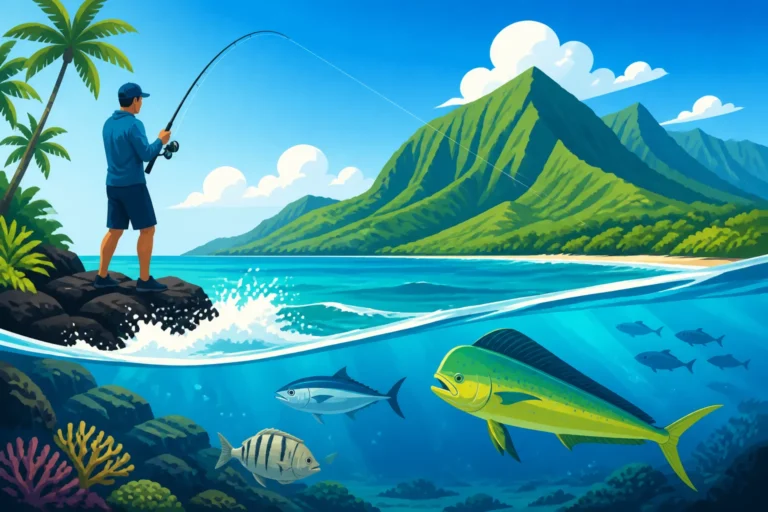
Hawaii's sandy beaches host a fascinating array of fish species, each with its own charm and challenge for the angler. Knowing what you're likely to encounter helps in tailoring your approach.
Papio and Ulua (Trevally Species)
Papio are juvenile trevally, and they are one of the most common and exciting catches from Hawaii's sandy beaches. They are aggressive, strong fighters for their size, and can be caught on a variety of baits and lures. As they grow, papio become ulua (Giant Trevally), a highly prized game fish known for its incredible power and size. Catching a large ulua from shore is considered a significant achievement among local anglers. These fish often patrol the surf zone and transition areas where sand meets rock.
Targeting papio is often done with lighter tackle, casting small lures or bait pieces along sandy flats and reef edges. For ulua, especially the larger ones, heavy surf casting gear with large live or cut baits is the norm, often fished at night or during strong currents. You can learn more about how to specifically target them in our guide on How to Catch Ulua from Shore or How to Catch Papio on Hawaii's Shoreline.
Moi (Pacific Threadfin)
Moi are highly regarded for their delicate flavor and are a true treat to catch. These beautiful fish with distinctive thread-like fins prefer sandy bottoms, often in the surf zone, and can be found on many of Hawaii's sandy beaches. They are generally caught using light tackle and small, natural baits like shrimp or small pieces of cut fish. Moi can be a bit finicky, requiring a subtle approach, but the reward is well worth the effort.
Moi fishing often involves float fishing, where a small float keeps your bait just off the bottom, or a simple bottom rig with a light sinker. They tend to school, so if you catch one, there are often more around. However, it's crucial to be aware of regulations, as moi have a strict closed season and minimum size limits to protect their populations. For detailed information, consult our article on Moi (Pacific Threadfin) in Hawaii.
Reef Fish and Baitfish
Beyond the target species, you'll encounter a diverse range of smaller reef fish around sandy beaches, especially where the sand meets rocky structures or coral. These can include various species of goatfish (kumu, weke), wrasse, and small triggerfish. While many of these are smaller, they provide consistent action and are often good for eating.
Additionally, sandy beaches are often excellent places to find baitfish schools, such as halalu (juvenile akule) or opelu. These schools are crucial to the food chain and their presence indicates an active ecosystem, often attracting larger predators. Observing baitfish activity can be a key indicator of where to cast your line for bigger game.
Safety and Regulations for Sandy Beach Fishing
Before heading out to any of these amazing spots, it's paramount to prioritize safety and ensure you're compliant with all local regulations. Hawaii has unique marine environments and specific rules designed to protect both anglers and the fragile ecosystem.
Essential Safety Considerations
Fishing from shore, especially on sandy beaches with surf, comes with inherent risks.
- Ocean Conditions: Always check the surf report and weather forecast before you go. Strong currents, large waves, and unpredictable surges can be dangerous. Never turn your back on the ocean.
- Footing: Even on sandy beaches, there can be slippery rocks or uneven terrain, especially near transition zones. Appropriate footwear (reef shoes or sturdy sandals) is highly recommended.
- Sun Protection: The Hawaiian sun is intense. Wear sunscreen, a hat, and UV-protective clothing, even on cloudy days.
- Hydration: Bring plenty of water to stay hydrated, especially during long sessions.
- Know Your Limits: Don't venture into areas you're uncomfortable with, especially if you're not a strong swimmer or unfamiliar with local ocean dynamics.
If you plan on spending extended time on the water, consider reviewing an article like What to Bring on a Hawaii Fishing Charter for general preparation tips that apply to shore fishing too.
Hawaii Fishing Regulations and Licensing
Hawaii's fishing regulations are designed to sustain its unique marine resources. Ignorance of the rules is not an excuse, and penalties for violations can be steep.
- Marine Fishing License: While traditionally not required for recreational marine fishing from shore for residents, regulations can change. It's always best practice to check the current requirements. For non-residents, a marine fishing license is now required for shoreline and boat-based fishing in most cases. Make sure to consult the Hawaii Fishing License Guide for 2026 for the most up-to-date information.
- Bag and Size Limits: Many species have strict bag and size limits to ensure sustainable populations. This includes moi, ulua, papio, and many reef fish. Always verify the limits for the specific species you are targeting. A great resource is Hawaii Bag and Size Limits by Species.
- Closed Seasons and Areas: Certain species have closed seasons (e.g., moi), and specific areas, such as Marine Life Conservation Districts (MLCDs), have strict fishing prohibitions or restrictions. Always be aware of your location and any special rules that apply. You can learn more about these protected areas in Hawaii Marine Life Conservation Districts, Explained.
- Prohibited Methods: Certain fishing methods are illegal in Hawaii, such as using poisons or explosives. Be sure to use legal and ethical fishing practices.
By respecting the ocean, its inhabitants, and the local regulations, you ensure that these incredible sandy beach fishing opportunities will be available for generations to come.
Table of Top Sandy Beach Fishing Spots & Target Species
Here's a quick overview of some of the best sandy beach fishing spots across the Hawaiian Islands and the primary species you might encounter.
| Island | Beach Name | Primary Target Species (Common) | Best Time to Fish | Typical Tackle | Unique Feature/Note |
|---|---|---|---|---|---|
| Oahu | Sandy Beach Park | Ulua, Papio, Akule | Dawn/Dusk, Night | Heavy Surf | Famous for big surf; strong currents. |
| Kailua Beach Park | Papio, Moi, small Reef Fish | Morning, High Tide | Light Spinning | Calm, clear waters; near offshore islets. | |
| Ala Moana Beach Park | Papio, Moi, small Reef Fish | Anytime, especially Eve | Light Spinning | Urban access; calm, protected waters. | |
| Maui | Kamaole Beaches (Kihei) | Papio, Moi, Kumu | Dawn/Dusk | Light/Medium Spinning | Sand meets scattered reef; good for wading. |
| Wailea Beach | Papio, small Reef Fish | Early Morning | Light Spinning | Pristine resort beach; sight fishing potential. | |
| Baldwin Beach Park | Ulua, Papio | Dawn/Dusk | Medium/Heavy Surf | North Shore waves; good for heavier casting. | |
| Big Island | Hapuna Beach | Papio, small Ulua, Reef Fish | Morning | Light/Medium Spinning | Expansive white sand; rocky points at ends. |
| Kua Bay (Maniniʻowali) | Papio, Kumu | Morning/Late Afternoon | Light Spinning | Turquoise water; rocky edges. | |
| Anaehoʻomalu Beach (A-Bay) | Papio, Moi, small Reef Fish | Anytime, calm | Light Spinning | Calm, shallow waters; near ancient fishponds. | |
| Kauai | Poipu Beach Park | Papio, Moi, Kumu | Morning, High Tide | Light Spinning | Protected by sandbar; diverse habitat. |
| Hanalei Bay | Papio, Moi | Summer (calmer), Dawn/Dusk | Medium Light Spinning | Picturesque bay; river mouth access. | |
| Salt Pond Beach Park | Papio, small Reef Fish | Anytime, calm | Light Spinning | Traditional salt ponds; calm, clear water. |
Final Thoughts on Your Sandy Beach Fishing Adventure
Hawaii's sandy beaches offer a truly magical angling experience, whether you're chasing trophy ulua or simply enjoying the peaceful rhythm of the waves while waiting for a papio bite. The key to a successful and enjoyable trip lies in respecting the environment, understanding local regulations, and adapting your techniques to these unique coastal areas. So pack your gear, grab your license, and prepare to discover the incredible fishing that awaits on the sun-drenched sandy shores of Hawaii. Who knows, you might just find your new favorite spot to cast a line!
Disclaimer
Please be aware that fishing regulations in Hawaii are subject to change. It is your responsibility to consult the most current rules and regulations published by the Hawaii Division of Aquatic Resources (DAR) before engaging in any fishing activities. This guide is for informational purposes only and should not be considered a substitute for official government regulations. Always prioritize safety when fishing near the ocean.