Best bonefishing spots near Sand Island
It can feel incredibly daunting, trying to pinpoint those elusive honey holes for bonefish when you're visiting a place as popular as Oahu. Many anglers dream of battling the powerful "oio" on the flats, but knowing exactly where to go, especially in urban-adjacent areas, can be a real head-scratcher. This guide is designed to cut through the guesswork, offering you a detailed look at the best bonefishing spots right near Sand Island, along with the insider tips you'll need to succeed.
Why Sand Island is a Bonefishing Hotspot
Sand Island, often seen by many as simply a public recreation area or an industrial zone near Honolulu Harbor, holds a secret for keen anglers: it's a gateway to some truly fantastic bonefishing opportunities. The unique geography here, with its expansive shallow flats, tidal channels, and proximity to deeper water, creates an ideal environment for Albula glossodonta, our beloved oio or bonefish. These fish, known for their incredible speed and fighting power, thrive in these nutrient-rich, protected waters. It's a prime location where baitfish abound, and the bottom structure provides ample hiding and feeding grounds for bonefish, making it a compelling destination for both fly and spin anglers.
Understanding the Unique Ecosystem of Sand Island Flats
The flats surrounding Sand Island are a complex mosaic of sand, mud, and sparse coral rubble, all characteristic of a healthy bonefish habitat. What makes these flats particularly special is their transition zones – where the shallow, sun-drenched areas slowly deepen into the channels and the mouth of Keehi Lagoon. These zones are critical, as bonefish will move between the deeper, cooler water and the warmer, shallower feeding grounds based on tidal movements and foraging needs. The dark, silty bottoms found in some areas retain heat, attracting small crustaceans and worms, which are primary food sources for oio. The presence of these varied bottom types and depths, combined with a steady flow of nutrients from the adjacent Keehi Lagoon and offshore currents, creates a robust ecosystem that supports a healthy population of bonefish. Understanding these subtle distinctions in the flats is key to locating where the fish might be holding or moving.
Tidal Influences and Bonefish Behavior
Anyone who has spent time chasing bonefish will tell you that tides are everything. Near Sand Island, the tidal swings, though not as dramatic as some other coastlines, are crucial for successful bonefishing. Bonefish are opportunistic feeders, and they use the incoming tide to push up onto the shallow flats, searching for crabs, shrimp, and other invertebrates that become accessible with the rising water. As the tide recedes, they often funnel back into the safety of deeper channels and pockets, becoming concentrated in more predictable areas. An incoming tide, especially a strong one, can activate these fish, making them more aggressive feeders and often easier to spot as they tail and root around for food. Conversely, a rapidly outgoing tide can make fishing tougher, as the fish become more cautious and retreat. Learning to read the tides and understanding how they affect the specific contours of the Sand Island flats is paramount; it’s the difference between a frustrating day of empty casts and an exhilarating one filled with screaming reels. Always check the local tide charts before you head out.
Top Bonefishing Locations Around Sand Island
While the entire perimeter of Sand Island and the adjacent Keehi Lagoon offers potential, there are specific areas that consistently produce better results for bonefish. These aren't secret spots, but rather areas that offer better access, more favorable bottom structure, or consistent fish presence due to their unique features. Targeting these proven zones will significantly increase your chances of hooking into one of Hawaii's prized "ghosts of the flats." Remember, stealth and observation are your best friends in these environments. For a broader overview of prime spots across the islands, check out our guide on the Best Bonefishing Spots in Hawaii.
The Inner Harbor and Channel Edges
The inner channels and edges where the waters around Sand Island meet the main Honolulu Harbor channel can be incredibly productive, especially during tidal movements. While you might not be wading here, these areas are perfect for spin fishing from accessible points or small boats. Bonefish often patrol these edges, ambushing baitfish or foraging along the drop-offs. Look for subtle current breaks or areas where the channel edge features a slight sandbar or rocky patch. These spots act as natural funnels for both bait and bonefish. Early mornings and late evenings, particularly on a strong incoming or outgoing tide, are prime times. The water here can be a bit murkier than the open flats, requiring a different approach, often relying more on casting into likely holding spots rather than pure sight fishing. Using heavier jigs or baits that can get to the bottom quickly without being swept away by the current can be effective.
The Keehi Lagoon Connection
Directly bordering Sand Island, Keehi Lagoon is practically synonymous with bonefishing on Oahu. This vast, shallow body of water is a legendary spot for its abundant and often large bonefish. Anglers can access numerous flats within Keehi Lagoon, both by wading from various shoreline access points on Sand Island or by launching a kayak or small boat. The flats here are extensive, offering endless opportunities for sight fishing. Look for areas with a mix of sand, mud, and sea grass patches. Bonefish will cruise these areas, often in small schools, or individually tailing as they feed. The challenge in Keehi Lagoon is the sheer size; it can be overwhelming. Focusing on areas near the deeper channels or points that jut into the lagoon can help narrow down your search. This is truly a wade-fisherman's paradise, but be mindful of boat traffic and respect private property boundaries around the lagoon. You can dive deeper into specific tactics with our Best Bonefishing Techniques for Oahu Flats article.
Accessible Shoreline Flats and Wade-Fishing Zones
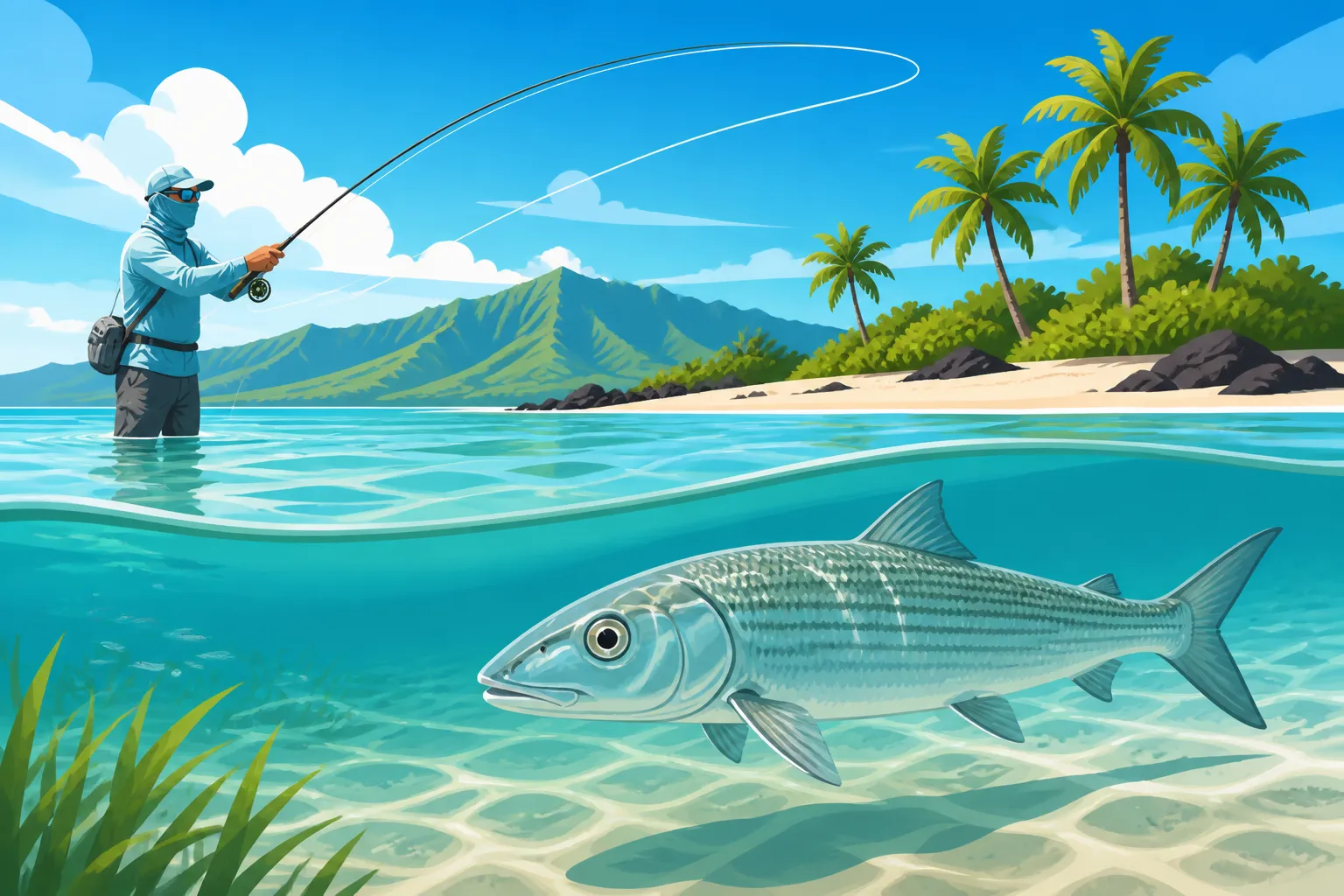
For the shore-bound angler, the shallower flats on the Ewa (west) side of Sand Island, particularly within the Sand Island State Recreation Area, provide excellent wade-fishing opportunities. These flats are typically shallower and more protected, making them ideal for stalking fish on foot. You can often spot bonefish tailing in just inches of water here, especially on the early incoming tide. Parking is usually available within the recreation area, offering convenient access to these productive zones. When wading, move slowly and deliberately, keeping the sun at your back if possible to aid in spotting fish. The key is patience and a keen eye. Look for subtle movements, shadows, or "tails" breaking the surface as bonefish feed. These areas are also great for practicing your casting, as bonefish here can be notoriously spooky, requiring long, accurate, and gentle presentations. If you're new to this, learning proper Wading Techniques for Hawaii Shore Fishing can make all the difference.
Essential Techniques and Gear for Sand Island Bonefish
Bonefishing, especially in a pressured area like Sand Island and Keehi Lagoon, demands a thoughtful approach. These fish are wary, powerful, and notoriously challenging, which is precisely why they're such a coveted catch. Having the right gear and understanding effective techniques will dramatically improve your success rate and minimize frustration. It’s not just about getting a line in the water; it’s about presenting it precisely and subtly.
Recommended Tackle and Lures for Oio
For fly anglers, a 7-8 weight fly rod paired with a matching saltwater reel and a weight-forward floating line is the standard setup. A 9-12 foot fluorocarbon leader with a 10-12 lb tippet is ideal for presentation and stealth. When it comes to flies, classics like the tan or pink Crazy Charlie, bonefish Gotcha, or a small, weighted Clouser Minnow (in tan/white or chartreuse/white) are consistently effective. Make sure your flies are weighted enough to get to the bottom quickly but not so much that they sink like a stone and spook the fish.
Spin fishermen will find success with a medium-light spinning rod (7-8 feet) paired with a 2500-3000 size reel spooled with 10-15 lb braided line. A 6-8 foot fluorocarbon leader of 10-15 lb test is essential for abrasion resistance and invisibility. Small, weighted jigs are your best bet. Think 1/8 to 1/4 oz lead-head jigs with soft plastic bodies resembling shrimp or small crabs, often in natural colors like tan, root beer, or clear with glitter. Alternatively, live bait like small ghost shrimp or tiny crabs, fished on a small circle hook with minimal weight, can be deadly. Using a lighter, sensitive rod will help you detect the subtle takes of these delicate feeders.
Strategic Approaches to Sight Fishing and Casting
Sight fishing is the pinnacle of bonefishing, especially on the clear flats of Keehi Lagoon. This involves actively scanning the water for fish before casting. Look for movement, shadows, subtle wakes, or the tell-tale "tailing" as bonefish dig for food on the bottom. Once you spot a fish or a school, the cast is critical. You want to present your fly or jig gently, 3-5 feet ahead of the fish's direction of travel, allowing it to sink naturally to the bottom before the fish reaches it. This avoids spooking them with a direct hit. A slow, subtle retrieve, mimicking a foraging shrimp or crab, is usually best. If the fish don't react, try a slight twitch or pause. Bonefish can be incredibly selective, so sometimes changing fly size or color, or even just the retrieve speed, can make a huge difference. Accurate casting under pressure is a skill honed over time, and these flats are an excellent place to practice. For more generic advice on casting and presentation, our Shore Fishing Techniques for Hawaii guide has some good pointers.
Best Times and Conditions for Success
Timing is everything in bonefishing. While bonefish can be caught year-round in Hawaii, certain conditions stack the odds in your favor. As mentioned, an incoming tide, particularly during the first few hours of the flood, is often the most productive. The rising water brings in fresh food and covers new feeding grounds. Overcast conditions can sometimes make bonefish less spooky and easier to approach, but bright sun with polarized sunglasses is best for spotting them. Early mornings and late afternoons are generally more productive than the harsh midday sun, as fish tend to be more active and less prone to hiding in deeper water during these cooler periods. Calm winds are also a huge advantage, as choppy water makes spotting fish incredibly difficult. If it's too windy, consider fishing the more protected inner harbor areas. If you're planning a trip, consider consulting our Best Time of Year to Fish in Hawaii guide for broader seasonal insights.
Navigating Regulations and Ethical Practices
Fishing in Hawaii, especially in accessible and popular areas like Sand Island, comes with specific responsibilities. It's not just about catching fish; it's about preserving the resource for future generations and respecting the local environment and community. Understanding and adhering to regulations and practicing ethical angling are crucial.
Understanding Hawaii's Fishing License Requirements
One of the most common questions newcomers have is whether they need a license to fish in Hawaii. For marine (ocean) recreational fishing, generally, you do not need a license if you are a resident, or if you are fishing for recreational purposes in most marine waters. However, there are specific exemptions and situations where a license might be required, especially for freshwater or if you intend to sell your catch. It’s always best to stay updated, as regulations can change. For instance, while most marine recreational fishing is license-exempt for residents, non-residents might face different rules for certain types of fishing or if regulations change in the future. It's essential to consult the Hawaii Department of Land and Natural Resources (DLNR) Division of Aquatic Resources (DAR) for the most current information. We've compiled detailed resources, including a Hawaii Fishing License Guide for 2026 and Do You Need a Fishing License in Hawaii to help you navigate these requirements seamlessly. Knowing these rules ensures your trip is enjoyable and hassle-free.
Practicing Catch and Release for Bonefish
Bonefish are primarily targeted for their sporting qualities rather than their table fare, and as such, catch and release is highly encouraged, especially in pressured areas like Sand Island and Keehi Lagoon. These fish grow slowly, and maintaining a healthy population is vital for the ecosystem and future angling opportunities. When you do catch a bonefish, handle it with care. Minimize its time out of water, use wet hands when handling, and support its body weight. If possible, avoid placing it on hot, dry surfaces. Use de-barbed hooks to facilitate easier release and reduce injury. Once you've taken a quick photo, gently revive the fish by holding it upright in the water, facing into the current, until it swims away under its own power. This commitment to conservation ensures that the "ghosts of the flats" continue to thrive for years to come.
Respecting the Environment and Other Anglers
Sand Island is a public recreation area, meaning you'll likely encounter other anglers, picnickers, and beachgoers. Courtesy goes a long way. Maintain a respectful distance from other anglers, especially if they are sight fishing, which requires quiet and minimal disturbance. Pack out everything you pack in, and dispose of all trash properly. This includes discarded fishing line, which can be lethal to wildlife. Avoid disturbing protected wildlife such as Hawaiian Monk Seals or sea turtles, maintaining a safe and legal distance. Remember that fishing is a privilege, and responsible behavior is key to maintaining access to these beautiful and productive waters. For those unfamiliar with local customs or keen to learn from experienced hands, searching for local bonefishing guides through platforms like FishingBooker can provide valuable insights into both the fishing and the local etiquette, enhancing your overall experience.
Comparing Bonefishing Spots Near Sand Island and Keehi Lagoon
To give you a clearer picture of the nuances between the prime bonefishing areas near Sand Island, here's a handy comparison table. This should help you decide where to focus your efforts based on your preferred fishing style and conditions.
| Spot Name | Primary Access Type | Bottom Type / Habitat | Best Tidal Condition | Key Features / Notes | Target Angler Type |
|---|---|---|---|---|---|
| Sand Island Flats (Ewa side) | Wade / Shore | Sand, mud, sparse coral | Incoming tide | Extensive shallow flats, good for sight fishing, accessible from Recreation Area. | Fly, Spin (Wade) |
| Keehi Lagoon Flats | Wade / Kayak | Mud, sand, seagrass | Incoming tide | Vast flats, known for large bonefish, requires stealth and patience. | Fly, Spin (Wade) |
| Inner Harbor Channels | Shore / Small Boat | Deeper channels, drops | Strong tides | Murkier water, fish patrol edges, good for blind casting or live bait. | Spin, Bait |
| Sand Island Boat Ramps | Shore | Sand, broken coral | Incoming tide | Fish can congregate near structure, easy access, occasional boat traffic. | Spin, Bait |
Remember that while this table offers a general guide, bonefish are opportunistic and can be found almost anywhere food is available and they feel safe. Flexibility and adaptability are always key to successful angling. If you're feeling overwhelmed and prefer expert guidance, exploring options on FishingBooker for a local bonefishing guide might be a great starting point, especially for navigating the vastness of Keehi Lagoon.
Disclaimer
Please remember that fishing regulations in Hawaii, including bag limits, size restrictions, and protected species, can change. Always consult the most current regulations from the Hawaii Department of Land and Natural Resources (DLNR) Division of Aquatic Resources (DAR) before heading out. This guide is for informational purposes only and does not constitute legal advice. Safe boating and fishing practices are your responsibility.