Best fishing spots in the Ko Olina area
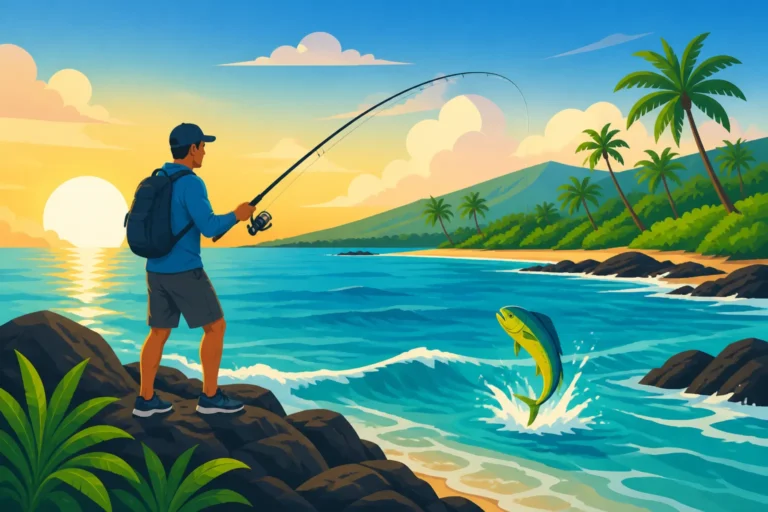
Heading to the beautiful Ko Olina area on Oahu, many visitors and even kamaʻāina find themselves gazing at the inviting Pacific and wondering, "Can I actually fish here?" It's a valid question, as the pristine resort lagoons and luxurious surroundings can make fishing feel off-limits or confusing. This guide is here to unravel those uncertainties, helping you pinpoint the best fishing spots in and around Ko Olina and offering practical advice to make your angling dreams a reality.
Navigating Fishing Opportunities in the Ko Olina Area
The Ko Olina Resort area is famous for its stunning man-made lagoons, luxury hotels like the Aulani Disney Resort and Four Seasons, and meticulously manicured grounds. While these areas are undeniably beautiful, they also come with specific rules and limitations that can make fishing directly within the resort challenging or even prohibited. It’s a common frustration for anglers who just want to wet a line in such a picturesque setting. However, understanding where the public access points are and what options lie just beyond the resort's immediate boundaries opens up a world of possibilities for both casual and serious fishing enthusiasts.
Understanding Ko Olina's Lagoon Rules and Public Access
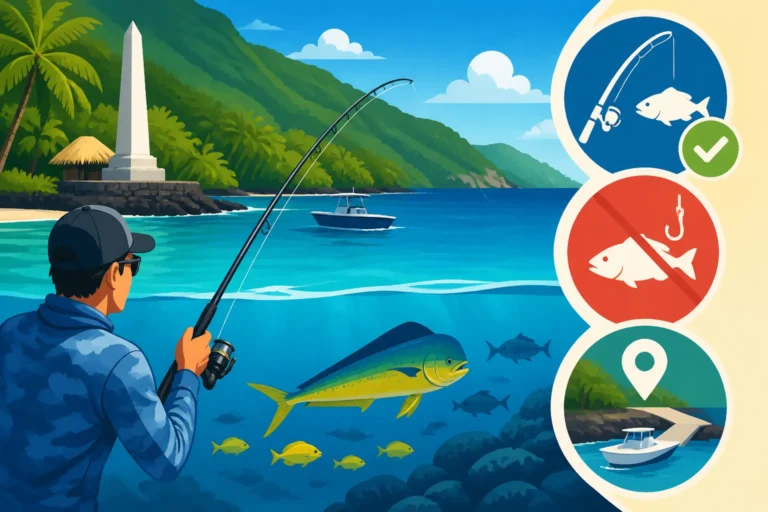
The four famous Ko Olina lagoons (Kohola, Honu, Naiʻa, and Ulua) are primarily designed for swimming, snorkeling, and other resort-sanctioned water activities. Due to the high volume of swimmers, the presence of marine life viewing programs, and the desire to maintain a pristine, safe environment for guests, direct fishing within the lagoons is generally not permitted. Attempting to cast a line or net within these areas could lead to a quick conversation with security, and nobody wants their vacation interrupted by a misunderstanding!
However, the laws in Hawaii are pretty clear about public shoreline access. While you might not be able to fish in the resort lagoons, the public has the right to access the shoreline around much of the islands. This means that while walking through resort property to reach the ocean, you’re often permitted, but fishing activities still need to respect immediate resort boundaries and regulations. It’s always best to err on the side of caution and look for designated public access points or areas explicitly outside the resort’s immediate, heavily managed zones to avoid any issues. For comprehensive information on Hawaii's fishing regulations, it's a good idea to check out resources like the Hawaii Fishing License Guide for 2026.
Shoreline Hotspots Beyond the Resorts
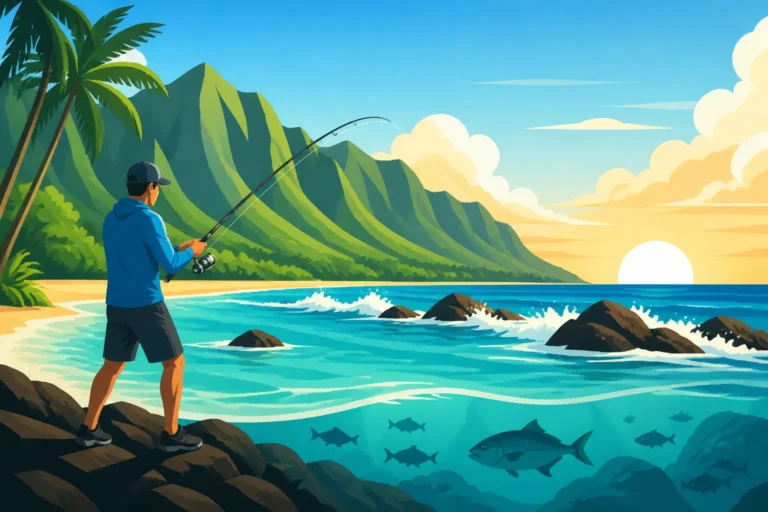
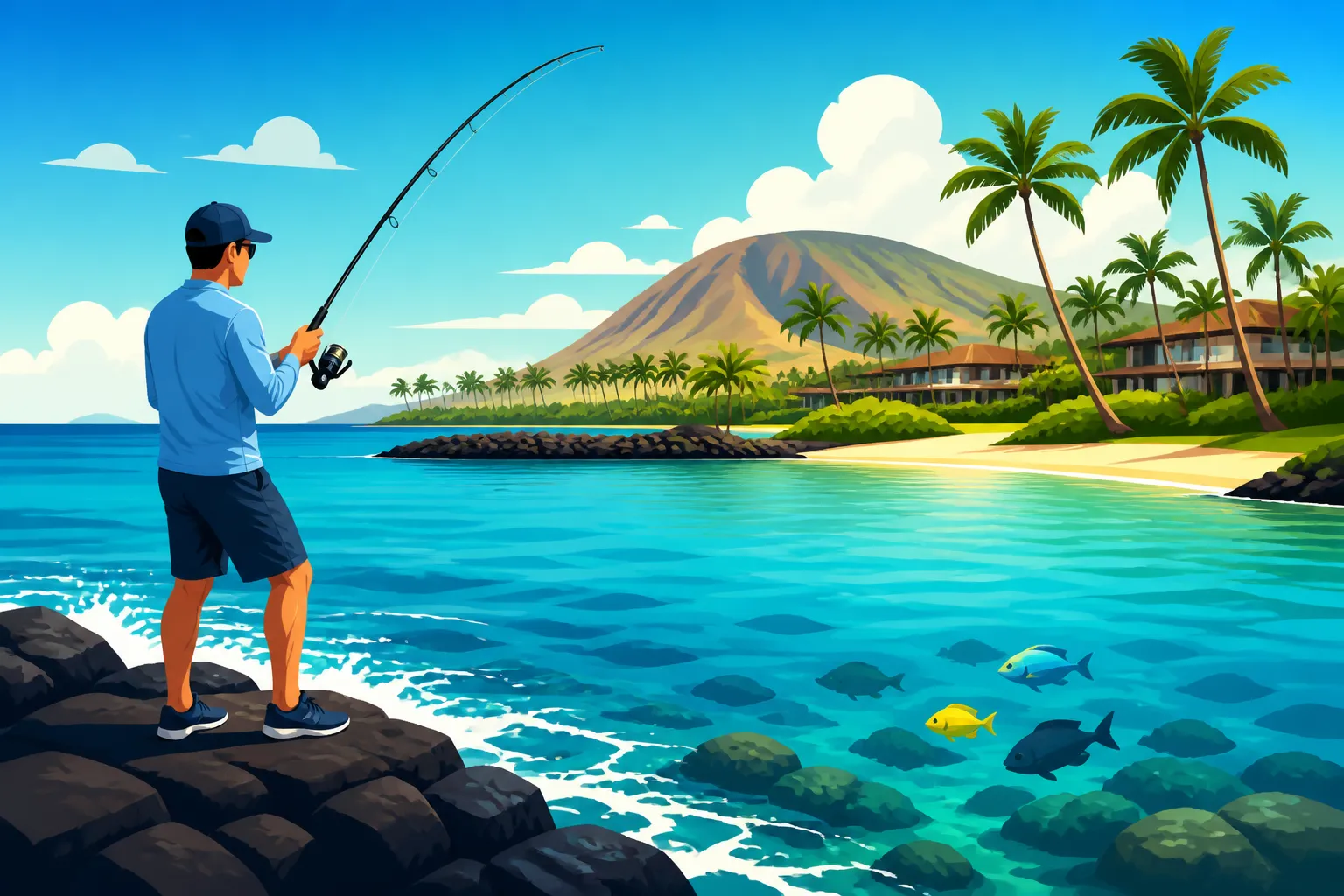
Once you venture just outside the most heavily trafficked resort areas, Ko Olina offers some excellent public shoreline fishing opportunities. To the north and south of the main lagoons, you'll find stretches of rocky coastline and smaller, less developed beaches that are perfect for casting a line. These spots provide a more authentic local fishing experience, away from the crowds.
One popular area is the shoreline extending north from the last Ko Olina lagoon towards Kahe Point Beach Park, often locally known as "Electric Beach" due to the power plant's warm water outflow. While not directly adjacent to the Ko Olina lagoons, it's a relatively short drive and offers diverse fishing prospects. The rocky structure and ledges here can hold a variety of reef fish. Further south, past the Ko Olina Marina, there are also undeveloped stretches of coastline that offer good opportunities, though access might be a bit more rugged. These areas are typically less crowded and allow for a more peaceful fishing experience, where you can target species that thrive around the natural reef formations. It's in these less-manicured areas that the true essence of Best Shore Fishing Spots in Hawaii comes alive.
Target Species and Effective Techniques for Ko Olina Shore Fishing
When you're fishing the public shorelines around Ko Olina, you're not usually going for the giant pelagics you'd find offshore. Instead, you're looking at a diverse array of reef and inshore species that put up a fantastic fight and make for delicious eating. Understanding what fish are likely to be lurking in these waters and the best ways to entice them can dramatically improve your success. It’s all about matching your gear and technique to the local environment and the habits of the fish you're pursuing.
Common Catches from Ko Olina's Nearshore Waters
The rocky points and sandy pockets just outside the main Ko Olina resort area are teeming with various inshore species. Papio, the juvenile stage of the formidable Ulua (Giant Trevally), are a common and exciting catch. These feisty fighters often patrol the surf line and reef edges, eager to strike at a well-presented lure or bait. You might also encounter various species of goatfish, known locally as Kumu and Weke, which have distinctive barbels they use to forage along the bottom.
Other catches can include smaller jacks, various types of triggerfish, and perhaps even invasive species like Taape (Blue-lined Snapper) or Roi (Peacock Grouper), which are encouraged to be harvested due to their impact on native ecosystems. Fishing for these diverse species requires a good understanding of their habitats and feeding patterns. For instance, the smaller reef fish will often be found closer to the coral or rocky structures, while the papio might be cruising more open sandy patches adjacent to the reef. Knowing your Hawaii Bag and Size Limits by Species is crucial here, even for smaller fish.
Recommended Gear and Shore Fishing Methods
For shore fishing around Ko Olina, a medium-light to medium-heavy spinning setup is usually ideal. A rod between 7 to 10 feet will give you the casting distance you need to reach productive water beyond the immediate shoreline. Pair it with a reliable spinning reel spooled with 15-30 lb braided line, along with a fluorocarbon leader of similar strength. This setup offers versatility for casting lures or bait.
When it comes to techniques, "whipping" is a popular and effective method for papio. This involves casting small, flashy lures like Kastmasters, Tady jigs, or even soft plastic grub tails on a jig head, and retrieving them with a fast, erratic action. Live or cut bait, such as limu (algae), squid, or small fish like opelu or akule, fished on a simple bottom rig or under a float, can be highly effective for goatfish, smaller jacks, and other reef dwellers. For those looking to really target the hard-fighting papio, learning How to Catch Papio on Hawaii's Shoreline will be a game-changer. Remember that Do You Need a Fishing License in Hawaii for freshwater fishing, but marine fishing for residents is generally exempt unless rules change.
Here’s a quick overview of common target species and techniques for Ko Olina's shorelines:
| Species | Typical Size (Shore) | Preferred Habitat | Best Techniques | Recommended Bait/Lure |
|---|---|---|---|---|
| Papio | 1-5 lbs | Reef edges, surf zone | Whipping, live bait | Small jigs, spoons, grubs, live opelu |
| Goatfish | 0.5-2 lbs | Sandy bottoms, reef flats | Bottom fishing | Squid, shrimp, limu, cut bait |
| Small Jacks | 1-3 lbs | Rocky points, channels | Whipping, cut bait | Small jigs, spoons, cut bait |
| Taape (Invasive) | 0.5-2 lbs | Reefs, rocky areas | Bottom fishing, bait | Shrimp, squid, cut bait |
| Roi (Invasive) | 1-5 lbs | Reefs, ledges | Bottom fishing, lures | Live bait, jigs, grubs |
Expanding Your Horizons: Offshore Fishing from Nearby Harbors
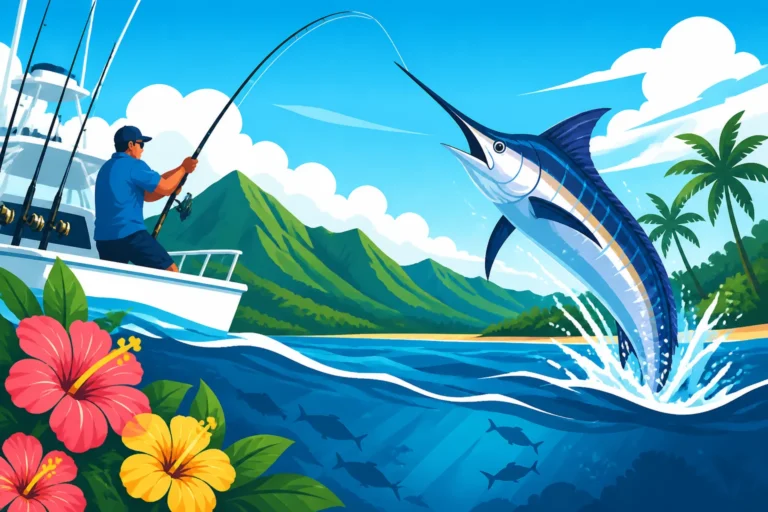
While the shoreline around Ko Olina offers fun and accessible fishing, the real big game action in Hawaii is found offshore. If your angling ambitions stretch to grander marlin, powerful ahi, or lightning-fast ono, then a deep-sea fishing charter is definitely the way to go. Ko Olina itself has a beautiful marina, but many of the serious sportfishing operations depart from other well-established harbors on Oahu that are just a short drive away.
Connecting with Charters for Pelagic Action
To chase the pelagic giants, you'll want to book a charter out of a major harbor like Kewalo Basin in Honolulu or Waianae Harbor, which is closer to Ko Olina on the west side. These harbors are home to fleets of experienced captains and crew who specialize in offshore trolling and live baiting for Hawaii's famous sportfish. Booking a charter is a fantastic way to experience the thrill of deep-sea fishing without needing your own boat or extensive local knowledge.
Platforms like FishingBooker are excellent resources for finding and comparing reputable charters. You can search for boats based on their departure location, the type of fish you want to target, and your budget. They provide detailed descriptions of the boats, what's included (like gear and bait), and often show real customer reviews, which is super helpful for making an informed decision. When planning, consider looking at an Oahu Fishing Guide to get a broader sense of the island's offerings. Many charters offer half-day, full-day, or even multi-day trips, catering to different preferences and skill levels.
Popular Offshore Species and Seasonal Considerations
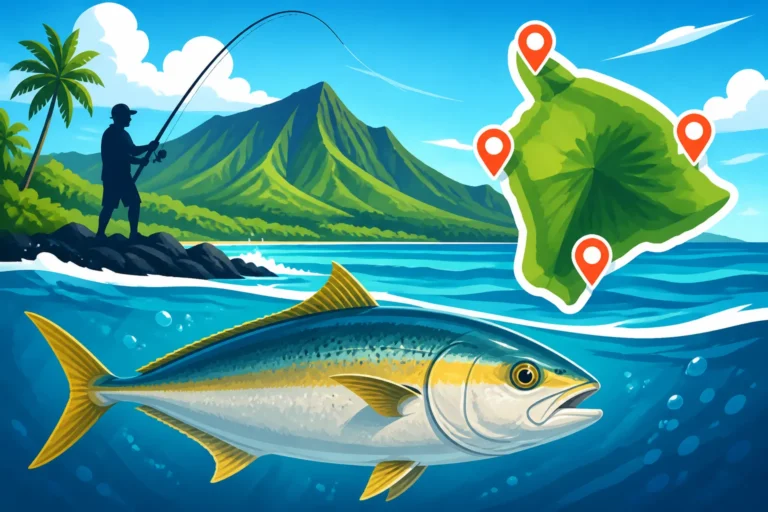
Offshore from Ko Olina, the waters drop off quickly, creating prime habitat for a wide variety of pelagic species. The most sought-after are the Pacific Blue Marlin, known for their incredible size and acrobatic fights, and the powerful Ahi (Yellowfin Tuna), which are prized for their speed and delicious meat. Ono (Wahoo) and Mahimahi (Dolphin Fish) are also common and provide exciting battles and excellent table fare.
While these species can be caught year-round, certain times of the year offer better chances for specific fish. For instance, blue marlin season generally peaks from June through August, although they are present in good numbers throughout the warmer months. Ahi can be caught throughout the year, with larger schools often encountered during summer and fall. Ono and mahimahi are typically more abundant in the warmer waters of spring and summer. Knowing the Hawaii Fishing Seasons by Month can help you plan your trip for the best chance at your target species. Always check the Hawaii Pelagic Species Bag Limits as they can change.
Essential Tips and Responsible Angling Practices for Ko Olina
Fishing in Hawaii, especially around developed areas like Ko Olina, comes with a responsibility to respect the environment, local culture, and other ocean users. By following some key guidelines and adopting responsible angling practices, you can ensure a successful and respectful fishing experience for everyone.
Gear Recommendations for Ko Olina Shore Fishing
Beyond your basic rod and reel, having the right terminal tackle is crucial for Ko Olina's rocky shorelines. Stock up on a variety of lead weights, from pyramid sinkers for sandy bottoms to bank sinkers for rocky areas where they are less likely to snag. A selection of hooks, ranging from smaller #2 bait holders for reef fish to larger 3/0-5/0 circle hooks for papio and ulua, will be beneficial. Carrying a small tackle box with pliers, line cutters, and a rag is always smart.
For safety, sturdy reef shoes or tabis are essential when navigating the slippery lava rock or wading the shallow reef flats. Sun protection, including a hat, sunglasses, and reef-safe sunscreen, is a must under the strong Hawaiian sun. A small cooler with ice for your catch, drinks, and snacks will also make your day more comfortable. Remember, if you're planning to try your hand at catching larger ulua from the shore, you might want to consider a heavier setup, and reading up on How to Catch Ulua from Shore would be highly beneficial.
Best Times to Fish and Environmental Considerations
Like many fishing destinations, the best times to fish around Ko Olina often coincide with tidal changes, particularly around sunrise and sunset. These low-light periods are when many predatory fish are most active, feeding in the shallows before retreating to deeper water or cover. Incoming and outgoing tides can create currents that stir up baitfish and attract larger predators to the shoreline.
Always be mindful of ocean conditions. The west side of Oahu can experience significant surf, especially during winter months, which can make shore fishing hazardous. Always check local surf forecasts and be aware of strong currents. Beyond personal safety, be conscious of the fragile marine environment. Avoid stepping on coral, do not leave any trash or discarded fishing line, and respect any posted signs regarding protected areas or Hawaii Marine Life Conservation Districts, Explained. It's crucial to leave the "aina" (land and sea) better than you found it.
Respecting the Aina and Other Anglers
Fishing in Hawaii is not just a pastime; it's a deep-rooted cultural tradition. When you're out fishing, remember that you are sharing these resources with local families, traditional practitioners, and other recreational users. Always ask for permission if you are unsure about access to a particular spot, especially if it appears to be private property or culturally sensitive.
Practice catch and release for species you don't intend to eat or those that are undersized. If you do keep fish, only take what you need and adhere strictly to all Hawaii Fishing Regulations Explained. Being a responsible angler means understanding and respecting the delicate balance of the ocean ecosystem. By doing so, you contribute to the sustainability of Hawaii's unique fisheries for generations to come, fostering a spirit of aloha for the land and sea.
Disclaimer
Please note that fishing regulations, access points, and fish populations can change. Always consult the most current regulations from the Hawaii Department of Land and Natural Resources (DLNR) Division of Aquatic Resources (DAR) before heading out. This guide provides general information and should not be considered legal advice or a substitute for official regulations.