Best public fishing access on Molokai
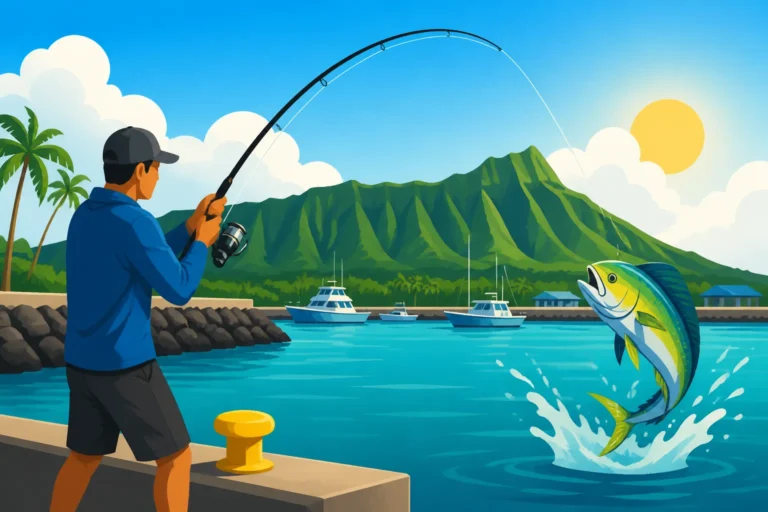
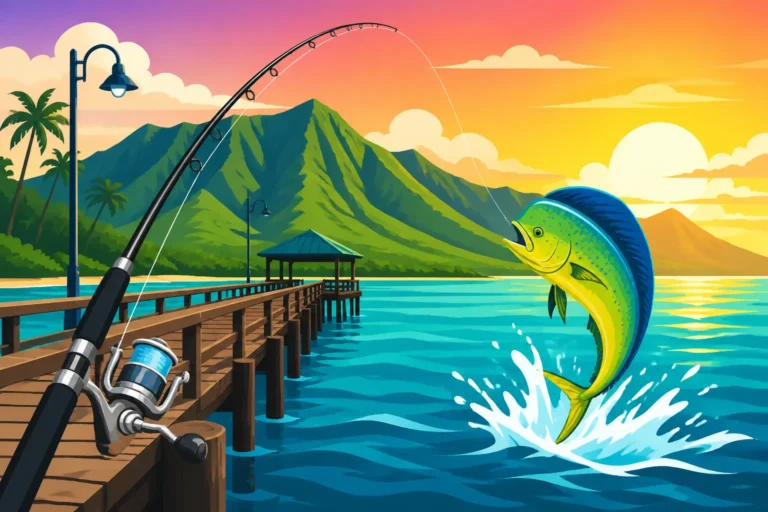
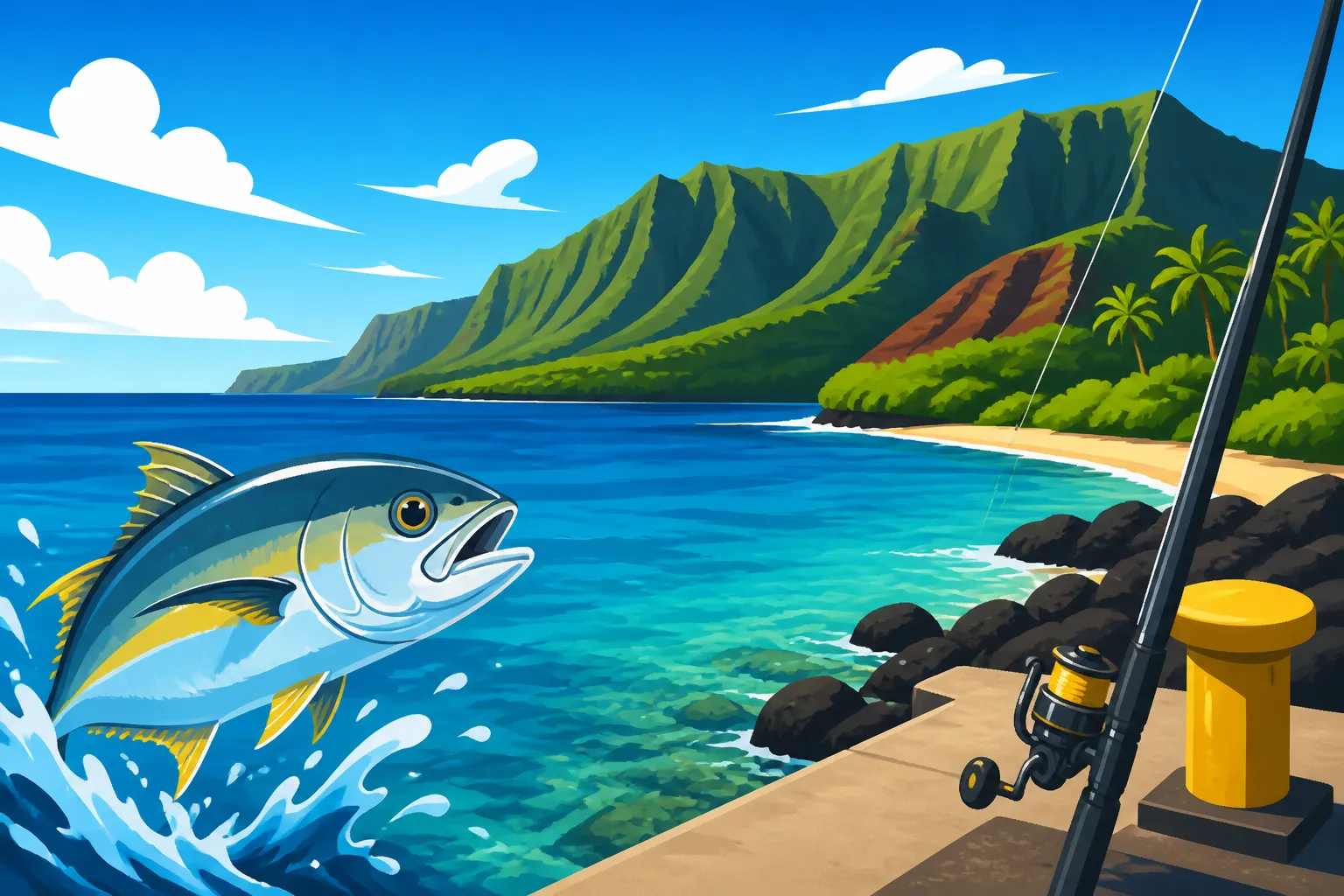
Trying to find those perfect, tranquil fishing spots on an island as serene and undeveloped as Molokai can feel like searching for a hidden treasure map without any X’s marked. With its reputation for being "The Friendly Isle" and maintaining a slower pace of life, Molokai offers incredible natural beauty, but public fishing access can sometimes be a bit of a mystery to newcomers. This guide aims to clear up that confusion, offering you a comprehensive look at the best public fishing access points on Molokai, ensuring your angling adventure is as smooth as the calm morning tide.
The Unique Challenges and Rewards of Fishing Molokai
Molokai is truly a special place, often overlooked by the bustling tourism of its neighboring islands. This means fewer crowds, more pristine environments, and a genuine sense of connection to the 'aina (land) and kai (ocean). However, its undeveloped nature also presents some unique considerations for anglers seeking public access.
Navigating Molokai's Untouched Coastline
Unlike Oahu or Maui, where clearly marked public access points, well-maintained parks, and ample parking are common, Molokai often requires a bit more local knowledge and a willingness to explore. Many incredible fishing grounds are found along stretches of coastline that aren't immediately obvious from the main roads. Some require driving down unpaved tracks, navigating overgrown paths, or even a bit of hiking. This isn't a deterrent for the adventurous angler; rather, it's an invitation to discover truly secluded spots where the fish might be less pressured. It’s a chance to experience Hawaii fishing at its most authentic, far from the madding crowds.
The Bounty of Molokai's Waters
The reward for this exploration is immense. Molokai's nearshore waters are teeming with a diverse array of fish species. From the shallower reef flats, you might find colorful Uhu (Parrotfish) in Hawaii and various species of goatfish like kumu and weke. Venture a bit deeper or cast further out, and you could encounter papio (juvenile trevally), ulua (giant trevally), barracuda, or even the occasional moi (Pacific threadfin). The island's deep offshore waters, especially on the west and south sides, also hold pelagic species like mahimahi, ono, and various tuna species. The relative lack of intense fishing pressure compared to other islands means that the fish populations can often be robust, offering a truly rewarding experience for those who make the effort.
Top Public Fishing Access Points on Molokai
Molokai’s coastline stretches over 260 miles, offering a huge variety of fishing environments from sandy beaches to rocky points and deep drop-offs. Here’s a breakdown of some of the best and most accessible public spots, moving generally from east to west.
East End Gems: From Kamalo to Halawa Valley
The east end of Molokai, particularly past the town of Kaunakakai, offers stunning scenery and some excellent, though often more remote, fishing opportunities.
- Kamalo Harbor Area: This small, picturesque harbor is a popular spot for local boaters and offers decent shore fishing right from the rocky shorelines and piers surrounding the harbor mouth. The waters here are relatively shallow, making it a good spot for light tackle fishing targeting papio, goatfish, and even some smaller barracuda. It’s easily accessible from the main road (Kamehameha V Highway) and has some parking. Always be mindful of boat traffic if casting near the harbor entrance. You might even find some good spots along the nearby Fishponds, though respect private property and cultural sites.
- Kawela Beach: Just a short drive east of Kamalo, Kawela Beach offers a mix of sandy bottom and rocky patches. This stretch is known for its excellent How to Catch Papio on Hawaii's Shoreline opportunities, especially during incoming tides or early mornings. You can wade out onto the flats or cast from the shore into deeper channels. The sand makes it relatively easy to navigate, and there's often ample space to spread out.
- Pulau Beach (Mile Marker 20): This area offers a long stretch of coastline with diverse fishing conditions. You'll find rocky ledges for casting into deeper water and sandy coves for a more relaxed approach. It's less crowded than spots closer to Kaunakakai, making it ideal for those seeking solitude. Anglers here often target ulua and papio with heavier tackle, especially at night. It's always a good idea to check the Hawaii Fishing Regulations Explained before you go, as specific spots might have unique rules.
- Halawa Valley: Reaching Halawa Valley is an adventure in itself, involving a winding drive along a narrow road. Once there, after a hike (or obtaining permission for vehicle access if applicable), the bay offers unparalleled beauty and incredible fishing. The mouth of the bay and the surrounding rocky points are known for larger pelagic species that occasionally come close to shore, as well as robust populations of reef fish. Due to its remote nature, this area sees less pressure and can be highly rewarding. However, respect the deep cultural significance of Halawa Valley and local customs. Parking can be limited, and sometimes requires walking a bit.
Central and West Side Shores: Kaunakakai and Beyond
The central and western parts of Molokai tend to have flatter, often shallower coastlines, but still offer excellent opportunities, particularly around the main town.
- Kaunakakai Pier: This iconic pier is arguably Molokai's most popular and accessible fishing spot. Stretching far out into the calm south shore waters, it offers fantastic opportunities for anglers of all skill levels. From the pier, you can target a wide variety of species, including papio, goatfish, threadfin, and various small reef fish. Many locals also fish for baitfish here using sabiki rigs. The pier is well-lit at night, which can attract schooling fish and provide excellent Night Fishing for Ulua in Hawaii opportunities. There’s ample parking, restrooms, and it’s right in town. Always be considerate of other anglers and harbor activities.
- One Alii Beach Park: West of Kaunakakai, One Alii Beach Park provides expansive sandy beaches with scattered rocky areas. This is a great spot for family fishing, with relatively calm waters. Shore casting here can yield papio, small trevally, and various reef fish. The long stretch of beach allows for plenty of space, and there are picnic areas and restrooms. The shallow flats can also be good for throw netting if you're targeting baitfish (be sure to check Hawaii Net Fishing Restricted Areas for regulations).
- Kepuhi Beach / Papohaku Beach Area: Moving further west, the beaches become more exposed to open ocean swells, especially in winter. While primarily known for surfing, these western beaches (like Kepuhi and the vast Papohaku Beach) can offer fantastic fishing during calmer periods, particularly for How to Catch Ulua from Shore using heavier gear. The strong currents and deeper water can attract larger predatory fish. Access is generally good, with parking available near resorts or designated beach access points. Always exercise extreme caution due to strong currents and powerful waves, especially if wading.
North Shore's Remote Opportunities (with caveats)
Molokai's north shore boasts some of the tallest sea cliffs in the world, making most of it inaccessible by land. However, there are a few very remote spots that can be reached by adventurous hikers or, more commonly, by boat.
- Kalaupapa Peninsula: While the Kalaupapa settlement itself is strictly regulated due to its historical significance, the surrounding waters offer incredible fishing. Access to the peninsula is highly restricted, usually requiring a permit and organized tour. However, if you are able to join a permitted tour or view from a distance, the waters off the dramatic cliffs are pristine and hold an abundance of pelagic and reef species. This is typically a boat-accessed area.
- Remote Coves (Boat Access Only): The numerous coves and bays along the north shore, only reachable by boat, offer some of Molokai's most untouched fishing experiences. These areas are home to thriving reef systems and often see large schools of pelagic fish patrolling the deeper waters close to shore. This is where a Best Fishing Charters in Hawaii trip might be your best bet to explore.
Essential Tips for a Successful Molokai Fishing Adventure
Before you head out, a little preparation goes a long way, especially on an island like Molokai where services might be more spread out.
Permitting and Regulations: Don't Get Caught Off Guard
Hawaii has specific fishing regulations designed to protect its precious marine resources. While there's generally no recreational marine fishing license required for residents or non-residents in Hawaii's ocean waters, certain species, gear types, and areas are strictly regulated.
- Know Before You Go: Always consult the current Hawaii Fishing License Guide for 2026 and Hawaii Bag and Size Limits by Species published by the Hawaii Division of Aquatic Resources (DAR). These regulations cover minimum sizes, bag limits, and closed seasons for various fish species, as well as restrictions on certain types of gear (e.g., net sizes, spearfishing rules).
- Special Management Areas: Be aware that Molokai has specific Marine Life Conservation Districts (MLCDs) or other regulated areas where fishing might be prohibited or heavily restricted. Understanding Hawaii Marine Life Conservation Districts, Explained is crucial to avoid fines and protect sensitive ecosystems.
- Cultural Practices: Fishing in Hawaii is deeply intertwined with local culture. Be respectful of traditional fishing practices (Hawaii traditional and customary fishing rights explained) and always ask for permission if you are unsure about access to a specific spot, especially if it appears to be on private land or culturally significant property.
Gear and Techniques for Molokai's Diverse Waters
The type of gear you bring will depend on where and what you plan to target. Molokai offers a range of options, from light tackle to heavy surf setups.
- Shoreline Staples: For general shore fishing, a medium to heavy spinning rod (7-10 feet) spooled with 20-40 lb braided line is a good all-around choice. Pair it with a 30-60 lb fluorocarbon leader for abrasion resistance around coral and rocks. A good selection of hooks (e.g., circle hooks sizes 1/0 to 6/0), sinkers (pyramid, egg, or bullet weights), and swivels will serve you well. Popular baits include fresh cut bait (like squid or small fish), limu (seaweed), and live shrimp or crab.
- Shore Fishing Techniques for Hawaii: Consider techniques like whipping (casting lures or bait and retrieving), sliding bait (using a balloon or float to send bait out), or simply bottom fishing with a weight. For papio, small casting lures like Kastmasters, Crocodile spoons, or small poppers can be very effective, especially at dawn or dusk.
- Heavy Tackle for Ulua: If you're specifically targeting How to Catch Ulua from Shore, you’ll need much heavier gear. Think 10-14 foot surf rods, large conventional reels spooled with 60-100 lb mono or braid, and heavy leaders (100-200 lb mono). Live bait (such as opelu or akule) or large chunks of fresh fish are preferred. This is a commitment, often involving long waits, especially at night.
- Lures vs. Bait: While bait is always a reliable choice, don't underestimate the power of lures. Many species, especially papio and smaller trevally, respond well to metal spoons, lipless crankbaits, and soft plastics. Packing a variety of both will give you options for different conditions and target species.
Respecting the Land and Local Culture
Molokai holds its traditions and natural beauty very dear. As an angler, you have a role in preserving this unique island experience.
- "Take only pictures, leave only footprints": This mantra is especially true on Molokai. Pack out everything you pack in, and perhaps even pick up any trash you find. Keeping the shoreline clean is vital for both the environment and maintaining positive relations with locals.
- Ask for Permission: If you're unsure about access to a particular spot, especially if it looks like private property or has ambiguous signage, always err on the side of caution and try to ask a local resident. A friendly inquiry can often lead to invaluable advice or even a new fishing buddy.
- Support Local: When buying supplies, bait, or even booking a guided trip, consider supporting Molokai's local businesses. This helps the community and fosters a more sustainable relationship with the island. You might even find insights into fishing hotspots directly from the shop owners. If you're looking for local guides or charters, platforms like FishingBooker can sometimes help connect you with Molokai-based operators, ensuring your fishing dollar stays within the community.
Planning Your Molokai Fishing Trip
A successful Molokai fishing trip involves a bit more planning than simply throwing rods in the car.
Accommodations and Local Services
Molokai offers a range of accommodations, from quaint hotels in Kaunakakai to vacation rentals and even some more rustic options. Given its remote nature, it's wise to book well in advance, especially during peak seasons.
- Stock Up: While Kaunakakai has general stores and a few small markets, specialized fishing tackle can be harder to come by. It’s highly recommended to bring all your essential gear, terminal tackle, and any specific lures or baits you prefer from the mainland or another Hawaiian island.
- Vehicle Rental: A sturdy vehicle, preferably a 4×4 or at least one with good ground clearance, will give you the most flexibility to explore some of the more remote public access points. Many roads leading to prime fishing spots can be unpaved and rough.
- Food and Water: Always carry plenty of water and snacks, especially if you plan to explore less developed areas. Sunscreen, a hat, and appropriate clothing for sun protection are also crucial.
Considering a Guided Experience
Even for experienced anglers, sometimes the best way to uncover Molokai’s fishing secrets is with a local expert.
- Local Knowledge is Gold: A local guide will know the tides, the currents, the seasonal patterns (Hawaii Fishing Seasons by Month), and most importantly, where the fish are biting on any given day. They can also navigate trickier access points and ensure you're fishing legally and respectfully.
- Boat Charters: For accessing the north shore or targeting offshore pelagic species, a boat charter is almost a necessity. While Molokai has fewer charter options than other islands, a quick search on platforms like FishingBooker or inquiring with local harbormasters might reveal available captains. Be sure to ask What to Expect on a Hawaii Fishing Charter and clarify what gear, bait, and amenities are included in the Hawaii Fishing Charter Cost Guide.
- Shore Guides: For those keen on mastering Molokai’s unique shore fishing, a shore guide can teach you specific techniques for catching papio or ulua, help you understand the local ecosystem, and introduce you to spots you’d never find on your own. This can be an invaluable investment for a truly immersive experience.
Molokai offers an unparalleled fishing experience for those willing to embrace its wild, untamed beauty. With proper preparation, respect for the land and culture, and a sense of adventure, you’re sure to create unforgettable memories and hopefully, land some fantastic fish from its pristine public access points.
Disclaimer
The information provided in this guide is for general informational purposes only and is subject to change. Always consult the most current regulations and guidelines from the Hawaii Division of Aquatic Resources (DAR) or other relevant authorities before engaging in any fishing activities. Fishing can be inherently dangerous; exercise caution, be aware of your surroundings, and prioritize safety.