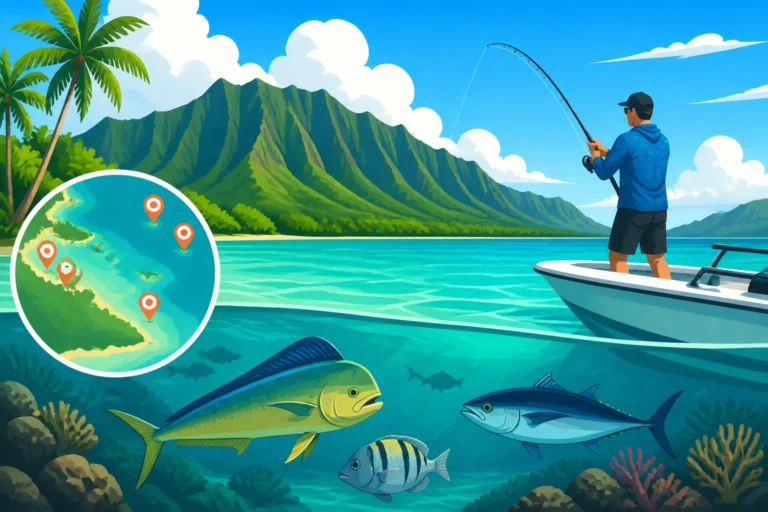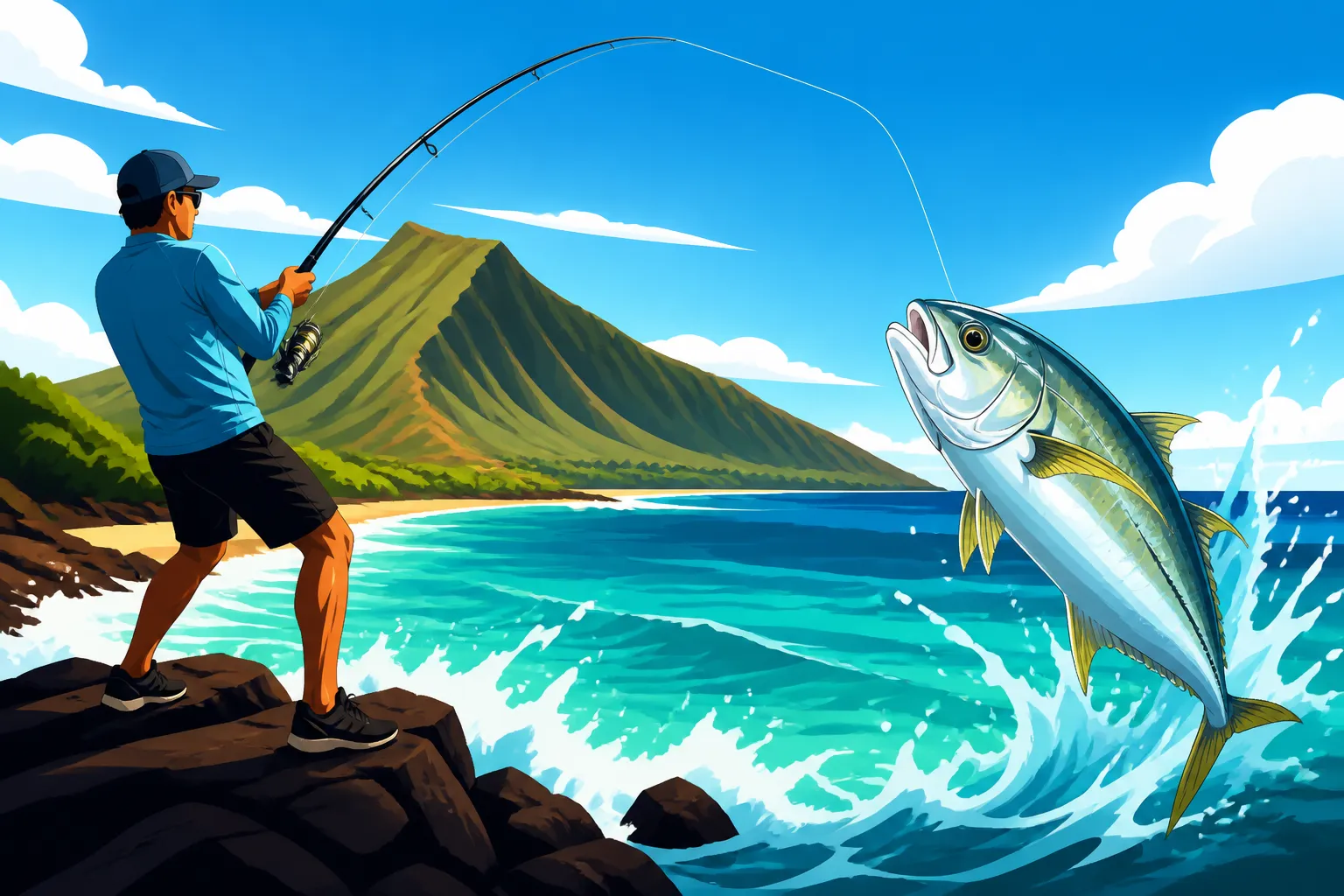
Kaena Point Shore Fishing
Oh, Kaena Point. Just the name conjures images of wild, untamed beauty, but also of a challenging trek and some seriously rugged fishing. Many anglers dream of casting a line in such a pristine, remote location, only to be overwhelmed by the sheer scale of the place, the unpredictable ocean conditions, and the question of where to even begin. If you've ever felt that mix of excitement and apprehension about tackling Kaena Point, you're in the right place. This guide is all about demystifying one of Oahu's most iconic shore fishing destinations, offering practical advice to help you experience its incredible potential safely and successfully.
Getting to Know Kaena Point: The Landscape and Its Challenges
Kaena Point, the westernmost tip of Oahu, is a place of stark contrasts. On one hand, it's a designated Natural Area Reserve and a sanctuary for seabirds and marine life, offering breathtaking views and a sense of stepping back in time. On the other, it's a notoriously difficult fishing spot, known for its powerful currents, unpredictable swells, and incredibly remote access. Understanding this unique environment is the first step to a rewarding, and safe, fishing adventure.
The Rugged Terrain and Remote Access
When we talk about "remote access" at Kaena Point, we're not just talking about driving a little further down a paved road. The roads leading to the point itself become unpaved, deeply rutted tracks that often require a 4×4 vehicle to navigate safely, especially after rain. Most anglers choose to park near the end of the paved road, whether on the North Shore side (near Mokuleia) or the Leeward side (near Yokohama Bay), and hike in. This hike can be several miles long over uneven, rocky terrain, under the scorching Hawaiian sun, and often against a stiff headwind.
Imagine lugging your heavy fishing gear, a cooler full of bait and drinks, and all your personal essentials for miles. It’s a true test of endurance, and it's why preparation is absolutely key. Many enthusiastic first-timers underestimate this aspect, arriving exhausted before they even make their first cast. The effort, however, pays off. This natural barrier keeps the crowds away, preserving the raw beauty and, often, the abundance of fish. The feeling of solitude and accomplishment when you finally reach a prime fishing spot, far from the hustle and bustle, is truly unparalleled.
Understanding the Ocean Conditions
The waters around Kaena Point are a dynamic, often formidable, environment. Here, the powerful currents of the open Pacific meet the shallow reef systems and deep drop-offs that define this part of Oahu. The North Shore side is exposed to massive winter swells, famous for big wave surfing, which can make shore fishing impossible and incredibly dangerous. Even during calmer seasons, rogue waves can sweep unsuspecting anglers off the rocks. The Leeward side, while somewhat more sheltered from direct northerly swells, still experiences strong currents and significant wave action, especially around the point itself.
The confluence of currents creates nutrient-rich upwellings that attract baitfish, which in turn attract larger predatory species. This is fantastic for fishing, but it also means constant vigilance is required. Learning to read the water – identifying rip currents, understanding swell patterns, and recognizing dangerous rogue waves – is not just a skill, it's a survival necessity at Kaena Point. I always tell folks, if the ocean looks angry, it is angry, and it demands respect. A quick check of the surf forecast before heading out is non-negotiable, and if there's any doubt, it's always better to err on the side of caution and save your trip for another day.
Prime Fishing Zones and What to Expect
Kaena Point isn't just one monolithic fishing spot; it's a collection of diverse environments, each offering different opportunities and challenges. Knowing where to focus your efforts based on the conditions and your target species can make all the difference.
The North Shore Stretch
Starting from the North Shore side, near the end of the paved road at Mokuleia, and heading towards the point, you'll encounter a mix of rocky shoreline, small sandy coves, and shallow reef flats that transition to deeper water. This area is heavily influenced by the North Shore's legendary swells, particularly in winter. During calmer periods, however, it can be incredibly productive.
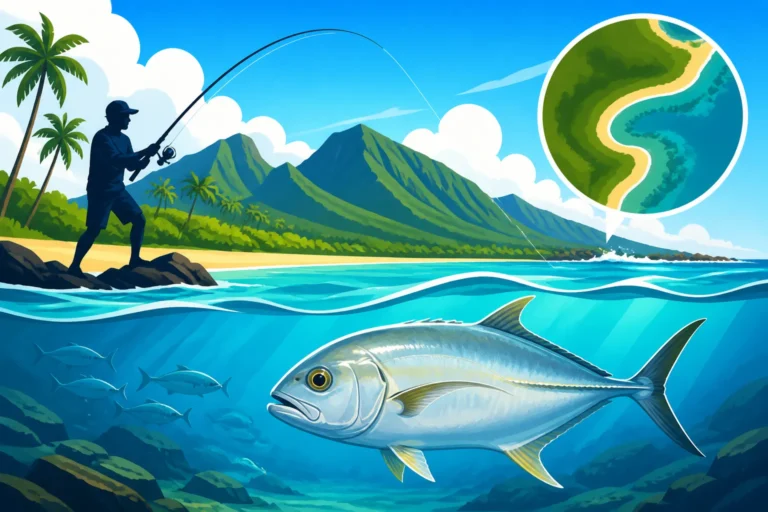
Anglers here often target papio (trevally), ulua (giant trevally), and various reef fish. The shallow flats and rocky outcrops are perfect for whipping for papio, especially during dawn and dusk. Look for areas where waves crash against lava rock, creating white water, which often holds schooling baitfish and, consequently, hungry papio. Further out, the deeper channels and ledges are prime territory for sliding live bait or casting heavy lures for ulua. You'll need substantial gear for these hard-fighting fish, often a stout 10-12 foot rod paired with a heavy-duty spinning reel or conventional reel. This stretch also offers opportunities for spearfishing, though you need to be acutely aware of the Hawaii Spearfishing Regulations. Remember, these waters can become extremely dangerous when the swell picks up, so always check forecasts and observe conditions carefully.
The Leeward Side and Its Offerings
Approaching Kaena Point from the Leeward (west) side, starting near Yokohama Bay, presents a somewhat different fishing experience. While still rugged, this side is generally more sheltered from the dominant winter swells of the North Shore, making it more accessible during those months. The terrain here features more dramatic cliffs, deep water close to shore, and extensive lava rock formations.
This side is renowned for its potential to hook into larger pelagic species that come closer to shore, such as ono (wahoo), mahimahi, and even small ahi (yellowfin tuna), especially if you can get your bait out to deeper water. Ulua are also a primary target here, often found cruising the edges of the deep drop-offs. Traditional Hawaiian slide-baiting techniques are very effective, using whole baits like opelu or akule to target these formidable predators. You might also encounter moi (Pacific threadfin) in sandy patches, though their season is closed for part of the year. Anglers seeking moi need a lighter touch, often using small pieces of shrimp or limu (seaweed) as bait. Remember to always be aware of the Hawaii Moi Closed Season, Explained if you're targeting this prized fish. The deep water access here is truly unique for shore fishing, but it comes with the challenge of strong currents that can make holding bottom difficult.
Deep Water Access at Kaena Point
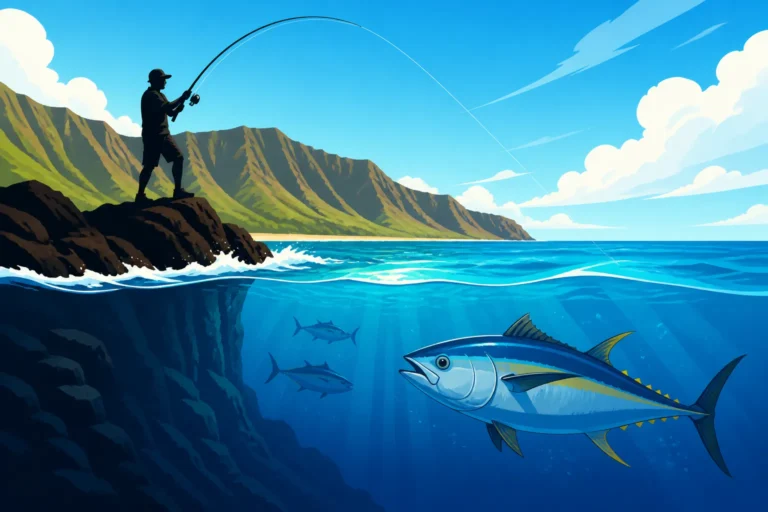
The actual "point" of Kaena is where the deep waters of both sides converge. This is where you can find some of the deepest water accessible from shore on Oahu. Here, the ocean floor drops off dramatically, attracting larger pelagic fish closer to the coast than almost anywhere else on the island. The currents are incredibly powerful at the point, acting like a natural conveyor belt for bait and predators alike.
This is the ultimate proving ground for serious shore casters and slide-baiters. The main targets are trophy ulua, huge papio, and the occasional game fish that wanders in from the open ocean. Some anglers even report hooking into smaller marlin or tuna from the shore here, though landing them is an entirely different story. The sheer power of the ocean at the point means you need the heaviest tackle you can manage – think custom-built rods, large capacity reels, and incredibly strong lines. It’s not a place for the faint of heart or the unprepared. Your casting distance needs to be exceptional, and your ability to fight a powerful fish in strong currents is paramount. If you're serious about battling a true monster from shore, this is the place, but always with extreme caution. The remote nature also means no quick rescues, so personal safety and communication with your group are critical.
Essential Gear and Techniques for Kaena Point
Successfully fishing Kaena Point isn't just about showing up; it's about showing up with the right tools and knowing how to use them in this demanding environment. This isn't your average pier fishing trip.
Heavy Duty Rods and Reels
When you're dealing with powerful currents, sharp lava rock, and fish that can easily strip hundreds of yards of line, standard tackle just won't cut it. For shore fishing at Kaena, think heavy to extra-heavy setups.
- Rods: Look for long, powerful surf rods, typically 10 to 14 feet in length, rated for heavy lines (30-80 lb test) and large casting weights (4-12 oz or more). Graphite composite rods offer a good balance of strength and sensitivity. Brands like Daiwa, Shimano, and Penn offer various robust surf rods that can handle the abuse. The extra length helps with casting distance, which is crucial for reaching deeper channels, and provides leverage when fighting large fish through turbulent water.
- Reels: Pair these rods with large capacity, durable spinning reels (sizes 8000-20000) or conventional reels (like a Penn Squall or Shimano TLD) capable of holding 300+ yards of heavy monofilament or braided line. The drag system must be incredibly smooth and powerful, able to withstand prolonged battles. Corrosion resistance is also key, as saltwater spray will be constant. For those looking for top-tier gear, a quick search on a platform like FishingBooker might reveal local charter captains' preferred setups, which can offer insights into what truly stands up to Hawaiian waters.
- Line: Braided line (50-80 lb test) is popular for its strength, thin diameter, and lack of stretch, which aids in casting distance and sensitivity. However, always use a heavy monofilament leader (80-150 lb test) for abrasion resistance against the sharp lava rocks. Fluorocarbon leaders are also excellent for their invisibility and toughness.
Best Baits and Lures for Success
Knowing what the fish are eating is half the battle. At Kaena Point, it largely depends on your target species and where you're fishing.
- Live Bait: For trophy ulua, live bait is often king. Popular choices include opelu (mackerel scad), akule (bigeye scad), or halalu (juvenile akule) if you can catch them. These can be caught with sabiki rigs or throw nets in calm bays before your trip, or sometimes directly from your fishing spot if schools are present. The livelier the bait, the more attractive it is to predators.
- Cut Bait: Large chunks of fresh fish (like skipjack tuna, mahimahi, or even frozen squid) can be very effective for ulua and other bottom dwellers. Ensure your cut bait is fresh and fragrant. Rig it on a large, strong hook (like a 9/0 or 10/0 circle hook) with plenty of leader to prevent bite-offs.
- Lures:
- Heavy Metal Jigs: For casting into deep water or targeting schooling fish, heavy metal jigs (3-8 oz) can imitate baitfish effectively. Cast them out and retrieve with a fast, erratic motion.
- Poppers and Surface Lures: For aggressive papio and smaller ulua, especially at dawn or dusk, large poppers or walk-the-dog style surface lures can provoke explosive strikes. The visual appeal of a topwater blow-up is incredibly exciting.
- Soft Plastics/Swim Baits: Rigged with heavy jig heads, these can be effective for bottom fish or retrieved through the water column for papio. Experiment with colors and sizes that mimic local baitfish.
Effective Shore Fishing Techniques
The rugged environment of Kaena Point often dictates the most effective fishing techniques.
- Slide Baiting (Slide-Bait Fishing): This is a classic Hawaiian technique for targeting large ulua from shore. A heavy main line (often 80-100 lb test mono or braid) is cast out as far as possible, with a heavy sinker to hold bottom. Once the sinker is set, a clip or "slider" is attached to the main line, and a live or whole dead bait is rigged to it. The bait is then allowed to "slide" down the main line into the water, often carried by the current out to deeper water or a known fish-holding structure. This technique requires patience and a good understanding of currents but can put your bait right in front of truly massive fish.
- Whipping (Spin Casting with Lures): This is a more active technique, typically used for papio and smaller ulua. It involves casting metal jigs, poppers, or swimbaits and retrieving them with varying speeds and actions. Look for areas with white water, current seams, or visible baitfish schools. The key is to cover a lot of water and entice a reaction strike. For specific tactics, you might find the article on Best Techniques for Whipping for Papio helpful.
- Bottom Fishing: While less common for the biggest game at Kaena, bottom fishing with cut bait or weighted lures can yield various reef species and smaller bottomfish. Use a Carolina rig or a fish-finder rig with enough weight to hold bottom against the current. Be prepared for snags around the rocky terrain.
| Fishing Zone / Technique | Target Species | Recommended Gear | Best Baits/Lures | Key Considerations |
|---|---|---|---|---|
| North Shore Stretch | Papio, Ulua, Reef Fish | 10-12ft Surf Rod, 8000-14000 Spin Reel | Metal Jigs, Poppers, Live Bait (Akule) | High swell risk, check conditions, long hikes. |
| Leeward Side (Yokohama) | Ulua, Ono, Mahimahi, Moi | 12-14ft Heavy Surf Rod, 10000+ Spin/Conv Reel | Live Bait (Opelu), Large Cut Bait | Deep water access, strong currents, exposed. |
| The Point (Tip) | Trophy Ulua, Pelagics | 14ft+ Custom Rod, Heavy Conventional Reel | Live Bait (Opelu, Akule), Large Cut Bait | Extreme currents, highest risk, deepest water. |
| Whipping | Papio, Smaller Ulua | 8-10ft Med-Heavy Spin Rod, 4000-6000 Spin Reel | Metal Jigs (2-4oz), Poppers, Swimbaits | Active, covers ground, good for dawn/dusk. |
| Slide Baiting | Large Ulua, Bottomfish | 12-15ft Heavy Conv/Spin Rod, Large Conv Reel | Live Bait (Opelu, Akule), Large Cut Bait | Requires patience, heavy gear, strong currents. |
Safety First: Navigating the Dangers
Kaena Point is breathtaking, but it's also unforgiving. Ignoring safety precautions can turn a dream fishing trip into a nightmare. Seriously, this isn't a place to take risks.
Watching the Waves and Tides
The ocean around Kaena Point is a powerful beast that commands respect. Rogue waves are not just a myth here; they are a very real danger. These unpredictable, larger-than-average waves can appear out of nowhere, even on seemingly calm days, and sweep an unwary angler right off the rocks. I’ve seen it happen, and it’s terrifying. Always keep an eye on the ocean, never turn your back on the waves, and identify escape routes before you even make your first cast.
Understanding the tides and swells is crucial. Consult surf forecasts for both the North and West shores of Oahu before you go. Large swells, particularly from the north in winter, can make the entire point impassable and fishing extremely dangerous. Avoid fishing when conditions are rough, or if you're unsure. High tides can limit your access to certain spots and bring waves closer to the shoreline than anticipated. Conversely, very low tides can expose slippery, sharp reef, making footing hazardous. Wearing proper sturdy footwear with good grip is non-negotiable. Don't be the person who underestimates the ocean; it has no sympathy.
Preparedness for Remote Fishing
Given the remote nature of Kaena Point, self-sufficiency is paramount. There are no convenience stores, no bathrooms, and certainly no quick emergency services within shouting distance.
- Water, Water, Water: This is Hawaii, and the sun is relentless. Dehydration is a serious risk, especially during a long hike and hours of fishing. Bring significantly more water than you think you'll need. A gallon per person is a good starting point, especially if you're planning a full day.
- Sun Protection: Sunscreen (reef-safe, please!), a wide-brimmed hat, sunglasses, and long-sleeved, breathable clothing are essential to prevent severe sunburn and heatstroke.
- First Aid Kit: A well-stocked first aid kit is critical. Cuts and scrapes from lava rock are common, and you need to be able to treat them immediately. Include bandages, antiseptic wipes, pain relievers, and any personal medications.
- Communication: Cell service can be spotty or nonexistent in certain areas around the point. If possible, bring a satellite communicator or at least inform someone of your exact plans, including your expected return time and location. If you're going with a group, stay together.
- Emergency Gear: A headlamp or flashlight (even for day trips, just in case you get delayed), a multi-tool, and a whistle can be invaluable.
- Footwear: Sturdy, closed-toe shoes with excellent grip are absolutely essential for navigating the sharp, uneven, and often slippery lava rock. Aqua socks or flimsy sandals are an invitation to injury.
This isn't to scare you away, but to equip you with the knowledge to stay safe. A well-prepared angler is a safe angler, and a safe angler has the best chance of enjoying the incredible fishing that Kaena Point has to offer.
Respecting the Land and the Ocean
Fishing in Hawaii comes with a deep cultural understanding of malama 'aina (to care for the land) and malama kai (to care for the ocean). This isn't just about rules; it's about perpetuating the resources for future generations.
Adhering to Hawaii Fishing Regulations
Even in remote areas like Kaena Point, all state fishing regulations apply. This means understanding bag limits, size restrictions, and closed seasons for various species. For instance, the regulations around uhu (parrotfish) are quite specific, so be sure to consult Hawaii Uhu (Parrotfish) Size and Bag Limits if you're targeting them.
- Licenses: While most marine recreational fishing in Hawaii doesn't require a license for residents, certain exceptions apply, and non-residents generally need one for freshwater fishing. It's always a good idea to stay updated on the latest rules. You can find comprehensive information in resources like the Hawaii Fishing License Guide for 2026 or Do You Need a Fishing License in Hawaii. These resources are managed by the Department of Land and Natural Resources (DLNR) Division of Aquatic Resources (DAR), and it’s important to familiarize yourself with their guidelines.
- Protected Areas: Kaena Point is a Natural Area Reserve and a seabird sanctuary. This means certain activities might be restricted. Always observe signage and respect designated protected zones. Marine Life Conservation Districts (MLCDs) are common in Hawaii, and understanding What a Marine Life Conservation District means for anglers is vital, even if Kaena isn't one itself, the principles of conservation apply.
- Spearfishing: If you plan to spearfish, familiarize yourself with Hawaii Spearfishing Regulations, as there are specific rules about gear, species, and locations.
Remember, these regulations are in place to ensure the health and sustainability of Hawaii's unique marine ecosystem. Ignorance of the law is not an excuse, and penalties for violations can be steep.
Practicing 'Leave No Trace'
The remote beauty of Kaena Point is fragile, and it's up to every visitor to help preserve it. This means strictly adhering to "Leave No Trace" principles.
- Pack it in, pack it out: Everything you bring in, you must take out – and that includes all your trash, fishing line, discarded bait, and food wrappers. Even tiny pieces of plastic can harm marine life.
- Minimize Impact: Stay on marked trails or established paths to minimize erosion. Avoid trampling vegetation or disturbing seabird nesting sites.
- Respect Wildlife: Observe marine animals from a distance. Do not feed them, harass them, or attempt to touch them. This includes Hawaiian monk seals and green sea turtles, which are protected species. Understanding Hawaii turtle and monk seal proximity rules for anglers is crucial.
- Sustainable Fishing: Consider practicing catch and release for species you don't intend to eat or that are nearing bag limits. Handle fish gently to maximize their survival chances if released.
By treating Kaena Point with the respect it deserves, you're not just being a good angler; you're contributing to the preservation of a truly special place for generations of local families and visitors alike. It's a privilege to fish these waters, and with that privilege comes the responsibility to protect them. Booking a trip through a service like FishingBooker means you'll often be with guides who are well-versed in these regulations and conservation practices, offering a great learning opportunity.
Disclaimer
The information provided in this guide is for general informational purposes only and does not constitute professional advice. Fishing in remote and wild areas like Kaena Point carries inherent risks, including but not limited to dangerous ocean conditions, falls, and heat-related illnesses. Always exercise extreme caution, assess your own abilities and preparedness, and consult official sources for the most current regulations and safety advisories before embarking on any fishing trip. The author and publisher are not responsible for any accidents, injuries, or legal repercussions that may arise from using this information. Fish responsibly and safely.