Moi (Pacific Threadfin) in Hawaii
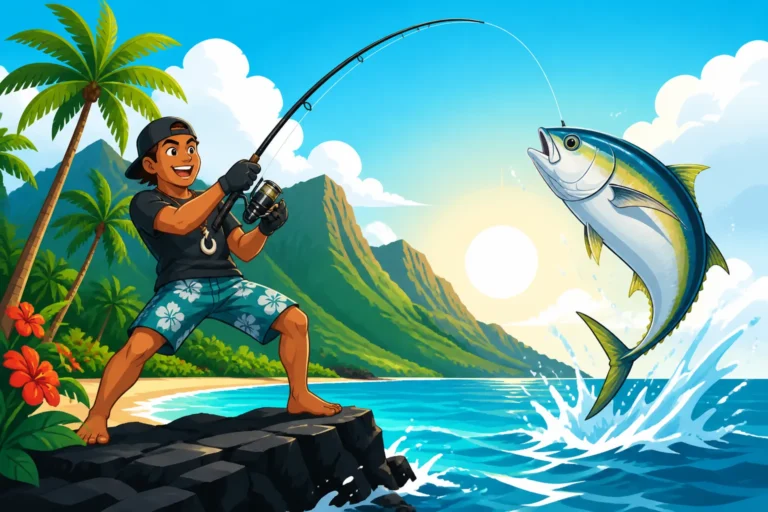
For many anglers in Hawaii, the pursuit of moi, or Pacific threadfin, is more than just fishing; it's a deep dive into culture, tradition, and the nuanced art of shoreline angling. It can be incredibly frustrating to spend hours on the beach only to realize you're using the wrong bait or fishing in a protected zone, missing out on this highly prized fish. This comprehensive guide will walk you through everything you need to know about targeting moi, from understanding their biology and behavior to mastering the techniques and regulations that will significantly increase your chances of success.
Understanding Moi: The Pacific Threadfin in Hawaii
Moi, or Pacific threadfin (Polydactylus sexfilis), holds a special place in the hearts of Hawaii's fishing community. Once reserved exclusively for Hawaiian royalty, these silvery fish are renowned for their delicate flavor and challenging fight, making them a coveted catch for recreational anglers today. Understanding what makes them unique is the first step toward successfully targeting them.
Physical Characteristics and Identification
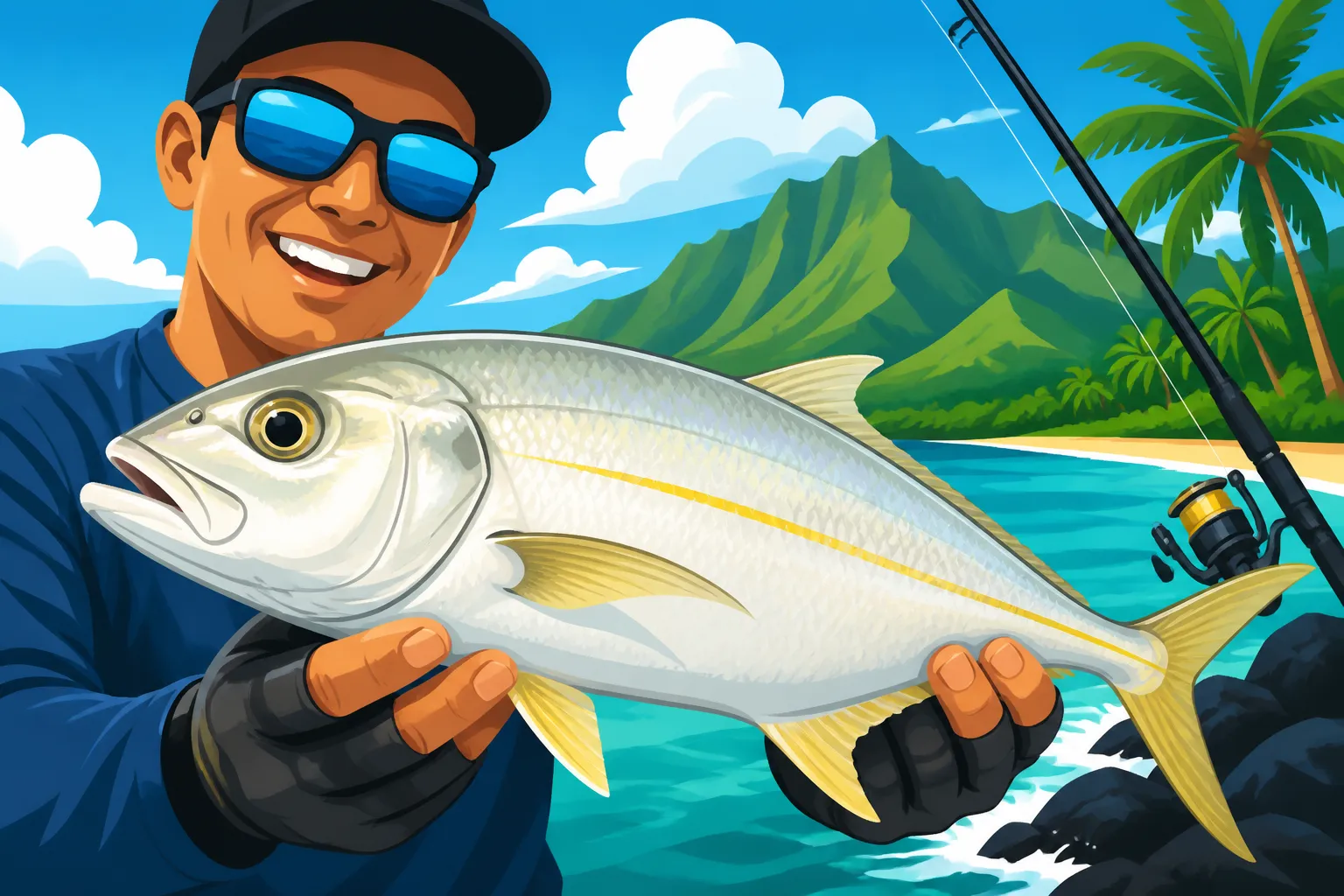
Moi are easily recognizable by their distinctive appearance. They typically possess a slender, elongated body, often with a silvery-grey coloration that allows them to blend seamlessly into sandy and silty environments. Their most striking feature, and where they get their "threadfin" name, is the presence of several free, filamentous rays extending from their pectoral fins. In the case of the Pacific threadfin, there are six such filaments, hence sexfilis. These threads aren't just for show; they're believed to be sensory organs, helping the fish locate food hidden in the sand or murky water. When you're out on the beach, spotting these unique features through the clear Hawaiian waters can be a dead giveaway that you've found a school of moi. Their average size can range from a foot to over two feet, with larger specimens offering an impressive challenge on light tackle.
Cultural Significance and Historical Value
The historical and cultural importance of moi in Hawaii cannot be overstated. In ancient Hawaii, moi was considered a kapu (forbidden) fish, reserved solely for the aliʻi (royalty). It was a symbol of status and a delicacy enjoyed only by chiefs and kings. This tradition underscored the fish's value and scarcity, making its capture and consumption a significant event. While the kapu system is no longer in place, the reverence for moi persists. Many local anglers still regard catching a moi as a testament to their skill and connection to Hawaiian traditions. This deep cultural root means that when you're fishing for moi, you're not just casting a line; you're participating in a living history, connecting with generations of Hawaiian fishermen who sought this very same prized species.
Life Cycle and Growth Overview
Moi have an interesting life cycle that impacts when and where anglers can find them. They typically spawn in shallow coastal waters, often favoring sandy areas near river mouths or estuaries. The young moi, sometimes called ʻāholehole when very small, are quite vulnerable and will often school in large numbers in these protected inshore areas, feeding on small invertebrates. As they grow, they move into slightly deeper, but still relatively shallow, sandy-bottomed waters, often around reef edges or protected bays. Moi are relatively fast-growing fish, reaching maturity within a few years. Their diet primarily consists of small crustaceans, worms, and tiny fish that they detect with those specialized pectoral filaments. Understanding this progression from tiny fry to larger, more solitary adults helps anglers predict their movements and preferred feeding grounds, tailoring their approach to maximize success.
Moi Habitat and Behavior in Hawaii
Knowing where moi prefer to live and what they do in those environments is critical for any angler hoping to connect with this elusive fish. Unlike some reef fish that stick to rocky structures, moi have distinct preferences that guide successful fishing strategies.
Preferred Coastal Habitats
Moi are creatures of the sand and surf. Their prime habitats are typically found in shallow coastal waters, often ranging from just a few feet deep to perhaps 30 feet. They have a strong affinity for sandy bottoms, especially where there's a mix of sand and fine gravel, or near the mouths of streams and rivers where nutrient-rich freshwater outflow creates murky, food-laden conditions. You'll often find them lurking just beyond the breaking waves on long, sandy beaches, or inside protected bays with soft substrates. These areas provide both camouflage and a rich feeding ground for their preferred diet. Think of long stretches of beach with a gradual slope, perhaps with a subtle current that brings food particles through the water column. Best Sandy Beach Fishing Spots in Kauai and similar locales across the islands are prime examples of the kind of terrain moi gravitate towards.
Feeding Habits and Foraging Strategies
Moi are bottom feeders, and their unique pectoral filaments are perfectly adapted for this purpose. They use these "feelers" to probe the sandy bottom, detecting buried worms, small crustaceans, and other invertebrates. Their mouths are somewhat underslung, allowing them to scoop up food from the substrate effectively. This means that when you're fishing for moi, your bait presentation needs to mimic their natural feeding behavior. A bait that sits naturally on the bottom or drifts slowly just above it will be far more appealing than something suspended high in the water column. They are opportunistic feeders, but they tend to be cautious, making stealth and a natural presentation paramount. Observing how the current moves sand or where small crabs might be scuttling along the bottom can give you clues about where moi might be actively foraging.
Schooling Patterns and Movements
While very young moi can be found in larger schools, as they mature, they tend to form smaller groups or even become somewhat solitary, especially the larger specimens. You might find a small group of two to five moi cruising together, systematically working a patch of sand for food. Their movements are often tied to the tides and the availability of food. During incoming tides, they might move closer to shore, following the flow of nutrients and prey. Conversely, they might retreat to slightly deeper water during outgoing tides or when the sun is high. They're also known to move between different areas of a bay or beach depending on factors like surf conditions, water clarity, and pressure from predators. Understanding these subtle movements, often learned through local knowledge and persistent observation, can be the difference between a slow day and a successful moi hunt.
Moi Fishing Regulations in Hawaii
Fishing for moi in Hawaii isn't just about skill; it's also about responsibility. Moi are a highly managed species due to their historical significance and desirability. Ignoring the rules can lead to stiff penalties and, more importantly, can harm the future of this cherished fishery. It’s absolutely crucial to familiarize yourself with the current regulations set by the Hawaii Department of Land and Natural Resources (DLNR).
Moi Closed Season, Explained
Perhaps the most critical regulation for moi is the annual closed season. This specific period is enacted to protect moi during their peak spawning season, allowing them to reproduce undisturbed and replenish their populations. The closed season typically runs from June 1st through August 31st each year. During these months, it is strictly forbidden to take, possess, or sell moi. This means even if you accidentally catch a moi, you must immediately release it unharmed. It doesn't matter if it's the biggest moi you've ever seen; during the closed season, it goes back into the water. This regulation is a cornerstone of moi conservation, and respecting it ensures future generations can also experience the thrill of catching this remarkable fish. For comprehensive details, always check the Hawaii Moi Closed Season, Explained resource.
Size and Bag Limits
Beyond the closed season, there are strict size and bag limits in place for moi. For recreational fishing, the minimum size limit for moi is usually 11 inches. This measurement is taken from the tip of the snout to the fork of the tail. Catching and keeping moi smaller than this legal minimum is illegal, and they must be released. Anglers are also limited in the number of moi they can keep per day, which is typically a bag limit of 10 fish per person. These limits are designed to prevent overfishing and to ensure that enough moi grow to a reproductive size before being harvested. It's a balance between allowing anglers to enjoy their sport and maintaining a healthy fishery. Always double-check the latest DLNR guidelines, as these limits can occasionally be adjusted based on scientific assessments. You can often find current figures on the DLNR's Division of Aquatic Resources (DAR) website. It's also helpful to look up Hawaii Moi minimum size limit and Hawaii uhu daily bag limit to compare with other species.
| Regulation Category | Detail for Moi (Pacific Threadfin) |
|---|---|
| Closed Season | June 1st – August 31st (inclusive) |
| Minimum Size | 11 inches (fork length) |
| Bag Limit | 10 fish per person per day |
| Gear Restriction | No specific gear restrictions, but common sense applies to avoid damaging habitat. |
| Enforcement | Monitored by DLNR enforcement officers. Violations can result in fines. |
Reporting and Enforcement
The DLNR takes moi regulations seriously, and enforcement officers regularly patrol popular fishing spots, both on shore and offshore. They have the authority to inspect your catch, measure your fish, and check for compliance with all regulations, including your fishing license requirements if applicable. Getting caught violating moi regulations, whether it's keeping undersized fish, exceeding the bag limit, or fishing during the closed season, can result in significant fines and penalties. These consequences are not just a deterrent; they underscore the importance of these rules for the long-term health of Hawaii's aquatic resources. It's not uncommon to hear stories of anglers facing penalties for not adhering to the rules, which is why having the most up-to-date information, often found through the official DLNR website or local bait shops, is absolutely essential. Many local anglers make it a point to clearly understand Hawaii fishing without a license penalty and other regulations to stay on the right side of the law.
Best Techniques for Catching Moi
Moi are notoriously finicky, which is part of what makes catching them so rewarding. They demand a nuanced approach, often favoring specific presentations and conditions. Forget brute force; moi fishing is about finesse and understanding.
Float Fishing for Moi from Shore
One of the most effective and popular techniques for catching moi from shore is float fishing, particularly using a sliding or slip bobber rig. This method allows you to present your bait naturally just above the sandy bottom, exactly where moi are foraging, while still maintaining control. The key is to use a sensitive float that will clearly indicate the moi's subtle bite. A typical setup involves a small weight to get the bait down, followed by a short leader (often fluorocarbon for stealth), and a small, sharp hook. The float stopper is adjusted to keep the bait at the desired depth, usually just off the bottom or very slightly dragging. This allows your bait to drift naturally with the current, mimicking a free-swimming or dislodged prey item. Float Fishing for Moi from Shore is a technique that takes practice, but once mastered, it can be incredibly productive, especially in areas with a gentle current or mild wave action.
For instance, imagine you're fishing a calm sandy bay. You've cast your float rig out, and the float is slowly drifting. Suddenly, it quivers, then dips just a fraction of an inch, or perhaps slowly starts moving sideways against the current. These are the tell-tale signs of a moi nibble. They don't usually strike aggressively; instead, they mouth the bait delicately before committing. You need to be patient, allowing the fish to take the bait fully before setting the hook with a gentle, smooth upward sweep. Using quality, buoyant floats and an ultra-light sensitive rod can make all the difference in detecting these subtle takes. You can even find specialized floats and bobber stops on Amazon that are perfect for this kind of subtle fishing.
Bait Selection and Presentation
Moi are primarily insectivores and crustacean eaters, so your bait choice should reflect their natural diet. Live bait is almost always superior when targeting moi, as its natural movement and scent are irresistible. Small live shrimp (often caught using a net or small trap), ghost shrimp, sand crabs (small ones!), and even pieces of squid or cut bait from very fresh fish (like ʻōpelu or akule) can be effective. However, live ghost shrimp and small live shrimp are often considered the gold standard.
The presentation is just as important as the bait itself. Moi are cautious, so a natural, unencumbered presentation is key. Use small, sharp hooks (sizes 4 to 8 are common) that are light enough not to impede the bait's natural movement. Avoid heavy weights that might cause your bait to sink unnaturally or get buried in the sand. If using cut bait, cut small, thin strips that flutter enticingly in the current. If using live shrimp, hook it lightly through the tail or just under the horn to keep it lively. Remember, you want to mimic a helpless, easy meal for the moi. Drifting your bait slowly over the sandy bottom, allowing it to bump and settle, often yields the best results. For more specific insights, consult resources on Best Bait for Moi from Shore.
Light Tackle Approaches
Given the moi's delicate bite and relatively moderate fighting power (though they can make strong runs!), light tackle is not just preferred but essential. Using overly heavy gear will spook the fish and reduce your ability to detect their subtle takes. A light to medium-light spinning rod (7-9 feet in length) paired with a small, sensitive spinning reel (around a 1000-2500 size) is ideal. Load your reel with 6-10 lb test monofilament or braided line. Many anglers prefer monofilament for its stretch, which can help absorb the initial shock of a moi's head shakes and prevent pulling the small hook. If using braid, a fluorocarbon leader (6-8 lb test, 3-6 feet long) is highly recommended for its invisibility in clear water and abrasion resistance.
The goal is to achieve a balance: light enough to feel the smallest nibble and allow for a natural presentation, but strong enough to handle a decent-sized moi in the surf. This delicate balance is what makes moi fishing so engaging. You'll often find anglers debating the merits of different ultra-light rods and reels, and a quick search on Amazon will show you a vast array of options suitable for this precise type of fishing. The thrill of battling a strong moi on light gear, feeling every head shake and run, is truly one of Hawaii's unique fishing experiences.
Prime Locations for Moi Fishing
Finding moi isn't always about secret spots, but rather understanding the types of environments they prefer. While every island has its productive zones, certain characteristics define a good moi fishing location.
Sandy Shorelines and Estuaries
As mentioned, moi have a strong preference for sandy bottoms, especially those that are gently sloping and relatively calm. Long stretches of sandy beach are prime hunting grounds. Look for areas where the waves aren't too powerful, allowing the fish to forage comfortably without being constantly tossed around. Beaches with a slightly darker, nutrient-rich sand, often indicating a mix of silt or organic matter, can be particularly productive. Estuaries, where freshwater rivers or streams meet the ocean, are also excellent spots. The mixing of fresh and saltwater often brings a rich supply of food, attracting moi to the slightly murkier, protected waters. These areas provide both food and shelter, making them ideal feeding zones, especially during incoming tides when the ocean water pushes further into the estuary.
Consider specific beaches on Oahu's Windward side or even quieter coves around the Big Island where the sand is dominant. The key is a clean, sandy bottom, relatively shallow water, and a consistent food source. It's not about the most dramatic cliff faces or vibrant coral reefs, but rather the subtle, unassuming sand flats where these fish feel most at home.
Protected Bays and Harbors
While open beaches are great, moi also thrive in the calmer, protected waters of bays and harbors. These areas often have extensive sandy or muddy bottoms, sheltered from the powerful ocean swells, providing stable environments for moi to feed. Harbors, with their pilings and structure, can also create subtle current breaks and eddies where food accumulates, drawing in foraging fish. However, when fishing in harbors, always be mindful of boat traffic and any specific local regulations that might restrict fishing near docks or channels.
For example, a calm corner of a bay with a sandy patch near a light boat channel can be a hotspot. Moi might cruise the edges of these channels, picking off organisms disturbed by passing boats or currents. Again, the emphasis is on calm, sandy, and relatively shallow conditions. These protected areas can be fantastic spots for families or those just starting out, as the calmer conditions make float fishing much easier. Keep an eye out for areas that might also have some underwater grass beds or small patches of rubble mixed into the sand, as these provide extra hiding spots for their prey.
Identifying Productive Spots
Beyond general habitat types, learning to "read the water" is crucial for identifying where moi might be concentrated. Look for subtle signs:
- Color Changes: Areas where clear water meets slightly murkier water (often due to sediment disturbance or freshwater inflow) can indicate feeding zones.
- Subtle Bottom Contours: While moi love flat sand, a slight dip, a small sandbar, or a transition zone where sand meets a patch of rubble can hold fish. These subtle changes in depth or bottom composition often concentrate baitfish or invertebrates.
- Baitfish Activity: If you see small baitfish dimpling the surface or small crabs scuttling along the waterline, it's a good sign that the food chain is active, and moi might not be far away.
- Lack of Strong Currents: While some current is good for bringing food, overly strong currents tend to push moi out of comfortable feeding areas. Look for more sheltered spots.
- Local Knowledge: The absolute best way to find productive moi spots is to talk to local anglers. They've spent years learning the nuances of specific beaches and bays. Respectful inquiry can yield invaluable insights. Don't be afraid to ask at local tackle shops; they often have the pulse of the local bite. While there are some general good areas like Best Pier Fishing Spots in Hawaii, the truly productive moi spots often come down to these subtle observations and shared wisdom.
Essential Gear and Tackle for Moi Fishing
Success in moi fishing hinges on having the right tools for the job. You don't need the most expensive gear, but you do need tackle that matches the fish's size, behavior, and the delicate nature of their bite.
Rod and Reel Combos
For moi, sensitivity and lightness are paramount. A medium-light to light action spinning rod, typically between 7 and 9 feet in length, is ideal. The longer rod provides better casting distance from shore, which is often necessary to reach deeper pockets or calmer waters just beyond the immediate surf line. A sensitive rod tip is crucial for detecting those notoriously subtle moi bites. The rod's backbone should be sufficient to handle a strong, running moi but forgiving enough to prevent pulling the hook.
Pair your rod with a small, smooth spinning reel, in the 1000 to 2500 size range. Look for a reel with a good drag system that can be finely tuned. Moi can make surprisingly strong initial runs, especially larger ones, and a sticky or inconsistent drag will quickly lead to broken lines or pulled hooks. Brands like Shimano, Daiwa, or Penn offer reliable options at various price points. You can often find great value combos that are perfectly suited for this type of fishing on Amazon, allowing you to get started without breaking the bank.
Line and Leader Choices
Your choice of line is critical for moi fishing. Most experienced moi anglers lean towards either a light monofilament or a braided line with a fluorocarbon leader.
- Monofilament Line: A 6-10 lb test monofilament is a popular choice. Its inherent stretch acts as a shock absorber, which can be advantageous when a moi makes a sudden run or shakes its head aggressively, preventing the small hook from tearing free. Monofilament is also generally less visible in the water than braid, which can be a plus for wary moi in clear conditions.
- Braided Line: If you prefer braided line, opt for 8-15 lb test. Braid offers superior casting distance and incredible sensitivity, allowing you to feel even the most delicate bites. However, due to its visibility and lack of stretch, you must pair it with a fluorocarbon leader.
- Fluorocarbon Leader: A 4-8 lb test fluorocarbon leader, 3-6 feet long, is essential for braided line setups and highly recommended even with monofilament. Fluorocarbon is nearly invisible underwater, extremely abrasion-resistant (useful if fishing around any subtle structure), and provides that extra bit of stealth needed for moi. Use a strong knot, like an FG knot or a double uni-knot, to connect your main line to your leader.
Essential Terminal Tackle
Getting your bait to the moi effectively requires specific terminal tackle:
- Hooks: Small, sharp, strong hooks are non-negotiable. Circle hooks (sizes 4-8) are excellent for moi as they promote mouth hooks, reducing gut-hooking and making catch and release easier, especially during the closed season. J-hooks of similar size can also be effective but require quicker hook sets. The key is small and sharp – moi have relatively small mouths, and a dull hook will result in missed bites.
- Weights/Sinkers: Use the lightest weight possible that will still allow you to cast and hold your bait in place on the bottom or drift naturally. Sliding egg sinkers (1/8 oz to 1/2 oz) are commonly used above a swivel, allowing the line to run freely and preventing the moi from feeling resistance when it picks up the bait. This "free-running" setup is crucial for their cautious nature.
- Swivels: Small, high-quality barrel swivels or tiny crane swivels are used to connect your main line/leader to your hook leader, preventing line twist and allowing for smooth rotation.
- Floats/Bobbers: If you're float fishing, a sensitive slip bobber is essential. Look for models that are easy to adjust for depth and sensitive enough to show even the slightest tap. Some specialty floats are designed for long-distance casting or subtle bite detection.
Having a tackle box stocked with a variety of these items, ready for different conditions, will make a significant difference. Don't forget a small pair of pliers or forceps for hook removal, especially if you're practicing catch and release.
Moi as a Table Fish: Culinary Delights
The effort of catching moi is richly rewarded at the dinner table. Moi are celebrated for their exquisite flavor and delicate texture, making them one of Hawaii's most prized culinary fish.
Flavor and Texture Profile
Moi are often described as having a very clean, mild, and sweet flavor. It's a white, flaky fish, with a fine, tender texture that melts in your mouth. Unlike some stronger-tasting reef fish or oilier pelagic species, moi has a subtle elegance that allows its natural taste to shine through. Many compare it to other premium white fish like snapper or even certain types of sole, but with its own distinct Hawaiian nuance. Its delicate nature means it can be easily overpowered by strong seasonings, so simple preparations often yield the best results, highlighting its inherent deliciousness. This is why it was so revered by Hawaiian royalty – its quality is truly exceptional.
Cleaning and Preparation Tips
Proper handling immediately after the catch is paramount to preserving the moi's quality. As soon as you land a moi you intend to keep, dispatch it quickly and bleed it immediately. This greatly improves the flavor and keeps the flesh firm. Cut the gills or sever the artery just behind the pectoral fin and let it bleed out in a bucket of seawater or directly into the ocean (away from other fishing activity, of course). Then, place the fish on ice or in a cooler filled with an ice slurry as soon as possible. Keeping it cold is key to preventing bacterial growth and maintaining its delicate texture.
When it comes to cleaning, scaling is generally recommended for moi, though some prefer to skin them. Their scales are relatively fine and easy to remove. Gutting should be done carefully to avoid rupturing the internal organs, which can taint the flesh. Moi fillets beautifully, yielding boneless portions that are easy to cook. For a whole fish presentation, simply gut and scale, leaving the head and tail intact for a stunning plate.
Popular Hawaiian Recipes
Moi's delicate flavor lends itself to a variety of preparations, with many traditional Hawaiian recipes celebrating its taste.
- Steamed Moi: This is perhaps the most classic preparation. The moi is typically steamed whole, often with ginger, green onions, and a touch of soy sauce and sesame oil. The steaming process perfectly preserves its moist, flaky texture and highlights its subtle sweetness. It’s a simple yet incredibly satisfying dish that truly showcases the fish.
- Grilled Moi: Grilling whole moi, brushed with a light marinade of garlic, olive oil, and lemon, is another popular choice. The skin crisps up beautifully, and the smoky flavor from the grill complements the fish without overpowering it.
- Baked Moi: Baking moi in parchment paper (en papillote) with fresh herbs, cherry tomatoes, and a splash of white wine creates a self-steaming environment that keeps the fish incredibly moist and flavorful.
- Pan-Seared Fillets: For fillets, a quick pan-sear with a little butter or olive oil, seasoned simply with salt and pepper, allows the fish to develop a beautiful crust while remaining tender inside. A squeeze of fresh lime or a sprinkle of fresh cilantro can elevate the dish further.
Remember, with moi, less is often more. Its natural flavor is the star, and simple, fresh ingredients tend to bring out its best qualities. Many local cookbooks offer fantastic moi recipes, and you can often find some excellent ones available for purchase on Amazon to help you make the most of your catch.
Conservation and the Future of Moi Fishing
The popularity and historical significance of moi mean that its conservation is a vital concern for everyone involved in Hawaii's fishing scene. Ensuring a healthy, sustainable moi population for future generations requires collective effort and adherence to responsible practices.
Why Conservation Matters
Moi populations, like many other nearshore species, face pressures from various sources, including habitat degradation, climate change, and fishing pressure. Without careful management and conservation efforts, their numbers could decline, impacting both the ecosystem and the cultural traditions tied to this revered fish. When a species holds such a unique place in a community's heritage, its conservation takes on an even deeper meaning. It's not just about fish numbers; it's about preserving a part of Hawaii's identity and a resource that has sustained its people for centuries. The annual Moi Spawning Season in Hawaii is a critical time for the fish, and respecting the closed season is one of the most direct ways anglers contribute to their survival.
The Angler's Role in Sustainable Moi Fishing
Every angler plays a crucial role in moi conservation. It starts with strict adherence to all regulations:
- Respecting the Closed Season: This is non-negotiable. No take, no possession, no sale. If you catch one, release it gently and quickly.
- Adhering to Size and Bag Limits: Only keep legal-sized fish, and never exceed your daily limit. This allows younger fish to grow and mature, contributing to the next generation.
- Practicing Responsible Catch and Release: If you're releasing moi (either by choice or due to regulations), do so with care. Minimize handling time, use wet hands to protect their slime coat, and revive the fish gently if needed. Barbless hooks can also make releases easier and less traumatic for the fish.
- Reporting Violations: If you witness illegal fishing activity, reporting it to the DLNR helps protect the resource. It's a collective responsibility to safeguard Hawaii's waters.
- Educating Others: Share your knowledge of moi regulations and conservation practices with fellow anglers, especially newer ones. A well-informed community is a more responsible community.
By consciously making these choices, anglers contribute directly to the health and abundance of moi populations. It's a small price to pay for ensuring this treasured fish remains a vibrant part of Hawaii's marine ecosystem and fishing culture.
Future Outlook and Ongoing Efforts
The future of moi fishing in Hawaii depends heavily on continued monitoring, research, and adaptive management. The DLNR's Division of Aquatic Resources regularly assesses fish populations, habitat health, and the effectiveness of current regulations. Scientific studies help inform decisions about size limits, bag limits, and closed seasons, ensuring that management strategies are based on the best available data. Additionally, efforts to protect and restore coastal habitats, such as sandy beaches and estuaries, are vital, as these are the primary nurseries and feeding grounds for moi.
Anglers can also get involved by participating in citizen science programs, attending public meetings on fisheries management, or supporting organizations dedicated to marine conservation in Hawaii. By working together, the fishing community, resource managers, and conservationists can ensure that the Pacific threadfin, the beloved moi, will continue to grace the waters and tables of Hawaii for many generations to come. This ongoing commitment to understanding and protecting our natural resources is what makes Hawaii's fisheries so special.
Disclaimer
This article is for general informational purposes only and does not constitute professional advice. Laws, prices and regulations vary by location and change over time. Consult a qualified professional for guidance on your specific situation.