Nuuanu Reservoir top fishing coves
It’s a common frustration for anglers visiting or living on Oahu: you know there are freshwater fishing opportunities, but finding those truly productive spots, especially within a large body of water like Nuuanu Reservoir, feels like a mystery. Many struggle with understanding access, regulations, and where the fish actually hold up. This comprehensive guide aims to demystify fishing Nuuanu Reservoir, helping you pinpoint the top coves and arming you with the knowledge to make your next freshwater outing a success.
Understanding Nuuanu Reservoir: A Unique Freshwater Fishery
Nuuanu Reservoir, nestled in the lush Nuuanu Valley on Oahu, isn't your typical Hawaiian fishing experience. Unlike the vast Pacific or even other larger freshwater bodies, Nuuanu offers a unique, tranquil setting for anglers looking to target species like largemouth bass, tilapia, and various panfish. It's a vital part of Oahu's ecosystem, supplying water to residents, which also means specific rules and access limitations are in place to protect this valuable resource.
Location and Access Challenges
The reservoir system actually comprises several interconnected reservoirs, though Nuuanu 4 (the largest) is the primary focus for most anglers. Getting there requires navigating the winding roads of Nuuanu Valley. While it's geographically close to Honolulu, accessing the reservoir itself isn't as simple as driving up and casting a line. The Board of Water Supply (BWS) manages the area, and stringent regulations are in place to ensure water quality and public safety. This often means restricted vehicle access and designated parking areas. Anglers typically need to hike or utilize non-motorized transport like kayaks or float tubes, which must be thoroughly cleaned before launch to prevent the introduction of invasive species. This limited access can be a double-edged sword: it keeps the crowds down but requires more planning and effort from your end. Be sure to check with the BWS or the Department of Land and Natural Resources (DLNR) for the most current access policies before you go.
Target Species and Unique Ecology
Nuuanu Reservoir is primarily known for its thriving populations of largemouth bass, which can grow to impressive sizes given the abundant forage. You’ll also find plenty of tilapia, an introduced species that can provide consistent action, especially for younger anglers or those looking for a lively fight. Beyond these two mainstays, there are various panfish, though they're often overlooked by bass enthusiasts. The reservoir's ecology is influenced by its role as a water source, meaning the water levels can fluctuate, which in turn affects fish behavior and where they congregate. Understanding these patterns is key to successful fishing. The relatively calm, nutrient-rich waters provide an ideal habitat for these freshwater species, making it a productive, albeit regulated, fishery.
The Importance of Conservation and Rules
Fishing in Nuuanu Reservoir isn't just about catching fish; it's about being a responsible steward of a critical natural resource. The strict rules, enforced by the DLNR and BWS, are there for a reason. Adhering to bag limits, size restrictions, and specific gear regulations helps maintain healthy fish populations and protects the reservoir's delicate ecosystem. For instance, understanding Hawaii Freshwater Fishing License and Rules is paramount, as is knowing the specific regulations for the reservoir itself, which might differ from general statewide rules. Catch-and-release practices, especially for the larger bass, are highly encouraged to sustain the trophy potential of the fishery. Always pack out what you pack in, and be mindful of your impact on the shoreline and water quality.
Exploring the Top Fishing Coves of Nuuanu Reservoir
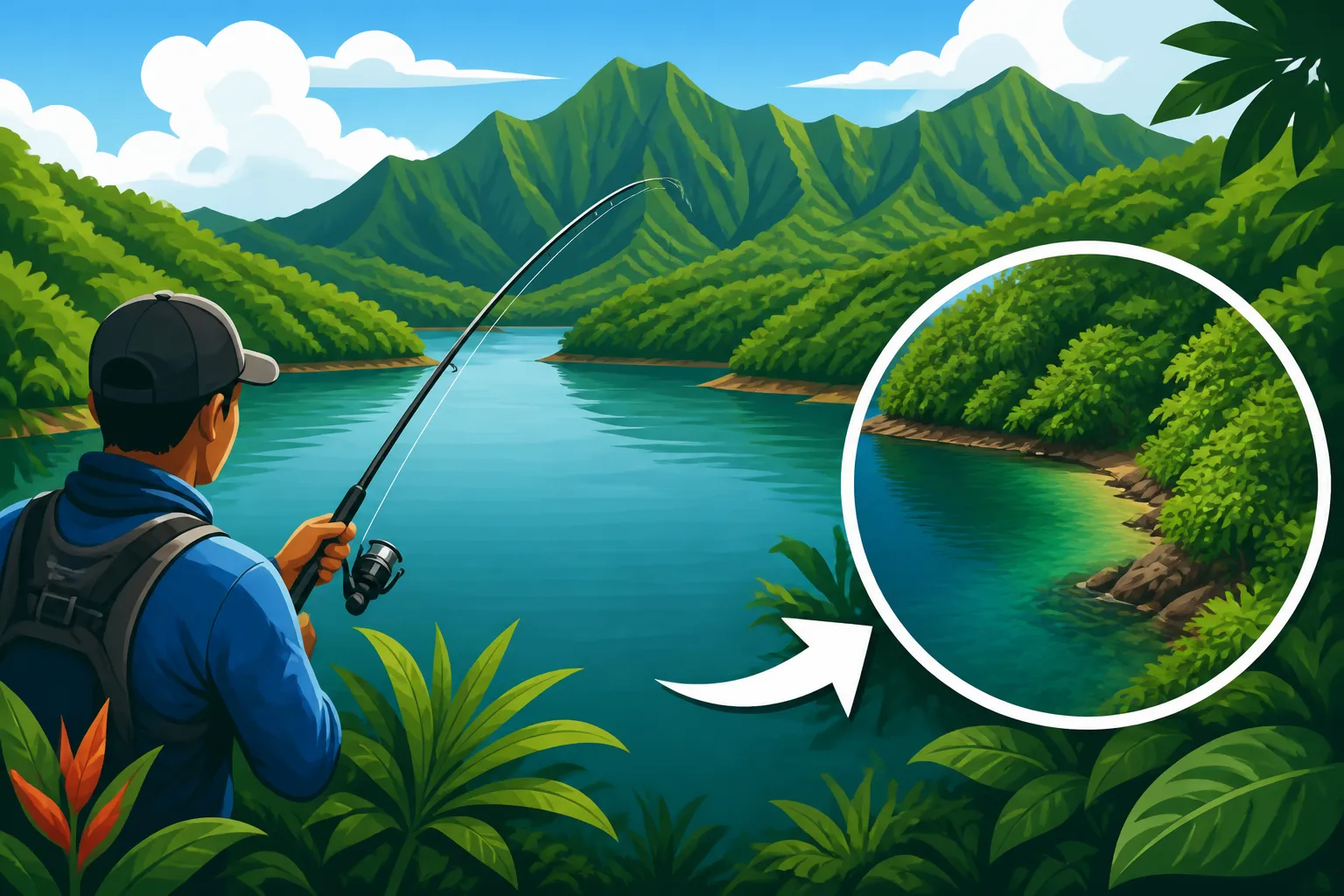
Nuuanu Reservoir's shoreline is dotted with numerous indentations and pockets, but some coves consistently outperform others. These spots offer a combination of cover, depth changes, and food sources that attract and hold fish. Knowing where to focus your efforts can dramatically increase your chances of success.
The Northern Inlet Cove: A Bass Haven
As you approach the northern reaches of Nuuanu 4, you'll encounter a prominent inlet cove formed by the incoming feeder streams. This area is often considered a prime location, especially for largemouth bass. The consistent flow of fresh water brings in nutrients and baitfish, creating a dynamic feeding zone. The edges of this cove typically feature submerged brush, fallen trees, and rocky outcroppings – all classic bass structure. During periods of higher water, the flooded vegetation along the banks becomes an irresistible ambush point for bass. Anglers working this area should focus on casting into the shadows and along the transition lines where deeper water meets shallow cover. Topwater lures can be incredibly effective here during dawn and dusk, imitating frogs or struggling baitfish. Mid-day might call for Texas-rigged worms or jigs pitched into heavier cover.
The Central Sheltered Coves: Tilapia and Panfish
Moving towards the central and eastern shores, several smaller, more sheltered coves offer a different kind of fishing experience. These coves are often shallower and provide excellent habitat for tilapia and various panfish. The calmer waters here are usually rich in aquatic vegetation, which serves as both food and cover for these smaller species. These spots are fantastic for family outings or for anglers who prefer light tackle and consistent action. Bait fishing with worms, corn, or small pieces of bread can be highly effective for tilapia. For panfish, tiny jigs or spinners fished slowly around the weed lines can yield good results. Kayak anglers will find these coves particularly accessible, allowing them to quietly explore the edges and reach areas that might be difficult from shore. Remember to review Hawaii freshwater license cost for residents and Hawaii freshwater license cost for nonresidents if you haven't secured yours yet.
The Southern Embankment Coves: Deeper Water Opportunities
The southern end of Nuuanu Reservoir, particularly near the main dam or embankment, can offer coves with more immediate access to deeper water. While the very immediate shoreline might be shallow, these coves often drop off quickly, providing cooler water and different foraging opportunities, especially during warmer months. Larger bass, which prefer deeper, cooler water, may hold here, particularly around any submerged structure like rock piles or old foundations. Anglers here should experiment with techniques that target deeper fish, such as drop-shotting, Carolina rigs, or slow-rolling spinnerbaits along the bottom contours. The accessibility might be more challenging due to steeper banks in some areas, but the potential for larger, less pressured fish makes the effort worthwhile. This area also benefits from the prevailing winds, which can push baitfish into these coves, creating feeding frenzies for opportunistic predators.
Here’s a quick overview of what you can expect from these top coves:
| Cove Area | Primary Target Species | Key Characteristics | Recommended Gear & Techniques | Access Difficulty |
|---|---|---|---|---|
| Northern Inlet Cove | Largemouth Bass | Feeder stream, submerged brush, rocks | Topwater, jigs, Texas rigs | Moderate (hike) |
| Central Sheltered Coves | Tilapia, Panfish | Shallow, abundant vegetation, calm | Light tackle, bait, small jigs | Easy to Moderate (hike/kayak) |
| Southern Embankment Coves | Largemouth Bass (large) | Deeper water access, steep banks | Drop-shot, Carolina rigs, deep crankbaits | Moderate to Hard (steep hike) |
Essential Gear and Techniques for Nuuanu's Coves
Fishing Nuuanu Reservoir requires a thoughtful approach to gear and techniques, tailored to the specific environment and the species you're targeting. Unlike the wide-open ocean, freshwater reservoir fishing often demands finesse and a good understanding of how fish relate to structure and cover.
Recommended Rods, Reels, and Line
For largemouth bass, a medium-heavy to heavy action spinning or baitcasting rod, typically in the 6'6" to 7'6" range, is ideal. This provides the power needed to cast heavier lures and extract fish from dense cover. Pair this with a reliable reel spooled with 12-20 lb fluorocarbon or braided line, with a fluorocarbon leader for abrasion resistance and stealth. Braided line is particularly useful for fishing around submerged logs or thick weeds, allowing you to cut through vegetation when a fish takes cover. For tilapia and panfish, a lighter setup is perfect. A light to medium-light action spinning rod (5'6" to 6'6") with a smaller reel spooled with 4-8 lb monofilament or fluorocarbon will make every catch exciting. The lighter line allows for longer casts of small baits and lures and is less visible to wary fish.
Best Baits and Lures for Reservoir Species
When it comes to lures for largemouth bass in Nuuanu's coves, a diverse tackle box is your best friend. Soft plastic worms (like Berkley PowerBait or Yamamoto Senkos) rigged Texas-style or wacky-style are perennial favorites, mimicking natural prey. Jigs with plastic trailers are excellent for probing deeper cover. Topwater lures such as poppers or walking baits can trigger explosive strikes, especially in low-light conditions. Crankbaits and spinnerbaits are also effective for covering water and enticing aggressive fish. For tilapia, simple baits are often best. Nightcrawlers, corn, or even small pieces of bread fished under a bobber or on the bottom can be incredibly productive. Tiny spoons or spinners can also work, especially if the tilapia are actively feeding on small baitfish. Many anglers find local knowledge invaluable, and booking a guide, perhaps through a platform like FishingBooker, can provide insights into current hot baits and techniques specific to Nuuanu.
Shoreline and Kayak Fishing Strategies
Shoreline fishing at Nuuanu Reservoir can be productive, but requires patience and often some hiking to reach the best coves. Focus your efforts on casting parallel to the bank, targeting any visible structure like fallen trees, brush piles, or rock formations. Fan casting from a single spot, covering a wide area before moving, is a good strategy. Pay attention to changes in depth and current, as these are prime holding areas. Kayak fishing, or using a float tube, offers unparalleled access to many of Nuuanu's coves. It allows you to quietly navigate into tight spaces, approach fish without spooking them, and effectively fish both the shorelines and open water. With a kayak, you can reach the heart of the "Northern Inlet Cove: A Bass Haven" or silently drift through the "Central Sheltered Coves: Tilapia and Panfish." Always remember safety first: wear a personal flotation device, especially when paddling.
Navigating Regulations and Ensuring a Responsible Trip
A successful and enjoyable fishing trip to Nuuanu Reservoir isn't just about catching fish; it's also about understanding and respecting the rules that protect this vital natural resource and its delicate ecosystem. Non-compliance can lead to hefty fines and jeopardize future access.
Nuuanu-Specific Fishing Rules and Permits
Nuuanu Reservoir, as a public water supply, has specific regulations that go beyond the general statewide Hawaii Fishing Regulations Explained. The Board of Water Supply (BWS) and the DLNR Division of Aquatic Resources (DAR) manage the reservoir. You will absolutely need a valid Hawaii freshwater fishing license. Beyond that, there are often specific rules regarding permissible fishing methods (e.g., no live bait that could introduce invasive species), bag limits for certain species, and even designated fishing hours or days. For instance, Hawaii Wahiawa Reservoir Fishing Rules might be similar in spirit, but Nuuanu will have its own nuances. Always check the official DLNR website or contact the BWS directly before your trip to get the most current information. Ignoring these specific rules isn't just illegal; it puts the reservoir's health at risk.
Respecting the Environment and Other Anglers
Nuuanu Reservoir is a place of natural beauty and an important resource for Oahu. It's crucial that every angler contributes to its preservation. This means practicing "leave no trace" principles: pack out all your trash, including fishing line, bait containers, and any other litter. Avoid damaging vegetation along the shoreline. If you’re bringing a kayak or float tube, ensure it’s thoroughly cleaned and dry to prevent the spread of aquatic invasive species, a constant concern in Hawaii's unique ecosystems. Be considerate of other users of the reservoir and surrounding trails; whether they are other anglers, hikers, or nature enthusiasts, everyone deserves to enjoy the peace and beauty of the area. Following Hawaii Catch and Release Only Freshwater Waters guidelines where applicable, or voluntarily releasing larger fish, contributes to the long-term health of the fishery. Platforms like FishingBooker also promote responsible angling practices, which aligns perfectly with the ethos of fishing in sensitive areas like Nuuanu. Checking the Hawaii DLNR fishing regulations PDF online is always a smart move to stay informed.
Age and Residency Requirements
It's also important to be aware of who needs a license. While often children under a certain age are exempt from licensing requirements in some states, it's critical to know the specific Hawaii Freshwater License Age Requirements. Generally, anyone 18 years or older needs a license. There are also different costs associated with licenses for residents versus non-residents. Make sure everyone in your fishing party who requires a license has one. If you’re visiting, you might also consider the different options for short-term licenses.
Disclaimer
The information provided in this guide is for general informational purposes only and is subject to change. Fishing regulations, access policies, and fish populations can vary. Always consult the official Hawaii Department of Land and Natural Resources (DLNR) and Board of Water Supply (BWS) websites or local authorities for the most current and accurate information before planning your fishing trip to Nuuanu Reservoir. Adherence to all local, state, and federal laws and regulations is the sole responsibility of the angler.