Best fishing spots on Molokai
For many anglers, the dream of fishing in Hawaii often conjures images of bustling harbors in Kona or Waikiki, but for those seeking a more authentic, uncrowded experience, Molokai holds a special allure. However, finding those prime fishing spots on the "Friendly Isle" can feel like navigating a maze without a map, leaving many frustrated and unsure where to begin. This comprehensive guide is here to cut through the guesswork, sharing the best fishing spots on Molokai and offering practical advice to make your angling dreams a reality on this truly unique island.
Understanding Molokai's Unique Fishing Landscape
Molokai isn't your typical Hawaiian tourist destination, and its fishing scene reflects that quiet, respectful character. Often called the "Friendly Isle," it's a place where tradition runs deep, and the pace of life is slower, more connected to the land and sea. This translates into a fishing experience that's less about commercial charters and more about personal exploration, local knowledge, and a profound respect for the aina (land) and kai (ocean).
The 'Friendly Isle' Approach to Fishing
Molokai embodies a spirit of humility and community that's distinctly Hawaiian. When you venture out to fish here, you're not just casting a line; you're participating in a centuries-old tradition that values sustainability and respect above all else. Unlike more developed islands where you might find a dozen fishing charters vying for business, Molokai operates on a more intimate scale. This means fewer crowds, more pristine waters, and a greater emphasis on malama 'aina – caring for the land. Anglers are encouraged to engage with locals respectfully, learn about traditional Hawaiian fishing practices, and always leave an area better than they found it. It’s a privilege to fish these waters, and approaching it with gratitude makes all the difference.
You'll quickly notice that Molokai doesn't boast the same infrastructure of large-scale tourism. This means fewer easily accessible amenities and a reliance on your own preparations. While other islands might offer abundant charter options that you can browse on platforms like FishingBooker, Molokai requires a more DIY spirit or connections with local residents. It's a place where word-of-mouth and a willingness to explore gently will serve you far better than expecting a bustling fishing industry. This slower pace is precisely what many anglers cherish, offering a serene backdrop to their pursuit.
Shoreline Variety and Accessibility Challenges
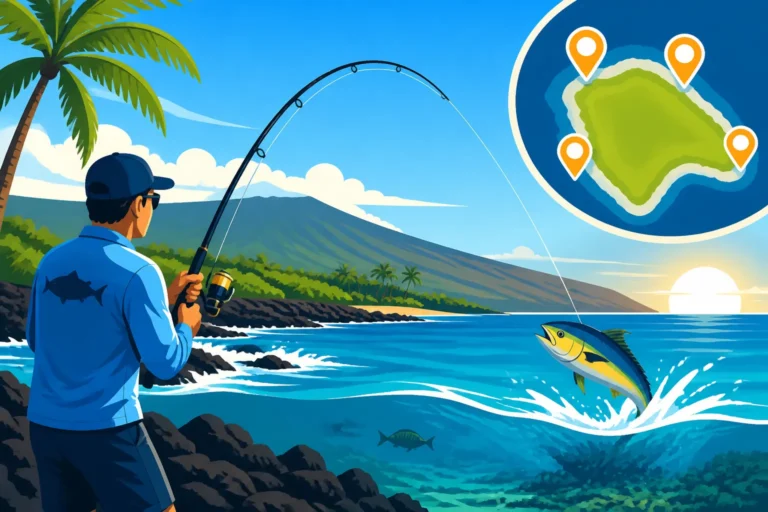
Molokai's coastline is incredibly diverse, ranging from long, sweeping sandy beaches perfect for surfcasting to rugged, dramatic lava rock points that plunge into deep blue water. This variety offers a fantastic array of fishing opportunities, but it also presents its own set of challenges, particularly when it comes to accessibility. Many of the most productive spots are not signposted or easily reached, often requiring a bit of a hike, a four-wheel-drive vehicle, or even local guidance to navigate safely.
For instance, you might find a beautiful stretch of beach that looks perfect for fishing, only to discover that the access road is unpaved and challenging, or that it crosses private property. Respecting private land and seeking permission if necessary is paramount. There are public access points, of course, but even those can be somewhat rustic. The key is to do your homework, look at maps, and perhaps consult with local tackle shops or the Hawaii Department of Land and Natural Resources (DLNR) for the most up-to-date information on access and Hawaii Fishing Regulations Explained. The frustration of finding a seemingly ideal spot only to be turned away by difficult terrain or private signs is real, but a little preparation can save a lot of disappointment.
Top Shoreline Fishing Hotspots on Molokai
Molokai's shoreline fishing is a true gem, offering a chance to connect with the island's natural beauty while pursuing a variety of exciting species. From the calmer eastern shores to the wilder west, there's a spot for every type of shore angler willing to explore.
East End Gems: From Kamalo to Halawa Valley
The east end of Molokai is characterized by a winding coastal road, lush green valleys, and a mix of rocky points and smaller sandy coves. It's often calmer than the west side, making it a fantastic area for a variety of shore fishing techniques.
Kamalo is a popular and relatively accessible spot, especially for those targeting papio (trevally) and ulua (giant trevally). The area features a mix of rocky shoreline and sandy patches, providing habitat for baitfish that attract these powerful predators. Early mornings and late evenings are often the most productive times. For papio, anglers frequently use light to medium spinning gear, whipping small artificial lures or soft plastics. If you're after a bigger ulua, sliding bait techniques with larger chunks of fresh fish or squid are very effective, especially at night when these giants move closer to shore. Remember that ulua can grow to impressive sizes, so having a robust setup is crucial. You can learn more about How to Catch Ulua from Shore in our detailed guide.
Further east, as you head towards the majestic Halawa Valley, the coastline becomes more rugged and remote. There are numerous unnamed rocky points and small bays that can hold an abundance of reef fish, as well as the ever-present papio and ulua. Species like moi (Pacific threadfin), kumu (goatfish), and various Jacks can be found here. Fishing these areas often requires more walking and a keen eye for reading the water—looking for current lines, baitfish activity, or submerged structure. It's a place where a respectful approach is paramount, as Halawa Valley is deeply significant culturally. Always be mindful of your surroundings and cultural protocols. Finding good spots on this stretch can be incredibly rewarding, but it demands patience and a willingness to explore beyond the obvious. For catching smaller, but equally fun, fish like papio, check out our guide on How to Catch Papio on Hawaii's Shoreline.
West End Wonders: Papohaku and Beyond
The west end of Molokai presents a stark contrast to the verdant east. Here, the landscape is drier, the beaches are expansive, and the ocean often experiences larger swells, especially during winter. This makes it a prime location for surf fishing, but also demands greater awareness of ocean conditions.
Papohaku Beach Park boasts one of Hawaii's longest white sand beaches, stretching for miles. This vast sandy expanse is a renowned spot for surf fishing, particularly for ulua and papio. The powerful waves and strong currents here create excellent feeding grounds for these species, which often cruise the surf zone looking for dislodged bait. Anglers typically use heavy-duty surf rods and reels, casting large baits such as whole squid, mullet, or opelu (mackerel scad) out beyond the breaking waves. The sheer size of Papohaku allows for plenty of space, so you won't feel crowded, even on a busy day. However, always exercise extreme caution due to the strong currents and potential for large shore break.
Just south of Papohaku, you'll find Dixie Maru Beach, a slightly more sheltered area that can offer different fishing opportunities. While still a sandy beach, it might have calmer sections or small reef outcroppings closer to shore, making it suitable for targeting smaller reef fish or baitfish with lighter tackle. The west end can be incredibly windy, especially in the afternoons, which can make casting challenging. Understanding the wind direction and timing your fishing trips accordingly can significantly impact your success. Always be prepared for changing conditions and never turn your back on the ocean.
Nearshore and Offshore Opportunities (Boat Access)
While Molokai is famous for its shoreline fishing, the waters just beyond the immediate coast and further offshore offer incredible opportunities for those with boat access. From bottom-dwelling reef fish to powerful pelagics, the ocean around Molokai is teeming with life.
Exploring the South Shore's Reefs and Channels
Molokai's south shore is protected by one of the longest fringing reefs in the Hawaiian Islands. This vast coral ecosystem creates a dynamic environment with numerous channels, ledges, and drop-offs that are prime habitat for a wide array of bottomfish. For those venturing out by boat, either with a private vessel or a local guide, these reefs are incredibly productive.
Target species in these nearshore reef areas include opakapaka (pink snapper), onaga (ruby snapper), ehu (red snapper), and various types of menpachi (squirrelfish). These fish often congregate around structure at depths ranging from 60 to 300 feet. Bottomfishing techniques typically involve using heavy lead sinkers to get your bait down quickly, often using squid, cut fish, or even live bait. Drop-offs and underwater ledges are key areas to focus on. Understanding how to use your sonar to identify these structures is crucial for success. You can explore more about techniques in our guide to Bottomfishing in Hawaii. While Molokai isn't known for a bustling charter scene, if you’re looking for a guided bottomfishing experience, remember that platforms like FishingBooker can connect you with reputable captains and boats on neighboring islands, giving you a sense of what to look for even if you're planning a more independent trip here.
Pelagic Pursuits Beyond the Barrier Reef
Beyond the protective barrier reef, Molokai's offshore waters drop quickly into deep oceanic trenches, making it a fantastic hunting ground for large pelagic species. This is where the true blue water adventure begins, targeting some of Hawaii's most sought-after game fish.
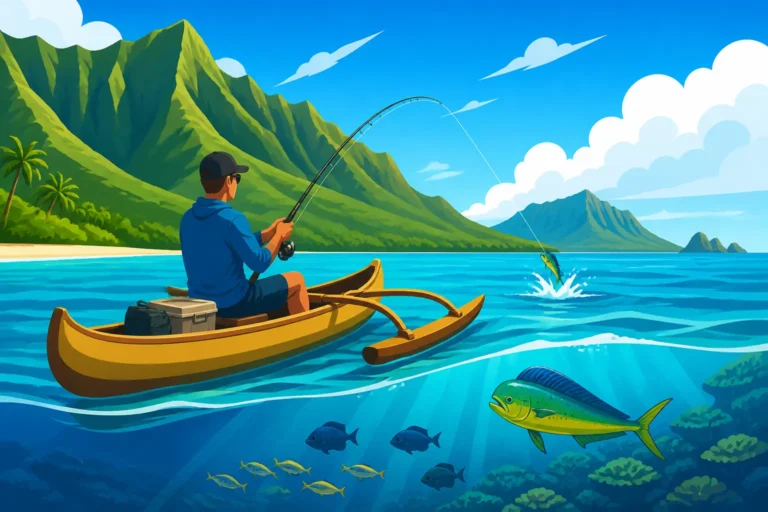
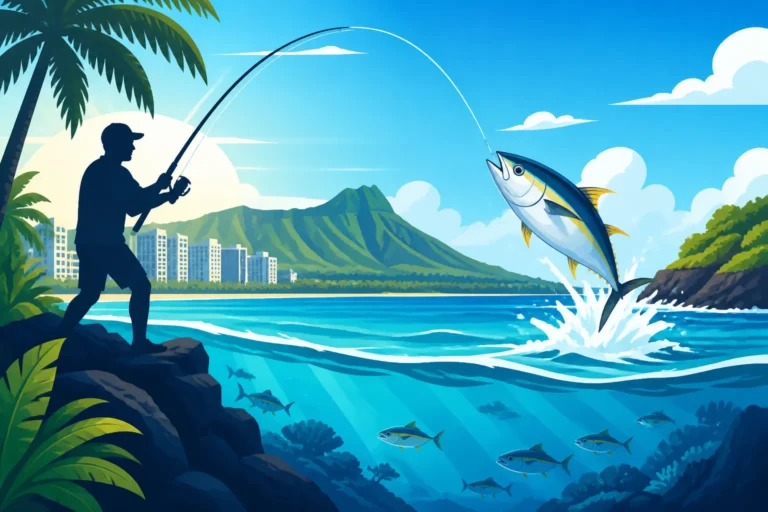
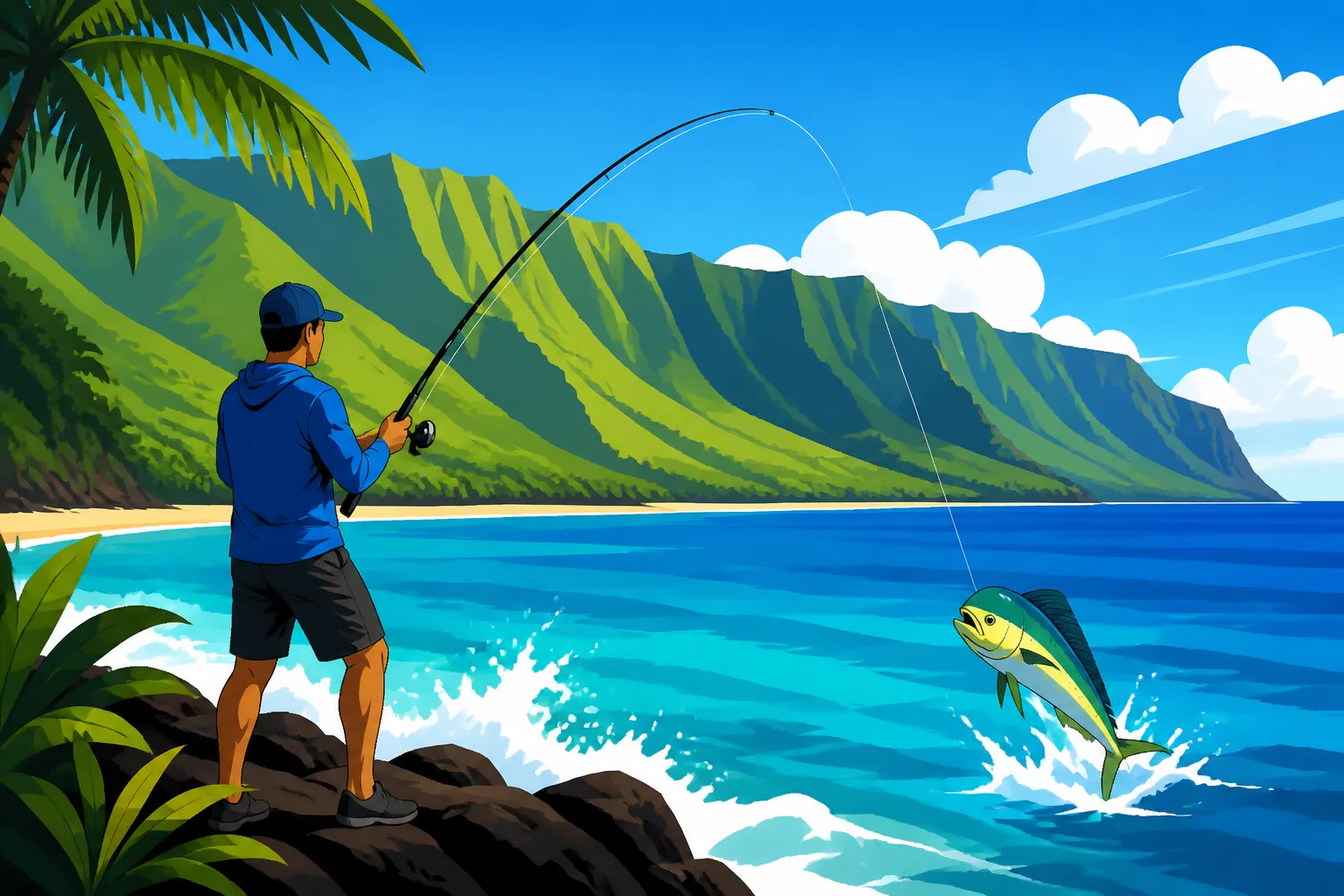
Anglers with access to offshore boats can expect to encounter a thrilling variety of species. Ahi (yellowfin tuna) are a primary target, often found congregating around FADs (Fish Aggregating Devices) or schools of baitfish further offshore. Trolling large lures or live bait is a common technique for ahi, especially during their peak seasons. Mahimahi (dorado or dolphin fish) are another popular catch, known for their acrobatic fights and vibrant colors; they often lurk around floating debris or current lines. Ono (wahoo), with their incredible speed and razor-sharp teeth, are frequently caught by high-speed trolling. And, of course, the majestic marlin, including blue marlin and striped marlin, cruise these deep waters, offering the ultimate challenge for big game anglers. For more insights on these species, check out our guides on Ahi Yellowfin Tuna Fishing in Hawaii, Mahimahi Fishing in Hawaii, and Ono Wahoo Fishing in Hawaii. Remember, while there aren't many readily available charters on Molokai, if you are planning to fish the deep waters off other Hawaiian islands, websites like FishingBooker list many experienced captains who can guide you to these pelagic hotspots.
Practical Tips for Fishing Molokai
Fishing on Molokai is an experience unlike any other, demanding not just angling skill but also a deep respect for the aina and its people. Being prepared and approaching your trip with the right mindset will significantly enhance your experience.
Essential Gear and Bait Considerations
Bringing the right gear is crucial for a successful Molokai fishing trip, especially given the island's more remote nature and fewer readily available resources. For shoreline fishing, you'll want versatile setups. A medium-heavy spinning rod (8-10 feet) paired with a 4000-6000 size reel spooled with 30-50 lb braided line is a good all-around choice for targeting papio and smaller ulua. For dedicated ulua fishing in the surf, a heavy-duty surf rod (12-15 feet) and a large conventional reel (like a Penn 113H or similar) with 80-100 lb mono or braid is recommended. Don't forget a sturdy rod holder to keep your rod upright in the sand or rocks.
When it comes to bait, live bait often reigns supreme. Opelu (mackerel scad), oama (juvenile goatfish), or halalu (juvenile bigeye scad) are excellent choices, but catching them can be a challenge itself. Squid, store-bought frozen aku (skipjack tuna), or chunks of fresh local fish like akule (bigeye scad) are reliable alternatives. For lures, consider a variety of casting spoons, lead jigs, and topwater poppers for papio. For offshore or bottom fishing, your charter or local guide will typically provide specialized gear, but it's always good to confirm. Ensure you have plenty of terminal tackle: swivels, hooks (circle hooks are often preferred for conservation), leaders (fluorocarbon for stealth, heavy mono for abrasion resistance around rocks), and sinkers of various weights.
Respecting the Land and Ocean (Malama Aina)
Molokai holds malama 'aina (caring for the land) as a core value, and as a visitor, embracing this ethic is not just polite but essential for preserving the island's unique charm and fishing opportunities for generations to come. This means leaving no trace behind—pack out everything you pack in, including all fishing line, bait packaging, and trash. Discarded fishing line, in particular, can be incredibly harmful to marine life.
Practicing catch and release, especially for certain species or undersized fish, is also a vital part of malama 'aina. Always be aware of Hawaii Bag and Size Limits by Species for anything you intend to keep, and err on the side of caution. For example, specific regulations exist for species like uhu (parrotfish) and moi (Pacific threadfin) that are often targeted nearshore. It's not just about rules; it's about being a good steward of the environment. If you see others fishing in a way that seems disrespectful, simply lead by example. The Molokai community values its natural resources deeply, and showing respect for the ocean, the land, and the local way of life will open doors and create a more fulfilling experience.
Finding Local Expertise and Resources
Given Molokai's less commercialized nature, finding local expertise often requires a more personal approach than on other islands. There isn't a long list of charters you can easily find online. However, there are still ways to tap into local knowledge. Start by visiting the local tackle shops, if available, or general stores that sell fishing supplies. These establishments are often hubs of local information, and the staff can provide invaluable insights into current conditions, what fish are biting, and general etiquette for specific areas.
Engaging respectfully with locals is another great way to learn. A simple "Aloha" and a genuine interest in their traditions can go a long way. While you might not find a multitude of commercial fishing guides readily available on Molokai, understanding the fishing scene on other islands can inform your approach. For example, if you were looking for Best Fishing Charters in Hawaii on Oahu or Maui, you'd likely turn to online resources such as FishingBooker to find and book a trip. While Molokai might not have the same extensive listings, this highlights the value of local, experienced guides who understand the nuances of the waters. On Molokai, building those personal connections and showing genuine respect is often the best path to discovering its hidden fishing gems and learning about its unique marine environment. Make sure to secure your Hawaii Fishing License Guide for 2026 and know Where and How to Buy a Hawaii Fishing License before you cast a line!
Molokai Shoreline Fishing Opportunities
| Fishing Spot Area | Primary Species Targeted | Typical Techniques | Best Time of Day | Accessibility Notes |
|---|---|---|---|---|
| East End (Kamalo) | Papio, Ulua, Moi, Reef Fish | Whipping, sliding bait, float fishing | Early morning, dusk | Relatively accessible, mix of rocky and sandy shores. |
| East End (Halawa Valley) | Papio, Ulua, Kumu, Reef Fish | Casting lures, bait fishing, deep dropping | Daytime | More remote, requires hiking; respect cultural significance and private property. |
| West End (Papohaku Beach) | Ulua, Papio | Heavy surfcasting with bait | All day, night | Long sandy beach, exposed to large swells and wind; caution advised due to strong currents. |
| West End (Dixie Maru Beach) | Papio, smaller reef fish, baitfish | Light tackle casting, bait fishing | Daytime | Slightly more sheltered than Papohaku, still can be windy. Sandy with some rocky patches. |
| South Shore Reefs (Boat) | Opakapaka, Onaga, Menpachi | Bottomfishing with bait, jigging | All day | Requires boat access, experienced captain for navigating reefs and channels. |
| Offshore Pelagics (Boat) | Ahi, Mahimahi, Ono, Marlin | Trolling lures/bait, chumming, deep dropping | All day | Requires offshore boat access; target FADs and deep water structures. |
Disclaimer
The information provided in this guide is for general informational purposes only and is subject to change. Fishing regulations, accessibility, and conditions can vary. Always consult the official Hawaii Department of Land and Natural Resources (DLNR) Division of Aquatic Resources for the most current rules and regulations before fishing. Exercise caution and respect all local customs and private property.