Is Fishing Allowed at Hanauma Bay?
The majestic cliffs and crystal-clear turquoise waters of Hanauma Bay are an iconic image of Hawaii, drawing visitors from all over the world. But for many anglers, the stunning beauty raises a natural question: can I fish here? The answer, unfortunately for those hoping to cast a line, is a resounding no, and it's a frustration many people face when visiting such a pristine area. This guide will walk you through exactly why fishing is prohibited at Hanauma Bay, delve into the critical reasons behind these strict rules, and offer some fantastic alternative options for when the fishing itch needs to be scratched elsewhere in Hawaii.
The Simple Answer: Is Fishing Allowed at Hanauma Bay? Absolutely Not.
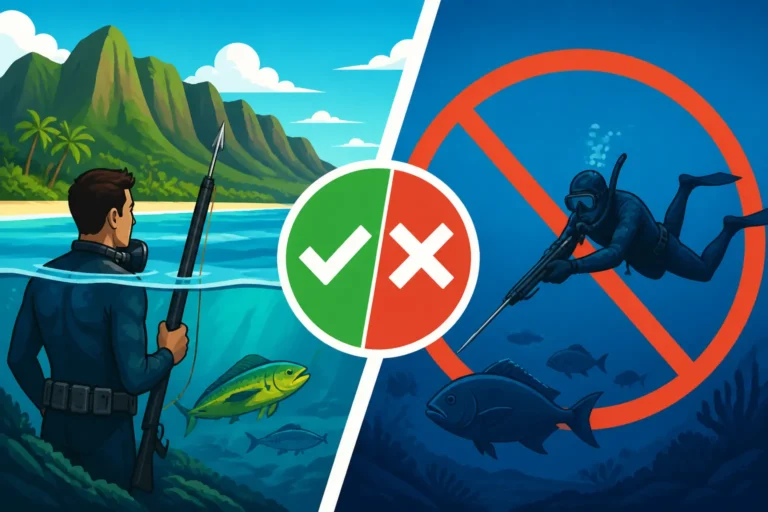
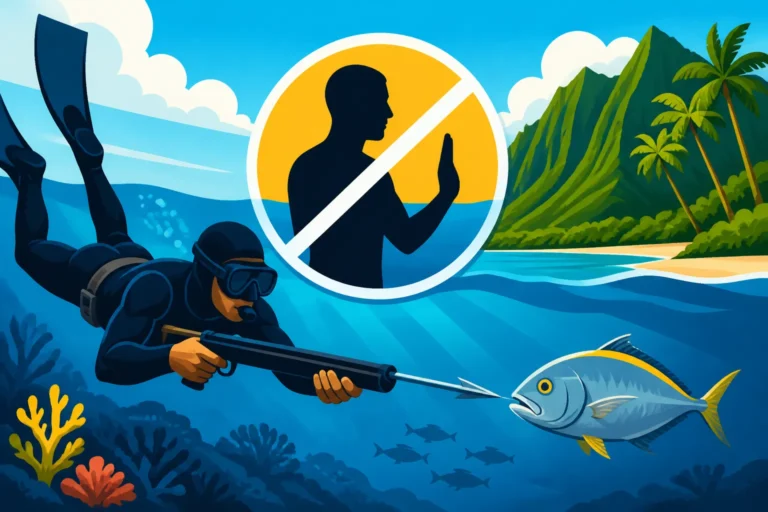
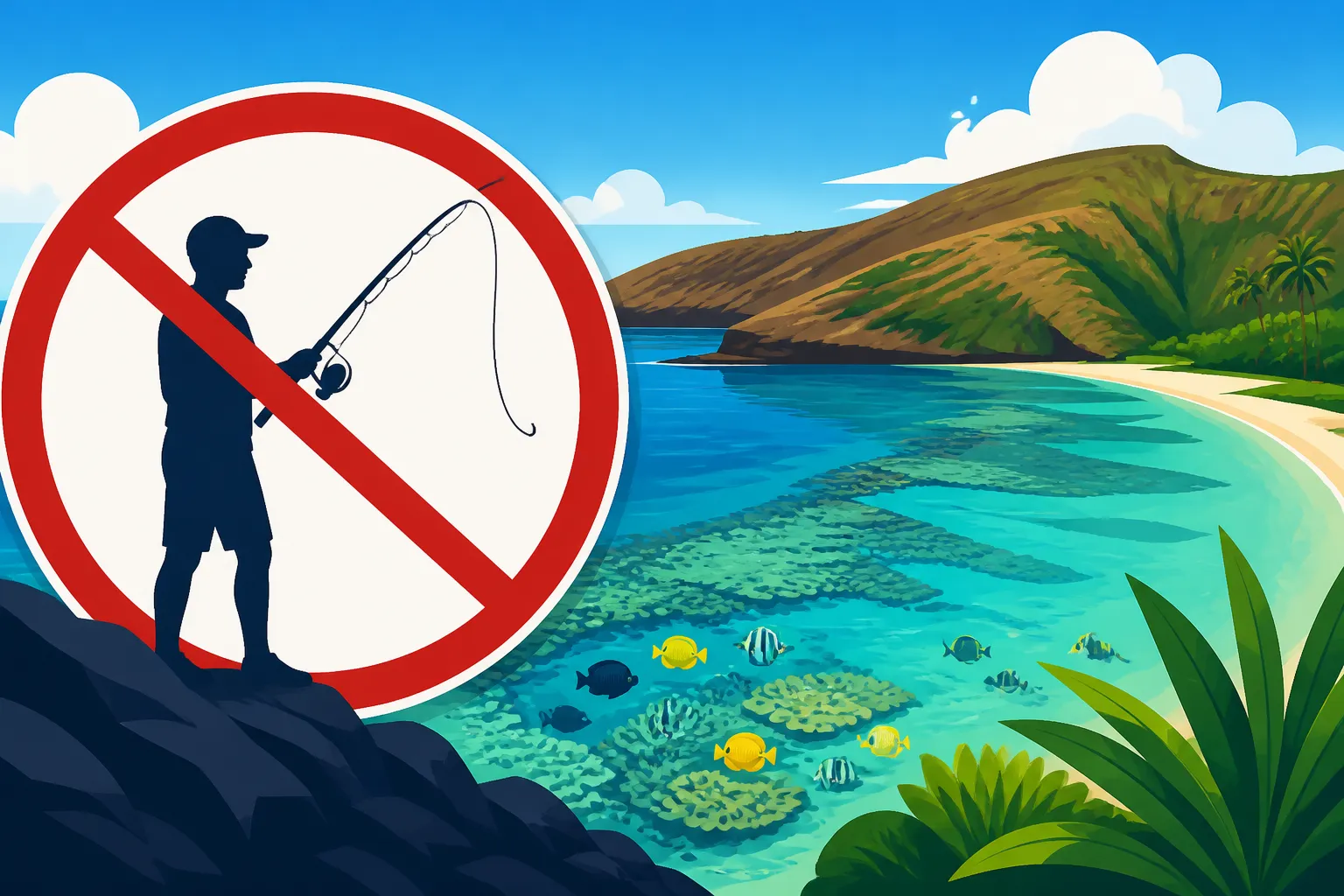
Let's cut right to the chase for those wondering if there’s any wiggle room: no, fishing is strictly prohibited at Hanauma Bay. This includes all forms of fishing – pole and line, throw nets, spearfishing, even gathering shellfish or limu (seaweed). The regulations here are among the strictest in Hawaii, and for very good reason, which we’ll explore in detail.
Understanding Hanauma Bay's Protected Status: Marine Life Conservation District (MLCD)
Hanauma Bay is not just any beautiful beach; it holds the prestigious and critically important designation of a Marine Life Conservation District (MLCD). This status isn't just a fancy title; it comes with a comprehensive set of rules designed to protect and preserve the delicate marine ecosystem within its boundaries. Think of it like a national park for the ocean. The State of Hawaii established the Hanauma Bay MLCD way back in 1967, making it one of the very first of its kind.
The primary goal of an MLCD is to conserve and replenish marine resources, allowing fish populations and coral reefs to thrive without human interference from fishing or harvesting. This protection serves several purposes: it provides a safe haven for marine life to breed and grow, acts as a living laboratory for scientific study, and offers unparalleled opportunities for non-extractive recreation like snorkeling and diving, where people can simply observe the underwater world in its natural state. Because of this designation, any activity that removes or harms marine life, including fishing, is strictly forbidden. If you're keen to learn more about these special areas, our detailed article on Hawaii Marine Life Conservation Districts, Explained can shed a lot more light on what these designations mean for anglers.
Specific Regulations Regarding Fishing and Harvesting
Within the boundaries of Hanauma Bay, the regulations are crystal clear and leave no room for ambiguity. Absolutely no fishing of any kind is allowed. This isn't just about commercial fishing; it applies equally to recreational anglers. You cannot drop a line from the shore, cast a net, or spearfish. Even simply collecting shells, rocks, or pieces of coral as souvenirs is against the rules. The idea is to leave absolutely everything as you found it, allowing the ecosystem to function undisturbed.
Enforcement of these regulations is taken very seriously. The Division of Conservation and Resources Enforcement (DOCARE), which falls under the Hawaii Department of Land and Natural Resources (DLNR), regularly patrols the bay. Violations can lead to significant fines, confiscation of gear, and even arrest. It's not uncommon to see DOCARE officers on patrol, both on land and in the water, ensuring everyone adheres to the rules. So, while it might be tempting to sneak in a quick cast, the risks are simply not worth it. Being prepared and understanding all the rules, like those outlined in Hawaii Fishing Regulations Explained, is key to a hassle-free experience anywhere in Hawaii.
Why Hanauma Bay is a No-Fishing Zone
The strict rules at Hanauma Bay aren't arbitrary; they are the result of decades of observation, conservation efforts, and a clear understanding of the unique challenges this particular bay faces. It's a testament to the community's commitment to preserving a truly special place.
Ecological Sensitivity and Conservation Goals
Hanauma Bay is home to an incredibly diverse and fragile coral reef ecosystem. This intricate underwater world supports hundreds of species of fish, invertebrates, and corals, many of which are unique to Hawaii. These corals grow very slowly and are easily damaged by anchors, fins, or even careless footsteps. Fishing, even with the best intentions, poses a direct threat to this delicate balance.
Even catch-and-release fishing can stress marine life. Fish can suffer from hook injuries, physiological stress from being fought, or become more susceptible to predation after release. Beyond individual fish, the simple act of fishing removes fish from the population, impacting the food web and the overall health of the reef. In an MLCD like Hanauma Bay, the goal is to allow fish populations to recover and thrive, acting as a "spillover" source for surrounding, less protected areas. This helps ensure that the fish you might see in other areas, or catch legally elsewhere, have a healthy breeding ground. Hanauma Bay also serves as an invaluable natural classroom, where students and researchers can observe marine life in a nearly pristine state, free from the direct impacts of human harvesting. Understanding how these ecosystems function without fishing pressure provides vital data for broader conservation efforts across the islands.
High Visitor Traffic and Safety Concerns
One look at Hanauma Bay on any given day, and you'll immediately understand another major reason for the fishing ban: people. The bay sees an immense number of visitors, particularly snorkelers and swimmers, who come to marvel at the abundant marine life. This high volume of human activity creates unique safety challenges.
Imagine trying to fish with a line and hook, or a spear, in waters teeming with hundreds of swimmers. The risk of accidentally injuring a person with a hook, a sharp spear, or even getting entangled in fishing line is simply too high. Children, in particular, might not be aware of fishing activities, making the area dangerous. Furthermore, the presence of fishing gear can detract from the serene, immersive experience that snorkelers and divers seek. Visitors come to observe, not to navigate around fishing lines or worry about encountering hooks. By prohibiting all forms of fishing, the State ensures a safer and more enjoyable environment for everyone who wishes to experience the beauty of Hanauma Bay's underwater world, ensuring it remains a premier destination for non-extractive recreation.
Alternative Fishing Spots and Activities Near Hanauma Bay
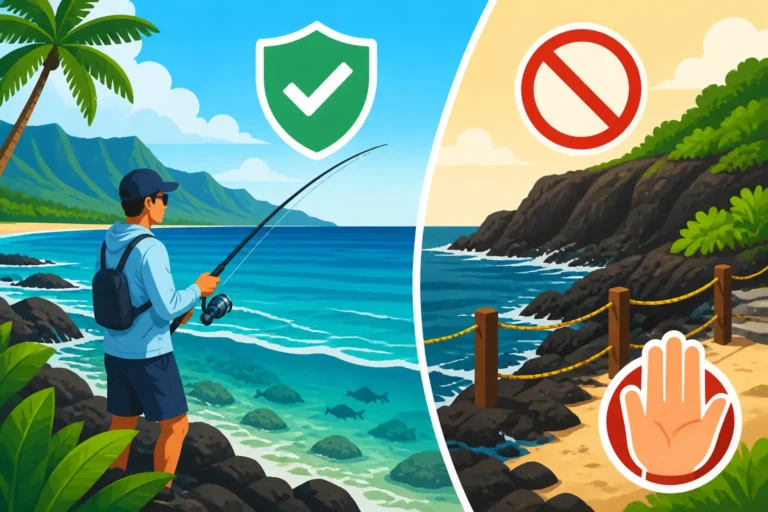
While Hanauma Bay itself is off-limits for fishing, that doesn't mean your fishing adventure in Hawaii has to end! There are plenty of fantastic alternatives nearby where you can legally cast a line and try your luck, often just a short drive away.
Nearby Shoreline Fishing Options
Just outside the strict boundaries of Hanauma Bay, the rules shift, and many stretches of coastline offer excellent shore fishing opportunities. Remember, even in these areas, it's crucial to be aware of and abide by local regulations, including bag and size limits for specific species, as well as any seasonal closures. You can always refer to resources like the Hawaii DLNR fishing regulations PDF if you're ever in doubt.
Here are a few popular spots generally open to shore fishing on Oahu's southeast side, assuming no other specific closures or restrictions apply at the time of your visit:
- Koko Head and Portlock Area: The rocky shorelines and points around Koko Head and the Portlock area (outside of Hanauma Bay's direct entrance) can be productive for various reef and pelagic species. Anglers often target papio (juvenile trevally), ulua (giant trevally), moi (Pacific threadfin), and various goatfish species here. Just be mindful of private property boundaries and public access points. Our guide on Best Shore Fishing Spots in Hawaii has even more ideas for where to go.
- Sandy Beach Park: Famous for its powerful shore break, Sandy Beach is also a well-known spot for local anglers, particularly those targeting papio and ulua with heavier tackle. The strong currents and waves here demand respect and proper safety precautions, especially for those not accustomed to Hawaii's dynamic ocean conditions.
- Makapu'u Point: Further up the coast, past Sandy Beach, Makapu'u offers dramatic cliffs and rocky outcrops that can provide access to deeper water from shore. This area can be good for various trevally species and other reef fish. As with all rocky areas, watch your footing and be aware of ocean swells.
- Kaiona Beach Park / Waimanalo Area: Moving into the Waimanalo area, you'll find more sandy stretches combined with reef sections. These areas can be great for whipping for papio, and sometimes for moi if you find the right sandy-bottomed spots. Always check for specific local regulations that might apply to certain beaches or species.
Remember, the key is to always respect the land, the ocean, and local customs (kapu). Always pack out what you pack in, and be a good steward of Hawaii's precious natural resources.
Embracing Non-Extractive Marine Activities
If you've made the trip to Hanauma Bay, it's truly an experience in itself to set aside the fishing gear and embrace the unique opportunity it offers: unparalleled marine observation. Hanauma Bay is world-renowned for its snorkeling and is considered one of the best places on the planet to witness a vibrant coral reef ecosystem up close.
- Snorkeling and Freediving: This is the quintessential Hanauma Bay experience. Don a mask, snorkel, and fins, and immerse yourself in an underwater kaleidoscope of colorful fish, healthy corals, and even Hawaiian green sea turtles (honu) gracefully gliding by. You'll see dozens of species you might never encounter while fishing, all in their natural habitat. Many visitors love to bring an underwater camera (you can find great affordable options on Amazon that are perfect for capturing these memories) to document their discoveries.
- Underwater Photography: For the more serious enthusiast, Hanauma Bay is a dream come true. The clear waters and abundant marine life offer endless photographic opportunities. Capturing images of the graceful triggerfish (including Hawaii's state fish, the humuhumunukunukuapua'a), schools of parrotfish, or vibrant butterflyfish can be just as rewarding, if not more so, than catching them.
- Education and Appreciation: Take the time to visit the education center before heading down to the beach. You’ll learn about the history of the bay, the various species that call it home, and the importance of conservation. It truly enhances the experience and helps foster a deeper appreciation for Hawaii's marine environment. Even studying fish identification guides (many are available on Amazon for quick delivery!) can enhance your viewing experience. By focusing on observation rather than extraction, you contribute directly to the health and sustainability of this precious natural treasure.
Navigating Hawaii's Fishing Regulations Beyond Hanauma Bay
Understanding why Hanauma Bay has its strict rules is a great first step, but it's important to remember that Hawaii's fishing regulations extend far beyond this one protected area. To enjoy a legal and responsible fishing trip anywhere in the islands, you need to be aware of the broader regulatory landscape.
General Rules for Anglers in Hawaii
Hawaii has a comprehensive set of regulations governing both freshwater and marine fishing, designed to manage fish stocks and protect various ecosystems. While saltwater recreational fishing generally doesn't require a license for residents (there are nuanced discussions about this, like in our article Hawaii Resident Ocean Fishing License Exemption), it's a different story for freshwater. If you're looking to fish Hawaii's reservoirs for peacock bass, tilapia, or channel catfish, you absolutely need a freshwater fishing license. Our guide on Hawaii Freshwater Fishing License and Rules breaks down everything you need to know about obtaining one.
Beyond licenses, here are some critical aspects to always keep in mind:
- Bag and Size Limits: Almost every regulated species in Hawaii has specific daily bag limits (how many you can keep) and minimum/maximum size limits. These vary significantly from species to species. For instance, there are strict rules for moi, uhu (parrotfish), and various bottomfish. Ignorance of the law is not an excuse, so always check the latest regulations. You can find detailed information on species-specific rules in articles like Hawaii Uhu (Parrotfish) Size and Bag Limits or Hawaii Moi Closed Season, Explained.
- Seasonal Closures: Certain species have specific closed seasons to protect them during spawning or other vulnerable periods. Fishing for moi, for example, is prohibited for a significant portion of the year. Always check the current season dates before you head out.
- Prohibited Methods: Some fishing methods are banned statewide or in specific areas. For instance, certain types of nets, explosives, or poisons are universally illegal. Spearfishing also has its own set of rules, including prohibitions on the use of SCUBA gear for spearfishing, as detailed in Hawaii SCUBA Spearfishing Ban.
- Protected Species: It's vital to know which species are protected and cannot be harvested at all, such as certain sea turtles, monk seals, and reef sharks. Accidental catches should be released immediately and unharmed.
- Respecting Public and Private Access: Always ensure you have legal access to your fishing spot. Be mindful of private property and military installations, which often have their own restrictions. The Hawaii Fishing License Guide for 2026 is a fantastic resource to start with for a comprehensive overview of general requirements.
The best source for the most up-to-date information is always the Hawaii Department of Land and Natural Resources (DLNR) Division of Aquatic Resources (DAR) website. It's a good idea to bookmark it or even pick up a printed copy of the regulations if you plan on extended fishing trips. Some anglers even purchase laminated quick-reference cards on Amazon for easy access while out on the water.
Understanding Marine Life Conservation Districts (MLCDs) and Fish Replenishment Areas (FRAs)
Hanauma Bay is just one example of a protected area in Hawaii. The state has a network of other Marine Life Conservation Districts (MLCDs) and Fish Replenishment Areas (FRAs) located across the islands. Each of these areas has its own specific set of rules, which can range from no-take zones (like Hanauma Bay) to areas with limited take or specific gear restrictions.
- MLCDs: These are the most highly protected areas, often established in ecologically significant coral reef areas. Beyond Hanauma Bay, examples include Molokini Shoal in Maui, Lapakahi on the Big Island, and Waimea Bay on Oahu. While all MLCDs prioritize conservation, their specific rules can vary slightly. For instance, some may allow limited hook-and-line fishing from shore in designated sections, but many prohibit all take, similar to Hanauma Bay. Always check the specific regulations for each MLCD you plan to visit. Our guide What a Marine Life Conservation District means for anglers provides an excellent overview.
- FRAs: Fish Replenishment Areas are generally focused on managing and sustaining populations of certain fish species, particularly reef fish, by restricting aquarium collection and sometimes other forms of harvesting. A significant FRA exists along the West Hawaii coastline. These areas are crucial for allowing fish populations to rebound and contribute to overall marine ecosystem health. Our article on Hawaii Fish Replenishment Areas in West Hawaii dives deep into these important zones.
The takeaway here is that you can't assume the rules from one location apply to another. Always do your homework before heading out. Understanding these varied regulations is crucial for being a responsible angler and ensuring the health of Hawaii's unique marine environment for generations to come.
Comparing Hanauma Bay's Rules to General Hawaii Fishing Rules
To provide a clear picture, let's look at a quick comparison between the strict regulations in place at Hanauma Bay and the more general rules you might encounter across the rest of Hawaii's open waters.
| Feature | Hanauma Bay MLCD (Marine Life Conservation District) | General Hawaii Marine Fishing Rules (Outside MLCDs/FRAs) |
|---|---|---|
| Fishing Allowed? | NO (Strictly prohibited for all types of fishing/harvesting) | YES (Generally allowed, with specific regulations) |
| Spearfishing | Prohibited | Allowed, with specific regulations on gear, technique, and species |
| Net Fishing | Prohibited | Allowed, with specific regulations on net type, size, and use |
| Collecting Shells/Coral | Prohibited (Leave everything as found) | Generally allowed for common shells/rocks, but strict rules for coral/limu |
| Recreational Marine Fishing License | N/A (Fishing prohibited) | Not required for residents (non-residents have specific marine license options) |
| Freshwater Fishing License | N/A (No freshwater fishing in the bay) | Required for all anglers (resident & nonresident) for freshwater fishing |
| Bag & Size Limits | N/A (No take allowed) | Species-specific limits apply statewide |
| Seasonal Closures | N/A (No take allowed) | Species-specific closures apply statewide |
| Primary Purpose | Marine conservation, education, non-extractive recreation (snorkeling/diving) | Sustainable resource management, recreational & commercial fishing, conservation |
| Enforcement | Very strict, with regular patrols by DOCARE; fines, confiscation, arrest possible | Regular enforcement by DOCARE; fines, confiscation, arrest possible for violations |
Disclaimer
Please remember that fishing regulations in Hawaii are subject to change. While we strive to provide the most accurate and up-to-date information, it is always your responsibility as an angler to consult the official Hawaii Department of Land and Natural Resources (DLNR) Division of Aquatic Resources (DAR) website or offices for the latest rules and emergency closures before engaging in any fishing activities. This guide is for informational purposes only and should not be considered legal advice.