Hawaii 1-Day and 7-Day Nonresident Marine License Cost
It can be incredibly confusing for visitors to Hawaii to figure out what kind of fishing license they need, especially if they're only here for a short trip or just want to try their luck once or twice. The idea of "ocean fishing being free" is a common misconception that can lead to unexpected fines. This guide is here to clear up all that confusion, walking you through the ins and outs of Hawaii's 1-day and 7-day nonresident marine fishing license costs and requirements, ensuring you're fully prepared for your Hawaiian angling adventure.
The Real Need for a Nonresident Marine Fishing License
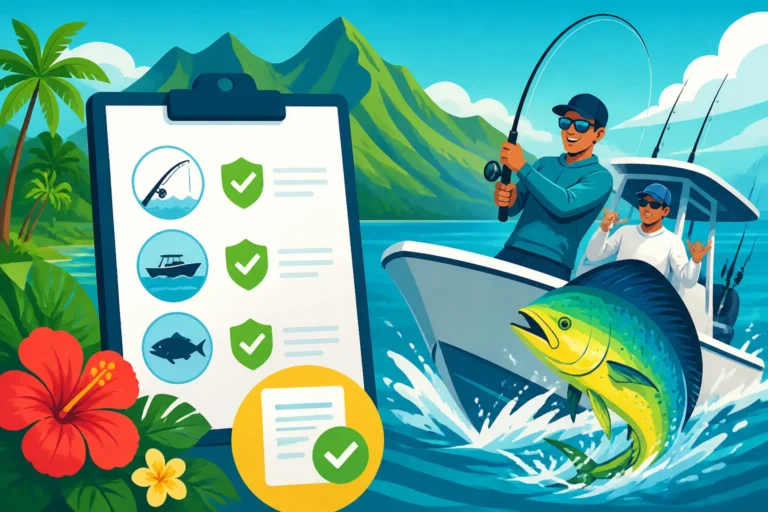
Many visitors arrive in Hawaii with a sense of excitement, ready to cast a line into the beautiful Pacific waters, only to be hit with a wave of uncertainty about licenses. The long-standing tradition of no ocean fishing license for residents often leads to the mistaken belief that everyone, including tourists, can fish freely in the ocean. Unfortunately, that's simply not the case anymore. Since July 1, 2024, if you're not a Hawaii resident and you're planning to fish in the marine waters from shore or a private vessel, you absolutely need a license.
The "Free Ocean Fishing" Misconception for Visitors
It’s true that for decades, Hawaii was one of the few places in the U.S. where ocean fishing for residents was largely unregulated by a general marine license requirement. This created a strong culture of fishing accessibility for kama'aina (locals). However, as tourism grew and the pressure on marine resources increased, the state realized the need for better management and funding for conservation efforts. This led to the introduction of a marine fishing license for nonresidents first, and a resident one will likely follow in the near future. It’s a necessary step to protect the very resources that make Hawaii such a fishing paradise.
Imagine you've just rented a charming little condo on the Kona Coast, excited for a relaxing week. You see locals fishing off the rocks, casually pulling in papio, and think, "Hey, I should try that!" You grab a rod, head to the shoreline, and start casting. If a Division of Aquatic Resources (DAR) enforcement officer spots you and you don't have that nonresident license, you're looking at a penalty, even if you genuinely didn't know. It’s a frustrating situation that many visitors face, and it’s precisely why understanding the current rules is so vital. This guide on Do You Need a Fishing License in Hawaii goes into more detail about this crucial requirement.
Supporting Hawaii's Aquatic Resources
The fees collected from these nonresident marine licenses aren't just for bureaucracy; they play a critical role in funding the conservation and management of Hawaii's precious marine ecosystems. These funds go directly towards efforts like monitoring fish populations, enforcing regulations to prevent overfishing, restoring critical habitats, and conducting research to ensure the long-term health of the reefs and pelagic species we all love to fish.
Think about it: every time you purchase a license, you're contributing to the sustainability of the very waters you're enjoying. This supports projects that maintain healthy fish stocks, protect endangered species like the Hawaiian monk seal or sea turtles from fishing gear impacts, and ensure that future generations can also experience the thrill of fishing here. It’s an investment in keeping Hawaii's oceans vibrant and full of life, making your fishing experience even more meaningful.
Breaking Down the 1-Day Nonresident Marine License Cost
Sometimes, you’re only in Hawaii for a quick layover, a brief business trip, or just want to try a single morning of fishing. For these specific scenarios, Hawaii offers a 1-day nonresident marine fishing license. It's designed to be a convenient, short-term option, but understanding its cost and limitations is crucial to avoid any surprises.
What's Included and Excluded
The 1-day nonresident marine fishing license typically costs around $20.00. This license is valid for a single 24-hour period from the time of purchase. It covers your ability to fish in Hawaii's marine waters from shore or from a private vessel. This includes activities like ulua whipping from the rocks, light tackle papio fishing in bays, or even dropping a line from a private boat near the coast.
However, there are important exclusions. This license does not cover freshwater fishing. If you're dreaming of catching rainbow trout up in Kokee on Kauai or targeting peacock bass in Wahiawa Reservoir on Oahu, you'll need a separate freshwater fishing license. It also doesn't cover commercial fishing activities or participation in certain fishing tournaments that might require additional permits. Essentially, it's for the casual recreational nonresident angler enjoying the marine environment for a very limited time.
Is a 1-Day License Right for Your Trip?
A 1-day license makes the most sense if your time in Hawaii is extremely limited and you only plan one dedicated fishing excursion. For example, if you're on a cruise ship that docks in Honolulu for a day, and you decide to spend a few hours trying your luck from a pier near Ala Moana Beach Park before rejoining your ship. Or perhaps you're visiting family for a long weekend, and only one morning has been carved out for fishing.
It’s often the go-to choice for someone just curious about Hawaiian fishing, wanting to test the waters (literally!) without committing to a longer-term license. If you're unsure if you'll enjoy it or if you have very little time, the 1-day option is an economical way to experience it legally. However, if you find yourself enjoying it and decide to fish for a second day, you'll need to buy another 1-day license, which can quickly add up and become less cost-effective than a multi-day or annual option.
Unpacking the 7-Day Nonresident Marine License Cost
For visitors planning a longer stay or anticipating multiple fishing days during their Hawaiian vacation, the 7-day nonresident marine fishing license often presents a much better value. It offers more flexibility and usually results in savings compared to buying several 1-day licenses.
Cost Comparison
The 7-day nonresident marine fishing license typically costs around $40.00. Let’s put that into perspective. If you were to buy seven individual 1-day licenses, you'd be spending approximately $140.00 ($20 x 7). So, right off the bat, the 7-day license saves you a significant chunk of change if you plan to fish for more than two days within a week.
| License Type | Validity Period | Approximate Cost | Cost Per Day (if maxed out) | Ideal Use Case |
|---|---|---|---|---|
| 1-Day Nonresident Marine | 24 hours | $20.00 | $20.00 | Single, short fishing trip |
| 7-Day Nonresident Marine | 7 consecutive days | $40.00 | ~$5.71 | Multiple fishing days within a week |
| Annual Nonresident Marine | 1 year from purchase | $70.00 | ~$0.19 | Frequent or extended visits |
As you can see from the table, the value proposition dramatically improves with the 7-day option. While the annual nonresident marine fishing license might seem like the ultimate long-term saver, if your trip is strictly a week or less, the 7-day is the sweet spot. You can learn more about the annual option by checking out Nonresident Annual Marine Fishing License Cost in Hawaii.
When a 7-Day License is the Better Value
The 7-day license is ideal for most vacationers who plan to spend a week or more in Hawaii and intend to fish on more than two separate days. For instance, if you're staying on Oahu for a full week, you might want to try shore fishing at Sandy Beach one day, then head out to Kaena Point for some deep-water access another, and maybe even try a little evening fishing from a pier near Kewalo Basin. All these activities would be covered under your single 7-day license.
This option provides you with the freedom to spontaneously decide to fish without the hassle of purchasing a new license each time. It takes the pressure off, allowing you to truly relax and enjoy your trip. Many families on a longer vacation find this particularly appealing, as it gives them the flexibility to fit fishing into their itinerary whenever it suits them, without worrying about accumulating individual daily license costs. It’s also a great choice if you’re planning a charter trip and want to do a little casual shore fishing on the side, as some charter operators might require you to have your own license, even though they usually handle their commercial permits.
Where and How to Purchase Your Nonresident Marine License
Getting your Hawaii nonresident marine fishing license is a straightforward process, but knowing your options can save you time and hassle. The Hawaii Department of Land and Natural Resources (DLNR) Division of Aquatic Resources (DAR) manages all fishing licenses.
Online vs. In-Person Options
The easiest and most convenient way to purchase your nonresident marine fishing license is online through the official Hawaii DLNR website. This allows you to buy your license from the comfort of your home before you even travel, or from your hotel room once you arrive. The online portal is typically user-friendly, guiding you through the steps to select your license type, provide necessary information, and complete the payment. After purchase, you can often print a temporary license immediately or carry a digital copy on your phone. For a detailed walkthrough, check out How to Buy a Hawaii Fishing License Online.
If you prefer to purchase in person, or if you run into any issues online, you can visit authorized license vendors across the islands. These vendors often include local tackle shops, some sporting goods stores, and occasionally specific government offices. While convenient, keep in mind that hours of operation may vary, and you might encounter a line, especially during peak seasons. Calling ahead to confirm vendor locations and hours is always a good idea. Having a waterproof holder for your printed license or phone is a smart move, and you can find many practical options on Amazon to keep your important documents safe near the water.
What You'll Need to Buy One
Whether you buy online or in person, you'll need to provide some basic information to complete your license purchase. This typically includes:
- Full Legal Name: As it appears on your government-issued ID.
- Date of Birth: To verify age requirements.
- Physical Address: Your current non-Hawaii residence.
- Contact Information: Phone number and email address.
- Government-Issued ID: While you won't necessarily need to present it for an online purchase, you will need the information from it (e.g., driver's license number) for verification. If purchasing in person, you will need to show it.
- Payment Method: A credit or debit card for online purchases, or cash/card for in-person transactions.
It's a pretty standard process, similar to buying a fishing license in other states. Just make sure all your information is accurate to avoid any issues. Always double-check your dates and license type before finalizing the purchase.
Important Considerations Beyond the Cost
Getting your license is a great first step, but it's just one piece of the puzzle. To truly enjoy a responsible and successful fishing trip in Hawaii, you need to be aware of the bigger picture: the regulations that govern what you can catch, where you can fish, and how you carry your license.
Understanding Hawaii's Fishing Regulations
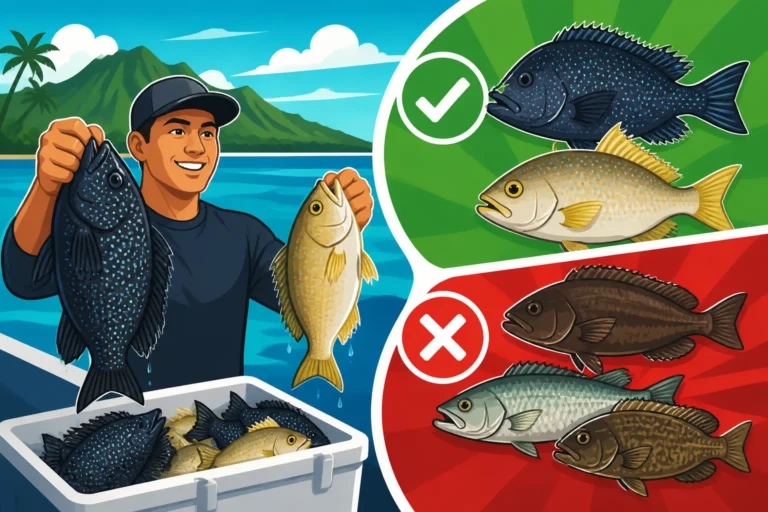
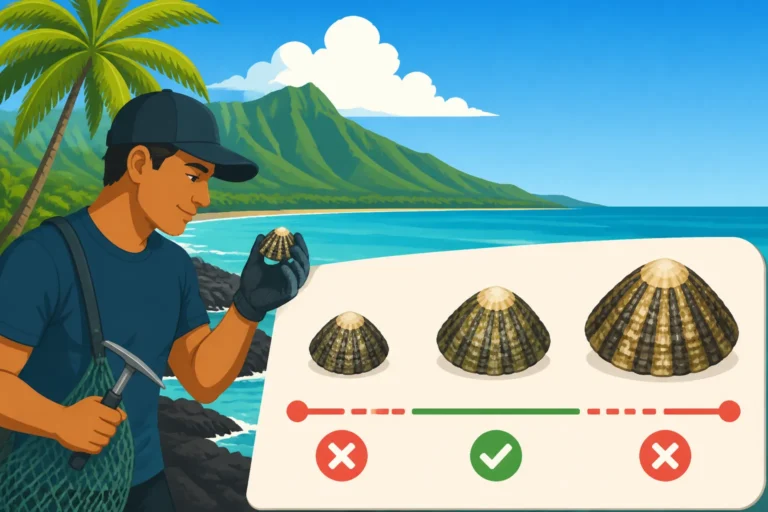
Hawaii has a complex and extensive set of fishing regulations designed to protect its unique marine ecosystem. These rules cover everything from minimum and maximum size limits for various species to daily bag limits, seasonal closures, and even gear restrictions. For example, specific species like Moi have closed seasons, while Uhu (parrotfish) have specific size and bag limits. You absolutely need to know these rules before you cast your line.
Ignorance of the law is not an excuse, and enforcement officers regularly patrol popular fishing spots. Imagine the disappointment of catching a beautiful Papio, only to find out it's undersized and you have to release it, or worse, face a fine. Don't let that happen! The DLNR Division of Aquatic Resources website is your best friend for up-to-date regulations. They offer resources like the Hawaii Fishing Regulations Explained and detailed guides on Hawaii Bag and Size Limits by Species that are invaluable for any angler. You can also pick up a physical copy of the regulations booklet at many license vendors or find concise guides online, even downloadable PDFs, which you could store on a tablet that fits easily into a protective case from Amazon.
Carrying Your License: Digital vs. Physical Copies
Once you've purchased your license, whether it's a 1-day or 7-day, you are legally required to have it on your person while fishing. Hawaii offers flexibility in how you carry it. You can print a physical copy and keep it with you, perhaps laminated or in a waterproof pouch to protect it from the elements. This is often the preferred method for many anglers, especially if they’re fishing close to the water or in conditions where electronics might get wet.
Alternatively, you can carry a digital copy on your smartphone or another electronic device. Just make sure your device is charged and accessible, as you’ll need to be able to display it upon request from an enforcement officer. Many anglers take a screenshot of their digital license, ensuring it's quickly available even if cell service is spotty. Whichever method you choose, the key is to ensure it's legible, valid, and immediately presentable. Don't get caught without it – it's an easy way to turn a fantastic fishing day into a frustrating encounter. For more tips on this, check out Printing or Carrying a Digital Fishing License in Hawaii.
Getting Ready for Your Hawaiian Fishing Adventure
With your 1-day or 7-day nonresident marine fishing license sorted, you're well on your way to experiencing some incredible fishing. But the license is just the entry ticket; a little more preparation will ensure your trip is truly unforgettable.
Gear and Technique Essentials
Hawaii's marine environment is diverse, offering everything from calm bay fishing to rugged shoreline casting. Your choice of gear and technique will largely depend on what you're targeting and where you're fishing. For instance, if you're planning to target Papio from shore, a light spinning setup with a rod in the 7-9 foot range and 10-20 lb test line is usually sufficient. You'll want to explore different lure types, like small spoons, Kastmasters, or even soft plastics. Check out Shore Fishing Techniques for Hawaii for some excellent tips.
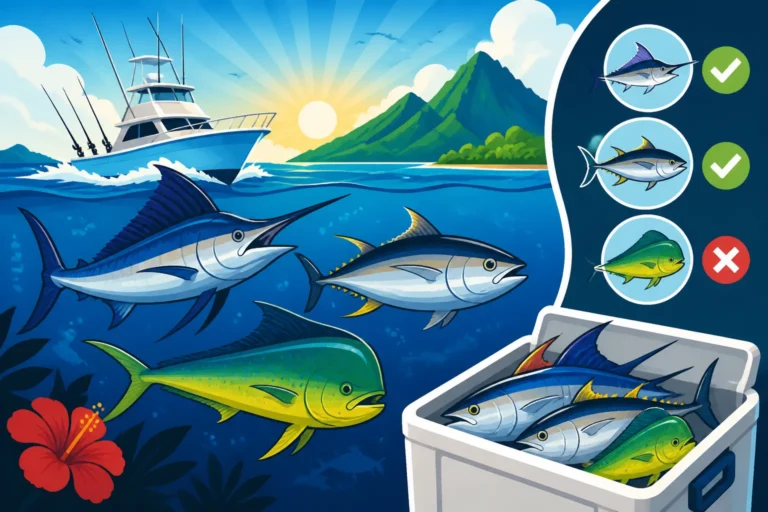
If you're chartering a boat for deeper waters, the crew will typically provide all the necessary heavy-duty gear for pelagic species like Ahi (Yellowfin Tuna) or Mahimahi. However, for shore-based fishing, bringing your own reliable gear or purchasing some locally is a good idea. Many local tackle shops can give you up-to-the-minute advice on what's biting and what gear is working best. Don't forget essentials like a good pair of polarized sunglasses to spot fish and structure, sun protection, and plenty of water. You can find a vast selection of these items on Amazon, delivered right to your accommodation.
Identifying the Best Spots
Hawaii boasts an incredible array of fishing spots, each with its own charm and target species. For visitors with a 1-day or 7-day license, focusing on accessible shore fishing locations or reputable charter operations is often the best approach. On Oahu, places like Ala Moana Beach Park, Sand Island, or various rocky points along the coast offer opportunities for Papio, Ulua (Giant Trevally), and other reef fish. On the Big Island, areas along the Kona Coast are renowned for their deep-sea fishing charters targeting marlin and tuna, while the shoreline also offers fantastic opportunities.
Before you head out, do a little research. Online forums, local fishing groups, and even a chat with locals at tackle shops can provide invaluable insights into current conditions and hot spots. Remember that some areas are Marine Life Conservation Districts (MLCDs) or Fish Replenishment Areas (FRAs), where fishing is heavily restricted or entirely prohibited. Always consult the official DLNR maps and regulations to ensure you're fishing legally. A general guide like Best Fishing Spots in Hawaii can give you a great overview of where to start your adventure.
Respecting the 'Aina and the Code of Conduct
Beyond licenses and regulations, Hawaii's fishing culture is deeply rooted in respect for the land, ocean, and marine life—the 'aina. As a visitor, embracing this ethos enhances your experience and helps preserve it for others. Always practice 'malama i ke kai' (care for the ocean). This means:
- Leave No Trace: Pack out everything you pack in. No trash, no discarded fishing line, no food scraps.
- Respect Private Property and Public Access: Know where you can legally access the shoreline.
- Take Only What You Need: Adhere to bag and size limits, but also consider taking only what you'll consume. Catch and release, especially for larger or breeding fish, is a responsible practice.
- Be Mindful of Wildlife: Keep a respectful distance from Hawaiian monk seals, sea turtles, and other protected marine animals. Harassing them is illegal and harmful.
Following these simple guidelines not only makes you a welcome guest but also helps ensure that Hawaii's incredible fishing opportunities remain abundant for everyone to enjoy for generations to come.
Disclaimer
Please note that fishing regulations, license costs, and availability can change. While this guide aims to provide accurate and up-to-date information, it is always recommended to check the official Hawaii Department of Land and Natural Resources (DLNR) Division of Aquatic Resources (DAR) website for the most current rules and pricing before planning your fishing trip.