Nonresident Annual Marine Fishing License Cost in Hawaii
Navigating the myriad of rules and regulations for fishing in a new place can feel like trying to untangle a hundred yards of monofilament line – frustrating and time-consuming. For non-residents dreaming of casting a line into Hawaii's breathtaking blue waters, understanding the requirement and cost for an annual marine fishing license is paramount. This comprehensive guide will cut through the confusion, clearly outlining everything you need to know about securing your nonresident annual marine fishing license in the Aloha State, so you can focus on the thrill of the catch.
Understanding Hawaii's Marine Fishing License System for Nonresidents
Hawaii's unique marine environment is a treasure, and responsible fishing is key to preserving it for generations to come. For years, recreational ocean fishing in Hawaii didn't require a general license for residents or visitors, which made it an outlier compared to many other states. However, things have evolved, and now nonresidents typically need a license to participate in marine recreational fishing activities.
Why Nonresidents Need a Marine Fishing License in Hawaii
The short answer is: because the law changed to help fund conservation efforts and manage Hawaii's precious marine resources more effectively. For a long time, Hawaii was one of the few places where you could just walk up to the ocean and start fishing without a license, as long as you adhered to specific species regulations. This was a point of pride for many locals, emphasizing traditional access. However, with increasing pressure on fisheries and a growing need for funding to support the Division of Aquatic Resources (DAR), the state implemented a new recreational marine fishing license system.
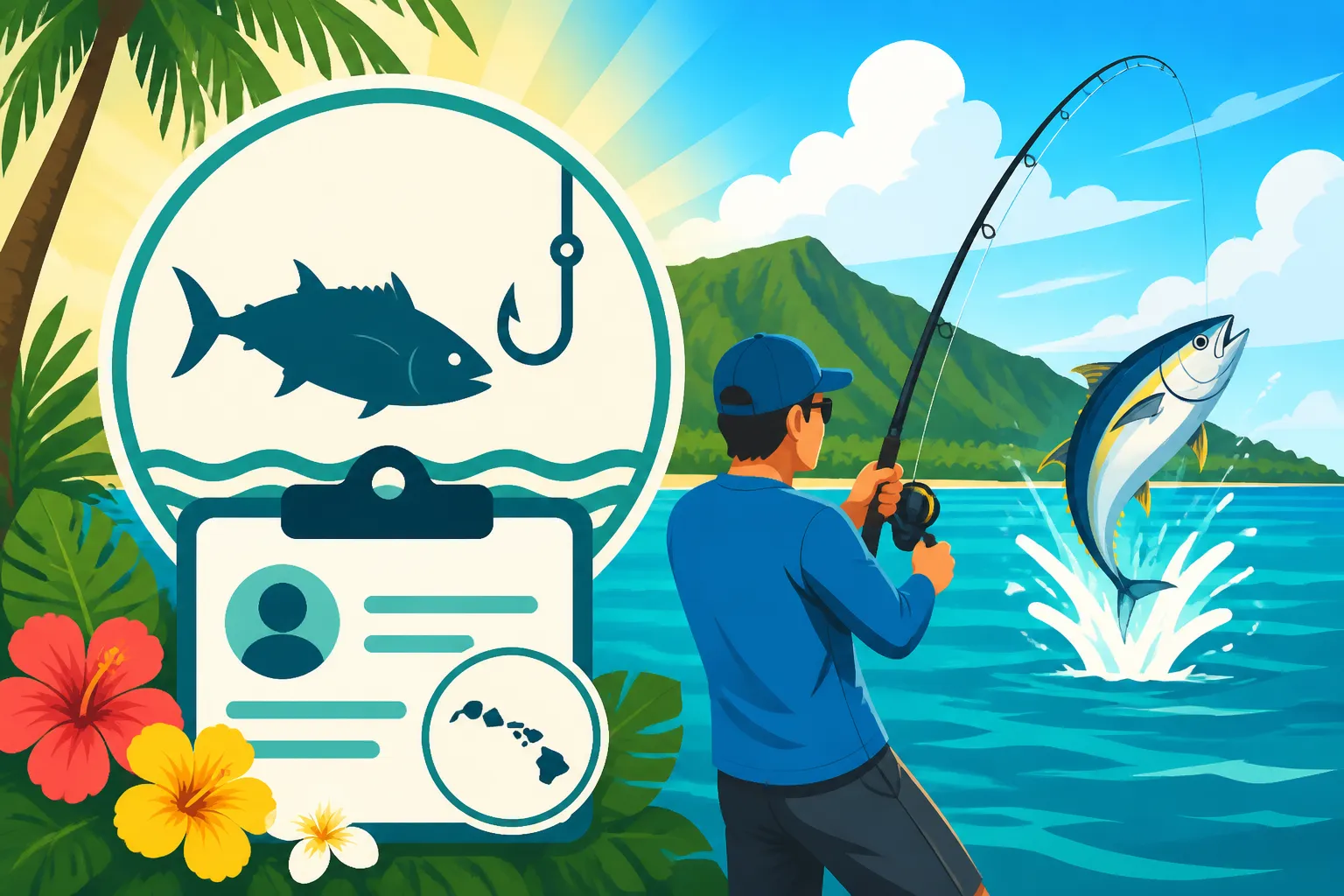
As a nonresident, if you plan to engage in any form of marine recreational fishing – whether you're casting from a sandy beach, whipping lures from a rocky point, dropping a line from a kayak, or heading out on a private boat – you generally need to possess a valid license. This requirement covers everything from shoreline angling for papio to bottom fishing for snappers and even spearfishing (with additional specific regulations for spearfishing, of course). The license requirement applies to virtually all recreational marine fishing activities conducted by non-residents in state waters, which extend three nautical miles from the coastline. If you're still a bit fuzzy on the broad strokes, you might find our detailed explanation in Do You Need a Fishing License in Hawaii particularly helpful.
It's important to distinguish between recreational and commercial fishing. If your intent is solely for personal enjoyment and consumption, without selling any of your catch, you're considered a recreational angler. Commercial fishing has its own, much more rigorous licensing and reporting requirements, which are entirely separate from the recreational license discussed here. This guide focuses strictly on the recreational side of things, ensuring you're legally prepared for your personal angling adventures.
What an "Annual Marine Fishing License" Entails
So, what exactly does an "annual marine fishing license" mean in the Hawaiian context for a nonresident? Unlike some states where licenses might expire on a specific date regardless of when you buy them, Hawaii's nonresident recreational marine fishing licenses are generally valid for 365 days from the date of purchase. This means if you buy your license on June 15th, it will be valid until June 14th of the following year. This rolling 365-day validity is quite convenient, as it gives you a full year of fishing opportunities regardless of your purchase timing.
This annual license is your golden ticket for general marine recreational fishing throughout Hawaii's state waters. It covers you for most common types of fishing, including hook and line, throw nets (where permitted), and even spearfishing (again, always remembering to follow specific spearfishing rules and bans, like the Hawaii SCUBA Spearfishing Ban). It's designed to be a comprehensive solution for nonresidents who plan multiple trips within a year or are staying for an extended period, making it a more economical choice than repeatedly purchasing shorter-term licenses.
It does not, however, exempt you from knowing and following all other fishing regulations, such as bag and size limits for specific species, closed seasons (like for Hawaii Moi Closed Season, Explained), or restrictions in certain areas like Marine Life Conservation Districts. Think of the license as your basic entry pass; the regulations are the detailed rules of the game. For a broader overview of all licensing, consult our guide on the Hawaii Fishing License Guide for 2026.
The Specifics of Nonresident Annual Marine Fishing License Cost
Let's get down to the brass tacks: how much will this annual license set you back? Planning your fishing budget is crucial, and knowing the exact costs helps avoid any unpleasant surprises.
Current Costs for Nonresident Annual Marine Licenses
As of recent updates, the cost for a nonresident annual recreational marine fishing license in Hawaii is $70.00. This fee is set by the state's Department of Land and Natural Resources (DLNR) and is subject to change, so always double-check the official DLNR Division of Aquatic Resources (DAR) website for the most current pricing before your trip. However, $70.00 has been the consistent price for a nonresident annual license for some time.
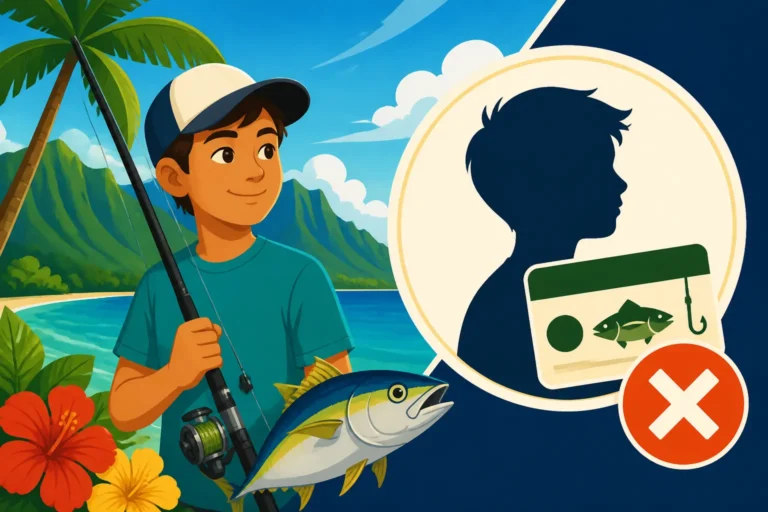
It's important to note that, unlike for residents in some license categories, there are generally no specific discounts for nonresidents based on age (senior), disability status, or military service when it comes to the recreational marine fishing license. The $70.00 fee is typically a flat rate for all non-resident individuals aged 18 and older who require the license. Children under 18 usually do not need a recreational marine fishing license. Always verify age requirements directly with the DLNR DAR for the most precise details, especially since laws can be updated.
When considering this annual cost, it's worth comparing it to the shorter-term options available to nonresidents. For instance, there are typically 1-day and 7-day nonresident marine fishing licenses. A 1-day license might cost around $20-25, and a 7-day license around $40-50. If you plan to fish for more than a few days, or if you anticipate returning to Hawaii for another fishing trip within a year, the annual license quickly becomes the most cost-effective choice. Our detailed piece on Hawaii Nonresident Marine Fishing License, Explained can offer further insights into these different durations.
Breakdown of Fees and What They Support
You might be wondering where that $70.00 goes. It's not just a fee for the sake of it; these funds are critical for the sustained health and management of Hawaii's unique aquatic resources. The fees collected from recreational marine fishing licenses directly support the programs and initiatives of the Hawaii Department of Land and Natural Resources (DLNR) Division of Aquatic Resources (DAR).
These programs include, but are not limited to:
- Fisheries Management: This involves scientific research to monitor fish populations, track spawning cycles, and understand migration patterns. This data is vital for setting sustainable bag and size limits, like those you'd find for Hawaii Uhu (Parrotfish) Size and Bag Limits or Hawaii Papio and Ulua Size Rules.
- Habitat Restoration and Protection: Funds go towards initiatives that protect and restore critical marine habitats such as coral reefs, estuaries, and nearshore ecosystems that are vital nurseries for many fish species.
- Enforcement: A portion of the fees helps to fund the enforcement of fishing regulations, ensuring that everyone plays by the rules and illegal fishing activities are curbed. This directly impacts the health of the fisheries and fair access for all.
- Education and Outreach: The DAR also uses funds for educational programs aimed at local communities and visitors, promoting responsible fishing practices and conservation ethics. This includes public awareness campaigns about invasive species like taape and roi, or proper handling of protected species.
- Facility Maintenance: While not directly tied to marine licenses, these funds can also indirectly support facilities that serve the fishing community, such as public boat ramps or access points.
In essence, by purchasing your nonresident annual marine fishing license, you're directly contributing to the conservation and thoughtful management of the very resources you've come to enjoy. It's an investment in the future of Hawaii's fishing, ensuring that its waters remain vibrant and productive for anglers for years to come.
Where and How to Purchase Your Nonresident Annual Marine Fishing License
Once you know you need a license and understand the cost, the next step is actually getting one. Thankfully, Hawaii has made the process relatively straightforward, with both online and in-person options.
Online Purchase Process
For many, the easiest and most convenient way to purchase a nonresident annual marine fishing license is online, right from the comfort of your home, before you even arrive in Hawaii. The official portal is usually found on the Hawaii Department of Land and Natural Resources (DLNR) Division of Aquatic Resources (DAR) website.
Here's a general step-by-step guide:
- Navigate to the Official DLNR DAR Website: A quick search for "Hawaii DLNR fishing license" will typically lead you to the correct page. Be cautious of third-party sites that might try to charge extra processing fees.
- Locate the Licensing Section: Look for sections like "Recreational Fishing Licenses," "Marine Fishing Licenses," or "Purchase a License."
- Create an Account or Log In: If it's your first time, you'll likely need to create an account with your personal details. This usually involves providing your name, address, date of birth, and contact information. If you've purchased licenses in other states online, the process will feel very familiar.
- Select "Nonresident Annual Marine Fishing License": Carefully choose the correct license type to ensure you're getting the one you need.
- Provide Required Information: You'll input your personal identification details, such as your out-of-state driver's license number. This helps establish your nonresident status.
- Review and Pay: Double-check all the information you've entered. Proceed to the payment section, where you'll typically use a credit or debit card.
- Print or Save Your License: Once the transaction is complete, you'll usually receive an email confirmation with a link to your printable license. It's highly recommended to print a physical copy to carry with you, but saving a digital version on your phone is also a good backup. Always refer to state guidelines on Printing or Carrying a Digital Fishing License in Hawaii to ensure compliance.
The biggest advantage of purchasing online is the convenience. You can do it any time, day or night, and you'll have your license in hand (or on your device) before you even hit the islands, saving you valuable fishing time once you arrive. You can find more comprehensive details on this process in our article, How to Buy a Hawaii Fishing License Online.
In-Person Purchase Locations
If you prefer a face-to-face transaction or find yourself needing a license last minute once you're on the islands, you can purchase a nonresident annual marine fishing license at authorized licensing agents across Hawaii. These agents are typically:
- Bait and Tackle Shops: These are often the best places, as the staff can offer invaluable local advice on what's biting, current hot spots, and specific gear recommendations. For example, if you're on Oahu, places like Nanakuli Bait & Tackle or Pop's Fishing Supply in Honolulu are well-known spots. On the Big Island, you might visit a tackle shop in Kailua-Kona.
- Sporting Goods Stores: Larger retailers that carry fishing gear often serve as licensing agents.
- Designated Government Offices: Some DLNR offices may also process licenses, though their hours might be more limited.
When purchasing in person, make sure to bring a valid government-issued photo ID, such as your driver's license or passport. This is crucial for verifying your identity and nonresident status. While you're there, don't be shy about asking the local staff for tips on the Best Shore Fishing Spots in Hawaii or what specific lures are working for papio right now. They often have the most up-to-date intel, and a good conversation can make your fishing trip even better!
Required Documentation for Purchase
Whether you're buying your nonresident annual marine fishing license online or in person, you'll need to provide some basic documentation to complete the transaction. The primary purpose of this is to confirm your identity and verify your nonresident status.
Here's what you'll typically need:
- Valid Photo Identification: A current government-issued ID, such as an out-of-state driver's license, state ID card, or passport. This is essential for proving who you are.
- Proof of Nonresidency: Your out-of-state address on your driver's license usually suffices for this. The system needs to confirm that you do not meet Hawaii's residency requirements, which would qualify you for potentially different (and usually cheaper or even free) resident licenses or exemptions.
- Date of Birth: This is used to confirm you meet the age requirements for needing a license (typically 18 years or older, but always confirm current regulations).
- Contact Information: Your current mailing address, email, and phone number are usually required for record-keeping and for sending you confirmations.
Make sure all your documentation is current and readily available. Having everything in order will make the purchase process smooth and quick, allowing you to get to the good part: fishing!
Important Considerations and Regulations for Nonresident Anglers
Getting your license is a crucial first step, but it’s just the beginning. To truly enjoy your fishing experience in Hawaii and avoid any unnecessary headaches, it’s vital to understand the bigger picture of regulations and responsible angling practices.
Validity Period and Renewal
As mentioned earlier, Hawaii’s nonresident annual marine fishing license is generally valid for 365 days from the date of purchase. This is a generous period, especially if you plan multiple visits or an extended stay within a year. For example, if you bought your license on January 10th, 2024, it would be valid until January 9th, 2025.
Once your license is nearing its expiration, you’ll need to renew it if you wish to continue fishing legally. The renewal process is typically the same as the initial purchase: you can do it online through the DLNR DAR portal or in person at an authorized vendor. It’s a good idea to set a reminder for yourself a few weeks before your license expires, especially if you live out of state and don't receive regular local notifications. Don't let your license lapse, as fishing without a valid license, even inadvertently, can lead to penalties. Having your license easily accessible, whether digitally or as a physical printout, is key, so make sure to review our insights on Printing or Carrying a Digital Fishing License in Hawaii.
General Marine Fishing Regulations to Know
Possessing a valid license allows you to fish, but it doesn't give you free rein. Hawaii has a comprehensive set of fishing regulations designed to protect its unique and often fragile marine ecosystem. These rules are non-negotiable and apply equally to residents and nonresidents alike. Ignoring them can result in hefty fines and even confiscation of your gear.
Key regulations you must familiarize yourself with include:
- Bag and Size Limits: Most desirable species, from the prized ulua to common reef fish, have specific daily bag limits (how many you can keep) and minimum/maximum size limits. For instance, there are strict rules for Hawaii Opihi Harvest Limits and Size Rules. These limits are based on scientific data to ensure sustainable populations.
- Closed Seasons: Certain species may have closed seasons during critical spawning periods to allow them to reproduce undisturbed. Be aware of these closures, as fishing for or possessing species during their closed season is illegal.
- Gear Restrictions: There are rules about the types of gear allowed, such as prohibitions on certain types of nets or traps in specific areas.
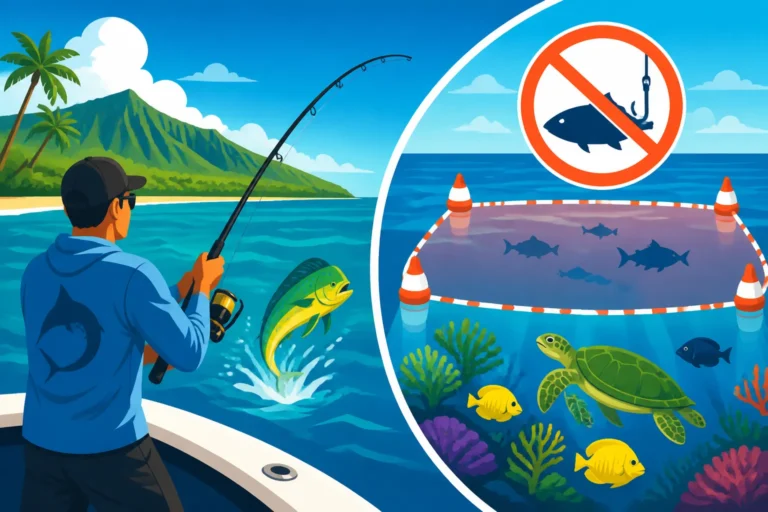
- Protected Areas: Hawaii has established Marine Life Conservation Districts (MLCDs) and Fish Replenishment Areas (FRAs) where fishing activity is either heavily restricted or completely prohibited. For example, areas like Hanauma Bay are MLCDs where all fishing and collection are banned. Understanding What a Marine Life Conservation District means for anglers is crucial before heading out.
- Protected Species: Know which species are protected (e.g., sea turtles, Hawaiian monk seals) and how to avoid interacting with them, or what to do if you encounter one accidentally.
Before every fishing trip, it’s highly recommended to consult the official Hawaii DLNR Division of Aquatic Resources (DAR) regulations. These can usually be found as a downloadable PDF on their website. It’s your responsibility to know and abide by these rules. Our guide on Hawaii Fishing Regulations Explained provides an excellent starting point, as does Hawaii Bag and Size Limits by Species.
Consequences of Fishing Without a License
It's tempting to think, "What are the chances I'll get caught?" But the reality is that conservation officers are out there, both on land and water, actively enforcing regulations. The consequences of fishing without a required nonresident marine fishing license in Hawaii can be significant and definitely not worth the risk.
Penalties typically include:
- Fines: You can expect substantial monetary fines, which can easily be several hundred dollars or more, far exceeding the cost of the license itself.
- Confiscation of Gear: Your fishing rod, reel, and even your catch can be seized by enforcement officers.
- Legal Action: In more severe or repeat offenses, you could face misdemeanor charges, requiring court appearances and potentially leading to further legal ramifications.
- Loss of Future Privileges: Persistent violations could impact your ability to obtain fishing licenses in Hawaii or other jurisdictions in the future.
The state takes its conservation efforts seriously, and anglers are expected to do their part. It’s always cheaper and less stressful to purchase the correct license and familiarize yourself with the regulations than to face the repercussions of non-compliance. Don’t let a simple oversight ruin your vacation or your reputation as a responsible angler. For a full breakdown of potential repercussions, see Fishing Without a Required License in Hawaii: Penalties.
Gear and Preparation for Your Hawaii Fishing Adventure
Now that you're well-versed in the licensing requirements, let's talk about getting ready for the actual fishing! Hawaii offers diverse fishing opportunities, from the shoreline to deep offshore waters, each requiring different approaches and gear.
Essential Gear for Shore Fishing
Shore fishing is incredibly popular in Hawaii, offering accessible and exciting angling for species like papio (juvenile trevally), ulua (giant trevally), moi, and various reef fish. To get started, you don't need a massive investment, but having the right gear certainly helps.
For general shore casting, a medium to heavy action spinning rod (7-10 feet is common) paired with a robust spinning reel spooled with 20-50 lb braided line is a versatile setup. This allows you to cast long distances and handle the powerful runs of Hawaii's fish. You'll want a fluorocarbon leader of 30-80 lb test, depending on your target species and the structure you're fishing.
When it comes to lures, popular choices include metal jigs (like Tady or Shimano Butterfly jigs), poppers, and various soft plastics. Bait fishing is also highly effective; local favorites include fresh opelu, squid, or even chunks of invasive taape. You can often find a good selection of these items, from specialized hooks to durable tackle boxes, online on platforms like Amazon before your trip, ensuring you have exactly what you need. Don't forget a sturdy pair of pliers for hook removal, a good stringer or cooler for your catch, and a cutting board for bait preparation.
Beyond the tackle, personal comfort and safety are paramount. Hawaii's sun is intense, so a broad-brimmed hat, polarized sunglasses, and a long-sleeved rash guard or sun-protective clothing are a must. Reef shoes or sturdy sandals with good grip are essential for navigating rocky shorelines. Carrying enough water in a reusable bottle, like those readily available on Amazon, is also vital to stay hydrated in the tropical heat. Our guide on Shore Fishing Techniques for Hawaii offers more specific advice on what to bring and how to use it.
Considerations for Boat Fishing
If you're planning to venture offshore, either on your own private vessel or via a charter, the gear and considerations shift significantly.
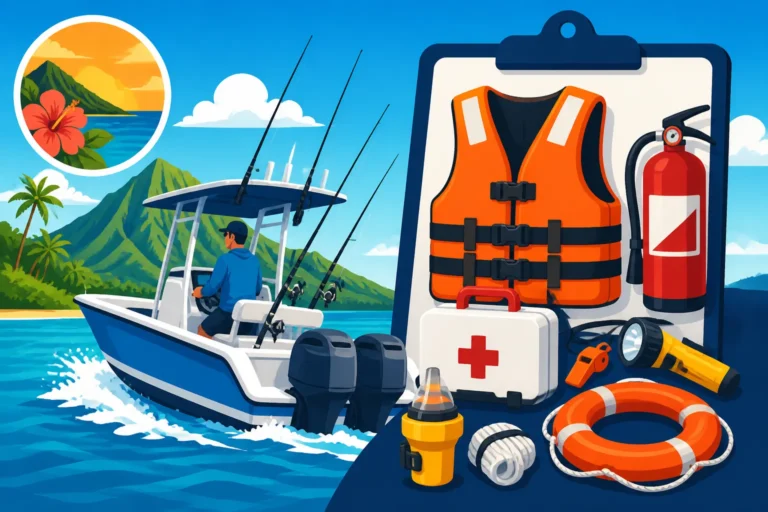
Private Boating: If you're bringing or renting your own boat, remember that in addition to your fishing license, you'll need to ensure your vessel complies with all Hawaii boating laws. This includes proper registration, carrying required safety equipment like life jackets for all passengers (with specific rules for children, as outlined in Life Jacket Requirements for Hawaii Boaters), throwable flotation devices, and signaling equipment. Ignorance of Hawaii Boating Laws for Anglers can lead to severe penalties. Your gear should match your target: heavy trolling setups for marlin and ahi, or specialized deep-drop rigs for bottomfish like opakapaka and onaga.
Charter Fishing: Many visitors opt for fishing charters, especially for offshore species. A significant advantage here is that the charter boat itself will have all the necessary permits and safety equipment. In most cases, the charter also provides all the rods, reels, bait, and lures. However, for nonresidents, you still need your individual recreational marine fishing license. The charter's license covers the boat's operation, not the individual angler's requirement. Always confirm this when booking. Charters are an excellent way to target specific species, and some even offer specialized trips for Best Techniques for Deep Drop Bottomfishing or How to Catch Marlin off the Kona Coast.
While charters provide most gear, bringing your own essentials like a good fishing hat, sunscreen, seasickness medication (if needed), and a small waterproof bag for personal items is always a good idea. Many experienced anglers also like to bring their favorite pair of fishing gloves or a specific set of pliers, which can be found with a quick search on Amazon.
Packing Smart for Your Trip
Regardless of whether you're fishing from shore or boat, smart packing can greatly enhance your Hawaii fishing experience. Beyond your fishing gear and sun protection, consider these items:
- Cooler: If you plan to keep your catch, a good quality cooler is essential for keeping fish fresh, especially in Hawaii's warmth. Many excellent options, from soft-sided to rotomolded, are available on Amazon.
- First-Aid Kit: A small, basic first-aid kit with essentials like bandages, antiseptic wipes, pain relievers, and motion sickness medication can be a lifesaver for minor cuts, scrapes, or unexpected queasiness.
- Waterproof Bag/Dry Bag: Protect your phone, camera, wallet, and other valuables from splashes or unexpected downpours.
- Reusable Water Bottle: Staying hydrated is critical. Hawaii is making efforts to reduce single-use plastics, so a reusable bottle is environmentally friendly and practical.
- Camera: To capture those incredible memories and trophy catches! Just ensure it's protected from the elements.
- Snacks: Fishing can be hungry work. Pack some energy bars, fruit, or sandwiches to keep your energy up throughout the day.
Being prepared means you can focus on the fishing, the stunning scenery, and making unforgettable memories in Hawaii.
Nonresident Marine Fishing License Options & Costs
Here's a quick comparison of the different recreational marine fishing license options available to nonresidents in Hawaii, including their typical costs and validity periods. Remember, prices are subject to change, so always check the official DLNR DAR website for the most current information.
| License Type | Validity Period | Typical Cost | Ideal For |
|---|---|---|---|
| Nonresident 1-Day Marine | 1 day from purchase | $20.00 – $25.00 | A single, short fishing outing or casual test of the waters. |
| Nonresident 7-Day Marine | 7 consecutive days from purchase | $40.00 – $50.00 | Short vacations with dedicated fishing days, or multiple short trips. |
| Nonresident Annual Marine | 365 days from purchase | $70.00 | Extended stays, multiple visits within a year, or serious anglers. |
Please note: These costs are estimates and should always be verified with the official Hawaii DLNR Division of Aquatic Resources for the most up-to-date pricing.
Ready to Cast Your Line?
Navigating the regulations for fishing in a new destination can feel like a chore, but it's a necessary step to ensure you can enjoy Hawaii's incredible marine bounty responsibly and legally. As a nonresident, obtaining your annual marine fishing license is a straightforward process, whether you choose to do it online before your trip or in person once you arrive. At just $70, it's a worthwhile investment that gives you a full year of access to some of the world's most exciting fishing grounds, all while contributing directly to the conservation efforts that keep these waters healthy.
Remember, the license is your entry ticket, but understanding and adhering to the wider network of bag limits, size restrictions, and protected areas is what truly makes you a responsible and respected angler. So, get your license, pack your gear (maybe a few last-minute items from Amazon), and prepare for an unforgettable fishing adventure in the Aloha State. Happy fishing, and tight lines!
Disclaimer
The information provided in this guide is for general informational purposes only and is subject to change. While we strive to keep the information up-to-date and accurate, fishing regulations, license costs, and administrative procedures in Hawaii can be modified by the Department of Land and Natural Resources (DLNR) at any time. It is always the angler's responsibility to verify the most current regulations, license requirements, and fees directly with the official Hawaii DLNR Division of Aquatic Resources (DAR) website or local authorities before engaging in any fishing activity. Fishing regulations are complex and vary by location and species; ignorance of the law is not a defense.