Best fishing spots in the waters around Hanauma Bay
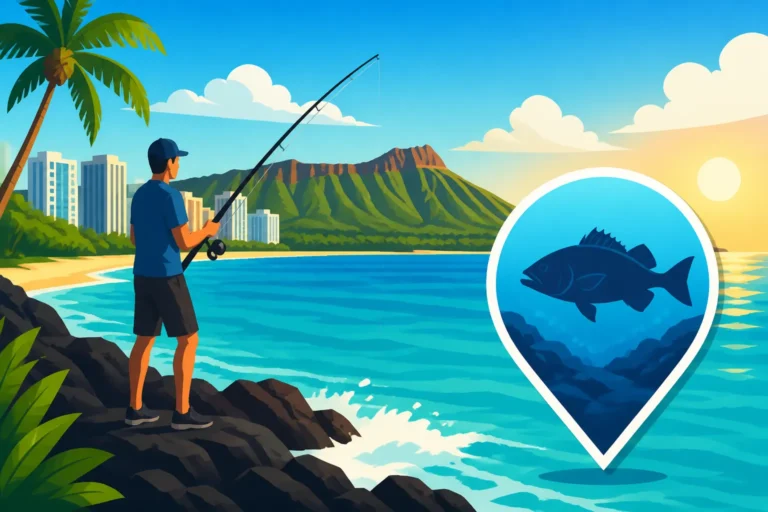
The shimmering, turquoise waters of Hanauma Bay are undeniably one of Oahu's most iconic natural treasures, drawing countless visitors each year. However, for many passionate anglers looking to cast a line in such a picturesque setting, there's often a common frustration: figuring out exactly where it's legal and ethical to fish in and around this highly protected area. This guide is here to unravel that confusion, detailing not only why fishing isn't permitted directly within the bay but also shining a light on the fantastic, legal fishing opportunities just beyond its boundaries, ensuring you have a successful and responsible Hawaiian fishing adventure.
Understanding Hanauma Bay's Protected Status
When you first glimpse Hanauma Bay, it’s easy to be captivated by its pristine beauty and abundant marine life. However, this very abundance is a direct result of decades of conservation efforts, which means fishing activities are heavily restricted. It's crucial for any angler to understand these regulations to avoid fines and contribute to the health of Hawaii's unique ecosystems.
The Marine Life Conservation District (MLCD) Designation
Hanauma Bay isn't just a pretty beach; it's a designated Marine Life Conservation District (MLCD), one of several found across the Hawaiian Islands. What does that mean exactly? Well, an MLCD is an area established by the Hawaii Department of Land and Natural Resources (DLNR) Division of Aquatic Resources (DAR) to conserve and replenish marine resources. Think of it as an underwater national park, where the primary goal is to protect and restore marine habitats and their resident populations. This designation means that the bay is managed very differently from other coastal areas, with strict rules governing everything from snorkeling to, most notably for us, fishing.
The rules within an MLCD are designed to allow marine life to thrive undisturbed, serving as a sanctuary and breeding ground for various fish species, corals, and other ocean creatures. This careful management not only preserves the beauty of places like Hanauma Bay but also benefits surrounding areas by allowing fish populations to grow and spill over into adjacent, fishable waters. It’s a long-term investment in the health of Hawaii's marine environment, ensuring future generations can also enjoy the islands' incredible aquatic biodiversity.
Impact on Fishing and Gathering Activities
For anglers, the MLCD designation for Hanauma Bay translates into very clear prohibitions: no fishing, no spearfishing, and no taking or disturbing of marine life within the bay itself. This includes collecting shells, corals, or any other natural resources. Even seemingly harmless activities like feeding fish are strictly forbidden, as they can disrupt natural behaviors and ecosystem balance. These rules are rigorously enforced by the DLNR, and violations can lead to significant fines and penalties.
It’s understandable that this might come as a surprise or disappointment to some who arrive hoping to fish in such a vibrant spot. However, the intent is not to discourage fishing entirely but to create specific areas where marine life can flourish without human interference. This approach helps maintain the overall health of Hawaii's fisheries. If you're keen to understand the broader framework, our guide on Hawaii Marine Life Conservation Districts, Explained offers a deeper dive into these important regulations. So, while you can admire the fish at Hanauma Bay, your fishing gear needs to stay packed away until you move beyond its protected borders.
Where You CAN Fish Near Hanauma Bay (Legally and Ethically)
While the bay itself is off-limits for fishing, don't despair! The areas adjacent to Hanauma Bay offer fantastic fishing opportunities for those who know where to look and respect the boundaries. You just need to understand where the MLCD lines are drawn and plan your outing accordingly.
Koko Head District – Outside MLCD Boundaries
Once you move past the designated MLCD boundaries of Hanauma Bay, you enter the general Koko Head District, which offers ample shoreline and offshore fishing potential. This means heading either west towards Portlock and Hawaii Kai, or east along the rugged coastline towards the popular Makapu'u Point area. These areas, particularly the stretch west of the bay near the residential areas of Portlock, provide excellent access to rocky points and sandy stretches where local anglers frequently target a variety of inshore species.
The key is to know exactly where the MLCD ends. Generally, the protected area of Hanauma Bay extends from the prominent cliffs of Koko Head crater to the eastern point of the bay. Outside of these markers, traditional shore casting, throwing nets (where permitted), and even launching small kayaks for nearshore fishing become viable options. Always double-check current maps and signage provided by the DLNR, especially if you're exploring a new spot. Sometimes, local knowledge is golden, and speaking to experienced anglers at tackle shops can provide invaluable insights into accessible and productive spots just outside the bay's direct influence.
Specific Shoreline Access Points
Navigating shoreline access in Hawaii can sometimes be a bit tricky due to private property and rugged terrain, but there are established public access points outside the Hanauma Bay MLCD that are popular among local fishermen.
- Portlock Area (West of Hanauma Bay): As you head west from Hanauma Bay, the Portlock area near the residential communities of Hawaii Kai offers several points where you can access the rocky shoreline. These spots are known for deeper water close to shore and can be excellent for targeting larger pelagic fish like ulua (giant trevally) and papio (smaller trevally) using slide baiting or heavy casting techniques. The currents can be strong here, so always exercise caution and ensure you have appropriate gear for challenging conditions.
- Koko Kai Beach Park: Just a bit further west, Koko Kai Beach Park is a small public access point that provides entry to some lava rock shelves. While not a classic sandy beach, these rocky outcrops can be prime locations for whipping for papio or targeting goatfish (kumu, weke) closer to the reef with lighter tackle. It’s a great place to experience Hawaii shoreline fishing rights and public access rules firsthand.
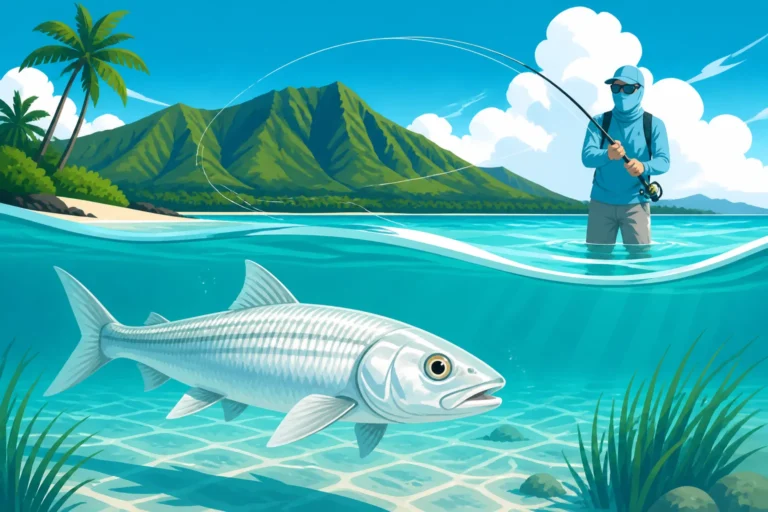
- Maunalua Bay (Further West): While a bit further afield from the immediate vicinity of Hanauma Bay, Maunalua Bay in Hawaii Kai offers a more sheltered environment for kayak fishing or even small boat launches. Here you might find opportunities for bonefish on the flats or a wider variety of reef fish. You can often find local fishing guides through platforms like FishingBooker who specialize in these specific inshore areas, providing invaluable expertise and access.
When exploring these spots, always be mindful of private property signs and respect the local community. Parking can sometimes be limited, especially in residential areas, so plan your visit during off-peak hours if possible.
Recommended Species and Techniques for the Area
Once you’ve identified a legal spot outside Hanauma Bay, the next exciting step is to think about what you’re going to target and how you’re going to catch it! The waters just outside the MLCD offer a diverse array of fish, and tailoring your approach can significantly increase your chances of success.
Target Species in Adjacent Waters
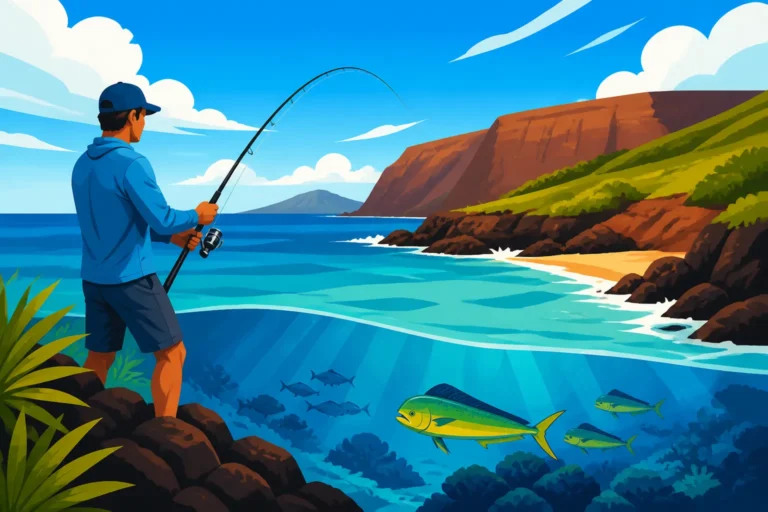
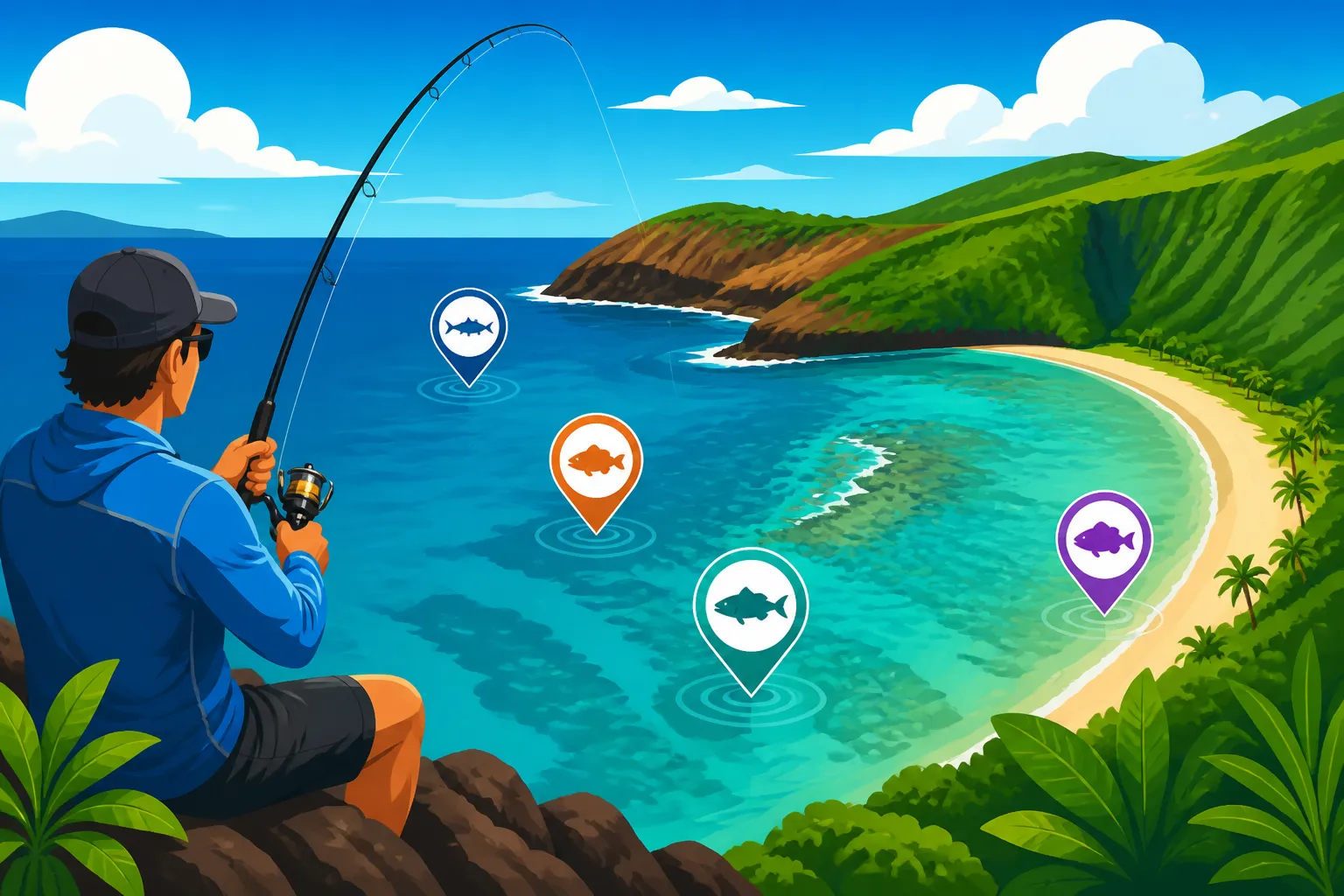
The coastal waters surrounding Hanauma Bay, particularly the rocky ledges and drop-offs of the Koko Head District, are teeming with various game fish that make for exciting angling.
- Ulua (Giant Trevally) and Papio (Juvenile Trevally): These are perhaps the most sought-after shore-based game fish in Hawaii. Ulua are powerful fighters and can grow to impressive sizes, while papio offer a thrilling light tackle challenge. They patrol the rocky edges and drop-offs, often feeding on baitfish, crustaceans, and squid. Targeting these requires stout gear and a lot of patience. You can learn more about Hawaii Papio and Ulua Size Rules to ensure you're compliant with regulations.
- Moi (Pacific Threadfin): Revered for its delicate flavor, moi can be found in sandy-bottomed areas near reefs. They are often targeted during their peak seasons and require a more finessed approach with small baits. Knowing the Hawaii Moi Closed Season, Explained is essential before you head out.
- Aholehole (Hawaiian Flagtail) and Weke (Goatfish): These smaller, but tasty, reef fish are commonly caught by whipping (light tackle casting with small lures or bait) or dunking (bottom fishing with bait). They are abundant and offer consistent action, making them great targets for casual fishing or for teaching keiki (children) how to fish.
- Uhu (Parrotfish): While protected in certain areas, outside the MLCD, some species of uhu can be targeted. They are vibrant reef dwellers and require specific techniques, often involving small pieces of crab or limu (seaweed) as bait. Make sure to check the Hawaii Uhu (Parrotfish) Size and Bag Limits as these fish are highly regulated.
- Invasive Species like Taape (Bluestripe Snapper) and Roi (Peacock Grouper): These introduced species are often abundant and, unlike native species, anglers are encouraged to remove them from the ecosystem. They are good eating and offer good action, providing a responsible target if you’re looking to make a positive impact on the local marine environment.
Remember, each of these species has its own habits and preferences, so doing a little research before you go can make a big difference.
Effective Shore Fishing Techniques
Success from the shore near Hanauma Bay hinges on understanding the local environment and employing appropriate techniques.
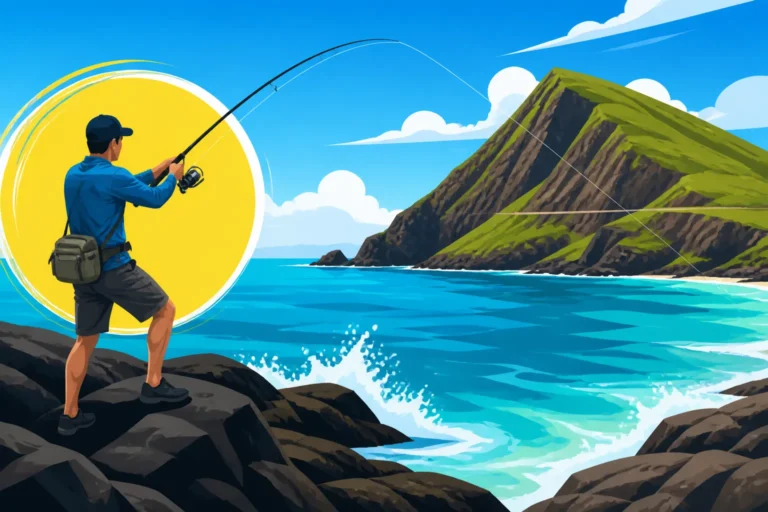
- Whipping: This is a popular and active method, especially for papio and other smaller reef fish. It involves casting small lures (like Kastmasters, spoons, or soft plastics) or bait (such as cut squid or pieces of limu) with light to medium spinning gear and retrieving them with a jerking or "whipping" motion. It’s about covering ground and enticing aggressive feeders. Many local anglers have honed their Best Techniques for Whipping for Papio.
- Dunking (Bottom Fishing): For ulua, goatfish, and other bottom dwellers, "dunking" is the go-to. This involves casting a weighted rig with bait (often squid, octopus, or fresh fish) to the ocean floor and waiting for a bite. Strong rods and reels capable of handling heavy leads and powerful fish are essential, particularly when fishing rocky ledges where snags are common.
- Slide Baiting: This advanced technique is specifically for targeting large ulua. It involves casting a heavy sinker and then clipping a live or large dead bait onto the main line, allowing it to "slide" down to the water via a specialized clip. The bait is then held in place by the current or wind. This method allows anglers to present very large baits far out from shore, increasing the chances of hooking a trophy-sized fish. It requires specialized gear, including very long rods and powerful reels.
- Live Baiting: Catching your own live bait, such as akule or opelu, with sabiki rigs or throw nets (where legal) can significantly increase your success for larger predators. Rigging a live bait under a float or free-lining it can be deadly for active fish.
Regardless of the technique you choose, always use strong leader material, as the rocky bottom and powerful fish can quickly fray lighter lines. Pay close attention to the tides and currents; often, incoming or outgoing tides around dawn and dusk can be the most productive times. If you're looking to upgrade your gear or find specialized local tackle, stopping by a tackle shop like Brian’s Fishing Supply on Oahu can give you a real edge.
Responsible Angling Practices and Conservation
Fishing in Hawaii is not just about the catch; it's deeply intertwined with the concept of malama 'aina – caring for the land (and sea). Especially when fishing near a sensitive area like Hanauma Bay, responsible practices are paramount.
Respecting the Environment and Local Culture
When you're out fishing in Hawaii, you're not just a visitor; you're part of a community that values its natural resources and cultural heritage. This means:
- Leave No Trace: Always pack out everything you pack in, and if you see litter, consider taking that too. Fishing lines, hooks, and plastic packaging can be deadly to marine life. Keep the shoreline pristine for everyone.
- Respect Private Property: Public access doesn't always mean unlimited access. Be mindful of private property lines and avoid trespassing, even if it looks like a shortcut to a good spot.
- Understand Bag and Size Limits: Hawaii has specific regulations for nearly every species. These aren't arbitrary; they're designed to ensure sustainable fish populations. Always adhere to the Hawaii Bag and Size Limits by Species. If you're unsure, it's better to release the fish or consult the latest DLNR regulations.
- Practice Catch and Release Ethically: If you're not keeping a fish, handle it minimally, wet your hands before touching it, and release it quickly and gently. This maximizes its chances of survival.
- Malama Ke Kai (Care for the Ocean): Beyond regulations, embrace the spirit of stewardship. Be aware of your impact, whether it's avoiding stepping on coral (even if it looks dead) or choosing lead-free sinkers.
Many local fishing groups and charter captains, often found through services like FishingBooker, are excellent examples of responsible angling and can offer further guidance on best practices.
Staying Informed on Regulations
Hawaii's fishing regulations can change, and they often vary by specific area or species. What's legal today might have new nuances tomorrow, so staying informed is crucial.
- DLNR Website: The Hawaii Department of Land and Natural Resources (DLNR) Division of Aquatic Resources (DAR) website is the official source for all current fishing regulations. They often publish updated guides, maps, and news releases. Make it a habit to check before each trip, especially if you haven't fished in a while. You can even find the Hawaii DLNR fishing regulations PDF for easy reference.
- Local Tackle Shops: These are goldmines of information. Shop owners and staff are often experienced local anglers themselves and can provide up-to-the-minute details on what's biting, what's closed, and what techniques are working. They can also advise on necessary licenses; for example, if you need a Hawaii Fishing License Guide for 2026 for freshwater, or if you are exempt for ocean fishing.
- Signage: Always read any posted signs at public access points or boat ramps. These signs will often highlight specific rules pertinent to that immediate area, such as seasonal closures or gear restrictions.
Being proactive about understanding the rules not only keeps you out of trouble but also makes you a more effective and ethical angler. Remember, fishing without a required license or violating regulations can lead to Fishing Without a Required License in Hawaii: Penalties, which nobody wants on their vacation or weekend outing.
Here's a quick reference table to help visualize the distinction:
| Feature | Inside Hanauma Bay MLCD | Outside Hanauma Bay MLCD (e.g., Koko Head District) |
|---|---|---|
| Fishing Permitted? | NO – Strictly Prohibited | YES – With applicable licenses & regulations |
| Spearfishing? | NO – Strictly Prohibited | YES – With specific regulations |
| Gathering Marine Life? | NO – Strictly Prohibited (shells, coral, limu, etc.) | Varies by species and area; generally allowed for legal catch |
| Primary Purpose | Marine Life Conservation, Observation, Education | Recreational Fishing, Ocean Activities, Conservation |
| Common Target Species | N/A (observation only) | Ulua, Papio, Moi, Goatfish, Taape, Roi, etc. |
| Recommended Gear | Snorkel, Mask, Fins | Rods (light to heavy), Reels, Variety of Baits/Lures |
| Key Regulation | No Take, No Disturb | Size & Bag Limits, Seasons, Gear Restrictions |
Disclaimer
Please be aware that fishing regulations in Hawaii can change. While this guide provides the most current and accurate information available at the time of writing, it is always your responsibility to consult the official Hawaii Department of Land and Natural Resources (DLNR) Division of Aquatic Resources (DAR) website or local authorities before engaging in any fishing activities. Adhering to all local, state, and federal laws is crucial for a safe and legal fishing experience.