Best fishing access at Hanalei Bay
Hanalei Bay on Kauai’s North Shore is undeniably one of Hawaii’s most breathtaking locations, with its iconic crescent beach, lush green mountains, and the historic Hanalei Pier stretching out into the clear blue water. It's a dream destination for many, and naturally, anglers often look at those beautiful waters and wonder: "Where can I actually fish here without causing trouble or trespassing?" It can be incredibly frustrating to arrive at such a famous spot, rod in hand, only to feel unsure about where it's okay to cast a line, especially with so many people enjoying the beach and water. This guide is here to cut through that uncertainty, breaking down the best, most practical, and respectful ways to access fishing opportunities in Hanalei Bay, whether you’re casting from the shore, paddling a kayak, or launching a small boat.
Navigating Hanalei Bay's Unique Fishing Environment
Fishing in Hanalei Bay is a truly special experience, blending breathtaking scenery with diverse aquatic life. However, it requires a thoughtful approach due to its popularity as a recreational area and its delicate ecosystem.
Understanding Hanalei's Geography and Marine Life
Hanalei Bay is more than just a beautiful beach; it's a dynamic environment shaped by the Hanalei River, surrounding volcanic mountains, and a vibrant fringing reef system. The bay itself is a large, crescent-shaped expanse of water, roughly two miles long. On the eastern side, you have the mouth of the Hanalei River, which brings a mix of freshwater and nutrients into the bay, creating a unique brackish zone that attracts certain species. The bay floor gradually slopes, featuring sandy areas, rocky outcrops, and extensive reef sections, especially towards the outer edges.
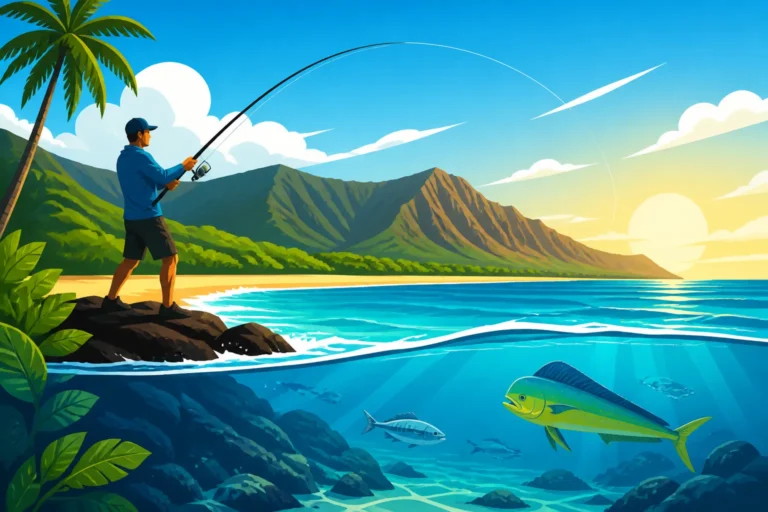
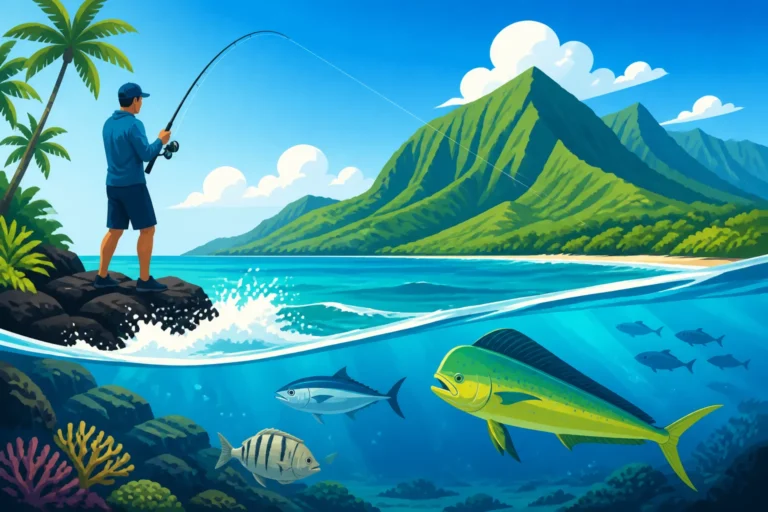
This varied habitat supports a surprisingly diverse array of fish. Near the shore and around the pier, you're likely to encounter smaller species like papio (juvenile trevally), omilu (bluefin trevally), goatfish (kumu, weke), and various small reef fish. As you move towards the outer reaches of the bay or explore the reef edges by kayak, the possibilities expand. You might find larger papio and even ulua (giant trevally), moi (Pacific threadfin), or uhu (parrotfish). Occasionally, pelagic species like small tuna or mahimahi might venture closer to the bay’s mouth, particularly when baitfish schools are present. It's truly a microcosm of Hawaii's rich marine life, just waiting to be explored respectfully.
Environmental Considerations and Conservation
When fishing in Hanalei, it's crucial to embrace the Hawaiian concept of mālama 'āina, which means to care for the land and sea. Hanalei Bay is a treasured natural resource, and its beauty and health depend on everyone's mindful actions. The coral reefs, while resilient, are sensitive to damage from anchors, fishing gear, and careless footsteps. The Hanalei River, a designated American Heritage River, is also a vital artery for the bay, and its health directly impacts the marine ecosystem.
Practically, this means:
- Leave No Trace: Pack out everything you pack in. This includes all fishing line, hooks, bait containers, and any other trash. Ghost fishing gear can harm marine life for years.
- Respect Marine Life: Be aware of protected species like Hawaiian monk seals and green sea turtles. If you encounter them, keep a respectful distance and never disturb them. It's also wise to educate yourself on Endangered and Protected Fish Species in Hawaii that might inhabit these waters.
- Mindful Anchoring: If fishing from a boat or kayak, use reef-friendly anchoring techniques or anchor in sandy areas away from coral. Consider using a grappling hook or a small anchor that won't scour the bottom.
- Sustainable Practices: Only take what you need, adhere to bag limits (we’ll discuss these more later), and consider catch-and-release, especially for larger breeding fish. The health of the fishery depends on it. Locals often share insights into fish populations and preferred species for harvest, so listening and learning is key.
Key Shoreline Access Points and Their Nuances
Shoreline fishing in Hanalei Bay offers fantastic opportunities, especially for those looking to enjoy the stunning scenery while casting a line. However, knowing where to go and understanding the local dynamics is crucial for a successful and respectful outing.
Hanalei Pier Black Pot Beach Park
The Hanalei Pier, located at Black Pot Beach Park, is perhaps the most iconic and accessible fishing spot in the entire bay. It's a historical landmark and a hub of local activity.
- Fishing Opportunities: The pier itself provides a solid platform to cast from, reaching slightly deeper water than the immediate shoreline. Anglers here often target papio, juvenile ulua, omilu, and various reef fish like goatfish. Baitfish schools often congregate around the pilings, attracting predators. It's not uncommon to see locals throwing throw nets for bait, then using those lively baits to target bigger fish.
- Best Times: To avoid the heaviest crowds of swimmers, sunbathers, and pier jumpers, your best bet is to fish early in the morning, right at dawn, or in the late afternoon/early evening as the sun begins to set. These times often coincide with prime feeding windows for many species anyway.
- Pros: Access is incredibly easy, with ample public parking (though it fills up fast on busy days), and public restrooms are available. It's a very family-friendly spot, allowing beginners to easily participate. The social aspect can be enjoyable, as you might meet local fishermen willing to share tips.
- Cons: During peak hours, the pier can get very crowded, making casting challenging and increasing the risk of tangling lines with other anglers or even swimmers. Always be mindful of others. Fishing directly off the pier can also be limited by the number of people jumping off it.
For detailed information on public access and your rights as a shoreline angler, it’s always good to review topics like Hawaii shoreline fishing rights and public access rules to ensure you're fishing legally and respectfully.
Public Beach Access Along Weke Road
Beyond the pier, Weke Road, which runs parallel to Hanalei Bay, offers numerous smaller, more secluded public beach access points. These often appear as narrow pathways between private homes.
- Finding Access: Look for designated beach access signs. Parking can be extremely limited in these areas, often just a few street-side spots, so plan to arrive early or be prepared to walk a bit. These spots offer a quieter fishing experience away from the main hubbub of the pier.
- Fishing Strategy: The shoreline along Weke Road varies from sandy stretches to areas with more exposed reef or lava rock. Learning Shore Fishing Techniques for Hawaii is key here. Focus on reading the water – look for current breaks, darker patches indicating reef structure, or areas where waves are breaking differently, which can signify baitfish or predator activity. These spots are excellent for targeting papio, especially with light tackle and artificial lures like grubs or small spoons. You might also find moi or other reef dwellers in the calmer, protected areas. Casting light baits or small lures into the surf zone or along the edges of small channels can be productive.
- Respecting Property: While the beach itself is public up to the high-tide line, be extremely respectful of private property when accessing these spots. Stay on designated paths and avoid cutting through yards.
Hanalei River Mouth and Estuary
The Hanalei River mouth, where the freshwater meets the ocean, creates a unique brackish environment that can be a hotspot for certain species. This area is typically accessed from Black Pot Beach Park, near the pier.
- Unique Environment: The mixing of fresh and saltwater creates a rich ecosystem. Here, you might target species that tolerate brackish water, such as various species of jacks (papio, ulua), barracuda, and even tilapia or small largemouth bass further upstream in the river system. The river mouth itself is often a transit point for fish moving in and out of the bay.
- Fishing Considerations: Strong currents can be a factor, especially during outgoing tides or after heavy rains. Pay close attention to boat traffic entering and exiting the river, including local fishing boats, tour boats, and recreational paddlers. The edges of the river mouth, where the current slows, can be productive. Bait fishing with shrimp, squid, or cut bait is common here, as is casting small plugs or spoons that imitate baitfish.
- Cautions: After heavy rains, the river can become muddy, affecting visibility and fishing conditions. Always be aware of local conditions and any advisories from the Department of Aquatic Resources (DAR). If you venture further upstream into the freshwater section of the Hanalei River, remember that Hawaii Freshwater Fishing License and Rules apply.
Exploring Hanalei Bay by Watercraft: Kayaks and Small Boats
While shore fishing offers fantastic opportunities, taking to the water in a kayak or small boat can open up entirely new dimensions for fishing Hanalei Bay, allowing you to explore more remote reef edges and deeper channels.
Launching Kayaks and SUPs
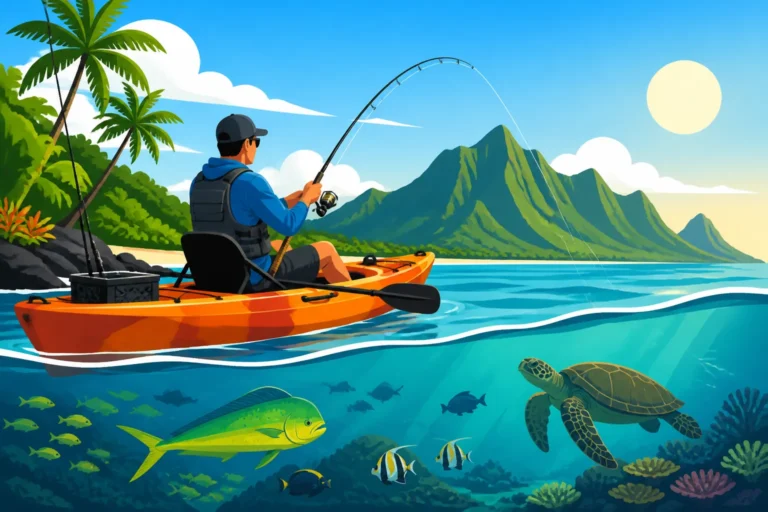
Kayaks and Stand-Up Paddleboards (SUPs) are increasingly popular choices for anglers wanting to access the bay's more secluded spots. They offer a quiet, low-impact way to get to where the fish are.
- Best Launch Points: The most convenient launch point for kayaks and SUPs is undoubtedly Black Pot Beach Park, right next to the Hanalei Pier. You can offload your gear directly onto the sand, and the relatively calm waters of the river mouth offer a protected area to launch before paddling out into the bay. Alternatively, launching directly into the Hanalei River slightly upstream can provide an even calmer start, allowing you to paddle downriver into the bay.
- Fishing Opportunities: From a kayak, you gain access to the bay's extensive reef system, which holds a greater variety of fish than the immediate shoreline. You can explore the reef edges for uhu, moi, and larger papio or omilu. Deeper channels within the bay, or the areas just outside the bay's mouth (weather permitting), can also hold bigger jacks or even pelagics. Bottom fishing or light trolling with small lures behind your kayak can be very effective.
- Safety Gear: Safety is paramount when kayaking or paddleboarding in the ocean. Always wear a personal flotation device (PFD) – don’t just have it on board. Consult Life Jacket Requirements for Hawaii Boaters for specific regulations. Carry a whistle, a visible flag, and consider a marine radio or fully charged waterproof cell phone. A leash for your paddle and rod is also a good idea. Let someone know your float plan (where you’re going and when you expect to return).
- Guided Experiences: Many local outfitters offer kayak rentals, and some even provide guided fishing tours, which can be invaluable for navigating unfamiliar waters and understanding local fishing techniques. If you're looking for a knowledgeable local guide who specializes in kayak fishing Hanalei Bay, platforms like FishingBooker can connect you with experienced professionals who know the bay's unique nuances and best spots.
Small Boat Access and Considerations
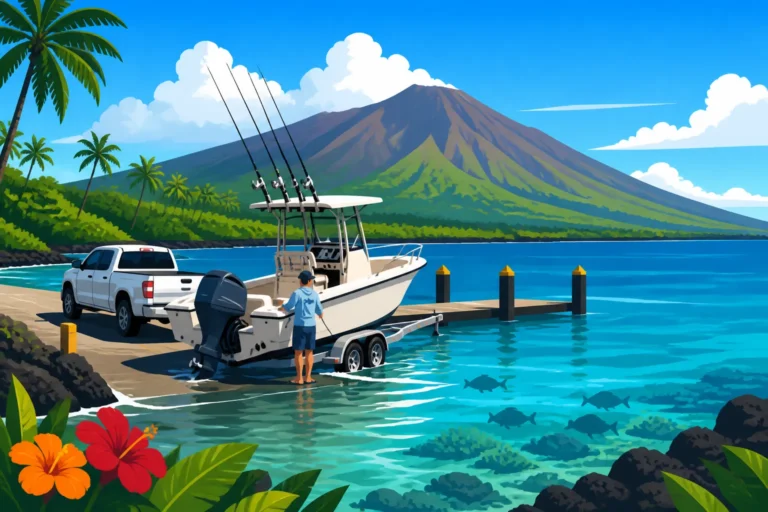
For those with access to a small powerboat, Hanalei Bay offers a public boat ramp at Black Pot Beach Park, making it relatively easy to launch and explore.
- Launching: The public boat ramp at Black Pot Beach Park is well-maintained and provides direct access to the Hanalei River, which then leads directly into the bay. Be mindful of the river's currents, especially during strong tides, and keep an eye out for other water users.
- Navigating the Bay: Once in the bay, pay close attention to channel markers, as there are shallow reef areas that can pose hazards, especially at low tide. Local charts or a good GPS system are highly recommended. Always exercise caution and maintain situational awareness, as the bay is popular for swimming, surfing, and paddling.
- Fishing Opportunities: A small boat allows you to reach the deeper sections of the bay and explore the outer reef lines more effectively. You can troll small lures for various jacks, mahimahi (if they're inshore), or small tuna. Bottom fishing over deeper rocky structures or reef ledges for opakapaka, onaga, or other bottomfish species can also be productive. For those interested in venturing further offshore, you might consider chartering a larger vessel, and options available on platforms like FishingBooker provide access to local captains experienced in navigating Hanalei Bay's waters and beyond.
- Regulations and Safety: Remember that all Hawaii Boating Laws for Anglers apply, including registration requirements, safety equipment, and speed limits within the bay. Always check the marine forecast before heading out, as conditions can change rapidly on the North Shore of Kauai, especially outside the protected bay. Always have enough fuel, safety gear, and communication devices on board.
Essential Tips for a Rewarding Fishing Experience at Hanalei Bay
To truly make the most of your fishing adventure in Hanalei Bay, it's not just about knowing where to go, but also understanding the local rules, etiquette, and effective techniques.
Licensing, Regulations, and Local Etiquette
This might sound like a broken record, but seriously, knowing the rules is half the battle for a stress-free fishing trip in Hawaii. Nothing sours a beautiful day faster than an unexpected citation.
- Fishing Licenses: For saltwater fishing in Hawaii, recreational anglers generally do not need a state fishing license if they are residents. However, non-residents do need a license for marine recreational fishing. The rules for freshwater fishing are different: a freshwater fishing license is required for all anglers aged 18 and older, whether resident or nonresident, if you plan to fish in the Hanalei River or its tributaries. It's always best to clarify your specific needs by checking sources like Do You Need a Fishing License in Hawaii or the Hawaii Fishing License Guide for 2026 to ensure you're compliant.
- Bag and Size Limits: Hawaii has specific regulations regarding minimum sizes and bag limits for various species to ensure sustainable populations. For instance, there are rules for moi, uhu, and even certain pelagic species. Before you go, it's wise to review Hawaii Bag and Size Limits by Species to know what you can legally keep. For specific local rules, like those for uhu (parrotfish), you might find detailed information such as Hawaii Uhu (Parrotfish) Size and Bag Limits.
- Local Etiquette (Pono Fishing): Beyond the written laws, there's an unwritten code of conduct rooted in Hawaiian culture.
- Share the Space: Hanalei Bay is a shared resource. Be mindful of swimmers, surfers, paddlers, and other beachgoers. Avoid casting near them.
- Respect Private Property: Even on public access points, be aware of adjacent private properties. Do not trespass or block access.
- Observe and Learn: Watch local fishermen. They often have generations of knowledge. A friendly "Aloha" and genuine interest can open doors to invaluable insights, but don't assume they want to share their secret spots!
- Practice Catch and Release: While keeping some fish for dinner is part of the experience, consider releasing fish that are undersized, oversized, or simply not needed. This helps ensure healthy fish populations for the future.
- Clean Up: Always pack out everything you bring in, including discarded fishing line and bait containers. Malama 'āina is key.
Best Practices for Gear and Technique
Having the right gear and a few tried-and-true techniques can significantly improve your chances of success and enjoyment.
- Shore Fishing Gear: For most shoreline fishing in Hanalei Bay, a medium-light to medium spinning rod (7-9 feet) paired with a 3000-4000 series reel spooled with 15-20 lb braided line is a versatile setup. A fluorocarbon leader (20-30 lb) is almost always a good idea for stealth and abrasion resistance around rocks.
- Lures: Small soft plastic grubs (like those from Berkeley Gulp! or similar brands), small metal spoons, or leadhead jigs with plastic trailers are excellent for papio and other small jacks. Topwater poppers can be thrilling at dawn or dusk if fish are schooling.
- Bait: Live shrimp, ghost shrimp, or small pieces of cut squid are go-to baits for many nearshore species. A simple Carolina rig or a slip-sinker rig with a single hook is effective.
- Technique: Whipping (casting and retrieving lures) is a popular and effective method for papio. Look for areas with slight current, reef edges, or sandy pockets near structure. Understanding How to Catch Papio on Hawaii's Shoreline can provide more specialized insights.
- Kayak/Boat Fishing Gear:
- Inshore/Reef: A slightly heavier version of your shore fishing setup works well for targeting reef fish or larger jacks. Look for structure on your fish finder or by observing water color changes. Jigging small metal jigs or dropping bait (squid, cut fish) can be productive.
- Nearshore Pelagics: If you venture just outside the bay for species like small tuna or mahimahi, you'll want a medium-heavy rod and a 5000-6000 series spinning reel or a conventional reel. Trolling small skirted lures or diving plugs is a common technique.
- Bottom Fishing: For deeper bottomfish, specialized setups with heavy line and strong reels are needed, often using large baits like whole squid or cut fish on multi-hook rigs. This type of fishing is typically done in deeper waters beyond the bay itself.
- Tide and Time of Day:
- Tides: For shore fishing, an incoming tide often brings baitfish closer to shore and can stimulate feeding activity. The period around high tide can also be productive, especially on reef flats.
- Time of Day: Early morning (dawn) and late afternoon/early evening (dusk) are almost universally the best times to fish in Hawaii. The lower light conditions and cooler temperatures make fish more active. Night fishing, especially for ulua, can also be very rewarding.
- Always factor in the weather. While Hanalei Bay is often calmer than the open ocean, strong trade winds can make fishing from small watercraft challenging. You might find more insight on how conditions affect specific fishing, like When Hawaii's ocean waters get too rough to shore fish.
Whether you're going solo or with a guide you found on FishingBooker, always prioritize safety and sustainability. Hanalei Bay is a treasure, and fishing it responsibly ensures its beauty and bounty for generations to come.
Here's a quick summary of popular access points and their general characteristics:
| Access Point | Primary Type | Target Species (Common) | Pros | Cons |
|---|---|---|---|---|
| Hanalei Pier | Shore, Walking | Papio, Omilu, Goatfish, Juvenile Ulua | Easy parking, public facilities, family-friendly, historical landmark | Very crowded, shared with swimmers/jumpers, limited casting space |
| Weke Road Public Accesses | Shore, Walking | Papio, Omilu, Moi, Reef fish | More secluded, quieter, varied bottom structure | Very limited parking, respectful of private property is crucial |
| Hanalei River Mouth | Shore, Kayak, Small Boat | Papio, Barracuda, Tilapia, Small Jacks | Unique brackish water, diverse species | Strong currents, boat traffic, can be muddy after rain |
| Kayaking/SUP in Bay | Watercraft | Papio, Omilu, Uhu, Moi, Small Pelagics | Access to reefs, deeper water, less crowded | Requires own equipment or rental, safety gear essential |
| Small Boat (from Ramp) | Watercraft | Papio, Omilu, Bottomfish, Small Pelagics | Extensive reach, trolling/deep water options | Requires boat, navigation skills, awareness of reef hazards |
Disclaimer
Fishing in Hawaii, including Hanalei Bay, involves inherent risks. Always check the latest weather and ocean conditions before heading out. Be aware of changing tides, currents, and potential hazards. Adhere to all local, state, and federal fishing regulations, including licensing requirements, bag, and size limits, which can change. It is your responsibility to be informed and to fish safely and ethically. This guide provides general information and should not be taken as legal advice or an exhaustive list of all regulations. Respect marine life, private property, and the local culture. When in doubt, always err on the side of caution and preservation.