Best public boat launches on the Big Island
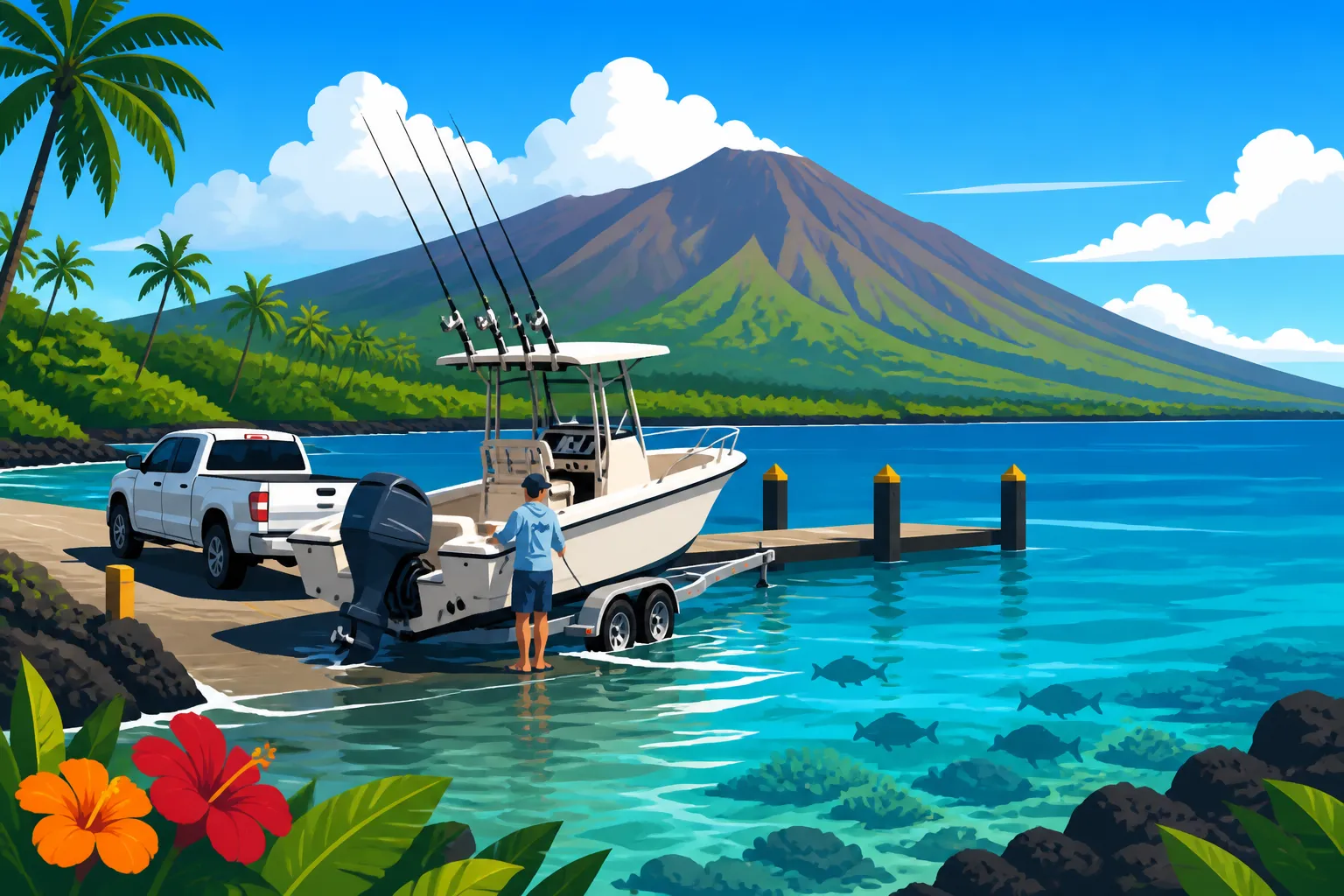
It can be incredibly frustrating to plan an exciting fishing trip to the Big Island, haul your boat all the way to a public launch, only to find the ramp too shallow, the parking nonexistent, or the conditions completely wrong for your vessel. Hawaii's unique volcanic coastline and dynamic ocean conditions mean that not all boat launches are created equal, and choosing the right one can make or break your day on the water. This comprehensive guide will walk you through the best public boat launches on the Big Island, offering insights into their specific features, what to expect, and crucial tips for a smooth and successful outing.
Why Finding the Right Launch Matters on the Big Island
When you're dealing with an island formed by volcanoes and surrounded by vast, deep ocean, the "right" boat launch isn't just about getting your boat wet; it's about safety, accessibility, and setting yourself up for the best possible fishing experience. The Big Island's diverse coastline, from the calm, deep waters of Kona to the rugged, exposed shores of the Hamakua Coast, presents a unique set of challenges and opportunities for anglers.
The Unique Challenges of Big Island Launches
Unlike many mainland launches, Big Island boat ramps often contend with lava rock formations, strong currents, and varying depths that can change dramatically with the tide and swell. Some ramps might be perfectly fine for smaller, trailerable boats at high tide but become treacherous or impassable at low tide. Parking can also be a significant issue, especially at popular spots, where designated trailer parking might be limited or require careful maneuvering around other vehicles and local activity. It’s not uncommon to see a beautifully maintained launch ramp lead directly into a shallow, rocky entrance that could damage your prop or hull if you're not careful. These aren't your typical concrete behemoths found in some continental states; many have a more rugged, "local" feel that demands respect and awareness.
Impact on Your Fishing Trip
The choice of your launch directly dictates the kind of fishing trip you'll have. Launching from the Kona side, for instance, immediately places you in prime territory for deep sea pelagic species like marlin and ahi, thanks to the deep water close to shore. If you launch from the Hilo side, you'll be accessing different current patterns and potentially a different range of species, often requiring you to run further offshore for the big game or focus on inshore reef fishing. A poorly chosen launch can lead to wasted time, fuel, and even dangerous situations, like navigating choppy channels or struggling to retrieve your boat in heavy surf. Conversely, a well-chosen launch saves you precious fishing time, provides safer access to your target grounds, and contributes to a stress-free start and end to your adventure. Knowing your desired fishing grounds and the prevailing weather conditions for that day is paramount in selecting the ideal launch.
Top Public Boat Launches on the Big Island
The Big Island offers a handful of key public boat launches, each with its own advantages and considerations. Understanding the nuances of each can help you pick the perfect spot for your next fishing expedition.
Honokohau Harbor (Kona)
Located just north of Kailua-Kona, Honokohau Harbor is arguably the most well-known and utilized launch facility on the Big Island, especially for offshore anglers. This sprawling harbor serves as the primary hub for sportfishing charters, private boaters, and commercial fishermen on the Kona Coast. It features multiple boat ramps, ample trailer parking, fuel services, and even an ice vendor, making it a truly full-service facility. The ramps are generally in good condition and provide relatively deep water access, accommodating a wide range of vessel sizes from small skiffs to large sportfishers.
The biggest advantage of Honokohau is its strategic location. Within minutes of launching, you're in some of the most productive deep-sea fishing grounds in the world. The ocean floor drops off dramatically very close to shore, creating ideal conditions for targeting billfish like blue marlin and striped marlin, as well as yellowfin tuna (ahi), mahi-mahi, and ono (wahoo). Because of its popularity, Honokohau can get very busy, especially on weekends and during fishing tournaments. Patience and good ramp etiquette are essential here. If you're looking for an excellent base to explore the famous Kona Coast fishing grounds, check out our guide on the Kona Coast Fishing Guide. You'll also find many top-tier fishing charters operating out of Honokohau, and platforms like FishingBooker can help you easily find and book a trip if you prefer a guided experience.
Kawaihae Harbor (Kohala)
On the northwestern side of the Big Island, in the Kohala district, you'll find Kawaihae Harbor. This harbor offers a contrasting experience to the bustling Honokohau. It's generally less crowded, providing a more laid-back atmosphere, but still offers solid access to excellent fishing. Kawaihae has a serviceable public boat ramp that's well-maintained and provides good depth. While services are more limited here compared to Honokohau (e.g., no immediate fuel dock or dedicated ice vendors right at the ramp), it makes up for it with less traffic and a different set of fishing opportunities.
Kawaihae is an ideal launch point for exploring the northern Kohala coast. The waters here can be incredibly productive for various pelagic species, often with less competition than further south. It also provides access to some interesting reef and bottom fishing grounds that are less pressured. Anglers here often target 'ahi, 'ono, and 'opakapaka. The calmer conditions within the harbor itself make launching and retrieving a bit easier on most days, though the open ocean outside can be exposed to northwesterly swells. If you're staying in the Waikoloa or Mauna Lani resort areas, Kawaihae is a much more convenient launch option, saving you a long drive to Kona.
Radio Bay (Hilo)
Shifting to the windward (eastern) side of the Big Island, Radio Bay in Hilo serves as the primary public boat launch for anglers exploring the waters off the Puna and Hamakua coasts. This launch offers access to a completely different marine environment, characterized by deeper water closer to shore, stronger currents, and often more exposed conditions, particularly to easterly and northerly swells. The ramp at Radio Bay is robust and capable of handling various boat sizes, though the immediate area around the ramp can sometimes be subject to significant surge, especially during periods of higher swell.
Launching from Radio Bay opens up opportunities for deep-dropping for species like 'onaga and 'opakapaka, as well as trolling for 'ahi, 'ono, and mahi-mahi in the diverse currents that sweep along the eastern shore. The Big Island's eastern waters are less known for the "grander" marlin synonymous with Kona but offer consistent action for a wide variety of fish. Parking at Radio Bay is generally adequate, but as with any public facility, it's wise to arrive early on busy days. Navigating the Hilo Bay area requires attention to channel markers and local vessel traffic. If you're curious about specific species you might encounter, our guide on Hawaii Pelagic Species Bag Limits provides valuable information.
Key Factors When Choosing a Big Island Boat Launch
Selecting the right boat launch goes beyond just looking at a map. Several practical considerations can significantly influence the success and enjoyment of your fishing trip.
Ramp Condition and Depth
The physical condition of the boat ramp itself is paramount. On the Big Island, ramps can vary from smooth concrete to older, more worn surfaces, sometimes with a fair amount of sand or small rocks at the waterline. Always inspect the ramp before backing down, looking for any cracks, potholes, or sharp edges that could damage your trailer tires or boat. More critically, pay close attention to the depth at the end of the ramp and the immediate approach channel. Some ramps are perfectly adequate at high tide but become extremely shallow, exposing lava rock or concrete edges at low tide. This is especially true for launches that are less frequently dredged or maintained.
Understanding local tides and swells is not just good practice; it’s essential for safety and efficiency. A strong swell can make a normally easy launch treacherous, crashing over the ramp and making it difficult to control your vessel. Always check tide charts and marine forecasts before heading out. If you're unsure, watch other boaters for a while, or better yet, talk to a local at the ramp – they often have invaluable, real-time insights into current conditions and potential hazards. Knowing how to properly read the water and understand the Hawaii Fishing Seasons by Month can also help you anticipate optimal conditions for various fishing endeavors.
Parking and Amenities
Don't underestimate the importance of adequate parking, especially for your trailer. Many public launches, while designed for boaters, can quickly fill up, leaving you scrambling for a spot. Honokohau Harbor is designed with extensive trailer parking, but even it can get tight during peak season or major tournaments. Smaller launches might only have a handful of spots, requiring you to arrive well before sunrise. Look for designated trailer parking areas, and ensure your vehicle and trailer aren't obstructing traffic flow or other parking.
Beyond parking, consider the available amenities. Restrooms are a huge plus, particularly for longer days on the water. Some launches offer wash-down stations, which are incredibly helpful for rinsing saltwater off your boat and trailer after retrieval, preventing corrosion. Fueling stations, tackle shops, and ice vendors nearby can also save you a lot of time and hassle. While you can usually find these services in nearby towns, having them right at the harbor, like at Honokohau, adds immense convenience. Remember that many charters use these same facilities, so if you're ever considering a guided trip, knowing where they depart from can be helpful. Platforms like FishingBooker often specify the departure point when you're looking to book a charter.
Proximity to Fishing Grounds
Matching your chosen boat launch to your intended fishing grounds is a strategic decision that impacts fuel consumption, travel time, and overall fishing success. If your primary goal is to target trophy marlin or 'ahi offshore, a launch like Honokohau Harbor, with its immediate access to deep water canyons and FADs (Fish Aggregating Devices), makes perfect sense. You'll spend less time running and more time fishing.
However, if you're interested in bottomfishing for 'opakapaka or 'onaga, or perhaps exploring inshore reefs for papio, a different launch might offer quicker access to those specific structures. For example, launching from Kawaihae gives you excellent proximity to the northern Kohala coast's reef systems. Similarly, from Radio Bay, you can quickly access the deep slopes off the Hilo and Puna coasts. Consider the species you're after and where they typically congregate around the island. Our guide on Best Deep Sea Fishing Spots in Hawaii can help you align your launch choice with your target species. Ultimately, minimizing your run time to the fishing grounds maximizes your effective fishing time, leading to more opportunities to hook up.
Essential Tips for Launching and Retrieving on the Big Island
Navigating public boat launches, especially in a unique environment like the Big Island, requires a blend of preparation, caution, and local awareness. A smooth launch and retrieval process is key to a stress-free fishing trip.
Understanding Hawaiian Tides and Swells
Hawaii's ocean conditions are dynamic and can change rapidly. Tides play a significant role, not just in water depth at the ramp, but also in current strength, particularly in harbor entrances and channels. A rising or falling tide can create strong currents that make maneuvering your boat difficult, especially for smaller vessels. Always consult a local tide chart before your trip, paying attention to the magnitude of the tidal swing. Some areas experience much larger tidal variations than others.
Beyond tides, swells are a constant factor. The Big Island is exposed to swells from various directions, and what might be calm on one side of the island could be rough on the other. A south swell, for instance, might make a southern-facing ramp challenging, while a north swell would impact northern exposures. Use reliable marine forecasts, like those from the National Weather Service, to gauge swell height, direction, and period. If a heavy swell is predicted, especially if it's hitting the direction of your chosen launch, consider postponing your trip or choosing a more sheltered alternative. Safety is paramount, and understanding Hawaii Boating Laws for Anglers is a critical component of responsible boating.
Safety First: Pre-Launch Checks and Etiquette
Before you even back down the ramp, conduct a thorough pre-launch check. Ensure your drain plug is in, tie-down straps are removed, and all required safety equipment – like life jackets for all passengers, especially if you have Hawaii life jacket rules for children on board, flares, and a sound-producing device – is accessible and in working order. Check your engine's oil and fuel levels, and ensure your battery is fully charged. These simple steps can prevent embarrassing and potentially dangerous issues at the ramp or out on the water.
At the launch itself, practice good etiquette. Prepare your boat before you get to the ramp, not while blocking it. This means loading all your gear, attaching your lines, and getting your engine ready to start. Be efficient when launching and retrieving to minimize wait times for others. If it's busy, have a designated driver and a person on the boat ready to either pull away quickly or secure the boat once on the trailer. Communication is key. Remember, everyone wants to get on the water, and a little courtesy goes a long way.
Local Knowledge and Resources
The best source of information, beyond official charts and forecasts, is often local knowledge. Engage with other boaters at the ramp, chat with folks at local tackle shops, or consult online forums for Hawaii fishing. These informal networks can provide invaluable, real-time insights into current conditions, recent catches, and any specific hazards or peculiarities of a given launch that might not be obvious to an outsider. They might even offer tips on the best bait for ahi fishing or the most effective trolling techniques for Hawaii pelagics.
Additionally, utilize official resources from the Hawaii Division of Aquatic Resources (DAR). Their website often provides updates on harbor conditions, regulations, and any temporary closures. Keeping an eye on local news sources can also alert you to large swells, high surf advisories, or other conditions that could impact your boating plans. Don't be afraid to ask questions; local anglers are often happy to share their knowledge to help ensure everyone has a safe and successful day on the water.
Here's a quick comparison of the Big Island's main public boat launches:
| Launch Location | Island Side | Primary Access | Ramp Type | Parking Availability | Key Features & Considerations | Typical Target Species |
|---|---|---|---|---|---|---|
| Honokohau Harbor | West (Kona) | Offshore Pelagics | Multi-lane Concrete | Excellent, Trailer-Specific | Full services (fuel, ice, tackle), very busy, deep water close to shore | Blue Marlin, Striped Marlin, Ahi, Mahi-Mahi, Ono |
| Kawaihae Harbor | Northwest (Kohala) | Offshore/Reef | Single-lane Concrete | Good, Moderate Trailer | Less crowded than Honokohau, access to northern Kohala fishing grounds | Ahi, Ono, Opakapaka, Reef Fish |
| Radio Bay | East (Hilo) | Offshore/Deep Drop | Multi-lane Concrete | Good, Moderate Trailer | Exposed to easterly swells, access to Hamakua/Puna coasts, stronger currents | Ahi, Ono, Mahi-Mahi, Onaga, Opakapaka, Reef Fish |
Disclaimer
The information provided in this guide is for general informational purposes only and is subject to change. Ocean conditions, regulations, and facility availability can vary. Always check current weather forecasts, tide charts, and official Hawaii Division of Aquatic Resources (DAR) regulations before planning any fishing trip. Safety should always be your top priority.