Best fishing spots between Kona and Kohala
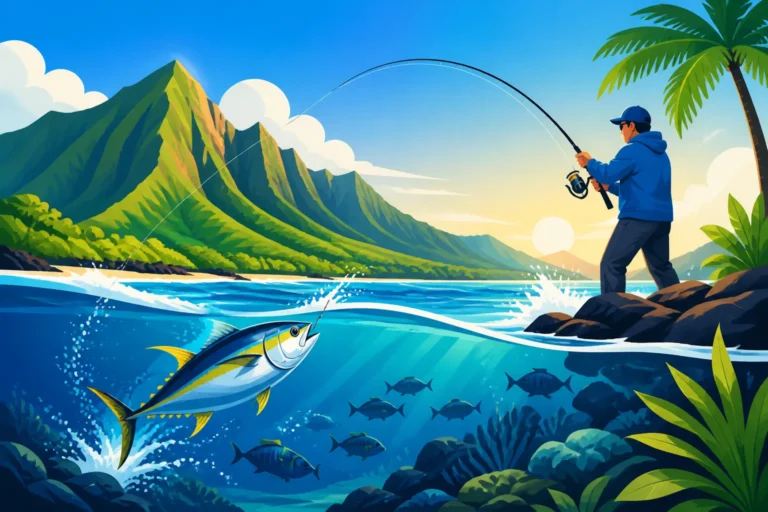
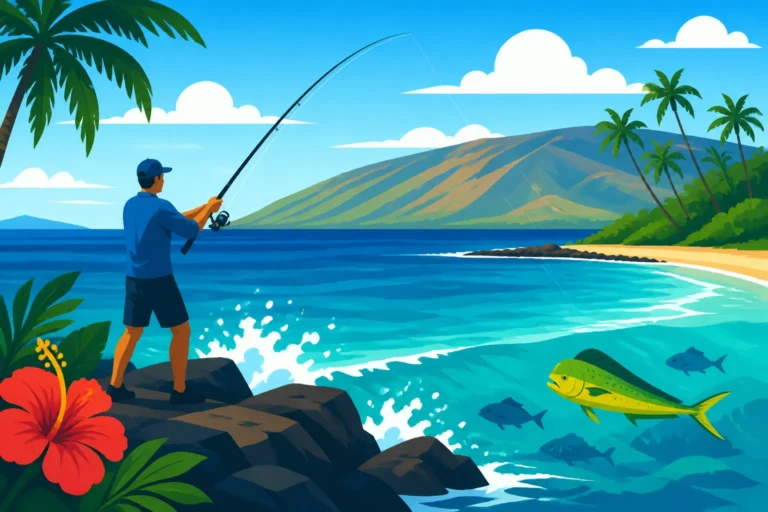
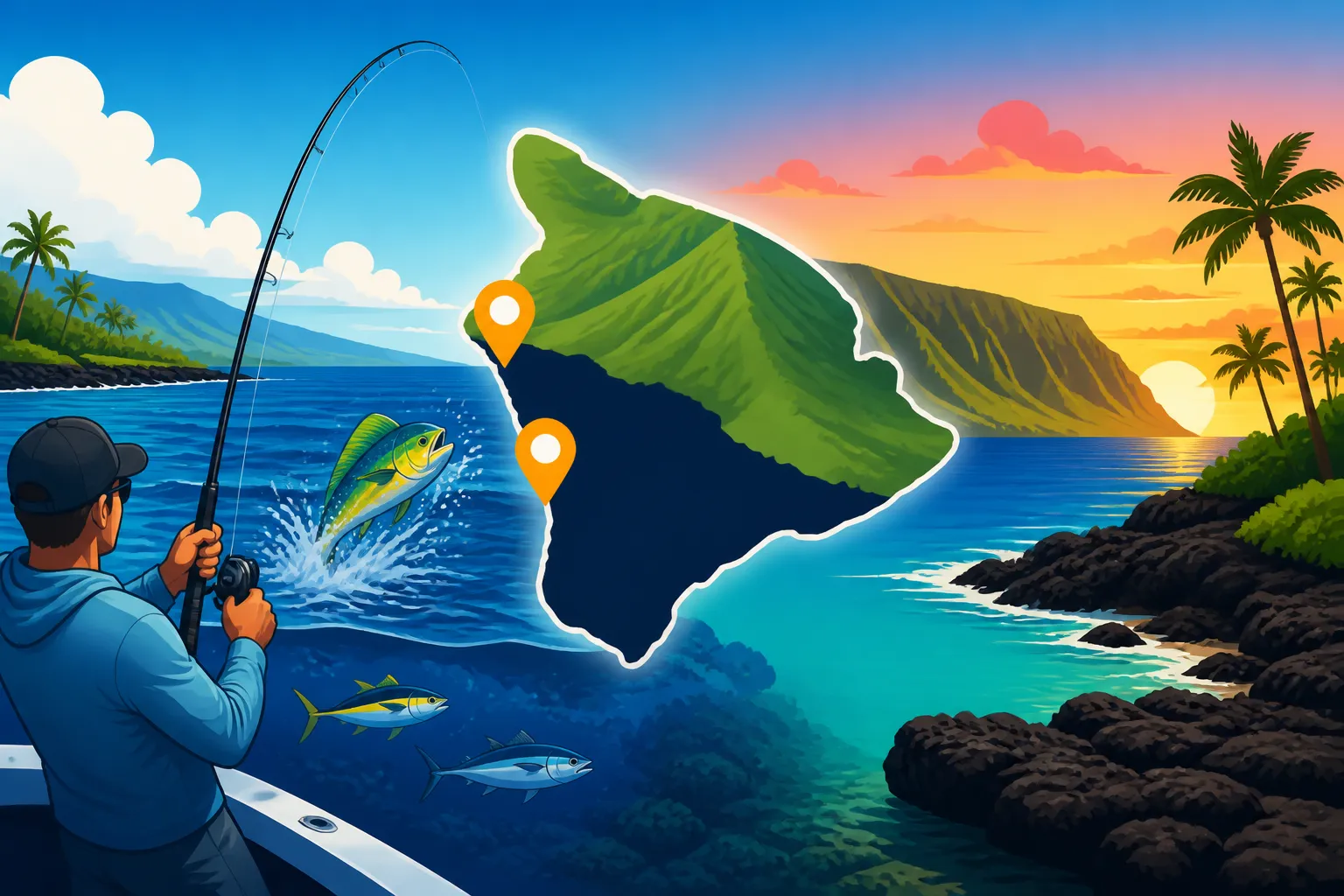
One of the biggest headaches when you're visiting or even living in Hawaii is figuring out exactly where to cast a line, especially when you're looking at a specific stretch like the gorgeous coastline between Kona and Kohala on the Big Island. With so much coastline, it's easy to feel overwhelmed, wondering if you're even allowed to fish in certain areas, or what kind of fish you might find. This comprehensive guide will help you pinpoint some of the best fishing spots along this iconic route, offering insights into what you can catch and how to approach each unique location.
Navigating the Nearshore Waters of North Kona
The stretch immediately north of Kailua-Kona offers a fantastic mix of accessible shoreline and boat launch points, making it a favorite for both locals and visitors. This area is characterized by ancient lava flows creating dramatic drop-offs and protected bays, providing diverse habitats for a wide range of species. It's a prime location for those who enjoy shore casting or want to launch a kayak for some inshore action.
Accessible Shoreline and Pier Fishing Opportunities
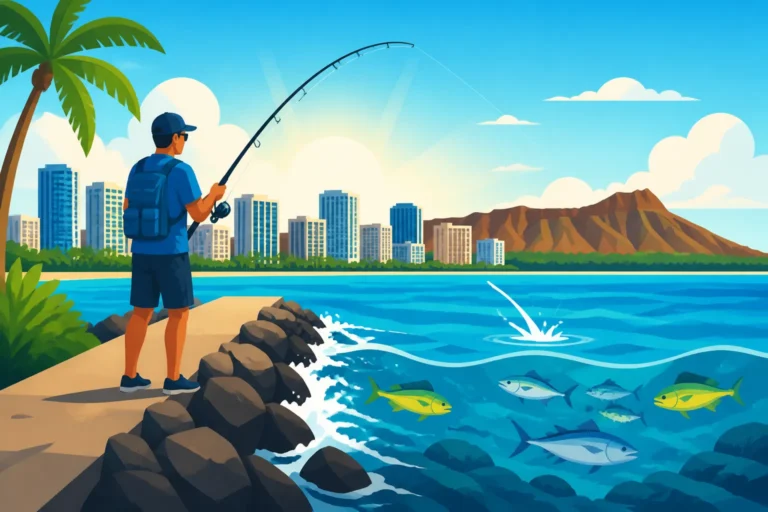
Starting right in Kailua-Kona and moving northward, you'll find numerous spots that are easily accessible. The Kailua Pier itself is a popular spot for families and casual anglers. While it might not yield a giant marlin, you can often find smaller papio, various reef fish, and sometimes even a schooling akule or opelu. It's a social spot, perfect for soaking in the local atmosphere and learning from seasoned Hawaiian fishermen. Early mornings and late evenings are often the most productive, especially during tidal changes when baitfish are moving.
Further north, places like Old Kona Airport State Recreation Area offer expansive shoreline access. Here, the lava rock and occasional sandy pockets provide excellent habitat for whipping up papio or trying your luck with bait for ulua. You'll want to employ robust Shore Fishing Techniques for Hawaii to tackle the sometimes rough terrain and strong currents. Remember to be mindful of strong waves, especially during larger swells, and always prioritize safety over a potential catch. These spots often require a bit of rock-hopping, so good footwear is essential.
Exploring Kayak and Small Boat Access Points
For those with a kayak or a small boat, the opportunities expand considerably. Launching from Honokohau Harbor, just a few miles north of Kailua-Kona, opens up a world of possibilities. While Honokohau is a major hub for offshore charters targeting marlin and ahi, the areas just outside the harbor mouth and along the coastline offer fantastic inshore fishing. You can paddle north and target reef species like kumu and weke with light tackle or even try a bit of trolling closer to shore for smaller pelagics like skipjack tuna (aku) or mahimahi when they're running in closer.
These nearshore waters around Honokohau and further north towards Pine Trees Beach are excellent for Best Kayak Fishing Spots in Hawaii. The lava topography creates intricate underwater structures, perfect for ambushing predators. Drifting with live bait or casting artificial lures around these submerged structures can be incredibly effective. Just be aware of boat traffic, especially around the harbor, and always have appropriate safety gear for your vessel. The sheer abundance of marine life in these areas makes every paddle stroke exciting.
Exploring the Transitional Shores of South Kohala
As you venture further north, leaving the direct Kona area and entering the South Kohala district, the coastline begins to change. While still primarily lava rock, you'll start to encounter more pristine white and black sand beaches nestled between rocky points. This transition zone is a fantastic area to explore, offering diverse fishing environments from calm, protected bays to exposed, windswept points. It’s where the dramatic volcanic landscape meets the serene, resort-lined coast.
Reef Fishing and Sandy Beach Opportunities
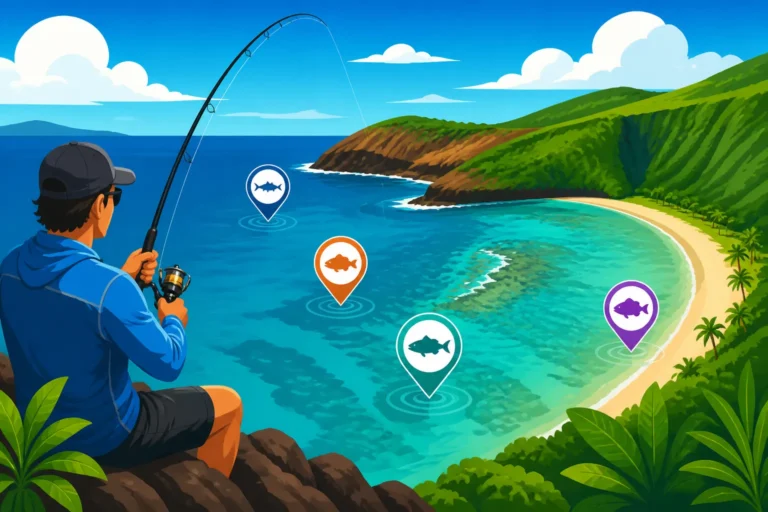
The South Kohala coast is famous for its beautiful resorts, but it also holds some excellent fishing spots. Puako Bay, for instance, offers fantastic reef fishing. The shallow, clear waters over the coral reefs here are teeming with colorful reef fish, and while much of it is protected, there are designated areas where you can target species like uhu (parrotfish) and various types of goatfish (kumu, weke). Shore access can be a bit tricky in some resort areas, so always look for public access points, often marked by "Shoreline Access" signs.
Many of the sandy beaches in South Kohala, like those within Spencer Beach Park or parts of Hapuna Beach State Recreation Area, also offer opportunities for surf casting. While known more for swimming and sunbathing, early mornings or late evenings can yield papio (juvenile trevally) or even small ulua. These areas are great for families, as the conditions are often calmer, and the chances of catching something are relatively high with simple bait rigs. Always check local signs for any fishing restrictions, as some areas may be designated as Marine Life Conservation Districts where fishing is prohibited.
Harbor and Rocky Point Exploration
Further north, Kawaihae Harbor serves as another crucial access point, particularly for trailered boats heading out for deeper waters. However, the harbor walls themselves and the rocky points immediately surrounding Kawaihae can be productive. From the jetties, anglers often target papio, ulua, and various jacks. It's a working harbor, so be respectful of commercial operations, but it offers a solid platform for casting into deeper water. This is also a good place to look for information on Hawaii Boating Laws for Anglers if you plan to launch your own vessel.
The rocky points and lava fingers stretching out into the ocean north of Puako are also phenomenal for those willing to hike a bit. These areas are perfect for How to Catch Ulua from Shore using heavy tackle and sliding bait rigs, especially during new or full moon phases when the tides are strong. You might also encounter large schools of akule or opelu, which can be caught for bait using sabiki rigs. Always be aware of swell conditions when fishing from exposed lava points; rogue waves can be dangerous.
Beyond the Mainstay: Deeper Waters and Remote Access
While much of the fishing between Kona and Kohala can be done from shore or nearshore, the real magic of this coastline lies in its access to incredibly productive offshore waters and some truly remote, untouched spots. The deep drop-offs are just a short boat ride from shore, making it incredibly convenient for big game fishing, and there are lesser-known spots that reward those willing to put in the effort.
Offshore Pelagic Pursuits
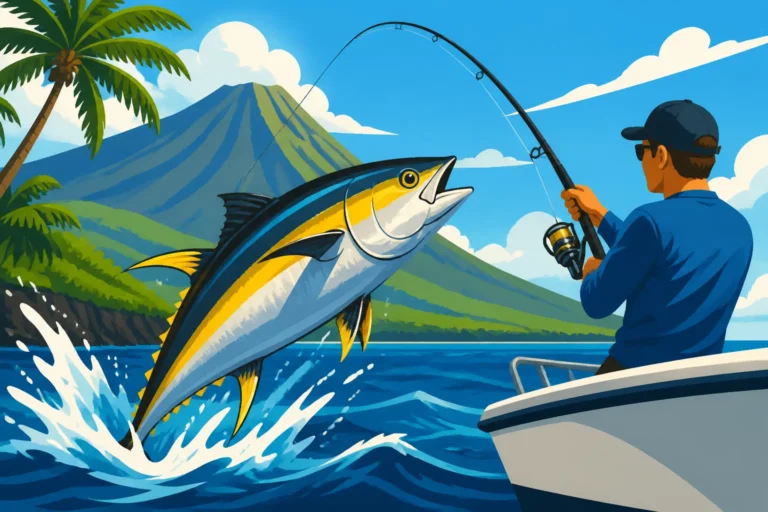
The waters directly offshore from the Kona-Kohala coast are world-renowned for their pelagic fishing. The consistent deep-water access, often just a mile or two from shore, creates a highway for powerful game fish. This is where you'll find the legendary Marlin Fishing off the Kona Coast, particularly blue marlin, and phenomenal Ahi (Yellowfin Tuna) Fishing in Hawaii. Charter boats frequently ply these waters, often departing from Honokohau Harbor or Kawaihae, but if you have a capable offshore vessel, this stretch is your playground.
Trolling with artificial lures or live bait is the primary method here. Beyond marlin and ahi, you’re likely to encounter ono (wahoo) and mahimahi, especially around the numerous FADs (Fish Aggregating Devices) that the Hawaii Division of Aquatic Resources maintains offshore. These buoys act as magnets for baitfish and, consequently, their predators. Consulting with local bait shops or checking online fishing reports can give you insights into which FADs are currently holding fish. Many anglers find booking a trip through platforms like FishingBooker can provide access to experienced captains who know these waters intimately.
Remote Shorelines and Challenging Terrain
For the adventurous angler, there are more remote shorelines between Kona and Kohala that require a bit more effort to reach but often offer solitude and untouched fishing opportunities. These might involve hiking across lava fields or navigating rough dirt roads. Areas north of Hapuna Beach, moving towards the Pololu Valley lookout (though the valley itself is extremely restricted), can offer rugged, isolated spots. Always scout these locations during daylight and be prepared for changing conditions, as cell service can be spotty.
These remote spots are often fantastic for targeting large ulua and papio, especially if you're willing to stay through the night using heavy Sliding Bait Techniques for Ulua. The lack of fishing pressure often means larger, less wary fish. However, this also means you need to be entirely self-sufficient, carrying all your water, food, and safety gear. When planning such an adventure, it's wise to inform someone of your itinerary, and always consult the Hawaii Fishing Regulations Explained to ensure you're compliant, as some isolated areas might have special rules or cultural significance.
Essential Gear and Considerations
No matter where you choose to fish between Kona and Kohala, having the right gear is paramount. For shore fishing, a sturdy surf rod (10-12 feet) capable of casting heavy weights is ideal, paired with a reliable spinning reel spooled with at least 50 lb braided line. For lures, stick to heavy spoons, Kastmasters, or local favorites like the "Pop-a-Lot" poppers for papio. If you're using bait, fresh squid, opelu, or akule are usually best.
For offshore adventures, leave it to the pros if you're on a charter. If you're bringing your own gear, ensure your reels are well-maintained and capable of handling powerful runs from large pelagics. Many charter operators, often found through services like FishingBooker, will provide all necessary gear, so check with them beforehand.
| Fishing Spot Category | Target Species | Best Techniques | Key Considerations |
|---|---|---|---|
| Kailua Pier | Papio, Reef Fish, Akule, Opelu | Light Tackle, Bait Fishing | Family-friendly, crowded, best at dawn/dusk |
| Old Kona Airport Beach | Papio, Ulua, Reef Fish | Whipping, Bait Fishing (Dunking) | Lava rock, good footwear needed, watch for swells |
| Honokohau Harbor (Kayaking) | Papio, Aku, Mahimahi, Reef Fish | Kayak Trolling, Casting Lures | Boat traffic, safety gear required, good for Best Kayak Fishing Spots in Hawaii |
| Puako Bay | Uhu, Kumu, Weke | Light Tackle, Bait (crustaceans), Spearfishing | Reefs, check for MLCAs, public access points |
| Kawaihae Harbor | Papio, Ulua, Jacks, Reef Fish | Heavy Tackle, Bait Fishing, Jigging | Industrial area, respectful of operations, check for Hawaii Bag and Size Limits by Species for specific fish |
| South Kohala Beaches | Papio, Small Ulua | Surf Casting with Bait | Resort areas, public access, calm conditions often |
| Offshore FADs/Deep Water | Marlin, Ahi, Ono, Mahimahi | Trolling, Jigging, Live Baiting | Best with charter or capable boat, check Hawaii Pelagic Species Bag Limits for regulations |
| Remote Lava Points | Trophy Ulua, Papio | Sliding Bait, Heavy Shore Casting | Requires hiking, self-sufficiency, safety paramount |
Always, always check the local weather and ocean conditions before heading out. The ocean in Hawaii can be unpredictable, and what starts as a calm morning can quickly turn into a rough afternoon. Additionally, familiarize yourself with Hawaii Fishing License Guide for 2026 if you're fishing freshwater, though saltwater recreational fishing licenses are currently not required for residents or visitors. However, regulations on bag and size limits are always in effect, and it’s important to know them for the species you target. Local fishing clubs and online forums are fantastic resources for up-to-date information, and don't hesitate to ask at local tackle shops for the latest bite. Booking a local guide, often easily found on FishingBooker, can also provide invaluable insights into the specific nuances of fishing this unique coastline.
Disclaimer
Please remember that fishing regulations in Hawaii are subject to change. Always consult the most current rules and advisories from the Hawaii Department of Land and Natural Resources (DLNR) Division of Aquatic Resources (DAR) before heading out. Fishing in Marine Life Conservation Districts (MLCDs) or other restricted areas is strictly prohibited. Practice responsible angling, respect private property, and mālama i ka ‘āina (care for the land).