South Point Ka Lae Fishing Spots
Oh, the allure and the challenge of fishing at South Point, or Ka Lae as it's known in Hawaiian. It's truly a place unlike any other on Earth for anglers, but its raw beauty comes with equally raw conditions that can leave even seasoned fishermen scratching their heads, or worse, in a sticky situation. This guide is here to cut through the mystery and help you navigate the unique, often demanding, yet incredibly rewarding fishing opportunities at Hawaii's southernmost tip.
The Unique Geography and Challenges of Ka Lae
Ka Lae, often referred to simply as South Point, isn't just a geographical marker; it's a force of nature. Situated on the southernmost tip of the Big Island of Hawaii, and indeed the entire United States, this area is characterized by dramatic cliffs, a rugged coastline, and relentless oceanic forces. Understanding its unique environment is the first step to successfully and safely fishing these storied waters.
The Southernmost Tip of the U.S. and Its Deep Waters
When you stand at Ka Lae, you're literally at the edge of the nation, looking out into an expanse of deep, blue Pacific. What makes this area so incredible for fishing is how quickly the ocean floor drops off. Unlike many other coastal areas where you might wade out for hundreds of yards, here, the deep blue water is almost immediately accessible from the shore. This extreme depth, combined with powerful currents, creates a superhighway for pelagic species that typically require long boat rides offshore to reach. It’s an angler’s dream for accessibility to big game, but it also means understanding the immense power of the ocean in this specific location.
Relentless Winds and Powerful Currents
If you've ever been to South Point, the first thing you probably noticed after the breathtaking views was the wind. It’s almost a constant companion here, often strong enough to make casting a real challenge and even affect your balance near the cliffs. But it's not just the wind you need to contend with; the currents off Ka Lae are legendary for their strength and swiftness. These powerful ocean currents, fueled by the vast Pacific, sweep past the point, creating nutrient-rich upwellings and natural aggregation points for baitfish, which, in turn, attract larger predatory species. While these currents are a boon for the fish, they demand respect and specialized techniques from anglers. They can carry away tackle quickly and create dangerous conditions for anyone in or too close to the water.
Remote and Rugged Terrain
Ka Lae is not Waikiki Beach. There are no fancy resorts, paved promenades, or easily accessible amenities. It is a remote, wild, and rugged place that commands respect. The drive down to the point involves a somewhat bumpy road, and once there, much of the shoreline access is over sharp, uneven lava rock or along precipitous cliffs. This terrain can be challenging to navigate, especially when carrying heavy fishing gear. Proper footwear, physical fitness, and a strong sense of caution are not just recommended, they're absolutely essential. You won't find many shops or quick help out here, so coming prepared with everything you need, and a backup plan, is crucial.
Prime Shoreline Fishing Areas at South Point
Despite its wild nature, Ka Lae offers some of the most exhilarating shore fishing opportunities in Hawaii, provided you know where to look and how to approach them. The unique geological features create distinct fishing zones, each with its own characteristics and target species.
Around the Ancient Fishing Koʻa
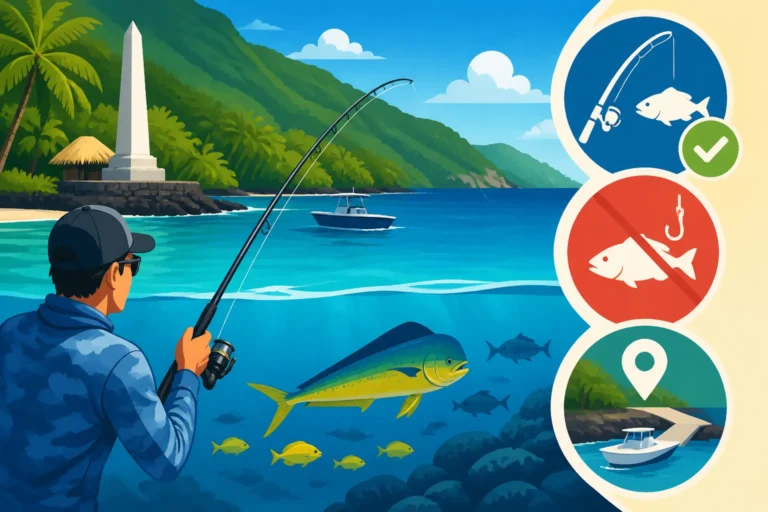
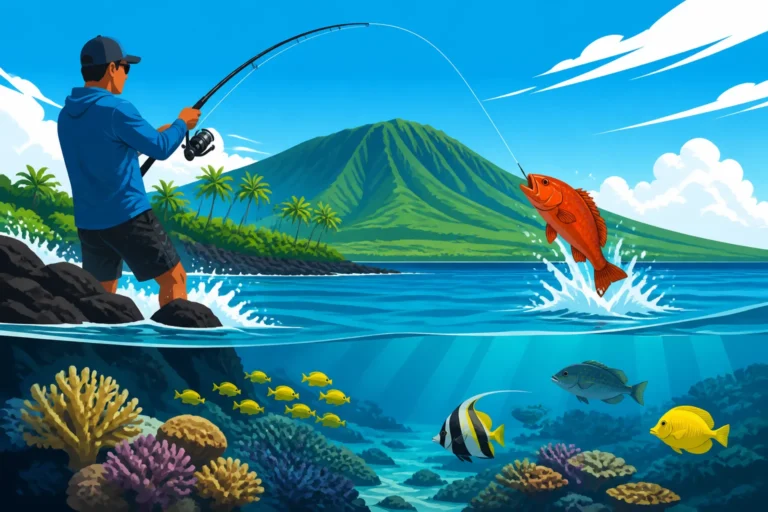
One of the most culturally significant and historically rich areas at South Point are the ancient Hawaiian fishing koʻa, or stone shrines. These aren't just remnants of the past; they represent centuries of fishing knowledge and tradition. While you should absolutely respect these sites and avoid disturbing them, the areas around them were chosen for a reason – they historically offered excellent fishing. The natural structure of the coastline near these koʻa often features deeper channels, ledges, or natural current breaks that aggregate baitfish and, consequently, game fish. You might find a blend of reef fish and smaller pelagics here. Anglers often target species like papio (juvenile trevally), smaller ulua, and various reef species using whipping or dunking techniques. Remember, while the fish are abundant, the historical and cultural value of these sites is immense; tread lightly and be mindful of your impact.
The Cliffs and Ledge Fishing Opportunities
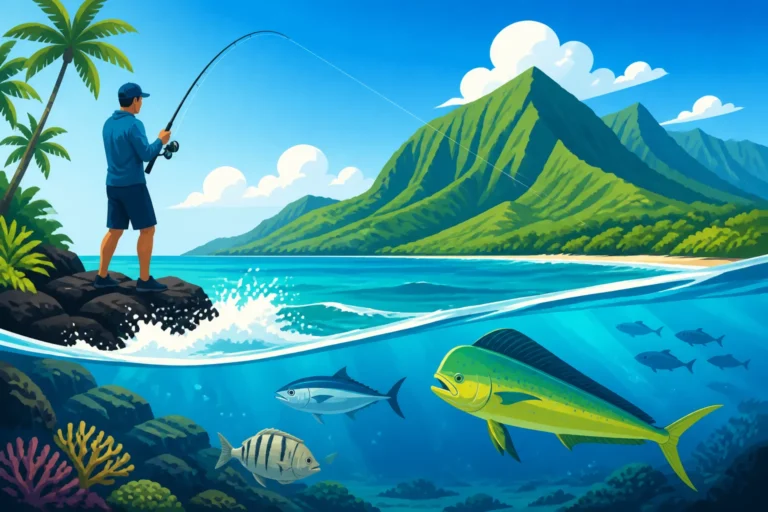
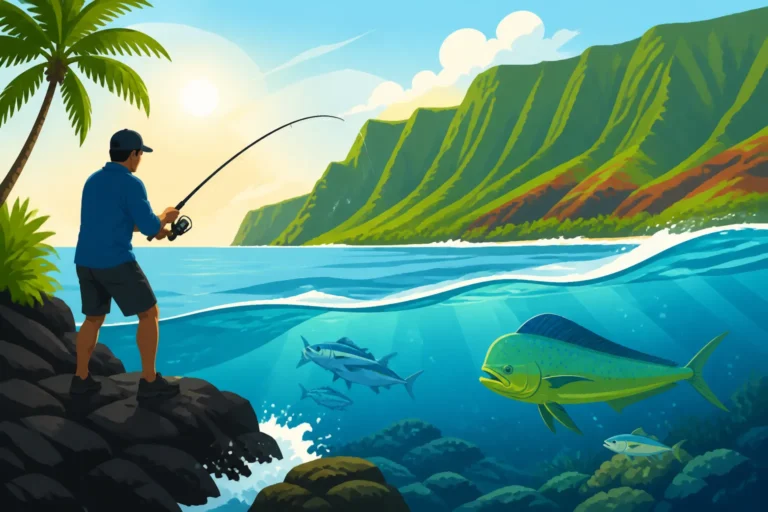
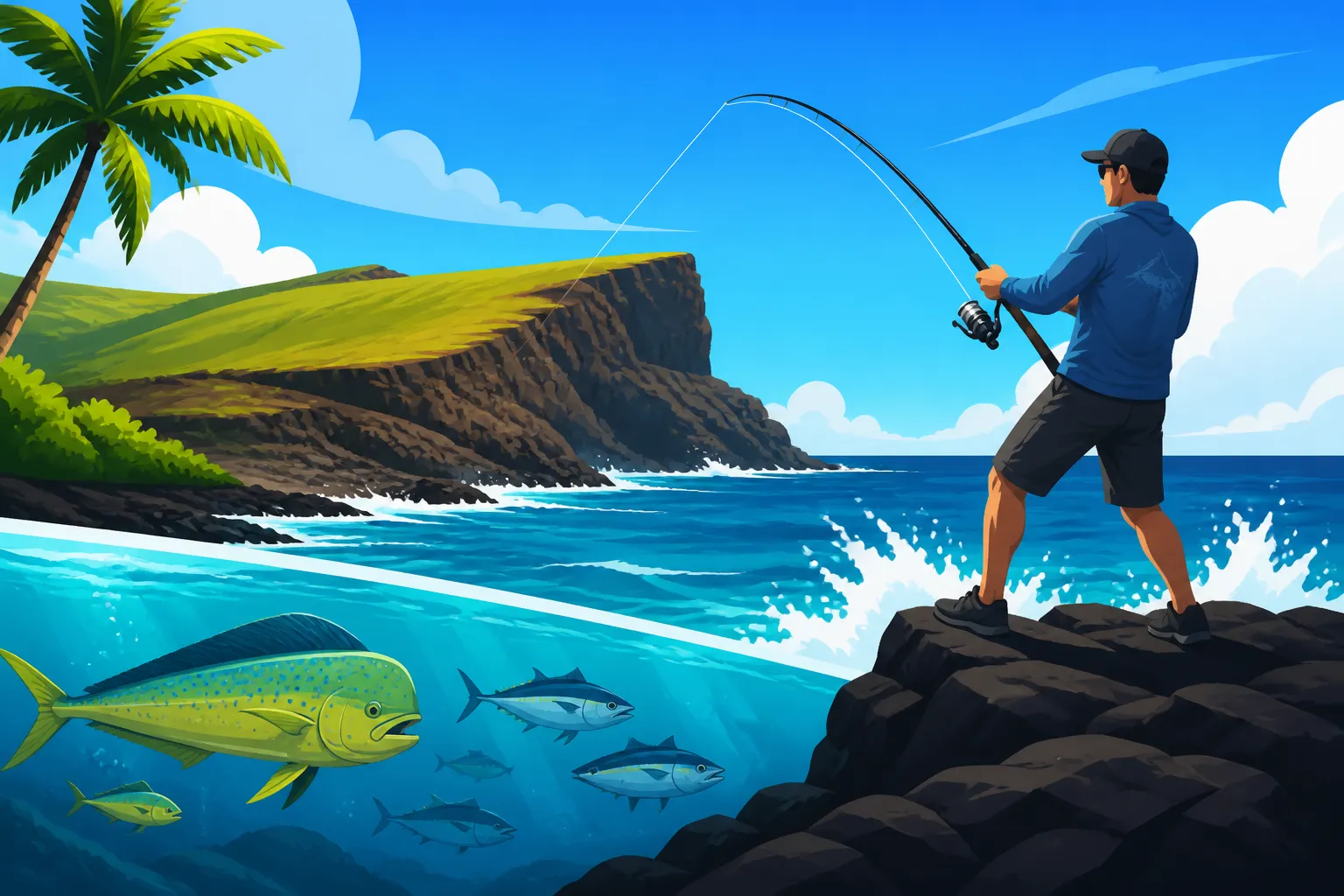
The most iconic image of Ka Lae fishing is often an angler perched precariously on a cliff edge, dropping a line into the deep blue below. The dramatic cliffs that plunge straight into the ocean provide direct access to incredibly deep water, which is a rare luxury for shore anglers. This is prime territory for targeting large ulua (giant trevally), sharks, and even smaller pelagic species that cruise close to shore. Anglers typically use heavy tackle, often employing sliding bait rigs with large baits like whole opelu or even smaller akule. The adrenaline rush of hooking a powerful fish from such a vantage point is unmatched, but so are the risks. Unstable cliff edges, powerful rogue waves, and the sheer drop demand extreme caution. Always fish with a buddy, use safety ropes if available and necessary, and never turn your back on the ocean. Knowing How to Catch Ulua from Shore can make all the difference when fishing these challenging spots.
Protected Coves and Bays for Specific Species
While the open cliffs are all about brute force and big game, South Point also features some less dramatic, slightly more sheltered areas that offer different fishing experiences. Closer to the Green Sand Beach (Mahana Bay), you might find coves and rocky points that offer some reprieve from the strongest winds and currents. These areas, though still rugged, can be excellent for targeting different reef fish, smaller papio, or even moi (Pacific threadfin) when they are in season and if the conditions are right. These spots might allow for lighter tackle and more finesse techniques than the heavy gear required for the cliffs. They also offer slightly safer footing, making them a good option if you're looking to avoid the most exposed areas. However, "protected" at South Point is a relative term, and you should always remain vigilant for sudden changes in swell and current.
Deep-Sea and Offshore Opportunities from Ka Lae
While shore fishing at Ka Lae is legendary, the deep waters accessible from the point also serve as a jumping-off point for incredible offshore action. The unique bathymetry and current patterns make this a prime location for targeting big game species just a short boat ride from shore.
Boat Launches and Access Points
Unlike more developed harbors, Ka Lae's boat launch is as rugged as the landscape itself. Instead of traditional ramps, there's a rather unique setup involving steel davits – basically large cranes – used to hoist small boats and kayaks in and out of the water. This is not for the faint of heart or the inexperienced boater. It requires precision, knowledge of the system, and a calm demeanor, especially with the constant winds and currents buffeting the area. For those who successfully launch, the reward is immediate access to some of Hawaii's most productive offshore waters. Large sportfishing vessels usually depart from more conventional harbors like Honokohau Harbor to the north, but smaller, more agile boats can utilize Ka Lae's davits for a quicker shot at the offshore action right at the point. Before attempting a launch, thoroughly research the process and understand the Hawaii Boating Laws for Anglers relevant to small craft operation.
Targeting Pelagics from Ka Lae
The deep waters off Ka Lae are a magnet for pelagic species. Marlin, ahi (yellowfin tuna), ono (wahoo), and mahimahi regularly cruise through these fertile hunting grounds. The abrupt drop-off and the convergence of ocean currents create natural feeding lanes, making it possible to hook into these prized species remarkably close to shore. Trolling with lures or natural baits is the primary method for targeting these offshore titans. Anglers departing from Ka Lae often don't need to travel far to find the action, though understanding current lines, temperature breaks, and bait schools is still key. When considering a charter for this type of exhilarating fishing, you can often find local operators who specialize in the unique Ka Lae waters through platforms like FishingBooker, which can connect you with experienced captains who know these productive grounds like the back of their hand. Being prepared with knowledge of Hawaii Pelagic Species Bag Limits is also crucial.
Bottomfishing Near Underwater Structures
Beyond the surface-dwelling pelagics, the deep submarine topography off Ka Lae also holds incredible opportunities for bottomfishing. As the land plunges rapidly, it creates ledges, pinnacles, and seamounts that are home to a diverse array of deepwater bottomfish, including prized species like opakapaka (pink snapper), onaga (ruby snapper), and ehu (squirrelfish snapper). These fish often reside at depths ranging from a few hundred feet to over a thousand feet, requiring specialized electric reels and robust tackle. The strong currents can make precise bait presentation challenging, but the rewards are often worth the effort. Knowing the specific underwater structures and using proper bait, such as squid or cut fish, is essential for success. For a truly unique experience, some anglers look for deep-sea bottomfishing charters, and reputable services often list their specialized trips on sites like FishingBooker, making it easier to find a guide equipped for these deep Ka Lae waters. This is an entirely different game than shallow reef fishing and often yields some of the most delicious table fare Hawaii has to offer. For more details on this technique, check out our guide on Bottomfishing in Hawaii.
Navigating Regulations and Safety at South Point
Fishing at Ka Lae isn't just about rods and reels; it's about respecting the land, the ocean, and the rules that protect both. Given the unique nature of this remote area, understanding local regulations and prioritizing safety are non-negotiable.
Understanding Local Fishing Regulations
Hawaii has specific fishing regulations designed to protect its precious marine resources, and Ka Lae is no exception. While there isn't typically a marine fishing license required for recreational ocean fishing for Hawaii residents, this can be a point of confusion for visitors. Non-residents do generally need a license for marine fishing. It's vital to check the latest rules from the Hawaii Department of Land and Natural Resources (DLNR) Division of Aquatic Resources (DAR) before you cast a line. These regulations cover everything from species-specific bag and size limits to gear restrictions and protected areas. For instance, certain areas might have seasonal closures for particular species, or restrictions on net fishing. Ignorance of the law is never an excuse, and penalties can be steep. A good starting point is our comprehensive guide on the Hawaii Fishing License Guide for 2026 and Hawaii Fishing Regulations Explained. Always verify directly with official sources.
Essential Safety Precautions for Shore and Boat
The beauty of Ka Lae is intertwined with its danger. The powerful ocean currents, strong winds, and rugged cliffs create a challenging environment that demands utmost respect and preparedness. For shore anglers, never fish alone. Always wear sturdy, non-slip footwear and consider using a rope or tether if fishing on steep or exposed ledges. Never turn your back on the ocean; rogue waves can and do sweep people off the rocks. Check the swell forecast meticulously before heading out, and if in doubt, don't go. For those attempting the boat launch, ensure your vessel is sea-worthy, your equipment is in top condition, and you have all required safety gear, including life jackets, flares, and a reliable communication device. The nearest help is often a long way off. Understanding the local conditions and preparing for the worst-case scenario is simply good practice here. Many anglers choose to go with experienced local guides, and even for boaters, consulting with local experts via services like FishingBooker can provide invaluable, up-to-date safety advice.
Respecting the Land and Culture
Ka Lae is more than just a fishing spot; it's a place of profound cultural and historical significance to the Hawaiian people. It's home to ancient sacred sites, including the fishing koʻa, and the entire area resonates with centuries of human connection to the land and sea. When you visit, remember that you are a guest. Practice "Leave No Trace" principles diligently: pack out everything you pack in, and perhaps even a little extra trash left by others. Do not disturb any archaeological sites, stone structures, or natural features. Fishing practices should be sustainable and respectful of the ecosystem. This means adhering to Hawaii Bag and Size Limits by Species and considering catch and release for certain species, especially larger breeding fish. Treat local residents with courtesy, and be mindful of their practices and customs. This respect ensures that Ka Lae remains a special place for all who come after you.
Essential Gear and Techniques for Ka Lae Fishing
Given the demanding conditions at South Point, your standard freshwater or calm-water saltwater tackle simply won't cut it. Successfully fishing here requires specialized, heavy-duty gear and an understanding of techniques tailored to the unique environment.
Heavy-Duty Shore Casting Gear
If you're planning to fish from the cliffs or exposed rocky points at Ka Lae, think big. We're talking about heavy-action surf rods, typically 10 to 14 feet long, capable of handling heavy weights and powerful fish. Pair these with large, robust spinning or conventional reels spooled with at least 50-80 lb braided line, backed by a strong monofilament or fluorocarbon leader. The heavy line is not just for fighting fish; it's essential for handling the strong currents and for retrieving your tackle if it gets snagged on the rugged bottom. Your terminal tackle should also be heavy-duty: large circle hooks (8/0 to 16/0 depending on target species), heavy sinkers (4-8 ounces or more, pyramid or Sputnik style to hold bottom), and strong swivels and snaps. This isn't the place for finesse; it's about power and durability. For techniques, many anglers use a sliding bait rig, which allows a live or cut bait to swim freely in the current away from the sinker, presenting a natural offering to cruising predators. Mastering Shore Fishing Techniques for Hawaii is paramount here.
Baits and Lures for Ka Lae Species
The choice of bait and lure at Ka Lae largely depends on your target species. For ulua, which are often the main prize from shore, live baits like opelu (mackerel scad), akule (bigeye scad), or even smaller skipjack tuna are highly effective. If live bait is hard to come by, large cut baits of these species or squid can also produce results. For other reef-dwelling fish or papio closer to shore, smaller live baits or chunked pieces of squid or shrimp can work well. Lure fishing can be challenging due to the wind and currents, but heavy metal jigs, large poppers, or stickbaits can be effective if you can get them to cast and work properly in the conditions. Color patterns that mimic local baitfish are usually a good bet. Always bring a variety of options, as what works one day might not work the next, especially with the fluctuating conditions at South Point.
Specialized Offshore Gear Considerations
For those venturing offshore from Ka Lae, the gear requirements shift slightly, focusing on trolling and deep-dropping. For pelagic species like marlin, ahi, ono, and mahimahi, heavy trolling setups are standard: 50-80 lb class rods and reels spooled with heavy monofilament or braid, designed to withstand the brutal runs of these powerful fish. Lures can range from large, brightly colored skirted lures to rigged natural baits like ballyhoo or strip baits. The local tackle shops, like those you might find in Kailua-Kona, can offer great advice on what's working best seasonally. For deep-drop bottomfishing, electric reels are almost a necessity, paired with specialized rods designed for extreme depths and heavy sinkers. These reels typically hold hundreds of yards of heavy braided line and allow anglers to retrieve their rigs from over a thousand feet without exhausting themselves. Always remember to also bring the right accessories, like those mentioned in our guide on What to Bring on a Hawaii Fishing Charter, even if you're not on a formal charter.
| Species Targeted | Preferred Ka Lae Location | Recommended Gear | Typical Bait/Lure | Optimal Time |
|---|---|---|---|---|
| Ulua (GT) | Exposed Cliffs/Ledges | Heavy Surf Rod (10-14ft), 80lb Braid, Large Conv. Reel | Live Opelu, Akule, Large Cut Bait | Night, Dawn/Dusk |
| Papio (Juvenile GT) | Rocky Points, Coves | Medium-Heavy Spinning (8-10ft), 30lb Braid | Small Live Bait, Chunked Squid, Metal Jigs | Day, Dawn/Dusk |
| Moi (Pacific Threadfin) | Protected Coves/Bays | Medium Action Rod, 20lb Mono | Small Live Shrimp, Limu, Breadball | Day, Calm Surf |
| Marlin/Ahi | Offshore (Boat Access) | 50-80lb Class Trolling Rods, Big Game Reels | Large Trolling Lures, Live Skipjack/Opelu | Day, Early Morning |
| Opakapaka/Onaga | Deepwater Ledges (Boat) | Electric Deep Drop Reels, Heavy Braid (100lb+) | Squid, Cut Fish, Specialized Jigs | Day |
Beyond Fishing: Exploring the South Point Area
While fishing is undoubtedly the main draw for many to Ka Lae, the area offers more than just incredible angling opportunities. Its unique history, stunning natural beauty, and proximity to other Big Island gems make it a worthwhile destination for broader exploration.
Historical and Cultural Significance
Ka Lae holds a special place in Hawaiian history as one of the earliest known landing sites for Polynesian voyagers. Archeological evidence suggests human settlement here dates back over a thousand years. The ancient mooring holes carved into the rock face, the aforementioned fishing koʻa, and the remnants of old Hawaiian villages all speak to a rich past. It's a place where you can truly feel the weight of history and the enduring connection of the Hawaiian people to their land and sea. Taking a moment to appreciate this deep cultural heritage, perhaps by reading up on the legends and stories associated with the area, adds another layer of meaning to your visit. Always remember that these are sacred sites, so observation and respect are key.
Nearby Attractions and Amenities
While Ka Lae itself is rugged and remote, a short drive will lead you to some other remarkable Big Island attractions. Just north of the point lies the famous Papakōlea Beach, one of only four green sand beaches in the world. Its unique olive-green hue, derived from olivine crystals, makes for a truly unforgettable sight and a great hike. While you can’t fish directly on the protected green sand, it’s a stunning natural wonder to witness. Further up the highway, you'll find the small, charming town of Naʻalehu, known as the southernmost town in the U.S. Here you can find a few small eateries, a general store, and gas stations – essential stops before or after your remote Ka Lae adventure. Don't expect large chain stores, but rather a taste of authentic local life.
Camping and Accommodation Options
Due to its remote nature, there are no hotels or resorts directly at Ka Lae. Most visitors either drive in for the day from other parts of the Big Island, such as Kailua-Kona or Hilo, or they opt for camping. There are designated camping areas nearby, usually requiring permits from the County of Hawaii. These are typically primitive sites, so be prepared with all your own supplies, water, and waste disposal. Camping offers a unique opportunity to experience the raw beauty of Ka Lae under a blanket of stars, but it also demands a high level of self-sufficiency and respect for the fragile environment. If camping isn't your style, consider looking for vacation rentals or small guesthouses in Naʻalehu or Pahala, which offer a more comfortable basecamp for exploring the South Point area. For booking accommodations or even finding a fishing guide for a deeper experience, online platforms like FishingBooker can sometimes list local options that might not appear on larger travel sites.
Disclaimer
Please remember that fishing regulations and conditions can change rapidly. Always consult the official Hawaii Department of Land and Natural Resources (DLNR) Division of Aquatic Resources (DAR) website for the most current rules and advisories before planning any fishing trip. Safety is paramount, especially in a wild and unpredictable environment like Ka Lae. Fish at your own risk and always prioritize your well-being.