Hawaii octopus (tako) harvest regulations
Many visitors and even long-time residents find themselves scratching their heads when it comes to the specific rules for harvesting octopus, or "tako" as they're commonly called here, in Hawaii. It’s not always as straightforward as catching a fish, and the regulations are designed to protect these intelligent creatures and ensure sustainable populations. This comprehensive guide will clear up the confusion surrounding Hawaii's tako harvest regulations, helping you understand exactly what's allowed and what's not, so you can enjoy this traditional practice responsibly.
Understanding Hawaii's Tako Species and General Harvesting Rules
Before we dive into the nitty-gritty of the rules, it’s helpful to know a little about the stars of the show: the octopus. In Hawaii, the most commonly encountered species for harvest are the day octopus, also known as heʻe-maka-loa, and the common octopus, or heʻe. Both are highly sought after for their delicious meat and are a staple in many local dishes, from tako poke to grilled heʻe. While they're abundant, their populations can be impacted by unregulated harvesting, which is why the Department of Land and Natural Resources (DLNR) has specific guidelines in place.
Unlike some other states where you might need a separate permit for invertebrates, Hawaii's recreational ocean fishing regulations often encompass tako within their broader framework. However, there are unique restrictions that apply specifically to octopus. It’s not like simply dropping a line for a fish; harvesting tako often involves interacting directly with the reef environment, and this calls for a different set of responsibilities. You're not just taking an animal; you're engaging with a complex ecosystem, and doing so respectfully is paramount.
Specific Harvest Limits and Gear Restrictions
Navigating the rules for tako can feel a bit like reading ancient Hawaiian scrolls sometimes, but once you break it down, it's quite clear. The regulations are designed to allow recreational harvesting while preventing overexploitation, especially of breeding individuals. This means paying close attention to both how many you can take and, crucially, their size.
Daily Bag Limits for Octopus
For recreational harvest, the daily bag limit for octopus (both heʻe and heʻe-maka-loa) is set at two per person per day. This limit applies whether you’re fishing from shore, free diving, or using a boat. It's a hard limit, meaning you can't go out in the morning, catch two, drop them off, and then go out again in the afternoon for two more. The "per day" part is key here, intended to limit an individual's total impact. Imagine a scenario where a family of four is out exploring a tide pool near a popular spot like Ala Moana Beach Park; collectively, they can only keep eight octopus for the entire day. This ensures that the resource is shared and not depleted by a few individuals. The intent behind this, much like other limits found in the Hawaii Bag and Size Limits by Species regulations, is sustainability.
Size Restrictions and Protected Females
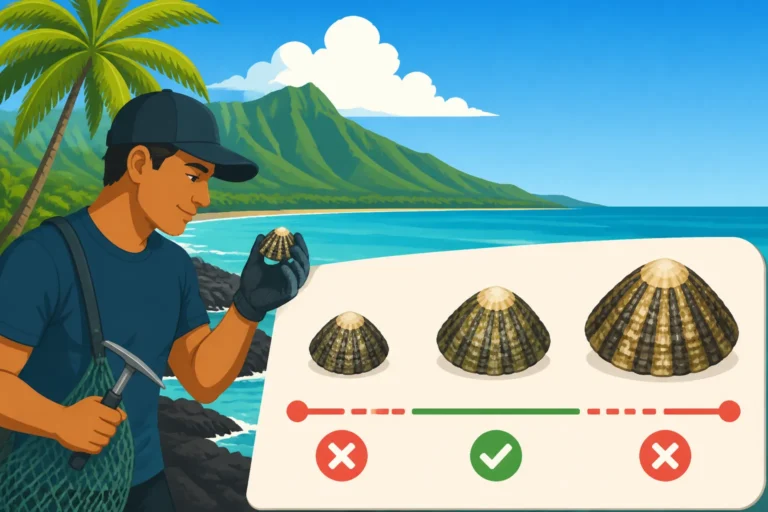
This is where it gets a little more specific and requires careful attention. There isn't a hard-and-fast minimum size limit for all tako. Instead, the primary concern is protecting egg-bearing females. It is illegal to take any octopus that is carrying eggs. This regulation is critical for the reproduction and continuation of octopus populations. When you find an octopus, especially in a den or crevice, it’s essential to check if it’s brooding eggs. These can often be identified as strings of white, pearl-like capsules clustered together. If you disturb a den and see eggs, the octopus must be left undisturbed. Furthermore, there's generally a minimum weight of one pound for any octopus harvested. This helps ensure that smaller, immature individuals are left to grow and reproduce. Always carry a small scale or be able to visually estimate weight accurately. For instance, if you're out near Black Point, enjoying the clear waters, and you spot a tako, it's your kuleana (responsibility) to ensure it meets these criteria before you even think about harvesting.
Permitted and Prohibited Gear
The methods you use to harvest tako are also regulated. The spirit of the law leans towards traditional and low-impact methods.
- Hand Capture: This is arguably the most common and traditional method. Many local fishermen simply reach into crevices and caves to extract octopus by hand. It's an intimate and challenging way to harvest, requiring skill and knowledge of octopus behavior.
- Hook-and-Line: Using a specialized octopus lure or a simple hook and line setup is also permitted. These lures often mimic crabs or other prey and are designed to entice the octopus to grab onto them.
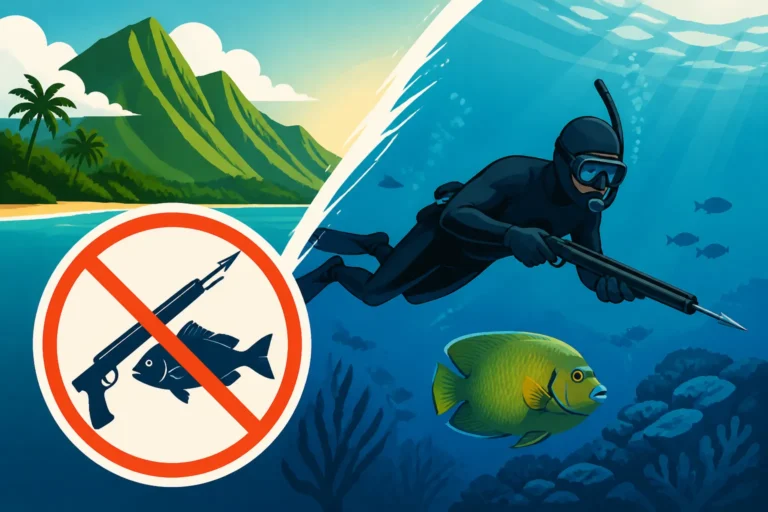
- Spearfishing: Spearing octopus is generally allowed, but you must adhere to all general Hawaii Spearfishing Regulations. This includes rules about where you can spearfish and ensuring you don't use scuba gear (SCUBA spearfishing is banned in Hawaii).
- Prohibited Gear: Absolutely forbidden are any methods that harm the reef or involve harmful substances. This includes:
- Chemicals or Poisons: Using bleach, rotenone, or any other chemical agent to flush out or stun octopus is strictly illegal and carries severe penalties due to its devastating impact on the entire reef ecosystem.
- Explosives: This might seem obvious, but using any form of explosive device for fishing or harvesting is illegal.
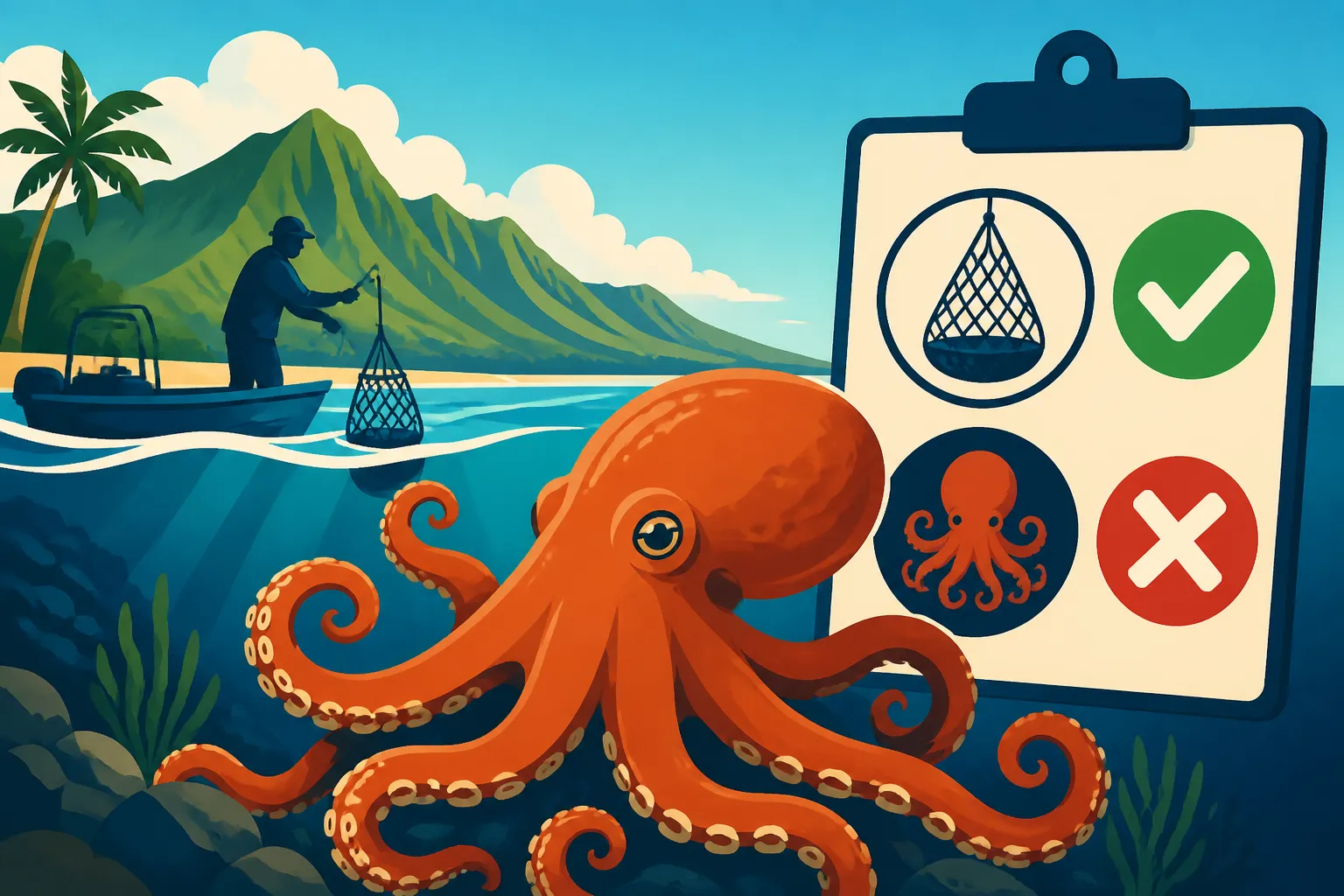
- Unattended Traps: While some traditional traps might exist, generally, unattended traps specifically for octopus are not allowed in recreational fishing to prevent ghost fishing or accidental bycatch.
Remember, the goal is to harvest responsibly and sustainably. Using prohibited methods not only harms the environment but can also land you in serious legal trouble. Many anglers also check out resources like Hawaii Fishing Regulations Explained for broader understanding of what is allowed in Hawaiian waters.
Here's a quick reference table for clarity:
| Regulation Category | Specific Rule | Notes |
|---|---|---|
| Daily Bag Limit | 2 per person | Applies to all octopus species (heʻe, heʻe-maka-loa), per calendar day. |
| Size Limit | 1 lb minimum weight | No specific mantle length, but must weigh at least 1 pound. |
| Protected Females | Illegal to take egg-bearing octopus | Essential for population sustainability. Always check for eggs. |
| Permitted Gear | Hand capture, Hook-and-line, Spearfishing (breath-hold only) | Traditional and low-impact methods. |
| Prohibited Gear | Chemicals, Poisons, Explosives, SCUBA spearfishing, Unattended traps | Methods that harm the reef or are indiscriminate. |
| Prohibited Areas | Marine Life Conservation Districts (MLCDs), other restricted areas | Fishing and harvesting of any marine life is often prohibited or severely restricted in these zones. |
Protected Areas and Seasonal Closures
While there isn't a statewide closed season specifically for octopus, understanding and respecting prohibited areas is just as important as knowing bag and size limits. These protected zones are critical for the health of Hawaii's marine ecosystems, serving as natural nurseries and sanctuaries for marine life, including tako.
Marine Life Conservation Districts (MLCDs)
This is perhaps the most crucial aspect when it comes to restricted areas for octopus harvesting. Hawaii Marine Life Conservation Districts, Explained outlines these special zones where marine life is protected from all forms of taking, except for certain designated activities like shore fishing with specific gear. In MLCDs, the harvesting of any marine life, including tako, is generally prohibited. Famous examples include Hanauma Bay on Oahu, Kealakekua Bay on the Big Island, and areas like Lapakahi State Historical Park. If you're exploring tide pools or reef flats in one of these areas, you should assume that all marine life is protected, and nothing should be removed. Always double-check the specific rules for each MLCD before you head out, as regulations can vary slightly for different activities or zones within them. For instance, while some MLCDs might allow limited pole-and-line fishing for certain species, octopus harvesting is almost universally off-limits.
Fish Replenishment Areas (FRAs) and Other Special Management Zones
Beyond MLCDs, Hawaii also has Fish Replenishment Areas (FRAs), primarily found off the Kona coast of the Big Island, and other special management zones that may have specific restrictions. While FRAs are often designed to protect reef fish and are sometimes still open to certain types of fishing, it's always best to consult the current DLNR/DAR regulations for any area you plan to visit. Some nearshore areas might have localized rules put in place by county or community initiatives that restrict harvesting. For example, some community-based subsistence fishing areas (CBSFAs) might have unique rules developed in partnership with local communities to manage resources like octopus more effectively. It’s always a good idea to check local signage or reach out to the DLNR Division of Aquatic Resources for clarification if you're unsure about a specific spot. Just like understanding when the Hawaii Moi Closed Season, Explained is, knowing these restricted areas is part of being a responsible angler.
Ethical Harvesting Practices and Responsibility
Harvesting tako isn't just about following the law; it's about respecting the ocean and the creatures within it. Many local anglers have a deep reverence for the heʻe and practice methods that minimize harm and ensure future generations can also enjoy this resource.
Minimizing Impact and Waste
When you’re out on the reef, whether you’re free diving or exploring tide pools, minimizing your impact is paramount. This means:
- Leaving No Trace: Don’t leave behind trash, fishing line, or any other debris. Pack out everything you pack in.
- Respecting the Habitat: Be mindful of where you step. Coral reefs are fragile ecosystems, and careless foot placement can cause irreparable damage. If you're searching in rocky crevices, avoid unnecessarily breaking coral or overturning rocks that might house other marine life.
- Responsible Capture: If you're catching by hand, aim for a swift and humane capture. Octopus are intelligent animals, and a quick, clean harvest is the most ethical approach. If you're using a spear, aim for a clean kill to avoid prolonging suffering.
- Utilizing the Entire Catch: Tako is a valuable food source. Once harvested, make sure to utilize as much of the animal as possible, embodying the traditional Hawaiian value of mālama kai (to care for the ocean). Avoid waste.
Conservation Efforts and Community Stewardship
The future of tako harvesting in Hawaii depends on the collective efforts of the community. Participate in local cleanups, support organizations dedicated to marine conservation, and educate others about responsible fishing practices. Many local initiatives focus on protecting and restoring marine habitats, which indirectly benefits octopus populations. The concept of kapu (taboo or sacred restriction) in traditional Hawaiian culture often applied to specific fishing grounds or species during certain times to allow populations to recover. While modern regulations don't always mirror historical kapu, the spirit of resource management and sustainability remains strong. Understanding your role in this larger picture goes beyond merely knowing what you can and can't do; it’s about contributing positively to the health of Hawaii's unique marine environment. You might even find useful gear like reusable mesh bags for your catch on platforms like Amazon, reducing the need for single-use plastics when you're out.
When considering other shoreline gatherings, like the Hawaii opihi daily limit per person, the same principles of respect, sustainability, and adherence to specific rules apply. Every species has its own set of rules, but the overarching philosophy for responsible harvesting remains consistent.
The Role of Reporting Violations and Staying Informed
Unfortunately, not everyone adheres to the regulations, which can harm our precious marine resources. If you witness illegal harvesting activities, such as someone taking more than the bag limit, using prohibited gear like chemicals, or harvesting in a protected MLCD, it's crucial to report it.
How to Report a Violation
The DLNR Division of Conservation and Resources Enforcement (DOCARE) is the primary agency responsible for enforcing Hawaii's fishing and aquatic resource laws. You can report violations by calling their hotline or contacting the appropriate district office. Providing as much detail as possible, such as the location, time, description of the individuals, and type of violation, can significantly help enforcement officers. Don't confront individuals yourself; let the professionals handle it.
Staying Up-to-Date with Regulations
Marine regulations, while generally stable, can sometimes change. The DLNR website is your best friend for the most current information. They often publish updated rule changes or provide advisories about specific areas or species. Subscribing to their newsletters or checking their official publications, such as the comprehensive Hawaii Fishing License Guide for 2026 or other detailed regulation documents, is a proactive way to ensure you're always operating within the law. Ignorance of the law is never an excuse, and staying informed is part of being a responsible ocean user in Hawaii. Even if you're just wondering, "Do You Need a Fishing License in Hawaii?", the DLNR website is the authoritative source for all your regulatory questions.
Remember, the ocean gives us so much, and it's our shared responsibility to protect it for future generations. By understanding and respecting Hawaii's tako harvest regulations, we can all contribute to the health and abundance of our marine environment.
Disclaimer
Please be aware that fishing regulations in Hawaii are subject to change by the Department of Land and Natural Resources (DLNR). While this guide provides comprehensive information based on current knowledge, it is your responsibility to verify all regulations with the official Hawaii DLNR Division of Aquatic Resources (DAR) before engaging in any fishing or harvesting activities. This content is for informational purposes only and should not be considered legal advice.