Best shore fishing near Diamond Head
It's incredibly frustrating to arrive in a beautiful place like Hawaii, especially near iconic spots like Diamond Head, with dreams of casting a line, only to feel completely lost on where to even start. The shoreline can look daunting, full of rocks and reefs, and you're left wondering if you need a guide just to find a spot that isn't teeming with swimmers or a no-fishing zone. This guide aims to cut through that confusion, giving you the insider knowledge on the best shore fishing opportunities right around Diamond Head, complete with tips on what to catch and how to do it.
Exploring the Unique Diamond Head Shoreline for Fishing
The coastline surrounding Diamond Head is a captivating mix of dramatic volcanic rock formations, shallow reef flats, and interspersed sandy pockets. This diverse underwater topography creates a rich environment for a variety of fish, but it also presents unique challenges and opportunities for the shore angler. Understanding this landscape is key to finding success.
The Geography and its Angling Impact
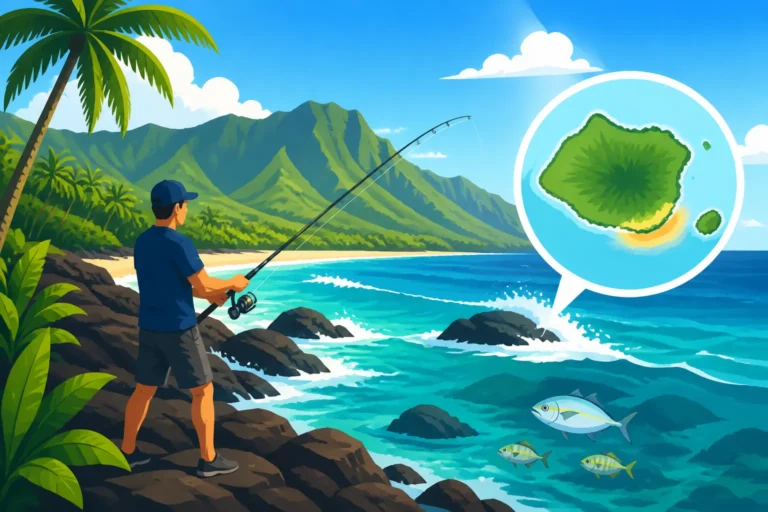
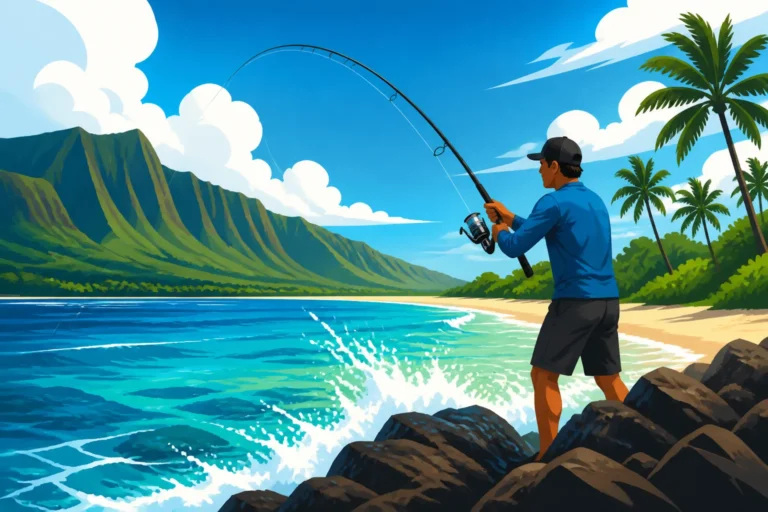
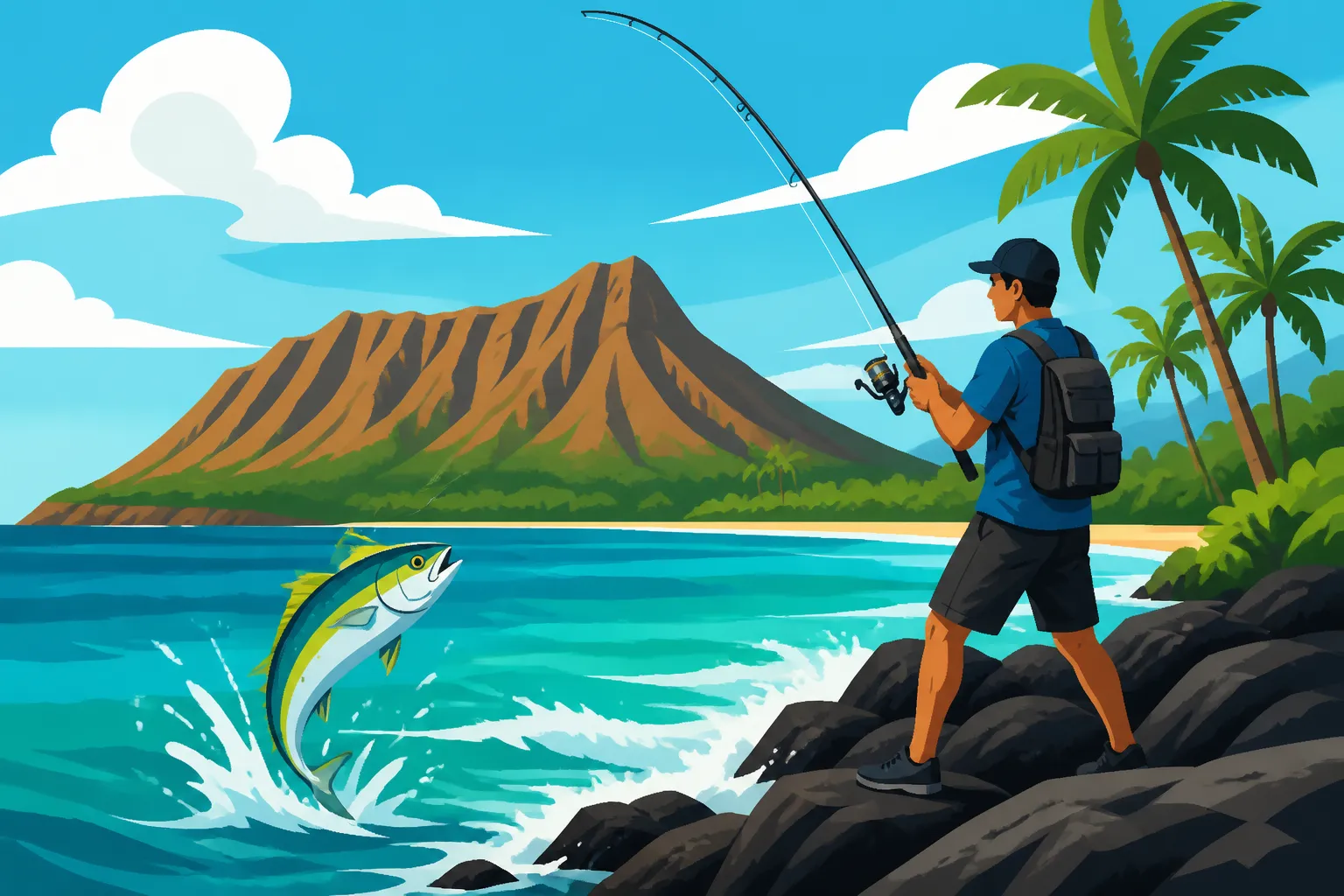
Diamond Head itself is a dormant volcanic tuff cone, and its geological history profoundly shapes the adjacent fishing grounds. As you move away from the highly developed Waikiki side and closer to the actual Diamond Head crater, the shoreline becomes more rugged. You'll encounter ancient lava flows that have solidified into jagged, irregular rock formations and expansive reef flats that stretch out into the ocean. These natural structures provide abundant shelter and feeding grounds for many species, from small baitfish to larger predators like ulua and papio.
However, this ruggedness also means that access can be tricky. Some areas require careful footing over sharp coral and slippery rocks, especially at lower tides. The shallower reef flats can be excellent for sight fishing or targeting species that forage in the shallows, but they also limit casting distance to deeper water in many spots. Pockets of sand, often found between rocky outcrops or within small coves, are critical. These sandy bottom areas are where you might find moi or goatfish, and they also serve as ambush points for predatory fish moving from the deeper reef. The transition zones between sand and rock are particularly productive, as they offer the best of both worlds in terms of food and cover.
Understanding Tides and Currents
Just like anywhere else, the tides and currents play a monumental role in shore fishing success around Diamond Head. Hawaii's tidal swings aren't as dramatic as some other parts of the world, but even a few feet of difference can significantly alter water depth over shallow reefs and change how fish behave. A rising tide often pushes baitfish closer to shore, making them accessible to predatory species that follow them into the shallower water. This can be a prime time for whipping for papio or casting plugs.
Conversely, a falling tide might expose too much reef, making some areas unfishable or causing fish to retreat to deeper channels. Strong currents, often influenced by swells and the topography of the reef, can either be your best friend or your worst enemy. A gentle current can disperse your chum or carry your bait naturally, drawing fish to your location. However, an overly strong current can make it impossible to hold bottom with your bait, tangle your lines, or sweep your lures away from the strike zone. Always observe the water conditions upon arrival. Look for rip currents, eddies, and areas where water is flowing around structure; these are often highways for fish. Pay attention to swell direction and size too. A big swell can make shore fishing dangerous and cloudy, while a calmer day allows for clearer water and easier access.
Top Shore Fishing Locations Near Diamond Head
While the immediate base of Diamond Head crater might seem like a prime spot, much of it is either inaccessible, protected, or simply not ideal for casting. Instead, the best opportunities lie in the areas slightly to the east and west, extending from Kapiolani Park to the lesser-known points beyond Diamond Head Beach Park.
Diamond Head Beach Park and Adjacent Rocky Areas
Moving east from the more populated Kapiolani Park, you'll find Diamond Head Beach Park. This stretch of coastline is characterized by a mix of rocky points, small sandy coves, and expansive reef flats, particularly visible at low tide. Access here is generally good, with parking available and paths leading down to the shore. The rocky points are fantastic for targeting species that prefer structure, such as papio, goatfish (kumu, weke), and sometimes even smaller ulua. When the waves are moderate, the whitewash created by the breaking surf over the reefs can be a hotspot for predatory fish ambushing bait.
Anglers often utilize throwing nets here for bait, then using the live bait with sliding or drop-shot rigs. The deeper pockets and channels between the reefs are where you'll want to focus your efforts. Early morning or late afternoon often provide the best action, as these are cooler times when fish are actively feeding. You'll want to be mindful of surfers and swimmers, especially during peak hours, and always give them ample space. For more detailed information on regulations that might apply to this area, checking the official Hawaii Fishing Regulations Explained can be very helpful.
Kapiolani Park and Waikiki East
On the western side of Diamond Head, bordering the eastern edge of Waikiki, lies Kapiolani Park. While famous for its grassy expanse and proximity to hotels, the shoreline along the park can offer surprisingly good fishing, particularly in its rockier sections away from the immediate swimming areas. This area presents a blend of sandy beaches and lava rock fingers extending into the ocean. The sandy stretches can be good for species like moi (Pacific threadfin), especially with small pieces of shrimp or squid.
However, it's the rocky outcroppings and small jetties that typically hold the most interest for shore anglers. These structures provide cover and attract baitfish, which in turn draw in predators. You might find papio, small jacks, and various reef fish. Early mornings before the crowds arrive are your best bet here. You can cast lighter tackle, like spinning rods, using small artificial lures or natural baits. Even though you're close to a bustling tourist area, a little bit of exploration can reveal productive pockets. If you find yourself enjoying the quiet solitude of the early morning fish, and are curious about venturing further, remember that platforms like FishingBooker can offer a glimpse into more remote charter options across the islands, though our focus today remains firmly on the shore.
Local Knowledge: Hidden Gems and Public Access
Beyond the more obvious spots, the coastline around Diamond Head holds several "local" spots that, while not secret, require a bit more effort or knowledge to access and fish effectively. These might be small pull-offs along Diamond Head Road with steep, rocky paths down to the water, or less-trafficked portions of the shoreline. These areas are often less pressured and can yield bigger fish.
When seeking out these lesser-known spots, always prioritize safety and respect for private property. Public access to Hawaii's shorelines is generally protected, but ingress points can sometimes be through private land or challenging terrain. Familiarize yourself with Hawaii shoreline fishing rights and public access rules to ensure you're fishing legally and respectfully. These spots often feature more intricate reef systems or deeper ledges closer to shore, making them ideal for targeting larger ulua with slide baiting techniques, especially during favorable moon phases and tides. You'll need sturdy gear, heavier line, and a willingness to hike a bit. Sometimes, simply observing where local anglers are set up can give you valuable clues – just be sure to give them space and a friendly "aloha."
Target Species and Effective Shore Fishing Techniques
The rich and varied environment around Diamond Head supports a healthy population of diverse fish species, each requiring specific approaches. Knowing what you're likely to encounter and how best to entice them can dramatically improve your success rate.
Battling Papio and Ulua
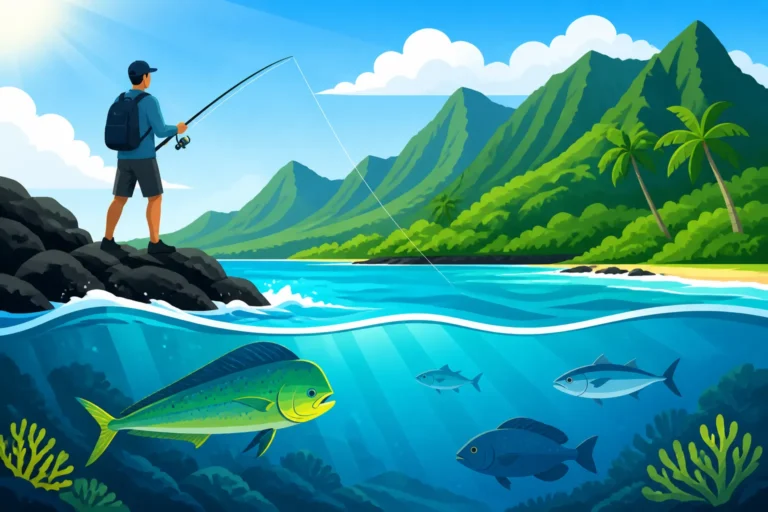
Papio, the juvenile stage of ulua (giant trevally), are arguably the most sought-after shore fish around Diamond Head. These aggressive jacks can range from a few ounces to several pounds and are incredible fighters on light tackle. As they grow, they become ulua, capable of reaching truly immense sizes, though trophy ulua from shore are less common immediately adjacent to Diamond Head itself. However, the larger, more powerful fish do cruise these waters, especially in deeper channels or during night fishing.
- Papio Techniques: For papio, "whipping" is the most popular and effective technique. This involves casting small, fast-moving lures such as metal jigs, Kastmasters, or small soft plastics rigged on a lead head. The key is a fast, erratic retrieve to mimic a fleeing baitfish. Focus on areas where baitfish are present, or near rocky structures and reef edges. Dawn and dusk are prime times, as are periods of a rising tide. For a deep dive into this, check out how to catch Papio on Hawaii's Shoreline.
- Ulua Techniques: Targeting ulua from shore, especially the larger ones, typically involves heavier tackle and "slide baiting" or "dunking." This means casting out a large lead sinker and then sliding a live bait (like a whole opelu or akule) or a large chunk of cut bait down the main line via a specialized clip or ring. This allows you to present substantial bait in deeper water without needing to cast it all at once. Night fishing is often preferred for ulua, especially during incoming tides and darker moon phases, as covered in topics like the best time of day to catch ulua from shore. These fish are powerful, so strong rods, reels with excellent drag, and heavy monofilament or braided line (80-100lb) are essential. When pursuing these formidable fighters, understanding Hawaii Papio and Ulua Size Rules is crucial for compliance. For more in-depth knowledge on these magnificent fish, exploring Ulua Giant Trevally Fishing in Hawaii can provide valuable context.
Other Reef Dwellers and Nearshore Pelagics
Beyond the jacks, Diamond Head's reefs and adjacent waters host a rich array of other species that can provide exciting action and a tasty dinner.
- Goatfish (Kumu, Weke): These bottom-feeding fish are common in sandy pockets and over reef flats. They have distinctive barbels ("whiskers") under their chin, which they use to probe the sand for invertebrates. Small pieces of squid, shrimp, or even bread are effective baits, fished on a small hook with a light sinker.
- Akule (Bigeye Scad): These schooling baitfish can sometimes be caught directly from shore, especially when schools move close to the coast. Small sabiki rigs or tiny flies are used to catch them, often to be used as live bait for larger predators.
- Moi (Pacific Threadfin): Found over sandy bottoms, particularly in areas with some wave action. Moi are highly prized for their delicate flesh. They respond well to small pieces of shrimp, limu (seaweed), or squid fished on light tackle.
- Reef Fish: Various colorful reef fish like hagi (unicornfish), manini (surgeonfish), and smaller wrasses can also be caught, usually on small hooks with tiny pieces of bait. While not typically targeted for sport or food by most anglers, they can provide continuous action, especially for beginners or keiki (children).
Best Baits, Lures, and Gear for Diamond Head Shores
Choosing the right tackle and bait is paramount for successful shore fishing.
Baits:
- Squid: A universal bait that works for almost everything from papio to goatfish and even moi. Can be used whole, in strips, or chunks.
- Shrimp: Another excellent all-around bait, particularly effective for smaller reef fish, moi, and smaller papio.
- Chunk Bait (Opelu, Akule, Sardine): For larger predatory fish like ulua, fresh cut chunks of oily baitfish are irresistible.
- Live Bait (Opelu, Akule): For the serious ulua angler, live bait is king. These can often be caught with sabiki rigs from shore or a pier.
Lures:
- Metal Jigs (Kastmaster, Megabait, locally made jigs): Essential for whipping papio. Choose weights from 1/2 oz to 2 oz depending on casting distance and current. Silver, gold, and white are popular colors.
- Poppers and Surface Lures: Can be very exciting for aggressive papio that are feeding on the surface. Work them with a "pop and pause" retrieve.
- Soft Plastics: Grubs, paddle tails, and curly tail plastics on lead heads can imitate baitfish and are effective for papio.
- Plugs/Stickbaits: Larger plugs can entice bigger papio and even smaller ulua, especially when retrieved rapidly.
Gear:
- Light-Medium Setup (for Papio/Reef Fish): A 7-9 foot spinning rod with a sensitive tip, paired with a 2500-4000 series reel spooled with 10-20 lb braided line and a fluorocarbon leader (20-30 lb). This is perfect for whipping and general bait fishing.
- Heavy Setup (for Ulua): A 10-14 foot heavy-action surf rod, matched with a large spinning reel (8000-14000 series) or a conventional reel, spooled with 80-100 lb braided line and a stout mono leader (100-200 lb). Essential for battling powerful ulua.
- Accessories: Pliers, knife, a bucket for bait/catch, a headlamp for night fishing, a sturdy backpack, and plenty of water. Always wear sturdy shoes with good grip, especially on rocky terrain. Learning general Shore Fishing Techniques for Hawaii will further enhance your preparation.
Essential Regulations and Responsible Angling Practices
Fishing in Hawaii, even from shore, comes with a responsibility to understand and adhere to local regulations. These rules are in place to protect Hawaii's precious marine resources and ensure sustainable fishing for future generations. Ignoring them can lead to hefty fines and a negative impact on the environment.
Navigating Local Rules and Restricted Areas
While a general marine fishing license isn't required for most recreational shore fishing in Hawaii for residents or non-residents, it's absolutely vital to be aware of other regulations. Certain areas, like Marine Life Conservation Districts (MLCDs), have strict restrictions or outright bans on fishing. For example, nearby Hanauma Bay is a well-known MLCD where fishing is completely prohibited. It's not always obvious where these boundaries begin and end, so always double-check maps and signage. Learning what a Marine Life Conservation District means for anglers is incredibly important for responsible fishing in Hawaii.
Beyond MLCDs, there are size and bag limits for various species. For instance, specific rules apply to uhu (parrotfish), moi (Pacific threadfin), and even certain types of crabs and lobsters. These regulations can change, so it’s always best to consult the most current Hawaii Division of Aquatic Resources (DAR) rules, often found online or at local tackle shops. Pay close attention to closed seasons for certain species, such as moi, to ensure you're fishing legally. If you're wondering, "Do You Need a Fishing License in Hawaii?", a quick review of the regulations will confirm that while marine fishing generally doesn't require one, there are specific licenses for freshwater fishing and commercial activities. It's always best to be informed.
To make it easier, here's a general overview of common regulations for species you might encounter near Diamond Head:
| Species | Minimum Size Limit (fork length, unless specified) | Daily Bag Limit | Special Notes |
|---|---|---|---|
| Papio | 10 inches | 20 (combined with ulua, unless otherwise specified) | Often caught as juveniles before becoming ulua |
| Ulua | 16 inches | 20 (combined with papio, unless otherwise specified) | Larger sizes are often catch and release |
| Moi | 7 inches | 10 | Closed season from June 1 to August 31 |
| Uhu | 12 inches | 2 | Specific Ahu'ula (male parrotfish) regulations may apply in certain areas |
| Kumu | 10 inches | 10 (combined with other goatfish) | Prized food fish |
| Weke | 7 inches | 10 (combined with other goatfish) | Smaller goatfish species |
| Akule | None | None (recreational) | Often caught for bait |
Note: These are general guidelines and regulations can change. Always verify current rules with the Hawaii Division of Aquatic Resources (DAR).
Practicing 'Mālama Aina' – Caring for the Land and Sea
The Hawaiian philosophy of 'Mālama Aina' means to care for the land and sea, and it's a principle all anglers should embody. This goes beyond just following the rules; it's about actively contributing to the health and sustainability of the environment you enjoy.
- Leave No Trace: Always pack out everything you pack in, and if possible, pick up any other trash you find. Fishing line, plastic bags, and discarded bait containers are harmful to marine life.
- Responsible Catch and Release: If you're catching and releasing, handle fish with wet hands, minimize their time out of water, and use de-hooking tools to ensure a quick release. Some larger ulua, while legal to keep, are often released by local anglers to allow them to continue spawning and contribute to the fishery.
- Respect the 'Aina (Land): Be mindful of the delicate ecosystem. Avoid trampling sensitive coral, disturbing bird nesting sites, or damaging coastal vegetation. When accessing remote areas, tread lightly.
- Respect Other Users: The shoreline is shared by surfers, swimmers, beachgoers, and other anglers. Always be courteous, give ample space, and be aware of your surroundings, especially when casting.
By embracing these practices, you not only ensure your own enjoyment but also help preserve Hawaii's incredible fishing opportunities for future generations. While shore fishing offers a unique connection to the local environment, sometimes a different experience calls. Should you ever consider exploring the deep blue, remember that resources like FishingBooker are available to help you find and book offshore fishing charters across the islands, providing a different perspective on Hawaii's rich marine life.
Disclaimer
The information provided in this guide is for general informational purposes only and is subject to change. Fishing regulations in Hawaii can be complex and are regularly updated by the Department of Land and Natural Resources (DLNR) Division of Aquatic Resources (DAR). Always consult the latest official regulations before fishing. It is the angler's responsibility to know and follow all applicable laws. Fishing in rocky or coastal areas can be dangerous; always prioritize safety and be aware of ocean conditions.