Rainbow Trout Stocking at Kokee
For many anglers dreaming of fishing in Hawaii, the first thought goes straight to the vast, teeming ocean, with its marlin, ahi, and mahimahi. But what if your heart longs for the quiet tranquility of a stream, the specific tug of a freshwater game fish on your line? It can be incredibly frustrating to feel like Hawaii, with all its natural beauty, might not offer that kind of experience. This guide will take you deep into the unique world of rainbow trout fishing at Kokee State Park on Kauai, explaining the crucial stocking efforts that make this rare freshwater fishery possible and what it means for your angling adventures.
The Unique Freshwater Fishery of Kokee State Park
Hawaii is, without a doubt, an ocean-centric paradise when it comes to fishing. Most of the focus, and understandably so, is on the incredible bounty of marine species that inhabit its surrounding waters. However, for those who grew up casting into rivers and lakes for trout, bass, or catfish, the idea of finding that same joy in Hawaii might seem like a pipe dream. That's where Kokee State Park steps in, offering a truly singular experience that stands out from the typical Hawaiian fishing narrative.
Why Kokee is Special for Freshwater Anglers
Kokee State Park, nestled high in the mountains of Kauai, is a world apart from the sun-drenched beaches and calm lagoons many associate with the islands. Here, at elevations often exceeding 3,000 feet, the climate is cooler, often misty, and characterized by abundant rainfall that feeds numerous streams and a small reservoir. This unique microclimate provides a surprisingly hospitable environment for rainbow trout, a species not native to Hawaii but introduced decades ago to create a recreational fishery. It's a stark contrast to the rest of the islands, where native freshwater fish are generally small and often protected, and game fish are almost exclusively marine. For a freshwater angler, discovering Kokee is like finding a hidden oasis, a genuine opportunity to reconnect with a familiar type of fishing in an utterly unfamiliar and breathtaking Hawaiian setting. The combination of lush, often cloud-shrouded forests, dramatic canyon views, and the prospect of catching a feisty rainbow trout makes it an unforgettable experience that blends the best of both worlds – the peace of freshwater angling with the unparalleled beauty of Kauai.
A Brief History of Rainbow Trout in Hawaii
The journey of rainbow trout to Hawaii is a fascinating tale of human intervention aimed at enhancing recreational opportunities. Recognizing the limited options for freshwater game fishing, efforts were made to introduce species that could thrive in the islands' cooler, higher-elevation waters. Rainbow trout were first introduced to Kauai's Kokee streams in the early 1900s, brought from the mainland United States. It wasn't a simple endeavor; acclimatizing a cold-water species to a tropical island, even at altitude, presented numerous challenges related to water temperature, oxygen levels, and suitable spawning habitat. Early attempts involved meticulous care, understanding the specific environmental needs of trout, and identifying the most promising stream sections for survival and growth.
Over the decades, the Division of Aquatic Resources (DAR), part of the Hawaii Department of Land and Natural Resources (DLNR), has taken on the crucial role of managing this unique fishery. Their work has focused on maintaining a healthy population of rainbow trout through continuous monitoring, habitat assessment, and, most importantly, a robust stocking program. Without these dedicated efforts, the Kokee trout fishery, a cherished resource for local and visiting anglers alike, simply wouldn't exist as it does today. It's a testament to the ongoing commitment to providing diverse recreational opportunities within Hawaii's unique ecological landscape.
Understanding the Kokee Rainbow Trout Stocking Program
For a fishery to thrive in an environment that isn't naturally suited for its primary species, a carefully managed stocking program becomes absolutely vital. This is precisely the case for the rainbow trout at Kokee, where human intervention is key to ensuring that anglers have a consistent and enjoyable experience. The stocking program isn't just about releasing fish; it's a complex, science-driven effort that underpins the entire fishery.
The 'Why' Behind Stocking Efforts
You might wonder why, after all these years, rainbow trout still need to be stocked in Kokee. The simple truth is that while the streams and reservoir at Kokee can sustain trout to some extent, natural reproduction isn't always robust enough or consistent enough to support the recreational fishing pressure the area receives. Rainbow trout, being non-native to Hawaii, face inherent challenges in establishing entirely self-sustaining populations in these streams. Factors like fluctuating water levels, occasional warm water temperatures during dry spells, and potential predation can all limit successful spawning and the survival of young fish. Therefore, the primary goal of the stocking program is to create and maintain a reliable "put-and-take" fishery. This means anglers can come to Kokee with a reasonable expectation of catching fish, providing a valuable recreational outlet that would otherwise be severely limited. It ensures that despite the ecological hurdles, the unique opportunity to fish for trout in Hawaii remains a reality for generations of anglers.
How Trout Are Raised and Transported
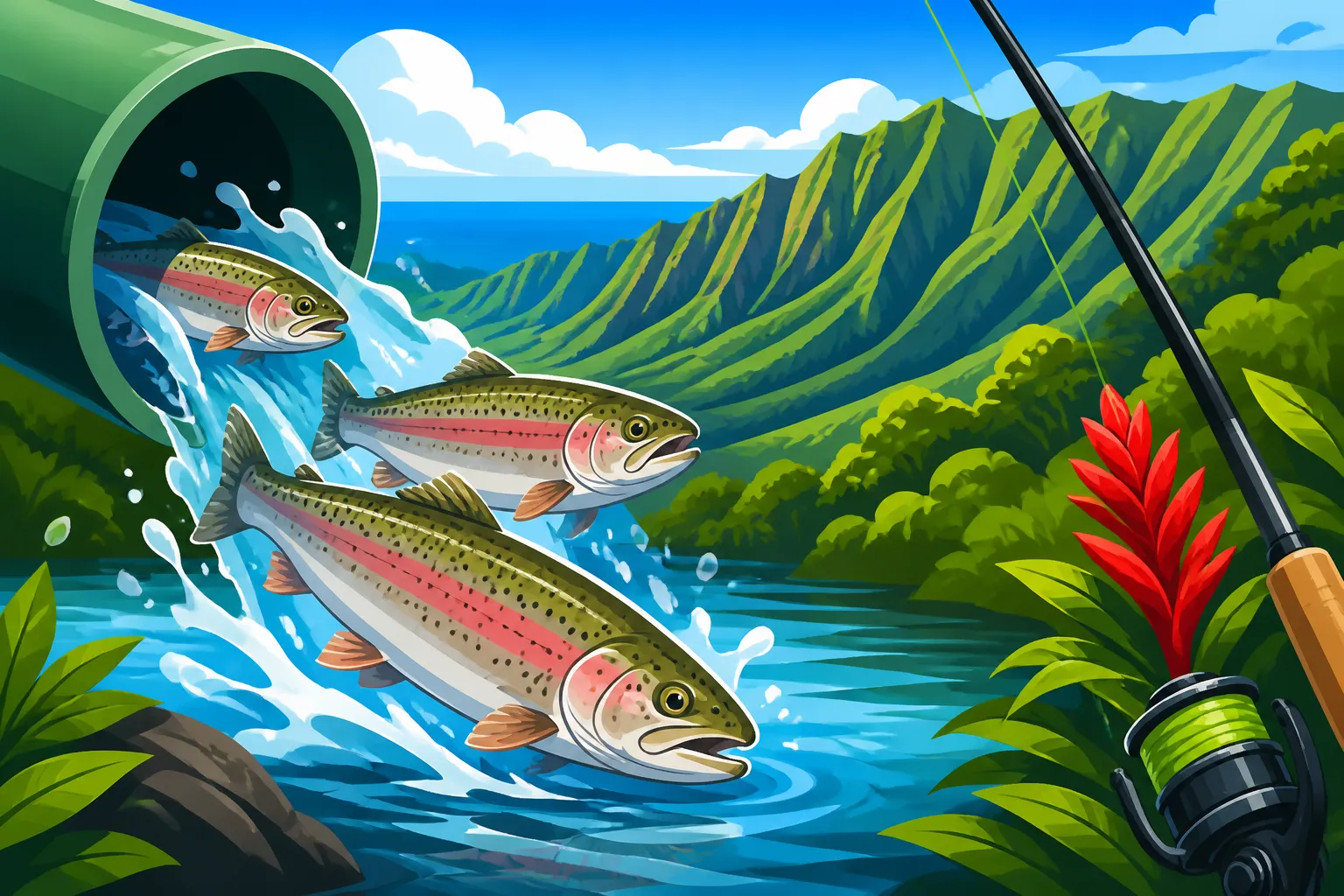
The journey of a rainbow trout from egg to angler's creel in Kokee is quite an undertaking. It begins at a dedicated hatchery facility, where trout eggs are carefully incubated and hatched into tiny fry. These delicate young fish are then nurtured and raised in controlled environments, growing larger into what are often referred to as fingerlings or catchable-sized trout. The hatchery staff meticulously manage water quality, feed, and disease prevention to ensure the fish are healthy and robust before release. Once the trout reach a suitable size for stocking, the intricate logistics of transporting them to Kokee begin. This isn't just a matter of tossing them into a bucket; it involves specialized tanks with aerators and temperature controls to minimize stress during the journey up the winding mountain roads. The destination for these fish can vary, including specific sections of the Kawaikoi Stream, Mohihi Stream, and the Pu'u Lua Reservoir, all within Kokee State Park. This careful handling from hatchery to stream is critical to maximizing the survival rates of the newly stocked fish, ensuring they have the best possible chance to thrive and provide sport for anglers.
The Role of the DLNR in Stocking Management
The Hawaii Department of Land and Natural Resources (DLNR), specifically its Division of Aquatic Resources (DAR), plays an indispensable role in every aspect of the Kokee trout fishery. Their work goes far beyond simply dropping fish into the water; it's a comprehensive management strategy built on scientific principles. The DAR oversees the entire stocking schedule, determining the number, size, and timing of releases based on factors like previous fishing pressure, environmental conditions, and available hatchery stock. This involves regular monitoring of the trout populations already in the streams, assessing water quality, and conducting biological surveys to understand the overall health of the ecosystem. The DLNR also actively engages with the angling community, collecting feedback and ensuring that regulations are communicated effectively. Their efforts are crucial in striking a delicate balance between providing a vibrant recreational fishery and ensuring the long-term ecological integrity of the Kokee streams, guaranteeing that this unique Hawaiian freshwater experience remains accessible for all. If you're planning a trip, checking the official DLNR website for the most current information is always a smart move.
What Anglers Can Expect from Stocked Trout
Venturing to Kokee for the first time can leave you wondering what kind of experience awaits. Will the fish be plentiful? What size are they? Knowing what to anticipate from stocked rainbow trout can significantly enhance your trip and help you prepare for a successful day on the water. It’s a different game than pursuing wild, native trout, but equally rewarding in its own way.
Size and Condition of Stocked Fish
When the DLNR stocks rainbow trout in Kokee, they generally release fish that are of a catchable size, meaning they're not tiny fry but rather fish that offer a good fight and a satisfying bend to your rod. Typically, you can expect these freshly stocked trout to range from roughly 8 to 12 inches, though variations occur depending on the specific stocking event and the age of the fish. These trout are often quite eager to bite, having been raised in a hatchery environment where food is readily available, making them less wary than their wild counterparts. However, don't mistake "eager" for "easy"; they still put up a spirited fight, especially in the swift currents of Kokee's streams. Over time, some of these stocked fish become "holdovers" – trout that have survived previous seasons, adapted to the wild environment, and often grown larger and warier. These holdover fish can be an exciting bonus for anglers seeking a bigger challenge and a trophy-sized catch.
Best Times and Locations to Find Stocked Trout
The key to finding freshly stocked trout is often timing your visit close to a stocking event. While specific dates are usually announced by the DLNR, fishing a week or two after a release can often yield the best results as the fish are still adjusting and actively feeding. The most popular and accessible locations within Kokee include sections of the Kawaikoi and Mohihi Streams, as well as the Pu'u Lua Reservoir. The reservoir, being a more contained body of water, can be particularly productive after a stocking, as the fish tend to congregate. When fishing the streams, look for slower-moving pools, eddies behind rocks, or deeper runs where trout can find shelter and ambush food. Water temperature and flow are also crucial factors; trout prefer cooler, well-oxygenated water. After heavy rains, the streams can be high and murky, making fishing tougher, so clear conditions with moderate flow are generally ideal. Always remember to check Hawaii Kokee Trout Fishing Season Dates before you go, as the season is not open year-round.
Recommended Gear and Techniques for Stocked Trout
Fishing for stocked rainbow trout at Kokee doesn't require overly specialized gear, making it accessible for beginners and families. A light spinning rod and reel combo, typically 5 to 6 feet long with 4-6 pound test monofilament or fluorocarbon line, is perfect. For bait, popular choices include PowerBait (in various colors like neon green, orange, or rainbow), nightcrawlers, and salmon eggs. Small inline spinners (like Mepps or Rooster Tail in sizes 0-2) and spoons are also very effective, mimicking baitfish or insects. For those who enjoy fly fishing, a 3-5 weight fly rod with a floating line is ideal, and patterns like Woolly Buggers, nymphs (e.g., Prince Nymph, Pheasant Tail), and attractor dry flies can entice bites. Many anglers find excellent deals on these essentials, from rods to various lures and lines, on platforms like Amazon, ensuring they have the right tackle for their trip without breaking the bank. Always remember to bring a small tackle box with an assortment of hooks, sinkers, and swivels to adapt to different conditions.
Regulations and Conservation for Kokee Trout Fishing
Fishing in Hawaii, whether in the ocean or in Kokee's unique freshwater streams, always comes with a set of rules designed to protect the resources for everyone. It's not just about what you catch, but how you fish, and understanding these regulations is your responsibility as an angler. Ignoring them can lead to disappointment and even penalties, so it's best to be informed.
Essential Fishing License Requirements
One of the most common misconceptions for visitors to Hawaii, and even some residents, is about fishing licenses. While Hawaii residents are often exempt from needing a license for recreational marine fishing in most areas, freshwater fishing is a different story entirely. To fish for rainbow trout in Kokee State Park, you absolutely need a valid Hawaii freshwater fishing license. This applies to almost everyone, with specific age requirements and potential exemptions for certain groups. Obtaining this license is a straightforward process, but it's crucial to do it before you head out to the streams. You can usually purchase these licenses online through the DLNR website, at authorized vendors across the islands, or sometimes directly from the state park office. It’s always a good idea to research Hawaii Freshwater Fishing License and Rules and Where and How to Buy a Hawaii Fishing License well in advance of your trip to ensure you're fully compliant and ready to enjoy your time on the water.
Bag, Size, and Season Limits
The regulations governing Kokee's trout fishery are put in place for a good reason: to ensure the sustainability and enjoyment of this unique resource. Just like any managed fishery, there are specific rules regarding how many fish you can keep (the bag limit) and what size they must be (the size limit). These limits are periodically reviewed and updated by the DLNR, so what was true last year might have changed. The seasonal aspect is also incredibly important. Kokee's rainbow trout fishery operates on a strict season, meaning it's not open for fishing year-round. This closure period is vital for giving the streams and the fish a break, allowing for hatchery stocking, and ensuring the health of the aquatic ecosystem. Always consult the official DLNR Division of Aquatic Resources regulations for the most current information on Hawaii Kokee Trout Fishing Season Dates and Hawaii Bag and Size Limits by Species before you plan your trip. Having this information handy, perhaps even printed or saved on your phone, can prevent any misunderstandings or accidental violations.
Practicing Responsible Angling at Kokee
Fishing in Kokee is not just about catching trout; it's about respecting the unique environment and contributing to its preservation. As anglers, we have a responsibility to practice good conservation ethics. This means adhering to "Leave No Trace" principles: pack out everything you pack in, including all trash, fishing line, and any discarded bait containers. Beyond that, consider the impact of your actions on the streams themselves. If you are practicing catch-and-release, handle fish gently with wet hands, minimize their time out of the water, and use barbless hooks to reduce harm. Even for stocked fish, careful release helps those that might become holdovers thrive.
It's also important to be mindful of the fragile stream banks and surrounding vegetation. Stick to established trails and access points to prevent erosion. Remember that Kokee is also home to native species and delicate ecosystems, so avoiding the introduction of foreign bait or organisms is crucial. Being a responsible angler ensures that the beauty and unique fishing opportunities of Kokee State Park can be enjoyed by everyone for years to come.
Challenges and Future of Kokee's Trout Fishery
Even with dedicated management, the Kokee rainbow trout fishery faces ongoing challenges. Hawaii's unique island environment, coupled with broader environmental changes, means that maintaining this non-native fishery is a continuous balancing act. Understanding these pressures gives us a greater appreciation for the efforts involved and helps us consider the future of this beloved fishing spot.
Environmental Pressures and Climate Change
Kokee State Park, despite its cooler, wetter climate compared to Hawaii's lowlands, is not immune to environmental fluctuations. Drought periods can lead to reduced stream flow and warmer water temperatures, both of which stress rainbow trout, a species that thrives in cold, well-oxygenated water. Conversely, intense rainfall events, which are becoming more frequent and severe with climate change, can cause flash floods, scour stream beds, and disrupt trout habitat and food sources. These extreme weather patterns pose significant challenges to the survival and reproduction of the trout, impacting the effectiveness of stocking efforts. Furthermore, the presence of invasive species, whether plants altering stream banks or other aquatic organisms competing for resources, can subtly or drastically alter the delicate balance of the Kokee ecosystem, adding another layer of complexity to managing the trout fishery. Addressing these environmental pressures requires adaptive management strategies and continuous monitoring by the DLNR.
Balancing Recreational Demand with Conservation
One of the persistent challenges for the DLNR in managing the Kokee trout fishery is striking the right balance between meeting the enthusiastic demand from recreational anglers and ensuring the long-term health and conservation of the streams. As more people discover this unique freshwater opportunity, the fishing pressure can increase, potentially impacting fish populations and the natural environment. The DLNR must constantly assess how many fish to stock, when to stock them, and what regulations are necessary to allow for a rewarding fishing experience while protecting the ecological integrity of the streams. This delicate balance often involves gathering data on catch rates, angler satisfaction, and environmental indicators. Future management efforts may explore strategies like habitat restoration, further research into trout survival rates, and educational programs to foster a stronger conservation ethic among anglers. Public input is also valuable, highlighting the collaborative effort required to sustain such a special place for fishing.
| Feature | Stocked Trout | Holdover Trout (from stocking) | Wild Trout (Rare/Not the primary fishery) |
|---|---|---|---|
| Origin | Raised in a hatchery, intentionally released | Survive from previous stocking, adapted to wild | Born and raised in the stream, natural reproduction |
| Appearance | Often have rounded fins, less vibrant coloration | Fins may be more natural, coloration more vibrant | More streamlined, vivid colors, strong fins |
| Behavior | Less wary, more eager to bite initially | Warier, more challenging to catch | Highly elusive, very challenging to catch |
| Size | Typically 8-12 inches (catchable size at release) | Can grow larger (12-20+ inches) | Varies, often smaller but can grow large if conditions are good |
| Location | Found in easily accessible areas post-stocking | Seek deeper pools, structured cover | Utilize prime spawning grounds, complex habitat |
| Primary Goal | Provide immediate recreational fishing | Contribute to trophy potential, natural challenge | Self-sustaining population, ecological indicator |
Disclaimer
This article is for general informational purposes only and does not constitute professional advice. Laws, prices and regulations vary by location and change over time. Consult a qualified professional for guidance on your specific situation.