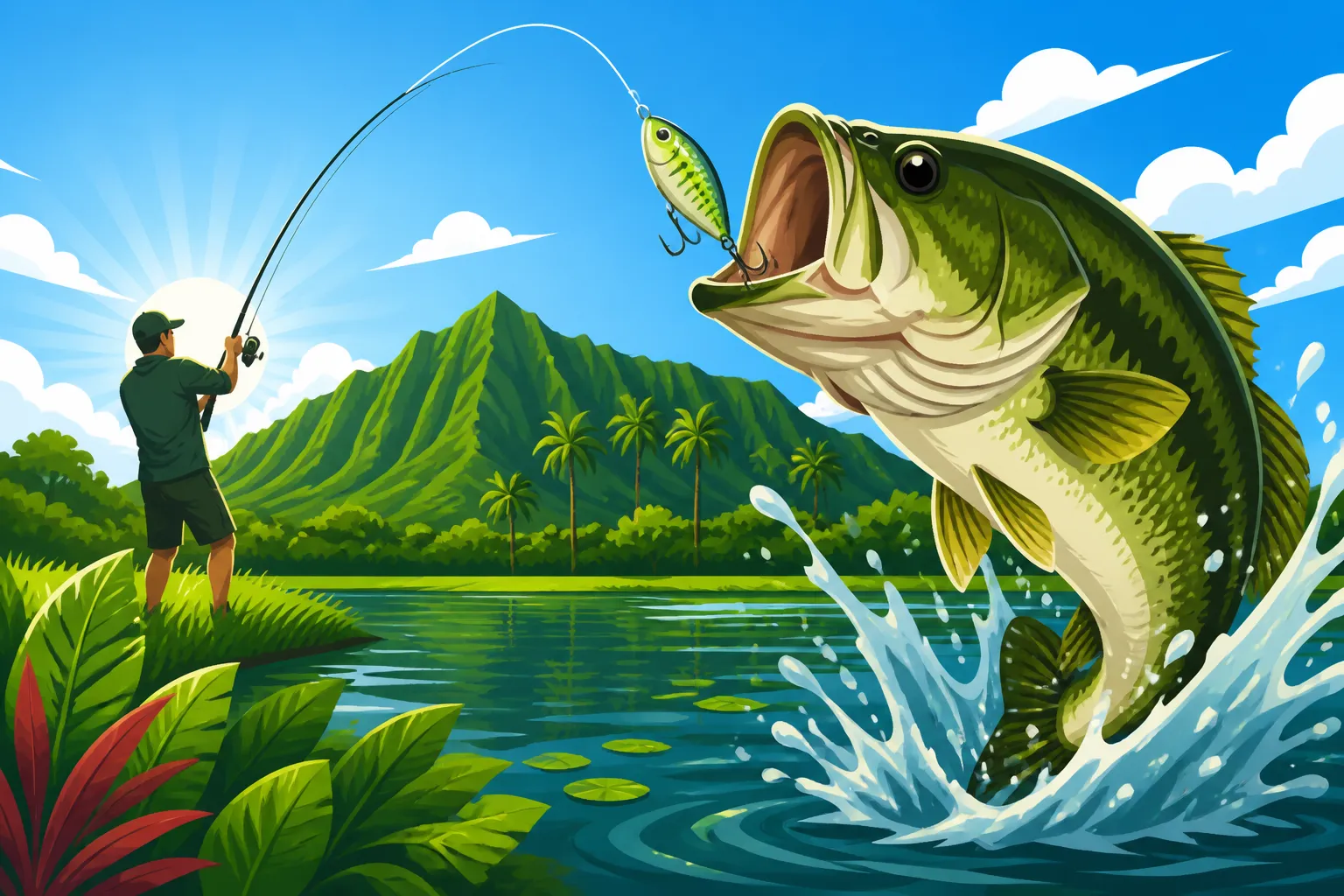
Best largemouth bass ponds on Oahu
Oh, the joy of freshwater fishing on an island practically synonymous with vast, blue ocean! It's a common frustration for many anglers who visit or live on Oahu: you see all the deep-sea charters and breathtaking reef fishing, but where do you go if you just want to kick back and catch some good old largemouth bass? It often feels like a well-kept secret, but trust me, Oahu has some surprisingly productive ponds and reservoirs just waiting for your line. This guide is going to pull back the curtain and show you exactly where to find those elusive largemouth bass spots and how to make the most of your freshwater fishing adventure on the island.
Oahu's Hidden Gems for Largemouth Bass
When most people picture fishing in Hawaii, they imagine turquoise waters, big game offshore, or perhaps reef fish darting amongst the coral. But Oahu, despite its relatively small size, boasts a surprising freshwater fishery, particularly for largemouth bass. These aren't vast, sprawling lakes like you'd find on the mainland, but rather a collection of reservoirs and community ponds that offer a unique angling experience. It's about finding those tucked-away spots where the pace is a little slower, and the battle is often a strong, determined largemouth.
The Allure of Wahiawa Reservoir Lake Wilson
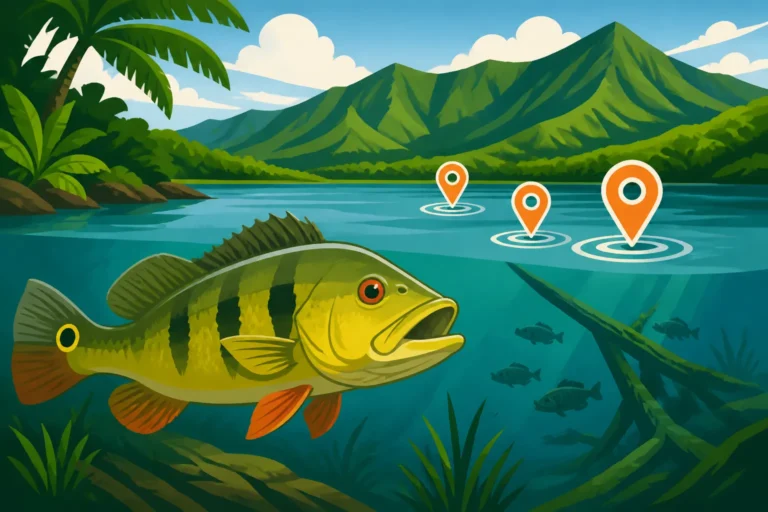
Without a doubt, Wahiawa Reservoir, more famously known as Lake Wilson, is the crown jewel of freshwater fishing on Oahu. Located right in the heart of the island near the town of Wahiawa, this reservoir is a sprawling body of water (by Hawaiian standards, anyway) that offers incredible opportunities for largemouth bass, along with peacock bass and other species. It's a truly unique ecosystem, a stark contrast to the surrounding pineapple fields and urban sprawl. Anglers come here from all over to target these feisty fish, and for good reason – the bass here can grow quite large, and the action can be phenomenal.
Access to Wahiawa Reservoir is relatively straightforward, primarily through the Wahiawa Freshwater State Recreation Area. Here, you'll find a boat ramp, making it easy to launch your kayak, canoe, or small aluminum boat. While larger bass boats are less common, a small craft gives you the advantage of exploring the numerous coves, submerged structures, and varying depths that define this reservoir. Shore anglers also have plenty of opportunities, especially around the recreation area and along accessible banks. The reservoir's diverse habitat, including areas of submerged vegetation, rocky points, and open water, provides ample cover and feeding grounds for largemouth bass throughout the year. It's not uncommon to pull out bass in the 1-5 pound range, with larger trophy fish up to 8 pounds or more being reported. For those looking to understand the specific rules and nuances of this prime location, diving into the details of the Hawaii Wahiawa Reservoir Fishing Rules is highly recommended before you head out.
Nuuanu Reservoir No. 4 and its Potential
Nuuanu Reservoir No. 4, nestled in the scenic Nuuanu Valley just a short drive from Honolulu, represents another intriguing possibility for largemouth bass fishing on Oahu. Historically, Nuuanu reservoirs were significant freshwater sources and fishing grounds. However, navigating access to Nuuanu No. 4 has become more complex over the years due to evolving water management regulations and security concerns. In recent times, public fishing access has been extremely limited, if not entirely restricted, making it less of a viable option for casual anglers compared to Wahiawa.
Despite the current access challenges, Nuuanu Reservoir No. 4 holds a certain mystique for local anglers. Its cooler, often deeper waters and serene, lush surroundings offer a different kind of freshwater environment. The potential for healthy largemouth bass populations remains, fed by the valley's consistent rainfall and natural runoff. Any angler hoping to explore this area would need to diligently check with the Hawaii Department of Land and Natural Resources (DLNR) Division of Aquatic Resources (DAR) for the absolute latest information on access permits, regulations, and any potential changes to fishing opportunities. It's a spot that whispers of what could be rather than what currently is readily available, but its rich history in Oahu's freshwater fishing scene makes it worth mentioning for its potential, should regulations ever ease. For those interested in the broader regulatory landscape, understanding the Hawaii Freshwater Fishing License and Rules is paramount for any freshwater pursuit in the state.
Smaller Community Ponds and Unofficial Spots
Beyond the prominent reservoirs, Oahu is dotted with numerous smaller ponds, drainage ditches, and irrigation canals that, surprisingly, can hold populations of largemouth bass. These aren't usually publicized fishing destinations and often require local knowledge or a keen eye to discover. Many of these smaller bodies of water are on private property, within agricultural lands, or part of community developments, making public access a significant hurdle. Anglers must always be respectful of private land and seek explicit permission before attempting to fish in such areas. Trespassing is not only illegal but can also jeopardize future access for responsible anglers.
These smaller spots, while offering a more intimate and often less pressured fishing experience, can be hit-or-miss. They might not hold trophy-sized bass, but they can provide consistent action, especially for those who enjoy exploring and discovering new waters. Look for areas with dense vegetation, fallen trees, or other structures that provide cover for bass. A careful reconnaissance mission, perhaps with some local friends, might reveal a hidden gem or two. These informal spots often lack specific regulations compared to state-managed reservoirs, but it’s still wise to adhere to general best practices for catch and release, especially to preserve these smaller, delicate ecosystems. Remember, a valid Hawaii Freshwater Game Fishing License Cost is required for most freshwater fishing, even in these smaller, less official spots.
Understanding Largemouth Bass in Hawaii's Waters
Fishing for largemouth bass in Hawaii is a unique experience. While the fish themselves are the same species found across the mainland U.S., their behavior and growth patterns are influenced by Hawaii's tropical climate and specific aquatic environments. It's not just about finding the water; it's about understanding how these fish thrive in a place known more for its ocean giants.
Hawaiian Largemouth Bass Characteristics
Largemouth bass in Hawaii adapt to the warmer, often consistent temperatures of their freshwater habitats. Unlike mainland bass that experience distinct seasonal changes and dormancy periods, Hawaiian bass are active year-round. This means they are constantly feeding and growing, albeit often at a pace dictated by food availability and water conditions. Their diet typically consists of smaller baitfish like tilapia, guppies, and mosquitofish, as well as crustaceans, insects, and even small frogs that are common in these island ecosystems. This abundance of year-round food contributes to their healthy growth.
In terms of size, while the state record for largemouth bass in Hawaii is impressive, most anglers will encounter fish in the 1 to 5-pound range. However, trophy bass up to 8 pounds or more are caught regularly in well-managed waters like Wahiawa Reservoir, proving that these fish can reach significant sizes in the islands. They exhibit the same aggressive, ambush predator behavior as their mainland cousins, often hiding in submerged structure, weed lines, or shaded areas, ready to strike at unsuspecting prey. Their fighting spirit is undiminished by the tropical setting; expect powerful runs and acrobatic jumps, especially from larger specimens. To learn more about specific trophy sizes, you might want to look into the Hawaii state record largemouth bass weight.
Seasonal and Environmental Factors
Hawaii's "seasons" are less about extreme temperature shifts and more about rainfall and trade winds. For largemouth bass fishing, these environmental factors play a crucial role. The wet season, typically from November to April, brings increased rainfall, which can significantly impact water levels in reservoirs and ponds. Higher water levels can expand bass habitats, allowing them to move into newly flooded vegetation, creating excellent shallow water fishing opportunities. Conversely, heavy rains can muddy the water, making it harder for bass to see lures and for anglers to locate fish. Clearer, stable water conditions usually yield better results.
The time of day is also a critical factor. Like bass everywhere, Hawaiian largemouth are most active during the cooler parts of the day. Early mornings, just after sunrise, and late evenings, leading up to sunset, are prime times for topwater action and aggressive feeding. During the heat of the day, especially in summer, bass tend to retreat to deeper, cooler water or seek refuge in dense cover and shaded areas. Fishing during these midday hours often requires different techniques, such as slower presentations and targeting shaded structures. Strong trade winds, common in Hawaii, can also create choppy conditions on larger reservoirs like Wahiawa, making boat control and casting more challenging, but also creating current and oxygenation that can stimulate feeding.
Essential Gear and Techniques for Oahu Bass
Heading out to chase largemouth bass on Oahu requires a thoughtful approach to gear and techniques. While some universal bass fishing principles apply, understanding the specific nuances of Hawaii's freshwater environments will significantly increase your success. It's not always about having the most expensive setup, but rather the right tools for the job and knowing how to use them effectively in these unique ponds and reservoirs.
Recommended Rods, Reels, and Line
For most largemouth bass fishing on Oahu, a versatile medium-heavy action casting or spinning rod, typically 6'6" to 7'6" in length, will serve you well. This length provides good casting distance from shore or a small boat while offering enough leverage to pull fish out of cover. A fast tip action is preferable as it allows for precise casting and quick hook sets, crucial for bass that often strike and spit lures in a flash. Pairing this with a baitcasting reel for more experienced anglers, or a reliable spinning reel for versatility and ease of use, is ideal. Ensure your reel has a smooth drag system, as even average-sized Hawaiian bass can put up a strong fight.
Line selection is another key consideration. A braided line, in the 20-30 pound test range, is highly recommended as your main line. Its superior strength, sensitivity, and lack of stretch are invaluable for detecting subtle bites and cutting through vegetation. However, bass can be line-shy in clearer waters, so a fluorocarbon leader of 10-20 pound test, approximately 2-4 feet long, is essential. Fluorocarbon is nearly invisible underwater and provides excellent abrasion resistance, which is important when fishing around rocky banks or submerged structures. For those targeting larger fish or fishing in exceptionally heavy cover, increasing your leader strength might be a wise move.
Top Lures and Baits for Oahu Bass
The largemouth bass in Oahu's ponds respond well to a wide array of baits and lures, much like their mainland counterparts. Knowing which ones to throw and when can make all the difference.
- Soft Plastics: These are arguably the most effective category. Texas-rigged plastic worms, creature baits, and senkos are phenomenal. Colors like green pumpkin, junebug, and watermelon seed are consistently productive. Fishing them slowly around submerged timber, weed lines, and rocky outcrops will often entice a strike.
- Crankbaits and Spinnerbaits: Shallow to medium-diving crankbaits in shad patterns or crawfish colors can be deadly, especially when bass are actively feeding or schooling. Spinnerbaits with willow leaf or Colorado blades, fished along weed edges or through open water, create a lot of flash and vibration that can trigger aggressive bites.
- Topwater Lures: There's nothing quite like a topwater strike. Poppers, walk-the-dog baits, and frogs are fantastic, especially during low light conditions (early morning, late evening) or when bass are feeding in shallow, vegetated areas. A frog lure can be particularly effective for fishing over lily pads or dense mats of vegetation where other lures would snag.
- Live Bait: For those who prefer a more traditional approach, live bait can be incredibly effective. Tilapia fingerlings (if legal to use and acquire), local minnows, or even large nightcrawlers can attract hungry bass. Fishing live bait under a bobber or free-lining it near structure often yields results, especially when the bite is tough.
Understanding what the local bass are feeding on can help you match your lures to the forage, a tactic known as "matching the hatch." Knowing that what largemouth bass eat in Hawaii's reservoirs can help inform your lure choices.
Effective Techniques for Pond Fishing
Successfully catching largemouth bass in Oahu's ponds and reservoirs involves more than just casting and reeling. It's about strategic placement, understanding fish behavior, and adapting to the specific environment.
- Shore Fishing Strategies: For shore anglers, focus on areas with visible structure: fallen trees, rocky points, docks, or breaks in vegetation. Fan casting, where you cast in a wide arc to cover as much water as possible from a single spot, is a great way to locate active fish. Pay close attention to subtle changes in the bottom contour or water depth. Working your lure parallel to the shoreline or weed lines can often intercept cruising bass. Additionally, exploring different parts of the Wahiawa Recreational Area from shore can yield various results throughout the day.
- Kayak and Small Boat Fishing: Having a kayak, canoe, or small Jon boat opens up a whole new world of opportunities. These smaller vessels allow you to access secluded coves, navigate through shallow, vegetated areas, and get closer to submerged structures that are out of reach from shore. Techniques like pitching and flipping become highly effective here. Pitching involves making short, accurate casts to specific targets like a single lily pad or a submerged log, while flipping is a more precise, quiet presentation used for very close-range targets in heavy cover. These stealthy approaches often result in bigger, less pressured fish. When kayak fishing, always be mindful of wind and current, as they can quickly push you off your target.
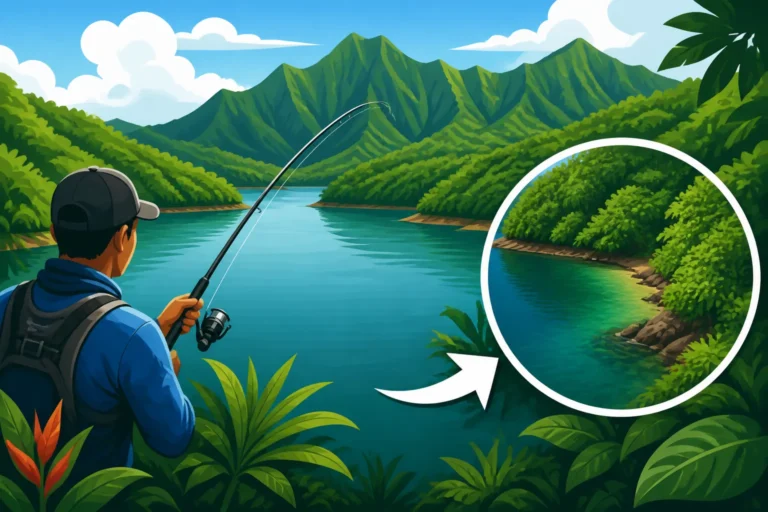
- Reading the Water: Developing an eye for "fishy" spots is crucial. Look for indicators like schooling baitfish, surface boils (where bass are actively feeding), or shaded areas created by overhanging trees. Pay attention to water clarity; in clear water, bass might be deeper or require more subtle presentations, while in murky water, noisy or vibrantly colored lures might be more effective. The time of day and light conditions also play a role; bass often move shallow during low light and retreat to deeper cover as the sun climbs high. Integrating some of these strategies, much like those used in Best Bank Fishing Techniques for Freshwater Reservoirs, will certainly elevate your game.
Regulations, Licenses, and Responsible Angling
Before you even think about casting a line for largemouth bass on Oahu, it's absolutely vital to understand and adhere to Hawaii's fishing regulations. Not only does this keep you out of trouble, but it also ensures the sustainability of these precious freshwater fisheries for future generations. Responsible angling is a cornerstone of preserving Hawaii's unique natural resources.
Navigating Freshwater Fishing Regulations
The Hawaii Department of Land and Natural Resources (DLNR), specifically its Division of Aquatic Resources (DAR), is the authority for all fishing regulations in the state, including freshwater. Unlike ocean fishing, which has some exemptions for residents, freshwater fishing in Hawaii generally requires a license for anyone 18 years or older. This applies to both residents and non-residents alike, whether you're fishing in Wahiawa Reservoir, Nuuanu, or any other freshwater body where fishing is permitted. Failing to have a valid license can result in fines and penalties, definitely putting a damper on your fishing trip. To ensure you're covered, make sure to check out the details on Hawaii freshwater license cost for residents or Hawaii freshwater license cost for nonresidents.
Beyond the license, specific rules govern what you can catch, how many, and what size. For largemouth bass in Wahiawa Reservoir, there are generally bag and size limits in place to protect the population and ensure healthy breeding. These limits can change, so it's always best to consult the most current regulations available on the DLNR website or through official publications. For instance, sometimes there are restrictions on certain bait types or methods of take in specific areas. It’s also important to be aware of any special regulation waters in Hawaii, as these might have additional or unique rules. Always double-check the rules for the specific body of water you plan to fish, especially for places like Wahiawa.
Conservation and Respecting the 'Aina
Fishing in Hawaii is not just a recreational activity; it's deeply connected to the local culture and the concept of mālama 'āina, which means to care for the land. Practicing responsible angling is essential to preserving these freshwater environments that are often fragile and limited in size.
- Catch and Release: While keeping some fish for dinner is perfectly fine within legal limits, practicing catch and release, especially for larger breeding bass, helps maintain healthy fish populations. If you do release a fish, handle it gently, minimize its time out of water, and ensure it's revived before letting it go.
- Litter Prevention: This cannot be stressed enough. Pack out everything you pack in, and perhaps even a little more. Fishing lines, bait containers, and food wrappers left behind can pollute the water, harm wildlife, and detract from the natural beauty of the area.
- Respecting Property and Access: Many smaller ponds might be on private land or have limited access points. Always seek permission before entering private property, and be mindful of noise and disturbance to local residents. Future fishing access often depends on how respectfully anglers treat these areas.
- Invasive Species Awareness: Hawaii's delicate ecosystem is particularly vulnerable to invasive species. Never introduce non-native plants or animals into any body of water, and always clean your gear thoroughly between fishing trips to prevent the spread of aquatic hitchhikers. This includes not dumping unused live bait into the water.
- Understanding Other Species: While targeting largemouth bass, you might encounter other fascinating fish like the hard-fighting Peacock Bass in Wahiawa Reservoir. Be aware of the regulations for all species you might catch.
By adhering to these principles, you're not just fishing; you're contributing to the health and longevity of Oahu's unique freshwater fishing opportunities, ensuring that future generations can also enjoy the thrill of hooking a Hawaiian largemouth bass.
Comparison of Key Oahu Largemouth Bass Fishing Spots
Here's a quick overview of the primary and potential largemouth bass fishing locations on Oahu, helping you plan your next freshwater adventure.
| Pond/Reservoir | Primary Target Species | Typical Size Range | Key Features | Public Access & Notes | Current Status/Restrictions |
|---|---|---|---|---|---|
| Wahiawa Reservoir | Largemouth Bass, Peacock Bass | 1-5 lbs (up to 8+ lbs) | Extensive coves, submerged vegetation, varied depths, rocky points | Excellent public access via Wahiawa Freshwater State Recreation Area. Boat ramp, shore fishing. | Open; requires Hawaii freshwater fishing license. Specific bag/size limits apply. |
| Nuuanu Reservoir No. 4 | Largemouth Bass | Variable | Deeper, cooler water; lush, forested surroundings; limited visible structure | Historically fished, but highly restricted or closed to public access currently. | Highly Restricted/Closed. Check with DLNR-DAR for any permit changes or specific access days. |
| Community Ponds | Largemouth Bass | Panfish to 2 lbs | Smaller, often shallower, variable cover (weeds, urban debris) | Often private property; access usually requires explicit permission. Scattered, informal. | Varies by location. Always seek permission; general freshwater rules apply. |
Disclaimer
Please note: Fishing regulations, access points, and fish populations are subject to change by the Hawaii Department of Land and Natural Resources (DLNR). Always consult the latest official DLNR Division of Aquatic Resources (DAR) guidelines and local signage before fishing to ensure compliance and safety.