Best fly patterns for Oahu bonefish
Heading out to the shallow flats of Oahu, hoping to hook into one of those legendary Hawaiian bonefish, also known as oio? It's an incredible dream, but let's be real: these fish are notoriously spooky, incredibly wary, and demand absolute precision. There's nothing more frustrating than spending hours stalking the flats, making perfect casts, only to have your fly completely ignored. This guide is all about cutting through that frustration by detailing the very best fly patterns that actually fool Oahu's elusive bonefish.
Understanding Oahu's Bonefish and Their Habitat
Before we even talk about specific fly patterns, it's crucial to understand the "why" behind their effectiveness. Hawaiian bonefish, Albula glossodonta, are a different breed. They're not just any bonefish; they live in some of the clearest, most challenging environments imaginable. Their world dictates what flies work and why.
The Elusive Nature of Hawaiian Bonefish (Oio)
The oio of Hawaii truly live up to their reputation as "ghosts of the flats." If you've tried sight fishing for them, you know the drill: you spot a tailing fish, make a textbook cast, and watch it bolt before your fly even lands. This isn't just bad luck; it's a testament to their incredibly developed senses. Their eyesight is phenomenal, allowing them to spot even the slightest anomaly in the crystal-clear water. They're constantly on high alert for predators, and anything that looks unnatural or presents itself clumsily is an immediate red flag.
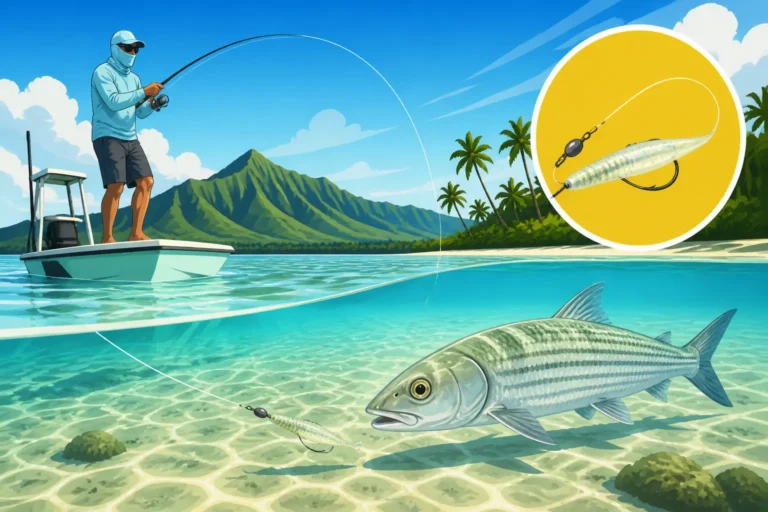
The clear, sun-drenched waters that make Oahu so beautiful for snorkeling are exactly what make bonefishing here such a challenge. There's nowhere for the oio to hide, and therefore, nowhere for your fly to hide either. This means your fly needs to be an almost perfect imitation of their natural food sources, both in appearance and in its subtle movements. They're primarily bottom feeders, sifting through sand and rubble for tiny crustaceans, worms, and small baitfish, so your fly needs to perfectly mimic these delectable morsels.
Key Characteristics of Oahu's Bonefish Flats
Oahu boasts some spectacular bonefish flats, from the expansive reaches of areas like Keehi Lagoon Bonefishing to the more intricate channels around Sand Island Bonefishing. These aren't always pristine, white-sand deserts. Often, you'll find a mix of sand, coral rubble, and even patches of seagrass. This varied bottom composition is critical when choosing your fly. A fly that looks great over pure white sand might stick out like a sore thumb over darker coral or grass.
The water depth on these flats is usually very shallow, often ankle to knee-deep, sometimes even shallower during extreme low tides. Tidal influences are massive; bonefish will push onto the flats with the incoming tide, foraging in the newly flooded areas, and retreat as the water drops. Currents, even subtle ones, can also play a role, influencing how a fly drifts or settles. The ultimate goal is to present a fly that not only looks like a natural food item but behaves exactly like one, whether it's scuttling across the bottom, darting away, or settling gently into the sand. This hyper-realistic presentation is what separates a successful bonefish fly from just a pretty piece of hackle and thread. If you're looking for more general information about oio, check out Bonefish (Oio) in Hawaii.
Essential Fly Characteristics for Oahu Bonefish
When you're staring at a fly box filled with dozens of patterns, it can feel overwhelming. But for Oahu bonefish, there are some fundamental characteristics that separate the winners from the benchwarmers. Think of these as the non-negotiables.
Weight, Profile, and Size Considerations
The single most critical factor for bonefishing on Oahu is often the weight of your fly. Because the water is so shallow and clear, an improperly weighted fly can instantly spook a fish. A fly that plunks down too hard or too fast will send oio streaking for deeper water. Conversely, a fly that's too light won't sink quickly enough to get into the fish's feeding zone or will be easily swept away by current before it can be presented naturally. You need flies tied with different weight eyes (e.g., small bead chain, medium bead chain, small lead eyes) to match varying depths and current speeds.
The profile of your fly is also key. Bonefish feed on small, slender creatures. Overly bulky flies that don't compress well in the water often look unnatural and are rejected. Think sleek, minimalist designs that mimic a shrimp, crab, or worm without excessive bulk. Most effective patterns for Oahu will fall into hook sizes #2, #4, or #6. A #8 might work for very small fish or extremely wary ones, while anything larger than a #2 can look too aggressive unless you're specifically targeting much larger oio. Remember, it's about matching the hatch, or rather, matching the prevalent bottom critters.
Color and Material Choices for Success
When it comes to color, subtlety is the name of the game on Oahu. Bright, obnoxious colors are generally a no-go. The most effective colors mimic the natural camouflage of the bottom and the prey items:
- Tan and Sand: These are staples, blending in perfectly with sandy bottoms.
- Light Pink/Shrimp Pink: A fantastic color that imitates many local shrimp species.
- Chartreuse: Often used as a hot spot, or as a full pattern for contrast, especially in slightly deeper or cloudy water, or when fish are particularly aggressive.
- White: Can be effective, especially for patterns mimicking small baitfish.
- Olive and Brown: Useful for flats with more seagrass or darker coral.
Materials should be soft, mobile, and translucent to give a lifelike appearance in the water. EP Fibers, craft fur, rabbit strips, and various synthetic blend hairs provide incredible movement with minimal bulk. Sili legs are a fantastic addition for subtle leggy movement. Flash is a delicate subject: a touch of Krystal Flash or similar can add an irresistible twinkle, but too much will make the fly look unnatural. It's usually best to err on the side of less flash. The goal is to create a fly that looks like it's alive and ready to be eaten, not a shiny, artificial lure.
Top-Performing Fly Patterns for Oahu Bonefish
Now that we understand the oio and their environment, let's dive into the specific fly patterns that consistently produce on Oahu's challenging flats. These aren't just pretty flies; they're proven producers designed to fool the wariest of fish.
The Classics: Gotchas and Charlies
You can't talk bonefishing without mentioning these two foundational patterns. They've earned their reputation worldwide, and Oahu is no exception.
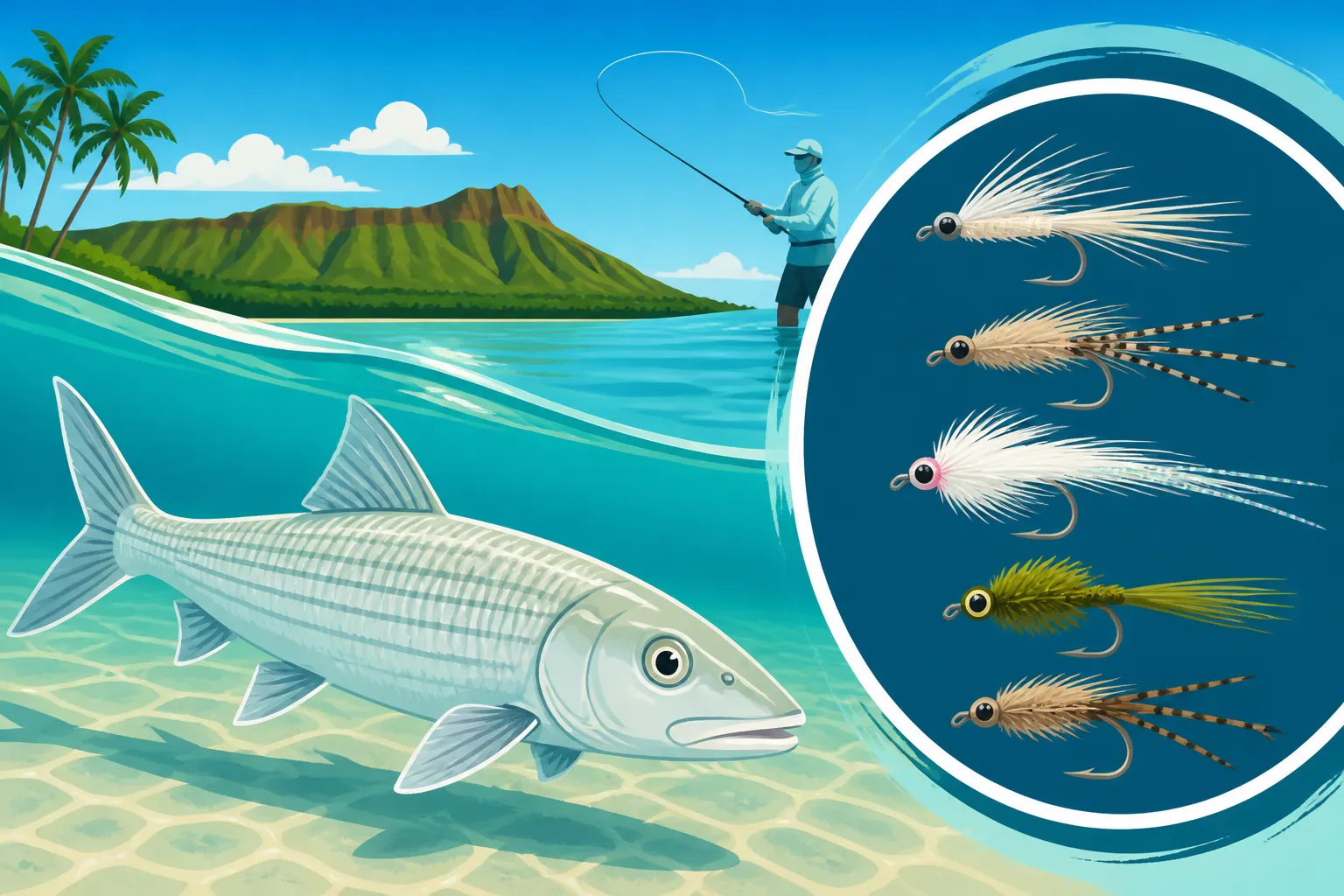
The Gotcha Fly is arguably one of the most famous bonefish flies ever created, and for good reason. Its simple yet incredibly effective design makes it a staple. Typically tied with a tan or pink body, a sparse wing of white craft fur or calf tail, and bead chain or lead eyes, the Gotcha offers a minimalist shrimp imitation. The key to its success lies in its versatility and its ability to land softly and move naturally with subtle strips. Common variations include patterns with more flash in the wing, or a touch of chartreuse for a "hot spot" if the fish are proving finicky. The Gotcha excels when fished with short, quick strips, mimicking a fleeing shrimp. You can find pre-tied Gotcha flies in various sizes and weights on platforms like Amazon, which is super convenient if you're not a fly tier.
The Bonefish Charlie, often just called a Charlie, is another indispensable pattern. It's a slightly bulkier but equally effective shrimp imitation, recognized by its distinct forward-facing wing and sparse body. The Charlie is particularly adaptable because it can be tied with a wide range of eye weights, from very light bead chain for super shallow water to heavier lead eyes for deeper troughs or areas with current. This versatility makes it a must-have for different conditions. Color-wise, the pink and tan variations are perennial favorites on Oahu. The Charlie's profile allows it to sink quickly yet still glide appealingly when stripped. When buying these, look for options with UV resin coatings for durability, especially since oio have strong jaws.
Crab and Shrimp Imitations
While the Gotcha and Charlie are fantastic shrimp patterns, having dedicated crab and more realistic shrimp imitations can be a game-changer, especially for larger, more discerning bonefish.
Crabs are a significant food source for oio, and a well-tied crab fly can be irresistible. Patterns like the Squimp or Avalon are excellent choices. The Squimp, in particular, offers a fantastic crab profile with a tail that undulates enticingly on the strip. These flies often incorporate epoxy or UV resin to create a hard, realistic shell, combined with soft materials for legs and claws that move subtly in the current. Colors like tan, olive, and brown are crucial for mimicking the various small crab species found on Oahu's flats. When a bonefish is seen "tailing" aggressively, with its tail out of the water, it's often rooting for crabs and worms, making a crab pattern the perfect offering.
Then there are the more realistic Shrimp Patterns, beyond the simplicity of a Gotcha. Think patterns that mimic a mantis shrimp or a more detailed pistol shrimp. These flies often have segmented bodies, antennae, and legs that create a very lifelike silhouette and movement. They are often tied with lighter eye weights to allow for a slower, more deliberate retrieve, imitating a shrimp scurrying across the bottom or pausing to dig. The key is to match the size and color to the natural shrimp species found in the specific area you're fishing. Having a few different shrimp patterns in your box ensures you can adapt to whatever the oio are keyed in on. Many fly shops, both local and online (like Amazon's fly fishing section), offer a great selection of these specialized patterns.
Worm and Small Baitfish Patterns
Sometimes, oio will key in on other food sources, and having a few different options can prevent a frustrating day.
Though less common, worm-like patterns can be highly effective, especially when bonefish are actively tailing or grubbing in the mud. Patterns that incorporate rabbit strips or marabou for a wriggling, worm-like tail can be deadly. A simple Crazy Charlie, for example, can be modified with a sparse, dark marabou tail to give it that extra enticing movement. These patterns often excel with a slower, drag-and-pause retrieve, allowing the tail to pulsate and mimic a worm burrowing into the sand.
For oio that might be a bit larger or are feeding aggressively, small baitfish imitations can sometimes work wonders. Think scaled-down versions of popular saltwater baitfish patterns like a Clouser Minnow or a Surf Candy. These should be tied in very subtle colors—white, gray, light olive, or clear—and be sparsely dressed to maintain a sleek, non-intimidating profile. The idea isn't to blast a huge minnow at them, but to offer a small, easy meal. These patterns are best fished with a slightly longer strip-pause retrieve, mimicking a small baitfish darting away. While oio typically prefer crustaceans, having a few of these in your box can be a surprise weapon on certain days, especially if you're fishing edges where baitfish might congregate.
Here's a quick comparison of some popular Oahu bonefish fly patterns:
| Fly Pattern | Primary Imitation | Ideal Conditions | Key Characteristics | Retrieve Style |
|---|---|---|---|---|
| Gotcha Fly | Shrimp | Shallow to medium flats, clear water | Minimalist, effective silhouette, various weights | Short, quick strips with pauses |
| Bonefish Charlie | Shrimp | Versatile for varying depths and currents | Forward-facing wing, adaptable weights, classic look | Erratic strips, quick darts |
| Squimp/Avalon | Crab | Tailing fish, sandy/rubble bottoms, deeper water | Realistic crab profile, good sink rate | Slow drags, subtle twitches, short lifts |
| Mantid Shrimp | Realistic Shrimp | Clear, calm flats, finicky fish | Segmented body, antennae, lifelike movement | Slow, deliberate strips with long pauses |
| Small Clouser | Small Baitfish | Aggressive fish, deeper water, current | Dumbbell eyes, inverted hook, sparse baitfish profile | Longer strips, darting action, good for searching |
Presentation, Technique, and Fly Selection Strategy
Having the right fly is only half the battle. How you present it, and how you choose it based on conditions, is equally important for success on Oahu's challenging flats. This is where the art of bonefishing truly comes into play.
Reading the Flats and Making the Cast
The first step, even before you make a cast, is reading the flats. This means observing the water for signs of fish, understanding the bottom composition, and being aware of current and wind. Look for "nervous water," subtle wakes, or the tell-tale "tailing" fish with their tails breaking the surface as they feed. Once you spot a fish or a school, stealth is paramount. Oio are easily spooked. Move slowly, avoid sudden movements, and keep a low profile. You might even want to practice some Wading Techniques for Hawaii Shore Fishing beforehand.
Making the cast is arguably the most nerve-wracking part. Your cast needs to be accurate, often between 30 to 60 feet, and it needs to land softly. A fly that crashes down like a brick will send fish fleeing. The goal is to lead the fish, casting 3-5 feet beyond and slightly ahead of its swimming direction. This allows the fly to sink to the bottom before the fish reaches it, so it appears as if the food item was already there. When the fish approaches, it should be presented with a natural-looking meal, not a splashy intrusion. Tidal movement plays a huge role here; oio often follow specific feeding lanes with the incoming or outgoing tide, so understanding those paths will significantly improve your chances.
Strip and Retrieve Strategies for Different Patterns
Once the fly is in the water and settled, your retrieve is everything. There’s no single "best" retrieve; it depends on the fly pattern, the type of prey you're imitating, and the mood of the fish.
- Shrimp & Crab Patterns (Gotcha, Charlie, Squimp): For these, think short, quick strips—often just 4-6 inches at a time—followed by a pause. This mimics the darting, scurrying movement of a shrimp or crab trying to escape. Sometimes, a series of quick strips, then a longer pause, can trigger a strike. It’s about making the fly appear alive and vulnerable.
- Worm-like Patterns: For anything that looks like a worm, a slower, more continuous strip or even just a slow drag with the occasional twitch can be effective. This suggests a worm burrowing or wiggling.
- Small Baitfish Patterns (Clouser Minnow): If
oioare keying on baitfish, longer, more aggressive strips that mimic a fleeing minnow can work. Again, pauses are critical, as many predatory fish strike when their prey pauses.
The do nothing retrieve is also a powerful tool. Sometimes, after the initial cast and a few strips, simply letting the fly sit for an extended period can be the most effective strategy, especially if the fish are incredibly wary. The subtle movement of the current on the fly's materials can be enough to entice a hesitant oio. Always be ready to adjust your retrieve based on how the fish react, or don't react, to your presentation.
Adapting Fly Choice to Conditions
Flexibility in fly choice is key to success on Oahu. The conditions on the flats can change rapidly, and what worked yesterday might not work today.
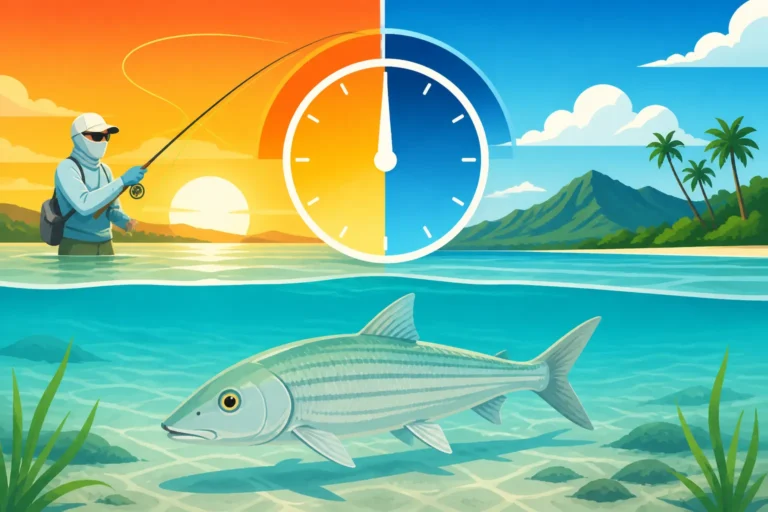
- Sunlight Intensity and Water Clarity: On bright, sunny days with gin-clear water,
oiowill be most wary. This calls for smaller, more natural-colored flies (tan, white, light pink) with minimal flash. If the water is slightly stained or cloudy, or on an overcast day, achartreuseor darker pattern with a bit more flash might be more visible and appealing. - Bottom Type: Fishing over pure white sand? A sand-colored Gotcha or Squimp is perfect. Over darker coral rubble or seagrass patches? An olive or brown crab pattern might blend in better and seem more natural. Always aim to match the fly color to the bottom you're fishing over.
- Wind Conditions: A strong headwind can make casting light flies nearly impossible. On such days, having flies with heavier lead eyes can help you punch through the wind and still achieve a soft landing.
- Fish Mood: Sometimes,
oioare aggressive and will chase anything. Other times, they're incredibly finicky. When they're being picky, go smaller, more subtle, and refine your retrieve to be as natural as possible. Don't be afraid to change flies frequently if you're not getting any attention. A well-stocked fly box with a variety of patterns, sizes, and weights is your best friend.
For those looking for an immersive experience, consider booking one of the Best Guided Bonefishing Trips on Oahu. Local guides possess an unparalleled understanding of specific flats, current conditions, and exactly what the oio are feeding on. Regardless of whether you go it alone or with a guide, remember that the right fly, presented impeccably, is your ticket to oio success. Don't forget to check if you need a Hawaii Fishing License Guide for 2026 before heading out.
Disclaimer
Please remember that fishing regulations in Hawaii, including those for specific species like bonefish, can change. Always consult the most current rules and regulations from the Hawaii Division of Aquatic Resources (DAR) before heading out. This guide is for informational purposes only and does not supersede official government regulations.