Best technique for finesse fishing clear water flats
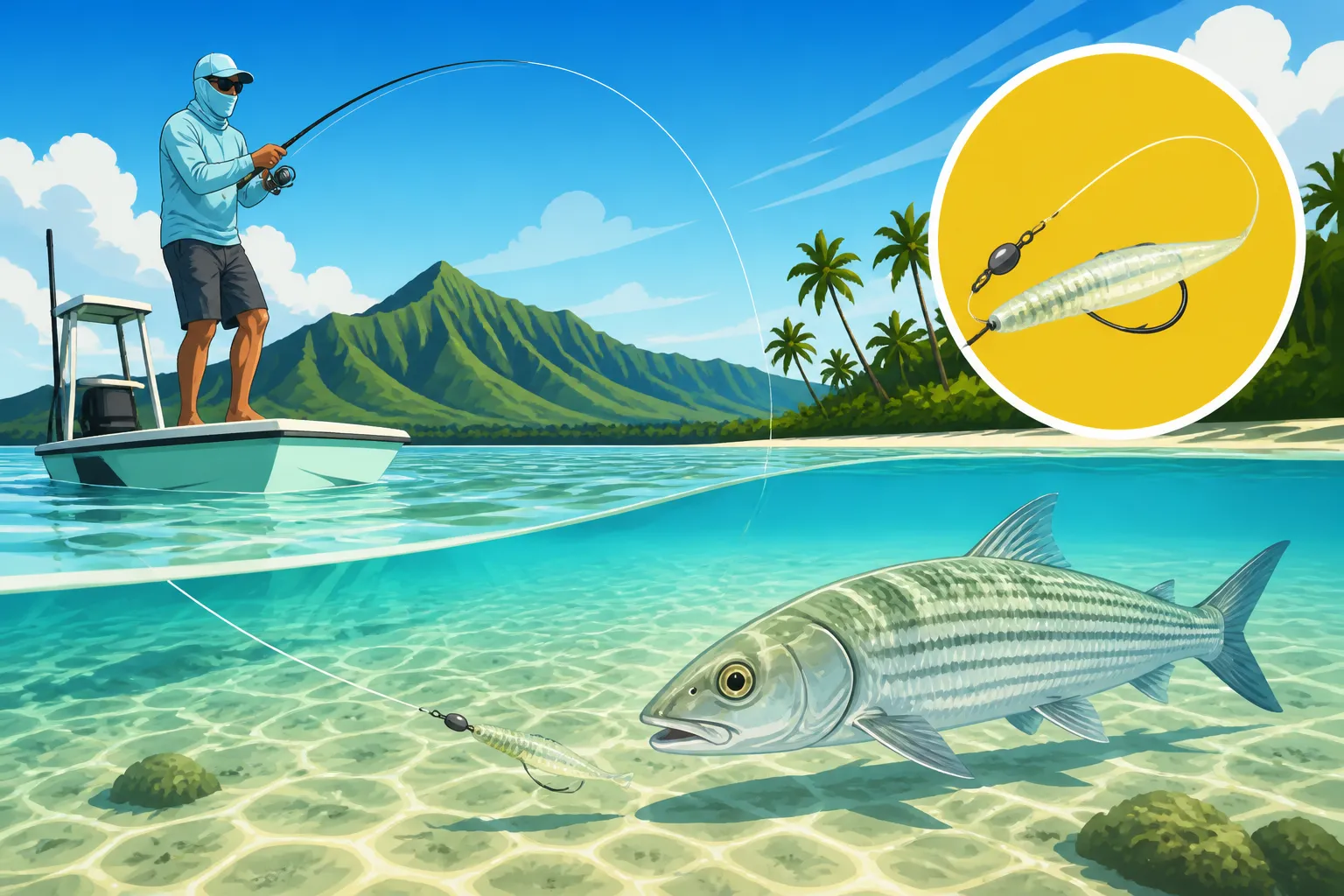
Oh, the clear water flats of Hawaii! They call to us with their shimmering beauty, promising glimpses of incredible fish. But let's be real, seeing those elusive bonefish (oio) or cruising papio in gin-clear shallows is one thing; actually getting them to bite without sending them rocketing for the horizon is a whole other challenge. It’s a common frustration, isn't it? You spot them, your heart races, you make your cast, and poof – they're gone in a cloud of sand or a flash of silver. This isn't about power or brute force; it's about subtlety, precision, and understanding the delicate dance required. This guide is all about mastering the art of finesse fishing these pristine flats, focusing on the techniques, gear, and mindset you need to turn those frustrating sightings into memorable catches.
Understanding the Unique Challenges of Clear Water Flats
Finesse fishing in Hawaii's clear water flats isn't just a technique; it's a philosophy born from necessity. These aren't murky river bottoms or deep ocean trenches where you can get away with a little noise or a heavy hand. Here, every ripple, every shadow, and every vibration can spell the difference between a fish in hand and an empty line.
The "Spooky" Factor and Predator Awareness
Imagine being a fish living in ankle-deep water, where the sun penetrates every nook and cranny, and overhead predators like birds of prey, sharks, and even us anglers are a constant threat. It's a high-stakes environment where survival depends on extreme vigilance. This heightened awareness is precisely why fish on the flats are notoriously "spooky."
Even the slightest disturbance can trigger an alarm response. A heavy footfall on the sand, a shadow cast by your rod tip, the glint of a reel, or an unnatural splash from a clumsy cast can send a whole school of bonefish scattering in an instant. They're constantly tuned in, using their keen eyesight and lateral lines to detect any deviation from their normal, safe environment. We've all been there: you make what you think is a perfect cast, only for the fish to bolt before your lure even hits the water. It's not personal; it's instinct. Understanding this innate wariness is the first step in successful finesse fishing. It means slowing down, observing, and moving with the utmost care, almost as if you're stalking a wary deer. It's about blending in, becoming part of the natural rhythm of the flats, rather than an intrusive anomaly.
Reading the Water and Identifying Holding Zones
Successfully targeting fish on clear water flats isn't just about seeing the fish; it's about understanding why they are where they are and where they're likely to be. The flats might look uniform, but they are full of subtle cues that, once deciphered, reveal prime holding and feeding zones.
Look for areas where the bottom transitions from sand to coral, or where deeper channels cut through shallower sections. These are often highways for fish moving with the tide or ambush points for predators like papio. Muds and plumes of stirred-up sediment are often tell-tale signs of feeding bonefish rooting around for crabs and worms. You might also spot "nervous water" – subtle wakes, fins breaking the surface, or even a slight shimmer that indicates a fish or school of fish is moving through the area. Pay attention to the sun angle; sometimes the glare makes it impossible to see, but other times, having the sun at your back can illuminate the water perfectly, allowing you to spot shadows or fish shapes more easily. Understanding how tides and currents interact with the bottom structure is also key. Fish will use currents to their advantage, either to feed passively or to hide from predators. Learning to "read the water" is an ongoing process, one that comes with experience, but it’s absolutely critical for consistent success on the flats. Knowing where the fish are likely to be before you even see them allows you to plan your approach and cast with much greater precision.
Essential Gear for Finesse Fishing Hawaiian Flats
When it comes to finesse fishing, your gear isn't just a collection of tools; it's an extension of your intent – to be subtle, precise, and virtually undetectable. Heavy, clunky equipment has no place here. Think light, sensitive, and perfectly balanced.
Light Rods, Reels, and Line Choices
The cornerstone of finesse fishing on the flats is light tackle. Whether you're a fly angler or prefer conventional spinning gear, the principle remains the same: sensitivity and low visibility.
For fly fishing, a 7-weight or 8-weight rod is often ideal for bonefish. This provides enough backbone to cast in windy conditions and handle a strong-running fish, yet it's light enough for delicate presentations. Pair this with a high-quality saltwater reel that has a smooth, sealed drag system, capable of withstanding the scorching runs of a bonefish. For conventional anglers, a fast-action spinning rod in the 7-foot to 7-foot 6-inch range with a light to medium-light power rating is perfect. This will allow for long, accurate casts with light lures and baits, and the fast action provides the sensitivity needed to detect subtle bites. A matching 2500 or 3000 series spinning reel with a smooth drag is crucial. As for line, braided main line in the 8-15 lb test range is popular for its sensitivity and casting distance. However, the true secret lies in the leader. A long (7-10 feet), clear fluorocarbon leader, typically 10-20 lb test, is absolutely non-negotiable. Fluorocarbon is nearly invisible in water and has excellent abrasion resistance, which is vital around coral and lava rock. You can find excellent options for both braid and fluorocarbon leaders on Amazon, ensuring you have the right setup. Remember, the lighter and more invisible your line, the more natural your presentation will be, and the less likely you are to spook a wary fish.
Perfecting Your Lure and Bait Selection
Just like your rod and reel, your lures and baits need to be chosen with finesse in mind. Big, flashy, or noisy offerings are generally out. You're aiming to mimic the natural forage these fish encounter daily, which means small, subtle, and realistic.
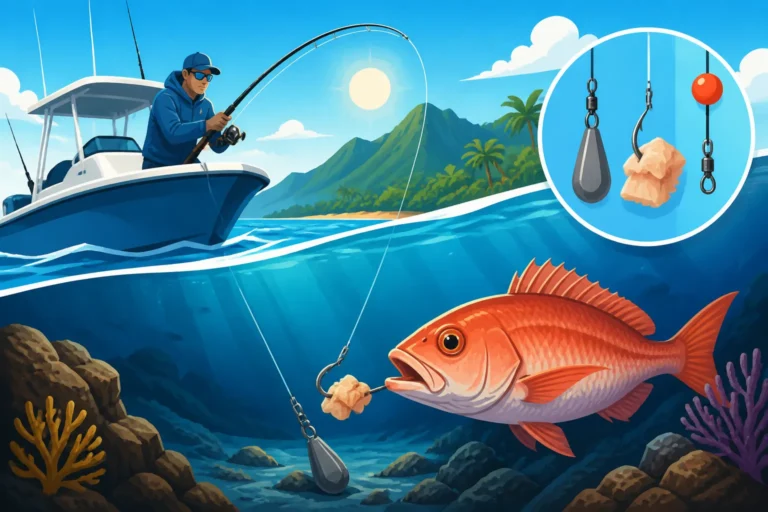
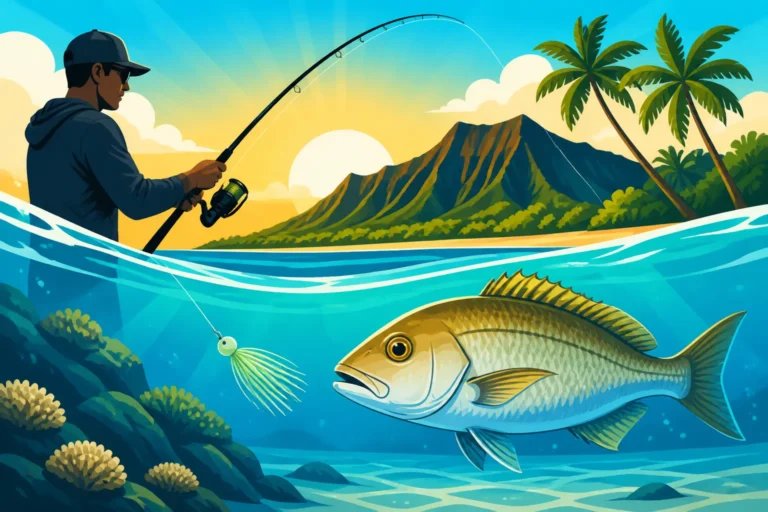
For fly anglers targeting bonefish, traditional patterns like the Gotcha, Crazy Charlie, and various shrimp or crab imitations are perennial favorites. The key is to match the size and color to the specific flat you're fishing and the type of bottom. Sometimes a tan shrimp pattern works best over sand, while a darker crab pattern is more effective over coral rubble. For papio, smaller baitfish patterns or even tiny poppers can be effective during low light. Conventional anglers will find success with small soft plastics, often no more than 2-3 inches long, rigged on tiny jig heads (1/10 to 1/8 oz) or weedless hooks. Grubs, shrimp imitations, and small paddle-tail baits are excellent choices. Tiny metal jigs, often used for "whipping" on the shoreline, can also be downsized for flats work. When using natural bait, small pieces of fresh shrimp, crab, or cut bait presented with minimal weight are highly effective. The goal is a natural, unencumbered drift or retrieve. Avoid heavy weights that cause an unnatural splash or bury your bait too quickly. Again, Amazon is a great resource for a wide variety of finesse jigs, soft plastics, and fly tying materials that imitate the natural prey found on Hawaiian flats. The more natural your offering looks and behaves, the more confident a fish will be to strike.
Stealth and Presentation: The Art of Finesse
You've got the right gear, you understand the spooky nature of the fish, and you've learned to read the water. Now comes the actual execution: how you approach, how you cast, and how you work your lure or bait. This is where the "finesse" truly comes into play.
Approaching the Flats with Pinpoint Precision
Getting close enough to fish on a clear water flat without alarming them is an art form that requires patience, observation, and deliberate action. This isn't a situation for rushing or making grand gestures.
If you're wading, move slowly and deliberately, shuffling your feet rather than lifting them to avoid unnecessary splashing or vibrations. Wear neutral-colored clothing that blends with the sky or water to reduce your profile. Keep a low silhouette, especially if you spot fish far off. For those using kayaks or stand-up paddleboards, minimize paddle strokes and avoid scraping the bottom or dropping anything loudly. A small, lightweight anchor can be used to hold position, but often, gentle paddling or drifting is preferred to maintain maximum stealth. Always approach fish from downwind or with the sun in your face, if possible, to minimize your shadow and avoid being silhouetted. Once you've identified your target, stop, observe their movement, and plan your cast. This thoughtful approach, whether you're stalking bonefish in Keehi Lagoon or targeting papio off a quiet stretch of beach, drastically increases your chances of getting a bite before the fish even knows you're there. When fishing for species like ulua, a patient approach can often lead to a much closer shot than you might expect, as long as you remain undetected.
Mastering the Retrieve and Hookset
Once your bait or lure is in the water, the presentation is everything. It needs to mimic the natural movement of prey, enticing a strike without triggering suspicion.
For fly fishing, particularly for bonefish, the retrieve is almost always a series of slow, short strips, interspersed with pauses. Imagine a shrimp or crab scuttling across the bottom – it moves, stops, moves again. Vary your retrieve until you find what the fish are responding to. Often, a "dead stick" pause right in front of the fish's nose is what triggers the strike. For conventional gear, a slow twitch-and-pause retrieve, a gentle hop along the bottom, or a very slow, steady reel can be effective. Again, the goal is natural movement. If you're using a shrimp imitation, don't jerk it violently; make it look like a real shrimp trying to escape. Many times, strikes on the flats are incredibly subtle – a slight tic on the line, a sudden heaviness, or just the line going slack. For bonefish, a common mistake is to set the hook too quickly. Often, they'll "mouth" the fly or bait first. It's best to feel the weight of the fish and then make a firm, smooth strip-strike rather than a sharp rod-tip hookset. For papio, the strike can be more aggressive, but still requires a quick, responsive hookset to prevent them from spitting the lure. Master these retrieves and hooksets, and you'll be well on your way to consistent success.
Tactical Considerations for Success
Beyond the technical aspects of gear and presentation, understanding the broader environmental factors and practicing responsible angling will elevate your finesse fishing game on Hawaii's clear water flats.
Tides, Currents, and Optimal Fishing Times
The rhythm of the ocean profoundly influences fish behavior on the flats. Ignoring it is like trying to guess the winning lottery numbers; you might get lucky, but it's not a reliable strategy.
Tides are perhaps the most critical factor. Many species, particularly bonefish, will follow the incoming tide onto the flats to feed in the newly accessible shallow areas, then retreat with the outgoing tide. Understanding your specific flat's tidal flow will tell you when fish are likely to be present and where they'll be concentrating. Currents also play a huge role in how you present your lure or bait. Casting upstream of the current and allowing your offering to drift naturally towards the fish is often the most effective technique. As for optimal fishing times, dawn and dusk are almost universally productive, offering lower light conditions that make fish less wary and often more actively feeding. Overcast days can also be excellent, as the subdued light again makes fish feel more comfortable in the shallows. However, strong winds can make casting difficult and stir up the water, making sight fishing challenging. Keep an eye on the Hawaii Fishing Season Dates and Closures to ensure you're compliant with any specific regulations for certain species or areas during these times. Knowing the best time of day to catch ulua, for example, often aligns with these low-light periods.
Environmental Awareness and Conservation
Finesse fishing, by its very nature, often puts us in close proximity to some of Hawaii's most sensitive marine environments. Practicing responsible angling isn't just a suggestion; it's a kuleana, a responsibility to protect these precious resources for future generations.
This means handling any fish you catch with the utmost care, especially if you intend to release them. Use wet hands when handling fish to protect their slime coat, minimize their time out of water, and release them gently, ensuring they swim away strong. If a fish is exhausted, hold it facing into a gentle current until it regains its strength. Beyond fish, be mindful of your surroundings. Avoid stepping on live coral; always try to walk on sandy patches. Pack out everything you pack in, leaving no trace of your presence. Understanding and respecting specific regulations for certain areas, like Marine Life Conservation Districts, is also critical. These areas often have strict rules about fishing gear, catch limits, or even complete no-take zones. Always consult the Hawaii Fishing Regulations Explained before heading out to a new spot. Our goal as anglers should always be to enjoy the resource while also being its most dedicated stewards. After all, if we want to keep enjoying these incredible flats, we need to do our part to keep them healthy.
Here's a quick comparison of fly versus conventional gear for finesse fishing clear water flats:
| Feature | Fly Fishing (e.g., Bonefish) | Conventional Fishing (e.g., Papio) |
|---|---|---|
| Rod | 7-8 weight, moderate-fast action | 7'-7'6" light-medium light power, fast action |
| Reel | Saltwater specific, smooth sealed drag | 2500-3000 series, smooth drag |
| Main Line | Floating fly line with strong backing | 8-15 lb braided line |
| Leader | Long (7-10ft) fluorocarbon (10-20 lb) | Long (7-10ft) fluorocarbon (10-20 lb) |
| Lures/Bait | Shrimp/crab flies (Gotcha, Crazy Charlie) | Small soft plastics, tiny jigs, cut bait |
| Casting | Delicate, minimal false casts, roll casts | Long, accurate, low trajectory casts |
| Retrieve | Slow strips, pauses, mimicking prey | Slow hop, twitch, or steady retrieve on bottom |
| Strike Detection | Visual observation, line movement, subtle feel | Light tap, sudden weight, line slack or jump |
| Stealth | Paramount, wading slowly, minimal splashing | Paramount, slow approach, silent movement |
Finesse fishing on Hawaii's clear water flats is a deeply rewarding experience that challenges your skills and connects you intimately with the environment. It demands patience, precision, and respect for the delicate balance of these pristine ecosystems. By focusing on stealth, selecting appropriate light tackle and subtle presentations, and remaining attuned to the natural rhythms of the flats, you can unlock incredible angling opportunities. Whether you're sight-casting to cruising bonefish, targeting papio in shallow channels, or even trying for a small ulua, these techniques will dramatically improve your success rate. It's a journey of continuous learning, but with each successful cast and careful retrieve, you'll gain a deeper appreciation for the magic of Hawaii's clear water fisheries. For those looking to dive deeper into specific techniques, checking out Best Bonefishing Techniques for Oahu Flats or Best Casting Technique for Shore-Based Papio can provide even more tailored advice. And don't forget that knowing How to Wade a Reef Flat Safely in Hawaii is crucial for both your success and safety.
Disclaimer
This article is for general informational purposes only and does not constitute professional advice. Laws, prices and regulations vary by location and change over time. Consult a qualified professional for guidance on your specific situation.