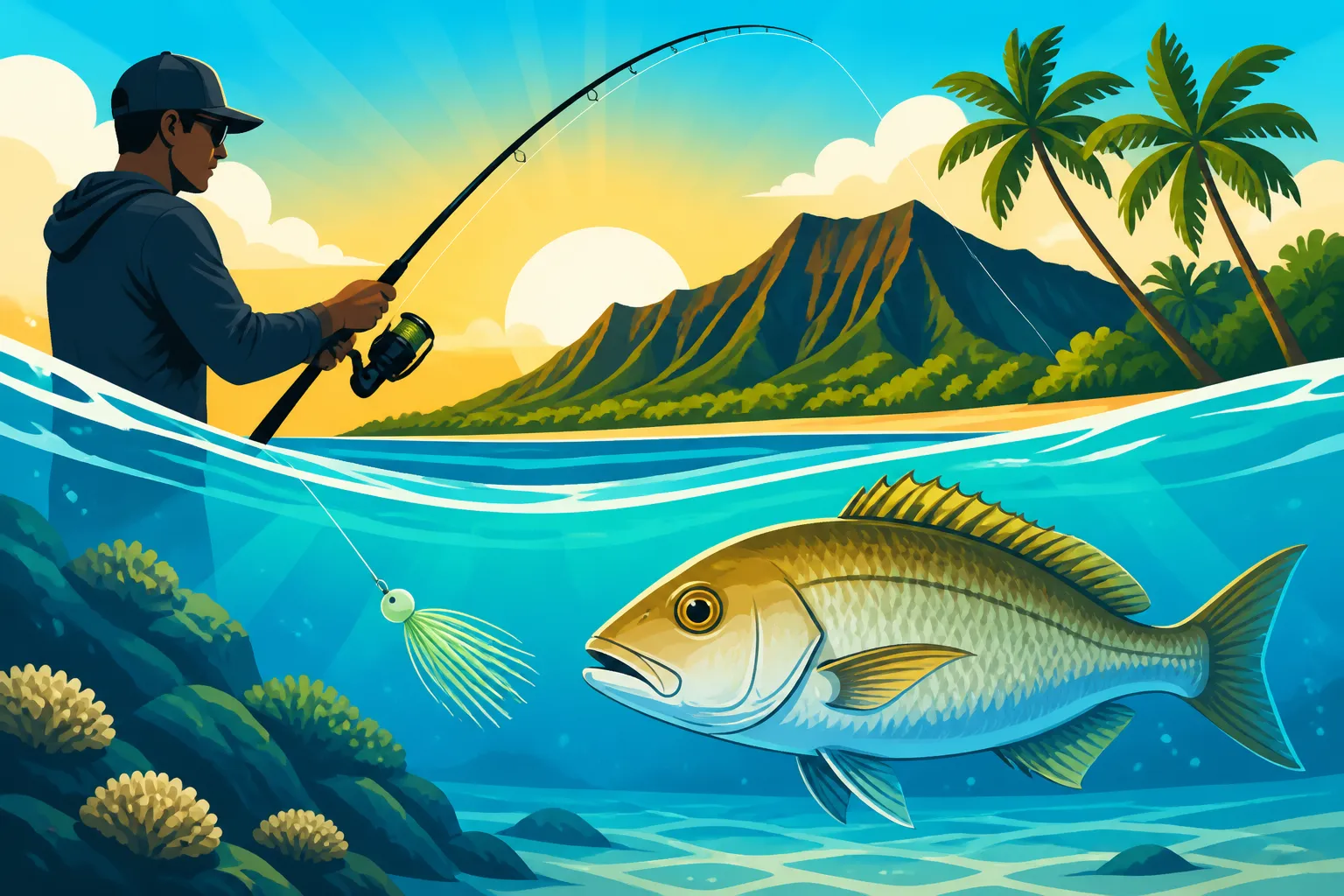
Best technique for post-spawn moi
Fishing for moi, especially after they've finished their annual spawning ritual, can sometimes feel like trying to catch a ghost. They become incredibly finicky, spread out, and seem to vanish from their usual haunts, leaving many anglers scratching their heads in frustration. This guide will dive deep into understanding these elusive post-spawn moi and equip you with the best techniques to coax them onto your line.
Understanding Moi Behavior After Spawning
When the moi finish their spawning season, which is often a protected time anyway, their behavior shifts dramatically. They're no longer concentrated in large schools focused on reproduction. Instead, they disperse, change their feeding patterns, and become much more wary, making them a true challenge for even seasoned anglers.
Changes in Feeding Habits
Before spawning, moi are often quite aggressive feeders, bulking up for the energy demands of reproduction. They might strike at a wider variety of baits and lures, driven by hunger. However, once the spawning is over, their immediate nutritional needs change. They're often exhausted, and their metabolic rate might slow down. They become less inclined to chase fast-moving prey or large offerings. Instead, they tend to favor smaller, more subtle, and easily digestible food items. Think tiny crustaceans, small worms, or even minute algae if they're in calmer, protected areas. Their feeding becomes less about aggressive hunting and more about opportunistic, gentle grazing. This means your presentation needs to be incredibly natural and unobtrusive. If your bait looks or acts out of place, they'll likely ignore it completely, or worse, be spooked and disappear.
Where Moi Go Post-Spawn
During spawning, moi congregate in specific areas, often near sandy bottoms adjacent to reef structures or in certain protected bays. Once that's done, they scatter. You won't find those large, dense schools anymore. Instead, individual moi or very small groups will spread out across shallow reef flats, calmer sandy channels, and even into brackish water areas near stream mouths or estuaries, though this is less common for adults. They seek out areas with abundant micro-food sources and, crucially, plenty of cover. This cover could be coral heads, lava rock formations, or even just subtle depressions in a sandy bottom. The key here is dispersal and seeking refuge. They become much more territorial and less social, making them harder to locate and requiring a more patient, methodical approach to finding them. This dispersal means that a spot that was hot for moi before the season might be completely barren afterwards, forcing you to explore new grounds. You'll need to really understand the structure of the bottom and the subtle clues that indicate a moi might be hiding nearby.
Essential Gear and Rigs for Post-Spawn Moi
Because post-spawn moi are so skittish and their feeding habits are so subdued, your gear choices become paramount. You can't just muscle them in; you need finesse and sensitivity to even detect their gentle bites.
Light Tackle and Sensitive Rods
Forget heavy surf rods for these guys. When targeting post-spawn moi, you want the lightest tackle you can confidently cast and control. A ultra-light or light action spinning rod, typically 6 to 7.5 feet in length, is ideal. The rod's tip needs to be incredibly sensitive to register the slightest tap or weight change from a moi mouthing your bait. Paired with this, a small, high-quality spinning reel (in the 1000 to 2500 size range) spooled with 4 to 8-pound monofilament or fluorocarbon line is perfect. Some anglers even prefer a braided mainline of similar strength with a fluorocarbon leader for added sensitivity and casting distance. The monofilament or fluorocarbon leader, in the 4 to 6-pound test range, is critical for invisibility in clear Hawaiian waters. Moi have excellent eyesight, and a heavy, visible line will send them darting away instantly. This light setup allows for subtle presentations, maximizes your casting accuracy to small pockets, and crucially, gives you the feedback needed to feel those almost imperceptible bites. You might even want to check out the selection of ultra-light rods and reels available on platforms like Amazon, where you can often compare various brands and find reviews from other finesse anglers.
The Right Baits and Lures
This is where many anglers go wrong with post-spawn moi. They'll continue using the same large chunks of squid or shrimp that worked before. For post-spawn moi, you need to downsize, significantly. Natural baits are generally superior. Small pieces of fresh shrimp, tiny slivers of squid, or even small pieces of limu (seaweed) or bread can be effective, depending on what the moi in that particular area are accustomed to eating. Live sand crabs or small ghost shrimp, if you can find them, are often irresistible. The key is small. A piece of bait no larger than your pinky fingernail is often all it takes.
When it comes to lures, tiny soft plastics, micro jigs, or very small flies (if you're a fly angler) can work. Think grub-style soft plastics in natural colors (clear, light brown, subtle greens) on a tiny jig head, perhaps 1/32 to 1/16 ounce. The action should be minimal – a slow twitch or just drifting with the current. The goal is to imitate a natural food item that's either slowly sinking or gently moving along the bottom. Aggressive retrieves will likely scare them off. Having a variety of these small baits and micro-lures is crucial because what works one day might not work the next, or in a different location. Again, for a wide array of specialized finesse baits and jig heads, online retailers like Amazon can be a great resource.
Rigging for Stealth and Sensitivity
The traditional bottom fishing rig with a heavy sinker and two hooks is often too clumsy for post-spawn moi. You need a rig that allows your bait to behave as naturally as possible, with minimal resistance.
The Carolina Rig
A modified, ultra-light Carolina rig is highly effective. Instead of a heavy egg sinker, use a very small, pencil-shaped lead or tungsten weight, perhaps 1/8 to 1/4 ounce at most, depending on current. Slide this onto your main line, followed by a small bead (to protect your knot), and then tie on a small barrel swivel. From the swivel, attach a fluorocarbon leader of 18-36 inches (4 to 6 lb test) to a small, sharp hook. The hook itself should be a size 6 or 8 circle hook or a fine-wire octopus hook. The long leader allows the bait to drift freely and naturally with the current, while the weight keeps it in the strike zone. This rig minimizes resistance, so the moi feels little to no tension when it picks up the bait, encouraging it to hold on longer. This is particularly effective when you're targeting Moi (Pacific Threadfin) in Hawaii on sandy bottoms near reef edges.
The Float Rig
For moi that are suspended slightly above the bottom or in areas with fluctuating depths, a simple float rig can be devastating. Choose a very small, sensitive float or bobber that offers minimal resistance. A pencil float or a small, clear "stealth" bobber works best. Attach your float, then a very small split shot (just enough to cock the float or slowly sink the bait), and then your fluorocarbon leader (12-24 inches) tied to that tiny hook. The float allows you to present your bait at a precise depth and lets you detect the most subtle bites as the float dips or twitches. This technique is especially useful when the moi are feeding in shallow pockets or around submerged structure where a bottom rig might get snagged. Remember, for really finicky fish, even a slightly oversized float can be enough to deter them. Make sure the float is balanced perfectly with your weight and bait. Learning to choose the right gear is part of mastering Float Fishing for Moi from Shore.
| Rig Type | Best for Location | Weight/Float Type | Leader Length | Advantages | Disadvantages |
|---|---|---|---|---|---|
| Carolina Rig | Sandy pockets, current seams, reef edges | Small pencil/egg weight | 18-36 inches | Natural bait presentation, minimal resistance, excellent bottom feel | Can snag in heavy structure, requires more patience for bite detection |
| Float Rig | Variable depths, over scattered reef, calmer water | Small, sensitive bobber | 12-24 inches | Precise depth control, highly visible bites, keeps bait off bottom snags | Can be affected by wind, less effective in strong currents |
Targeted Techniques for Elusive Post-Spawn Moi
Since moi are not actively hunting and are easily spooked, your approach needs to be one of stealth, patience, and precise presentation. Haphazard casting or heavy-handed retrieves will only result in an empty hook.
Patient Float Fishing Strategies
Float fishing is arguably one of the most effective methods for post-spawn moi, provided the conditions are right (calm to moderate current, not too windy). The key is patience and observation.
Setting the Depth
Begin by setting your float to position your bait just a few inches off the bottom. Moi are often found foraging along the substrate, so you want your offering right in their sightline without dragging. If you're fishing over a patchy reef, you might need to adjust this depth to keep your bait hovering just above the coral heads or lava rock. Pay attention to any slight changes in depth as you retrieve or drift. This precise depth control is one of the main advantages of float fishing, allowing you to present your offering exactly where the moi are likely to be feeding. It's a game of inches, and even a small adjustment can make all the difference.
Drifting and Waiting
Once your depth is set, cast your rig out and allow it to drift naturally with the current. Avoid any aggressive reeling. The goal is for your bait to appear as if it's a natural food item being carried along by the water. Watch your float intently. Moi bites are often incredibly subtle – a slight twitch, a slow dip, or even just the float laying flat on the water. If you see any unnatural movement, set the hook with a gentle but firm sweep of the rod. Don't yank. Moi have delicate mouths, and too much force can tear the hook out. This passive drifting technique allows your bait to cover ground naturally without alarming the fish. It's a technique that truly rewards patience and a keen eye. Many local anglers have mastered this method for catching moi in their preferred zones, often near coastal points that provide good current flow and access to deeper water.
Stealthy Wading and Spotting
For the truly dedicated angler, wading the flats or shallow reef areas offers a unique advantage for post-spawn moi. This is where your personal presence can be either a blessing or a curse.
Quiet Movement and Observation
Moi are incredibly skittish. Any sudden movements, loud noises, or even shadows cast over the water can send them scattering. When wading, move slowly and deliberately. Shuffle your feet to avoid stepping on sharp coral or hidden creatures. Wear polarized sunglasses to cut through the glare and spot fish or subtle bottom changes. Look for depressions in the sand, the edges of reef patches, or areas where the current creates natural food corridors. You're essentially hunting them visually before you cast. Once you spot a moi, often recognizable by their distinctive profile or slight movement near the bottom, approach cautiously. A long, accurate cast is essential to present your bait well ahead of the fish, allowing it to drift naturally into their strike zone without spooking them. This requires skill and patience, as sometimes you might stalk a single fish for many minutes before getting the perfect shot. This method is often employed in areas often regarded as the Best Shore Fishing Spots in Hawaii.
Precision Casting and Presentation
Once you've identified a target moi, your cast needs to be precise. Aim to land your bait well beyond the fish, allowing it to sink or drift naturally towards the moi. This minimizes the splash and gives the fish time to see the offering without associating it with your presence. Use a very gentle retrieve, or none at all, letting the current do the work. If the fish doesn't show interest, retrieve slowly and recast to a different angle or depth. Sometimes, a slight twitch of the rod tip can impart just enough action to entice a bite, mimicking a struggling invertebrate. This is a game of finesse. You're trying to fool a very wary fish into thinking your bait is a natural, effortless meal. Mastering your Wading Techniques for Hawaii Shore Fishing is key to success here.
Optimal Conditions and Timing
Even with the best gear and techniques, moi fishing can be hit or miss if you're not paying attention to the environmental factors that influence their activity.
Tidal Movements and Water Clarity
Tides play a crucial role in moi fishing. Generally, incoming and outgoing tides, especially the periods around high or low slack tide, are often the most productive. The moving water stirs up baitfish and crustaceans, making them more accessible to moi. It also helps to concentrate moi into specific feeding lanes. However, too strong a current can make it difficult to present light baits naturally.
Water clarity is another critical factor, particularly for post-spawn moi. They prefer clear, clean water where they can easily spot their food and, unfortunately, where they can also easily spot your line. After heavy rains, runoff can muddy the nearshore waters, making it very difficult to entice a moi. Look for days with light winds and calm surf, which usually correlate with better water clarity. Fishing areas protected from strong swells will also tend to have clearer water. Knowing the Hawaii Moi Closed Season, Explained and adhering to the Hawaii Moi Minimum Size Limit are also important to ensure sustainable fishing.
Early Morning and Late Evening Success
Just like many other elusive fish, moi are often most active during the low-light periods of dawn and dusk. The reduced light conditions offer them a sense of security, making them bolder to move and feed closer to shore or in more exposed areas. These times also tend to coincide with calmer winds and cooler temperatures, which can make for more pleasant fishing conditions for you. During the bright midday sun, post-spawn moi tend to retreat to deeper water or seek refuge in the shadows of reef structures, making them harder to find and entice.
If you are serious about fishing for moi, waking up early and being on the water as the first light breaks is often your best bet. Similarly, staying until the sun dips below the horizon can also yield good results. These periods often see a peak in natural bait activity, which in turn draws in the moi. Plan your trips to coincide with these windows, combined with favorable tides and clear water, and your chances of success will dramatically increase. Consider exploring areas like Lahaina Harbor Fishing Access, where early morning or late evening fishing might prove fruitful as you cast along the perimeter or near the mouth of the harbor.
Respecting the Resource and Regulations
Catching moi, especially the larger, more mature ones, is a truly rewarding experience. However, it's vital to remember that moi are a highly valued resource in Hawaii, and their populations are carefully managed. Always be intimately familiar with the current Hawaii Fishing Regulations Explained, including any size and bag limits, and especially the specific closed seasons designed to protect them during their spawning periods. These regulations are in place to ensure that future generations can also enjoy the thrill of catching this magnificent fish. A successful fishing trip isn't just about what you catch, but how you respect the environment and the creatures within it. Always measure your fish, release any that are undersized, and consider practicing catch and release for larger specimens to help maintain healthy breeding populations. Additionally, make sure you understand if you need a Hawaii Fishing License Guide for 2026, as well as the rules regarding the Hawaii Nonresident Marine Fishing License, Explained if you're visiting. For residents, it's good to know about the Hawaii Resident Ocean Fishing License Exemption. Finally, be sure to study the Hawaii Bag and Size Limits by Species to know exactly what you can keep.
Disclaimer
This article is for general informational purposes only and does not constitute professional advice. Laws, prices and regulations vary by location and change over time. Consult a qualified professional for guidance on your specific situation.