Best months to catch marlin off Kona
Ah, the thrill of chasing marlin off the Kona Coast – there's really nothing quite like it. Many anglers dream of a trip to Hawaii specifically for this incredible experience, but then they get caught up wondering, "When is the absolute best time to go?" It's a valid question, because while Kona is famous for its year-round marlin fishery, knowing the peak seasons can dramatically increase your chances of hooking into that fish of a lifetime. This guide is going to break down the best months to catch marlin, giving you the insider scoop so you can plan your trip with confidence.
Understanding Kona's Marlin Fishery Dynamics
The Kona Coast of the Big Island is legendary for a reason, and it's not just the stunning volcanic landscapes or the delicious poke. It's truly a unique fishing destination, offering something special that few other places in the world can match. Understanding why it's so good all the time, and when it's even better, is key to appreciating this incredible fishery.
The Unique Geography and Deepwater Access
Kona's magic lies in its geography. The Big Island's volcanic slopes plunge dramatically into the Pacific, creating incredibly deep water just a stone's throw from shore. We're talking about depths of hundreds, even thousands, of feet literally just a few miles out from places like Honokohau Harbor. This deep water is precisely where pelagic species like marlin thrive, making it incredibly accessible for anglers. You don't need to run for hours offshore to hit the fishing grounds; often, you can be trolling in prime territory within minutes of leaving the harbor. This unique deepwater access means that baitfish and the predators that chase them, like marlin, are always relatively close by.
What's more, the Big Island acts as a massive natural windbreak. The towering volcanoes shield the leeward (Kona) side from the prevailing trade winds, resulting in famously calm, flat seas. We often refer to it as "Kona glass" – conditions so smooth you can see for miles. This isn't just comfortable for anglers; it also means that the baitfish schools and the marlin hunting them aren't constantly being pushed around by rough weather. The stable conditions allow for consistent trolling and better bait presentation, which are crucial for success when targeting billfish. The calm waters also reduce the need for cancellations due to weather, giving you more reliable fishing days.
Year-Round Marlin Presence
One of the most remarkable aspects of Kona is its ability to produce marlin throughout the entire year. Unlike many other global hot spots that have distinct "on" and "off" seasons, Kona essentially has varying degrees of "on." This is largely due to the consistent warm currents and abundant baitfish that stay in the area, providing a perpetual food source for these powerful predators. Even during the "slower" months, you still have a very real chance of hooking into a trophy fish.
While blue marlin are the superstars, Kona's waters are also home to other billfish species that contribute to the year-round excitement. Striped marlin, for instance, are more prevalent during the cooler water months, offering a fantastic fight on lighter tackle. Shortbill spearfish, another acrobatic billfish, are also frequently encountered, especially during certain times of the year. This diversity means that even if the big blues aren't biting aggressively, there's often another billfish species ready to take the bait. It keeps things interesting and ensures that every trip, regardless of the calendar month, holds genuine promise for a memorable encounter with one of Hawaii's magnificent ocean predators.
Prime Time: The Summer Blue Marlin Bonanza
If your dream is to battle a colossal blue marlin, the kind that rips hundreds of yards of line off your reel in a single scorching run, then setting your sights on Kona during the summer months is your best bet. This is when the Pacific's most iconic billfish truly comes alive.
June, July, and August: The Peak of Blue Marlin Action
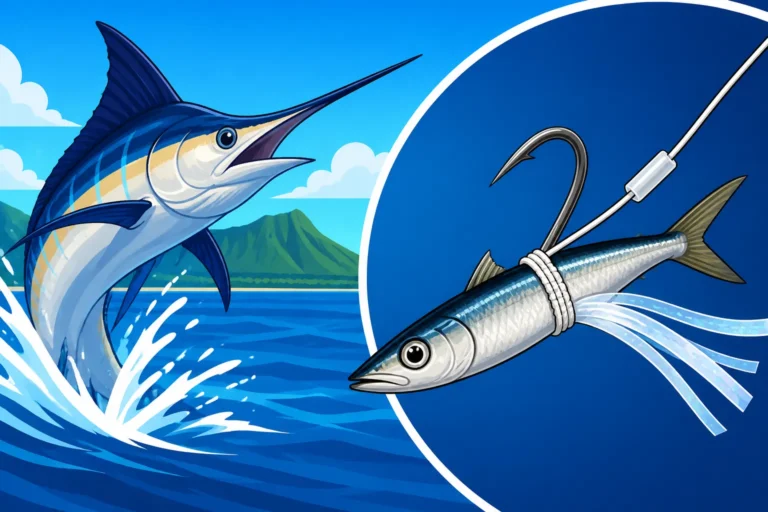
When people talk about the "best months" for marlin off Kona, they are almost certainly referring to the period spanning June, July, and August. These three months represent the absolute peak of the blue marlin season. During this time, the waters off the Kona Coast are practically teeming with these magnificent creatures, from smaller "schoolie" blues to truly gargantuan "grander" fish that push the scales past the 1,000-pound mark. The chances of encountering multiple blue marlin in a single day, or connecting with a true beast, are significantly higher during this period.
It's not uncommon for top Kona charters to report multiple blue marlin hookups in a day, especially during the height of summer. The consistent presence of these fish means that even if one bite doesn't stick, another is often just around the corner. Many legendary catches, including state and world records, have come from Kona's waters during these prime summer months. If you're planning a trip with the singular goal of catching a blue marlin, this is the window you want to target. Just remember that with peak season comes higher demand for charters, so booking well in advance is crucial. You'll want to secure one of the Best Marlin Charters off the Kona Coast early.
Why Summer is So Productive for Blue Marlin
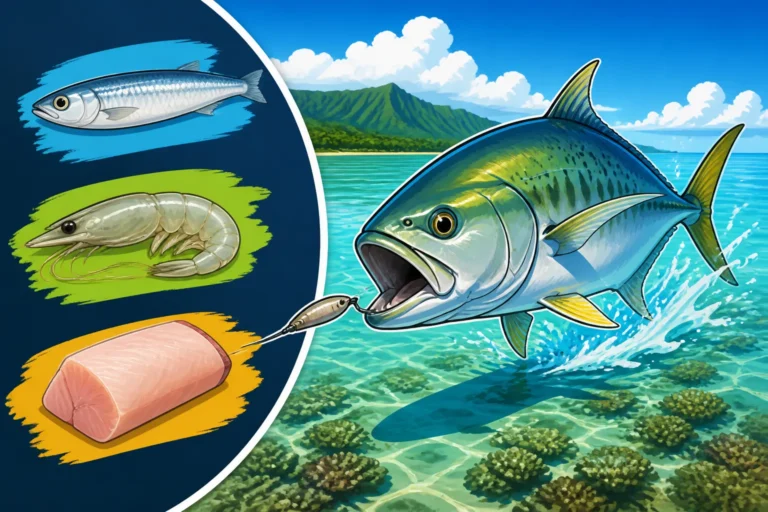
Several critical factors converge during the summer months to create this blue marlin paradise. Firstly, the water temperatures are ideal. Blue marlin prefer warmer waters, typically in the high 70s to low 80s Fahrenheit, which are consistently present off Kona during the summer. These warmer temperatures are also conducive to the massive influx of baitfish, which is the second, and arguably most important, factor. During summer, huge schools of skipjack tuna (aku) and mackerel scad (opelu) migrate through Kona's waters. These smaller tuna and baitfish are absolute candy for blue marlin, drawing them in close to shore.
The presence of these abundant bait schools creates a perfect feeding ground. Marlin are opportunistic predators, and when there's a buffet readily available, they will be there to feast. Furthermore, consistent ocean currents often create "current lines" or temperature breaks offshore, which act as natural highways and aggregation points for baitfish, and consequently, for marlin. Experienced captains know how to read these subtle signs on the water, targeting these zones where marlin are most likely to be ambushing their prey. This combination of optimal water temperature, a huge food supply, and predictable oceanographic conditions makes summer the undisputed champion for blue marlin fishing in Kona. Learning How to Catch Marlin off the Kona Coast often involves understanding these seasonal patterns.
The Role of Striped Marlin in the Summer Mix
While summer is overwhelmingly dominated by blue marlin, it's worth noting that you can still encounter striped marlin during these warmer months, though they are generally less common than in the cooler seasons. Striped marlin are beautiful, acrobatic billfish known for their incredible jumps and tail-walking displays. They tend to prefer slightly cooler water than their blue counterparts, but a stray one or two might still be found mixed in with the summer blue marlin bite.
When they are caught during the summer, they often provide a welcome surprise and an exhilarating fight on stand-up gear. They are also excellent table fare, though many anglers choose to release them. Understanding the nuances of Blue Marlin vs Striped Marlin Identification can be helpful if you encounter both species. While not the primary target during the summer, their occasional presence adds another layer of excitement to an already thrilling season. If you're looking to target striped marlin specifically, however, other months might offer better odds, which we'll discuss shortly.
Shoulder Seasons: Expanding Your Opportunities
Beyond the blazing summer peak, Kona offers fantastic marlin fishing during its shoulder seasons. These periods, just before and after the summer rush, can provide excellent opportunities, sometimes with fewer crowds and slightly different fishing dynamics.
Spring (April, May): Transition and Early Blues
As winter gives way to spring, typically in April and May, the Kona fishery begins its transition towards the peak blue marlin season. The water temperatures start to steadily climb, signaling the approach of the larger blue marlin aggregations. While not as consistently prolific as July or August, these months can be incredibly rewarding, often producing some very large blue marlin as the first waves of migrating fish move into the area. It’s a bit like the anticipation before a big show – the stars are arriving, and they're often hungry.
During this period, you might find that the bite is a little more spread out, and perhaps not as many fish are showing up, but the quality of the fish can be exceptional. Many anglers prefer these months because they offer a good chance at a grander without the sometimes intense boat traffic of the absolute peak summer weeks. You might also find better availability for choice charters, and possibly even slightly more favorable rates. It's a fantastic time for those who appreciate the hunt and the thrill of an early-season trophy. The fishing is transitioning, and with that comes the excitement of the unknown and the potential for an unexpected monster.
Fall (September, October): Late Season Action and Mixed Bag
Once the summer crescendo of blue marlin begins to wane in late August, the fishing shifts into a productive fall period, primarily in September and October. The blue marlin are still very much present, though perhaps not in the sheer numbers seen in July. However, these months can offer an incredibly diverse mixed bag of pelagic species, making every trolling spread an adventure. You're still likely to encounter good-sized blue marlin, often with a greater chance of hooking into other highly sought-after fish.
Fall is often considered prime time for other pelagic species like ahi (yellowfin tuna), ono (wahoo), and mahimahi. These species frequently feed alongside marlin, especially around the FADs (Fish Aggregating Devices) or natural current lines. So, while you're patiently waiting for that marlin strike, you could find your spread getting hammered by a school of mahimahi or a screaming run from an ono. This can be particularly appealing for groups where not everyone is solely focused on marlin. It’s a great time to experience the full spectrum of Hawaii's offshore bounty. For those considering a trip during these months, researching Hawaii Pelagic Species Bag Limits will be useful.
Winter Fishing: The Pursuit of Giants and Stripers
While the summer months are synonymous with blue marlin, the winter season off Kona offers a different, yet equally exciting, fishing narrative. It’s a time for dedicated anglers to target specific species and potentially encounter truly colossal blue marlin.
November to March: Slower but Potential for Giants
As the calendar turns from October to November, and through the winter months up to March, the blue marlin bite typically slows down compared to the summer and shoulder seasons. You're less likely to encounter school after school of blue marlin. However, and this is a big "however," this period is famously known for producing some of the largest blue marlin of the year. It's often referred to as the "grander season" by local veterans. These are not necessarily migrating fish in large schools, but rather resident giants that patrol the deep waters off Kona, often solo or in very small numbers.
Hooking into one of these winter giants can be a true test of skill and endurance. They are often more challenging to find, requiring patient captains who know the specific deep-water ledges and seamounts where these monsters lurk. But the reward can be immense, as some of the most impressive "grander" blue marlin in Kona's history have been caught during these slower, colder months. For the angler who values the pursuit of a world-class trophy over sheer numbers, winter offers a unique and exhilarating challenge. It’s not for the faint of heart, but the potential payoff is legendary.
Focus on Striped Marlin and Spearfish
During these cooler water months (November to March), while blue marlin might be less numerous, striped marlin and shortbill spearfish become much more prevalent. These species prefer the slightly cooler water temperatures and often move closer to the inshore fishing grounds. This makes winter an excellent time to target these highly sought-after billfish. Striped marlin, with their vibrant colors and incredible aerial acrobatics, provide an unforgettable fight on lighter tackle, making them a favorite among sportfishing enthusiasts.
Shortbill spearfish are another fantastic target during the winter. These smaller, but incredibly fast and powerful billfish, are a blast to catch and are known for their distinct, shorter bills. They are often found mixed in with schools of opelu or around current lines. Many charters specifically target these species in winter, offering a different kind of billfishing experience than the heavy tackle battles for blue marlin. So, if your goal is to catch any type of billfish, and you're not solely fixated on a blue marlin grander, the winter months present a fantastic opportunity for a diverse and action-packed fishing trip. A good charter will have the right Trolling Techniques for Hawaii Pelagics to target them.
Factors Influencing Marlin Activity Beyond the Calendar
While understanding the best months provides a great baseline for planning your trip, the ocean is a dynamic environment, and marlin activity can be influenced by several other factors, sometimes overriding seasonal expectations. Ignoring these details means missing out on crucial opportunities, even during prime times.
Water Temperature and Currents
Marlin are highly sensitive to water temperature. Blue marlin, especially, prefer warmer currents, typically between 78-82°F (25-28°C). If the water is too cold, they'll simply move elsewhere. Conversely, if it's too warm, the oxygen levels can drop, making them less active. What’s more important than the absolute temperature is often the presence of temperature breaks – where two different water masses, with varying temperatures, meet. These breaks create invisible walls in the ocean, concentrating baitfish and, consequently, attracting marlin.
Oceanic currents also play a pivotal role. Kona is influenced by several complex current systems that can bring in baitfish, push them out, or create upwellings that draw nutrients and life from the deep. Savvy captains constantly monitor satellite imagery for sea surface temperature (SST) charts and current patterns. A strong current line, especially one where different water masses converge, is often a superhighway for bait and predators. These aren't just invisible lines; they can often be seen by a keen eye as a distinct color change or a debris line on the surface. Understanding these patterns is critical for knowing When Hawaii's ocean waters get too rough to shore fish and when conditions are prime offshore.
Baitfish Availability and Aggregation Points
It's a simple truth: where there's food, there will be predators. Marlin are no exception. Their movements and feeding patterns are intrinsically linked to the availability and abundance of their primary food source – baitfish. Off Kona, this primarily means large schools of skipjack tuna (aku), mackerel scad (opelu), and other smaller pelagic species. When these bait schools are present in large numbers, the marlin bite can be explosive, regardless of the calendar date.
Specific aggregation points also draw in baitfish and marlin. The FADs (Fish Aggregating Devices) deployed by the state are prime examples. These buoys act as artificial reefs, attracting baitfish which in turn attract larger predators. Natural seamounts and underwater pinnacles also serve as aggregation points. A charter captain’s local knowledge about where bait schools are currently holding, or where they've been recently spotted, is invaluable. Sometimes, the bite will be hot just a few miles offshore, while other days it might require a longer run to find the bait. The best captains are constantly scanning the horizon for bird activity, looking for schools of aku or other bait that indicate marlin are in the area. This constant hunt for bait is a key part of the How to Catch Ahi in Hawaii experience, as ahi also follow these patterns.
Moon Phases and Tides
While not as critical as water temperature or bait presence, moon phases and tides can subtly influence marlin behavior, especially closer to shore. Many experienced anglers and captains observe that marlin feeding activity can be heightened around the full and new moon phases, or during specific tidal changes. The stronger currents associated with these tidal movements can sometimes concentrate baitfish, making them easier targets for marlin.
During a full moon, the extra light can sometimes mean that baitfish are more active at night, potentially leading to marlin feeding more aggressively during the darker hours, or resting during the day. Conversely, a new moon offers complete darkness, which might change baitfish behavior in different ways. While there's no hard and fast rule that guarantees a marlin bite during a specific moon phase, it's another layer of oceanic rhythm that dedicated anglers consider. Discussing these patterns with your captain, who observes them daily, can offer deeper insights into planning your fishing strategy.
Weather Conditions
Even on the calm Kona coast, weather still plays a role. While rarely debilitating, changes in wind direction, cloud cover, and even barometric pressure can subtly affect marlin behavior. A sudden drop in barometric pressure, for instance, might sometimes trigger a feeding frenzy, while a sustained period of high pressure could lead to more lethargic fish. Kona's leeward protection usually means relatively calm seas, but strong southerly Kona winds can sometimes kick up a chop, making fishing more challenging.
Rain squalls, while common, don't typically deter marlin, but heavy runoff from storms can sometimes push debris and cooler, murkier water offshore. Generally, calm, sunny days with a light breeze are ideal for spotting surface activity and for comfortable trolling. The key is that seasoned captains are constantly monitoring weather forecasts and adapting their strategies. They might adjust their trolling speed, lure patterns, or fishing locations based on the day's conditions, ensuring you still have the best possible chance at success.
Choosing a Charter and Preparing for Your Trip
Once you've zeroed in on the best months for your marlin quest, the next crucial steps involve selecting the right charter and ensuring you're fully prepared for your Hawaiian fishing adventure. Kona offers a wide array of options, and a little forethought can make all the difference.
Booking During Peak vs. Shoulder Seasons
When you're looking to book a charter, the time of year you choose will significantly impact availability and, potentially, cost. If you're aiming for the absolute peak blue marlin season (June-August), be prepared to book your charter well in advance – often 6-12 months out, especially if you have specific dates or a particular boat in mind. The most popular and reputable charters get booked up quickly during these prime months. You can browse various options among the Best Fishing Charters in Hawaii.
Booking during the shoulder seasons (April-May or September-October) or even in the winter can offer more flexibility. You might have an easier time securing your preferred charter, potentially finding better rates, and dealing with slightly less crowded docks and fishing grounds. While the blue marlin bite might not be as consistently red-hot as in summer, the opportunities for trophy fish are still very real, and the overall experience can be more relaxed. Consider your priorities: if maximizing your chances for a grander blue marlin is paramount, plan far ahead for summer. If you value flexibility, a slightly less intense atmosphere, and a chance at a diverse catch, the shoulder seasons are fantastic.
Essential Gear and Preparation
Most reputable Kona fishing charters will provide all the necessary fishing gear, including rods, reels, lures, and bait. You won't typically need to bring your own heavy tackle unless you have a very specific, high-end setup you prefer and have cleared it with the captain beforehand. However, there are still essential items you should bring to ensure your comfort and safety throughout the day. Sun protection is non-negotiable: a wide-brimmed hat, polarized sunglasses (crucial for spotting fish and bait), and high SPF sunscreen are a must. The Hawaiian sun is intense, even on cloudy days. You can easily find quality options for these on Amazon if you're shopping before your trip.
Consider bringing layers of clothing; it can be cool in the early morning and late evening, but sweltering hot midday. A lightweight, long-sleeved fishing shirt made from technical fabric is perfect for sun protection and staying cool. Comfortable, non-slip deck shoes are also important. Staying hydrated is key, so bring plenty of water. While many charters offer drinks, having your own supply of water and snacks is always a good idea. For those prone to seasickness, taking preventative medication the night before and again in the morning of your trip is highly recommended. Many helpful fishing accessories and organizational items for your tackle bag can also be found on Amazon.
Understanding Catch and Release
Hawaii, particularly Kona, has a strong tradition of catch and release for many of its game fish, especially marlin. While there are legal bag limits for certain species, many anglers choose to release marlin, especially blue marlin, due to their incredible sporting value and the desire to conserve the population. Discuss your intentions with your charter captain before you even head out. Some boats are primarily catch-and-release focused, while others are more geared towards harvesting fish for consumption (if regulations allow).
If you do intend to release a marlin, understanding proper handling techniques is crucial for the fish's survival. Your captain and crew are experts in this and will guide you through the process, minimizing stress on the fish. This usually involves quickly getting the fish boat-side, taking a quick photo if desired, and releasing it cleanly without bringing it into the boat. For those truly passionate about the sport, the thrill of the fight and a successful release is often more rewarding than a fish on the dock. Learning about Marlin Catch and Release Survival Tips can further enhance your appreciation for this conservation-minded approach.
Monthly Marlin & Billfish Overview for Kona
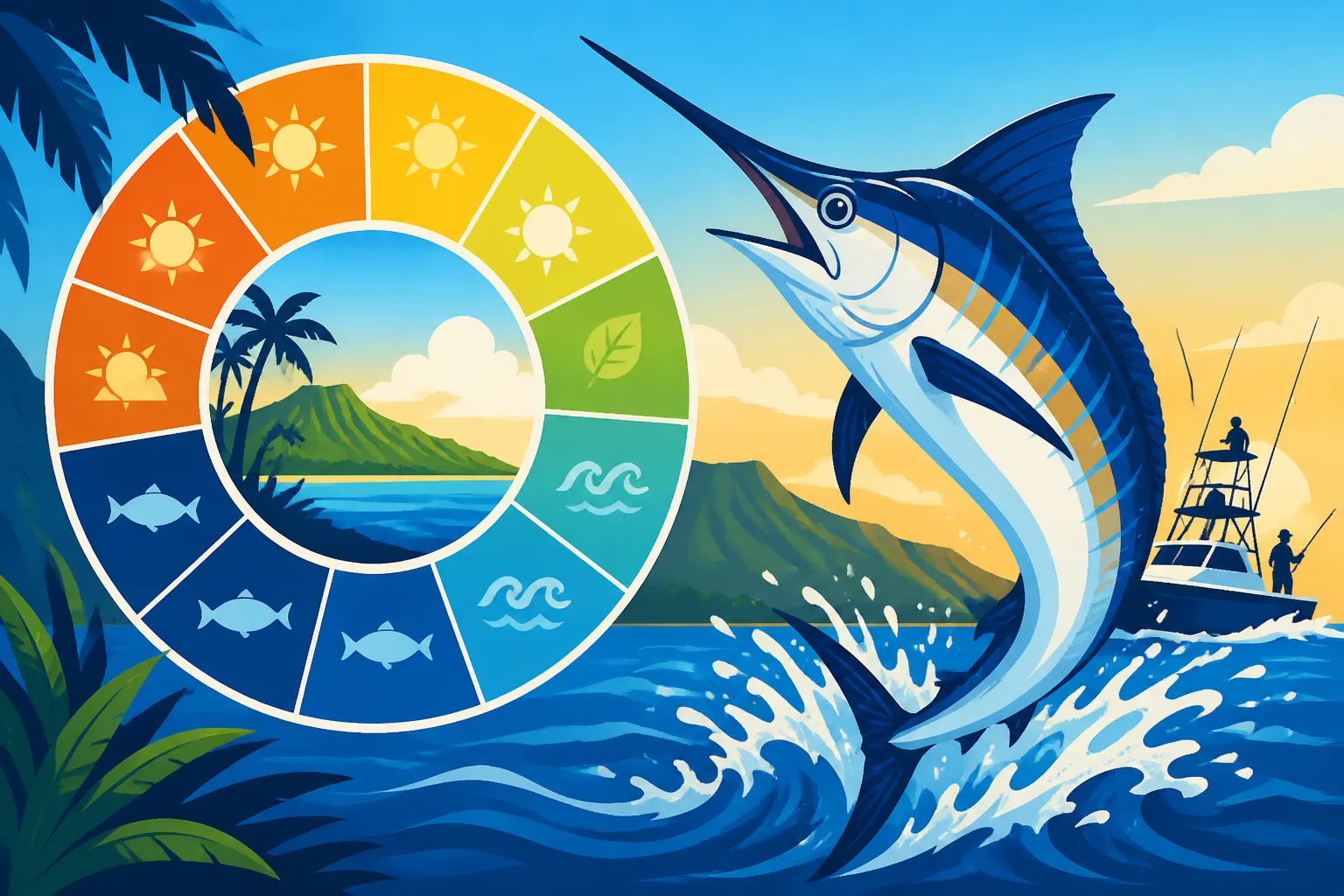
To help you visualize the best times, here's a general overview of marlin and other billfish activity off the Kona Coast by month. This table provides a snapshot of what you might expect, but remember that nature is unpredictable, and every day on the water is an adventure!
| Month | Primary Target Species | Key Characteristics |
|---|---|---|
| January | Striped Marlin, Spearfish, Blue Marlin (Grander Potential) | Cooler water, focus on stripers and spearfish, but a chance for very large blue marlin (though fewer in number). |
| February | Striped Marlin, Spearfish, Blue Marlin (Grander Potential) | Similar to January, excellent for light-tackle billfishing, continued pursuit of trophy blue marlin. |
| March | Striped Marlin, Spearfish, Blue Marlin (Grander Potential) | Transition month, still strong for stripers and spearfish, blue marlin numbers slowly increasing, good chance at a giant. |
| April | Blue Marlin (Early Season), Striped Marlin, Ahi | Water warming, early blue marlin bite starting to pick up, good mixed bag with ahi and still some stripers. |
| May | Blue Marlin (Increasing Numbers), Ahi, Mahimahi | Strong blue marlin presence, numbers steadily climbing, excellent mixed bag fishing. |
| June | Blue Marlin (Peak Season), Ahi, Mahimahi | Absolute Peak for Blue Marlin! Consistent action, high numbers, excellent chance at large fish. Strong for ahi and mahimahi. |
| July | Blue Marlin (Peak Season), Ahi, Mahimahi | Absolute Peak for Blue Marlin! Continued prolific bite, fantastic for numbers and size. Excellent for other pelagics. |
| August | Blue Marlin (Peak Season), Ahi, Ono, Mahimahi | Absolute Peak for Blue Marlin! Continues hot, often considered the best month for "grander" blues. Great mixed bag. |
| September | Blue Marlin (Late Season), Ono, Ahi, Mahimahi | Blue marlin still very present but numbers may begin to taper. Excellent for ono and other pelagics. |
| October | Blue Marlin (Late Season), Ono, Mahimahi, Spearfish | Blue marlin still catchable, great for a mixed bag with ono, mahimahi, and increasing spearfish. |
| November | Striped Marlin, Spearfish, Blue Marlin (Grander Potential) | Water cooling, blue marlin numbers decreasing, but big ones still around. Strong for stripers and spearfish. |
| December | Striped Marlin, Spearfish, Blue Marlin (Grander Potential) | Similar to November, good for winter billfish, targeting the occasional massive blue marlin. |
Disclaimer
The information provided in this guide is for general informational purposes only and should not be considered legal advice. Fishing regulations, license requirements, and best practices can change. Always consult the most current regulations from the Hawaii Department of Land and Natural Resources (DLNR) Division of Aquatic Resources (DAR) before fishing. This content is not a substitute for professional guidance from experienced fishing charter captains or guides.