Best technique for surf fishing at dawn
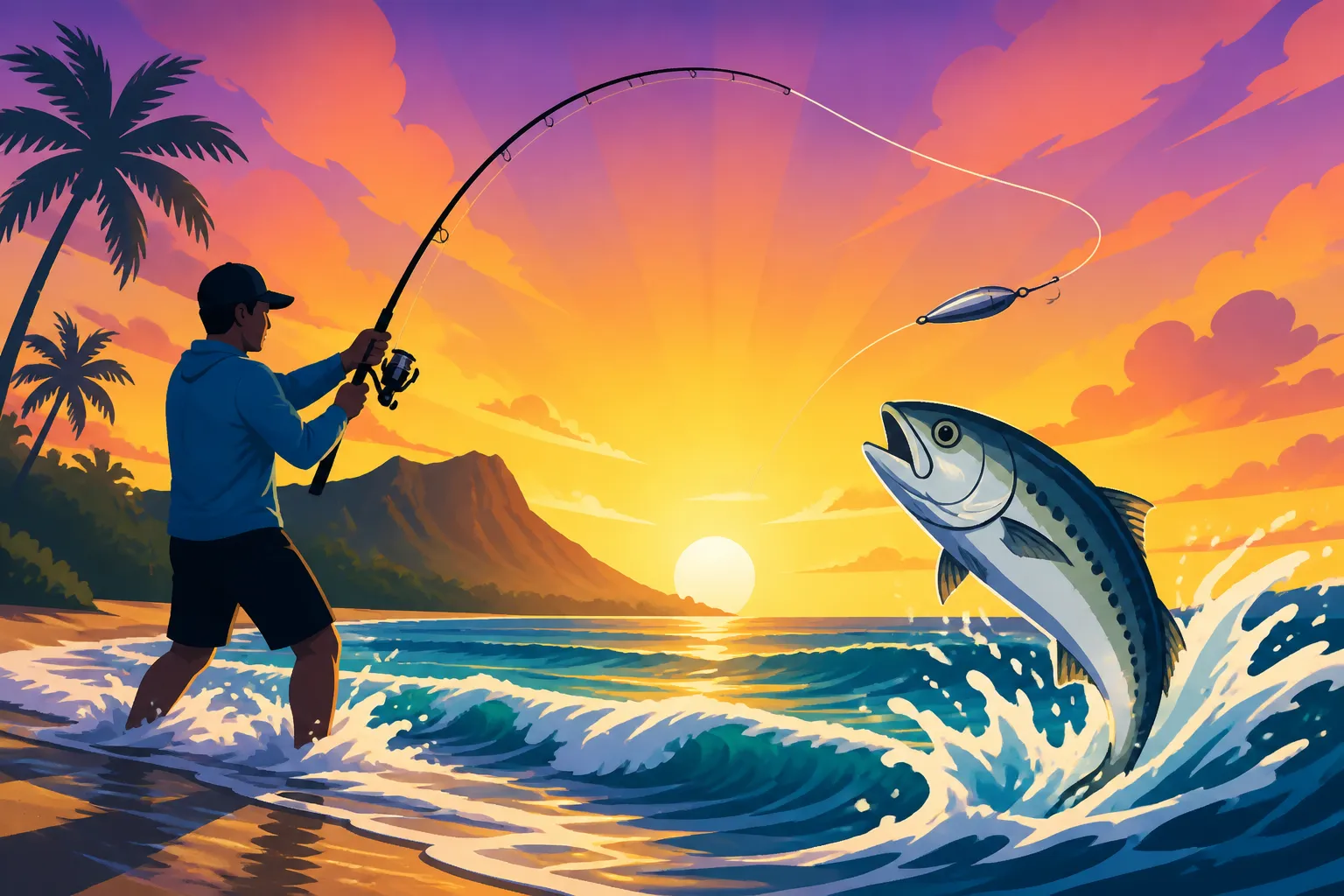
There's nothing quite like the feeling of watching the first streaks of dawn paint the Hawaiian sky, especially when you're standing on the shoreline with a fishing rod in hand. Many anglers feel a deep frustration when they arrive at their favorite spot before sunrise, full of hope, only to find the fish seemingly asleep or their efforts fruitless in the fading dark. This guide is all about honing in on the best techniques for surf fishing at dawn in Hawaii, helping you turn those early morning frustrations into triumphant catches and unforgettable experiences as the island awakens.
Understanding the Dawn Advantage in Hawaii Surf Fishing
The magic of dawn isn't just about the stunning views; it's a prime feeding window for many of Hawaii's prized surf fish. As the world transitions from the quiet of night to the hustle of day, a subtle shift in the underwater environment creates opportunities that knowledgeable anglers can exploit.
Why Fish Are More Active at First Light
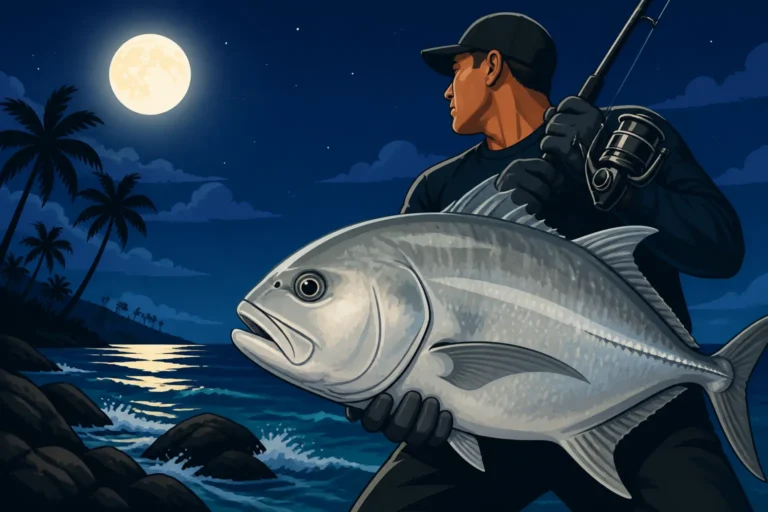
Think about it from a fish's perspective. The deep dark of night provides cover for some predators, but as the first light appears, it creates a "twilight zone" where light levels are just enough for visual predators to see their prey without being fully exposed themselves. This low-light condition is often when larger predatory fish, like ulua (giant trevally) and papio (smaller trevally), become particularly active, cruising the shallow surf zones in search of an easy meal. Baitfish, too, are often moving more freely, perhaps emerging from deeper water or reef crevices, which in turn draws in the bigger hunters.
Moreover, the water temperature might be slightly cooler and more stable at dawn compared to the heat of the midday sun, making the environment more comfortable for many species. This period also frequently coincides with significant tide changes, which can stir up the bottom, dislodging crabs, worms, and other small critters that become easy pickings. It's a confluence of factors – light, temperature, and current – that makes the dawn hours an undeniable magnet for feeding activity.
Reading the Hawaiian Surf and Tides at Dawn
Being able to "read the water" is a skill that comes with time, but it's absolutely crucial for dawn surf fishing in Hawaii. The subtle nuances of the ocean, especially as light begins to filter through, can tell you exactly where the fish are likely to be holding or feeding. You're looking for areas that create natural ambush points or concentrate bait.
Look for rip currents, which are channels of water flowing away from the shore. These can be prime feeding highways as they pull baitfish, dislodged crustaceans, and other food sources out to sea, and larger fish will lie in wait at the edges of these currents. Also, pay attention to darker patches in the water, which often indicate deeper channels or rocky outcrops where fish can hide. A light swell can be your friend, providing cover for fish to move closer to shore without being easily seen. On the other hand, a super flat, glassy ocean, while beautiful, sometimes means the fish are holding deeper or are more skittish.
Tides also play a huge role. For many species, an incoming tide, especially around high tide, is excellent because it brings in cooler, oxygenated water and often pushes bait closer to shore. However, a falling tide can also be productive, particularly if it exposes reef flats or draws water out of hidden pockets, flushing out prey. Understanding the local tide charts and how they interact with specific spots is key. Always check the tide forecast for your chosen location, as Hawaii Fishing Seasons by Month can vary widely even between nearby beaches.
Essential Gear and Setup for Dawn Surf Fishing
Having the right gear is non-negotiable for successful surf fishing, especially when you're fumbling around in the pre-dawn gloom. You don't want to be untangling knots or searching for a lost hook when the bite window is wide open.
Rod, Reel, and Line Selection for Hawaiian Shores
For serious surf fishing in Hawaii, especially if you're targeting ulua, you'll want heavy-duty gear. A long, sturdy surf rod, typically 10 to 14 feet, will give you the casting distance needed to reach beyond the shore break to deeper channels or reef edges. Pair this with a robust spinning reel or a conventional casting reel, capable of holding a significant amount of line, usually 50 to 80 lb braided line, topped with a heavy monofilament or fluorocarbon leader. This setup gives you the power to cast heavy weights and baits, and the backbone to fight a powerful fish like a giant trevally. Many anglers find reliable gear for these conditions on Amazon.
If you're primarily targeting smaller papio, moi, or weke closer to shore, you can scale down to a medium-heavy spinning setup, perhaps an 8 to 10-foot rod with a 30 to 40 lb braided line. This lighter tackle allows for more finesse and is still strong enough for most inshore species. The key is durability; saltwater and sand are brutal on equipment, so invest in quality gear designed for harsh marine environments.
The Best Baits and Lures for First Light
What you throw out there at dawn can make all the difference. Fish are hungry and less cautious.
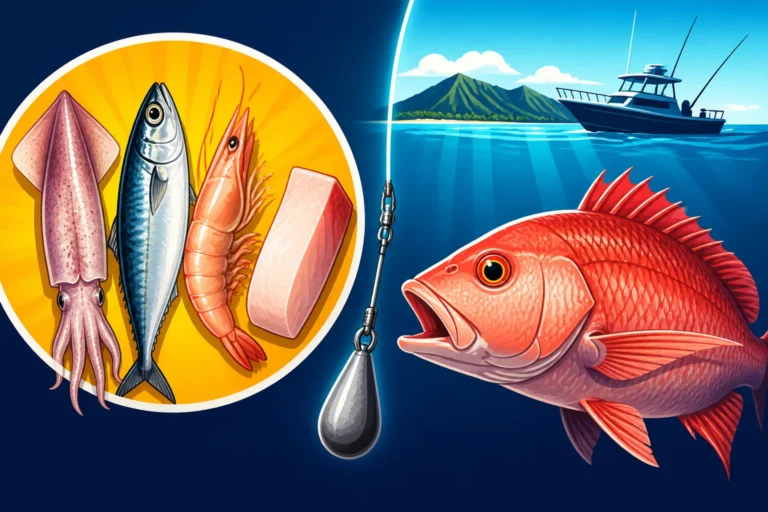
For natural baits, live or fresh dead bait is often king. Crabs, especially ghost crabs or small Samoan crabs, are irresistible to ulua and can be found scurrying on the beach at night. Fresh opelu (mackerel scad), squid, or small akule (bigeye scad) are also excellent choices, either fished whole or as chunks. If you're targeting moi, fresh shrimp or small pieces of opihi meat can be incredibly effective.
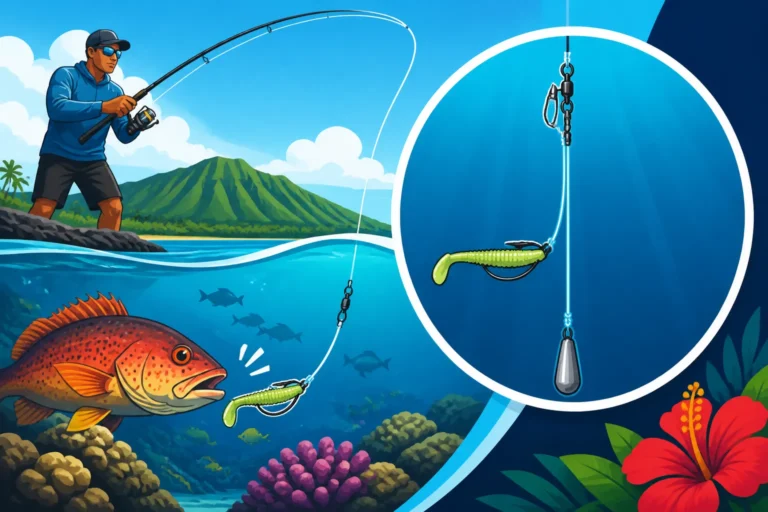
When it comes to artificial lures, poppers and stickbaits that mimic a struggling baitfish on the surface are fantastic for papio and smaller ulua during the low light conditions of dawn. Fish often key in on surface disturbances as the light levels are still too low for them to be too discerning. Soft plastic swimbaits or grubs in natural colors can also entice bites, particularly if retrieved slowly along the bottom or through the wash. For specific insights into targeting these powerful fish, check out How to Catch Ulua from Shore and How to Catch Papio on Hawaii's Shoreline.
Preparing Your Tackle the Night Before
This is a step many forget, and it can truly make or break your dawn fishing experience. Fumbling with knots, rigging, or searching for the right hook in the dark is frustrating and wastes precious fishing time.
Before you even leave the house, lay out all your gear. Tie your terminal tackle – leaders, hooks, weights, and swivels – onto your main line. Have multiple rigs pre-tied and ready to go in a tackle box. Organize your baits in an easily accessible cooler. Charge your headlamp batteries, and make sure you have spare batteries. Pack water, snacks, and any necessary layers of clothing. Think about what you'll need the moment you step onto the beach and have it ready. A good waterproof headlamp, which you can often find a great selection of on Amazon, is an absolute game-changer for these early mornings.
Dawn Surf Fishing Techniques for Success
Beyond the gear, it's about how you present your offering and adapt to the conditions that will lead to success. The silence and low visibility of dawn demand a specific approach.
Mastering the Cast in Low Light Conditions
Casting accurately in the dark or near-dark requires practice and familiarity with your chosen spot. You won't have the benefit of clear visual cues, so relying on memory and feel is essential. Before dawn, try to scout your location in daylight, identifying key features like channels, rocks, or submerged structures. Mark these in your mind or even with a GPS on your phone if allowed.
When casting, focus on a smooth, controlled motion. Avoid overly powerful, jerky casts that can lead to tangles or lost bait in the dark. If you're using a sliding bait rig for ulua, practice getting the bait out cleanly. For poppers or stickbaits, aim for areas where you suspect fish might be lurking, such as the edges of deeper water or near any visible structure. Remember, many of Best Shore Fishing Spots in Hawaii are popular for a reason, but finding your own lesser-known honey holes adds to the adventure.
Strategic Bait Placement and Presentation
Getting your bait or lure into the prime feeding zone is critical. For heavy bait rigs, you want to cast far enough to reach the second or third sandbar, or into a known channel. Let the bait settle, and then wait. Ulua often pick up baits and move with them before committing to a full take. Don't set the hook at the first tap; wait for the rod to double over or the line to peel steadily. This is where Sliding Bait Techniques for Ulua really shines, allowing the fish to take the bait naturally.
For lure fishing, particularly with topwater plugs, cast out and begin your retrieve immediately. The erratic, splashing action of a popper or the side-to-side wobble of a stickbait can mimic a struggling baitfish, drawing aggressive strikes from papio and ulua. Experiment with retrieve speeds and pauses. Sometimes a fast, continuous retrieve is best, while other times a "walk-the-dog" retrieve with plenty of pauses can be more effective. The low light of dawn is excellent for topwater because fish are less able to scrutinize the lure.
Patience, Observation, and Adaptation
Dawn fishing can be feast or famine. Sometimes the bite is on from the moment your bait hits the water; other times, you might wait for an hour before the first tap. Patience is paramount. Bring a comfortable chair, a thermos of coffee, and enjoy the tranquility.
While waiting, pay close attention to your surroundings. Look for subtle signs of fish activity – splashes, baitfish jumping, or birds diving. These can indicate a feeding frenzy you need to get in on. Observe how the light changes, how the tide is moving, and how other anglers (if any) are doing. If your initial setup isn't working after a reasonable amount of time, don't be afraid to change tactics. Try a different bait, switch to a lure, or even move to a slightly different spot on the beach. What works one morning might not work the next, so staying flexible is part of the challenge and fun of Hawaiian surf fishing.
Safety and Etiquette for Early Morning Anglers
Dawn fishing is often peaceful and solitary, but it comes with its own set of responsibilities, both for your safety and for the well-being of the environment and fellow beach-goers.
Navigating Dark Beaches Safely
Walking onto an unfamiliar beach in the pre-dawn darkness can be hazardous. Sharp lava rocks, uneven sand, incoming waves, and slippery surfaces are all potential dangers. Always use a reliable headlamp to illuminate your path. Waterproof models, easily found on Amazon, are ideal for coastal environments. Walk slowly, paying attention to where you step. Inform someone of your fishing plans and expected return time, especially if you're venturing to a remote location. Knowing the Hawaii Boating Laws for Anglers is important for any fishing trip, but simple safety rules apply to all forms of fishing, including from shore. If there's a significant swell, consider if Best Techniques for High Surf Shore Fishing are appropriate, or if it's safer to postpone your trip.
Be mindful of the ocean itself. Rogue waves can surprise you, even on calm days. Never turn your back completely on the ocean, and always be aware of the tide's movement, especially if you're fishing on a point or an area that can become cut off at high tide.
Respecting the Environment and Other Anglers
Hawaii's natural beauty is a treasure, and as anglers, it's our kuleana (responsibility) to protect it. Always practice "leave no trace." Pack out everything you pack in, including fishing line, bait containers, and any other trash. Fishing line, in particular, can be deadly to marine life.
If other anglers are already present, give them ample space. Nothing is more frustrating than having someone cast too close to your lines or crowd your spot. A simple "Aloha" and respectful distance go a long way in fostering a positive fishing community. Be aware of Hawaii Fishing Regulations Explained and observe all posted signs, especially in designated conservation districts or areas with cultural significance.
Handling Your Catch
Responsible catch handling is a crucial part of being an ethical angler. If you plan to keep fish, know the Hawaii Bag and Size Limits by Species for your target species before you go. Having a tape measure and a cooler with ice ready is essential for keeping your catch fresh and within legal limits. For fish you intend to release, minimize handling time, use wet hands to protect their slime coat, and revive them gently if needed before letting them go.
Table: Common Dawn Target Species and Preferred Tactics
| Species | Primary Dawn Location | Preferred Bait/Lure | Retrieval/Presentation | Key Characteristic |
|---|---|---|---|---|
| Ulua (Giant Trevally) | Deeper channels, rip current edges, rocky points | Whole crab (live/fresh dead), opelu, squid | Sliding bait rig, heavy bottom rig; large poppers/stickbaits | Powerful, aggressive, often cruises edges |
| Papio (Smaller Trevally) | Shallow reefs, sand pockets, close to shore breaks | Shrimp, small fish, limu; small poppers, grubs, spoons | Light bottom rig, whipping with lures; erratic retrieve | Abundant, visual hunters, schooling behavior |
| Moi (Pacific Threadfin) | Sandy beaches with moderate surf, near structures | Sand crabs, shrimp, small limu pieces | Light bottom rig; slow retrieve of small jigs | Schooling, sensitive to light, often close to shore |
| Awa (Milkfish) | Calm, shallow sandy areas, estuaries | Limu, bread, small flies | Float fishing with small baits; sight casting | Herbivorous, skittish, surface feeders |
| Weke (Goatfish) | Reef flats, sandy patches near reef | Worms, shrimp pieces, small crabs | Light bottom rig; slow bounce on bottom | Bottom feeders, often in schools, barbels to detect food |
This table provides a quick overview, but remember, fish behavior can be unpredictable. Always be ready to adapt!
Disclaimer
This article is for general informational purposes only and does not constitute professional advice. Laws, prices and regulations vary by location and change over time. Consult a qualified professional for guidance on your specific situation.