Best Techniques for Kumu on Reef Flats
It's a common frustration when you’re out on Hawaii's gorgeous reef flats, scanning the clear water for signs of life, only to find yourself struggling to hook those notoriously shy kumu. These goatfish are not only beautiful with their vibrant colors but also incredibly delicious, making them a highly sought-after catch. This comprehensive guide is here to unravel the mysteries of targeting kumu, offering practical techniques, gear advice, and local insights to help you successfully land these elusive reef dwellers.
Understanding Kumu and Their Reef Flat Homes
Before you even cast a line, truly understanding the kumu—their habits, preferences, and where they like to hang out—is your first step to success. These aren't your typical aggressive predators; they're subtle, bottom-dwelling feeders that require a nuanced approach.
Kumu Identification and Behavior
Kumu, also known as whitesaddle goatfish, are easily recognized by their striking pinkish-red bodies and two prominent barbels (whisker-like appendages) under their chins. These barbels are not just for show; they're highly sensitive chemosensory organs that kumu use to forage for food along the seabed, much like a metal detector. They're constantly sifting through sand and rubble, probing crevices for small invertebrates like crabs, shrimp, worms, and tiny fish.
You'll often spot kumu, especially the larger ones, cruising solo or in small schools over sandy patches adjacent to reef structures. Younger kumu might be found in larger groups. They're primarily diurnal, meaning they feed during the day, making them excellent targets for daytime anglers. However, they can be quite skittish, easily spooked by sudden movements or loud noises, so a stealthy approach is crucial. Knowing more about specific species like these can truly elevate your game, and you can learn more about them in our guide to Kumu Goatfish in Hawaii.
Why Reef Flats Attract Kumu
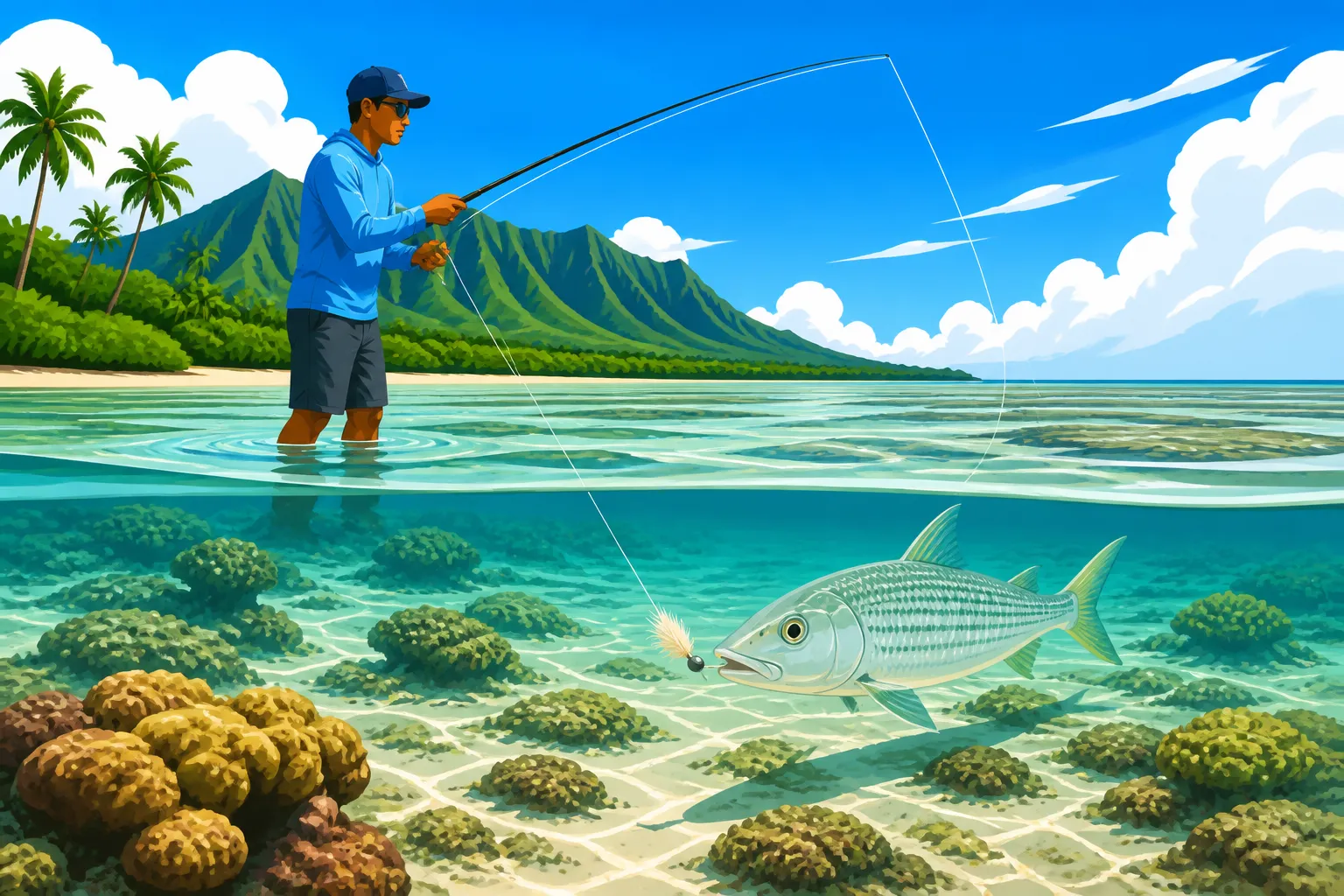
Reef flats are the ultimate kumu playground. These shallow, diverse ecosystems offer everything a kumu needs: shelter, food, and relatively calm waters. The mosaic of sandy patches, coral heads, and rocky outcrops creates a smorgasbord of invertebrate life. Kumu will patrol these areas, using their barbels to dig up hidden treats.
The edges of the reef, where the flat transitions to deeper water or a channel, are particularly productive. These transition zones act as natural highways for baitfish and a buffet line for kumu. During tidal changes, the currents can sweep food across these flats, further concentrating kumu in these rich feeding grounds. Understanding these subtle features of the reef is key to identifying prime hunting spots. Take some time to observe the water before you cast; look for darker patches indicating coral or rocks, and lighter areas for sand, keeping in mind how the fish might move between these environments. You can also explore our article on Best Reef Fishing Spots in Hawaii for specific locations.
Essential Gear for Kumu Fishing on the Flats
Having the right tackle can make all the difference when pursuing kumu. Forget heavy-duty offshore gear; kumu fishing on the flats calls for a lighter, more sensitive setup that allows you to feel their subtle bites and navigate the reef structure.
Rods, Reels, and Line Selection
For kumu, you'll want a light to medium-light spinning rod, typically 7 to 9 feet long. This length provides good casting distance to reach beyond the immediate shoreline while still offering enough control to fight fish around coral. Look for a rod with a sensitive tip, as kumu bites can be incredibly soft, often feeling like nothing more than a slight tap. A good example might be a 7'6" medium-light rod with a fast action tip, allowing for quick hooksets.
Pair your rod with a lightweight spinning reel in the 2500 to 3000 size range. The reel should have a smooth drag system, which is essential for preventing break-offs when a kumu makes a sudden run into the reef. Spool your reel with 10 to 15-pound braided line. Braid offers superior sensitivity and minimal stretch, transmitting even the lightest bite directly to your hands. Its thin diameter also allows for longer casts. If you're wondering about the best options, you can find a wide selection of quality fishing gear on platforms like Amazon, offering brands that cater to light tackle enthusiasts.
Hook, Leader, and Sinker Choices
When it comes to hooks, small, sharp, and strong are the keywords. Kumu have relatively small mouths, so a size 2 to 4 octopus hook or circle hook is generally ideal. Circle hooks are particularly effective for kumu as they tend to hook the fish in the corner of the mouth, reducing gut-hooking and improving release survival if you're practicing catch-and-release.
Your leader material is critical. Kumu often feed in areas with abrasive coral and rock, so a fluorocarbon leader is a must. Fluorocarbon is nearly invisible underwater and highly abrasion-resistant. Use a 15 to 20-pound fluorocarbon leader, about 2 to 3 feet long. Connect it to your main braided line using a strong knot like an FG knot or a double uni knot. The extra bit of strength from a robust leader, like those found from brands available on Amazon, can be a game-changer when fishing around sharp reef. For sinkers, light weights are paramount. You want your bait to drift naturally with the current, mimicking free-floating food. Use a small split shot or an egg sinker ranging from 1/8 to 1/2 ounce, just heavy enough to keep your bait near the bottom without anchoring it in one spot. Avoid heavy sinkers that create a large splash or drag excessively. You can find more comprehensive advice on selecting the right line and leader in our guide to Best Leader Material for Reef Structure.
Here's a quick reference table for your gear:
| Gear Type | Recommendation | Details |
|---|---|---|
| Rod | Light to Medium-Light Spinning Rod | 7-9 ft, sensitive tip, fast action |
| Reel | Spinning Reel (2500-3000 size) | Smooth drag, lightweight |
| Main Line | Braided Line | 10-15 lb test, high sensitivity, low stretch |
| Leader | Fluorocarbon Leader | 15-20 lb test, 2-3 ft length, abrasion-resistant, nearly invisible |
| Hooks | Octopus or Circle Hooks | Size 2-4, sharp, strong, reduce gut-hooking |
| Sinkers | Split Shot or Egg Sinker | 1/8 – 1/2 oz, just enough to get bait down, allow natural drift |
Mastering Bait and Lure Presentations
Kumu are not picky eaters, but they are finicky about how their food is presented. A natural, subtle presentation is far more effective than an aggressive, attention-grabbing one.
Top Natural Baits for Kumu
When it comes to bait, fresh is always best. Kumu have an excellent sense of smell and taste, honed by their barbels. Here are some of the most effective natural baits:
- Shrimp: Fresh, peeled shrimp (store-bought or live if you can get them) are irresistible to kumu. Cut them into small, bite-sized pieces that fit comfortably on your hook. The scent trail they leave is a major attractant.
- Squid: Like shrimp, fresh squid cut into small strips or chunks works wonders. It's tough enough to stay on the hook well, even with repeated nibbles.
- Small Crabs: If you can catch tiny reef crabs, they are a natural part of the kumu diet. Present them whole or broken into pieces, depending on their size.
- Opihi (Limpet) Meat: This local delicacy for humans is also a favorite for kumu. The tough, flavorful meat can be very effective when other baits fail. Just make sure you're aware of Hawaii Opihi Harvest Limits and Size Rules if you plan on gathering your own.
- Chunk Bait (Small Fish): Small pieces of fresh reef fish like akule, opelu, or even leftover fillets can be effective. Again, keep the pieces small and present them naturally.
The key is to use enough bait to attract them, but not so much that they can strip it off the hook without getting a taste of the steel. Small, potent pieces are generally better.
Effective Artificial Lures and Techniques
While natural baits are often king for kumu, certain artificial lures can also be productive, especially when you want to cover more ground or don't have access to fresh bait.
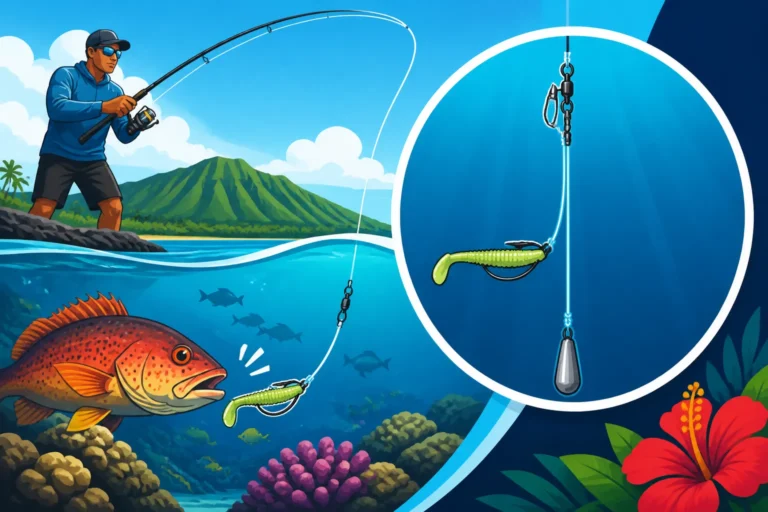
- Soft Plastics: Small, worm- or grub-shaped soft plastics, especially in natural colors like brown, green, or clear with glitter, can imitate the invertebrates kumu feed on. Rig them on a light jig head (1/16 to 1/8 ounce) and work them slowly along the bottom with short twitches and pauses. The goal is to make it look like a crab or shrimp scuttling along.
- Small Jigs: Tiny metal jigs or bucktail jigs can also entice a strike. Cast them out, let them sink to the bottom, and then retrieve with a slow, erratic retrieve, occasionally lifting and dropping the rod tip to mimic a wounded baitfish or scuttling crustacean. Again, natural colors are usually best.
- Whipping: This technique involves casting out a small lure or bait with a weighted leader and retrieving it quickly across the surface or just below. While more commonly associated with papio, smaller kumu can sometimes be fooled by a fast-moving presentation, especially if they are actively feeding. You can find more details on this technique in our guide to Best Techniques for Whipping for Papio.
Regardless of whether you're using bait or lures, a slow, patient approach is crucial. Kumu are bottom feeders, so you need your offering to be right in their strike zone, presented as naturally as possible.
Chumming Strategies for Kumu
Chumming can be an incredibly effective way to attract kumu, especially on larger reef flats where they might be spread out. The idea is to create a scent trail that draws them in and keeps them interested without overfeeding them.
- Finely Ground Bait: The best chum consists of finely ground fish scraps, mashed up shrimp, or even leftover bread mixed with a bit of fish oil. The particles should be small enough to drift with the current and create a cloud, but not so large that the fish fill up on the chum instead of your bait.
- Controlled Release: Don't just dump a bucket of chum. Use a chum bag or slowly disperse small handfuls every few minutes. The goal is a steady, enticing stream. If you're fishing from a boat or kayak, position yourself upcurrent from your target fishing spot, allowing the chum to drift over the area you want to fish.
- Observe and Adjust: Watch how the kumu react to your chum. If they're coming in aggressively, you might reduce the amount to keep them hungry. If they're hesitant, a slightly larger initial "burst" might pique their interest. Remember, the goal of chumming is to attract them, not feed them their entire meal.
A subtle chumming approach, combined with a natural bait presentation, can significantly increase your chances of hooking kumu, especially if you're struggling to find them initially.
Shoreline Strategies for Approaching Kumu Flats
Fishing reef flats from shore means you need to be smart about how you approach, read the water, and cast. These aren't open beaches; they're dynamic, often intricate environments that demand respect and careful planning.
Reading the Reef and Tides
Successfully fishing for kumu from shore starts with understanding the reef flat itself. Before you even get your gear ready, take a few minutes to observe the area, especially at low tide if possible. Look for:
- Sandy Channels and Pockets: Kumu will patrol these areas between coral heads. These are prime spots to cast your bait, as it provides a clear path for your offering without immediately snagging.
- Transition Zones: The edges where the shallow flat meets deeper water, or where a channel opens up to the open ocean, are excellent feeding grounds. Current flows here often concentrate baitfish and invertebrates.
- Potholes and Depressions: Subtle depressions in the reef can hold a surprising number of kumu, especially during higher tides.
- Structure: While kumu don't necessarily live in the dense coral, they will be near it for cover and food. Casting to the edges of large coral bommies or rock formations can be very productive.
Tides play a huge role. Kumu fishing is often best during the incoming and outgoing tides, especially around sunrise or sunset. The moving water stirs up food and brings kumu onto the flats to feed. Slack tide can be slower, as the lack of current means less food movement. Pay attention to tide charts for your specific location; the Department of Land and Natural Resources (DLNR) website or local fishing apps can be incredibly helpful for this. Our guide on Hawaii Fishing Seasons by Month also provides general advice on optimal conditions.
Stealth and Casting Techniques
Kumu are notoriously wary. A heavy-footed approach or a loud splash can send them scattering.
- Move Slowly and Quietly: Approach the shoreline slowly. Avoid stomping or making sudden movements that create vibrations in the water. If you're wading, shuffle your feet rather than lifting them high, which can disturb the bottom.
- Low Profile: Keep your silhouette low, especially in clear, calm conditions. Kumu have good eyesight, and they've evolved to avoid predators from above.
- Accurate, Soft Casts: You don't need to cast a mile, but you do need to be accurate. Aim for those sandy pockets, channels, or just beyond the edges of reef structure. A soft, lobbed cast is often better than a powerful, splashing one, as it reduces the disturbance to the water.
- Fan Casting: If you're unsure where the kumu are holding, fan cast the area. Start by casting straight out, then progressively cast to your left and right, covering a wide arc of water. This helps you locate active feeding zones.
- Drift Presentation: Once your bait or lure is in the water, let it drift naturally with the current. Avoid overly aggressive retrieves, especially with bait. Kumu are used to sifting through the bottom, so a slow, natural presentation is key. If you're fishing near heavy structure, be prepared for snags and quickly react to prevent your line from getting wrapped.
Remember, fishing on reef flats can be challenging due to the potential for snags. Consider using a slightly heavier leader to withstand some abrasion, and be ready to break off if necessary.
Common Challenges and Troubleshooting
Even with the best techniques, kumu fishing on Hawaii's reef flats can present some unique challenges. It's not always smooth sailing, and knowing how to adapt is part of the fun (and frustration!).
Dealing with Reef Snags and Break-offs
The number one challenge when fishing reef flats for kumu is undoubtedly snags. The very environment that attracts kumu—coral, rocks, and uneven bottom—is also notorious for grabbing your line, hooks, and sinkers. It's a rite of passage for any reef angler to lose some tackle.
- Light Sinkers, Freerigging: As mentioned earlier, using light sinkers that just barely keep your bait down can help. Sometimes, even going "freeline" with no sinker at all can be effective in very shallow, calm water, allowing your bait to drift naturally. This minimizes the weight that can get wedged in crevices.
- Elevated Rod Tip: Keep your rod tip up during the retrieve. This helps lift your line and bait slightly above the immediate bottom, reducing the chances of snagging.
- "Pop and Drop" Technique: If you feel your line getting stuck, try a quick, sharp "pop" with your rod tip. This might dislodge your sinker or hook from a minor snag. If that doesn't work, don't just pull harder; often, it just buries the tackle deeper. Give some slack, let the current shift it, or try approaching from a different angle if possible (though this is difficult from shore).
- Sacrificial Tackle: Accept that you will lose tackle. It's part of the game. Using inexpensive sinkers and hooks can soften the blow. Having extra pre-tied leaders ready to go means you can quickly re-rig and get back to fishing, minimizing downtime.
- "Feel the Bottom" Approach: Develop a feel for the bottom. As you retrieve, try to discern the difference between a rock, a coral head, and a fish bite. With practice, you'll learn to anticipate snags and subtly lift your bait over obstacles.
Fussy Kumu and Changing Conditions
Sometimes, kumu just aren't biting, no matter how perfect your presentation. This can be incredibly frustrating, especially when you know they're in the area.
- Adjust Bait Size and Presentation: If they're being finicky, try downsizing your bait even further. A tiny sliver of shrimp or a smaller piece of opihi might be more appealing. Ensure your hook is completely hidden within the bait. Experiment with different drift speeds by adjusting your sinker weight slightly or even trying a freeline presentation.
- Change Lures/Baits: If one bait isn't working, switch it up. If shrimp isn't getting attention, try squid or a small crab. If soft plastics aren't working, try a tiny metal jig. Kumu can be particular on any given day.
- Target Different Structure: If the open sandy patches aren't producing, try casting closer to the edges of coral heads or into slight depressions. Sometimes a small shift in location can make all the difference. Remember, they use their barbels to detect food, so being close to the structure where food hides is key.
- Patience is Key: Kumu often feed in bursts. There might be long periods of inactivity followed by a flurry of bites. Remain patient, keep your presentation consistent, and be ready when the bite turns on.
- Observe Environmental Cues: Pay attention to subtle changes. Is the current picking up or slowing down? Is the water clarity changing? Sometimes, even a slight increase in wind can change the feeding behavior. Adapting to these real-time conditions, as discussed in our Best Time of Year to Fish in Hawaii guide, is what separates successful anglers from frustrated ones.
- Low Light Periods: While kumu are diurnal, fishing during the low light periods of dawn and dusk can sometimes be exceptionally productive, as their natural predators may be less active, making them more comfortable feeding in shallower areas.
Responsible Kumu Fishing and Regulations
As a veteran lifestyle blogger, I can't stress this enough: responsible fishing is not just a good idea; it's essential for preserving Hawaii's unique marine environment for generations to come. Kumu are a valuable part of the ecosystem and a cherished food source, so let's treat them with respect.
Size and Bag Limits
Hawaii has specific regulations in place to ensure sustainable fishing practices. For kumu, these generally include minimum size limits and daily bag limits. It's absolutely crucial to familiarize yourself with the current regulations set by the Hawaii Department of Land and Natural Resources (DLNR) Division of Aquatic Resources (DAR) before you head out. These rules can change, so always check the most up-to-date information.
As of my last check, kumu (whitesaddle goatfish) typically have a minimum size limit, often around 10 inches, and a daily bag limit per person, which could be 20 fish of any one species, but always verify this as specifics can vary. Releasing undersized kumu or any fish you don't intend to keep is vital. Make sure you have a measuring device handy and know how to properly measure your catch from the tip of the snout to the fork of the tail. Failing to adhere to these rules can result in significant fines and penalties, as detailed in our article on Hawaii Bag and Size Limits by Species.
Conservation Practices
Beyond just following the rules, adopting strong conservation practices helps ensure a healthy kumu population.
- Catch and Release Best Practices: If you're releasing fish, especially undersized ones, do so quickly and carefully. Minimize handling, use wet hands to protect their slime coat, and try to keep the fish in the water as much as possible. Barbless hooks can also make releases easier and less stressful for the fish. If a fish is deeply hooked, cut the line as close to the hook as possible rather than trying to rip the hook out, as this can cause more damage.
- Respect the Reef: When wading or moving around the flats, be mindful of the delicate coral. Avoid stepping on live coral as it can damage these slow-growing organisms. Use designated access points and try to minimize your impact on the fragile ecosystem. The reef is home to countless creatures, not just kumu.
- Leave No Trace: Pack out everything you pack in, including discarded fishing line, bait wrappers, and any other trash. Ghost fishing gear can continue to harm marine life long after you've left. Keep Hawaii beautiful by leaving the shoreline cleaner than you found it.
- Report Violations: If you witness illegal fishing activity or environmental damage, report it to the DLNR Enforcement Division. It's everyone's responsibility to protect Hawaii's natural resources.
By following these guidelines and respecting the ocean, you contribute to a sustainable future for kumu fishing and the entire Hawaiian marine environment. This isn't just about catching fish; it's about being a good steward of the 'aina and kai, the land and sea. For a broader understanding of regulations, you might also want to read our article on Hawaii Fishing Regulations Explained.
Disclaimer
Please remember that fishing regulations in Hawaii can change. Always check the latest rules and requirements from the Hawaii Department of Land and Natural Resources (DLNR) Division of Aquatic Resources (DAR) before heading out on your fishing trip. This guide is for informational purposes only and should not be considered legal advice. Stay safe and fish responsibly.