Best time to fish a stocked reservoir
It can be incredibly frustrating to head out to a promising stocked reservoir, full of anticipation, only to find the fish aren't biting, leaving you wondering if you picked the wrong time. Understanding the nuances of when to fish a stocked reservoir, especially in Hawaii's unique environment, can dramatically improve your chances of success and turn a slow day into a memorable one. This guide will walk you through the factors that influence fish behavior in these waters, helping you decipher the best times to cast your line.
Understanding Hawaii's Stocked Reservoirs and Their Unique Challenges
Hawaii might be famous for its breathtaking ocean fishing, but for those who prefer freshwater, the islands offer a few fantastic stocked reservoirs. These aren't your typical mainland lakes; they come with their own set of characteristics that dictate how and when fish will be most active. The key difference here is the tropical climate, the specific species introduced, and the way the Division of Aquatic Resources (DAR) manages these valuable freshwater resources. It's a different game than chasing ulua off a rocky point or trolling for marlin offshore.
When we talk about stocked reservoirs, we're primarily looking at spots like Wahiawa Reservoir on Oahu or the various ponds that might hold freshwater game species. These environments are often smaller, shallower, and more susceptible to direct weather impacts than vast natural lakes. The fish in them are also often non-native, introduced species, which means their behavior might differ from their ancestral homes due to the lack of distinct seasons. You can find more details on specific rules in our guide to Hawaii Wahiawa Reservoir Fishing Rules.
Key Freshwater Species in Hawaii's Stocked Waters
Unlike the diverse native fish populations you might find in mainland rivers and lakes, Hawaii's stocked reservoirs host a specific cast of characters. These are often species chosen for their sportfishing appeal and their ability to thrive in warm, tropical freshwater conditions. Knowing what you're targeting is the first step in understanding when they'll bite best.
The main stars of Hawaii's freshwater scene are typically largemouth bass, peacock bass, and various tilapia species. Largemouth bass are well-known ambush predators, often found lurking around structure. Peacock bass, with their vibrant colors and aggressive strikes, are a prized catch for many anglers and are often found in warmer, shallower waters. Tilapia, while sometimes considered a nuisance species due to their prolific breeding, can be a fun fight on light tackle and are an important forage base for the predatory bass. Sometimes you'll even find channel catfish. Each of these species has slightly different feeding habits and peak activity times, which means a "best time" can vary depending on what you hope to reel in. For instance, Best largemouth bass ponds on Oahu or Best tilapia ponds on Oahu might have slightly different peak times for those specific species.
The Impact of Hawaii's Tropical Climate on Fish Behavior
Hawaii's tropical climate is perhaps the single biggest factor distinguishing its freshwater fishing from cooler regions. Forget about ice-out or hard freezes; instead, we contend with consistent warmth, distinct wet and dry seasons, and intense sun. These conditions directly influence water temperature, oxygen levels, and the overall metabolism of the fish.
Warm water, which is common year-round in Hawaii, generally means fish have a higher metabolism and need to feed more frequently. However, excessively hot, stagnant water can lead to lower dissolved oxygen, making fish lethargic and less willing to strike. This is particularly true during prolonged dry spells when water levels might drop and temperatures soar. Conversely, heavy rains, typical of the wet season, can cool surface waters, increase inflow, and sometimes muddy the waters, affecting visibility and fish comfort. Understanding these climatic rhythms is crucial for predicting when the fish will be most active. A quick check of current weather patterns and recent rainfall can give you a significant advantage.
Timing Your Visit: Factors Influencing Success
Once you understand the unique Hawaiian reservoir environment, the next step is to pinpoint the actual "when." This isn't just about showing up; it's about strategizing your visit based on daily cycles, seasonal shifts, and even the stocking schedule itself. These elements combine to create windows of opportunity where fish are more likely to feed aggressively.
Anglers often overlook the subtle cues that fish respond to, assuming that if fish are present, they should always bite. However, light levels, water movement, and the presence of food sources are constantly changing, and fish adjust their activity accordingly. Being in tune with these natural rhythms is what separates a consistently successful angler from someone who just gets lucky now and then.
Daily Timing: Sunrise, Mid-Day, and Sunset Considerations
Just like humans, fish have their preferred times of day for activity. In Hawaii's often bright and warm climate, these windows become even more pronounced.
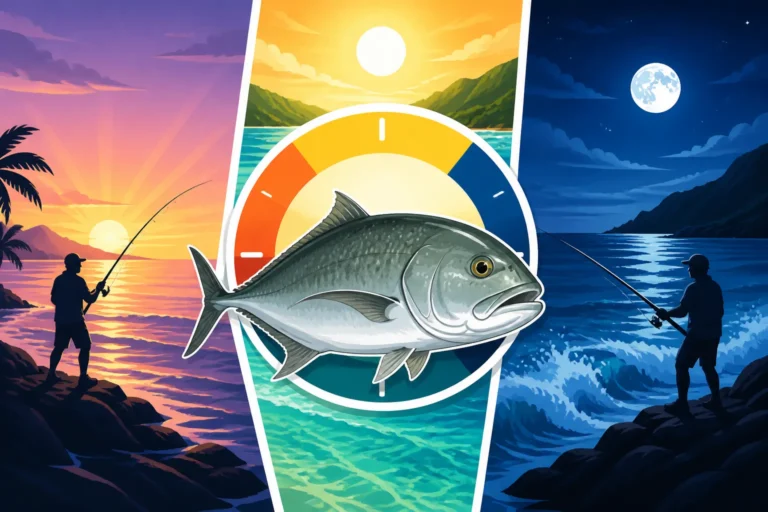
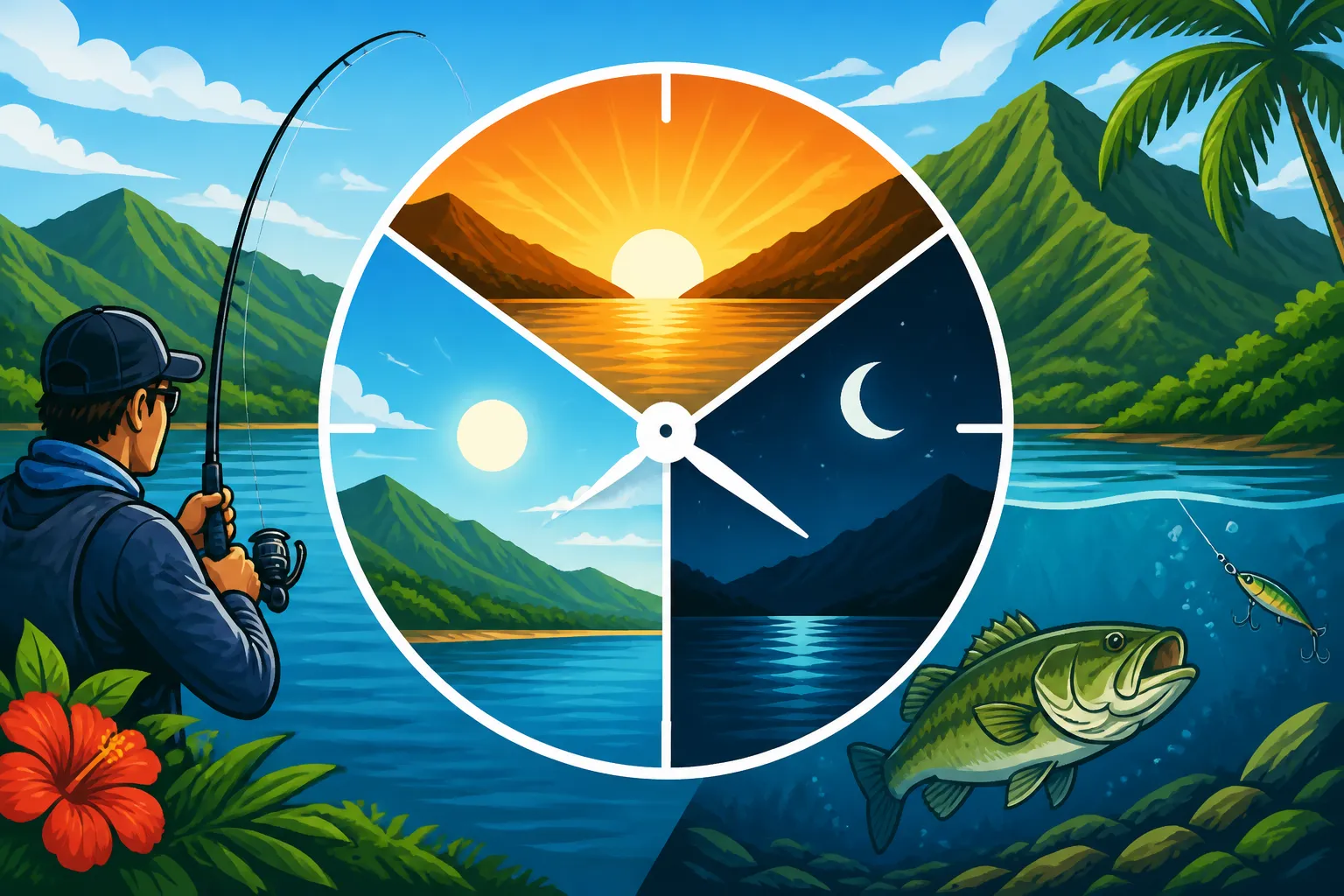
- Sunrise (Dawn Patrol): This is arguably one of the most productive times to fish a stocked reservoir. As the sun begins to creep above the horizon, water temperatures are typically at their coolest for the day, and light levels are low. This often brings baitfish out of hiding, and predatory species like largemouth and peacock bass become incredibly active, ambushing their prey. The low light offers them a tactical advantage, and the cooler water keeps them energized. For bank fishing, this means getting set up well before first light. Many anglers swear by the "dawn bite" for these aggressive species.
- Mid-Day (The Siesta Zone): As the sun climbs higher, and especially on clear, hot days, fishing can slow down considerably. Intense sunlight penetrates the water, forcing fish to seek deeper, cooler water or dense cover like submerged vegetation, fallen trees, or shaded banks. While you might still catch fish, they're often less aggressive, requiring more subtle presentations or targeting specific shaded areas. This is when a good pair of polarized sunglasses, available on platforms like Amazon, really shines, allowing you to spot potential holding areas. This period can be particularly tough for species like largemouth bass that prefer ambush points with some cover.
- Sunset (Evening Feed): As the sun begins to dip, the water temperature starts to cool, and light levels diminish, much like at sunrise. This often triggers another burst of feeding activity. Fish that were hiding during the midday heat will move back into shallower areas to forage. The reduced light also helps obscure your presence from wary fish. This evening bite can be just as, if not more, productive than the morning bite, especially if the day has been exceptionally hot. It's a great time to experiment with topwater lures as fish might be looking upwards for insects or baitfish silhouetted against the fading light.
Seasonal Influences: Wet vs. Dry Seasons in Hawaii
Hawaii doesn't have four distinct seasons like many temperate regions, but it does have noticeable wet and dry periods, which significantly impact reservoir conditions and fish behavior.
- Wet Season (Typically October to April): During the wet season, Hawaii experiences more frequent and heavier rainfall. This influx of fresh water can be a mixed blessing. On one hand, it can raise water levels, create new areas for fish to explore, and bring in new food sources from runoff. The cooler water temperatures from rain can also stimulate fish activity. On the other hand, heavy rains can muddy the water, reduce visibility, and sometimes even push fish into deeper, clearer areas. Fish may also spread out more in newly flooded zones, making them harder to locate. Fishing immediately after a significant rain event, once the water has had a chance to settle but before temperatures rise again, can be very productive.
- Dry Season (Typically May to September): The dry season often means less rain, lower water levels, and consistently warmer temperatures. While this might sound less ideal, it can concentrate fish in smaller, more predictable areas, often around remaining structure or deeper pockets. However, prolonged dry spells can lead to very warm water and reduced oxygen, making fish sluggish. Look for areas with deeper water, shade, or any inflow (even small trickles) that might provide cooler, more oxygenated water. This is when Best peacock bass spots on Wahiawa Reservoir might become more predictable, as these fish often respond well to consistent warmth, provided oxygen levels are adequate.
Post-Stocking Blitz: Capitalizing on Fresh Releases
For stocked reservoirs, the most surefire "best time" to fish is often right after a fresh release of fish. The Hawaii Division of Aquatic Resources (DAR) periodically stocks certain reservoirs to enhance fishing opportunities, and these newly introduced fish are often disoriented, hungry, and relatively easy to catch.
When fish are first stocked, they are in an unfamiliar environment and haven't yet learned the local predators or prime feeding spots. They are often eager to strike at a variety of baits and lures. This "stocking blitz" can last for a few days to a week, depending on the number of fish released and fishing pressure. Keeping an eye on the DAR's official announcements or local fishing forums for stocking schedules can give you an incredible advantage. This knowledge is gold for those looking to maximize their catch. However, be aware that these fish can become "educated" quickly, learning to avoid certain baits or presentations if they've been pressured.
Reading the Conditions: Beyond the Clock and Calendar
While knowing the general best times is crucial, truly successful anglers go a step further. They "read the water" and understand that even during an optimal time, local conditions can either enhance or hinder their chances. It’s about being observant and adaptable, much like when you're doing Hawaii shoreline fishing rights and public access rules and checking the tides.
It's easy to just show up, cast a line, and hope for the best, but paying attention to what the environment is telling you can be the difference between a fishless day and a full stringer. This involves more than just looking at the sky; it's about understanding the invisible forces at play beneath the surface.
Water Temperature and Oxygen Levels
Water temperature is a direct indicator of fish metabolism and comfort. Every species has a preferred temperature range where it's most active. In Hawaii, where waters are generally warm, sudden drops or spikes in temperature can trigger or shut down feeding.
- Optimal Temperature Ranges: For largemouth and peacock bass, warmer waters are generally preferred, but there's a limit. If the water gets too hot, especially into the high 80s or 90s Fahrenheit, fish become stressed and less active. They'll seek cooler, deeper pockets or areas with fresh inflow. Conversely, a slight cooling, perhaps after a heavy rain, can invigorate them.
- Dissolved Oxygen: This is critical and often overlooked. Warm water holds less dissolved oxygen than cool water. Stagnant, warm reservoirs, especially in the middle of a hot, dry day, can have critically low oxygen levels, forcing fish to become lethargic. Look for areas with current, like near an inflow or outflow, or spots with strong wind chop, as these areas often have higher oxygen. Sometimes, fish will even "gulp" air at the surface in severe low-oxygen conditions. If you see this, fishing will likely be tough.
Weather Patterns and Their Effect on Reservoir Fishing
Beyond just temperature, overall weather patterns play a huge role. It’s not just about sunny versus cloudy, but also about wind, atmospheric pressure, and recent rainfall.
- Cloud Cover: Overcast days are often fantastic for reservoir fishing in Hawaii. The reduced sunlight allows fish to stay in shallower waters for longer periods, extending the prime feeding windows beyond just sunrise and sunset. Cloud cover also makes fish less wary of your presence.
- Wind: A moderate breeze is usually a good thing. It creates a "chop" on the water's surface, breaking up light penetration and making it harder for fish to see you. Wind also concentrates baitfish and plankton, creating feeding lanes where predators will patrol. However, excessively strong winds can make casting difficult and stir up too much sediment, reducing water clarity.
- Barometric Pressure: While less obvious, changes in barometric pressure can impact fish feeding. A stable or slowly falling barometer (indicating approaching foul weather) often triggers an active bite, as fish sense a change and feed before conditions worsen. A rapidly falling or very low barometer, or a high, stable barometer after a cold front, can often mean a slower bite. This is a subtle factor but one that experienced anglers often consider.
Observing Fish Activity and Forage
The best "time" to fish isn't always on the clock; sometimes, it's about what the fish themselves are telling you. Being an astute observer of the environment can lead you to hot spots even during off-peak hours.
- Surface Activity: Look for disturbances on the water's surface. Splashing, ripples, or actual fish jumping are clear signs of feeding activity. This could be bass chasing baitfish, or even tilapia schooling. These visual cues are gold and tell you exactly where to cast.
- Baitfish Presence: If you see schools of smaller fish, like tilapia or various minnows, congregating in an area, you can bet that predatory fish like bass won't be far behind. Often, the predators will be lurking just below or around the edges of these schools.
- Insects and Terrestrial Fall-ins: Especially during certain times of year or after windy conditions, insects or small terrestrial creatures might fall into the water. Fish, particularly surface feeders, will key in on these new food sources. Observing what the fish are eating can help you select the right lure or bait.
Gear Up and Plan Smart: Enhancing Your Stocked Reservoir Experience
Even with all the knowledge about timing and conditions, the right preparation and gear can make or break your trip. You wouldn't go deep-sea fishing for Marlin Fishing off the Kona Coast with a trout rod, and freshwater reservoir fishing in Hawaii requires its own specialized approach. Planning smart means not only having the right tools but also knowing how to access critical information that can lead to success.
Remember, a successful day isn't just about catching fish; it's about enjoying the unique beauty of Hawaii's freshwater environments. But let's be honest, catching fish makes it even better!
Essential Gear for Hawaiian Reservoir Fishing
Hawaii's freshwater reservoirs typically don't require heavy offshore tackle, but having the right setup tailored to the species and conditions is crucial.
- Rods and Reels: A medium-light to medium action spinning rod, around 6'6" to 7' long, paired with a 2500 or 3000 size spinning reel, is a versatile choice for most bass and tilapia. If you're targeting larger peacock bass or aiming for bigger largemouth, a baitcasting setup with similar power might be preferred. Using braided line (10-20 lb test) with a fluorocarbon leader (8-15 lb test) offers strength, sensitivity, and stealth. You can find excellent options and read reviews for all these on Amazon.
- Lures and Baits:
- Soft Plastics: Senkos, creature baits, and worms are incredibly effective for bass, especially when fished weightless or Texas-rigged around structure.
- Topwater Lures: Poppers, walk-the-dog baits, and frog imitations are thrilling during low-light conditions (sunrise/sunset) or on cloudy days, mimicking surface prey.
- Crankbaits and Spinnerbaits: These are great for covering water and enticing aggressive strikes, especially when fish are actively feeding.
- Live Bait: If allowed (always check regulations!), live tilapia, minnows, or even nightcrawlers can be incredibly effective, particularly for lethargic fish.
- Other Essentials:
- Polarized Sunglasses: Indispensable for spotting submerged structure and cruising fish.
- Hat and Sunscreen: Hawaii's sun is no joke, even on cloudy days.
- Pliers and Line Cutters: For hook removal and managing line.
- Small Tackle Bag/Backpack: To keep your gear organized and easily accessible.
- Cooler with Ice: For keeping your catch fresh if you plan to keep any, and for your drinks.
- Freshwater Fishing License: Absolutely mandatory. You can learn about this in Hawaii freshwater license cost for residents and Hawaii freshwater license cost for nonresidents.
- Appropriate Footwear: If you're Bank Fishing Techniques for Freshwater Reservoirs, you'll appreciate good grip and comfort.
Checking Stocking Schedules and Regulations
This is perhaps the most practical and often overlooked "timing" tip. The Hawaii Department of Land and Natural Resources (DLNR) Division of Aquatic Resources (DAR) manages the stocking of freshwater reservoirs. They often provide information on their websites or through local news outlets about when and where fish have been stocked.
Knowing the stocking schedule allows you to plan your trip for that prime post-stocking window. It also ensures you're aware of any specific regulations that might apply to a particular reservoir or species, such as Hawaii Wahiawa Reservoir freshwater license requirement. Regulations can include bag limits, size limits, specific bait restrictions, or even temporary closures. Always double-check the latest rules before heading out. This is also important to consider if you're exploring Special Regulation Waters in Hawaii.
By combining knowledge of daily cycles, seasonal shifts, stocking schedules, and real-time environmental observations, you'll significantly increase your chances of finding the best time to fish Hawaii's unique stocked reservoirs.
Hawaiian Stocked Reservoir Fishing Timing Guide
Here's a quick reference table to help you strategize your next trip to a Hawaiian stocked reservoir:
| Factor | Optimal Conditions | Less Optimal Conditions | Notes for Hawaii |
|---|---|---|---|
| Time of Day | Sunrise & Sunset (Low Light) | Mid-Day (High Sun) | Low light hours offer cooler water and tactical advantage for predatory bass. Mid-day requires targeting deep/shaded areas. |
| Season | Early Wet Season (Oct-Dec), Early Dry Season (May-Jul) | Peak Hot/Dry (Aug-Sept), Heavy Rain (Mid-Wet Season) | Moderate rain in wet season can cool water and increase flow. Peak dry season can mean low oxygen if prolonged heat. Heavy rain can muddy waters. |
| Stocking | 1-3 days post-stocking | Weeks after stocking | Newly stocked fish are often disoriented and hungry. They become wary over time. Always check DAR schedules. |
| Weather | Overcast, Moderate Wind, Stable Barometer | Clear & Hot, High Wind, Rapid Pressure Changes | Overcast days extend prime fishing hours. Moderate wind creates chop. Stable or falling barometer often good. Avoid extreme heat or strong winds. |
| Water Temp. | Moderate (70s-low 80s°F) | Very Hot (>85°F), Rapid Swings | Fish are active in their comfort zone. Too hot, they become lethargic and seek cooler spots. |
| Water Clarity | Slightly stained to Clear | Very Muddy or Gin Clear | Slightly stained water provides cover for fish. Too muddy, fish can't see bait. Gin clear water makes fish wary. |
| Fish Activity | Surface busts, baitfish schools, insect hatches | No visible activity, lethargic movements | Observe the water for signs of feeding or bait presence. This indicates where and when fish are active. Using lures that imitate local forage can be highly effective, which you can often research and find good deals on through Amazon. |
This table serves as a general guide. Remember that local conditions can vary, and adaptability is always your best tool on the water.
Disclaimer
This article is for general informational purposes only and does not constitute professional advice. Laws, prices and regulations vary by location and change over time. Consult a qualified professional for guidance on your specific situation.