Best time of day to catch ulua from shore
There's a special kind of thrill, and let's be honest, a good dose of frustration, that comes with trying to hook an ulua from the shore here in Hawaii. These powerful fish are notoriously elusive, and many a dedicated angler has spent countless hours casting into the waves without a single bite. But fear not, because understanding the optimal times of day – and the factors influencing them – can dramatically shift the odds in your favor, transforming those long waits into moments of pure adrenaline. This guide is all about peeling back the layers to reveal when those magnificent giant trevally are most likely to be cruising within casting distance of our beautiful shorelines.
The Prime Window: Dawn, Dusk, and the Deep of Night
If you talk to any seasoned ulua fisherman in Hawaii, they’ll tell you straight: forget the bright, sunny mid-day. That's for swimming and sunbathing, not for seriously targeting these elusive predators from the rocks or sand. Ulua are, by nature, crepuscular and nocturnal feeders, meaning they really come alive when the sun begins to fade, and they stay active long after it's gone.
The Magic of Twilight Hours
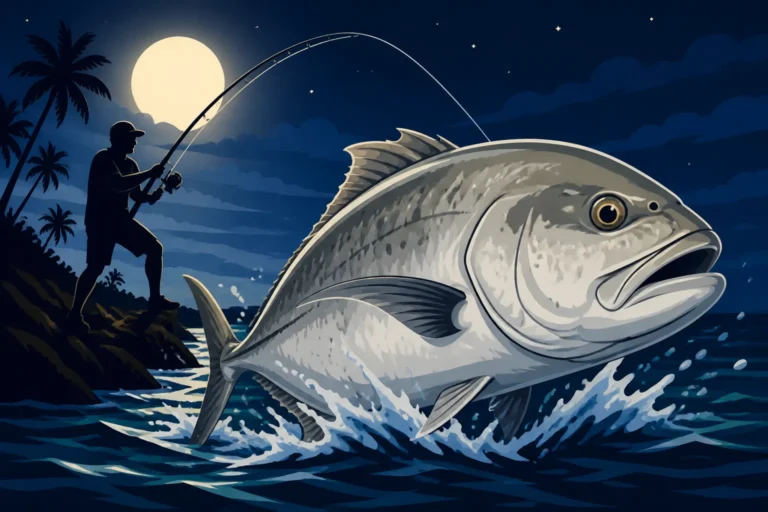
There's something truly mystical about those moments when the sky transitions from day to night, or vice-versa. For ulua, these twilight hours—dawn and dusk—aren't just beautiful; they're prime hunting time. As the light dims, the advantage shifts to the predators. Baitfish, which rely on daylight to spot their own predators, become more vulnerable as visibility decreases. Ulua, with their excellent low-light vision, seize this opportunity to move into shallower waters, closer to the shore, in search of an easy meal.
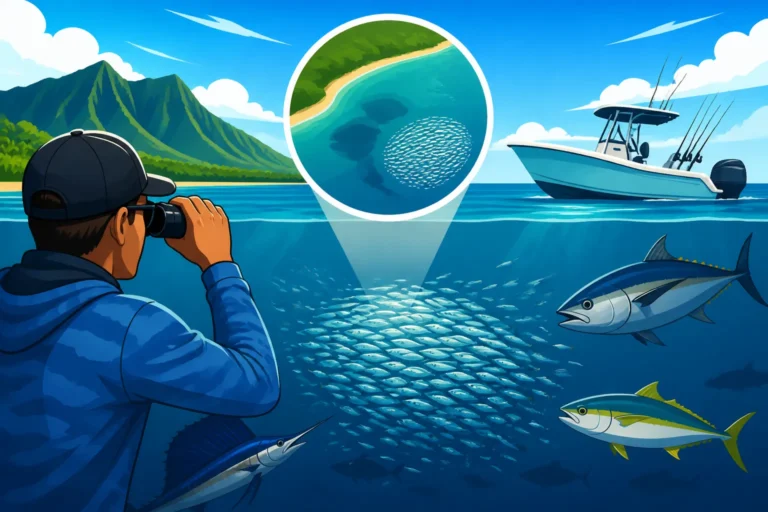
Imagine yourself perched on a rocky point just as the last sliver of sun dips below the horizon, painting the sky in fiery hues. The ocean, which seemed so calm and quiet moments before, suddenly feels alive. This is when schools of akule or opelu might start moving in closer, driven by their own feeding urges or seeking refuge from deeper-water threats. An ulua knows this, and they'll follow, often lurking just beyond the breaking waves, ready to ambush. The same applies to the quiet, pre-dawn hours, where the world is just beginning to stir, but the big fish have been awake and active for hours.
Embracing the Darkness: Night Fishing for Ulua
While dawn and dusk offer incredible opportunities, the deep of night is arguably the most consistent time to hook a trophy ulua from shore. This isn't just a preference; it's deeply ingrained in their predatory behavior. Under the cover of darkness, ulua are bolder, venturing into areas they might avoid during the brightest parts of the day. This is particularly true for larger, more wary specimens that have learned to associate daylight with greater risk.
Venturing out for a night session requires a different kind of preparation and mindset. You'll need reliable illumination – a good headlamp is non-negotiable, but remember to use it sparingly and strategically to avoid spooking fish. Many anglers will set up their heavy gear, often employing Sliding Bait Techniques for Ulua, just before sunset and then settle in for a long wait, sometimes into the wee hours of the morning. The quiet solitude of night fishing, broken only by the sound of waves and the occasional hoot of a bird, can be incredibly meditative. But when that rod suddenly bends and the drag starts screaming, that peaceful calm shatters into pure adrenaline.
Understanding Ulua's Nocturnal Nature
So, why are ulua so active at night? It boils down to their evolutionary design as opportunistic predators. Their large eyes are adapted for low-light conditions, giving them a distinct advantage over many of their prey species, which often become disoriented or less agile in the dark. Furthermore, many of the crustaceans, small fish, and even cephalopods (like octopus, or tako as we call them) that make up a significant portion of an ulua's diet are more active or accessible after the sun goes down.
Local knowledge, passed down through generations, consistently points to the effectiveness of night fishing for these powerful fish. Anglers on all islands, from Oahu's Windward Coast to the rocky shores of the Big Island, swear by it. It's not just a tradition; it's a proven strategy rooted in understanding the species' biology. If you're serious about landing a big one, you really need to put in the time during those dark hours, often fishing through the night, especially during certain moon phases we'll discuss next.
Beyond the Clock: Tides, Moon, and Conditions
While the time of day provides a crucial framework, the ocean is a dynamic environment, and other factors play a massive role in whether an ulua decides to bite. Smart anglers don't just watch the clock; they study the tides, the moon, and the prevailing ocean conditions.
The Power of the Pounding Tide
If there's one thing that consistently gets ulua excited, it's moving water. Strong tidal currents are like a dinner bell for these fish, and for good reason. As the tide rushes in or out, it creates turbulent currents that dislodge baitfish, crabs, and other food sources from their hiding spots, carrying them into the open. This makes it easier for ulua to ambush their prey, expending less energy in the hunt.
Focusing your efforts around the peak of a strong incoming or outgoing tide can be far more productive than simply fishing during twilight with slack water. Many experienced ulua anglers will time their trips to coincide with the hours leading up to and immediately following a tide change, especially if it’s a particularly strong tide. Look for areas where currents naturally converge or funnel bait, such as channels, points, or the mouths of bays. A good tide chart is just as important as your fishing calendar when planning an ulua trip. This insight is also crucial when considering Shore Fishing Techniques for Hawaii more broadly.
Moon Phases and Ulua Activity
The moon's influence on fishing is a topic of endless debate among anglers worldwide, and ulua fishing is no exception. However, many seasoned local fishermen in Hawaii subscribe to the belief that certain moon phases significantly impact ulua activity, particularly when fishing at night. The general consensus often leans towards the new moon phase, or the days immediately surrounding it, as being particularly productive.
During the new moon, there is minimal ambient light, creating the darkest nights. This heightened darkness can make ulua even bolder, allowing them to hunt with maximum stealth. Prey fish are less able to see the approaching predators, giving the ulua a significant advantage. Conversely, some anglers find success around the full moon, arguing that the extra light allows them to see their baits better, or that the stronger tidal pulls associated with full and new moons are the primary drivers. Ultimately, logging your catches against moon phases can help you discover patterns specific to your favorite fishing spots. It's all about collecting data and learning from your own experiences, combined with local wisdom.
Swells, Turbidity, and Water Movement
The ocean's mood can also dictate when and where ulua choose to hunt. Rougher water, particularly after a good swell or during periods of high surf, can be incredibly productive. The churning waves dislodge marine life from the reef and create a "food blender" effect, making nutrients and smaller organisms available. Ulua are powerful swimmers, perfectly capable of navigating these conditions, and they'll often move into the turbulent nearshore waters to capitalize on the bounty.
However, there's a fine line. Extremely large swells can make shore fishing incredibly dangerous and often unfishable. Always prioritize safety! Look for that sweet spot where the water is agitated but not dangerously so. Similarly, after heavy rains, the water near stream mouths or storm drains might become murky or "stained" with runoff. While this might deter some fish, ulua sometimes use this decreased visibility to their advantage, ambushing prey in the cloudy water. This turbidity can also carry nutrients and small creatures into the ocean, creating feeding opportunities. It's a balance of reading the conditions and knowing your local spots. Remember that Hawaii Fishing Regulations Explained also cover safety aspects, so always be informed.
Gear Up for the Night Shift: Essential Tackle and Tactics
Successfully landing an ulua from shore isn't just about timing; it's about having the right tools for the job and knowing how to use them. These fish are absolute powerhouses, and they will test every piece of your equipment to its limit.
Heavy Duty Rods and Reels
When targeting ulua from the shore, you absolutely cannot skimp on your rod and reel setup. We're talking about battling a fish that can weigh well over 50 pounds, with incredible strength and speed, all while navigating sharp reef or lava rock. Your rod needs to be a heavy-action surf rod, typically ranging from 10 to 14 feet, capable of casting heavy baits and weights. For reels, you'll want a large, robust spinning reel (size 8000-20000) or a conventional reel, known for its incredible drag power and line capacity.
Durability is key. Look for reels with sealed drag systems to protect against saltwater intrusion and robust metal frames that won't flex under extreme pressure. High-quality braided line, in the 50-80 lb test range, is standard, backed by a very strong leader – often 80-150 lb monofilament or fluorocarbon – to withstand abrasive coral and the fish's powerful jaws. When I'm looking for reliable, heavy-duty gear that can handle the Hawaiian conditions, I often check out what's available on Amazon for brands like Penn, Daiwa, or Shimano. It's crucial to have a setup that can truly stand up to the fight, as a lighter setup will almost certainly result in a heartbreaking bust-off. If you need more specifics, check out guides on the Best Rod Setup for Surfcasting Ulua and Best Line for Surfcasting from a Rocky Shore.
Bait Selection and Presentation for Night and Current
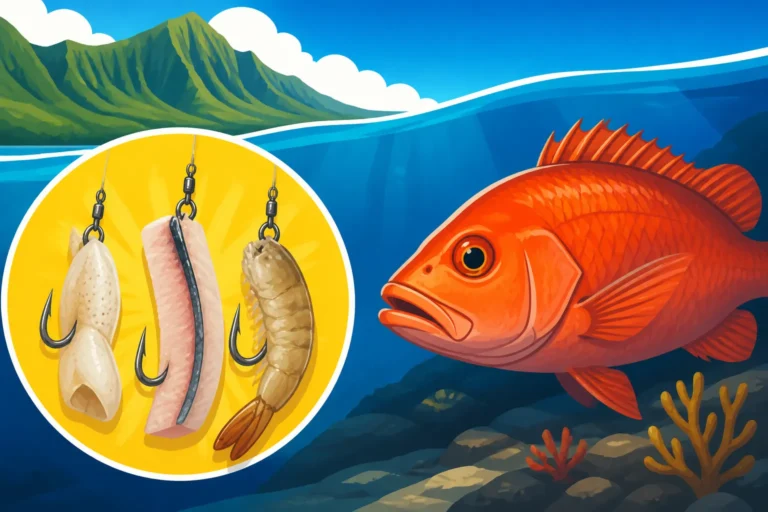
The right bait, presented effectively, can make all the difference, especially when ulua are actively feeding at night or during strong currents. Live bait is often considered king for ulua. Common choices include legal-sized akule, opelu, or even smaller papio. The movement of a live baitfish is irresistible to a patrolling ulua. If live bait isn't an option, fresh-cut bait, such as large chunks of skipjack tuna (aku), opelu, or even squid, can be highly effective. The key is to use a generous piece of bait to entice those larger, more discerning fish.
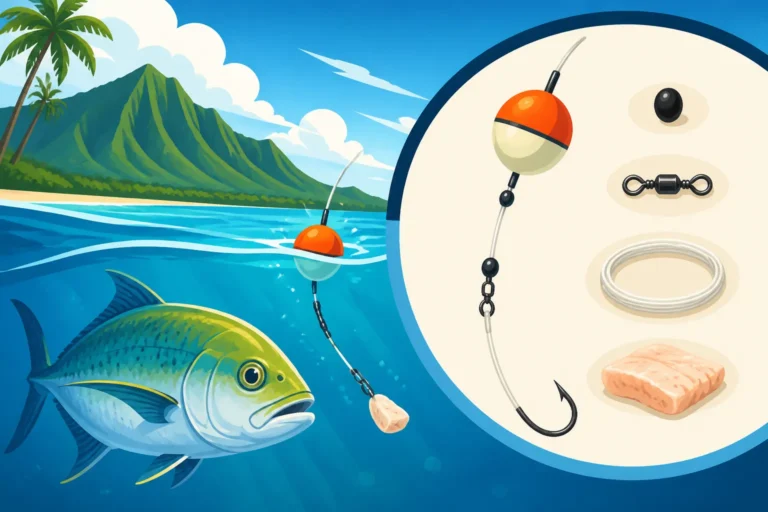
When fishing at night or in strong currents, a sliding bait rig is frequently employed. This technique allows your bait to drift naturally with the current, mimicking an injured or lost fish, while your weight holds your main line in place. The bait is attached to a separate leader that slides along your main line, giving the fish a chance to pick it up without immediately feeling the resistance of a heavy sinker. Chumming – scattering small pieces of cut bait into the water – can also be a game-changer, drawing ulua closer to your fishing area by creating a scent trail.
Safety and Comfort for Overnight Sessions
Ulua fishing is a commitment, often requiring long hours under challenging conditions. Beyond your fishing tackle, ensuring your safety and comfort is paramount. A high-quality, bright headlamp with a red light option (to preserve night vision and avoid attracting too many bugs) is essential. Sturdy, closed-toe shoes or reef boots with good grip are critical for navigating slippery rocks or uneven terrain in the dark. Always let someone know where you're going and when you expect to return, especially if you're fishing alone. Cell service can be spotty in remote areas, so consider a satellite messenger for emergencies.
For comfort during those long waits, a portable, durable fishing chair or stool can be a lifesaver. Plenty of water and snacks are crucial, as are extra layers of clothing, as night temperatures can drop significantly, especially if there's a breeze. Insect repellent is also a wise addition to your kit. Packing these essentials is key, and you can find many great options for outdoor gear and accessories on Amazon to make your night fishing sessions more enjoyable and safer. Don't forget a first-aid kit, just in case of a minor mishap on the rocks. Always remember to pack out everything you pack in, leaving no trace behind to preserve our beautiful Hawaiian fishing grounds.
Maximizing Your Chances: Local Knowledge and Perseverance
Even with the perfect timing and gear, ulua fishing from shore demands a deep understanding of the environment and a whole lot of grit. It's a journey of learning, patience, and respecting the ocean.
Scouting the Best Shoreline Spots
Knowing where to fish is almost as important as when. Ulua frequent specific types of shoreline structures that offer them ambush points, food sources, and protection from strong currents. Look for rocky points that jut out into deeper water, creating current lines and eddies where baitfish congregate. Channels between reefs are also prime hunting grounds, as they act as highways for both bait and predators. Deep drop-offs close to shore, particularly those accessible from ledges or cliffs, can also hold big fish.
Spending time scouting these locations during daylight hours can reveal crucial details about the bottom structure, potential snags, and safe access points that would be invisible in the dark. Talking to local fishermen, observing where others are set up, and even checking out resources like Best Rocky Point Fishing Spots in Hawaii can give you a significant advantage. Remember, these fish are intelligent, and they follow patterns, so learning the topography of your chosen fishing grounds is vital.
The Patience Game and Learning from Every Outing
Ulua fishing is not for the impatient. You might spend an entire night, or even several nights, without a single bite. This is the reality of targeting such a challenging and prized game fish from shore. But every outing, successful or not, offers an opportunity to learn. Keep a fishing log: note the date, time, tide, moon phase, weather conditions (swell size, wind direction), bait used, and any bites or catches. Over time, these observations will help you identify patterns and fine-tune your approach.
Connect with other anglers, both in person and in online communities. Sharing knowledge and experiences is a cornerstone of the fishing culture here. You might pick up a valuable tip about a new rig, a secret bait, or a particular spot that’s been firing. The journey of chasing ulua from shore is as much about the connection to the ocean and the community as it is about the catch itself. It's a testament to perseverance, respect, and the enduring passion for the sport. And when that rod finally buckles and the line screams off the reel, all those hours of patient waiting melt away in an instant.
Ulua Shore Fishing: Time & Conditions Overview
To help you visualize the various factors at play, here's a quick overview:
| Factor | Optimal for Ulua from Shore | Why It Matters |
|---|---|---|
| Time of Day | Dusk, Night, Dawn | Reduced visibility favors ulua; they are natural nocturnal/crepuscular feeders. |
| Tide Cycle | Strong Incoming/Outgoing | Moving water dislodges bait, creates current lines, and funnels food. |
| Moon Phase | New Moon (Often preferred) | Darkest nights offer maximum ambush advantage for ulua; strong tides associated. |
| Ocean Swell | Moderate to High | Agitated water stirs up food, creates feeding opportunities (be safe!). |
| Water Clarity | Slightly Turbid | Decreased visibility can aid ulua in ambushing prey, especially near runoff. |
| Wind | Moderate (not too strong) | Creates surface chop that breaks up outlines, making predators harder to spot. |
This table serves as a general guide, but remember that local conditions and specific spots can vary greatly. Always combine this general knowledge with your own observations and local expertise.
Disclaimer
The information provided in this guide is for general informational purposes only and is not a substitute for professional advice or adherence to local regulations. Fishing in Hawaii requires understanding and compliance with all current Hawaii fishing regulations, including Hawaii Fishing License Guide for 2026, bag limits, and protected areas. Always prioritize safety when fishing, especially on shorelines with waves and currents. The author and publisher are not responsible for any accidents, injuries, or legal infractions that may occur. Please fish responsibly and help preserve Hawaii's marine resources for future generations.