How to catch trophy ulua at night
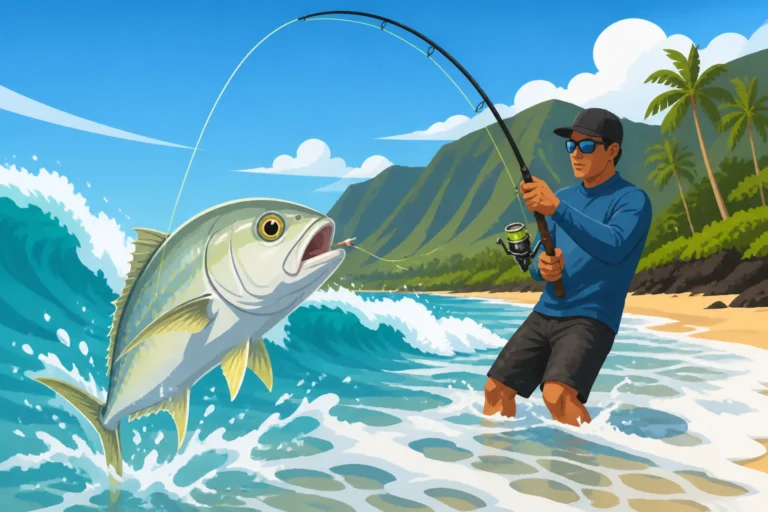
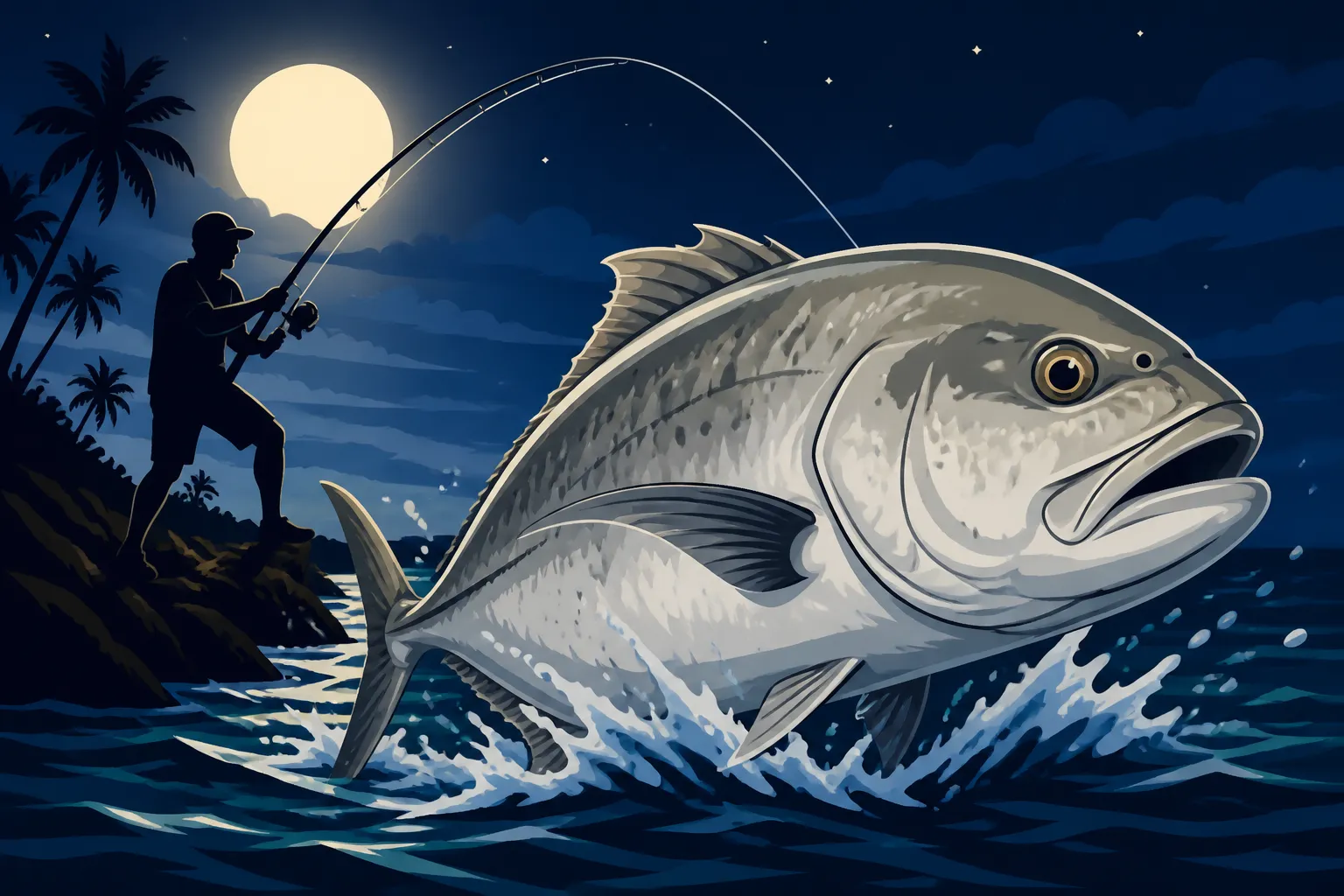
There's a special kind of magic that settles over the Hawaiian islands once the sun dips below the horizon, transforming familiar shorelines into mysterious, whispering realms. For many seasoned anglers, this isn't just a time for quiet reflection; it's prime time for chasing one of Hawaii's most legendary catches: the trophy ulua, under the cloak of night. If you've ever felt the unparalleled rush of hooking into a truly massive giant trevally, you know the dream. But landing a trophy ulua in the dark, especially from shore, requires a very specific blend of knowledge, preparation, and sheer perseverance. This guide is dedicated to helping you unravel the secrets of night fishing for these magnificent fish, covering everything from understanding their nocturnal habits to the specialized gear and techniques that give you the edge.
Understanding Ulua Behavior at Night
Ulua, or giant trevally (GT), are formidable predators, and their behavior shifts noticeably as daylight fades. To consistently catch trophy-sized fish, you really need to get inside their heads and understand why they do what they do after dark. It's not just about casting a line; it's about being in the right place, at the right time, with the right approach.
Why Ulua Hunt After Dark
The night offers several distinct advantages for a predator like the ulua, and understanding these can guide your fishing strategy. For one, the cover of darkness provides an ambush predator with a significant edge. Smaller baitfish, crustaceans, and even other reef dwellers become disoriented or less aware of their surroundings, making them easier targets. Think about it: during the day, the reef is bustling, and baitfish have plenty of warning of an approaching threat. At night, shadows obscure the ulua's massive silhouette, allowing it to move in closer and strike with devastating force.
Secondly, many of the prime bait species that ulua favor become more active at night. Crabs, eels, and various smaller reef fish venture out from their daytime hiding spots to forage under the moon and stars. This creates a veritable smorgasbord for a hungry ulua, drawing them into shallower water and closer to shore where they might be hesitant to prowl during the bright daylight hours. When the conditions align – calm nights, good tides, abundant bait – it's like a siren call for these apex predators.
Prime Locations for Nighttime Ulua
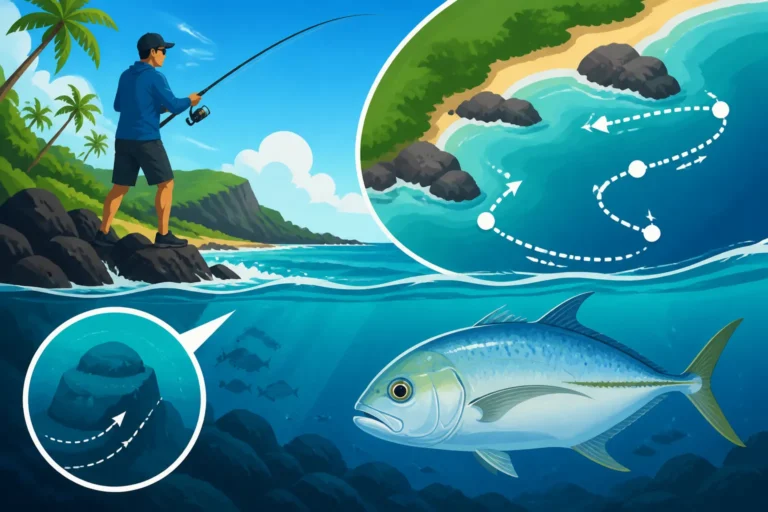
Finding the right spot is paramount, especially when targeting trophy ulua at night. You're looking for areas that offer a combination of deep water access, structure, and current that brings in food. Rocky points and ledges that drop off quickly into deeper water are often hotspots. These areas provide the ulua with excellent ambush points and pathways to move between deeper hunting grounds and shallower feeding zones. Reef edges and channels also make fantastic nighttime locations, as current can funnel baitfish through these natural corridors.
Consider locations where there's a strong current or surge during the incoming or outgoing tide. This moving water dislodges food and concentrates baitfish, creating feeding lanes that ulua will patrol. Harbors and large boat channels can also be surprisingly productive, especially near their mouths where deeper water meets the open ocean, or where strong lights attract baitfish. When choosing a spot, always prioritize safety and scout it thoroughly during the day to understand the terrain, potential hazards, and access points. For more ideas on where to find these giants, check out our guide on the Best Rocky Point Fishing Spots in Hawaii.
Reading the Tides and Moon Phases
Tides and moon phases play an incredibly crucial role in night fishing for ulua. Many experienced ulua anglers will tell you that the best fishing often coincides with a strong outgoing or incoming tide, particularly during a new moon or full moon. The new moon, with its complete darkness, provides the ultimate camouflage for ulua, making them bolder and more active. They rely heavily on their lateral line system to detect vibrations and changes in water pressure, making sight less critical for hunting in the pitch black.
Full moons, while brighter, also offer excellent opportunities. The stronger gravitational pull of a full moon often results in bigger tidal swings, creating more current and dislodging more food. This increased activity can fire up the ulua, making them more aggressive. The key is to fish the peak of the tidal movement – the first few hours of the incoming or outgoing tide when the water is really moving. Understanding these rhythms is critical, and you can delve deeper into this topic with our piece on the Best Time of Day to Catch Ulua.
Essential Gear for Nighttime Ulua Fishing
When you're chasing trophy ulua at night, this isn't the time for lightweight gear. These fish are absolute powerhouses, and they will test your tackle to its limits. Skimping on quality here is a surefire way to end up with a broken heart and an empty hook. Investing in robust equipment is key to converting those rare, powerful strikes into successful landings.
Rods, Reels, and Line Strength
For trophy ulua, you need serious heavy tackle. Think surfcasting rods that are 10 to 14 feet long, capable of handling heavy weights and powerful fish. A heavy action rod with a fast tip will give you the backbone to cast heavy baits and the sensitivity to detect subtle bites. Matched with this, you'll want a large, robust spinning reel or a sturdy conventional reel known for its incredible drag system. A reel with a smooth, powerful drag is non-negotiable; it's your primary weapon against an ulua's initial, line-shredding run.
Line choice is equally critical. Most serious ulua anglers opt for braided line in the 80 to 100-pound test range, sometimes even heavier depending on the structure they're fishing around. Braid offers superior strength-to-diameter ratio, allowing for longer casts and increased sensitivity. It also has virtually no stretch, which is vital for setting hooks into the bony mouths of ulua. For your leader, 150 to 200-pound monofilament or fluorocarbon is standard. This heavy leader is necessary to withstand the abrasion against rocks and coral, and the sheer power of a surging ulua. Check out our detailed guide on the Best Rod Setup for Surfcasting Ulua for more insights. You can find many of these heavy-duty fishing components, from braid to leaders, on platforms like Amazon.
The Importance of a Quality Rig
Your terminal tackle – the rig itself – is the critical link between you and that trophy fish. For night ulua fishing, the "sliding bait rig" is almost universally preferred. This rig allows your bait to be presented naturally on the bottom, while the main line slides freely, giving the ulua less resistance when it picks up the bait. A typical sliding bait rig consists of a heavy sinker (often 8-16 ounces or more, depending on current) that slides freely on the main line, a heavy-duty swivel, and a stout leader ending with a large, strong hook.
Hooks should be incredibly sharp and corrosion-resistant, often 10/0 to 16/0 circle hooks or J-hooks, depending on your preference and local regulations. Circle hooks are excellent for preventing gut-hooking and are generally recommended for their effectiveness and fish-friendly design. The leader material, as mentioned, must be heavy. Some anglers even add a second, shorter piece of heavy-duty wire or super-heavy mono just above the hook to prevent bite-offs from sharp-toothed predators that might also be lurking. Mastering these setups is covered in our article on Sliding Bait Techniques for Ulua.
Lighting and Safety Equipment
Night fishing isn't just about catching fish; it's also about staying safe. The Hawaiian shoreline can be treacherous in the dark, with uneven lava rock, slippery seaweed, and unpredictable waves. A reliable headlamp is your most important piece of safety gear. Look for one with multiple settings, including a red light option to preserve your night vision, and a long battery life. Bring spare batteries or a fully charged power bank.
Beyond lighting, consider wearing closed-toe shoes with good grip – sandals are a recipe for disaster. A first-aid kit is always a good idea, as are gloves to protect your hands when handling fish or sharp tackle. A reliable fishing knife, pliers, and line cutters are essential tools. A sturdy cooler to keep your bait fresh and your catch (if you plan to keep it) cool is also a must. For convenience and a wide selection of durable outdoor lighting and safety gear, many anglers find great options on Amazon. Never underestimate the importance of telling someone where you're going and when you expect to return.
Proven Techniques for Trophy Ulua at Night
Landing a trophy ulua at night is less about constant casting and more about strategic deployment, patience, and recognizing the moment of truth. These fish are powerful, and every step of the process needs to be executed flawlessly.
Sliding Bait: The Go-To Method
The sliding bait rig is the king for a reason when it comes to shore-based ulua fishing at night. Its genius lies in its simplicity and effectiveness. You're essentially casting a large, often live or fresh dead, bait out past the break and letting it sit on the bottom. The sliding sinker allows the ulua to pick up the bait and swim off with it without feeling the weight of the sinker, giving them time to fully engulf the bait before they feel any resistance from your main line.
Once your bait is cast, engage your reel, but keep a slightly slacked line, or set your drag appropriately light (if using a conventional reel with a clicker) to allow the fish to run without immediate resistance. This subtle presentation is key. Many anglers also use bait alarms or simply keep a keen eye on their rod tip, which will eventually indicate a bite with a tell-tale bend or sudden rush of line. For effective deployment and handling, consider carrying an organized tackle box, many varieties of which can be found on Amazon. This technique specifically targets larger, more cautious ulua.
Chunking and Live Bait Tactics
When it comes to bait, fresh is always best. Live bait is often the most effective, especially for trophy ulua. Options include live oama, opelu, akule, or even small moi, if available and legal. These lively baits send out natural vibrations and scents that ulua can detect from a distance, even in total darkness. Rigging live bait carefully to keep it active for as long as possible is crucial; a single, strong hook through the nose or dorsal area is common.
If live bait isn't an option, fresh dead bait is the next best thing. Whole mackerel, large chunked pieces of tuna, or even large squid can be highly effective. The key is to use a substantial piece of bait that appeals to a large predator. Some anglers also employ a "chumming" technique, periodically tossing out small pieces of cut bait around their main offering to create a scent trail and attract fish. This creates a feeding frenzy, or at least a curious environment, that draws in those big ulua.
Patient Waiting and Strike Recognition
Night fishing for ulua is not for the impatient. It requires long periods of quiet waiting, sometimes hours between bites. The anticipation is part of the thrill. When a trophy ulua finally strikes, there's usually no mistaking it. It's not a subtle nibble; it's often a violent, rod-bending tug followed by a blistering run. Your rod tip will slam down, and line will scream off your reel.
At this point, you need to react quickly but calmly. Allow the fish to take some line on its initial run, letting your drag do its job. Once the run slows, it's time to set the hook firmly, often with several powerful sweeps of the rod. Then begins the true test of angler and tackle: a brutal tug-of-war against one of the ocean's strongest fighters. Pumping and reeling, gaining line when you can, and bracing for subsequent runs is the name of the game. Our article on Night Fishing for Ulua in Hawaii provides more detail on these thrilling encounters.
Safety and Ethics in Night Ulua Fishing
Beyond the excitement of the catch, responsible angling is paramount, especially when targeting such a revered species. Night fishing on Hawaii's rugged coastlines comes with its own set of challenges and responsibilities.
Staying Safe on Dark Shorelines
Safety should always be your number one priority when fishing at night. Never fish alone if possible, and always inform someone of your fishing plans, including your exact location and expected return time. The shoreline can be unforgiving after dark. Be mindful of rising tides, rogue waves, and slippery surfaces. Carry plenty of water and snacks, and protect yourself from mosquitoes.
A powerful, waterproof headlamp with fresh batteries is absolutely essential. Consider bringing a backup. Watch for changes in weather or sea conditions. If the surf starts to pick up unexpectedly or the wind shifts dramatically, it might be time to pack up. There's no fish worth putting your life at risk for. Always maintain situational awareness, not just for the fish, but for your surroundings. Our guides on Hawaii Fishing Regulations Explained and Hawaii Boating Laws for Anglers can also provide general context on responsible practices.
Respecting the Resource: Catch and Release
Trophy ulua are often older, larger fish that are crucial to the reproductive cycle of the species. Many anglers who target these magnificent creatures practice catch and release, especially with the truly massive ones. If you choose to release an ulua, do so quickly and carefully. Minimize the time the fish is out of the water. Have your camera ready and snap a quick photo, then get the fish back into the water promptly.
Support the fish in the water until it regains its strength and can swim away under its own power. Avoid dragging it over rough rocks, and handle it gently with wet hands or gloves to protect its slime coat. Learning more about the average size of these fish through resources like Ulua Average Size in Hawaii can help you appreciate the significance of a trophy catch. We need to ensure that future generations can also experience the thrill of catching these iconic Hawaiian fish.
Minimizing Your Impact on the Environment
Beyond the fish itself, it's crucial to leave the shoreline as you found it, or even better. Pack out everything you pack in, including all your trash, discarded line, and bait remnants. Monofilament and braided line can be deadly to marine life if left behind. Dispose of it properly.
Be mindful of the local environment. Avoid disturbing nesting birds or other wildlife. If you're fishing near sensitive reef areas, be extra cautious not to step on or damage corals. Respect private property and traditional fishing rights. These practices not only help preserve Hawaii's stunning natural beauty but also ensure continued access for anglers. Being a responsible angler is just as important as being a successful one.
Disclaimer
This article is for general informational purposes only and does not constitute professional advice. Laws, prices and regulations vary by location and change over time. Consult a qualified professional for guidance on your specific situation.