Best leader for uhu around structure
There's nothing quite as frustrating as hooking into a spirited uhu (parrotfish), feeling that exciting tug, only for your line to snap against a jagged coral head or volcanic rock before you can even get a good feel for the fight. These beautiful, strong reef dwellers love to hug structure, and losing a good fish to abrasion is a common lament among Hawaii anglers. This guide is here to help you understand exactly what kind of leader material, strength, and rigging techniques will give you the best chance of landing those structure-loving uhu.
Understanding Uhu and Their Habitat
To effectively combat the uhu's natural instincts, we first need to get into their heads a little bit, or at least understand their environment. These fish are masters of their domain, and their preferred hangouts are also their greatest defenses.
The Uhu's World: Reefs, Rocks, and Coral
Uhu are typically found in shallow to moderately deep reef environments, often grazing on algae directly from coral and rock formations. This isn't just a dining preference; it's their entire ecosystem. They are constantly rubbing against, swimming through, and darting into crevices within these abrasive structures. Imagine trying to pull a fish out of a thorny bush – that's essentially what you're dealing with when an uhu decides to take refuge. Their home is literally designed to cut lines. When you hook one, its first instinct is almost always to bolt back into the nearest hole, under a rock ledge, or around a sharp coral bommie. This means your leader is going to take a beating, often before you even realize what's happening. How to Fish a Reef Flat for Uhu goes into more detail about these preferred zones.
How Uhu Feed and Why Leader Strength Matters
Uhu have strong, fused beak-like teeth designed for scraping algae, not for tearing at soft prey. While this means they're less likely to "bite through" your line like a barracuda or ulua, their feeding habits and habitat still demand a robust leader. When they take a bait or lure, they're often doing so right on or in the structure. The moment of impact, the hookset, and the initial run are all high-risk moments for your line. A weak or thin leader can fray or cut instantly if it touches a sharp edge, even briefly. It's not just about the weight of the fish, but the constant, unforgiving friction. This is particularly true if you're using certain baits or lures that mimic their natural food sources. Best Lures for Uhu on the Reef can give you an idea of what they're biting on.
Essential Leader Characteristics for Uhu Fishing
When you're targeting uhu, you can't just grab any old leader material. You need something specifically designed to withstand the rigors of their abrasive homes. There are three main characteristics that stand out: abrasion resistance, visibility, and knot strength.
Abrasion Resistance: The Top Priority
Without a doubt, abrasion resistance is king when fishing for uhu around structure. You can have the strongest main line in the world, but if your leader can't handle the inevitable friction against coral, lava rock, or even the rough scales of the fish itself, you're going to be disappointed. This isn't a situation where you can compromise. The leader needs to be tough, capable of absorbing scrapes and rubs without immediately failing. Think of it like a shock absorber for your line, but instead of impact, it's designed for grinding. Some anglers even prefer a leader that's slightly thicker than what might be "technically" needed for the fish's weight, just for that added buffer against the environment.
Visibility: Balancing Stealth and Strength
Here's where it gets a little tricky. While you want a tough leader, you also don't want something so obvious that the uhu shy away from your offering. Uhu, like many reef fish, can be wary, especially in clear Hawaiian waters. You're looking for a balance. A leader that's too thick and visible might reduce your bites, but one that's too thin will inevitably lead to break-offs. This balance often points towards fluorocarbon, which we'll discuss in more detail shortly. Its low visibility underwater gives you an edge, allowing for a slightly heavier test without spooking the fish. Sometimes, you might even consider fishing during lower light conditions or in slightly murkier water, allowing you to use a heavier, more visible leader without as much detriment.
Knot Strength and Suppleness
A great leader material is useless if your knots fail. When an uhu hits, it often hits hard, and then it's a drag race to the nearest structure. Your knots need to be impeccable and retain as much of the line's original strength as possible. Learning reliable knots like the Palomar, improved clinch, or a good uni-knot is crucial. Furthermore, the leader needs to be supple enough to tie these knots cleanly and to allow your bait or lure to present naturally. A stiff, wiry leader might be strong, but if it impedes the action of your lure or causes your bait to spin unnaturally, it defeats the purpose. Always moisten your knots before tightening to reduce friction and heat, which can weaken the line.
Choosing the Right Leader Material and Test
With a clear understanding of the challenges, let's dive into the specifics of what leader materials and strengths will serve you best in the quest for uhu.
Monofilament vs. Fluorocarbon for Uhu
When it comes to leader material, the perennial debate is monofilament versus fluorocarbon. For uhu around structure, fluorocarbon generally takes the win, and here's why:
- Fluorocarbon: This is often the top choice for uhu fishing. Its key advantage is its superior abrasion resistance compared to standard monofilament. Fluorocarbon is denser and harder, making it far more resilient to nicks and scrapes from coral, rocks, and even the fish's rough mouth. Crucially, it's also nearly invisible underwater due to its refractive index being very close to that of water, which addresses the visibility concern beautifully. This means you can often get away with a heavier test fluorocarbon leader than you could with mono without affecting your bite rates. Brands like Seaguar and Berkley offer excellent fluorocarbon lines that you can find readily on platforms like Amazon or at your local tackle shop.
- Monofilament: While generally less expensive and more supple than fluorocarbon, standard monofilament doesn't offer the same level of abrasion resistance. It can be a decent option for fishing in less abrasive, open water areas, but for uhu hugging reefs and rocks, it's a higher risk. That said, some premium, tough monofilaments exist that are specifically designed for abrasion resistance, often used in heavy-duty offshore applications. If you choose mono, ensure it's explicitly labeled as "abrasion resistant." It's a trade-off, but sometimes the added stretch of mono can be a small benefit when a fish makes a sudden, powerful run.
Here's a quick comparison to help visualize the differences:
| Feature | Fluorocarbon Leader | Monofilament Leader |
|---|---|---|
| Abrasion Resistance | Excellent (Harder, denser material) | Good to Fair (Softer, more prone to nicks) |
| Visibility | Very Low (Nearly invisible underwater) | Moderate (More visible than fluorocarbon) |
| Stretch | Low (Good for sensitivity and solid hooksets) | Moderate to High (Offers some shock absorption) |
| Sensitivity | High (Transmits bites and bottom structure well) | Moderate (Less sensitive due to stretch) |
| Knot Strength | Excellent (Requires careful tying) | Excellent (Easier to tie, generally more forgiving) |
| Cost | Higher | Lower |
| Best for Uhu | Recommended (Around heavy structure) | Situational (Less abrasive areas, budget-friendly) |
Recommended Leader Test for Different Scenarios
The ideal leader strength will vary depending on the specific conditions, the size of the uhu you're targeting, and how dense the structure is. It's not a one-size-fits-all answer.
- Light Structure/Open Flats: If you're fishing shallow reef flats with more sand patches than sharp coral, or if the structure is less intense, you might get away with lighter leaders. Think 20-30 lb fluorocarbon. This allows for more natural bait presentation and is less visible, which can be key for finicky fish. Uhu (Parrotfish) in Hawaii tend to inhabit various parts of the reef.
- Moderate Reefs/Rocky Points: This is where most uhu fishing happens. For these conditions, a 30-50 lb fluorocarbon leader is a good starting point. This range offers a solid balance of abrasion resistance and stealth. It's strong enough to withstand most rubs but still fine enough not to overly alarm the fish. Many anglers find this sweet spot for reliability.
- Heavy Structure/Dense Coral Heads: When you know you're targeting big uhu in extremely gnarly, sharp coral, don't be afraid to beef up your leader. 60-80 lb fluorocarbon might seem heavy, but it's often the only way to stand a chance. Yes, you might get fewer bites, but the ones you do get, you'll have a much better chance of landing. Sometimes, a thicker leader is simply a necessity when you're fishing in truly unforgiving territory. The bigger Uhu Species Identification Guide can help you recognize the trophy-sized fish that demand this heavy-duty approach.
Remember, the goal isn't just to match the strength of the fish, but to exceed the strength needed to withstand the environment. Hawaii uhu minimum size limit and Hawaii uhu daily bag limit can give you an idea of the typical size you're aiming for, which will inform your leader choice.
Practical Tips for Rigging Your Uhu Leader
Getting your leader set up correctly is just as important as choosing the right material.
- Length Matters: A general rule of thumb for uhu around structure is to use a leader that's 2-4 feet long. This provides enough buffer against abrasion without being so long that it becomes unwieldy for casting or fighting the fish. A shorter leader might not give enough protection, while an overly long one can tangle more easily or make casting small baits difficult.
- Connection to Main Line: You'll need a strong, reliable knot to connect your leader to your main line. The FG knot, Double Uni knot, or an Albright knot are popular choices for connecting braided main lines to fluorocarbon leaders. For monofilament main lines, a blood knot or double uni knot works well. Practice these knots until you can tie them quickly and consistently, even in challenging conditions. The strength of this connection is paramount.
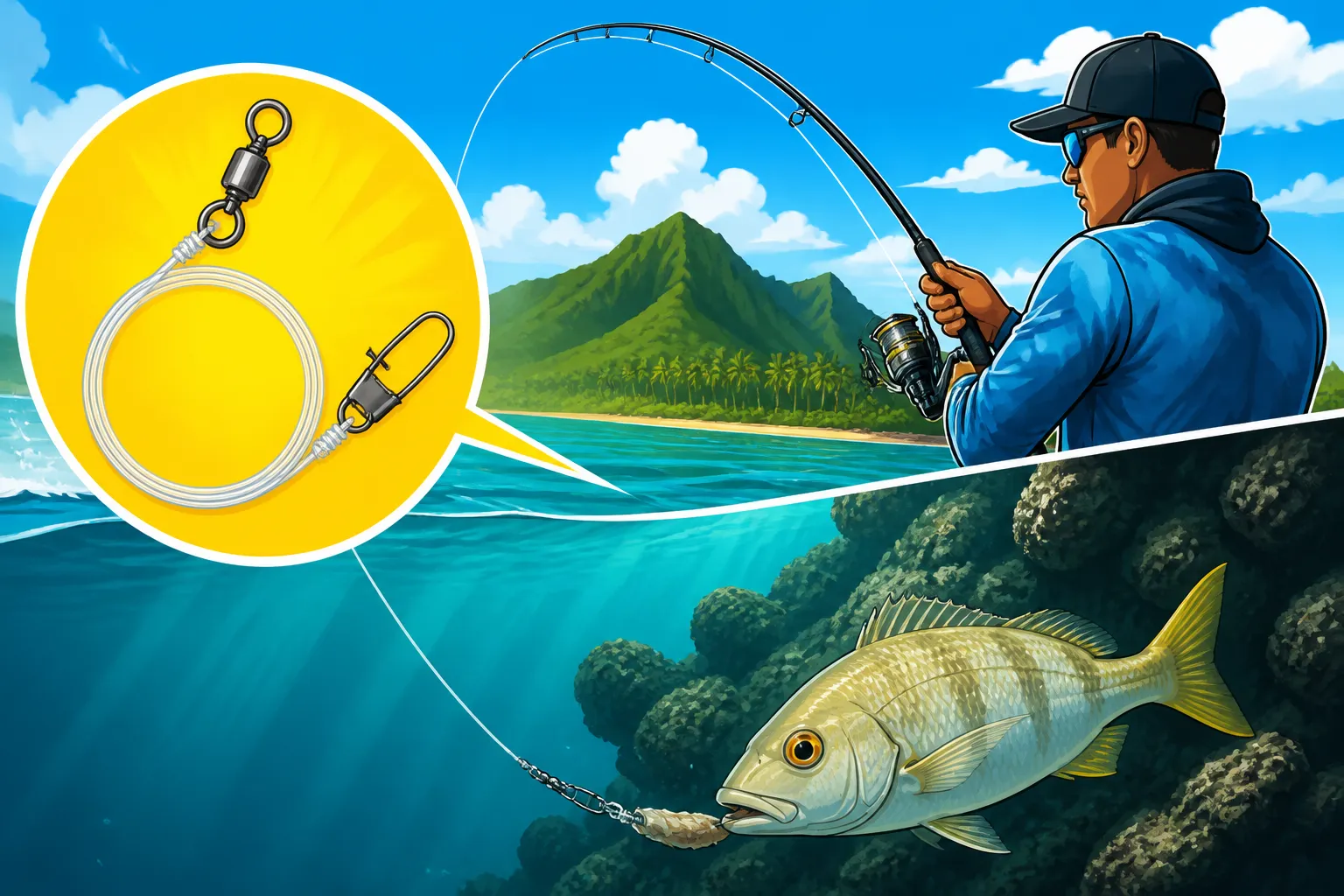
- Terminal Tackle Connection: To connect your hook or lure to your leader, a Palomar knot or improved clinch knot are excellent choices. Again, ensure they are tied correctly and cinched down tight. If using a swivel or snap, ensure it's appropriately sized for your tackle and doesn't create a weak link. Using quality swivels and snaps from a reputable brand can make a huge difference, and you can often find good options for these accessories on sites like Amazon.
Advanced Leader Tactics and Maintenance
Even with the best leader material, there are still ways to further improve your chances and ensure your gear is always ready for the next encounter with a strong uhu.
Double Leaders and Bite Guards
Sometimes, even heavy fluorocarbon isn't enough, especially if you're consistently losing fish in particularly nasty spots. This is where you might consider some advanced tactics:
- Double Leaders: This involves tying two lengths of leader material together, essentially creating a double-thick section near your hook. For example, you might run a 60 lb fluorocarbon for the last foot or so, connected to a 40 lb fluorocarbon section that then ties to your main line. This gives you maximum abrasion resistance right where it's needed most. It adds another knot into your system, so ensure all connections are meticulously tied.
- Wire or Heavy Mono Bite Guards: For truly toothy fish or if you're also inadvertently encountering other species with sharp teeth in uhu territory, a short section of wire or extremely heavy monofilament (100+ lb) immediately preceding the hook can act as a "bite guard." While uhu don't typically bite through lines, other reef predators might. This is a more specialized approach and might affect presentation, but it's an option for specific scenarios. However, for most uhu fishing, a good fluorocarbon leader is sufficient.
Regular Inspection and Replacement
This is perhaps the most overlooked aspect of leader management. After every fish, or even after a few casts in heavy structure, inspect your leader. Run your fingers carefully along its length, feeling for nicks, abrasions, or rough spots. Even a tiny imperfection can be a catastrophic weak point under pressure.
- Feel for Damage: Don't just look at it; run your fingernail along the leader. If you feel any roughness, cut off that section and retie. It's far better to sacrifice a few feet of leader than to lose a trophy fish and your expensive lure.
- Retie Regularly: Even if you don't feel any damage, prolonged exposure to salt water, UV rays, and the general stress of casting and retrieving can weaken your line. Develop a habit of retying your leader and terminal knots after a few hours of fishing, or certainly after every fishing trip. This fresh knot and fresh section of leader can make all the difference. When you buy your leader material, ensure it's stored out of direct sunlight to prolong its life. You can find quality leader spools on Amazon that will last you through many re-ties.
Carrying a Variety of Leader Options
Don't limit yourself to just one type or test of leader. Conditions change, and so do the fish's moods. A smart angler carries a range of leader materials.
- Different Tests: Have spools of 20 lb, 40 lb, and 60 lb fluorocarbon in your tackle box. This allows you to quickly adapt to different spots – maybe you start on a sandy patch, then move to a heavily structured area.
- Different Materials (Optional): While fluorocarbon is generally superior for uhu, having some premium abrasion-resistant monofilament on hand isn't a bad idea, perhaps for a specific presentation or if you run out of fluoro.
- Pre-tied Leaders: For convenience, especially when the bite is hot, pre-tie a few leaders with your preferred knots and hooks/lures. Store them neatly so you can quickly snap one on if you experience a break-off. This reduces downtime and gets you back to fishing faster. Remember, uhu fishing in Hawaii often takes place in some truly Best Reef Fishing Spots in Hawaii, and being prepared for anything is key. The waters around some Best Rocky Point Fishing Spots in Hawaii can be particularly brutal on leaders, so having a selection is vital. For other reef-dwelling species like kumu, which also frequent structured areas, similar leader principles apply; see Best fishing spots for kumu on reef flats for more on that. Hawaii uhu ahuula closed season dates is also important to know, so you're not targeting them when you shouldn't be.
By understanding the uhu's environment and consistently applying these leader strategies, you'll dramatically increase your chances of successfully landing these beautiful and feisty Hawaiian parrotfish, rather than just telling tales of the ones that got away thanks to a frayed line. It's all about preparation and respecting the challenging habitat these fish call home.
Disclaimer
This article is for general informational purposes only and does not constitute professional advice. Laws, prices and regulations vary by location and change over time. Consult a qualified professional for guidance on your specific situation.