Best time to fish for marlin at dusk
Many anglers dream of battling a majestic marlin off the shores of Hawaii, often imagining the excitement of a bright, sunny day on the open ocean. However, for those who truly understand the rhythms of the deep, the hours leading up to and immediately after sunset, known as dusk, offer a uniquely productive and thrilling window for targeting these incredible pelagic predators. If you've ever wondered if the fading light could actually improve your chances, or how to best capitalize on this transition, you've come to the right place. This guide will dive deep into the specific advantages, behaviors, and techniques that make dusk an exceptional time to fish for marlin in Hawaii.
The Unique Appeal of Marlin Fishing at Dusk in Hawaii
There's something almost magical about the ocean as the sun begins its slow descent, painting the sky with fiery hues before giving way to the cool, soft light of twilight. But beyond the aesthetic beauty, these transition periods, particularly at dusk, are often prime feeding times for many predatory fish, and marlin are no exception. The shift in light triggers a cascade of changes in the marine environment, from plankton movements to baitfish behavior, all of which can work to an angler's advantage.
Think about it from a marlin's perspective. During the harsh glare of midday, while they are certainly active, the contrast between predator and prey can be stark. As the light softens and shadows lengthen, the visual playing field changes. Marlin, with their incredible vision and ambush predatory instincts, often become more aggressive and opportunistic hunters. The low light can make them feel more secure to venture closer to the surface or near structure where baitfish might be congregating, setting the stage for some truly explosive bites. This isn't just an old wives' tale; many seasoned Kona captains and experienced anglers swear by the "evening bite" for a reason. It's a window of opportunity where conditions align for active feeding.
Moreover, fishing at dusk often means a more serene experience for the angler. The intense midday heat can be replaced by cooler, more comfortable temperatures, and often, the boat traffic on the water begins to thin out. This can lead to a more relaxed atmosphere on deck, even as the tension builds in anticipation of a strike. It’s a chance to witness the ocean’s transformation, from a bustling daytime ecosystem to a more mysterious, nocturnal world, all while having an excellent shot at landing a trophy fish.
Marlin Behavior and Movement as Daylight Fades
Understanding how marlin react to the fading light is paramount to successful dusk fishing. These powerful billfish are highly attuned to their environment, and the transition from day to night directly influences their feeding patterns, movements, and where they choose to hunt. It's not just a switch being flipped; it's a gradual change that presents specific opportunities.
As the sun dips closer to the horizon, many baitfish species, like skipjack tuna (aku) and mackerel scad (opelu), tend to move up in the water column or become more active. They might be looking to feed on rising plankton, or simply responding to the decreasing light making them less vulnerable to visual predators. Marlin are keenly aware of these movements. They’ll often position themselves strategically along current lines, temperature breaks, or near offshore FADs (Fish Aggregating Devices) where these baitfish schools are likely to be found. A good captain knows that these areas, which might have been quiet during the brightest parts of the day, can suddenly come alive with activity as dusk approaches. For more insights on how these majestic fish behave, check out our guide on Marlin Fishing off the Kona Coast.
Another crucial aspect of marlin behavior at dusk is their sensory advantage. While we perceive low light as a challenge, marlin are incredibly well-adapted for it. Their large eyes are designed to gather light efficiently, giving them superior vision in dim conditions compared to many prey species. This allows them to maintain their hunting prowess, perhaps even gaining an edge over baitfish that rely more on bright light for evasion. They can use the lengthening shadows and reduced visibility to their advantage, making swift, surprise attacks on unsuspecting schools. This predatory edge makes the twilight hours a prime window for them to ambush prey, and for us, to present our lures and baits effectively. Understanding What Marlin Eat off the Kona Coast can further inform your choice of presentation during this time.
Tactics for Targeting Marlin During Evening Twilight
Successfully targeting marlin at dusk requires a thoughtful approach to your techniques, lure selection, and overall strategy. It’s not just about keeping the lines in the water; it’s about adapting to the changing conditions and maximizing your chances during this productive window.
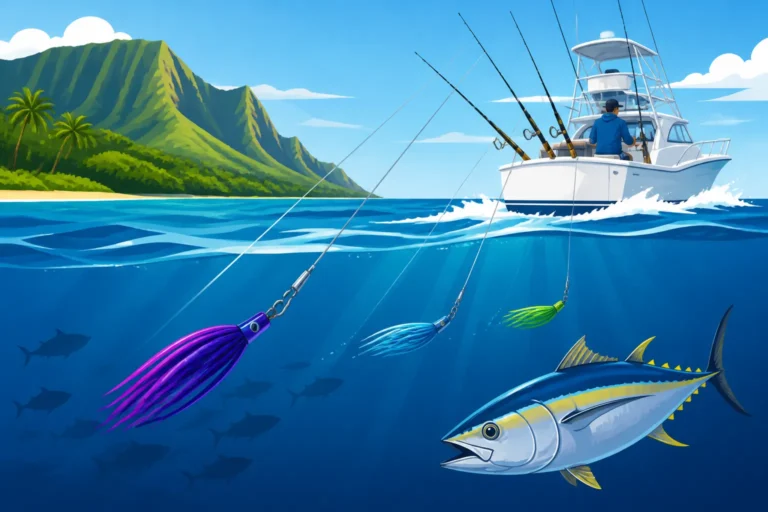
When it comes to trolling, which is the most common method for marlin in Hawaii, adjusting your lure spread and presentation is key. As light fades, visibility decreases, making certain lure colors and actions more effective. Many experienced anglers favor darker, silhouette-creating lures or those with highly reflective or iridescent properties that can catch the last vestiges of light or stand out in the gloom. Lures that create a lot of commotion, splash, and bubble trails can also be incredibly effective, relying on sound and vibration to attract attention rather than just sight. Consider experimenting with a mix of lure styles and sizes in your spread. For a deeper dive into lure choices, our article on the Best Lures for Marlin Trolling off Kona offers excellent advice.
Bait presentation is another critical factor. If you're using natural baits, such as rigged skipjack or large scad, ensure they are perfectly rigged for optimal swimming action. In lower light, a natural, enticing movement can be more crucial than ever. Sometimes, a well-placed live bait, such as a frisky aku, might be the ticket. The natural distress signals and frantic movements of live bait can be irresistible to a hungry marlin searching for an easy meal as night approaches. Regardless of your choice, make sure your hooks are razor-sharp and your leaders are fresh and robust. Heavy-duty fluorocarbon leaders are readily available on platforms like Amazon and are essential for resisting the abrasive bills and powerful jaws of a marlin.
Beyond lures and bait, your boat positioning and speed adjustments matter. Maintaining a consistent trolling speed is important, but don't be afraid to experiment with slight variations or S-turns that can make your lures dive and rise, mimicking injured baitfish. Pay close attention to your sounder; if you mark bait schools or large arches that could be marlin, don't hesitate to work that area thoroughly. Often, the twilight bite can be short and intense, so being in the right place at the right time is crucial. For broader trolling advice, read our comprehensive guide on Trolling Techniques for Hawaii Pelagics.
Optimizing Your Dusk Marlin Trip: Gear and Environmental Factors
To truly make the most of a dusk marlin fishing trip, you need to consider both the equipment you bring and the environmental conditions you’ll encounter. Preparation can make all the difference between a frustrating outing and a memorable battle with a billfish.
Safety should always be your top priority, especially when fishing into the evening. Ensure your boat's navigation lights are functioning correctly and that you have ample deck lighting. Headlamps are invaluable for everyone on board, allowing for hands-free operation when rigging, re-baiting, or handling a fish. You can find a wide array of reliable, waterproof headlamps and other safety gear on Amazon. Having a well-stocked first aid kit and knowing how to use it is also non-negotiable. Furthermore, be aware of the changing seas; while conditions might calm down, darkness can hide hazards, so maintaining situational awareness is crucial.
Environmental factors like moon phase and tides can subtly influence the evening bite. While marlin are opportunistic, some captains believe that certain moon phases, particularly the full or new moon, can enhance feeding activity due to increased tidal movements or stronger currents. Stronger currents can aggregate baitfish, creating more concentrated feeding grounds. Water temperature breaks and current lines remain critical regardless of the time of day. These areas concentrate nutrients and baitfish, making them prime hunting grounds for marlin. Always consult local weather forecasts and sea condition reports before heading out, as unexpected squalls can make evening fishing hazardous.
Here’s a quick comparison of general conditions and considerations for fishing marlin during the day versus at dusk:
| Feature | Daytime Marlin Fishing (Typical) | Dusk Marlin Fishing (Typical) |
|---|---|---|
| Light Conditions | Bright, often harsh sun | Fading light, shadows, twilight glow |
| Marlin Behavior | Active, but may stay deeper or use structure for ambush | Increased surface activity, aggressive feeding, ambush tactics |
| Baitfish Activity | Can be widespread, sometimes deeper | Often move higher in the water column, aggregate |
| Lure Visibility | Colors and flash highly visible | Silhouette, dark colors, bioluminescent, loud lures favored |
| Angler Comfort | Hotter temperatures, more sun exposure | Cooler temperatures, less direct sun |
| Boat Traffic | Generally higher, especially near popular spots | Tends to decrease, more serene environment |
| Navigation/Safety | Primarily visual | Requires navigation lights, headlamps, heightened awareness |
| Moon Phase Impact | Less directly apparent | Can influence feeding via tides/currents |
Ultimately, while the daylight hours certainly offer incredible opportunities, the magic of fishing for marlin at dusk in Hawaii is undeniable. It's a time when the ocean whispers promises of spectacular strikes and memorable catches, often under a sky painted with the final, breathtaking strokes of the day. By understanding the unique conditions and adapting your approach, you significantly increase your chances of hooking into that Hawaiian grander as the stars begin to twinkle.
Disclaimer
This article is for general informational purposes only and does not constitute professional advice. Laws, prices and regulations vary by location and change over time. Consult a qualified professional for guidance on your specific situation.