Which Hawaii species carry a ciguatera risk
Aloha, fellow anglers! There’s nothing quite like pulling a beautiful fish out of Hawaii’s crystal-clear waters, whether it's from shore or a deep-sea charter. But amidst the excitement of a fresh catch, there’s a serious concern many local fishermen and visitors think about: ciguatera fish poisoning. This guide is here to shed light on which Hawaiian fish species pose a risk, how to identify them, and what practical steps you can take to keep yourself and your loved ones safe.
Understanding Ciguatera Fish Poisoning in Hawaii
It’s a truly unfortunate reality that some of the most stunning and sought-after fish in our waters can carry a hidden danger. Ciguatera fish poisoning, often just called "ciguatera," isn't like bacterial food poisoning you get from spoiled food. It's caused by toxins that originate from microscopic marine algae, specifically dinoflagellates, that grow on dead coral and seagrass. Small herbivorous fish eat these algae, and then larger carnivorous fish eat those smaller fish, accumulating the toxins up the food chain. The sad part is, you can’t see, smell, or taste these toxins in the fish, and cooking doesn't destroy them. This makes it a tricky adversary for even the most experienced fisherman.
The symptoms can range from annoying to truly debilitating, often including gastrointestinal issues like nausea, vomiting, and diarrhea, but also neurological symptoms like tingling in the extremities, temperature reversal (hot things feel cold, cold things feel hot), muscle aches, and even debilitating fatigue. Imagine finally getting that dream catch, filleting it, cooking it up, and then spending days or weeks feeling absolutely miserable, wondering what went wrong. It's a real fear that can take the joy out of fishing if you're not properly informed. That's why understanding this isn't just a technicality; it's about protecting your health and the health of anyone you share your catch with.
How Ciguatera Toxins Accumulate
Think of it like a game of ecological telephone. It starts small. After events like coral bleaching, storms, or human impact that damage reefs, specific types of algae (Gambierdiscus toxicus being the most infamous) can proliferate on the damaged surfaces. These algae produce powerful neurotoxins. Then, a small reef fish, perhaps a surgeonfish or a parrotfish, grazes on these algae, ingesting the toxins. These toxins aren't processed out quickly; instead, they build up in the fish's tissues.
Next, a slightly larger predatory fish, say a papio or a small ulua, eats several of these herbivorous fish. The toxins from all those smaller fish accumulate in the larger predator. This process continues up the food chain. The older and larger a predatory fish gets, the more smaller fish it has consumed over its lifetime, and therefore, the higher the concentration of ciguatoxins it is likely to have stored in its flesh, liver, and other organs. This is why you often hear the advice to avoid very large specimens of certain reef-dwelling predatory fish – they've simply had more time to accumulate the toxins.
The Impact on Anglers and Local Communities
For us anglers, the threat of ciguatera adds a layer of caution to every fishing trip, especially when targeting reef species. It’s not just about the potential personal illness; it's also about responsibility. If you're sharing your catch with family, friends, or neighbors, you want to be absolutely sure it's safe. It can lead to anxiety, making you second-guess bringing home a beautiful fish, or worse, cause severe illness in someone you care about.
For local communities, especially those who rely on subsistence fishing, ciguatera can be a significant economic and health burden. Imagine depending on the ocean for food, only to have that source become a potential threat. It impacts local traditions, diets, and can create mistrust around locally caught fish. While commercial fisheries often have testing protocols or harvest from areas less prone to ciguatera outbreaks, recreational anglers largely rely on their knowledge and caution. That’s why sharing accurate information and understanding Hawaii Fishing Regulations Explained is so crucial.
High-Risk Fish Species in Hawaii for Ciguatera
When we talk about ciguatera in Hawaii, we're mostly looking at certain reef-associated predatory fish. These are the species that spend their lives around the coral and lava rock structures where the toxin-producing algae are found, and they're higher up the food chain. It's not every fish, and it's not every individual fish within a species, but there are definite patterns.
Generally, the risk increases with the size and age of the fish, as they've had more time to accumulate toxins. Geographically, some areas are known to have a higher incidence of ciguatera than others, often tied to recent reef disturbances. However, toxins can be present in fish from seemingly pristine waters too, so vigilance is always key.
Common Ciguatera Carriers
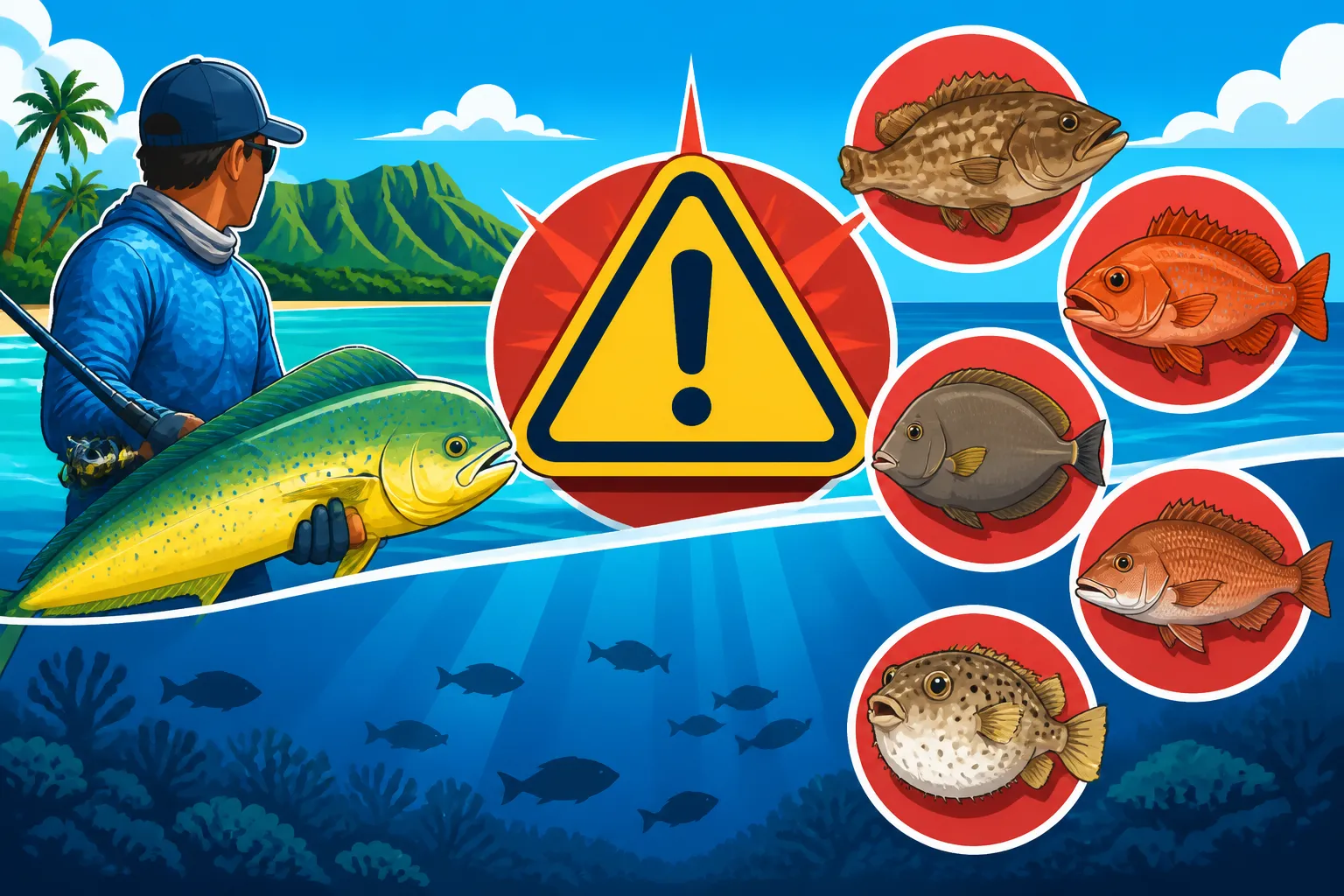
Let's talk about the usual suspects. These are the fish that, while often delicious, frequently carry a higher risk, especially in larger sizes:
- Ulua (Giant Trevally): These powerful, prized game fish are top predators on the reef. While a small papio (juvenile ulua) is generally considered low risk, larger ulua, especially those over 10-15 pounds, are notorious carriers. Many local anglers will release very large ulua to avoid the risk. They are impressive fighters, but their age and diet make them accumulate significant amounts of toxin. Ulua Giant Trevally Fishing in Hawaii is a fantastic pursuit, but caution should be exercised with the biggest specimens.
- Kāhala (Amberjack): Another formidable reef predator, kāhala can also accumulate ciguatoxins. They are typically found in deeper waters but still associate with reef structures. Large kāhala are best approached with caution.
- Kumu (Goatfish): While many goatfish species are smaller and less risky, some of the larger ones, particularly the Kumu or Red Goatfish, have been implicated. Kumu Goatfish in Hawaii are beautiful fish, but always be mindful of size.
- Roi (Blue-spotted Grouper): This is an invasive species, and paradoxically, it's often highlighted as a ciguatera risk. While efforts are made to remove them due to their impact on native species, consuming larger roi can be risky. If you're targeting Invasive Taape and Roi in Hawaii, remember the health considerations.
- Hō`alu (Snapper species): Some species of snapper, particularly larger ones found near reefs, can carry the toxin. While popular for bottomfishing, larger individuals warrant caution. Bottomfish Species of Hawaii are generally safe, but this is one to watch.
- Barracuda: These sleek predators are known for their sharp teeth and aggressive strikes. Larger barracuda are also on the list of potential ciguatera carriers.
- Uhu (Parrotfish): While generally herbivorous, they graze directly on algae, so they can be primary accumulators. Larger uhu, particularly the males (bull uhu), can sometimes carry the toxin, especially if they are grazing on affected reef areas. Uhu Parrotfish in Hawaii are beautiful and important reef cleaners, but size matters here too.
Factors Increasing Risk: Size, Age, and Location
It really boils down to how long a fish has been swimming in potentially contaminated waters and how many toxin-carrying prey items it has eaten.
- Size and Age: This is the biggest factor. A 50-pound ulua has lived longer and eaten far more than a 5-pound ulua. More meals mean more opportunities to ingest and accumulate toxins. This is why many experienced local anglers will strictly adhere to a "release the big ones" policy for certain species if they intend to eat the catch. The biggest, most impressive trophy fish often carry the highest risk.
- Geographic Hotspots: Certain areas around the islands have higher incidences of ciguatera. These are often places with extensive reef damage from natural events (like hurricanes) or human activity (like pollution or dredging), which creates prime conditions for the toxin-producing algae to bloom. Unfortunately, these hotspots can change over time, making it hard to always know. Consulting with local, experienced fishermen about current conditions in specific fishing grounds is invaluable. Information about Hawaii Marine Life Conservation Districts Explained or Hawaii Fish Replenishment Areas in West Hawaii might also contain clues about reef health, though direct ciguatera risk isn't usually explicitly part of their signage.
- Diet: Fish that primarily feed on smaller reef-dwelling fish are naturally at higher risk than those that eat open-ocean squid or plankton. The closer they are to the reef's food chain base, the higher the chance they encounter the toxin.
Minimizing Your Ciguatera Risk: Practical Tips for Anglers
Given the invisible nature of ciguatera toxins, a proactive approach is your best defense. It's about combining knowledge, caution, and responsible fishing practices. While there's no foolproof way to guarantee a fish is ciguatera-free without laboratory testing, you can significantly reduce your chances of exposure.
This isn't about fear-mongering; it's about being informed and smart so you can continue to enjoy the incredible fishing opportunities Hawaii offers without undue worry. A little bit of planning and awareness goes a long way.
Best Practices for Recreational Anglers
When you're out there, rod in hand, keep these tips in mind:
- Know Your Species: Familiarize yourself with the high-risk species we've discussed. If you're not sure what you've caught, especially if it's a large reef predator, consider releasing it or seeking expert identification. A good Reef Fish Species Identification Guide for Hawaii can be an angler's best friend.
- Practice Size-Selective Harvesting: This is perhaps the most important rule of thumb for ciguatera. For species known to carry the toxin, always be wary of the larger, older individuals. Many anglers will set their own personal size limits, choosing to keep only smaller fish of suspect species, or simply release anything over a certain weight. For example, a 5-pound ulua is far less likely to be problematic than a 40-pounder.
- Know the Local Intel: Talk to local fishermen at the docks, bait shops, or even online forums. They often have the most up-to-date information on recent ciguatera cases or "hot zones." Local knowledge is gold, as conditions can vary by island and even by specific fishing spot.
- Avoid Certain Parts of the Fish: Ciguatoxins are more concentrated in the liver, intestines, head, and roe (eggs) of affected fish. Even if you decide to keep a potentially risky fish (perhaps a smaller one), it’s highly recommended to discard these parts and only consume the muscle flesh.
- Consider Test Kits (with caution): While not widely available or foolproof for recreational anglers, there are some rapid test kits on the market that claim to detect ciguatoxins. These are typically expensive and not always perfectly accurate, but for those with extreme caution, they might be an option. Before relying on one, do thorough research to understand its limitations. You might find information about them on sites like Amazon, but always scrutinize their scientific backing and user reviews.
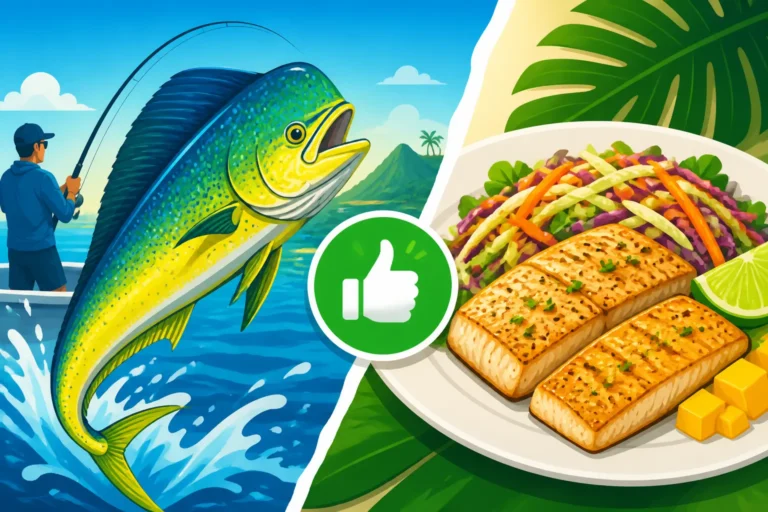
- Diversify Your Catch: If you're fishing for dinner, try to target a variety of species, including those with a lower ciguatera risk. Consider pelagic species like ahi, mahimahi, or ono that spend less time directly on the reef. Hawaii Ahi Bag Limit Rules and Hawaii Mahimahi Size Limit Rules are important to know for these species.
Species Generally Considered Low Risk
While no fish is zero risk in theory, many species are considered very low risk for ciguatera in Hawaii. These are generally pelagic (open ocean) species or those that do not primarily feed on reef-dwelling fish, or are smaller in size and don't accumulate toxins easily.
Here's a quick look at some commonly eaten fish that are usually safe bets:
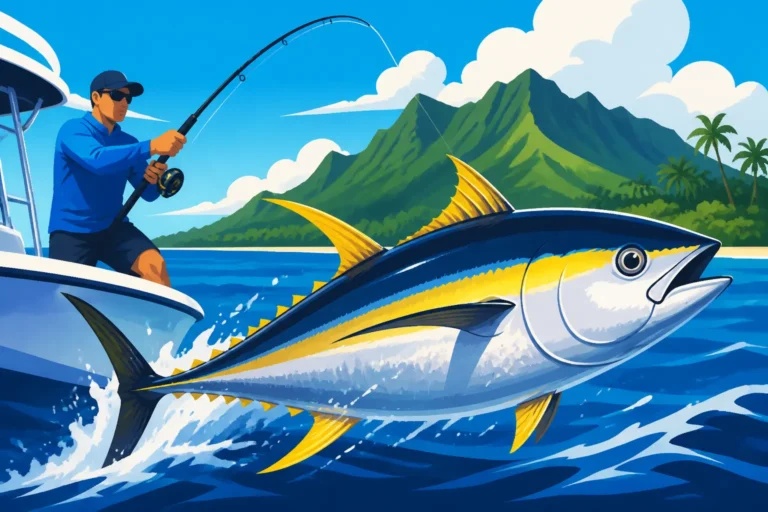
- Ahi (Yellowfin Tuna): A staple of Hawaiian fishing, ahi are open-ocean predators and are not typically associated with ciguatera.
- Ono (Wahoo): Another fast-swimming pelagic species, ono are excellent eating and very low risk.
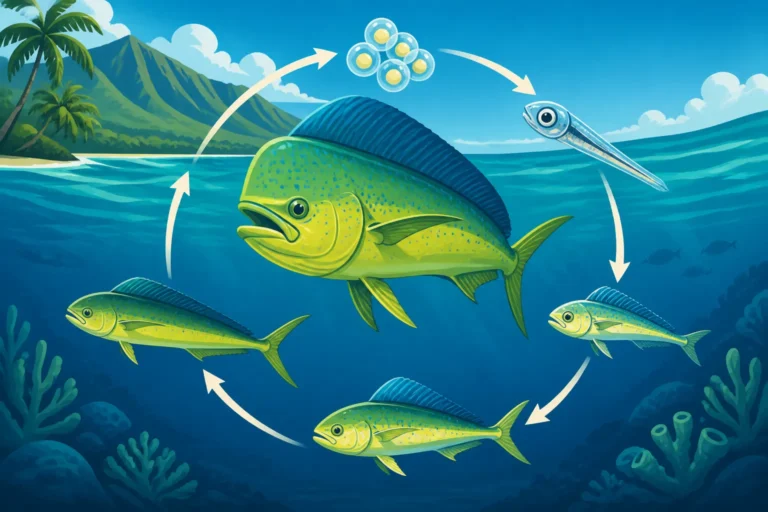
- Mahimahi (Dolphin Fish): These vibrant, acrobatic fish are also pelagic and rarely implicated in ciguatera cases.
- Aku (Skipjack Tuna): Smaller tuna, widely used for bait and consumption, are safe.
- Opakapaka (Pink Snapper): While a bottomfish, opakapaka are typically caught in deeper waters, often beyond the main reef systems where ciguatera originates. They are generally considered safe.
- Nairagi (Sickle Pomfret): Another deep-water bottomfish, also considered low risk.
- Moi (Pacific Threadfin): Found inshore, moi are highly prized and generally safe, especially the smaller, legal-sized individuals. Hawaii Moi Minimum Size Limit is important to remember.
- Papio (Juvenile Trevally): While ulua (adult trevally) can be risky when large, smaller papio are generally considered safe to eat. They haven't had enough time to accumulate significant toxin levels.
Important Note: Even with low-risk species, always practice proper fish handling and storage to prevent other forms of food poisoning. When in doubt, err on the side of caution.
| Fish Species Category | Ciguatera Risk Level (General) | Notes |
|---|---|---|
| High Risk (Larger) | Elevated | Ulua (Giant Trevally), Kāhala (Amberjack), Barracuda, larger Kumu (Goatfish), Roi (Blue-spotted Grouper), some Snapper species, very large Uhu (Parrotfish) |
| Low Risk | Very Low | Ahi (Yellowfin Tuna), Ono (Wahoo), Mahimahi, Aku (Skipjack Tuna), Opakapaka (Pink Snapper), Nairagi (Sickle Pomfret), Moi (Pacific Threadfin), smaller Papio (Trevally) |
| Factors to Consider | Size, Age, Location | Risk increases with fish size/age, and in areas with damaged reefs. Always remove internal organs (liver, roe, head). |
What to Do if You Suspect Ciguatera Poisoning
If you or someone you know experiences symptoms after eating fish, especially if it was a reef fish or a large specimen, seek medical attention immediately. Be sure to inform the medical staff that you suspect ciguatera poisoning, as it's often misdiagnosed due to its varied symptoms. If possible, save a sample of the fish that was eaten, as this might help in testing, though it's not always feasible or required for diagnosis.
While there's no specific cure, doctors can manage symptoms and provide supportive care. Recovery can take weeks or even months, and some neurological symptoms can linger. It's a truly unpleasant experience, which underscores the importance of taking preventative measures seriously. Always remember to check Hawaii Bag and Size Limits by Species to ensure you're compliant with regulations, but apply even more stringent personal guidelines for species known to carry ciguatera. This ensures not only legal fishing but also safe eating.
Lastly, being prepared means having resources at hand. Whether it's a good first aid kit you might find on Amazon for your boat or a reliable local contact for medical advice, thinking ahead is crucial. Having a general understanding of What to Expect on a Hawaii Fishing Charter might also help in understanding how charter captains manage this risk for their clients. It's about being informed, not frightened, so you can continue to enjoy the amazing fishing Hawaii has to offer.
Disclaimer
This article is for general informational purposes only and does not constitute professional advice. Laws, prices and regulations vary by location and change over time. Consult a qualified professional for guidance on your specific situation.