What ciguatera fish poisoning is and which species carry it
There's a quiet worry that often gnaws at the back of an angler's mind when reeling in a beautiful reef fish in Hawaii: "Is this fish safe to eat?" This concern is especially true regarding ciguatera fish poisoning, a naturally occurring toxin that, unlike bacterial spoilage, you can't see, smell, or taste. This guide aims to pull back the curtain on ciguatera, explaining what it is, which Hawaiian fish species are typically associated with it, and how you can make informed decisions to enjoy your catch safely.
What Exactly is Ciguatera Fish Poisoning?
Ciguatera fish poisoning, often just called "ciguatera," isn't a type of food poisoning in the conventional sense caused by bacteria. Instead, it's a naturally occurring biotoxin that originates in the marine environment, specifically in the delicate ecosystems of coral reefs. It’s something that every Hawaii angler should be aware of, not to be overly fearful, but to be respectfully informed.
The Origin Story: Dinoflagellates and Reef Ecology
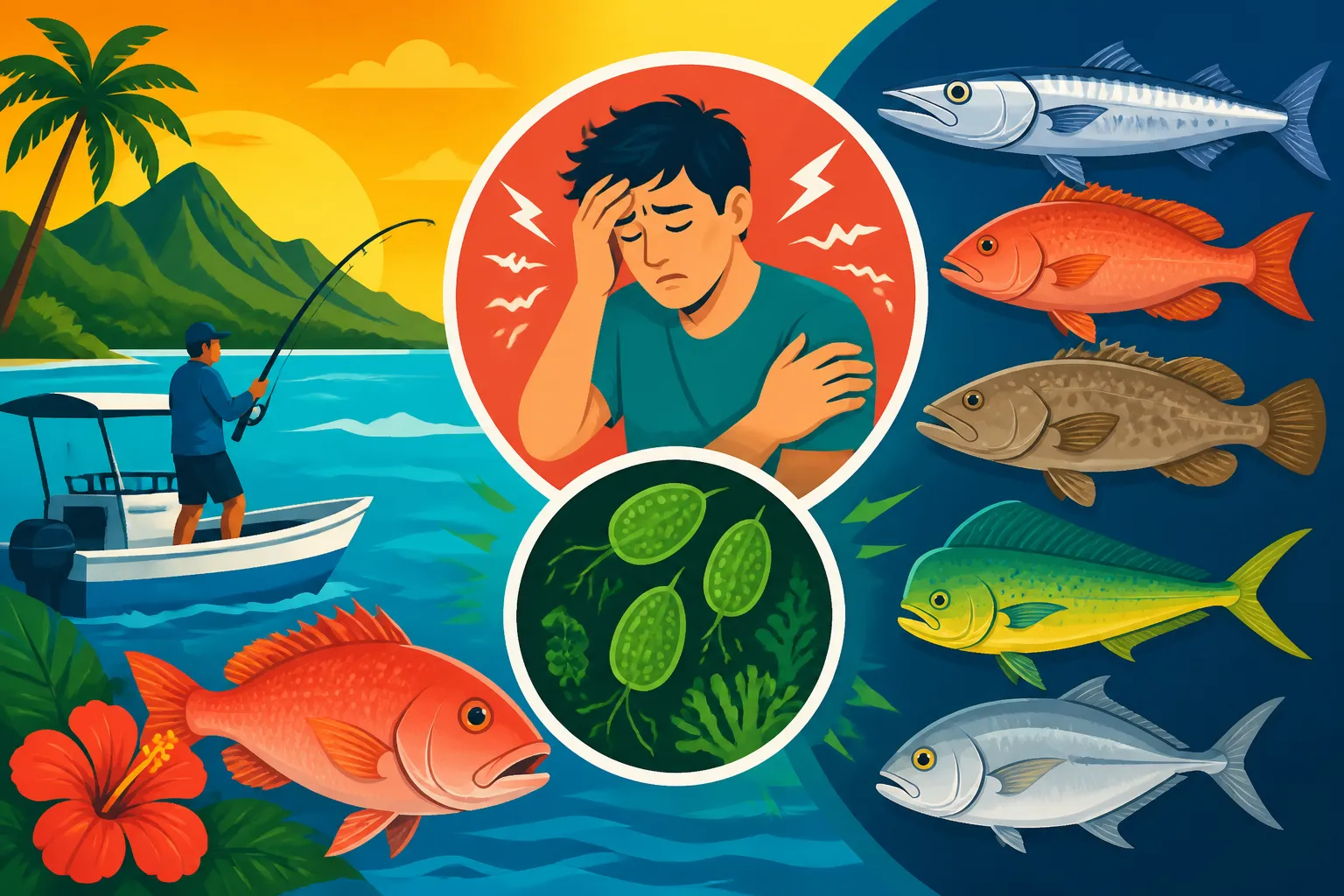
The root cause of ciguatera lies with microscopic marine organisms called dinoflagellates, particularly species like Gambierdiscus toxicus. These tiny algae live on and around dead coral, macroalgae (seaweed), and other surfaces on the reef. They produce a potent neurotoxin known as ciguatoxin. Now, these dinoflagellates aren't swimming around infecting fish directly. Instead, they're consumed by herbivorous fish—the grazers of the reef—which then accumulate the toxin in their tissues.
Imagine a small parrotfish munching on some algae growing on a rock; if that algae has Gambierdiscus toxicus on it, the parrotfish ingests the toxin. This toxin is fat-soluble and doesn't get metabolized or excreted easily, so it builds up in the fish's flesh over time. Then, a slightly larger carnivorous fish, like a snapper, comes along and eats several of those toxin-carrying parrotfish. The toxin bioaccumulates, meaning it becomes more concentrated at higher levels of the food chain. This chain continues up to larger predators, which is why older, bigger reef fish tend to be the highest risk carriers. It’s a natural process, but one that can certainly cause headaches (and worse!) for unsuspecting human diners.
How the Toxin Affects You: Symptoms and Severity
Ciguatera symptoms can be incredibly varied and unpredictable, which is part of what makes it so concerning. Typically, symptoms appear anywhere from a few hours to a day or two after eating contaminated fish, but some folks report onset even sooner. The initial signs often mimic classic food poisoning: nausea, vomiting, diarrhea, and abdominal pain. But here's where ciguatera gets really tricky and distinguishes itself: neurological symptoms are very common and can be quite severe.
People often report extreme fatigue, muscle aches, joint pain, and an unsettling sensation of temperature reversal – meaning hot objects feel cold and cold objects feel hot. Imagine dipping your hand in cool water and it feels like it's scalding hot; it's a truly disorienting experience. Other neurological issues can include tingling in the extremities, itching (sometimes severe and persistent), dizziness, and even temporary blindness or hallucinations in rare, extreme cases. What's more, symptoms can sometimes persist for weeks, months, or even years, and repeat exposure can worsen future reactions. There's no cure, only supportive care for the symptoms, so prevention is absolutely paramount.
Misconceptions and the "Old Wives' Tales"
When it comes to ciguatera, there's a lot of folklore and misinformation out there, and believing these myths can put you at serious risk. One of the most dangerous misconceptions is that cooking the fish will destroy the toxin. This is absolutely false. Ciguatoxins are heat-stable, meaning baking, grilling, frying, or boiling the fish does nothing to eliminate the danger. The toxin is also odorless and tasteless, so you can't tell if a fish is contaminated by its smell or flavor.
Another common myth is that if you feed a small piece of the raw fish to a cat or dog, and they don't get sick, the fish is safe. While animals can indeed suffer from ciguatera, their reaction isn't a reliable indicator for human safety due to differences in metabolism and sensitivity. Similarly, old tales about silver turning black when placed with contaminated fish or flies avoiding the fish are completely unfounded. The reality is that there's no visual, olfactory, or simple home test to confirm the presence of ciguatoxin. This lack of a detection method is precisely why anglers must rely on knowledge, caution, and local wisdom to minimize their risk.
Which Hawaii Fish Species Are Most Susceptible?
Understanding which fish species are more likely to carry ciguatera is your best defense against this invisible threat. It's not about avoiding all reef fish, but about being smart and selective about what you keep for the dinner table, especially when you consider Hawaii Fishing Regulations Explained and how different species are managed.
The Usual Suspects: Larger Reef Predators
When we talk about ciguatera risk in Hawaii, the focus almost always turns to larger, older reef-dwelling carnivorous fish. These are the fish that have spent years foraging on the reef, consuming many smaller fish that may have accumulated toxins. Because ciguatoxin accumulates in their tissues and doesn't break down, older and bigger individuals of these species carry a higher risk. Think of species like large amberjacks (kahala), certain barracuda, and some of the bigger grouper and snapper species found on the reefs. These fish are at the top of the reef food chain, making them prime candidates for bioaccumulation.
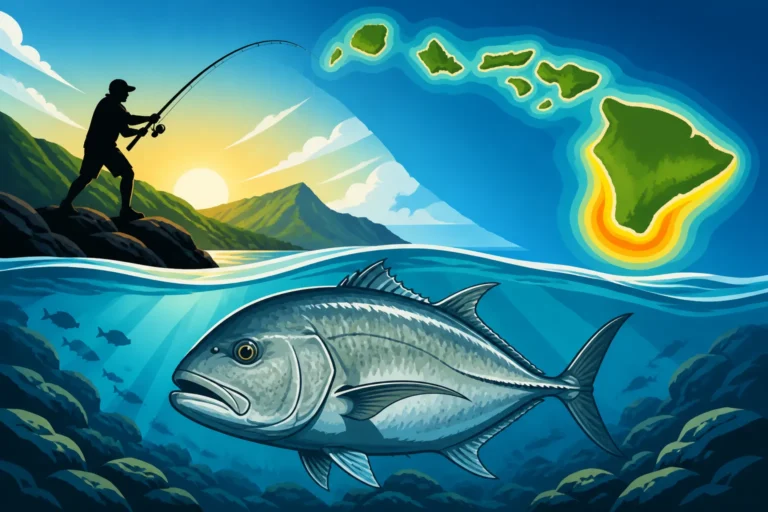
While beautiful and powerful, a really massive ulua (giant trevally) or a large kahala caught right off a known reef structure can be a concern. Ulua (Giant Trevally) Fishing in Hawaii is incredibly popular, but seasoned locals will often tell you to be wary of the very largest specimens from certain spots. It's not a guarantee that they're toxic, but the probability increases with size and age due to their feeding habits and longevity. When you're fishing for Bottomfish Species of Hawaii, especially the larger ones, it's always wise to ask locals about current conditions and known ciguatera hotspots.
Less Common, But Still a Risk: Herbivores and Omnivores
While the big predators get most of the attention, it’s important to remember that even fish lower down the food chain, including herbivores and omnivores, can sometimes carry the toxin. This is because they are the ones directly grazing on the algae where the dinoflagellates reside. Smaller parrotfish (uhu), surgeonfish (manini, kala), and even goatfish (kumu, weke) can carry ciguatoxin, though typically at lower concentrations. The risk usually becomes more pronounced in these species if they are unusually large for their kind or caught in areas known for ciguatera outbreaks.
The key here is geographic variability. A particular reef that has recently undergone some disturbance—like heavy wave action from a storm, coral bleaching events, or even human impact—might see an increase in the Gambierdiscus toxicus algae. Fish feeding in these specific, affected areas, even if they're typically considered "safer," could potentially become toxic. This is why local knowledge is so invaluable. An angler might successfully catch and eat Uhu (Parrotfish) in Hawaii from one part of the coast for years without issue, but then catch one from a different, problematic area and get sick. Always consider the "where" as much as the "what."
Ocean vs. Reef Fish: Understanding the Differences
One of the most important distinctions to make when considering ciguatera risk is between open ocean, pelagic species and those that primarily reside on coral reefs. Generally speaking, the vast majority of ciguatera cases are associated with reef fish. This is because the dinoflagellates that produce the toxin live on the reef structure itself. Pelagic species, which spend their lives in the open ocean far from reefs, are typically not a concern for ciguatera.
This is excellent news for those who love to target big game fish like ahi (yellowfin tuna), marlin, mahimahi, and ono (wahoo). These fish feed in the deep blue waters and are not part of the reef food chain where ciguatoxin bioaccumulation occurs. So, while you might hear cautionary tales about a large ulua from a specific reef, you can generally feel confident enjoying your fresh-caught Ahi (Yellowfin Tuna) Fishing in Hawaii or Marlin Fishing off the Kona Coast without ciguatera worries. It’s a crucial distinction that allows anglers to enjoy Hawaii’s diverse fisheries while still exercising caution for their health.
Here’s a general guide to help visualize the risk levels for some common Hawaiian fish species:
| Fish Species | Typical Habitat | General Ciguatera Risk | Notes |
|---|---|---|---|
| Blue Marlin | Open Ocean | Very Low | Pelagic, not associated with reef toxins. |
| Yellowfin Tuna (Ahi) | Open Ocean | Very Low | Pelagic, not associated with reef toxins. |
| Wahoo (Ono) | Open Ocean | Very Low | Pelagic, not associated with reef toxins. |
| Mahimahi | Open Ocean | Very Low | Pelagic, not associated with reef toxins. |
| Giant Trevally (Ulua) | Reef/Nearshore | Moderate to High | Risk increases significantly with size and age, especially in certain areas. |
| Amberjack (Kahala) | Reef/Nearshore | Moderate to High | Larger individuals are higher risk due to diet. |
| Snapper (Opakapaka, Onaga) | Deep Reef/Bottomfish | Low to Moderate | Generally lower risk than shallow reef predators, but larger bottomfish can still accumulate. |
| Grouper (Hapu'upu'u) | Deep Reef/Bottomfish | Low to Moderate | Similar to deep snappers, but caution for very large specimens. |
| Barracuda | Reef/Nearshore | Moderate to High | Highly predatory reef fish; larger ones are higher risk. |
| Parrotfish (Uhu) | Reef Flats | Low to Moderate | Herbivore, but can accumulate if grazing on toxic algae. Risk higher for very large ones. |
| Surgeonfish (Kala, Manini) | Reef Flats | Low to Moderate | Similar to parrotfish. |
| Goatfish (Kumu, Weke) | Reef Flats/Sand | Low to Moderate | Bottom feeders, can ingest toxins from the substrate. Risk higher for larger, older individuals. |
Disclaimer: This table is a general guide only. Ciguatera risk can vary greatly by specific location, individual fish, and environmental conditions. Always exercise caution and seek local knowledge.
Practical Advice for Anglers: Minimizing Your Risk
As passionate Hawaii anglers, we want to enjoy the fruits of our labor safely. While ciguatera can be a real concern, there are practical steps you can take to significantly minimize your risk and keep your fishing experiences enjoyable and healthy. This goes hand-in-hand with understanding Hawaii Bag and Size Limits by Species which also often aims to protect spawning stock or healthy populations.
Size Matters: Targeting Smaller Fish for Consumption
One of the most consistent pieces of advice from seasoned local fishermen regarding ciguatera is to avoid eating very large, older reef fish. The principle behind this is bioaccumulation: the longer a fish lives and the more smaller, toxin-carrying fish it consumes, the higher the concentration of ciguatoxin will be in its own tissues. For species known to be ciguatoxic, a smaller, younger fish generally presents a much lower risk than its grandpappy.
For instance, if you're targeting ulua or kahala, a fish that's just at the legal size limit or a bit larger might be a safer bet for the plate than a true trophy-sized specimen that's been patrolling the reefs for decades. Many local families in Hawaii adhere to this rule strictly for their personal consumption. While catch-and-release is always an option, if you plan to keep a reef predator, opting for a modest-sized fish is a smart choice. It’s a way of showing respect for the environment and for your own well-being.
Knowing Your Fishing Grounds: High-Risk Areas
Ciguatera is not uniformly distributed across all Hawaiian waters. Certain reef systems or specific areas are known to have a higher incidence of toxic dinoflagellates, often linked to environmental disturbances. Areas that have experienced recent coral bleaching, storm damage, or other forms of reef stress can be more prone to ciguatoxin production. The local community and experienced charter captains are often the best source of real-time information about these "hot spots." Before heading out, especially if you're new to an area, it's incredibly valuable to chat with local tackle shop owners, commercial fishermen, or even check online fishing forums for recent reports.
For example, a particular rocky point on one island might have a reputation for producing ciguatoxic fish, while another point just a few miles away might be perfectly safe. This hyper-local knowledge is priceless. If you're planning a trip to the Best Fishing Spots in Hawaii, don't just rely on maps; connect with people on the ground. When considering fishing within or near areas like Hawaii Marine Life Conservation Districts, Explained, understand that while these areas protect marine life, the natural ecology can still foster conditions for ciguatera, so even in pristine spots, caution is advised.
Safe Handling and What to Do if Symptoms Appear
Even with all precautions, sometimes things happen. If you decide to keep a reef fish for consumption, handling it properly is always a good practice. Keep your catch cool and on ice immediately. Separate your fish from others if you're fishing with a group, and be mindful of cross-contamination if you suspect a particular fish might be risky. A good, insulated cooler, like many quality options you can find on Amazon, is crucial for maintaining freshness and minimizing any bacterial growth. When filleting, dispose of the internal organs carefully, as ciguatoxins are often highly concentrated in the liver and other viscera.
Should you or someone in your party experience symptoms consistent with ciguatera after eating fish, seek immediate medical attention. It's important to inform medical professionals that you suspect ciguatera, as it's not a common diagnosis and the symptoms can mimic other conditions. While there's no antidote, supportive care can help manage the symptoms. Consider equipping yourself with a comprehensive first-aid kit—readily available on Amazon—that includes antihistamines or other remedies for allergic reactions, just in case, though these are not cures for ciguatera itself. The sooner you get medical help, the better the chances for managing symptoms and preventing long-term complications.
Resources and Awareness: Staying Informed
Staying informed is perhaps the most powerful tool an angler has against ciguatera. It’s not just about what you catch, but knowing where to turn for guidance and how to contribute to the collective knowledge that helps everyone fish more safely in Hawaii.
Local Knowledge and Community Wisdom
In Hawaii, fishing isn't just a hobby; it's a deeply ingrained part of the culture and a way of life for many. This means that local fishermen, kupuna (elders), and even the folks at your neighborhood bait and tackle shop possess an incredible wealth of knowledge about local fishing grounds, fish behavior, and, yes, potential ciguatera risks. Don't be shy about striking up conversations. Asking about which areas have been "hot" for ciguatera, or if certain species from particular spots are currently avoided, can provide invaluable, real-time insights that no website or book can replicate. This is often how new residents learn the nuances of Hawaii Fishing License Guide for 2026 and local practices.
Beyond individual conversations, the Hawaii Department of Land and Natural Resources (DLNR) Division of Aquatic Resources (DAR) is the official body that manages Hawaii's fisheries. While they might not provide daily ciguatera hotspot updates, they are involved in monitoring marine health and can be a resource for broader patterns or official advisories if they exist. Always check official sources for regulatory updates, and then cross-reference with the living, breathing knowledge base of the local fishing community.
Testing and Reporting: What's Available
Currently, there isn't a widely available, reliable, and affordable commercial test kit that anglers can use at home to detect ciguatoxin in fish. This is a significant challenge, as it means anglers must rely on preventive measures rather than post-catch verification. Lab testing is possible, but it's typically complex, expensive, and not practical for individual recreational anglers. The best "test" remains informed caution.
However, if you do suspect you've been poisoned by ciguatera, it's crucial to report the incident to the Hawaii Department of Health (DOH). Public health officials track these cases, and your report contributes to a larger database that helps identify patterns, potential outbreaks, and areas of concern. This information is vital for public safety and for informing future advisories. Don't underestimate the impact of your experience; reporting helps protect others. For those looking to deepen their understanding of local species, a detailed guide to Reef Fish Species Identification Guide for Hawaii or other Hawaiian fish identification books can be an invaluable resource, often found on Amazon to help you learn which species to be cautious about.
Gear for Safe Fishing Practices
Beyond knowledge, having the right gear can contribute to safer fishing practices, even if it doesn't directly prevent ciguatera. As mentioned, a quality cooler is essential for keeping fish fresh, which is paramount for overall food safety. But thinking about handling the fish themselves, especially larger reef species, can make a difference. Invest in quality fishing gloves and tools, easily accessible through retailers like Amazon, to ensure safe handling of your catch, minimizing any direct contact with potential toxins in slime or internal fluids, though the primary risk is through consumption.
For anglers keen on ethical fishing, especially if you're practicing catch-and-release for the bigger, older reef fish, having proper de-hooking tools and a landing net can ensure the fish is handled minimally and released unharmed. This kind of gear promotes responsible angling and helps preserve the marine ecosystem for future generations, while also allowing you to make conscious choices about which fish to keep for the table based on ciguatera risk. Understanding the various risks, both biological and regulatory (such as Hawaii Fishing License Age Requirements), helps create a more complete and safe fishing experience.
Disclaimer
This article is for general informational purposes only and does not constitute professional advice. Laws, prices and regulations vary by location and change over time. Consult a qualified professional for guidance on your specific situation.