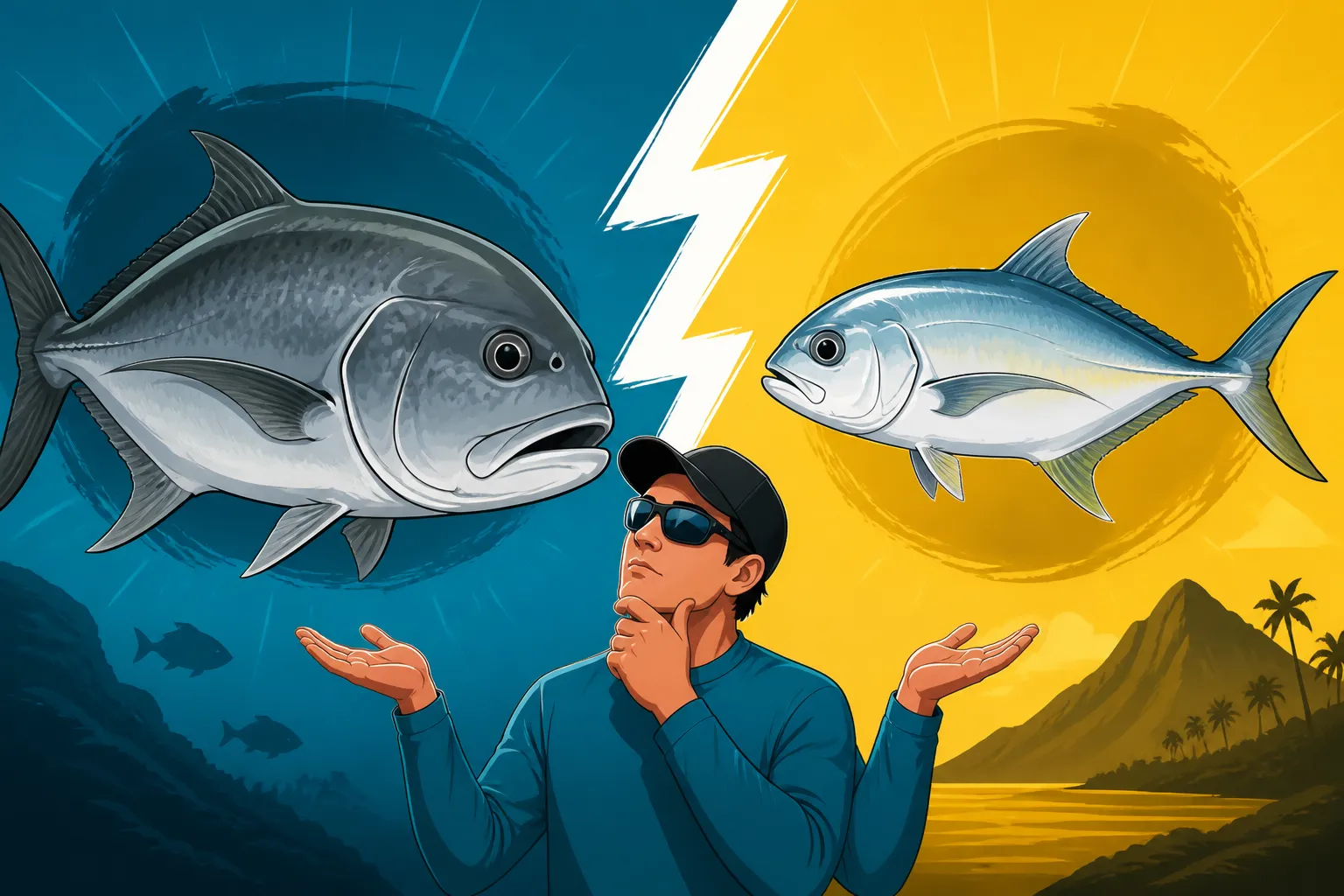
Do Ulua Ever Get Bigger Than Trophy Papio?
There's a common misconception swirling around in Hawaii's fishing community, especially for those new to our waters, regarding the magnificent Giant Trevally. Many anglers wonder if what they call a "trophy papio" can truly rival the sheer size and power of an "ulua." This guide aims to clear up that confusion by diving deep into the fascinating life stages of this iconic Hawaiian game fish, helping you understand the definitive size relationship between papio and ulua.
Understanding the 'Ulua' and 'Papio' Distinction in Hawaii Fishing
Here in Hawaii, we have a unique way of categorizing the Giant Trevally (Caranx ignobilis) based on its size and maturity. While a newcomer might think "papio" and "ulua" are entirely different species, the truth is much simpler and more integrated into the fish's life cycle. It's a linguistic and cultural distinction that reflects the growth and behavior of the same incredible fish.
The Life Cycle of the Giant Trevally
The Giant Trevally, or GT as it's often called globally, is one of the most sought-after game fish in the Pacific. It's known for its incredible strength, aggressive strikes, and relentless fight, making it a true test for any angler. But before it becomes the formidable "ulua" that can strip hundreds of yards of line in seconds, it begins its journey as a smaller, though equally feisty, "papio."
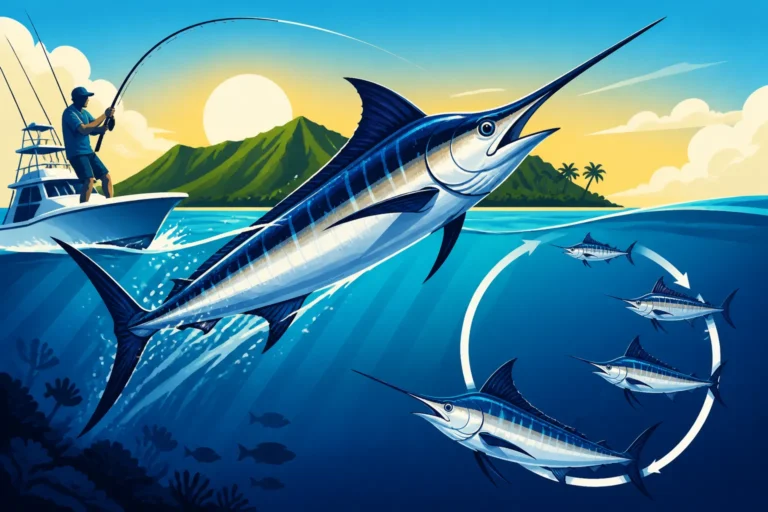
When a Giant Trevally hatches from its egg, it starts its life in the warmer, shallower waters, often around protected reefs, estuaries, and bays. During these formative years, it's highly opportunistic, feeding on smaller baitfish, shrimp, and crabs. As it grows, it gains strength and confidence, gradually moving into more exposed areas. This initial growth phase, where the fish is typically under 10-15 pounds, is when it's known as a "papio." These younger fish are still incredibly powerful for their size, capable of impressive runs and acrobatic leaps, providing thrilling action on lighter tackle. They are essentially the teenagers of the trevally world, full of energy and growing fast.
Why the Local Nomenclature Matters
The distinction between "papio" and "ulua" isn't just about different sizes; it carries a deep cultural and practical significance in Hawaii. For generations, local fishermen have used these terms to describe the fish at various stages of their development, influencing everything from fishing techniques to culinary expectations. A "papio" might be caught close to shore on light spin gear or by whipping with small lures, offering a fun challenge for anglers of all skill levels. They're often targeted for a delicious fresh dinner and are a staple of many local fishing practices.
On the other hand, the term "ulua" evokes images of a colossal, grizzled warrior of the deep. These are the fish that require heavy-duty tackle, specialized techniques like Sliding Bait Techniques for Ulua, and an immense amount of patience and skill to land. The pursuit of a giant ulua is often a lifelong quest for many local anglers, a true benchmark of their abilities. This traditional naming system helps convey the sheer difference in the angling experience and the respect accorded to the mature, larger fish. Understanding this local nomenclature is key to truly appreciating the art of Ulua (Giant Trevally) Fishing in Hawaii and How to Catch Papio on Hawaii's Shoreline. It’s not just about what you’re catching, but who you’re catching in its life journey.
Deciphering the Size Question: Ulua vs. Trophy Papio
The core of the question, "Do Ulua Ever Get Bigger Than Trophy Papio?", touches on a common misunderstanding. Let's make it crystal clear: yes, ulua always get bigger than trophy papio. This is because a "papio" is a juvenile Giant Trevally, and an "ulua" is an adult Giant Trevally. Think of it like a human child versus an adult – the child, no matter how robust or "trophy-sized" for its age, will eventually grow into an adult, which will be larger.
Defining "Trophy Papio"
When anglers in Hawaii talk about a "trophy papio," they're referring to a particularly large specimen within the juvenile stage of the Giant Trevally's life. While a typical papio might range from a few ounces up to about five pounds, a "trophy papio" usually means a fish pushing the upper limits of this juvenile classification, perhaps weighing anywhere from 8 to 15 pounds. These are truly impressive catches, especially on the light to medium tackle often used for Shore Fishing Techniques for Hawaii.
Imagine landing a 12-pound papio from a shallow reef flat near Keehi Lagoon or a sandy beach on Oahu. This fish would put up an incredible fight, making blistering runs and testing your drag and knot strength. It's a fantastic achievement and certainly a "trophy" in its own right for that size class. However, despite its impressive size for a juvenile, this fish is still biologically a papio. It hasn't reached the full maturity or the immense bulk that would qualify it as an ulua. The "trophy" here signifies its exceptional size for a juvenile, not its peak potential size as an adult.
The Inevitable Growth to Ulua Size
The transition from papio to ulua isn't a hard scientific line, but rather a gradual shift in local terminology as the fish grows beyond a certain threshold. Generally, once a Giant Trevally surpasses around 15 to 20 pounds, it begins to be referred to as an "ulua." And this is where the sheer magnitude of the adult fish becomes apparent. Ulua can grow to truly enormous sizes, with many catches weighing over 50 pounds, 80 pounds, and even well over 100 pounds. The current state record for Ulua (Giant Trevally) in Hawaii far exceeds any "trophy papio" ever caught. This topic is explored in more detail in Papio Growth Stages Into Trophy Ulua and Ulua Average Size in Hawaii.
Consider the sheer difference: a 15-pound "trophy papio" is a strong fish, but a 100-pound ulua is an entirely different beast. A 100-pound ulua is a true monster of the deep, a fish that can pull an unwary angler into the water, snap heavy lines, and straighten hooks with ease. It's the apex predator of the inshore and nearshore Hawaiian waters, a testament to its long life and successful hunting. Every single ulua, no matter how massive, started its life as a tiny fry and grew through the papio stage. So, while a "trophy papio" is indeed a big juvenile, it is merely a stepping stone on the path to becoming an even larger, more powerful ulua. There's no scenario where a papio, even a "trophy" one, remains a papio and outgrows an ulua because they are simply different life stages of the same fish.
| Stage Name | Scientific Name | Typical Weight Range | Habitat Preference | Angling Challenge |
|---|---|---|---|---|
| Papio | Caranx ignobilis | < 15 pounds | Shallow reefs, estuaries, harbors | Light to Medium Tackle |
| Ulua | Caranx ignobilis | 15 – 100+ pounds | Deeper reefs, ledges, open ocean, heavy surf | Heavy Tackle, Advanced Techniques |
Factors Influencing Growth and Size in Hawaii's Trevally
The journey from a tiny trevally fry to a massive ulua is influenced by a complex interplay of environmental factors, food availability, and the fish's own biological makeup. Hawaii's unique marine ecosystem provides both challenges and opportunities for these powerful fish to grow to impressive sizes.
Abundance of Food Sources
Hawaii's vibrant and diverse marine environment is teeming with a variety of prey species, which is crucial for the rapid growth of Giant Trevally. In their juvenile papio stage, they primarily consume smaller fish like juvenile goatfish, small reef fish, crustaceans, and cephalopods. As they mature into ulua, their diet shifts to larger prey, including substantial reef fish like parrotfish (uhu), surgeonfish, and various types of mackerel scad (opelu), as well as octopus (tako) and squid.
Areas with healthy reef ecosystems and thriving baitfish populations directly correlate to larger, healthier trevally. For instance, productive deep-water ledges or areas near volcanic drop-offs, where baitfish are abundant, can become prime feeding grounds for ulua. Likewise, protected bays and estuaries that serve as nursery grounds for many smaller species provide the perfect buffet for growing papio. The sheer availability of nutrient-rich food allows these fish to pack on weight and length at an impressive rate, constantly fueling their explosive growth from a small papio to a colossal ulua.
Habitat and Environment
The specific environment a trevally inhabits throughout its life plays a huge role in its growth potential and survival. Papio often thrive in the protection of shallow reef flats, calmer bays, and even brackish estuaries, where they can find cover and feed without expending too much energy. However, as they grow, they require more expansive and deeper territories to accommodate their increasing size and hunting prowess.
Ulua are typically found in more exposed and deeper environments. They patrol the edges of deep reefs, submerged lava flows, offshore pinnacles, and the turbulent surf zones along rocky coastlines. These habitats offer them access to larger prey and allow them to ambush unsuspecting victims with their characteristic explosive strikes. Protected areas like Hawaii Marine Life Conservation Districts, Explained or zones with limited fishing pressure can act as sanctuaries where trevally can grow undisturbed to their maximum potential. Furthermore, factors like water temperature, current strength, and water clarity also influence their foraging success and overall health, directly impacting how large an individual fish can grow.
Age and Genetics
Like all living creatures, Giant Trevally have a natural growth curve dictated primarily by their age and genetic predisposition. A fish's age is the most significant factor in its size – older fish, generally speaking, are larger fish. Ulua that have survived for many years, navigating predators, avoiding anglers, and successfully breeding, will naturally accumulate more mass and reach impressive lengths. Some ulua can live for several decades, steadily increasing in size over that time.
While environmental factors dictate how well a fish grows, genetics determine its potential to grow. Just as some humans are naturally taller or more robust, some trevally may be genetically predisposed to grow larger or faster than others. A combination of good genes and an optimal environment allows a select few to become the true giants that define the term "ulua." Anglers often debate whether certain bloodlines or populations of GTs inherently grow larger in specific regions of the islands, though scientific data on this can be elusive. What's clear is that a fish needs both time and sustenance to achieve its full potential.
Angler Perspective: Catching and Identifying Big Papio and Ulua
For anglers, the pursuit of both papio and ulua offers distinct challenges and rewards. Understanding the nuances of their behavior and preferred habitats at different life stages is crucial for success, whether you're targeting a feisty papio for dinner or a monster ulua for a bucket-list catch. The gear and techniques employed shift dramatically as you move up the size scale, requiring adaptation and a deep respect for these powerful fish.
Techniques for Targeting Larger Papio
Targeting "trophy papio" involves a blend of skill, patience, and the right gear. These larger juveniles often hang out in similar areas to smaller papio but might be found near deeper channels, current breaks, or around more substantial reef structures. Anglers typically employ light to medium spin tackle, using lures like Kastmasters, Tady jigs, or various soft plastics that imitate small baitfish or crustaceans. The "whipping" technique, which involves casting and retrieving lures quickly, is incredibly effective for eliciting aggressive strikes from papio. You can find more details on effective methods in How to Catch Papio on Hawaii's Shoreline.
When you're after a bigger papio, it’s wise to step up your leader strength slightly and ensure your drag is smooth and robust. A hard-fighting 10-pound papio can still wreak havoc on light line. Investing in quality fishing line and leader material, perhaps found easily on Amazon, can make all the difference between landing that trophy and losing it to a reef. Also, pay attention to tide changes and early morning or late evening bites, as these can be prime times for active feeding when papio are less wary.
Pursuing Trophy Ulua
The quest for a true "trophy ulua"—meaning a Giant Trevally well over the 20-pound mark, often reaching 50, 80, or even 100+ pounds—is an entirely different endeavor. This is where the term "fishing" often evolves into "hunting." Anglers targeting these giants primarily use heavy surf rods and reels, often spooled with hundreds of yards of braided line with heavy monofilament or fluorocarbon leaders. Techniques usually involve "sliding bait," where a large live or dead baitfish (like a whole mullet or opelu) is cast out and allowed to drift into deeper water or a known ulua haunt. Shore casters might also use massive plugs or heavy jigs, sometimes custom-made, to reach distant ledges or channels. Best Time of Day to Catch Ulua can provide insights into optimal fishing times.
Outfitters often recommend specific gear for these battles. A robust conventional reel with a powerful drag system, paired with a long, heavy-action rod, is essential. Many anglers source their specialized heavy-duty hooks, swivels, and leader materials from platforms like Amazon to ensure they have the strongest possible connections when battling a fish that can easily exert hundreds of pounds of force. The fight with a large ulua is legendary; it’s a brutal test of endurance for both angler and tackle, often lasting for 30 minutes or more of relentless tug-of-war. Many anglers specifically choose to target these larger fish with the intent of catch and release, especially when considering Hawaii Papio and Ulua Size Rules, to help preserve the species for future generations.
The Thrill of the Fight and the Respectful Release
Regardless of whether you hook a "trophy papio" or a monstrous ulua, the thrill of battling a Giant Trevally is unparalleled. Their explosive initial runs, head shakes, and sheer refusal to give up make every catch a memorable experience. For many, the fight itself is the reward, a testament to the power of nature and the angler's skill.
When it comes to these magnificent fish, especially the larger ulua, many passionate anglers advocate for respectful handling and release. These large, mature fish are crucial for the health of the trevally population, as they are the primary breeders. Ensuring they return to the water in good condition helps sustain the fishery for years to come. Quick photos, careful de-hooking, and a strong, unassisted swim-off are practices embraced by those who cherish Hawaii's fishing future. This deep appreciation for the fish, from its papio days to its ulua prime, is a hallmark of responsible angling in the islands.
Disclaimer
This article is for general informational purposes only and does not constitute professional advice. Laws, prices and regulations vary by location and change over time. Consult a qualified professional for guidance on your specific situation.