Are Roi Safe to Eat in Hawaii?
One of the most common questions I get from anglers, especially those new to Hawaii's waters or those who've heard whispers on the docks, is about the safety of eating roi. You've just reeled in or speared one of these striking fish, perhaps admiring its vibrant colors, but then a little voice of caution pops up: "Is this fish actually good to eat, or am I putting myself at risk?" It's a valid concern, and one that many local fishermen grapple with too. This guide will walk you through everything you need to know about consuming roi in Hawaii, from understanding the ciguatera risk to safe handling and consumption practices, so you can make informed decisions.
Understanding Roi: An Invasive Species in Hawaiian Waters
Roi, scientifically known as Cephalopholis argus, are also commonly called peacock grouper or blue-spot groupers. They're a beautiful fish, no doubt, with their distinctive blue spots across a reddish-brown body, and they can be found lurking in the shallow, rocky reefs around the islands. But here's the rub: they're not native to Hawaii. These fish were intentionally introduced to Hawaiian waters in the 1950s and 60s as a food fish, and perhaps to fill an ecological niche, much like their equally controversial cousins, the ta'ape. Unfortunately, like many well-intentioned introductions, the roi quickly adapted and reproduced prolifically, outcompeting native species for food and habitat.
The problem with roi isn't just their invasive nature, which itself is a significant ecological concern for Hawaii's delicate reef ecosystems. Many anglers feel a responsibility to help manage their populations, which is why you'll often hear "take 'em all" when it comes to roi. They're voracious predators that can impact the populations of our beloved native reef fish, and reducing their numbers is seen as a way to support the health of our local marine life. It’s a complex issue, as we discuss further in Invasive Taape and Roi in Hawaii, but from an angler's perspective, catching and removing them can feel like a positive contribution.
However, despite being a commonly caught fish, especially by spearfishers exploring the reefs, roi carry a specific health concern that makes their consumption a bit of a gamble. This concern is what often prompts that initial question: are they safe to eat? It's not about the fish itself being inherently poisonous, but rather what it might have consumed over its lifetime in our waters.
The Ciguatera Fish Poisoning Risk
The primary reason for hesitation when it comes to eating roi in Hawaii is the risk of ciguatera fish poisoning. This isn't just a mild upset stomach; ciguatera can be a serious illness with debilitating symptoms that can last for weeks, months, or even years in severe cases. It's a sneaky toxin because it doesn't affect the taste, smell, or appearance of the fish, and cooking doesn't destroy it. You can't see it, you can't smell it, and you can't cook it out. This makes it particularly frightening for those who've experienced it or know someone who has. We dive deeper into the nature of this illness in What ciguatera fish poisoning is and which species carry it.
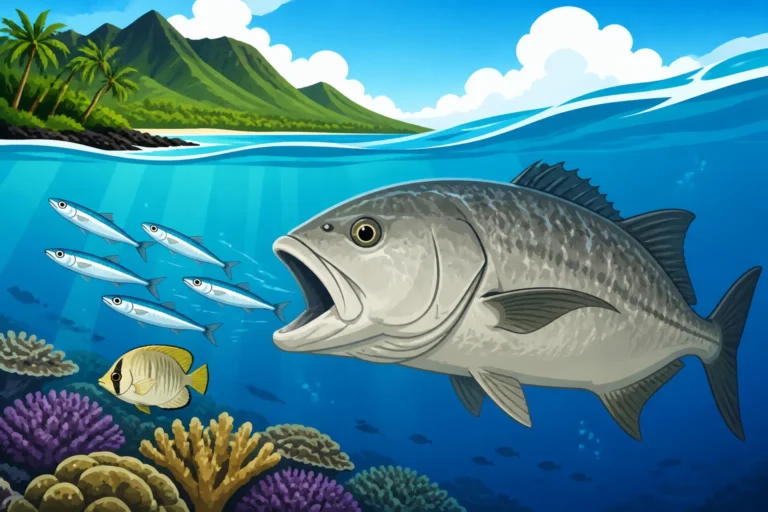
Ciguatera is caused by marine toxins produced by microscopic algae called dinoflagellates, which live on dead coral and seaweed. Small herbivorous fish eat these algae, and then larger carnivorous fish, like roi, eat the herbivorous fish. As the toxin moves up the food chain, it bioaccumulates in the tissues of the predators. Since roi are predators that feed on reef fish, they are particularly susceptible to accumulating these toxins. The older and larger the roi, the more time it has had to accumulate these toxins, and thus the higher the risk.
The symptoms of ciguatera poisoning are wide-ranging and can vary significantly from person to person. They often include gastrointestinal issues like nausea, vomiting, diarrhea, and abdominal pain. Neurological symptoms are also common and can be quite distressing, such as tingling in the extremities, reversal of hot and cold sensations (where cold feels hot and hot feels cold), joint and muscle aches, fatigue, dizziness, and even temporary paralysis or respiratory distress in extreme cases. Some people report profound weakness and persistent nerve pain. There’s no specific cure, and treatment typically focuses on managing symptoms. Understanding these risks is crucial when deciding whether to consume a fish like roi. It's truly not a decision to take lightly.
Identifying High-Risk Areas and Fish
The concentration of ciguatoxins can vary significantly across different geographic locations and even within the same reef system. Certain areas around the islands are known "hot spots" for ciguatera, often associated with recent coral disturbance, heavy runoff, or specific reef characteristics. However, pinpointing these areas with absolute certainty is incredibly difficult and constantly changing. What might be safe one year might not be the next. This unpredictability adds to the challenge for anglers.
When it comes to the fish themselves, there's a general understanding that larger, older roi tend to carry a higher risk of ciguatera. This is due to the bioaccumulation process – more time in the reef ecosystem means more time to consume toxin-carrying prey. Many local anglers, if they choose to eat roi at all, will stick to smaller, younger fish. However, this is not a guarantee of safety. Even small fish can accumulate enough toxin to cause illness, especially if they've been feeding in a particularly toxic area. There's no reliable field test to determine if a specific fish is ciguatoxic, which is why many people err on the side of caution. If you're out fishing and specifically targeting these invasive species, perhaps with gear you picked up from Amazon for your spearfishing setup, it's wise to consider the potential downstream implications.
The Dilemma: Managing an Invasive Species with Health Risks
This presents a real conundrum for Hawaii's fishing community. On one hand, there's a strong ecological imperative to remove invasive species like roi to protect native fish populations. On the other hand, encouraging the consumption of a fish known to carry ciguatera risks can lead to serious health issues for those who consume them. It's a tough balancing act, and there's no easy answer. This is why you'll often hear differing opinions among local anglers. Some will tell you they eat smaller roi without issues, while others wouldn't touch them with a ten-foot pole.
For many, the reward simply doesn't outweigh the potential risk. Given the abundance of other delicious and safe fish available in Hawaiian waters, many anglers choose to release roi (which, while not ideal for invasive species management, avoids personal risk) or simply catch them for the sport and dispose of them responsibly. For those committed to invasive species removal, participating in organized ciguatera testing programs or finding ways to utilize roi for non-consumption purposes (e.g., bait for other predatory fish) are avenues explored. The broader topic of Hawaii's unique marine life and how we manage it is covered in Hawaii Fishing Regulations Explained.
Practical Approaches to Roi Consumption (or Avoidance)
Given the inherent risks, a cautious approach to consuming roi is always recommended. For many, this simply means avoiding them altogether. However, if you are an angler who chooses to eat roi, understanding how to minimize potential exposure to ciguatera is paramount.
One common practice among those who still consume roi is to strictly target smaller fish. The general rule of thumb, though not a guarantee, is that fish under a certain size (often cited as around 1.5 to 2 pounds, or roughly 12-14 inches) are less likely to contain high levels of ciguatoxin. The rationale, as mentioned, is that younger fish have had less time to accumulate the toxins in their system. However, this is purely a risk reduction strategy, not a safety guarantee. Never assume a smaller fish is completely safe. For more general guidelines on fish sizes, you can refer to resources like Hawaii Bag and Size Limits by Species, although specific limits for roi are less about conservation and more about risk mitigation due to their invasive status.
Another practical tip, if you decide to try roi, is to eat only a very small portion initially and wait for 24-48 hours to see if any symptoms develop. This "test bite" method is also not foolproof, as toxin levels can vary even within the same fish, and reactions can be delayed or depend on individual sensitivity. Furthermore, repeated exposure to even low levels of ciguatoxin can sensitize an individual, leading to more severe reactions with subsequent consumption, even from fish that others might deem "safe." It's a cumulative toxin, meaning it builds up in your body and can cause worse reactions with each exposure.
Cleaning and Preparation Considerations
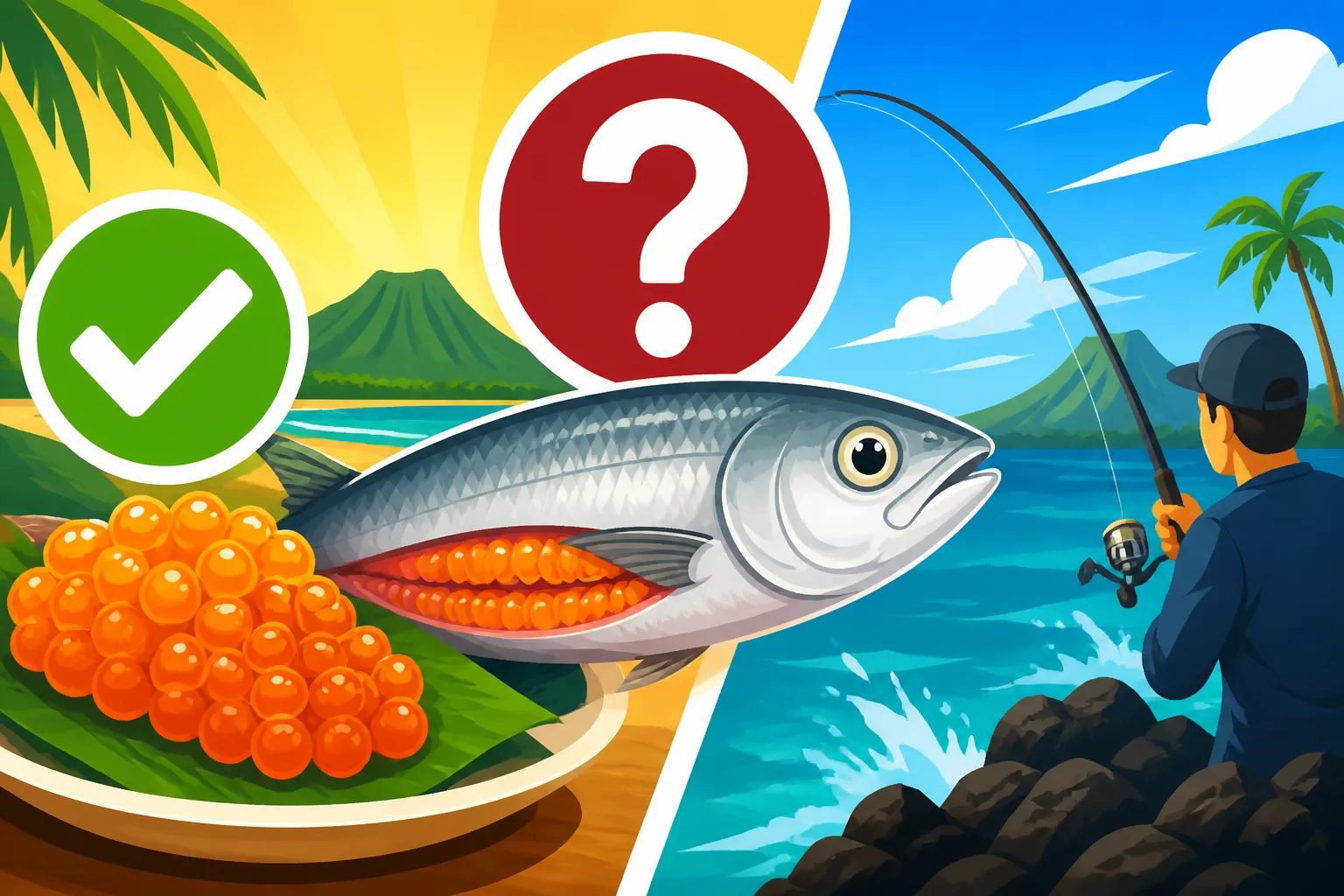
When cleaning any fish, especially those where ciguatera might be a concern, certain parts are known to contain higher concentrations of the toxin. The liver, intestines, head, and roe (eggs) are typically where ciguatoxins are most concentrated. Therefore, if you are processing a roi for consumption, it is absolutely critical to remove and discard these organs thoroughly. Some anglers go as far as to remove the skin as well, though the muscle tissue itself can still contain significant amounts of toxin.
Always use separate cutting boards and knives for fish that might carry ciguatera, and clean all equipment meticulously. You wouldn't want to accidentally cross-contaminate other, safer fish. While proper cleaning won't eliminate the toxin from the muscle meat, it can help prevent accidental ingestion of higher-concentration organs. You can find many filleting knives and cutting boards designed for fish preparation on Amazon.
The Role of Responsible Angling
Ultimately, the decision to eat roi is a personal one, weighing the desire to consume your catch against the potential health risks. However, for those committed to protecting Hawaii's marine environment, the drive to remove invasive species like roi remains strong. If you're spearfishing or using other techniques where roi are commonly caught, like some forms of Bottomfishing in Hawaii or Shore Fishing Techniques for Hawaii, you'll encounter them.
Anglers play a crucial role in managing these populations. If you catch a roi, consider the following:
- Ecological Benefit: Removing roi helps reduce predation pressure on native reef fish.
- Personal Risk: Weigh the potential ciguatera risk against the desire to consume the fish.
- Disposal: If you choose not to eat the fish, dispose of it responsibly, away from the ocean, to prevent it from becoming a source of food for other scavengers that might then enter the food chain. This is part of responsible fishing practices, as detailed in What to do if you catch an invasive fish species in Hawaii.
Some fishing tournaments even offer incentives for catching and removing roi, highlighting the community's effort to address this invasive species problem. These efforts are part of a larger conversation about sustainable fishing and ecosystem health in Hawaii, which includes understanding and adhering to regulations, even for non-native species.
| Symptom Category | Common Symptoms of Ciguatera Poisoning | Notes |
|---|---|---|
| Gastrointestinal | Nausea, vomiting, diarrhea, abdominal cramps | Often the first symptoms to appear, usually within hours of consumption. |
| Neurological | Tingling in extremities, hot/cold temperature reversal (allodynia), numbness, muscle aches, joint pain, fatigue, weakness, dizziness, vertigo, headache, metallic taste in mouth, sensitive teeth. | Can be persistent and debilitating; temperature reversal is a hallmark symptom. |
| Cardiovascular | Slowed heart rate (bradycardia), low blood pressure (hypotension) | Less common but can occur in severe cases. |
| Other | Rash, itching, excessive sweating, vision disturbances | Varies greatly among individuals and severity. |
Alternative Fish Choices and Further Research
Given the persistent ciguatera risk associated with roi, many anglers and seafood lovers in Hawaii opt for other, consistently safe and delicious fish. Our local waters are teeming with incredible species that offer fantastic eating without the same concerns. Consider species like mahimahi, ono (wahoo), ahi (yellowfin tuna), and opakapaka (pink snapper), all of which are highly prized and generally safe to eat. Is Ono Good to Eat? and Is Mahimahi Good to Eat? are great resources for exploring other delectable options.
For those interested in learning more about specific reef fish species and identification, particularly to distinguish them from other look-alikes or to understand their role in the ecosystem, Reef Fish Species Identification Guide for Hawaii can be a valuable tool. Additionally, staying informed about local advisories and discussions within the fishing community is always a good practice. The Hawaii Division of Aquatic Resources (DAR) often provides updates and educational materials regarding ciguatera and invasive species management.
While the ecological benefit of removing roi is clear, the health risks associated with their consumption cannot be ignored. For many, the joy of fishing in Hawaii is intertwined with the pleasure of sharing safe, delicious seafood with family and friends. When it comes to roi, caution, informed decision-making, and a deep respect for both our health and the health of our marine environment should always guide our choices.
Disclaimer
This article is for general informational purposes only and does not constitute professional advice. Laws, prices and regulations vary by location and change over time. Consult a qualified professional for guidance on your specific situation.