What tilapia eat in Hawaii’s reservoirs
It's incredibly frustrating when you're out fishing in one of Hawaii's beautiful freshwater reservoirs, hoping to hook into something exciting, and you keep pulling in tilapia. While these hardy fish are abundant, sometimes you're just not sure what they're actually looking for to bite, or how their diet impacts where you find them. This guide is here to demystify the eating habits of tilapia in Hawaii's freshwater systems, helping you understand their natural forage and what artificial offerings might just entice a bite.
Understanding Tilapia in Hawaii's Freshwater Ecosystems
Tilapia are a bit of a conundrum for many anglers in Hawaii. They're everywhere in our freshwater reservoirs and canals, seemingly taking over, and while some folks enjoy catching them for sport or table fare, others see them as a nuisance when targeting other species like peacock bass or largemouth bass. But to truly understand how to interact with them, whether you're trying to catch them or avoid them, it helps to know their place in the ecosystem and what drives their appetite.
A Brief History of Tilapia in Hawaii
Tilapia aren't native to Hawaii, which is a key part of why they're so prolific here. These fish were originally introduced to the islands decades ago, primarily for aquaculture purposes or as a biological control for aquatic vegetation and mosquito larvae in various waterways. They're incredibly adaptable, tolerant of a wide range of water conditions, and breed rapidly, which allowed them to quickly establish thriving populations in reservoirs like Wahiawa and Nuuanu, as well as many smaller ponds and irrigation ditches across the islands. Their resilience is part of what makes them so successful, and sometimes, such a challenge for native species, although in Hawaii's freshwaters, the impact is mostly on other introduced species.
Why Their Diet Matters to Anglers
Knowing what tilapia eat isn't just a fun fact; it's practical fishing knowledge. If you're hoping to fill a cooler with tilapia for dinner, understanding their natural diet and preferences can dramatically increase your success rate. Conversely, if you're targeting other game fish and want to avoid the constant nibbles of tilapia, knowing what they don't eat as readily can help you choose your baits more wisely. Their diet is a direct reflection of their environment, and Hawaii's reservoirs offer a unique buffet. Plus, understanding their foraging habits gives you insight into the overall health of the aquatic system – what's available for them to eat, and how those food sources might be influencing the behavior of other fish, like the Peacock Bass in Wahiawa Reservoir or the Largemouth Bass in Hawaii's Reservoirs.
The Diverse Palate of Hawaii's Reservoir Tilapia
Tilapia are truly opportunistic eaters, which is a major reason for their widespread success. They aren't particularly picky, and their diet can shift based on what's available in their specific reservoir or pond. Think of them as the ultimate scavengers and grazers of the freshwater world. This adaptability means you might find them eating different things in the muddy bottom of one pond compared to the clearer, plant-filled edges of another.
Microscopic Munchies: Algae and Detritus
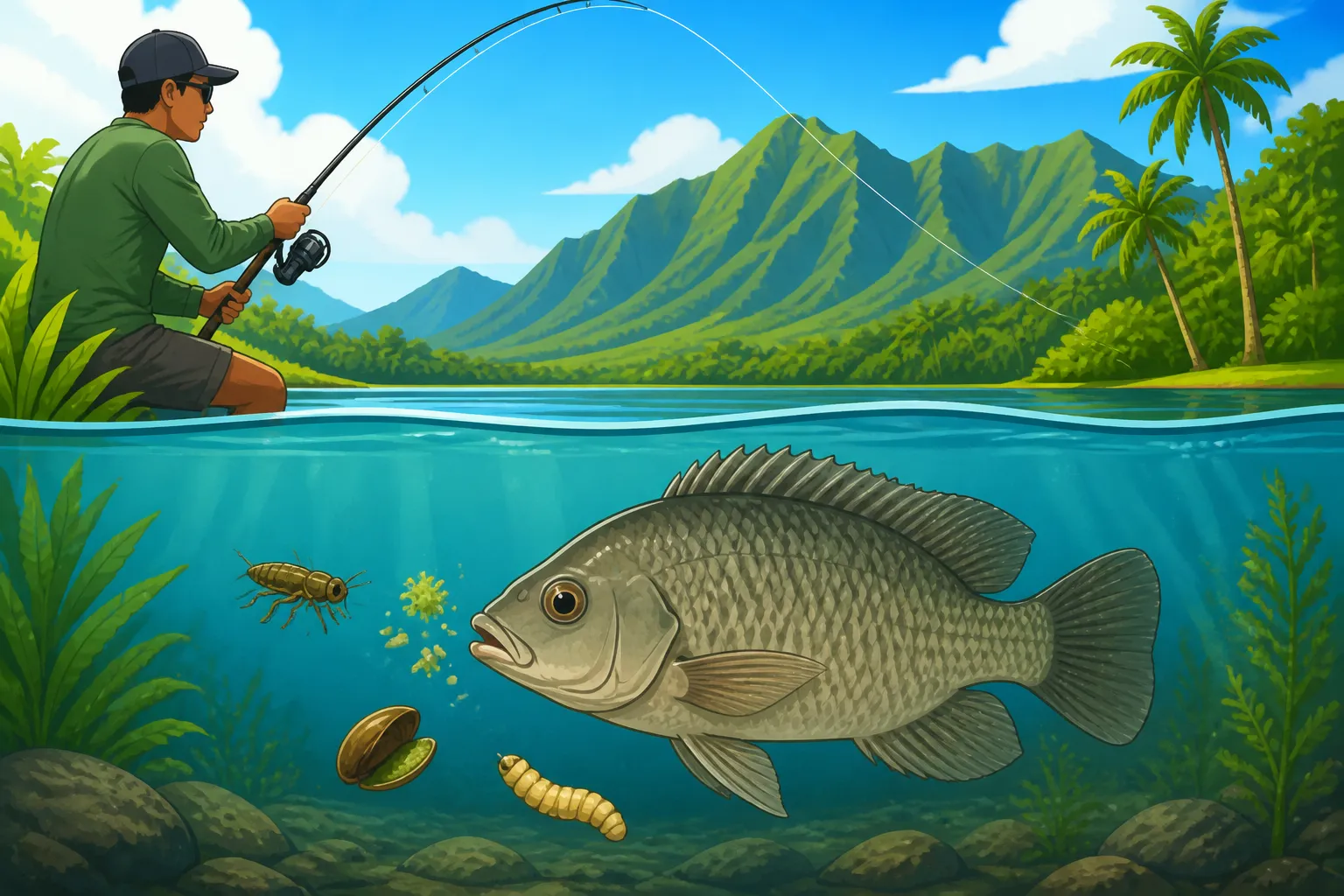
At the core of a tilapia's natural diet in Hawaii's reservoirs are the microscopic organisms and decaying organic matter found in the water. They are filter feeders and grazers by nature. This means they spend a lot of their time sifting through the bottom sediment or grazing along submerged surfaces.
- Algae: Tilapia love algae. Whether it's the green film covering rocks, the slimy growth on submerged logs, or the free-floating microscopic phytoplankton in the water column, algae is a primary food source. This is why you often see them in areas with abundant submerged structure or murky water, where algae thrives. Their specialized mouths are perfect for scraping these growths or filtering them from the water.
- Detritus: This is essentially decaying organic material – fallen leaves, dead plant matter, tiny bits of dead insects, and other organic debris that settles on the bottom. Tilapia are excellent at processing this detritus, extracting nutrients from it. This makes them fantastic "clean-up crew" members in the ecosystem, but it also means they'll be found foraging along the bottom, making simple bottom rigs highly effective for catching them.
It's this constant grazing on algae and detritus that sometimes makes them seem disinterested in traditional baits; they're already quite content with the natural buffet.
Opportunistic Omnivores: Insects, Larvae, and Small Invertebrates
While algae and detritus form the bulk of their diet, tilapia are definitely not exclusively vegetarian. When the opportunity arises, they'll readily consume a variety of small animal life. This demonstrates their true omnivorous nature and why they can be caught on such a wide array of baits.
- Insect Larvae: Submerged logs, aquatic plants, and muddy bottoms are often teeming with insect larvae – think mosquito larvae, midge larvae, or dragonfly nymphs. Tilapia will root around for these protein-rich snacks, especially when they are abundant.
- Small Invertebrates: Tiny worms, crustaceans, and other small invertebrates living in the sediment are also on the menu. If a tilapia encounters a particularly juicy looking bug or worm while grazing, it's not going to pass it up. This is where baits like earthworms or pieces of shrimp can become very effective, mimicking these natural protein sources. You might find some of these effective bait options for sale on a platform like Amazon, alongside other fishing essentials.
- Zooplankton: Just as they filter feed on phytoplankton, they'll also consume zooplankton – tiny aquatic animals that drift in the water column. This makes them adaptable feeders at different depths, not just hugging the bottom.
Plant-Based Provisions: Aquatic Vegetation
Beyond microscopic algae, tilapia also consume larger aquatic plants. This habit led to their introduction in some areas as a form of biological weed control. If you've ever seen a reservoir choked with weeds, chances are tilapia are in there, helping to keep things somewhat in check.
- Submerged Weeds: Tilapia will graze on the leaves and stems of various submerged plants, tearing off pieces to consume. This makes areas with dense weed beds prime locations to find them, not just because of the cover the weeds provide, but because the weeds themselves are a food source.
- Grasses and Terrestrial Plants: If overhanging branches or grasses dip into the water, or if heavy rains wash terrestrial plant matter into the reservoir, tilapia will often pick at these too. They're not particularly discerning when it comes to plant matter, as long as it's digestible and accessible. This habit is useful for anglers using dough baits that mimic soft plant material.
Artificial Baits and Angler Offerings: What Tilapia Will Eat
Given their incredibly varied natural diet, it's not surprising that tilapia will bite on an equally wide range of artificial and prepared baits offered by anglers. This makes them a fun target for all skill levels, and you don't always need specialized gear. Many of these baits are easily found at local tackle shops or can even be purchased in bulk online through retailers like Amazon. Remember to always check the Hawaii Freshwater Fishing License and Rules before heading out.
Tried and True: Bread, Corn, and Dough Balls
These are perhaps the most popular and consistently effective baits for tilapia, primarily because they are readily available, inexpensive, and mimic some aspects of their natural plant-based or detritus diet.
- Bread: A classic for a reason. A small piece of white bread, balled up and pressed onto a small hook, is incredibly tempting to tilapia. It's soft, easy for them to nibble, and disperses scent and tiny particles that attract them. Anglers often fish bread just off the bottom or suspended under a bobber near weed lines.
- Canned Corn: Sweet, bright, and universally appealing to many freshwater fish, canned corn is another tilapia magnet. Its small size is perfect for their mouths, and the sweet scent seems to draw them in. It's best used on a small hook, often fished in a cluster of 2-3 kernels.
- Dough Balls: Homemade dough balls, made from flour, water, and sometimes a flavoring like garlic or vanilla, are highly effective. Their soft texture and ability to be molded around a hook make them versatile. They mimic soft plant matter or a concentrated food source. Experimenting with different scents in your dough balls can be a fun way to customize your bait.
Unexpected Treats: Hot Dogs and Canned Meats
While bread and corn are common, tilapia also have a surprising affinity for certain processed human foods, particularly those with a strong scent. This again highlights their opportunistic nature.
- Hot Dogs: Cut into small, dime-sized pieces, hot dogs are incredibly effective. The salty, savory scent and soft texture are irresistible to tilapia. They're cheap, easy to cut, and stay on the hook reasonably well. They’re a fantastic choice for those days when the fish seem a bit pickier.
- Canned Meats (e.g., Vienna Sausages): Similar to hot dogs, small pieces of canned sausage or similar processed meats can work wonders. The oil and strong smell they release in the water act as an attractant. These are often fished on the bottom, allowing the scent to disperse and draw in curious tilapia.
Manufactured Baits: Pellets and Artificial Worms
Beyond household items, there are also commercially produced baits that can be very successful, often found at your local tackle shop or through online vendors.
- Fish Food Pellets / Cat Food Pellets: Tilapia in reservoirs often come into contact with or are accustomed to pellet feeds, especially if they are stocked or if previous anglers have used them. These pellets, soaked slightly to soften them and pressed onto a small hook, can be very effective. Their composition is often similar to what farm-raised tilapia would eat. You can find large bags of these online, perfect for chumming and baiting.
- Small Artificial Worms or Grubs: While less common than natural baits, very small, soft plastic worms or grubs (think trout or panfish sizes) can sometimes tempt tilapia, especially if jigged subtly near the bottom. The key here is realism and a very slow, almost motionless presentation. This is where you might look for finesse fishing options, perhaps by searching for "micro soft plastics" on Amazon.
Remember, fishing for tilapia in Hawaii's freshwater reservoirs typically requires a license. You can find details on where to get one and its cost in articles like Where and How to Buy a Hawaii Fishing License and Hawaii Freshwater License Cost for Residents.
| Bait Type | Best Use | Pros | Cons |
|---|---|---|---|
| Bread | Bottom fishing, under a bobber, near structure | Cheap, effective, good scent dispersion | Can fall off hook easily, short shelf life |
| Canned Corn | Bottom fishing, near weed lines | Sweet scent, bright color, small pieces | May attract smaller fish, can be soft |
| Dough Balls | Bottom fishing, molded to hook | Customizable, stays on hook well, versatile | Requires preparation, can get messy |
| Hot Dogs / Canned Meats | Bottom fishing, strong scent | Strong attractant, stays on hook well | Processed, not natural looking |
| Fish Food Pellets | Bottom fishing, chumming, near feeder spots | Familiar to fish, easy to acquire | Can be brittle, requires pre-soaking |
| Small Artificials | Finesse fishing, slow retrieval | Durable, reusable, target-specific | Less scent, requires more skill to present |
The Role of Environment and Season in Tilapia Feeding Habits
Just like any other fish, tilapia aren't automatons that eat the same thing, the same way, all the time. Their feeding behavior is heavily influenced by the conditions around them, making it crucial for an angler to "read the water" and understand the season. This knowledge can really turn an average fishing day into a stellar one. If you're planning a trip to a specific spot like Hawaii Wahiawa Reservoir Fishing Rules, knowing these environmental factors can be a game-changer.
Water Temperature and Oxygen Levels
These two factors are perhaps the most critical in dictating fish activity, including feeding. Tilapia are tropical fish, so they generally prefer warmer waters, but they can tolerate a wide range.
- Warm Water (Optimal): In the warmer months or during peak daylight hours when reservoir waters are warm, tilapia are typically more active and feed more aggressively. Their metabolism is higher, requiring more food. This is often the best time to target them, as they're more likely to strike a variety of baits.
- Cooler Water (Suboptimal): While Hawaii's reservoirs rarely get truly cold, cooler periods, especially during winter mornings or after heavy rain, can slow their metabolism. They might become lethargic and less inclined to feed, or they might seek out deeper, more stable water where temperatures are more consistent. During these times, a slower, more subtle bait presentation might be necessary, and strong-smelling baits could be more effective at drawing them in.
- Oxygen Levels: Like all fish, tilapia need oxygen. Areas with low oxygen (often found in stagnant, warm, shallow water, or decaying vegetation) will cause fish to become stressed and stop feeding. Conversely, areas with good oxygenation, like near inflowing streams or aerated sections, will concentrate active, feeding fish. Keeping an eye on conditions, especially after prolonged hot, calm weather, can guide you to more productive spots.
Abundance of Natural Food Sources
The sheer availability of their natural diet directly impacts how readily tilapia will bite an angler's offering. It's a classic case of supply and demand.
- High Natural Food Abundance: If a reservoir is bursting with algae, detritus, and insect larvae, tilapia might be less inclined to chase an artificial bait. They're already full and have plenty of easy meals around them. In these scenarios, you might need a bait that stands out, or a very subtle presentation to mimic something they'd naturally graze on. You might find them suspended higher in the water column, filter-feeding on plankton.
- Low Natural Food Abundance: Conversely, if natural food sources are scarce (perhaps after a heavy rain washes out much of the bottom, or an algal bloom suddenly collapses), tilapia will be hungrier and more willing to take an angler's bait. This is when they become more aggressive in their search for food and are more prone to taking a wider variety of offerings, from bread to hot dogs. This is also when understanding their full opportunistic diet comes into play, as they'll really be exploring all options.
Seasonal Changes in Foraging Behavior
While Hawaii doesn't experience extreme seasonal changes like temperate regions, there are still subtle shifts that influence tilapia behavior.
- Spawning Season: Like many fish, tilapia have specific spawning periods. During this time, which can vary by species and specific reservoir conditions, their focus shifts from feeding to reproduction. Males might become very territorial and protective of nests, making them less likely to bite out of hunger, though they might strike aggressively at anything perceived as a threat. Females might also feed less during the peak of spawning.
- Rainy Season: Hawaii's rainy season can significantly impact freshwater fishing. Increased runoff brings new nutrients and detritus into the reservoirs, which can initially stimulate feeding as new food sources become available. However, heavy, prolonged rains can also lead to increased turbidity (murky water), cooler temperatures, and altered oxygen levels, which might temporarily slow down feeding until conditions stabilize. Understanding these patterns is part of being a seasoned angler in Hawaii. Hawaii Fishing Seasons by Month can offer broader insights into these seasonal shifts across all species.
- Pre-Spawn and Post-Spawn Feeding: Before spawning, tilapia will often feed heavily to build up energy reserves. After spawning, they'll again enter a period of aggressive feeding to recover. These can be excellent times to target them with readily available baits, as their appetites are typically at their peak.
Considering these environmental and seasonal cues can vastly improve your chances of success, whether you're trying to catch every tilapia in the pond or just trying to understand the freshwater ecosystem better. And always remember to consult official regulations, like Hawaii Fishing Regulations Explained, before your next outing.
Disclaimer
This article is for general informational purposes only and does not constitute professional advice. Laws, prices and regulations vary by location and change over time. Consult a qualified professional for guidance on your specific situation.