Do Hawaii Waters Have Great White Sharks?
The vast, shimmering blue waters of Hawaii are a dream for anglers and ocean lovers alike, but like any open ocean environment, it naturally sparks curiosity—and sometimes a little anxiety—about what lies beneath. One of the most common questions I hear, often whispered with a hint of trepidation, is "Do Hawaii waters have Great White Sharks?" It's a completely valid concern, especially with all the media portrayals out there. So, let's dive deep and set the record straight on these incredible, yet often misunderstood, creatures and their presence in our beloved Hawaiian archipelago.
The Truth About Great White Sharks in Hawaiian Waters
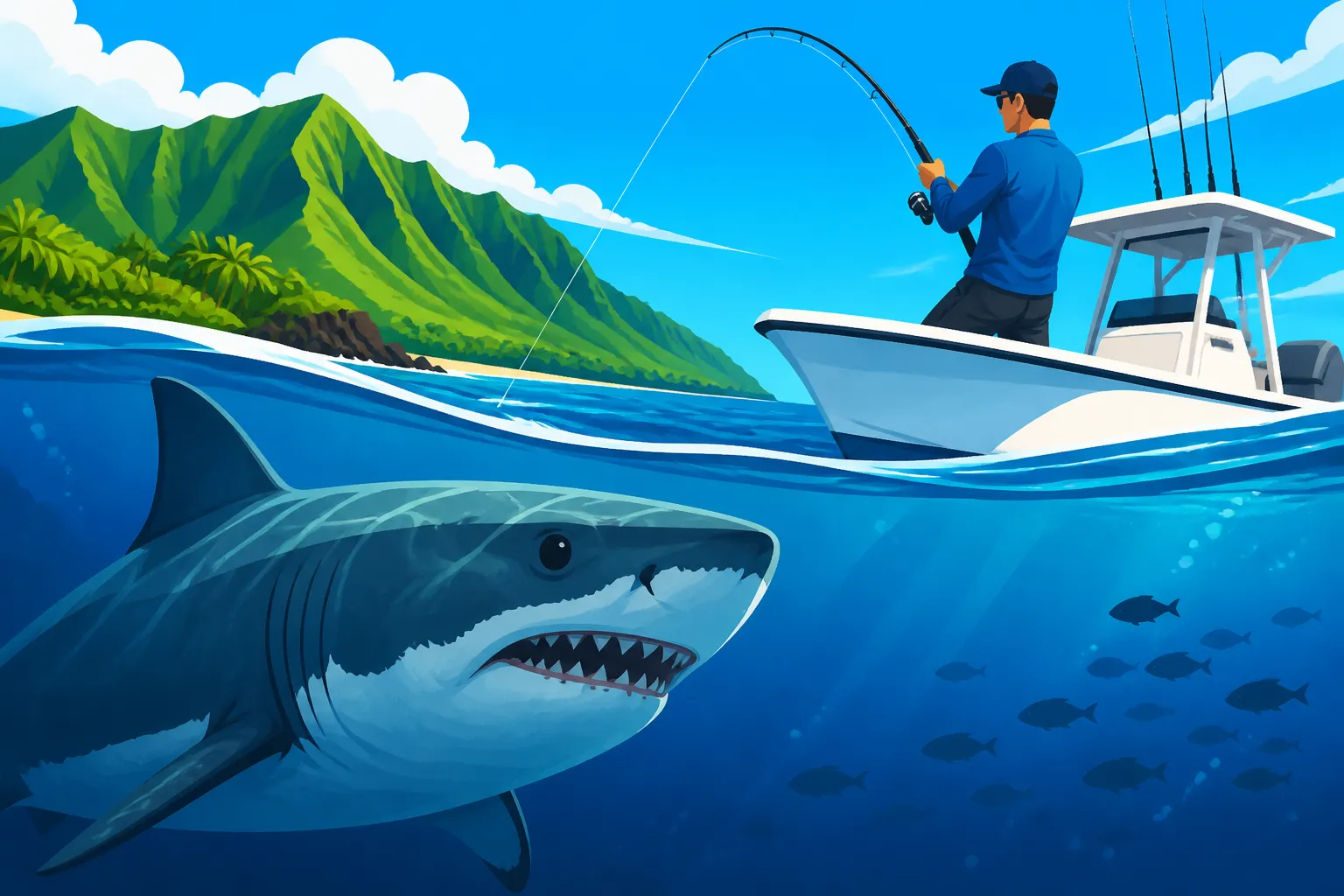
Let's cut right to the chase: while it's extremely rare, Great White Sharks do occasionally pass through Hawaiian waters. However, it's crucial to understand that they are not considered residents of Hawaii in the same way, say, tiger sharks or reef sharks are. You won't find them patrolling our reefs regularly, nor do they typically establish feeding grounds here. Think of them more as infrequent, transient visitors, often on long-distance migrations, rather than local inhabitants.
This distinction is really important for perspective. When people imagine "sharks in Hawaii," their minds often jump to the dramatic images of Great Whites we see on TV. The reality in Hawaii is much different. Our abundant marine life and rich ecosystems support a diverse range of shark species, but Carcharodon carcharias isn't a regular part of that vibrant cast. They prefer colder, temperate waters, which offer a different kind of food source—think seals and sea lions—that simply isn't present in Hawaii's tropical environment.
Why Sightings Are Uncommonly Rare
Even with the vastness of the Pacific Ocean, why are Great White sightings in Hawaii so incredibly rare? It largely boils down to their preferred habitat and diet. Great Whites are apex predators of temperate oceans. They thrive in places like the coastlines of California, South Africa, and Australia, where colder waters provide an abundance of large marine mammals that form the bulk of their diet. Hawaii's warm, tropical waters, while teeming with fish and other marine life, simply don't offer the consistent, calorie-rich prey base that Great Whites seek.
Another factor is their migratory patterns. While some Great Whites undertake epic journeys across oceans, these movements are often tied to breeding, searching for new food sources, or following seasonal changes in water temperature. Hawaii, sitting thousands of miles from their typical hunting grounds, might be a brief stopover or a waypoint on a much longer journey, but it's not a destination where they tend to linger. The few documented sightings here are often individuals, not established populations, and they tend to be in deeper, cooler offshore waters, far from popular swimming or fishing areas.
Understanding the Differences: Transient vs. Resident Sharks
To truly grasp the Great White situation, it helps to compare them to the sharks that do call Hawaii home. Resident sharks, like reef sharks (blacktip, whitetip, grey reef), hammerheads, and tiger sharks, have adapted to Hawaii's specific environment. They have established hunting patterns, breeding grounds, and territories within our islands. For instance, What sharks are common in Hawaiian waters provides a much more accurate picture of what you're likely to encounter.
Great Whites, on the other hand, are like a traveler passing through an airport. They might land, refuel (metaphorically, in this case), and then continue on their way. They don't have a local "address" or a routine here. This difference means that while the possibility of a Great White being in Hawaii's expansive waters exists, the probability of encountering one while enjoying a day on the water or fishing from shore is astronomically low. It's a bit like winning the lottery – technically possible, but don't count on it.
Common Shark Species in Hawaii and Their Habits
Now that we've demystified the Great White, let's talk about the sharks you are far more likely to encounter when fishing or enjoying the ocean in Hawaii. These species are an integral part of our marine ecosystem, playing vital roles as apex predators that help maintain the health and balance of the reefs and open ocean. Understanding these common species is far more practical for anyone spending time in Hawaiian waters.
Tiger Sharks: Our Largest Resident Predator
When people think of "large sharks in Hawaii," the tiger shark (Galeocerdo cuvier) is often the first that comes to mind, and for good reason. They are common residents throughout the islands and are indeed one of the largest predatory sharks found here. Tiger sharks are incredibly adaptable, inhabiting both shallow coastal waters, including reefs and estuaries, and deeper offshore areas. They are opportunistic feeders, known for eating a wide variety of prey, from fish, crustaceans, and seabirds to other sharks, turtles, and even marine mammals.
Despite their formidable size and reputation, tiger sharks are generally not aggressive towards humans. Incidents, while serious, are rare and often occur in specific conditions, such as murky water or around areas where chumming or spearfishing might attract them. If you're concerned about interactions, understanding general shark safety protocols is key, which we'll cover later. For more context on potential risks, you might want to read Are Tiger Sharks a Danger to Anglers in Hawaii?. When fishing, remember to handle your catch quickly and safely, avoiding letting injured fish bleed excessively in the water, as this can attract unwanted attention from any marine predator.
Reef Sharks and Hammerheads: The Reef Patrol
Beyond tiger sharks, our reefs are home to a bustling population of smaller, but equally important, shark species. Whitetip reef sharks (Triaenodon obesus) are perhaps the most commonly seen and are often encountered by snorkelers and divers. These slender, graceful sharks are usually small, typically under 5-6 feet, and are generally docile, preferring to hunt small fish and octopuses in the crevices of the reef at night. Blacktip reef sharks and grey reef sharks are also present, often seen cruising along reef edges. These species are generally shy and pose little to no threat to humans unless provoked.
Scalloped hammerhead sharks (Sphyrna lewini) are another fascinating resident, often schooling in large numbers, particularly juveniles, in coastal bays and estuaries. Adult hammerheads are more solitary and can be found in offshore waters. Their distinctive head shape is thought to improve their sensory abilities, helping them locate prey like stingrays, fish, and smaller sharks. While large, hammerheads are generally considered shy and non-aggressive towards humans. Spotting a school of hammerheads from a boat can be an absolutely breathtaking experience! Understanding these Reef Fish Species Identification Guide for Hawaii can help you appreciate the complex ecosystem they are a part of.
Shark Safety and Best Practices for Anglers
Whether you're fishing from shore or heading out on a boat, it's always wise to practice responsible ocean habits, not just for your safety, but for the health of the marine environment. The chances of a negative shark encounter in Hawaii are incredibly low, but common sense and awareness go a long way.
General Ocean Safety Tips
First and foremost, always be aware of your surroundings. This sounds simple, but it's crucial. Before entering the water, observe the conditions: Is the water clear or murky? Are there any unusual animal behaviors? Avoid swimming or wading near stream mouths after heavy rains, as runoff can create murky conditions that attract sharks. It's also best to avoid being in the water at dawn and dusk, which are prime hunting times for many shark species. If you're exploring new areas, consult local advice or look for signs that might indicate Hawaii Marine Life Conservation Districts, Explained or other restricted areas.
For families, particularly those with children, keeping everyone together and supervising little ones closely is paramount. Avoid excessive splashing, which can mimic struggling prey. If you're on a boat, ensure all trash and fish waste are properly disposed of, not thrown overboard near popular activity areas. A good pair of polarized sunglasses, available on Amazon, can help you spot activity in the water from a distance, giving you an early heads-up on any marine life.
Specific Advice for Anglers
As an angler, you're interacting more directly with potential food sources for sharks, so a few extra precautions are helpful:
- Avoid Excessive Bleeding: When you catch a fish, try to land it quickly and humanely. If you're keeping it, dispatch it promptly and store it in a cooler or fish box to minimize blood in the water. Prolonged bleeding from a struggling fish can act like a dinner bell for any opportunistic predator nearby.
- Don't Clean Fish in the Water: Never clean your catch while still in the ocean or directly on the beach where people swim. Dispose of fish scraps responsibly, far from swimming areas. If you're on a boat, wait until you're well offshore or back at the cleaning station at the harbor.
- Be Mindful of Spearfishing: Spearfishing involves attracting fish and often creates a wounded, struggling target—which is exactly what attracts sharks. If you're spearfishing, always go with a buddy, be highly aware of your surroundings, and get your catch out of the water quickly. It's also vital to be completely familiar with Hawaii Spearfishing Regulations before you head out.
- Stay Calm if a Shark Appears: If a shark approaches while you're fishing, remain calm. Don't splash or make sudden movements. If you're in the water, slowly and deliberately make your way back to shore or your boat. If on a boat, continue to fish, but keep an eye on the shark. Most sharks are simply curious and will move on if they don't perceive a threat or an easy meal.
- Use Proper Gear: Make sure your fishing line, leader, and hooks are appropriate for the size of fish you're targeting. Using gear that's too light can lead to prolonged fights, stressing the fish and potentially attracting sharks. Strong, reliable gear is readily available on platforms like Amazon.
Understanding the Bigger Picture: Hawaii's Diverse Marine Life
While sharks capture our attention, Hawaii's waters are a complex tapestry of marine life, from vibrant coral reefs to the deep pelagic zones. The occasional presence of a Great White Shark, while noteworthy, doesn't diminish the incredible diversity and beauty of our oceans, nor should it instill undue fear. In fact, our islands boast an impressive array of pelagic species that attract anglers from around the world.
Beyond Sharks: The Richness of Hawaiian Waters
When you drop a line in Hawaiian waters, you're more likely to encounter thrilling game fish like ahi (yellowfin tuna), mahimahi (dolphin fish), ono (wahoo), and, of course, the magnificent marlin that grace the Kona coast. These species are the true stars of Hawaii's offshore fishing scene, providing exhilarating battles and delicious table fare. Understanding their behaviors and the best techniques to catch them is a far more common pursuit for anglers here. Guides on Ahi (Yellowfin Tuna) Fishing in Hawaii or Marlin Fishing off the Kona Coast are much more pertinent to the typical Hawaiian fishing experience.
Our inshore waters, too, are bustling with life, offering opportunities to catch papio (juvenile trevally), ulua (giant trevally), moi (Pacific threadfin), and various reef fish. Even observing the smaller, colorful reef inhabitants like the humuhumunukunukuapua'a (our state fish) or the schooling akule adds to the magic of being on the water. This incredible biodiversity is what truly defines Hawaii's marine environment, making it a unique and cherished place for all who visit and live here. You can find comprehensive guides on Pelagic Species Identification Guide for Hawaii and Reef Fish Species Identification Guide for Hawaii to learn more about the species you're most likely to encounter.
Ultimately, while the thought of a Great White Shark might be unsettling, the data and scientific understanding consistently show that they are not a regular feature of Hawaii's marine landscape. Our waters are safe and teeming with life that offers endless opportunities for responsible anglers and ocean enthusiasts. Focus on appreciating the incredible local marine life and practicing good ocean stewardship, and you'll have an amazing experience in paradise.
| Shark Species | Common in Hawaii? | Typical Habitat | Primary Diet | General Threat Level to Humans |
|---|---|---|---|---|
| Great White Shark | No (rare transient) | Cold, temperate coastal waters (rarely tropical) | Marine mammals (seals, sea lions), large fish | High (when present and hunting) |
| Tiger Shark | Yes | Coastal, offshore, estuaries | Broad diet: fish, turtles, birds, other sharks | Moderate (opportunistic) |
| Whitetip Reef Shark | Yes | Coral reefs, shallow lagoons | Small fish, crustaceans, octopuses | Very Low (docile) |
| Scalloped Hammerhead | Yes | Coastal bays (juveniles), offshore (adults) | Stingrays, fish, other sharks | Low (generally shy) |
| Grey Reef Shark | Yes | Reef edges, clear coastal waters | Reef fish, squid, crustaceans | Low (curious, can be territorial) |
Disclaimer
This article is for general informational purposes only and does not constitute professional advice. Laws, prices and regulations vary by location and change over time. Consult a qualified professional for guidance on your specific situation.